Can Urolithin A and CoQ10 Support Cellular Energy in Long COVID and ME/CFS?
March 6, 2026
Urolithin ACoQ10Long COVID
Share:
Disclaimer: The information provided here is for educational purposes only and is not intended as medical advice. It should not be used to diagnose, treat, cure, or prevent any medical condition. Instead, use it as a starting point for discussion with your healthcare provider. Always consult with a qualified healthcare provider before starting any new medication, supplement, device, or making changes to your health regimen.
Months or even years after a viral infection, many patients find themselves trapped in a body that simply refuses to generate energy. If you are living with Long COVID, myalgic encephalomyelitis/chronic fatigue syndrome (ME/CFS), or dysautonomia, you already know that the exhaustion you experience is not just standard tiredness. It is a profound, cellular energy failure that makes even basic daily tasks feel like climbing a mountain. When your internal batteries are broken, pushing through the fatigue only leads to severe symptom crashes.
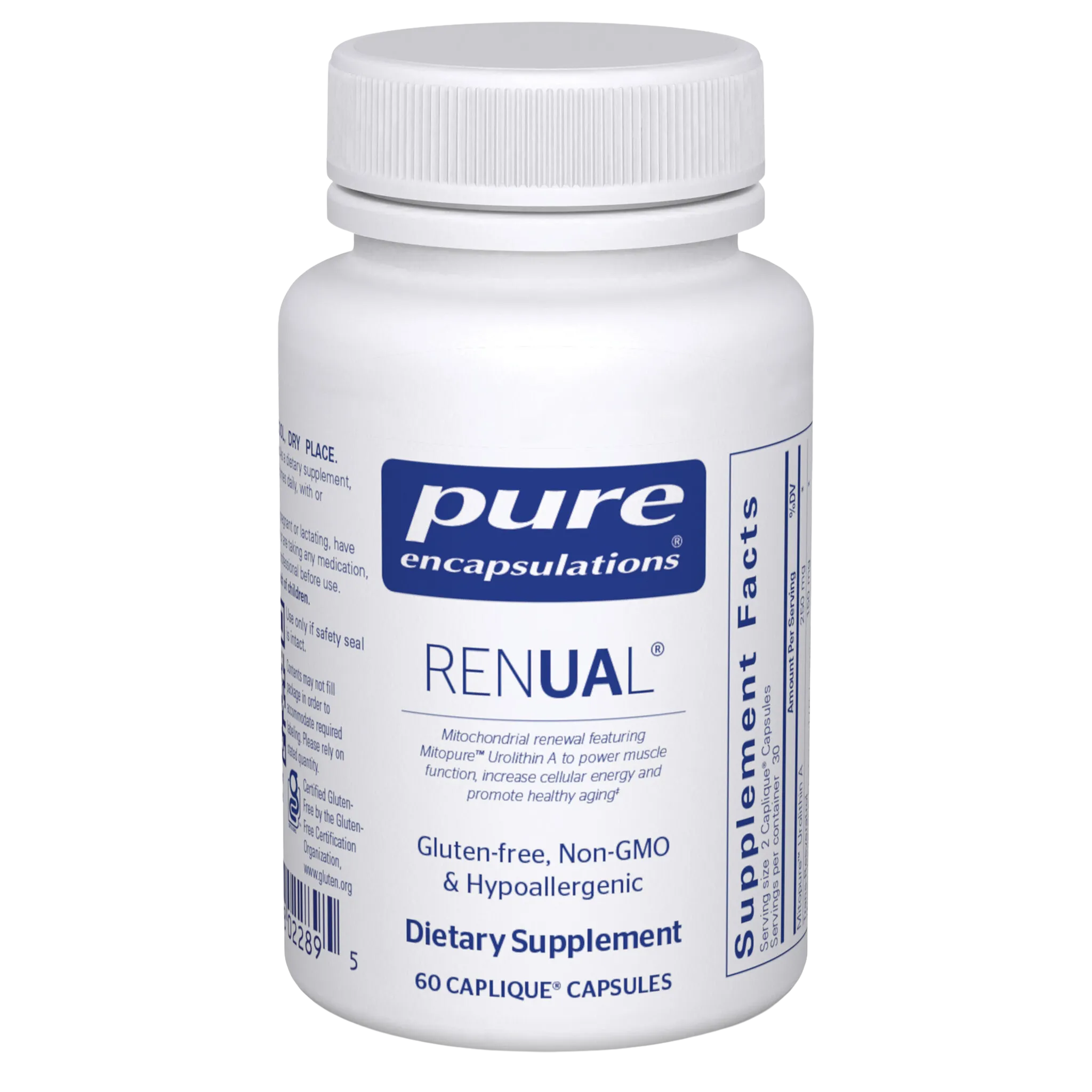
In the search for validating, science-backed management strategies, researchers have increasingly zeroed in on the health of our mitochondria—the microscopic powerhouses inside our cells. When these powerhouses become damaged by viral persistence or chronic inflammation, they need to be cleared out and replaced. This is where targeted nutritional support comes into play. In this comprehensive guide, we will explore how a specific combination of Urolithin A, Trans-Resveratrol, and Coenzyme Q10 (CoQ10)—found in the supplement RENUAL—works at the molecular level to support mitophagy, encourage mitochondrial biogenesis, and promote cellular energy production.
What is RENUAL and Its Key Ingredients?
The Role of Urolithin A in Cellular Cleanup
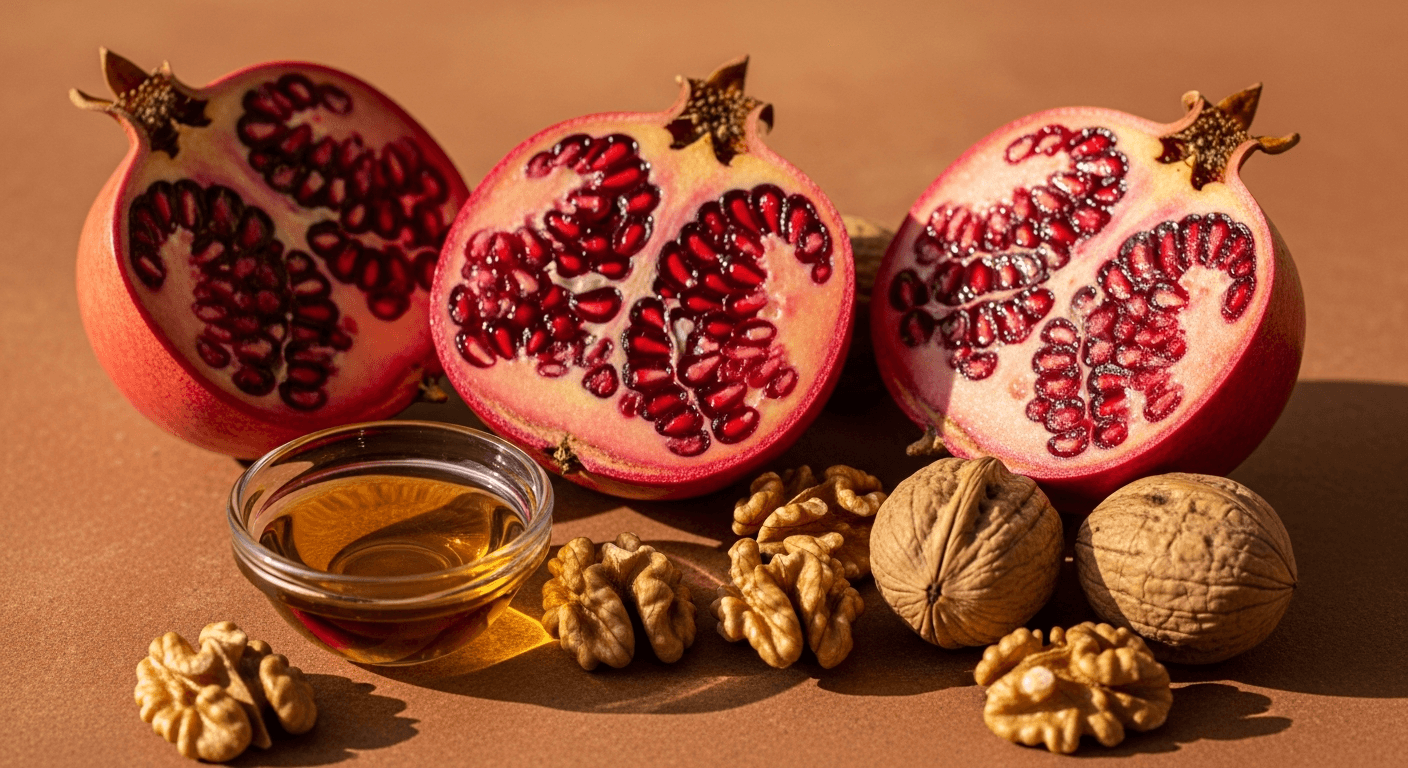
Urolithin A is a fascinating, naturally occurring postbiotic metabolite that has recently taken center stage in longevity and cellular health research. Interestingly, Urolithin A is not found directly in the food we eat. Instead, it is synthesized by specific bacteria in the human gut microbiome when they break down ellagitannins and ellagic acid—polyphenols found in foods like pomegranates, walnuts, strawberries, and raspberries. Because it relies on the microbiome, its natural production is highly variable among individuals.
Once created in the gut, Urolithin A travels through the bloodstream to interact with cells throughout the body, where it plays a critical role in cellular quality control. Its primary function is to trigger a biological process called mitophagy. Mitophagy acts as a highly selective cellular recycling system designed to identify, dismantle, and clear away old, damaged, or dysfunctional mitochondria. By removing these defective powerhouses, Urolithin A prevents the accumulation of cellular waste and sets the stage for healthy cellular renewal.
Trans-Resveratrol and the Longevity Pathways
Trans-Resveratrol is a potent polyphenolic compound found naturally in the skins of red grapes, berries, and Japanese knotweed (Polygonum cuspidatum). In the natural world, plants produce resveratrol as a defense mechanism to protect themselves against environmental stress, fungal infections, and UV radiation. When consumed by humans, extensive research suggests that resveratrol acts as a powerful signaling molecule that interacts with our own cellular defense and longevity pathways.
Specifically, resveratrol is famous for its ability to indirectly activate SIRT1 (Sirtuin 1), an NAD+-dependent enzyme often referred to as a master regulator of metabolic health. By activating SIRT1, resveratrol helps reduce oxidative stress, modulates inflammatory responses, and signals the cell to begin building new, highly efficient mitochondria to replace the ones cleared out by Urolithin A. This process is essential for maintaining a healthy, robust cellular energy grid over time.
Coenzyme Q10 and the Electron Transport Chain
Coenzyme Q10 (CoQ10) is a fat-soluble, vitamin-like compound that is naturally synthesized in the body and stored in the inner membranes of our mitochondria. It is an absolute biochemical necessity for human life, serving as a critical shuttle in the electron transport chain (ETC). During the complex process of cellular respiration, CoQ10 accepts negatively charged electrons from the first stages of metabolism (Complex I and Complex II) and physically transports them down the chain to Complex III.
This continuous movement of electrons helps pump positively charged protons across the mitochondrial membrane, creating the electrochemical gradient required to produce adenosine triphosphate (ATP)—the fundamental energy currency of the human body. Additionally, in its reduced form (ubiquinol), CoQ10 acts as a potent lipid-soluble antioxidant. It scavenges free radicals and protects the fragile mitochondrial membranes from the oxidative damage generated during intense energy production, ensuring the structural integrity of the cell.
How Complex Chronic Illness Impacts Mitochondrial Function
The Acquired Energy Crisis in Long COVID and ME/CFS
To understand why targeted mitochondrial support is so vital, we must first look at how conditions like Long COVID and ME/CFS alter cellular biology. Emerging clinical evidence strongly suggests that these post-viral syndromes are characterized by an acquired mitochondrial dysfunction. When the SARS-CoV-2 virus or other pathogens enter the body, they can directly hijack the mitochondrial machinery to replicate, causing profound structural damage and disrupting the delicate balance of mitochondrial fusion and fission.
Researchers have observed swollen mitochondria with disrupted internal structures (cristae) in the cells of Long COVID patients. This physical damage severely impairs the electron transport chain, causing a dramatic drop in the cell's ability to produce ATP. Without adequate ATP, highly energy-dependent tissues like the brain, heart, and skeletal muscles simply cannot function normally. This cellular energy deficit manifests clinically as the debilitating brain fog, cognitive impairment, and heavy, leaden limbs that patients frequently report.
Post-Exertional Malaise (PEM) and the Energetic Bottleneck
One of the hallmark symptoms of ME/CFS and Long COVID is post-exertional malaise (PEM), a severe exacerbation of symptoms following minimal physical or cognitive effort. At the cellular level, PEM represents a catastrophic energetic bottleneck. When a healthy person exerts themselves, their mitochondria rapidly upregulate ATP production to meet the demand. However, recent studies indicate that in patients with post-viral fatigue, the damaged mitochondria are bioenergetically inefficient and cannot scale up ATP synthesis.
Instead of relying on efficient oxidative phosphorylation, the cells are forced to rely on a less efficient, emergency backup system called glycolysis. This metabolic shift rapidly depletes cellular reserves and generates excess lactate, leading to cellular exhaustion. This explains why pushing through fatigue does not build stamina in these patients; it actively damages the cells and triggers a prolonged, painful crash. You can learn more about managing fatigue with Long COVID by exploring related cellular energy strategies.
Oxidative Stress and the Vicious Cycle of Inflammation
The cellular dysfunction does not stop at low energy production. When mitochondria are damaged, they become leaky, spilling reactive oxygen species (ROS) and fragments of mitochondrial DNA into the surrounding cellular fluid. The body's immune system recognizes this misplaced circulating cell-free mitochondrial DNA (ccf-mtDNA) as a danger signal, similar to a bacterial infection. This triggers the activation of inflammatory pathways, including the NLRP3 inflammasome, which floods the body with inflammatory cytokines.
Recent narrative reviews highlight that this mitochondrial reactive oxygen species (mtROS) production is a unifying mechanism in Long COVID, driving chronic immune activation, neuroinflammation, and microvascular damage. This creates a vicious cycle: systemic inflammation damages the mitochondria, and the damaged mitochondria drive further inflammation, preventing the body from returning to a healthy baseline and perpetuating the cycle of chronic illness.
RENUAL: Supporting Mitophagy and Energy Production
Triggering Mitophagy with Urolithin A
To break the vicious cycle of mitochondrial dysfunction, the body must first clear away the damaged, ROS-leaking mitochondria. This is where Urolithin A provides profound cellular support. Preclinical and clinical research demonstrates that Urolithin A is a potent inducer of mitophagy. At the molecular level, Urolithin A activates the PINK1/Parkin signaling pathway, a critical quality-control mechanism within the cell.
When a mitochondrion is damaged, the PINK1 protein accumulates on its outer membrane and recruits Parkin, an enzyme that essentially tags the defective mitochondrion with a ubiquitin marker. This tag signals the cell's internal waste disposal system (the autophagosome) to engulf and digest the broken mitochondrion. By enhancing this natural clearance process, Urolithin A helps remove the source of cellular oxidative stress and stops the leakage of inflammatory mitochondrial DNA, effectively cleaning up the cellular environment.
Stimulating Mitochondrial Biogenesis via SIRT1 and PGC-1α
Once the cellular debris has been cleared, the cell needs to build fresh, healthy mitochondria to restore ATP production. The Trans-Resveratrol in the RENUAL formula supports this exact mechanism. Extensive research shows that resveratrol indirectly activates the SIRT1 enzyme by increasing intracellular levels of NAD+ and activating the AMPK energy sensor. AMPK detects when the cell is low on energy by monitoring the AMP-to-ATP ratio, triggering a cascade of metabolic adaptations.
Once activated, SIRT1 removes acetyl groups from a master regulatory protein called PGC-1α (Peroxisome proliferator-activated receptor gamma coactivator 1-alpha). Deacetylated PGC-1α then travels into the cell's nucleus, where it binds to nuclear respiratory factors (NRF-1 and NRF-2) to upregulate the transcription of new mitochondrial DNA. This biological cascade, known as mitochondrial biogenesis, increases the total number of healthy mitochondria within the muscle and nerve cells, expanding the body's overall capacity to generate energy.
Restoring the Electron Transport Chain with CoQ10
With a fresh fleet of mitochondria established, the final step is ensuring they have the biochemical tools required to actually produce ATP. This is the critical role of Coenzyme Q10. As the new mitochondria begin metabolizing carbohydrates and fats, CoQ10 stations itself within the inner mitochondrial membrane to facilitate the electron transport chain. It acts as the essential bridge between Complex I (NADH dehydrogenase), Complex II (succinate dehydrogenase), and Complex III (cytochrome bc1 complex), ensuring that electrons flow smoothly and the proton gradient is maintained.
Clinical trials in ME/CFS patients have demonstrated that supplementing with CoQ10 can significantly increase intracellular ATP levels and improve the NAD+/NADH ratio. Furthermore, as these new mitochondria ramp up energy production, the antioxidant properties of CoQ10 neutralize the inevitable free radicals. This protects the newly formed mitochondrial membranes from oxidative damage and ensures long-term cellular resilience against metabolic stress.
Symptoms RENUAL May Help Manage
Targeted Symptom Relief for Chronic Illness
While no supplement is a cure for complex chronic conditions, the synergistic blend of Urolithin A, Resveratrol, and CoQ10 in RENUAL is designed to target the root cellular dysfunctions that drive many debilitating symptoms. By supporting mitophagy, mitochondrial biogenesis, and ATP production, this formula may help manage several key clinical presentations:
Profound Physical Fatigue: By directly supporting the electron transport chain and increasing the total volume of healthy mitochondria, CoQ10 and Resveratrol help restore the cellular ATP levels required for basic physical functioning, potentially reducing the sensation of heavy, leaden limbs.
Post-Exertional Malaise (PEM): While pacing remains the most critical tool for managing PEM, improving mitochondrial efficiency with Urolithin A may help raise the cellular energetic threshold. By clearing out bioenergetically inefficient mitochondria, the body may become slightly more resilient to minor physical or cognitive exertion.
Brain Fog and Cognitive Impairment: The brain is one of the most energy-demanding organs in the body. By reducing neuroinflammation (via the clearance of leaky mitochondria) and supporting neuronal ATP production, this formula may help improve mental clarity, focus, and memory recall.
Muscle Weakness and Exercise Intolerance: Clinical trials on Urolithin A have shown measurable improvements in skeletal muscle endurance and hamstring strength. By optimizing fatty acid oxidation and mitochondrial gene expression in muscle tissue, the supplement supports better muscle stamina without requiring aerobic exercise.
Systemic Inflammation and MCAS Triggers: The combination of Urolithin A's mitophagy enhancement and CoQ10's potent antioxidant properties helps neutralize reactive oxygen species (ROS) and prevents the activation of inflammatory pathways like the NLRP3 inflammasome, potentially soothing the chronic immune overactivation seen in Long COVID and mast cell activation syndrome (MCAS).
Dysautonomia and POTS Symptoms: The autonomic nervous system requires massive amounts of ATP to regulate heart rate and blood pressure. By restoring mitochondrial energy production, CoQ10 may help stabilize autonomic function and reduce the severity of tachycardia and orthostatic intolerance.
Practical Considerations: Forms, Dosing, and Absorption
Bypassing the Microbiome with Direct Urolithin A
One of the most important practical considerations regarding Urolithin A is the limitation of the human gut microbiome. While eating a diet rich in pomegranates and walnuts is generally healthy, research indicates that only 30% to 40% of the population possesses the specific gut bacteria required to convert these foods into therapeutic levels of Urolithin A. This conversion rate is likely even lower in patients with Long COVID, ME/CFS, or dysautonomia, who frequently suffer from severe gut dysbiosis and gastrointestinal inflammation.
By taking a direct supplement like RENUAL, which features 125 mg of highly purified Mitopure™ Urolithin A per serving, patients can completely bypass the unpredictable gut microbiome. This ensures they are receiving a clinically relevant, standardized dose directly into their bloodstream, allowing the compound to reach the muscle and nerve tissues where it is needed most to initiate mitophagy.
Optimizing Absorption and Bioavailability
To get the most out of this mitochondrial support formula, timing and absorption factors are key. Coenzyme Q10 is a highly lipophilic (fat-soluble) molecule, meaning it requires dietary fat to be properly absorbed through the intestinal wall. Therefore, it is highly recommended to take RENUAL alongside a meal that contains healthy fats, such as avocados, olive oil, nuts, or fatty fish. Taking it on an empty stomach will significantly reduce the bioavailability of the CoQ10 component.
Trans-Resveratrol also benefits from being taken with food, as its absorption can be relatively low when taken on an empty stomach. The suggested use is to take 2 capsules 1-2 times daily. Because these ingredients actively support cellular energy production and stimulate metabolic pathways, some patients find it best to take their doses in the morning or early afternoon. Taking energy-promoting supplements too close to bedtime may occasionally interfere with natural sleep architecture in sensitive individuals.
Safety, Pacing, and Synergistic Support
RENUAL is generally well-tolerated, but it is crucial to approach mitochondrial supplementation with realistic expectations and a strategic mindset. Mitophagy and mitochondrial biogenesis are biological processes that take time; while the clearance of damaged cells begins quickly, building a new network of healthy mitochondria can take several weeks to months. Therefore, patients should commit to a trial of at least 8 to 12 weeks to accurately gauge the supplement's efficacy and observe meaningful changes in their baseline energy levels.
Furthermore, taking an energy-supporting supplement is never an excuse to abandon strict pacing protocols. If you experience a slight increase in energy, it is vital to conserve it rather than pushing your physical limits, as overexertion can still trigger PEM. Always consult with your healthcare provider before starting a new supplement, especially if you are taking blood thinners or medications for blood pressure, as CoQ10 and Resveratrol can occasionally interact with these prescriptions. For more information on complementary protocols, consider reading about how Adaptogens Support Energy Levels.

Follow the Science
Clinical Trials on Urolithin A and Muscle Function
The scientific evidence supporting Urolithin A has grown exponentially in recent years, moving from promising animal models to rigorous human clinical trials. A landmark 2022 randomized, double-blind, placebo-controlled trial published in Cell Reports Medicine evaluated the effects of Urolithin A on middle-aged adults over four months. The researchers found that participants taking the supplement experienced a statistically significant ~12% improvement in hamstring leg muscle strength and a clinically meaningful increase in peak oxygen consumption (VO2 peak), despite not changing their exercise habits.
Furthermore, blood tests and muscle biopsies from the trial confirmed a significant reduction in C-reactive proteins (indicating lowered systemic inflammation) and a decrease in acylcarnitines, which is a key biomarker of improved mitochondrial efficiency. Another 2022 study in JAMA Network Open focusing on older adults demonstrated that Urolithin A significantly improved skeletal muscle endurance in both the leg and hand muscles, validating its role in combating age-related and disease-related muscle decline by clearing out dysfunctional mitochondria.
CoQ10 Research in Chronic Fatigue Syndrome
Coenzyme Q10 has been extensively studied specifically within the context of ME/CFS and post-viral fatigue. Because researchers have consistently documented that plasma CoQ10 levels are significantly lower in ME/CFS patients, multiple clinical trials have sought to restore these levels. A rigorous 2021 Spanish randomized, double-blind, placebo-controlled trial involving 207 ME/CFS patients evaluated the efficacy of CoQ10 combined with NADH over 12 weeks. The results were highly encouraging: the treatment group showed a statistically significant reduction in cognitive fatigue perception and overall fatigue scores compared to the placebo group.
The researchers also noted measurable improvements in health-related quality of life and sleep efficiency. Earlier biochemical studies on this same cohort demonstrated that the supplementation objectively increased intracellular ATP levels and reduced lipoperoxides, confirming that the clinical symptom relief was driven by actual cellular repair. You can explore more about Ubiquinol CoQ10 and cellular energy in our related clinical guides.
Emerging Data on Resveratrol and Cellular Stress
While the debate over the exact mechanisms of Resveratrol has evolved over the past two decades, contemporary research overwhelmingly supports its role in protecting cellular health under severe stress. A 2024 study investigating severe cellular inflammation and microcirculation dysfunction demonstrated that resveratrol successfully suppressed the deadly NLRP3 inflammasome precisely by boosting SIRT1/PGC-1α-dependent mitochondrial biogenesis.
When researchers chemically blocked the SIRT1 enzyme, the protective benefits of resveratrol vanished, proving that its ability to restore ATP and mitochondrial membrane potential is intrinsically linked to this specific longevity pathway. This data is particularly relevant for Long COVID patients, as the NLRP3 inflammasome is known to be a major driver of post-viral neuroinflammation and systemic immune dysregulation. By supporting SIRT1, resveratrol helps the body build a more resilient cellular infrastructure.
The Path Forward
A Foundational Step in Cellular Recovery
Living with a complex chronic illness like Long COVID, ME/CFS, or dysautonomia can feel like an endless battle against your own biology. The profound exhaustion, the unpredictable crashes, and the cognitive fog are not character flaws or signs of deconditioning; they are the direct result of a measurable, physiological energy crisis occurring deep within your cells. Understanding that your symptoms are rooted in acquired mitochondrial dysfunction can be incredibly validating. It shifts the focus away from simply pushing harder and toward the science of cellular healing. By targeting the root cause of this energy failure—clearing out damaged mitochondria through mitophagy and supporting the birth of new, efficient ones—you are taking a foundational step toward reclaiming your baseline health.
Integrating Supplements with Comprehensive Care
While the synergistic blend of Urolithin A, Trans-Resveratrol, and CoQ10 offers powerful, science-backed support for mitochondrial renewal, it is important to remember that supplements are just one piece of a comprehensive management puzzle. True recovery requires a multi-modal approach that includes rigorous symptom tracking, aggressive rest, nervous system regulation, and strict pacing to avoid post-exertional malaise. Always consult with your healthcare provider or a specialist in complex chronic conditions before introducing new supplements into your regimen to ensure they align with your specific medical needs and laboratory biomarkers.