Can Ubiquinol CoQ10 Support Cellular Energy and Manage Fatigue in Long COVID and ME/CFS?
March 5, 2026
UbiquinolCoQ10Long COVID
Share:
Disclaimer: The information provided here is for educational purposes only and is not intended as medical advice. It should not be used to diagnose, treat, cure, or prevent any medical condition. Instead, use it as a starting point for discussion with your healthcare provider. Always consult with a qualified healthcare provider before starting any new medication, supplement, device, or making changes to your health regimen.
For individuals living with complex chronic conditions like Long COVID, myalgic encephalomyelitis/chronic fatigue syndrome (ME/CFS), and dysautonomia, the daily reality is often defined by a profound, unyielding lack of energy. This isn't the standard tiredness that follows a long day at work; it is a debilitating, cellular-level exhaustion that can make even the simplest tasks feel insurmountable. Patients frequently describe a heavy, leaden feeling in their limbs, accompanied by cognitive dysfunction—often referred to as brain fog—that makes concentration nearly impossible. When you are constantly running on empty, and the medical system struggles to provide definitive answers, the search for validating, science-backed management strategies becomes a full-time job. One of the most promising areas of research in post-viral and chronic fatigue syndromes focuses on the very source of our cellular energy: the mitochondria.
At the heart of mitochondrial function is a vital, naturally occurring molecule known as Coenzyme Q10 (CoQ10). While CoQ10 has been a staple in cardiovascular health for decades, recent clinical focus has shifted to its active, antioxidant form: Ubiquinol. As researchers dive deeper into the pathophysiology of post-viral illnesses, they are discovering that the profound fatigue and post-exertional malaise (PEM) experienced by patients are not merely psychological, but are deeply rooted in mitochondrial dysfunction and severe oxidative stress. By understanding how the body generates energy at a molecular level, and how chronic illness disrupts these pathways, we can better appreciate why targeted nutritional support with highly bioavailable compounds like Ubiquinol-QH is becoming a cornerstone of comprehensive recovery protocols.
TL;DR
Ubiquinol is the active form of CoQ10, crucial for cellular energy and neutralizing oxidative stress.
Chronic illnesses like Long COVID and ME/CFS can damage mitochondria, driving severe fatigue and inflammation.
Supplementing with highly bioavailable ubiquinol may help manage fatigue, brain fog, and cardiovascular symptoms.
Consult your healthcare provider before starting ubiquinol, especially if taking statins or blood pressure medications.
What is Ubiquinol and How Does It Function in the Body?
The Active, Antioxidant Form of Coenzyme Q10
To understand the significance of ubiquinol, we first need to look at Coenzyme Q10 (CoQ10), a fat-soluble, vitamin-like compound found in virtually every cell of the human body. CoQ10 is heavily concentrated in organs that demand the highest amounts of energy, such as the heart, brain, liver, and skeletal muscles. In the body, CoQ10 exists in a continuous state of flux between two primary forms: ubiquinone (the oxidized form) and ubiquinol (the fully reduced, active antioxidant form). When you consume standard CoQ10 supplements, you are typically ingesting ubiquinone, which your body must then enzymatically convert into ubiquinol to utilize it effectively for antioxidant defense.
Ubiquinol is the dominant form of CoQ10 in a healthy human body, accounting for approximately 90% to 95% of the total circulating CoQ10 in blood plasma. Because it has already been reduced—meaning it has accepted two additional electrons and two hydrogen protons—ubiquinol is primed and ready to act immediately upon entering the bloodstream. This pre-converted state makes it exceptionally bioavailable, allowing it to bypass the body's natural conversion processes, which can become sluggish or impaired due to aging, chronic illness, or high levels of systemic oxidative stress.
The Electron Transport Chain and Cellular Bioenergetics
The primary role of CoQ10 lies within the mitochondria, the microscopic "powerhouses" residing inside our cells. The inner membrane of the mitochondria houses a series of protein complexes known as the Electron Transport Chain (ETC). This chain is responsible for the vast majority of the body's energy production through a process called oxidative phosphorylation. During the breakdown of the carbohydrates, fats, and proteins we eat, high-energy electrons are generated. Ubiquinone acts as a highly mobile, lipid-soluble shuttle within the mitochondrial membrane, accepting these electrons from Complex I (NADH dehydrogenase) and Complex II (succinate dehydrogenase).
Upon accepting these electrons, ubiquinone is reduced into ubiquinol. Ubiquinol then physically shuttles these trapped electrons through the lipid membrane to Complex III (cytochrome bc1 complex). As ubiquinol unloads its electrons, it is re-oxidized back into ubiquinone, ready to repeat this continuous "Q-cycle." The energy released during this electron transfer is used by the complexes to pump protons from the mitochondrial matrix into the intermembrane space, creating a powerful electrochemical gradient. Finally, Complex V (ATP Synthase) uses the energy from these flowing protons to drive the phosphorylation of adenosine diphosphate (ADP) into adenosine triphosphate (ATP), the fundamental energy currency of all living cells. To sustain human life, each CoQ10 molecule undergoes an estimated 5,000 redox cycles per hour.
The Body's Premier Lipid-Soluble Antioxidant
While the shuttling of electrons is vital for ATP synthesis, ubiquinol serves a second, equally critical function: it is the only lipid-soluble antioxidant synthesized endogenously (internally) by the human body. The mitochondrial electron transport chain is a highly volatile environment. The process of generating massive amounts of ATP naturally results in the leakage of some electrons, which react with oxygen to form dangerous Reactive Oxygen Species (ROS), or free radicals. If left unchecked, these free radicals cause severe oxidative damage to mitochondrial DNA, proteins, and the delicate lipid membranes that enclose the cell.
Because ubiquinol carries extra electrons, it acts as a potent scavenger, directly neutralizing these free radicals before they can cause structural damage. It is particularly crucial for helping prevent lipid peroxidation, a process where free radicals "steal" electrons from the lipids in cell membranes, leading to cellular degradation and death. Furthermore, ubiquinol is unique in its ability to recycle and regenerate other depleted antioxidants in the body, such as Vitamin C and Vitamin E, restoring them back to their active states so they can continue protecting the body from oxidative stress.
How Chronic Illness and Long COVID Impact Mitochondrial Function
Viral Hijacking and Mitochondrial Fragmentation
When exploring What Causes Long COVID?, researchers have increasingly pointed to the profound impact that the SARS-CoV-2 virus has on mitochondrial function. During an acute infection, viruses often hijack the host cell's mitochondria to suppress the immune response and replicate. Studies have shown that the SARS-CoV-2 spike protein can interact directly with mitochondrial dynamics, disrupting the delicate balance between mitochondrial fusion (joining together to share resources) and fission (splitting apart to remove damaged components). This viral interference leads to fragmented, swollen, and highly inefficient mitochondria that struggle to maintain the electron transport chain.
As a result of this structural damage, the mitochondria's ability to produce ATP plummets. When cells cannot generate enough energy aerobically (using oxygen), they are forced to rely on anaerobic glycolysis, a much less efficient process that produces lactic acid as a byproduct. This metabolic shift is a primary driver of the heavy, burning muscle fatigue and profound exhaustion that patients experience. When patients attempt to push through this fatigue, they rapidly deplete their already compromised ATP reserves, triggering severe crashes known as post-exertional malaise (PEM), a hallmark symptom of both Long COVID and ME/CFS.
The Vicious Cycle of Oxidative Stress and Inflammation
The damage to the mitochondria in chronic illness does not stop at low energy production; it also creates a catastrophic increase in oxidative stress. As the damaged electron transport chain stutters and fails, it leaks an excessive amount of electrons, generating a massive surge in Reactive Oxygen Species (ROS). This overflow of free radicals overwhelms the body's natural antioxidant defenses, leading to severe lipid peroxidation and damage to mitochondrial DNA. In Long COVID, this damaged mitochondrial DNA (mtDNA) can actually leak out of the mitochondria and into the cell's main body (the cytosol), where the immune system mistakes it for a foreign viral invader.
This leakage triggers the cGAS-STING pathway, a powerful immune alarm system that unleashes a flood of inflammatory cytokines. This creates a vicious, self-perpetuating cycle: mitochondrial damage causes oxidative stress, which triggers systemic inflammation, which in turn causes further damage to the mitochondria. This chronic neuroinflammation is heavily implicated in the cognitive dysfunction (brain fog), autonomic nervous system dysregulation (dysautonomia), and widespread pain experienced by patients navigating how to live with long-term COVID.
Documented CoQ10 Depletion in ME/CFS
The clinical connection between these post-viral syndromes and CoQ10 is not merely theoretical; it is well-documented in medical literature. Landmark research by Dr. Michael Maes and colleagues demonstrated that patients with ME/CFS have significantly lower levels of CoQ10 in their blood plasma compared to healthy individuals. The body's stores of CoQ10 are rapidly depleted as it desperately tries to neutralize the overwhelming oxidative stress and keep the failing electron transport chain running.
Crucially, this research found a direct correlation between the severity of a patient's CoQ10 deficiency and the severity of their clinical symptoms. Patients with the lowest levels of CoQ10 experienced the most profound chronic fatigue, the most severe autonomic dysfunction (such as heart palpitations and blood pressure drops), and the most debilitating neurocognitive symptoms. This depletion highlights why attempting to restore cellular CoQ10 levels is a critical target for managing the pathophysiology of ME/CFS and Long COVID.
Ubiquinol: Supporting Cellular Energy and Antioxidant Defense
Restoring the Electron Transport Chain Bottleneck
When the body is depleted of CoQ10 due to chronic viral illness, the electron transport chain experiences a severe bottleneck. Without enough ubiquinone and ubiquinol to shuttle electrons between Complex I, II, and III, the entire process of oxidative phosphorylation slows to a crawl, resulting in a drastic reduction in ATP synthesis. Supplementing with a highly bioavailable form like Kaneka Ubiquinol™ aims to directly address this rate-limiting step. By flooding the mitochondrial membrane with active electron shuttles, ubiquinol helps to unblock the ETC, allowing the flow of electrons and the pumping of protons to resume at a more optimal pace.
This restoration of cellular bioenergetics is fundamental to recovery. By increasing the intracellular pool of ATP, cells in the brain, heart, and skeletal muscles finally have the energy currency required to perform their basic physiological functions. For patients, this mechanistic improvement at the microscopic level translates to a higher baseline of physical energy, a greater capacity for daily activities, and a more resilient buffer against the rapid energy depletion that triggers post-exertional malaise (PEM).
Quenching Free Radicals and Protecting Membranes
Beyond energy production, ubiquinol's role as a potent lipid-soluble antioxidant is paramount for halting the vicious cycle of chronic inflammation. Because ubiquinol is already in its reduced, electron-rich state, it does not require the body to expend energy to convert it before it can act. It immediately begins scavenging the excess Reactive Oxygen Species (ROS) generated by the damaged mitochondria, neutralizing them before they can cause further lipid peroxidation. By protecting the delicate lipid bilayers of the mitochondrial membrane, ubiquinol helps preserve the structural integrity of the mitochondria itself.
Furthermore, by reducing the overall burden of oxidative stress, ubiquinol helps to mitigate the leakage of mitochondrial DNA into the cytosol. This, in turn, helps to quiet the cGAS-STING immune alarm system, downregulating the production of pro-inflammatory cytokines. By cooling this systemic inflammation, ubiquinol supports the resolution of neuroinflammation, which is critical for clearing brain fog and stabilizing the autonomic nervous system. Its ability to continuously recycle Vitamin C and Vitamin E also ensures that the body's broader antioxidant network remains robust and capable of defending against ongoing physiological stress.
Supporting Cardiovascular and Endothelial Health
The cardiovascular system is incredibly dense with mitochondria, as the heart muscle requires a massive, uninterrupted supply of ATP to beat continuously. In conditions like dysautonomia and Postural Orthostatic Tachycardia Syndrome (POTS)—which are frequently seen when Long COVID triggers ME/CFS—the heart and blood vessels are under immense stress. Ubiquinol supports healthy heart function by ensuring the cardiac muscle cells have the energy they need to contract efficiently. Clinical research suggests that ubiquinol supports a healthy ejection fraction (the percentage of blood leaving your heart each time it contracts) and overall mitral valve function.
Additionally, ubiquinol plays a vital role in endothelial function—the health of the inner lining of our blood vessels. Oxidative stress severely damages the endothelium, impairing its ability to produce nitric oxide, a molecule necessary for blood vessels to dilate and regulate blood pressure properly. By neutralizing oxidative damage in the bloodstream, ubiquinol protects the endothelium, promoting healthy blood flow and vascular tone. This cardiovascular support is essential for patients experiencing the dizziness, blood pooling, and rapid heart rates associated with autonomic nervous system dysfunction.

Symptoms Ubiquinol May Help Manage
A Targeted Approach to Complex Symptoms
Because ubiquinol operates at the foundational level of cellular energy and antioxidant defense, its benefits can ripple outward to affect multiple systemic symptoms associated with Long COVID, ME/CFS, and dysautonomia. While it is not a cure, supporting mitochondrial health may help manage the following:
Debilitating Chronic Fatigue: By directly supplying the electron transport chain with the necessary shuttles to produce ATP, ubiquinol helps restore the cellular energy currency required for basic physical and mental stamina, potentially raising a patient's daily energy baseline.
Post-Exertional Malaise (PEM): By improving the efficiency of aerobic energy production and reducing the reliance on lactic-acid-producing anaerobic glycolysis, ubiquinol may help increase the threshold before a patient crashes, while its antioxidant properties help mitigate the massive oxidative damage that occurs during exertion.
Brain Fog and Cognitive Dysfunction: The brain consumes roughly 20% of the body's energy. By supporting neuronal ATP production and cooling neuroinflammation through the reduction of oxidative stress, ubiquinol may help improve concentration, memory retrieval, and mental clarity.
Heart Palpitations and Tachycardia: The heart muscle relies heavily on CoQ10 for continuous contraction. Ubiquinol supports cardiac bioenergetics and protects the endothelial lining of blood vessels, which may help stabilize the cardiovascular symptoms frequently seen in dysautonomia and POTS.
Muscle Weakness and Pain: By mitigating lipid peroxidation in muscle cell membranes and reducing the systemic inflammatory cytokines that sensitize pain receptors, ubiquinol may help alleviate the heavy, aching muscle sensations common in post-viral syndromes.
Poor Sleep Quality: Emerging research suggests that by restoring cellular redox balance and reducing the nighttime autonomic hyperarousal caused by neuroinflammation, mitochondrial support can contribute to more restorative, efficient sleep cycles.
Practical Considerations: Forms, Dosing, and Absorption
Ubiquinol vs. Ubiquinone: The Bioavailability Advantage
When considering CoQ10 supplementation, the most critical factor is bioavailability—how much of the active compound actually reaches your bloodstream and cells. Standard ubiquinone has been used for decades, but it is a large, highly lipophilic (fat-soluble) molecule that tends to form crystals in the digestive tract, making it notoriously difficult for the body to absorb. Furthermore, once absorbed, the body must use specific selenoenzymes to convert ubiquinone into the active ubiquinol form. While young, healthy individuals can perform this conversion easily, this enzymatic process declines significantly with age, typically beginning in our 30s or 40s.
More importantly, in patients dealing with chronic illness, high oxidative stress, or metabolic conditions like those discussed in Diabetes and Long COVID: A Pandemic Within a Pandemic, this conversion process is often severely impaired. This is why Kaneka Ubiquinol™ is considered the gold standard for clinical use. Because it is already in the reduced, active state, it bypasses the need for enzymatic conversion. Clinical pharmacokinetic studies have repeatedly shown that ubiquinol achieves significantly higher plasma CoQ10 concentrations than standard ubiquinone, allowing patients to more easily reach the therapeutic threshold required for the molecule to cross the blood-brain barrier and enter deep peripheral tissues.
Maximizing Absorption and Timing
Even with the superior bioavailability of ubiquinol, proper administration is key to maximizing its benefits. Because ubiquinol is highly fat-soluble, it must be taken with a meal that contains healthy fats (such as avocado, olive oil, nuts, or fatty fish) to facilitate its incorporation into micelles in the small intestine for optimal absorption. Taking ubiquinol on an empty stomach will result in a significant portion of the supplement passing through the digestive tract unabsorbed.
In terms of dosing, clinical trials for chronic fatigue and cardiovascular conditions typically utilize dosages ranging from 100 mg to 300 mg per day, though some intensive protocols use up to 400 mg. For optimal absorption and to maintain steady plasma levels, it is often recommended to split the dosage (e.g., taking 100 mg in the morning and 100 mg in the early afternoon). Because ubiquinol can have a mild stimulating effect due to increased cellular energy production, it is generally advisable to avoid taking it late in the evening to prevent any potential interference with sleep onset. Patients should note that mitochondrial repair is a slow process; it typically takes 4 to 8 weeks of consistent, daily supplementation to notice significant clinical improvements in energy and stamina.
Safety Profile and Potential Interactions
Ubiquinol is generally considered exceptionally safe and well-tolerated, with a very low incidence of adverse effects. In rare cases, some individuals may experience mild gastrointestinal upset, such as nausea or diarrhea, which can usually be mitigated by taking the supplement with a larger meal or dividing the dose. There are no known toxicities associated with high doses of ubiquinol, as the body simply excretes what it cannot absorb.
However, there are important drug interactions to consider. Because ubiquinol supports healthy blood pressure and endothelial function, it may have an additive effect when taken with antihypertensive medications, requiring monitoring by a physician. Additionally, CoQ10 shares a structural similarity to Vitamin K, meaning high doses could theoretically interact with blood-thinning medications like Warfarin (Coumadin) by altering their efficacy. Finally, it is crucial to note that statin medications (used to lower cholesterol) directly inhibit the HMG-CoA reductase pathway, which is the exact same pathway the body uses to synthesize its own CoQ10. Therefore, patients on statins are highly susceptible to CoQ10 depletion and are frequently advised by cardiologists to supplement with ubiquinol to help manage statin-induced muscle pain and fatigue.
Follow the Science: CoQ10 in Clinical Research
Evidence in ME/CFS and Chronic Fatigue
The clinical efficacy of CoQ10 and ubiquinol in managing chronic fatigue syndromes has been the subject of rigorous scientific investigation. A pivotal 2021 double-blind, randomized, placebo-controlled trial by Castro-Marrero et al. evaluated 207 patients with ME/CFS. The patients were given a combination of 200 mg of CoQ10 and 20 mg of NADH (another critical mitochondrial coenzyme) daily for 8 weeks. The study found that the supplemented group experienced a statistically significant reduction in overall fatigue scores and highly significant improvements in cognitive fatigue and sleep quality compared to the placebo group. Post-trial blood work also indicated restored ATP levels and markedly reduced markers of oxidative stress.
Similarly, an open-label lipid replacement therapy trial by Nicolson et al. investigated the effects of combining CoQ10 with phosphoglycolipids and NADH in patients with intractable fatigue, including ME/CFS and chronic Lyme disease. After 8 weeks of supplementation, patients experienced a remarkable 30.7% reduction in overall fatigue as measured by the validated Piper Fatigue Scale. These studies underscore the mechanistic reality that supplying the electron transport chain with its necessary cofactors can yield tangible, clinical improvements in patient vitality.
Emerging Data in Long COVID Recovery
As the medical community races to understand how a doctor diagnoses Long COVID and treats it, mitochondrial therapeutics have taken center stage. While a 2023 trial (the QVID Trial) found that standard, standalone CoQ10 did not significantly beat a placebo in Long COVID patients, combinatorial and targeted approaches have shown massive promise. The Requpero® Study, a prospective observational trial, combined CoQ10 with alpha-lipoic acid in 174 patients with chronic COVID syndrome. An astounding 53.5% of the treatment group reached a complete recovery from fatigue, compared to just 3.5% in the control group.
Furthermore, a 2022 study by Sumbalová et al. specifically investigated targeted ubiquinol therapy combined with mountain spa rehabilitation in post-COVID-19 syndrome. The researchers found that patients exhibited severely reduced platelet mitochondrial respiration and oxidative phosphorylation. However, after the intervention with highly bioavailable ubiquinol, the patients' mitochondrial health was physically regenerated, leading to enhanced physical and mental activity, boosted immunity, and a significant reduction in clinical symptoms. This aligns with broader reviews, such as a 2025 narrative review, which identifies mitochondrial reactive oxygen species as a unifying mechanism in Long COVID, validating the use of targeted antioxidants.
Cardiovascular and Autonomic Findings
Beyond fatigue, the cardiovascular benefits of ubiquinol are supported by some of the most robust literature in nutritional science. The landmark Q-SYMBIO Trial, a 2-year randomized, double-blind study involving 420 patients with chronic heart failure, found that CoQ10 supplementation reduced the relative risk of major adverse cardiovascular events by 42% and significantly reduced all-cause mortality. Patients also demonstrated marked improvements in Left Ventricular Ejection Fraction (LVEF).
Additionally, the KiSel-10 Study followed 443 healthy elderly citizens over 5 years, providing them with 200 mg of CoQ10 combined with selenium. The intervention resulted in a 53% reduction in the risk of cardiovascular mortality and showed significant improvements in cardiac function on echocardiograms. These profound cardioprotective effects are why ubiquinol is frequently recommended for patients managing the cardiovascular strain and autonomic dysregulation inherent in conditions like POTS and dysautonomia.
The Path Forward: Rebuilding Cellular Energy
Integrating Supplements into a Holistic Strategy
Living with a complex chronic illness is an exhausting, non-linear journey. If you are battling the profound fatigue, cognitive dysfunction, and unpredictable crashes of Long COVID or ME/CFS, it is vital to know that your symptoms are real, they are physiological, and they are rooted in measurable cellular dysfunction. While the medical system may not yet have a single definitive cure, understanding the role of mitochondrial health provides a tangible, science-backed avenue for regaining your quality of life.
However, it is crucial to remember that no single supplement is a magic bullet. Ubiquinol is a powerful tool for restoring cellular energy and neutralizing oxidative stress, but it works best when integrated into a comprehensive, holistic management strategy. This includes strict pacing to avoid triggering post-exertional malaise, meticulous symptom tracking to identify your unique energy envelope, prioritizing restorative sleep, and working closely with a medical team that understands post-viral illnesses. By combining targeted nutritional support with nervous system regulation, you can begin to rebuild your cellular foundation.
Taking the Next Step in Your Care
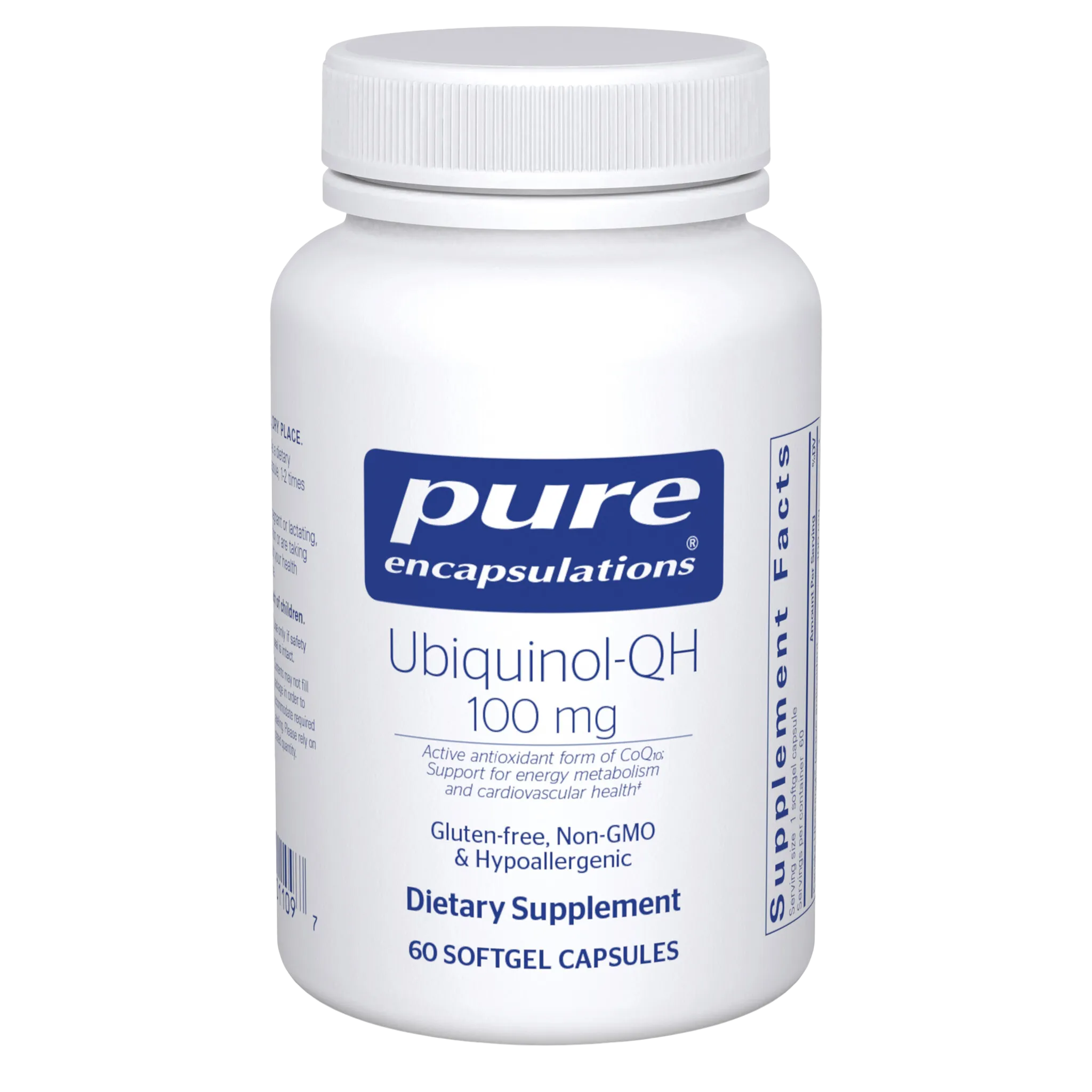
If you are experiencing the debilitating symptoms of mitochondrial dysfunction and are looking for a highly bioavailable, clinically studied form of CoQ10 to support your energy production and cardiovascular health, consider discussing Kaneka Ubiquinol™ with your healthcare provider. Because individual needs, medication interactions, and optimal dosages vary, a knowledgeable practitioner can help you determine if this supplement is the right fit for your specific recovery protocol.