Can Adaptogens Support Energy Levels for Long COVID and ME/CFS Patients?
March 5, 2026
Energy XtraAdaptogensLong COVID
Share:
Disclaimer: The information provided here is for educational purposes only and is not intended as medical advice. It should not be used to diagnose, treat, cure, or prevent any medical condition. Instead, use it as a starting point for discussion with your healthcare provider. Always consult with a qualified healthcare provider before starting any new medication, supplement, device, or making changes to your health regimen.
Months or even years after a viral infection, many patients find themselves trapped in a cycle of profound exhaustion, brain fog, and physical crashes. If you are living with Long COVID, myalgic encephalomyelitis/chronic fatigue syndrome (ME/CFS), or dysautonomia, you already know that this is not ordinary tiredness. It is a systemic depletion of energy that makes even the simplest daily tasks feel like climbing a mountain. You might find yourself wondering why your body's stress response seems permanently stuck in overdrive, leaving you wired but deeply fatigued.
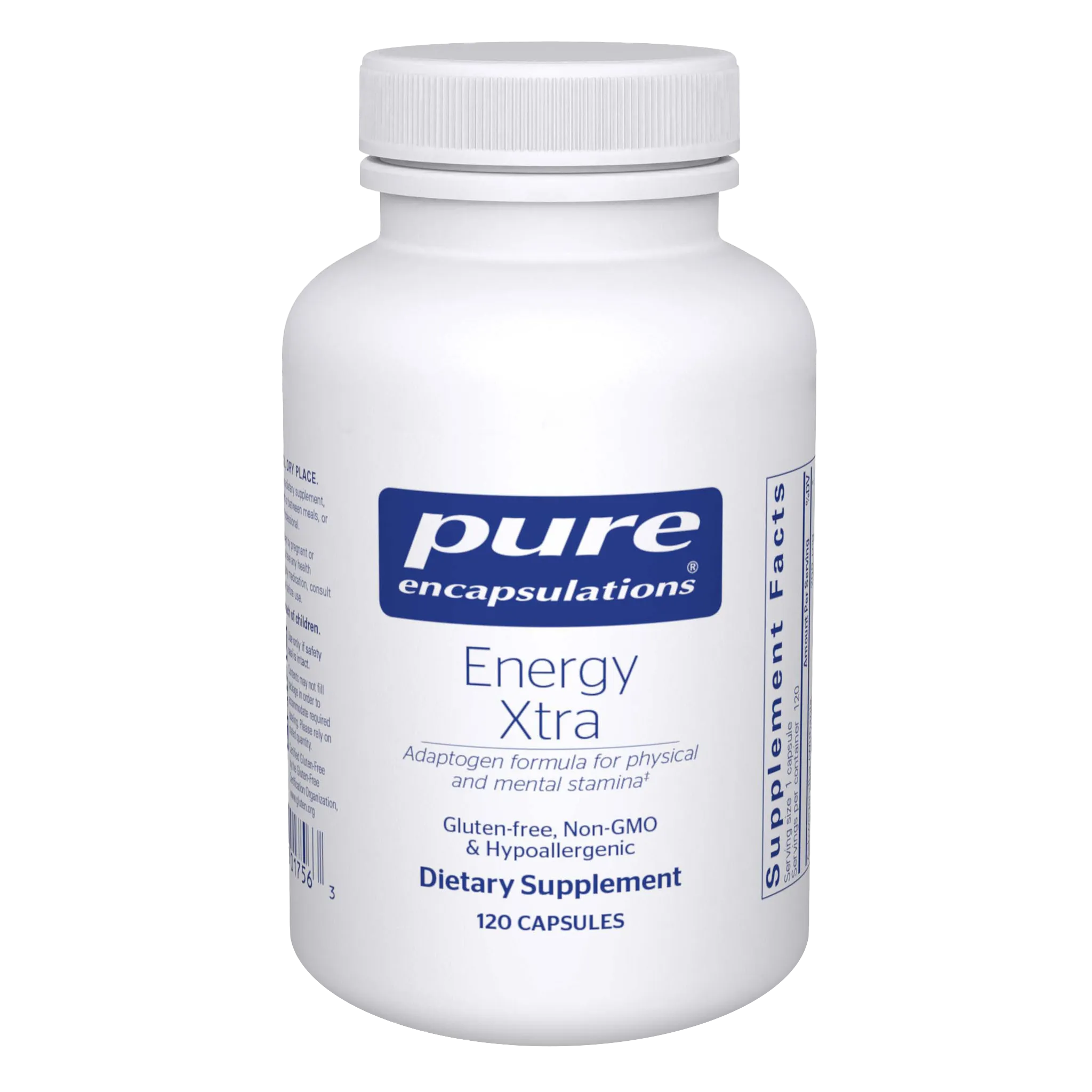
In the search for validating, science-backed management strategies, many patients and functional medicine practitioners are turning to a unique class of botanical compounds known as adaptogens. Formulated to support the body's resilience to stress, Energy Xtra by Pure Encapsulations combines four potent adaptogenic herbs—ashwagandha, Panax ginseng, eleuthero, and rhodiola. But how exactly do these traditional botanicals interact with the complex neurobiology of chronic illness? In this comprehensive guide, we will explore the cellular mechanisms of adaptogens, how they support the hypothalamic-pituitary-adrenal (HPA) axis, and whether they can help manage the debilitating symptoms of Long COVID and ME/CFS.
TL;DR
Adaptogens like ashwagandha and rhodiola may help support the body's stress response and manage chronic fatigue.
These botanicals target the HPA axis and cellular energy production to promote physiological resilience.
Energy Xtra combines four adaptogens to support physical stamina, cognitive clarity, and immune function.
Always consult a healthcare provider before starting supplements, especially with complex chronic conditions.
What is Energy Xtra and How Do Adaptogens Work?
The Role of Adaptogens in the Body
Adaptogens are a highly specialized class of non-toxic botanical substances that increase the body's resistance to a broad spectrum of adverse biological, chemical, and physical stressors. Unlike conventional stimulants such as caffeine, which force the central nervous system to expend its finite energy reserves, adaptogens exert a normalizing, bidirectional effect on human physiology. If a biological system is overactive, adaptogens help downregulate it; if a system is depleted, they help stimulate it. This unique capacity to restore homeostasis—the body's state of dynamic internal balance—makes them particularly intriguing for complex chronic illnesses characterized by systemic dysregulation.
At the molecular level, adaptogens function by acting as mild stress mimetics. When ingested, they trigger a mild, controlled stress response within the cells, which in turn activates the body's intrinsic cellular defense mechanisms. This process, known as hormesis, is similar to how exercise creates micro-tears in muscle tissue to build greater strength. By gently challenging the cellular environment, adaptogens upregulate the production of protective proteins, enhance antioxidant defenses, and improve the efficiency of cellular energy production. This cellular conditioning helps the body build a robust buffer against more severe, debilitating stressors.
The formulation of Energy Xtra specifically leverages four of the most extensively researched adaptogens: ashwagandha, Panax ginseng, eleuthero, and rhodiola. Each of these botanicals contains unique bioactive compounds—such as withanolides, ginsenosides, eleutherosides, and rosavins—that target different physiological pathways. Together, they create a synergistic effect that supports both mental acuity and physical stamina, providing a comprehensive approach to managing the multifaceted fatigue experienced by patients with post-viral syndromes.
The Hypothalamic-Pituitary-Adrenal (HPA) Axis Explained
To understand how adaptogens work, it is essential to understand the hypothalamic-pituitary-adrenal (HPA) axis, the body's central command center for the stress response. The HPA axis involves a complex cascade of hormonal signaling between the hypothalamus (a small region in the brain), the pituitary gland (located just below the hypothalamus), and the adrenal glands (situated on top of the kidneys). When you encounter a stressor—whether it is a viral infection, emotional trauma, or physical exertion—the hypothalamus releases corticotropin-releasing hormone (CRH), which signals the pituitary gland to secrete adrenocorticotropic hormone (ACTH). ACTH then travels through the bloodstream to the adrenal glands, prompting them to release cortisol and other stress hormones.
Cortisol is often vilified as the "stress hormone," but in a healthy body, it is entirely essential for survival. It regulates metabolism, reduces acute inflammation, and manages the sleep-wake cycle. Under normal circumstances, the HPA axis operates on a negative feedback loop; once cortisol levels reach a sufficient threshold, the brain stops sending the alarm signals, allowing the body to return to a state of rest and repair. You can think of the HPA axis like a thermostat in your home—it turns the heat on when the temperature drops and shuts it off once the desired temperature is reached.
However, when the body is subjected to chronic, unrelenting stress—such as a persistent viral infection or chronic systemic inflammation—this delicate feedback loop can become fundamentally broken. The "thermostat" loses its ability to accurately gauge the environment. The HPA axis may become hyperactive, flooding the body with excess cortisol and causing anxiety and insomnia, or it may become blunted, failing to produce enough cortisol to meet the body's daily demands. This dysregulation is a central feature of many chronic fatigue conditions, leading to a profound inability to cope with even minor physical or cognitive stressors.
The Cellular Defense Mechanism
Beyond hormonal regulation, adaptogens exert profound effects at the microscopic level by modulating intracellular signaling pathways. One of their primary targets is the upregulation of molecular chaperones, particularly heat shock proteins (HSPs). Heat shock proteins act as a cellular repair crew; they bind to damaged or misfolded proteins within the cell and either repair them or safely dismantle them to prevent toxic buildup. During times of severe physiological stress, such as a viral infection, cellular proteins are highly susceptible to damage. Adaptogens help ensure that the body has an adequate supply of these molecular chaperones to maintain cellular integrity.
Furthermore, adaptogens deeply influence mitochondrial function. Mitochondria are the microscopic powerhouses within our cells responsible for generating adenosine triphosphate (ATP), the primary currency of cellular energy. As discussed in our guide on Mitochondrial Health: A Key to Combat Long COVID, impaired ATP production is a major driver of chronic fatigue. Adaptogens like rhodiola and Panax ginseng help optimize the electron transport chain within the mitochondria, ensuring a steady, efficient flow of electrons to produce ATP. They also upregulate endogenous antioxidant enzymes, such as superoxide dismutase (SOD) and glutathione peroxidase, which neutralize the damaging free radicals produced during cellular respiration.
By simultaneously supporting the macro-level hormonal signaling of the HPA axis and the micro-level energy production of the mitochondria, adaptogens offer a dual-action approach to restoring vitality. This comprehensive mechanism of action explains why botanical extracts have been revered in traditional medicine for centuries and why they are now gaining significant traction in modern clinical research for the management of complex, multi-system chronic illnesses.
How Long COVID and ME/CFS Impact the Stress Response
Viral Disruption of the HPA Axis
The pathophysiology of Long COVID and ME/CFS is incredibly complex, but a recurring theme in modern medical research is the profound disruption of the neuroendocrine system. When the body is infected with a virus like SARS-CoV-2, the immune system launches a massive inflammatory response to neutralize the threat. While this is necessary for survival, the sheer magnitude of this immune activation places an enormous burden on the HPA axis. According to a comprehensive review in ScienceDirect, researchers have identified significant alterations in the HPA axis among Long COVID patients, noting that the prolonged stress of the infection can lead to abnormal stress responses, including blunted cortisol production.
This blunted cortisol response is a hallmark of myalgic encephalomyelitis/chronic fatigue syndrome (ME/CFS). After months of overproducing stress hormones to fight chronic inflammation, the adrenal glands and the brain's signaling pathways essentially become exhausted. This phenomenon, sometimes referred to as HPA axis hypofunction, leaves patients with insufficient cortisol to manage daily energy demands. Without adequate cortisol to mobilize glucose for energy and suppress systemic inflammation, patients experience debilitating fatigue, orthostatic intolerance (such as POTS), and a profound inability to recover from physical or mental exertion—a symptom known as post-exertional malaise (PEM).
Furthermore, the disruption of the HPA axis is deeply intertwined with the gut microbiome. The gut-brain axis serves as a direct communication highway between the enteric nervous system and the central nervous system. As explored in our article on the Gut-Brain Reset, viral infections can alter the balance of beneficial microbes, leading to gut mucosal inflammation. This localized inflammation sends distress signals up the vagus nerve to the brain, further perpetuating HPA axis dysfunction and contributing to the autonomic nervous system dysregulation frequently seen in dysautonomia.
Chronic Neuroinflammation and Systemic Stress
Another critical factor in the pathogenesis of Long COVID and ME/CFS is chronic neuroinflammation. A detailed paper published in Psychiatry and Clinical Neurosciences highlights the neuroimmune pathophysiology of Long COVID, emphasizing that persistent viral proteins and systemic inflammation can disrupt the blood-brain barrier. When this protective barrier becomes permeable, pro-inflammatory cytokines (such as IL-6 and TNF-alpha) can infiltrate the central nervous system, activating microglial cells. Microglia are the brain's resident immune cells, and when they remain in a chronic state of activation, they release neurotoxic substances that impair neuronal function and synaptic plasticity.
This persistent neuroinflammation directly impacts the hypothalamus, further compromising its ability to regulate the HPA axis effectively. The resulting "brain on fire" sensation is frequently described by patients as severe brain fog, cognitive impairment, and sensory overload. Because the brain is constantly perceiving a state of biological threat due to the inflammatory cytokines, the sympathetic nervous system (the "fight or flight" response) remains locked in the "on" position. This chronic sympathetic overdrive depletes the body's energy reserves, making it nearly impossible for patients to achieve restorative, deep sleep, which is essential for cellular repair.
The Vicious Cycle of Mitochondrial Dysfunction
The systemic stress imposed by Long COVID and ME/CFS inevitably trickles down to the cellular level, severely impacting mitochondrial function. Mitochondria are highly sensitive to their environment; when exposed to chronic inflammation, viral remnants, and high levels of oxidative stress, their structural integrity becomes compromised. The electron transport chain becomes inefficient, leading to a decrease in ATP production and an increase in the leakage of reactive oxygen species (ROS). This creates a vicious cycle: mitochondrial dysfunction leads to energy depletion and oxidative stress, which triggers further inflammation, which in turn causes more mitochondrial damage.
This cellular energy crisis is why managing fatigue with Long COVID is so incredibly challenging. Patients are not just "tired"; their cells are literally starved of the ATP required to perform basic physiological functions. When a patient attempts to push through this fatigue—ignoring the boundaries of their energy envelope—they force their cells to rely on anaerobic metabolism, which produces lactic acid and causes severe muscle pain and prolonged crashes. Breaking this cycle requires a multifaceted approach that addresses neuroinflammation, supports mitochondrial ATP production, and gently restores the regulatory capacity of the HPA axis.
Energy Xtra: Supporting Stamina and the HPA Axis
Ashwagandha and Withanolides for Immune and Nervous System Balance
Ashwagandha (Withania somnifera) is arguably the most renowned adaptogen in Ayurvedic medicine, deeply respected for its ability to calm an overactive nervous system and restore vitality. The primary bioactive compounds in ashwagandha are withanolides, a group of naturally occurring steroids that exhibit potent immunomodulatory and neuroprotective properties. Energy Xtra contains 200 mg of ashwagandha root extract, standardized to contain 2.5% withanolides, ensuring a clinically relevant dose of these active molecules. At the cellular level, withanolides have been shown to modulate the nuclear factor kappa B (NF-κB) pathway, a master regulator of inflammation, thereby helping to suppress the overproduction of pro-inflammatory cytokines that drive chronic fatigue.
One of the most significant mechanisms of ashwagandha is its GABA-mimetic activity. Gamma-aminobutyric acid (GABA) is the primary inhibitory neurotransmitter in the brain, responsible for promoting relaxation and reducing neuronal excitability. By mimicking GABA, withanolides help quiet the hyperactive sympathetic nervous system often seen in dysautonomia and Long COVID. This calming effect directly influences the HPA axis, leading to a documented reduction in serum cortisol levels. For patients stuck in a state of "wired and tired," ashwagandha provides a crucial biological brake, allowing the nervous system to shift into the parasympathetic "rest and digest" mode necessary for healing.
Furthermore, ashwagandha is currently the subject of intense clinical scrutiny for post-viral recovery. The APRIL Trial (Ayurveda for Promoting Recovery In Long COVID), conducted by the London School of Hygiene & Tropical Medicine, is investigating the efficacy of ashwagandha in improving the daily functional status of Long COVID patients. Preclinical data suggests that withanolides may even interact with viral proteases and mitigate post-viral immune dysregulation, making ashwagandha a cornerstone ingredient for supporting immune resilience and combating debilitating fatigue.
Panax Ginseng and Ginsenosides for Cognitive and Mitochondrial Support
Panax ginseng, also known as Asian ginseng, has been utilized for thousands of years to enhance physical endurance and mental acuity. Its therapeutic effects are driven by ginsenosides, a diverse group of triterpene saponins. Energy Xtra includes 200 mg of Panax ginseng extract, standardized to 5% ginsenosides. According to a comprehensive review in MDPI, ginsenosides exert profound anti-fatigue effects by altering cellular energy metabolism. Specifically, they promote the utilization of free fatty acids for energy production, which helps "spare" the body's limited glycogen reserves. This metabolic shift is crucial for ME/CFS patients, as it helps delay the onset of severe physical exhaustion during minimal exertion.
In addition to physical stamina, Panax ginseng is highly regarded for its neuroprotective and cognitive-enhancing properties. Ginsenosides cross the blood-brain barrier and interact directly with the cholinergic system, which is vital for learning, memory, and focus. They inhibit acetylcholinesterase, the enzyme responsible for breaking down the neurotransmitter acetylcholine, thereby increasing its availability in the brain. This mechanism is particularly relevant for Long COVID patients struggling with severe brain fog and cognitive impairment. By enhancing acetylcholine signaling, Panax ginseng helps clear the mental haze and improves sustained attention.
Moreover, ginsenosides play a vital role in mitochondrial protection. They activate the Nrf2/Keap1 signaling pathway, which boosts the production of endogenous antioxidant enzymes like superoxide dismutase and catalase. This robust antioxidant defense neutralizes the reactive oxygen species that damage mitochondrial membranes during chronic illness. By preserving mitochondrial integrity and accelerating the clearance of metabolic waste products like blood lactate, Panax ginseng helps mitigate the cellular damage that triggers post-exertional crashes, making it an excellent companion to other mitochondrial supports like CoQ10.
Rhodiola Rosea for Mental Endurance and Cortisol Regulation
Rhodiola (Rhodiola rosea) is a robust adaptogenic herb native to the cold, mountainous regions of Europe and Asia. It is uniquely equipped to combat mental fatigue, burnout, and stress-induced exhaustion. The active compounds responsible for these effects are rosavins and salidroside. Energy Xtra provides 100 mg of rhodiola extract, precisely standardized to contain 3% total rosavins and 1% salidroside—the exact ratio utilized in the most successful clinical trials. Rhodiola works primarily by modulating the central nervous system's neurotransmitter activity, specifically enhancing the stability and availability of serotonin, dopamine, and norepinephrine.
One of the most defining characteristics of rhodiola is its ability to rapidly influence the HPA axis and regulate cortisol production. A landmark double-blind, placebo-controlled trial published in Planta Medica demonstrated that rhodiola extract significantly decreased the cortisol response to awakening stress in patients suffering from severe burnout syndrome. For Long COVID and ME/CFS patients who experience severe morning fatigue or an inability to cope with the stress of starting the day, rhodiola helps smooth out these erratic cortisol spikes, providing a more stable, sustained foundation of energy.
Furthermore, rhodiola directly supports cellular energy metabolism by increasing the synthesis of ATP in the mitochondria and promoting the repair of damaged muscle tissue. Clinical studies have shown that rhodiola supplementation can significantly improve mental performance, particularly the capacity for sustained concentration, within just a few weeks of use. By protecting the brain from oxidative stress and enhancing mitochondrial output, rhodiola acts as a powerful shield against the cognitive and physical degradation caused by chronic, invisible illnesses.
Eleuthero for Physical Stamina and Cellular Immunity
Eleuthero (Eleutherococcus senticosus), historically known as Siberian ginseng, is a staple adaptogen for improving physical work capacity and recovering from debilitating viral infections. Its active constituents are eleutherosides (specifically B and E), which differ structurally from the ginsenosides found in Panax ginseng but offer equally potent benefits. Energy Xtra includes 125 mg of eleuthero extract, standardized to 0.8% eleutherosides. Eleuthero is officially recognized by the European Medicines Agency as a traditional treatment for asthenia (abnormal physical weakness and lack of energy), making it highly relevant for the profound physical depletion seen in ME/CFS.
Clinical research highlights eleuthero's ability to significantly extend physical endurance. At the cellular level, eleutherosides enhance cardiovascular hemodynamics, improving oxygen delivery to skeletal muscles and delaying the accumulation of lactic acid. This improved oxygen utilization is critical for patients whose aerobic energy pathways have been compromised by mitochondrial dysfunction or microvascular clotting.
Beyond physical stamina, eleuthero is a profound immunomodulator. A landmark flow-cytometric study demonstrated that eleuthero extract drastically increases the absolute number of immunocompetent cells, specifically driving the proliferation of helper T-cells, cytotoxic T-cells, and Natural Killer (NK) cells. This robust stimulation of cellular immunity helps the body clear lingering viral fragments and manage the chronic, low-grade infections that frequently plague patients with compromised neuroimmune systems. By simultaneously bolstering physical endurance and immune defense, eleuthero provides a foundational pillar of support in the Energy Xtra formula.

Symptoms Energy Xtra May Help Manage
Targeting Physical and Cognitive Exhaustion
The adaptogenic blend in Energy Xtra is specifically formulated to address the multifaceted nature of chronic fatigue. By modulating cellular energy pathways and neurotransmitter balance, this supplement targets several debilitating symptoms:
Post-Exertional Malaise (PEM): By shifting cellular metabolism to spare glycogen and accelerating the clearance of lactic acid, Panax ginseng and eleuthero may help raise the threshold for physical exhaustion, potentially reducing the severity of post-exertional crashes.
Brain Fog and Cognitive Impairment: The ginsenosides in Panax ginseng inhibit the breakdown of acetylcholine, while rhodiola enhances dopamine and serotonin stability. Together, they support sustained concentration, memory retrieval, and mental clarity.
Profound Morning Fatigue: Rhodiola has been clinically shown to regulate the cortisol awakening response, helping to smooth out HPA axis dysfunction and providing a more stable, natural rise in morning energy levels.
Muscle Weakness and Asthenia: Eleuthero improves cardiovascular hemodynamics and oxygen delivery to skeletal muscles, combating the heavy, leaden feeling in the limbs frequently reported by ME/CFS patients.
Supporting Autonomic and Emotional Stability
Chronic illness takes an immense toll on the nervous system and emotional well-being. The adaptogens in Energy Xtra provide targeted support for autonomic regulation and stress resilience:
Hyperarousal and "Wired but Tired" Sensations: The withanolides in ashwagandha exert GABA-mimetic effects, acting as a biological brake on the hyperactive sympathetic nervous system, promoting a sense of calm without causing sedation.
Stress Intolerance and Burnout: By acting as molecular chaperones and modulating the HPA axis, adaptogens increase the body's physiological buffer, making it easier to cope with minor daily stressors without triggering a massive inflammatory response.
Immune Dysregulation: Eleuthero actively stimulates the proliferation of Natural Killer (NK) cells and T-lymphocytes, supporting the body's innate ability to manage lingering viral fragments and maintain immune homeostasis.
Sleep Disturbances: By lowering elevated evening cortisol levels and calming neuroinflammation, ashwagandha helps prepare the nervous system for deep, restorative sleep, which is essential for mitochondrial repair.
Practical Considerations: Forms, Dosing, and Absorption
Understanding Extract Standardization and Bioavailability
When incorporating botanical supplements into a chronic illness management plan, the quality and standardization of the extract are paramount. Raw herbal powders can vary wildly in their potency depending on the soil, climate, and harvesting methods used. Energy Xtra utilizes highly standardized extracts, meaning that each capsule is guaranteed to contain a specific, clinically relevant percentage of the active bioactive compounds. For instance, the ashwagandha is standardized to 2.5% withanolides, and the rhodiola is standardized to 3% rosavins and 1% salidroside. This precise standardization ensures that you are receiving the exact molecular constituents that have been proven effective in clinical trials, rather than just inert plant fiber.
Bioavailability—the proportion of the active ingredient that successfully enters systemic circulation—is another critical consideration. Many adaptogenic compounds, particularly the triterpene saponins found in ginseng and ashwagandha, are complex molecules that require robust digestive function for optimal absorption. Because patients with Long COVID and ME/CFS frequently suffer from gut dysbiosis and impaired nutrient absorption, taking these extracts in a highly concentrated, standardized form helps bypass some of these digestive hurdles. While adaptogens can generally be taken with or without food, taking them with a small amount of healthy fat may enhance the absorption of certain lipophilic (fat-soluble) compounds like withanolides.
Optimal Timing and Daily Dosing Strategies
The suggested use for Energy Xtra is one capsule daily, taken with or between meals, or as directed by a healthcare professional. Because adaptogens actively modulate the HPA axis and influence cellular energy production, timing can significantly impact their efficacy. For most patients, it is highly recommended to take Energy Xtra in the morning or early afternoon. Taking adaptogens like rhodiola and Panax ginseng too close to bedtime may inadvertently stimulate the central nervous system and interfere with sleep architecture, particularly in individuals who already struggle with insomnia or hyperarousal.
It is also important to understand that adaptogens are not quick-fix stimulants like caffeine; they do not provide an immediate, jittery spike in energy. Instead, they work cumulatively to rebuild the body's stress resilience and mitochondrial capacity over time. Clinical trials, such as those evaluating rhodiola for burnout, often note that while some symptomatic relief can be felt within the first week, the most profound benefits regarding cognitive function and physical stamina typically emerge after 4 to 8 weeks of consistent daily use. Some functional medicine practitioners recommend "cycling" adaptogens—taking them for 2 to 3 months followed by a brief one-week break—to prevent the body from building a tolerance and to maintain the sensitivity of the cellular receptors.
Safety, Contraindications, and Potential Drug Interactions
While adaptogens boast a thousands-of-years-old history of safe use in traditional medicine, they are potent biological modulators that must be used with respect, particularly in the context of complex chronic illness. Because herbs like eleuthero and ashwagandha actively stimulate the immune system by increasing T-cell and NK cell proliferation, they are generally contraindicated for individuals taking immunosuppressant medications (such as those prescribed after an organ transplant or for certain severe autoimmune conditions). Stimulating an already overactive immune system in these specific scenarios can be counterproductive.
Furthermore, the adaptogens in Energy Xtra can interact with several common pharmaceutical pathways. Ashwagandha's GABA-mimetic properties can amplify the effects of sedative medications, benzodiazepines, and certain sleep aids. Panax ginseng and eleuthero have mild anticoagulant (blood-thinning) properties and may increase the risk of bleeding if taken concurrently with medications like Warfarin or high-dose NSAIDs. Additionally, because these herbs actively modulate blood pressure and blood sugar levels, patients taking antihypertensive or antidiabetic medications should monitor their levels closely to avoid hypoglycemia or hypotension.
As always, Energy Xtra is not to be taken by pregnant or lactating women due to a lack of definitive safety data in these populations. Because patients with dysautonomia and MCAS often have highly sensitive, reactive nervous systems, it is crucial to consult with a knowledgeable healthcare provider before introducing any new botanical supplement to ensure it aligns safely with your current medication regimen and overall treatment goals.

Follow the Science: Clinical Evidence for Adaptogens
The APRIL Trial and Ashwagandha in Long COVID
The intersection of adaptogens and post-viral syndromes is rapidly moving from traditional herbalism into rigorous, peer-reviewed clinical science. One of the most significant milestones in this field is the APRIL Trial (Ayurveda for Promoting Recovery In Long COVID). Conducted by the prestigious London School of Hygiene & Tropical Medicine in collaboration with the All India Institute of Ayurveda, this large-scale, randomized, double-blind, placebo-controlled Phase III trial aims to definitively evaluate the efficacy of ashwagandha for Long COVID recovery.
The trial involves thousands of UK adults formally diagnosed with Long COVID who are experiencing significant daily functional impairment. Participants in the active arm receive a robust dose of 1,000 mg of ashwagandha root extract daily for three months. Researchers are meticulously tracking improvements in the Post-COVID-19 Functional Status Scale (PCFSS), alongside secondary endpoints like self-reported fatigue severity, sleep quality, pain, anxiety, and cognitive function. While final data is still being processed, the sheer scale and funding of this trial underscore the immense clinical potential that the global medical community sees in withanolides for modulating post-viral neuroinflammation and HPA axis dysfunction.
The ADAPT-232 Trial and Post-Viral Recovery
Beyond ashwagandha, combination adaptogen formulas have shown promise in published clinical literature, with ongoing research examining fixed combinations of adaptogens (including rhodiola and eleuthero) for post-viral symptom recovery.
The findings were highly significant. The adaptogen group experienced a rapid and substantial decrease in the duration of severe fatigue and chronic pain compared to the placebo group. Furthermore, patients taking the adaptogens showed measurable improvements in physical activity and endurance, specifically tracked by an increase in their daily walking time. Intriguingly, the trial also revealed that the adaptogen group had a significant decrease in blood creatinine levels, suggesting that the botanical extracts provided a protective effect against viral-induced renal stress. This data provides compelling evidence that adaptogens operate systemically, protecting organ function while simultaneously restoring physical stamina.
Clinical Data on Ginseng and Rhodiola for Burnout
The individual ingredients in Energy Xtra also boast a wealth of clinical data regarding their impact on chronic stress and burnout. A comprehensive systematic review published in Frontiers in Pharmacology analyzed numerous clinical trials utilizing Panax ginseng for fatigue. The data consistently demonstrates that standardized ginseng extracts significantly improve cognitive domains—particularly working memory and sustained attention—while accelerating the clearance of metabolic waste products like blood lactate during physical exertion.
Similarly, rhodiola has been extensively validated for its anti-burnout properties. A pivotal multicenter exploratory trial published in Neuropsychiatric Disease and Treatment evaluated 118 outpatients explicitly diagnosed with burnout syndrome. Patients receiving 400 mg of rhodiola extract daily experienced a highly significant, continuous decline in burnout complaints, with general symptoms improving by up to 63%. Notably, self-reported symptoms of emotional exhaustion and stress fell sharply within just the first week of administration. Together, these clinical findings validate the traditional use of adaptogens, proving their efficacy in modulating the neuroendocrine response to profound, debilitating stress.
The Path Forward
Validating the Complex Reality of Chronic Illness
Living with Long COVID, ME/CFS, dysautonomia, or MCAS is a profoundly challenging journey that often feels isolating and misunderstood. When your body's internal battery is fundamentally broken, and your nervous system is locked in a state of chronic alarm, simply getting out of bed can require a monumental act of willpower. It is vital to acknowledge that these symptoms are not in your head; they are the result of complex, measurable physiological disruptions in your HPA axis, mitochondria, and neuroimmune pathways. The exhaustion you feel is real, and the frustration of navigating a medical system that often lacks clear answers is entirely valid.
While the science surrounding adaptogens is incredibly promising, it is important to approach supplementation with a realistic perspective. There are no magic pills or overnight cures for complex chronic illnesses. Adaptogens like the ones found in Energy Xtra are not designed to force your body to push past its limits or ignore the biological need for rest. Instead, they are designed to be gentle, foundational tools that slowly rebuild your cellular resilience, modulate your stress response, and provide your nervous system with the biological support it needs to begin the healing process.
Integrating Adaptogens into a Holistic Care Plan
To achieve the best possible outcomes, adaptogens should be integrated into a comprehensive, holistic management strategy. This means combining targeted supplementation with aggressive pacing strategies to ensure you stay within your energy envelope and avoid triggering post-exertional crashes. It also involves prioritizing restorative sleep, managing systemic inflammation, and working closely with a healthcare provider who understands the nuances of post-viral syndromes. By addressing the root causes of cellular dysfunction from multiple angles, you can slowly begin to reclaim your vitality and improve your overall quality of life.
If you are ready to explore how targeted botanical support can fit into your recovery protocol, Explore Energy Xtra. Always remember to consult with your healthcare provider before starting any new supplement regimen, especially if you are currently taking prescription medications or managing a highly reactive nervous system. With the right tools, compassionate care, and a science-backed approach, finding a path forward is possible.
Sources
Mechanisms of long COVID and the path toward therapeutics (ScienceDirect)
Neuroimmune pathophysiology of long COVID (Psychiatry and Clinical Neurosciences)
Clinical trial to evaluate Ayurvedic remedy Ashwagandha for Long COVID (LSHTM)
Recent Advances in Panax ginseng as a Herb for Anti-Fatigue: Effects and Mechanisms (MDPI)
Randomized controlled trial of Siberian ginseng for chronic fatigue (Psychological Medicine)