Can Natto-Serrazime™ Help Clear Microclots and Manage Inflammation in Long COVID and ME/CFS?
March 6, 2026
Natto-SerrazimeLong COVIDME/CFS
Share:
Disclaimer: The information provided here is for educational purposes only and is not intended as medical advice. It should not be used to diagnose, treat, cure, or prevent any medical condition. Instead, use it as a starting point for discussion with your healthcare provider. Always consult with a qualified healthcare provider before starting any new medication, supplement, device, or making changes to your health regimen.
You know the story all too well. You visit your doctor complaining of crushing fatigue, brain fog that makes it hard to form a sentence, and a heart rate that spikes every time you stand up. They run a standard panel of blood tests, check your inflammatory markers, and perhaps even run a D-dimer test to check for blood clots. A few days later, the results come back: everything is "normal." Yet, you feel anything but normal. For millions of individuals living with Long COVID, Myalgic Encephalomyelitis/Chronic Fatigue Syndrome (ME/CFS), and dysautonomia, this disconnect between standard lab results and lived reality is a profound source of medical gaslighting and frustration.
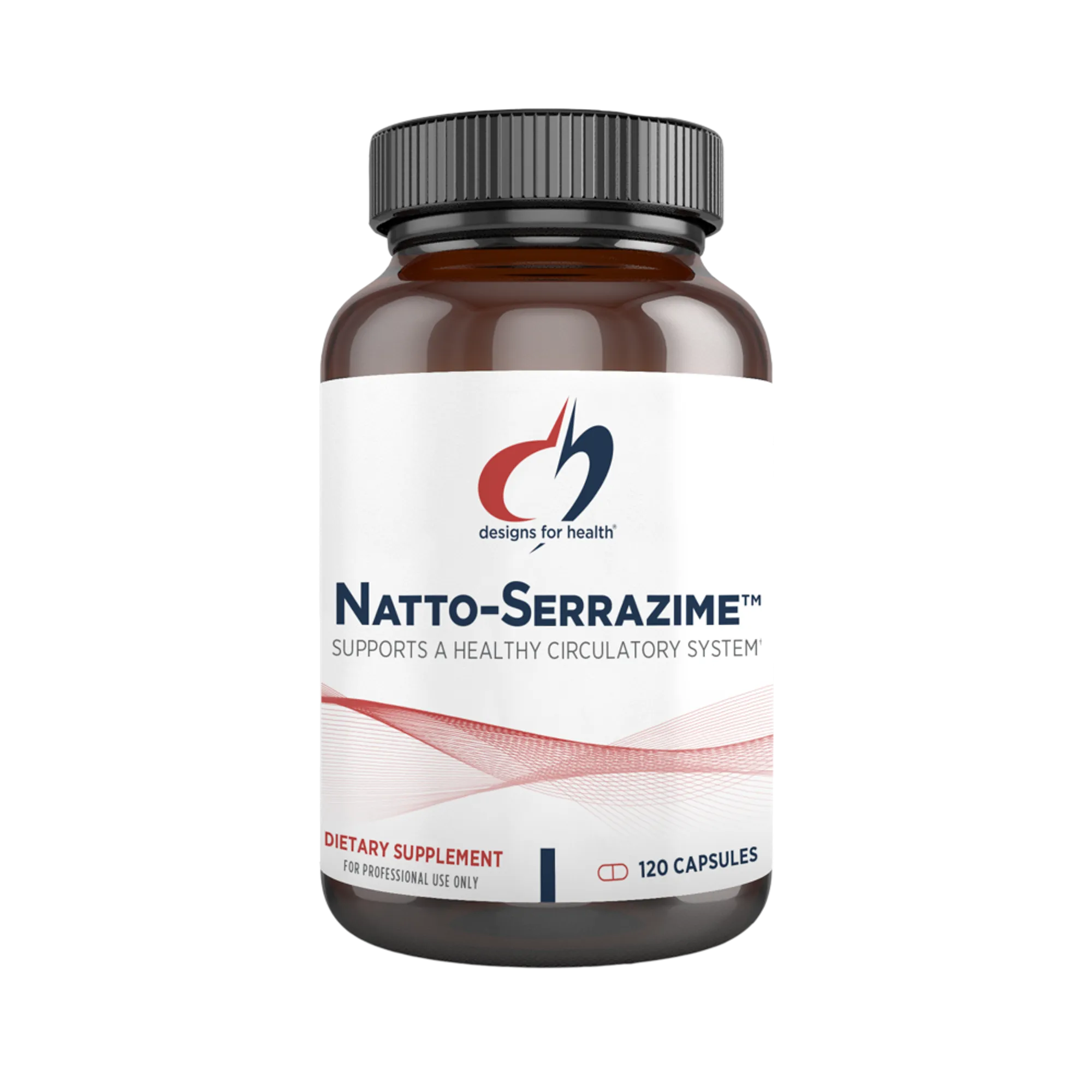
However, groundbreaking research into the vascular pathology of post-viral illness is finally providing answers. Scientists have discovered that the blood of many Long COVID and ME/CFS patients is teeming with microscopic, therapy-resistant blood clots known as "fibrinaloid microclots." Because these anomalous clots do not break down naturally, they block the tiny capillaries that deliver oxygen to your brain and muscles, driving the core symptoms of post-exertional malaise (PEM) and cognitive dysfunction. In the search for solutions, both patients and practitioners are turning to specialized proteolytic enzymes to help the body clear this vascular debris. One such powerful tool is Natto-Serrazime™, a unique blend of fungal-derived enzymes designed to support healthy circulatory function and modulate the body's inflammatory response.
What is Natto-Serrazime™?
The Systemic Power of Proteolytic Enzymes
To understand how Natto-Serrazime™ works, we first need to understand the role of enzymes in the human body. Enzymes are specialized proteins that act as biological catalysts, speeding up chemical reactions that would otherwise take too long to sustain life. Proteolytic enzymes (or proteases) are a specific class of enzymes designed to hydrolyze, or break down, the peptide bonds that hold protein molecules together. While the body produces its own digestive proteases (like pepsin and trypsin) to break down the food we eat, proteolytic enzymes can also act systemically when taken on an empty stomach.
When systemic enzymes enter the bloodstream, they do not indiscriminately destroy healthy tissue. Instead, they act as biological scavengers. They seek out and degrade damaged cellular debris, misfolded proteins, and the excess fibrin that accumulates during the body's natural inflammatory response to trauma, infection, or chronic stress. Natto-Serrazime™ by Designs for Health harnesses this systemic power by combining two patented, highly purified enzyme blends: Nattozimes® and Serrazimes®.
Nattozimes®: A Cleaner Fibrinolytic Agent
The first key ingredient in this formula is Nattozimes® (providing 4,516 Fibrinolytic Units per capsule). Nattozimes® was developed as a highly stable, plant-based alternative to nattokinase. Traditional nattokinase is an enzyme extracted from natto, a Japanese dish made from soybeans fermented with the bacteria Bacillus subtilis natto. While nattokinase is famous for its potent fibrinolytic (clot-busting) activity, its traditional sourcing presents challenges for patients with severe food sensitivities or those avoiding soy.
Nattozimes® solves this problem. It is derived from the controlled fermentation of the edible fungus Aspergillus oryzae. Through advanced bio-engineering, this fungal extract perfectly mimics the in vitro fibrinolytic activity of bacterial nattokinase, allowing it to efficiently degrade the fibrin protein mesh that forms blood clots. Furthermore, traditional soy-derived natto naturally contains Vitamin K1, a nutrient that promotes blood clotting and directly interferes with prescription blood thinners. Because Nattozimes® is fungal-derived, it is completely free of Vitamin K1, making it a "cleaner" and more predictable cardiovascular supplement for patients managing complex vascular conditions.
Serrazimes®: Scavenging Debris and Modulating Immunity
The second component is Serrazimes® (providing 20,000 Serratiopeptidase Units per capsule). This is a proprietary alternative to serrapeptase, an enzyme originally discovered in the intestines of Japanese silkworms, where it is produced by the Serratia marcescens bacteria to dissolve the silkworm's tough protein cocoon. In human medicine, serrapeptase has been used for decades as a potent anti-inflammatory and mucolytic (mucus-thinning) agent. However, because Serratia is a potentially pathogenic bacteria, manufacturing highly purified bacterial serrapeptase is complex and costly.
Like its partner enzyme, Serrazimes® is derived from a safe, edible fungus (Aspergillus melleus). Once absorbed into the bloodstream, these exo/endo proteases target and break down the specific protein structures produced during the inflammatory cascade. By clearing away dead tissue and modulating the release of pro-inflammatory cytokines, Serrazimes® helps the body resolve lingering inflammation, maintain healthy joint mobility, and support respiratory wellness by reducing the viscosity of thick mucus.
How Long COVID and ME/CFS Impact the Circulatory System
The Discovery of Fibrinaloid Microclots
To appreciate why proteolytic enzymes are gaining immense traction in the chronic illness community, we must examine the groundbreaking pathology research emerging around Long COVID and ME/CFS. In a healthy circulatory system, when a blood vessel is injured, a soluble protein called fibrinogen is converted into an insoluble mesh called fibrin to form a protective clot. Once the injury heals, the body releases an enzyme called plasmin to dissolve the clot—a process known as fibrinolysis.
However, Distinguished Professor Resia Pretorius and Professor Douglas Kell have demonstrated that the SARS-CoV-2 spike protein profoundly disrupts this system. When the spike protein binds to fibrinogen in the blood, it causes the protein to misfold into an abnormal, tangled "beta-sheet" structure. Because these structures resemble the misfolded proteins seen in Alzheimer's disease, researchers termed them "fibrinaloid microclots." These clots are microscopic, but they are incredibly dense and structurally anomalous.
The "Garbage Bag" Effect and Endothelialitis
The vascular damage does not stop at clot formation. The SARS-CoV-2 virus aggressively targets the ACE-2 receptors lining the blood vessels, triggering severe endothelial senescence and inflammation (endothelialitis). As the fibrinaloid microclots circulate, they act like sticky, microscopic "garbage bags." They trap a massive amount of inflammatory molecules inside their tangled web, including von Willebrand factor (VWF) and heavily elevated levels of Alpha-2 antiplasmin.
This is where the vicious cycle of Long COVID solidifies. Alpha-2 antiplasmin is a molecule that directly inhibits plasmin, the body's natural clot-busting enzyme. Because these microclots are packed with antiplasmin, they become highly resistant to the body's natural fibrinolytic clearing processes. They refuse to dissolve. This explains why standard blood tests like D-dimer (which only measures the breakdown products of dissolving clots) often return "normal" results in Long COVID patients, even when their blood is heavily burdened with insoluble microclots.
Cellular Hypoxia: The Root of PEM and Brain Fog
The clinical consequences of these persistent microclots are devastating. As they circulate, they physically block the microcapillaries—the tiny blood vessels responsible for delivering oxygen and nutrients to individual cells. When the microcirculation is impaired, the tissues and organs begin to starve for oxygen, a state known as cellular hypoxia. Recent studies utilizing thermal imaging to assess microcirculation have visually confirmed these profound perfusion deficits in post-viral patients.
This widespread cellular hypoxia is now believed to be a primary driver of the most debilitating symptoms of Long COVID and ME/CFS. When your brain cells are deprived of oxygen, you experience severe cognitive dysfunction and brain fog. When your muscle cells cannot get enough oxygen to produce ATP (cellular energy), they switch to inefficient anaerobic metabolism, leading to rapid lactic acid buildup, muscle pain, and the crushing post-exertional malaise (PEM) that occurs after minimal physical effort.
Natto-Serrazime™: Supporting Circulation and Inflammatory Balance
Cleaving the Amyloid Fibrin Mesh
Because fibrinaloid microclots resist the body's natural plasmin, and because standard prescription blood thinners (like aspirin or apixaban) only prevent new clots from forming rather than dissolving existing ones, patients require interventions that actively degrade the anomalous fibrin. This is the primary mechanism of action for the Nattozimes® in Natto-Serrazime™.
At the molecular level, the exo/endo proteases in Nattozimes® act as powerful serine proteases. When they encounter the dense fibrin mesh of a microclot, they directly hydrolyze the peptide bonds holding the fibrin molecules together. In vitro studies on nattokinase have shown that these specific enzymes do not just break down normal clots; they are uniquely capable of cleaving the misfolded, amyloid-like fibrin structures that characterize Long COVID. Furthermore, these enzymes stimulate the endothelial cells to produce more tissue plasminogen activator (tPA), effectively boosting the body's own endogenous clot-clearing mechanisms.
Breaking Down Bacterial Biofilms and Mucus
While Nattozimes® targets the fibrin, Serrazimes® addresses the secondary structural issues associated with chronic inflammation. In many cases of chronic illness, opportunistic bacteria take advantage of the dysregulated immune system by forming biofilms—protective, protein-based shields that hide the bacteria from white blood cells and antibiotics. Interestingly, fibrin is a core structural component of these bacterial biofilms.
Serrazimes® excels at targeted proteolysis of these abnormal structures. By digesting the protein matrix of biofilms, it exposes hidden pathogens to the immune system. Additionally, in the respiratory tract, Serrazimes® alters the viscoelasticity of mucus. It breaks down the dense protein links within respiratory secretions, thinning the mucus and making it significantly easier for the body to expel. This mucolytic action is vital for patients dealing with post-COVID chronic coughs or persistent lung congestion.
Modulating Cytokines and the Inflammatory Cascade
Beyond physical degradation of clots and debris, Natto-Serrazime™ plays a crucial role in biochemical signaling. Chronic viral persistence and endothelial damage keep the immune system locked in a hyperactive state, constantly churning out pro-inflammatory cytokines like TNF-alpha and Interleukin-6 (IL-6). This systemic inflammation drives joint pain, nerve irritation, and mast cell activation.
The proteolytic enzymes in Serrazimes® act as immunomodulators. They help break down these excessive circulating immune complexes and inflammatory mediators. By clearing the "cellular garbage" from the bloodstream, the enzymes signal to the immune system that the acute threat has passed, helping to downregulate the production of inflammatory cytokines. Furthermore, Serrazimes® exerts a mild analgesic (pain-relieving) effect by blocking the release of pain-inducing biogenic amines from inflamed tissues, offering support for the widespread body aches common in fibromyalgia and ME/CFS.

Symptoms Natto-Serrazime™ May Help Manage
Systemic Energy and Cognitive Symptoms
By targeting the underlying microvascular blockages and systemic inflammation, the proteolytic enzymes in Natto-Serrazime™ may help alleviate several core symptoms of complex chronic illness:
Severe Fatigue and Post-Exertional Malaise (PEM): By degrading the microclots that block capillary blood flow, these enzymes help restore oxygen and nutrient delivery to muscle tissues, potentially reducing the severity of cellular energy crashes and lactic acid buildup after exertion.
Brain Fog and Cognitive Dysfunction: The brain requires a massive amount of oxygen to function. Improving cerebral microcirculation by clearing vascular debris can help lift the dense cognitive fog, improving memory, focus, and word retrieval.
Postural Orthostatic Tachycardia Syndrome (POTS): In dysautonomia and POTS, the heart races to compensate for poor blood return from the lower body. By lowering blood viscosity (thickness) and improving overall vascular flow, fibrinolytic enzymes can reduce the mechanical strain on the cardiovascular system.
Vascular, Respiratory, and Pain Symptoms
In addition to energy and cognitive support, the dual-action formula addresses localized tissue and respiratory issues:
Shortness of Breath (Air Hunger): Often, post-viral shortness of breath is not a lung issue, but a vascular one—blood cannot reach the alveoli to pick up oxygen. Clearing pulmonary microclots improves gas exchange, while the mucolytic action of Serrazimes® clears thick respiratory secretions.
Joint and Muscle Pain: By breaking down circulating inflammatory cytokines and blocking the release of pain-inducing amines, the systemic enzymes help manage the widespread musculoskeletal pain and stiffness associated with chronic immune activation.
Numbness and Tingling (Neuropathy): Restoring microvascular blood flow to the peripheral nerves can help alleviate the "pins and needles" sensations caused by ischemic nerve damage.
Practical Considerations: Forms, Dosing, and Absorption
The Critical Rule: Empty Stomach Administration
When utilizing proteolytic enzymes for systemic health, timing is everything. Natto-Serrazime™ must be taken on an empty stomach—typically at least one hour before eating or two hours after a meal. This is a non-negotiable rule for efficacy. If you take these enzymes alongside food, your body will simply use them as digestive aids to break down the dietary protein in your meal.
However, when taken on an empty stomach, the enzymes bypass the digestive process and are absorbed directly into the bloodstream through the intestinal wall. Once in the systemic circulation, they are bound by alpha-2-macroglobulin (a carrier protein) which transports them throughout the body to scavenge for fibrin, cellular debris, and inflammatory complexes. Taking the supplement away from food ensures you get the cardiovascular and immunomodulatory benefits rather than just improved digestion.
Bioaccessibility and the TNO Intestinal Model
A common concern with enzyme supplementation is whether the delicate proteins will survive the harsh, highly acidic environment of the stomach. This is where the specific fungal sourcing of Natto-Serrazime™ provides a distinct advantage. The Aspergillus derived enzymes have been rigorously tested using the TNO Intestinal Model (TIM), a highly advanced, computer-controlled system that simulates the exact pH, temperature, and peristaltic movements of the human gastrointestinal tract.
The TIM studies demonstrated that both Nattozimes® and Serrazimes® exhibit remarkable stability. They survive the acidic gastric phase and remain highly bioaccessible and functionally active as they pass into the small intestine, where they are absorbed into the bloodstream. This superior stability means the enzymes do not require synthetic enteric coatings, which are often used in lower-quality bacterial enzyme supplements.
Contraindications and Bleeding Risks
Because Natto-Serrazime™ exerts potent fibrinolytic (clot-dissolving) and blood-thinning effects, it must be used with profound respect and caution. This supplement is strongly contraindicated for individuals with active bleeding disorders (such as hemophilia), active stomach ulcers, or those scheduled for surgery within the next two weeks.
Furthermore, if you are currently taking prescription anticoagulants or antiplatelet medications—such as Warfarin, Apixaban (Eliquis), Clopidogrel (Plavix), or even daily high-dose Aspirin—you absolutely must consult your prescribing physician before introducing Natto-Serrazime™. Combining potent systemic enzymes with prescription blood thinners can exponentially increase your risk of severe bruising and dangerous internal hemorrhaging. While the lack of Vitamin K1 in Nattozimes® makes it safer than traditional natto food products, its direct clot-busting activity still requires careful medical supervision when mixed with pharmaceutical protocols.

Follow the Science
Visualizing Microclot Degradation In Vitro
The scientific evidence supporting the use of fibrinolytic enzymes for post-viral pathology has rapidly accelerated over the past two years. One of the most compelling pieces of evidence comes from a 2024 landmark in vitro study led by researchers investigating fibrinaloid microclots. Using automated fluorescence microscopy and Thioflavin T dye, the team directly applied nattokinase to plasma samples taken from Long COVID patients.
The results were striking. When exposed to a high dose of the enzyme (concentrations achievable via oral supplementation), the researchers observed an 84% reduction in the total number of microclots within just two hours (dropping from an average of 920 clots down to 150). Furthermore, the total amyloid fluorescent intensity—a measure of the dense, misfolded protein structure—was reduced by over 50%. The authors concluded that this provided the strongest biochemical evidence to date that these specific proteases can directly digest the therapy-resistant amyloid fibrinogen structures driving Long COVID.
Real-World Patient Outcomes and Surveys
Because large-scale, double-blind, placebo-controlled trials for Long COVID treatments are still painfully slow to materialize, much of the current clinical data comes from rigorous patient-led research and observational clinical cohorts. In the widely circulated TREAT ME Survey, which compiled data from 668 individuals living with Long COVID, patients reported on their experiences with various over-the-counter and prescription therapies.
The survey revealed that between 40% and 70% of respondents experienced noticeable symptom relief when utilizing systemic enzymes like nattokinase and serrapeptase, either individually or in combination. Patients frequently reported improvements in brain fog, physical stamina, and a reduction in the severity of their post-exertional crashes. This real-world data aligns with the clinical observations of practitioners who specialize in post-viral illness, many of whom utilize targeted enzyme therapy to help normalize the "sticky," hypercoagulated blood profiles seen in their patients.
The Future of Anticoagulant Research
The medical community is taking these findings seriously. In a highly publicized observational study of 91 Long COVID patients, researchers utilized a "triple therapy" prescription anticoagulant regimen to target microclots and platelet hyperactivation. The study found that addressing this specific vascular pathology led to significant symptom resolution and a normalization of clotting activity in the treatment subgroup.
While the "triple therapy" utilizes powerful pharmaceutical drugs that carry high bleeding risks, the study proved the underlying concept: clearing microclots resolves symptoms. This has paved the way for upcoming clinical trials at major institutions, such as Mount Sinai, which plan to rigorously test the efficacy and safety of natural fibrinolytic enzymes as a more accessible, lower-risk alternative to aggressive prescription blood thinners for managing Long COVID and ME/CFS.
The Path Forward
Validating Your Vascular Symptoms
If you have been told that your blood work is "normal" despite feeling completely debilitated, the emerging science on fibrinaloid microclots offers profound validation. Your symptoms are not in your head; they are in your microvasculature. The cellular hypoxia, the crushing fatigue, and the cognitive dysfunction are real, physiological consequences of a circulatory system burdened by inflammatory debris and anomalous clotting.
A Collaborative Approach to Healing
While the science behind proteolytic enzymes is incredibly promising, it is important to remember that there is no single "magic pill" for complex chronic illness. Natto-Serrazime™ should be viewed as one powerful tool within a comprehensive management strategy. Clearing microvascular debris takes time, and you must continue to practice radical pacing, symptom tracking, and nervous system regulation to allow your body to heal without triggering massive post-exertional crashes.
Explore Your Options
Because of the potent systemic effects of these enzymes, we strongly encourage you to work collaboratively with a healthcare provider who understands the nuances of post-viral vascular pathology, especially if you are navigating dysautonomia, MCAS, or are taking other medications. By addressing the root mechanisms of inflammation and circulatory dysfunction, you can take a proactive step toward restoring your body's natural balance.
Sources
Automated microscopic measurement of fibrinaloid microclots and their degradation by nattokinase
Virus-Induced Endothelial Senescence as a Cause and Driving Factor for ME/CFS and Long COVID
Assessing the Health and Functionality of the Microcirculation Using Thermal Imaging
Bad Blood? The Uncertainty Around Microclots and Long Covid (Undark Magazine / TREAT ME Survey)