Can Gut-Brain Reset Help Manage Long COVID and ME/CFS Symptoms?
March 3, 2026
Gut-Brain ResetLong COVIDME/CFS
Share:
Disclaimer: The information provided here is for educational purposes only and is not intended as medical advice. It should not be used to diagnose, treat, cure, or prevent any medical condition. Instead, use it as a starting point for discussion with your healthcare provider. Always consult with a qualified healthcare provider before starting any new medication, supplement, device, or making changes to your health regimen.
For many individuals living with complex chronic conditions like Long COVID, myalgic encephalomyelitis/chronic fatigue syndrome (ME/CFS), and dysautonomia, the daily reality involves a frustrating and debilitating overlap of symptoms. You might find yourself battling profound brain fog and anxiety on the exact same days that your digestive system is in turmoil with severe bloating, unpredictable bowel habits, or abdominal discomfort. Historically, conventional medicine has treated these as separate issues, sending patients to a gastroenterologist for their gut and a neurologist or psychiatrist for their brain. However, emerging microbiome research has illuminated a profound truth: these symptoms are intimately connected through the gut-brain axis. When the gut is inflamed and dysbiotic, the brain suffers, and when the nervous system is locked in a state of chronic stress, the gut cannot heal.
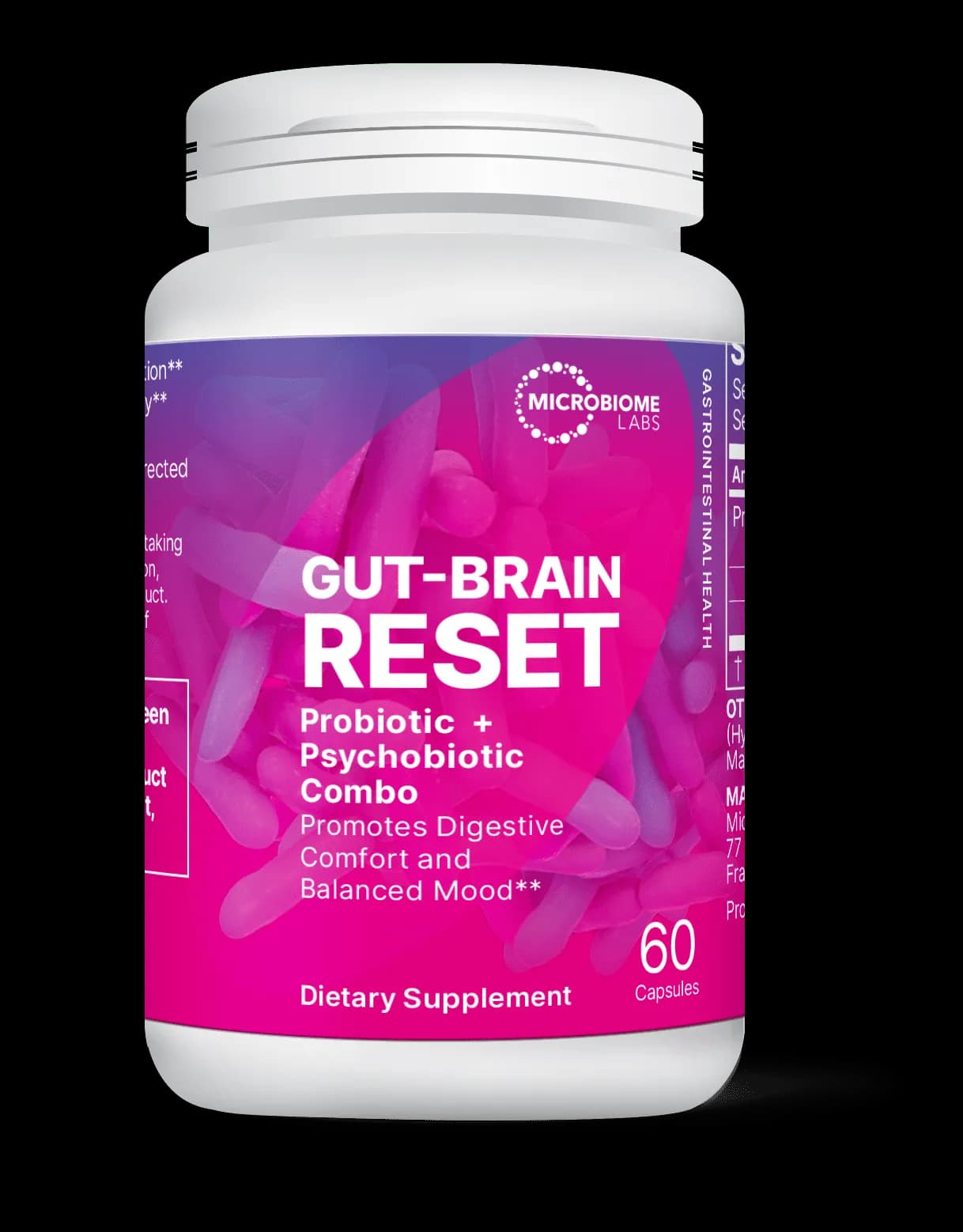
This is where targeted microbiome interventions come into play. Gut-Brain Reset by Microbiome Labs is a specialized psychobiotic and probiotic formula designed to address this exact intersection of gastrointestinal and neurological dysfunction. Powered by two highly researched, proprietary bacterial strains—Bifidobacterium longum 1714 and Bifidobacterium longum 35624—this formula goes beyond basic digestive support. It actively engages the bidirectional communication network between your enteric nervous system and your central nervous system. By repairing the intestinal barrier, modulating the body's stress response, and supporting the production of crucial neurotransmitters, Gut-Brain Reset offers a comprehensive approach to managing the complex, interconnected symptoms of post-viral and chronic illnesses.
TL;DR
Gut-Brain Reset targets the gut-brain axis to support digestion and neurological function in chronic conditions.
B. longum 1714 may help modulate your body's stress response and support mood stability.
B. longum 35624 supports intestinal barrier repair, helping to ease gastrointestinal discomfort and bloating.
Always consult your healthcare provider before starting new supplements, especially if taking antibiotics.
What is Gut-Brain Reset?
The Gut-Brain Axis and Psychobiotics
To understand how Gut-Brain Reset works, it is essential to first understand the natural function of the gut-brain axis in a healthy body. The gut and the brain are in constant, bidirectional communication, primarily connected by the vagus nerve, which acts as a superhighway transmitting signals between the enteric nervous system (the "second brain" in your gut) and the central nervous system. Approximately 80 to 90 percent of the nerve fibers in the vagus nerve travel upward, meaning the gut sends significantly more information to the brain than the brain sends to the gut. This communication network is heavily influenced by the trillions of microorganisms residing in the gastrointestinal tract, collectively known as the gut microbiome. These microbes produce neurotransmitters, short-chain fatty acids, and immune-modulating compounds that directly dictate brain function, mood, and systemic inflammation.
In recent years, researchers have identified specific strains of beneficial bacteria that exert profound effects on the nervous system, coining the term "psychobiotics." A psychobiotic is a live organism that, when ingested in adequate amounts, produces a health benefit in patients suffering from psychiatric or neurological illness. Unlike standard probiotics that simply aim to improve general digestion, psychobiotics are selected for their targeted ability to synthesize neuroactive compounds, such as gamma-aminobutyric acid (GABA) and serotonin, or to directly influence the Hypothalamic-Pituitary-Adrenal (HPA) axis. By altering the biochemical environment of the gut, psychobiotics can send calming, anti-inflammatory signals up the vagus nerve, effectively shifting the brain out of a state of chronic hyperarousal and neuroinflammation.
Bifidobacterium longum 1714: The Mood Modulator
The first key ingredient in Gut-Brain Reset is Bifidobacterium longum 1714, one of the most extensively researched psychobiotic strains in the world. Originally isolated from the intestinal tract of healthy individuals by researchers at University College Cork's APC Microbiome Ireland, this specific bacterial strain has demonstrated a remarkable ability to communicate with the brain to mitigate stress and improve cognitive function. In a healthy gut ecosystem, B. longum species are keystone colonizers that help maintain an acidic, inhospitable environment for pathogens while fermenting dietary fibers into beneficial short-chain fatty acids (SCFAs) like acetate and butyrate. However, strain 1714 possesses unique genetic capabilities that elevate it beyond standard SCFA production.
At the molecular level, B. longum 1714 acts as a master regulator of the body's stress response. It actively interacts with the host's immune and endocrine systems to dampen the hyperactivity of the HPA axis. When the body encounters a stressor—whether psychological or physiological, such as a viral infection—the HPA axis triggers the release of cortisol, the primary stress hormone. Chronic illness often leaves the HPA axis stuck in an "on" position, leading to sympathetic nervous system overdrive. Strain 1714 has been shown to physically blunt this cortisol response, effectively lowering the systemic burden of stress. Furthermore, it produces unique exopolysaccharides (EPS) that interact with dendritic cells in the gut lining, promoting the secretion of the anti-inflammatory cytokine Interleukin-10 (IL-10) while suppressing pro-inflammatory cytokines like Tumor Necrosis Factor-alpha (TNF-α).
Bifidobacterium longum 35624: The Gut Barrier Guardian
The second proprietary strain in the formula is Bifidobacterium longum 35624, which serves as a structural and immunological repair agent for the gastrointestinal tract. While strain 1714 targets the brain and stress pathways, strain 35624 is laser-focused on resolving localized gut inflammation and restoring the integrity of the intestinal mucosal barrier. This strain has been rigorously tested over the last two decades and is globally recognized by gastroenterology guidelines for its profound efficacy in managing Irritable Bowel Syndrome (IBS) and related functional gastrointestinal disorders. Its therapeutic power stems from its distinct structural interactions with the human host.
B. longum 35624 possesses a thick, surface-associated exopolysaccharide (EPS) layer that acts as both an immunological shield and a signaling mechanism. This EPS layer allows the bacteria to bind directly to inflamed epithelial cells in the colon. Once attached, it initiates a localized healing cascade. At the cellular level, strain 35624 upregulates the expression of critical tight junction proteins, specifically claudin-1 and occludin. These proteins act as the "mortar" between the "bricks" of your intestinal cells. By reinforcing these cellular barriers, the strain effectively seals the gut lining, helping to prevent the leakage of undigested food particles, bacterial endotoxins, and pathogens into the systemic bloodstream—a process that is vital for halting the vicious cycle of systemic inflammation seen in complex chronic illnesses.
How Long COVID and ME/CFS Impact the Gut-Brain Axis
Viral Persistence and Gut Dysbiosis
To understand why Gut-Brain Reset is so relevant for chronic illness, we must examine how conditions like Long COVID, ME/CFS, and dysautonomia fundamentally alter the microbiome. When a patient is infected with SARS-CoV-2 or other triggering pathogens like the Epstein-Barr Virus (EBV), the immune system launches a massive, systemic inflammatory response. This acute immune warfare, combined with potential viral persistence in the gastrointestinal tissue, decimates the delicate balance of the gut microbiome. Research consistently shows that patients with these post-viral conditions suffer from a severe depletion of beneficial, anti-inflammatory bacteria—particularly keystone Bifidobacterium species. This loss creates an ecological vacuum in the gut, allowing opportunistic, pro-inflammatory bacteria to overgrow and dominate the microbiome.
This state of severe gut dysbiosis is not merely a side effect of the illness; it is a primary driver of ongoing symptoms. The depletion of Bifidobacteria means the gut loses its primary producers of short-chain fatty acids (SCFAs), which are essential for nourishing the cells lining the colon and regulating local immune responses. Without adequate SCFAs, the gut environment becomes highly inflammatory. This dysbiosis is heavily implicated in the gastrointestinal symptoms seen with Long COVID, including severe bloating, visceral hypersensitivity, and unpredictable bowel motility. The loss of these protective microbes leaves the gut vulnerable to chronic, low-grade inflammation that perpetuates the systemic illness.
"Leaky Gut" and Systemic Endotoxemia
The consequences of this viral-induced dysbiosis extend far beyond the digestive tract. The chronic inflammation in the gut degrades the intestinal mucosal barrier, leading to increased intestinal permeability, commonly referred to as "leaky gut." In a healthy state, the tight junctions between intestinal epithelial cells strictly control what enters the bloodstream, allowing nutrients to pass while blocking harmful substances. However, in Long COVID and ME/CFS, the inflammatory cytokine storm causes these tight junctions to break apart. This structural failure allows lipopolysaccharides (LPS)—highly toxic structural components of Gram-negative bacteria—to translocate from the gut lumen directly into the systemic circulation.
This leakage of LPS into the bloodstream is known as systemic endotoxemia, and it is a catastrophic event for patients with chronic illness. When LPS enters the blood, it binds to Toll-like receptor 4 (TLR4) on immune cells throughout the body, triggering a massive release of pro-inflammatory cytokines. This systemic inflammation travels through the vascular system, contributing to the endothelial dysfunction and microclotting frequently observed in post-viral syndromes. The constant influx of endotoxins keeps the immune system locked in a state of high alert, draining cellular energy reserves and directly contributing to the profound, debilitating fatigue and post-exertional malaise (PEM) that define what causes Long COVID and ME/CFS symptom flares.
Neuroinflammation and HPA Axis Dysfunction
The systemic inflammation originating from the leaky gut does not stop in the bloodstream; it crosses the blood-brain barrier, leading to severe neuroinflammation. The circulating cytokines and endotoxins activate microglia, the resident immune cells of the brain. When microglia become chronically activated, they shift from their normal protective and pruning roles into a neurotoxic state, releasing inflammatory mediators directly into the neural tissue. This neuroinflammation disrupts neural circuits and impairs neurotransmitter signaling, directly causing the severe cognitive impairments, memory loss, and "brain fog" that so many patients experience. Recent studies suggest that this persistent neuroinflammation activates neural circuits responsible for "sickness behavior," forcing the body into a torpor-like metabolic state.
Furthermore, this gut-driven neuroinflammation wreaks havoc on the autonomic nervous system and the HPA axis. The constant inflammatory signaling traveling up the vagus nerve signals to the brain that the body is under continuous attack. In response, the HPA axis remains hyperactive, pumping out erratic levels of cortisol and keeping the sympathetic nervous system in a chronic "fight or flight" state. This autonomic overdrive is a hallmark of dysautonomia and Postural Orthostatic Tachycardia Syndrome (POTS), leading to symptoms like rapid heart rate, temperature dysregulation, and severe stress intolerance. The gut-brain axis becomes trapped in a vicious cycle: gut inflammation drives brain inflammation, and the resulting autonomic dysfunction further impairs gut motility and digestion, making it incredibly difficult to live with long-term COVID without targeted interventions.
Gut-Brain Reset: Supporting Digestion and Mood Stability
Repairing the Intestinal Barrier
Supplementing with Gut-Brain Reset directly intervenes in the vicious cycles of post-viral illness by addressing the root cause of systemic endotoxemia: the compromised intestinal barrier. The Bifidobacterium longum 35624 strain in this formula is uniquely equipped to repair "leaky gut" at the cellular level. When ingested, the bacteria travel to the colon and utilize their protective exopolysaccharide (EPS) shield to adhere to the inflamed epithelial cells. Once anchored, strain 35624 actively upregulates the genetic expression of claudin-1 and occludin, the critical tight junction proteins that seal the gaps between intestinal cells. By physically rebuilding this barrier, the probiotic halts the translocation of lipopolysaccharides (LPS) and other endotoxins into the bloodstream.
This localized repair mechanism has profound systemic implications. By cutting off the supply of endotoxins leaking from the gut, B. longum 35624 significantly reduces the activation of Toll-like receptor 4 (TLR4) on circulating immune cells. This leads to a downstream reduction in systemic pro-inflammatory cytokines, easing the burden on the immune system and the vascular endothelium. For patients wondering can Long COVID trigger ME/CFS, resolving this gut permeability is often a critical step in lowering the overall inflammatory load that drives the overlapping symptoms of both conditions. Furthermore, by soothing the localized inflammation in the gut mucosa, strain 35624 drastically reduces visceral hypersensitivity, alleviating the severe abdominal pain, bloating, and erratic bowel movements associated with post-COVID Irritable Bowel Syndrome.
Modulating the Stress Response and Cortisol
While strain 35624 repairs the physical barrier, the Bifidobacterium longum 1714 strain in Gut-Brain Reset works to calm the neurological and autonomic chaos. Strain 1714 acts as a powerful psychobiotic, utilizing the vagus nerve to send inhibitory, anti-inflammatory signals directly to the brain. In clinical settings, this strain has been shown to physically blunt the secretion of cortisol in response to stressors. By dampening the hyperactivity of the Hypothalamic-Pituitary-Adrenal (HPA) axis, B. longum 1714 helps shift the autonomic nervous system out of its chronic sympathetic "fight or flight" overdrive and back into a parasympathetic "rest and digest" state.
This autonomic modulation is particularly crucial for patients with dysautonomia and ME/CFS, who often experience severe "crashes" or post-exertional malaise (PEM) triggered by even minor physical or emotional stressors. By lowering the baseline level of physiological stress and regulating cortisol output, strain 1714 helps expand the patient's "energy envelope" and improves stress resilience. Advanced brain imaging studies using Magnetoencephalography (MEG) have visually proven that supplementing with B. longum 1714 alters neural oscillations, increasing theta band power in the frontal cortex. These specific brain wave changes correlate directly with increased subjective vitality, reduced mental fatigue, and improved emotional regulation, offering a tangible physiological mechanism for its mood-stabilizing effects.
Tryptophan Metabolism and Serotonin Production
One of the most profound biochemical mechanisms of Gut-Brain Reset involves the modulation of tryptophan metabolism. Tryptophan is an essential amino acid that serves as the primary building block for serotonin (the neurotransmitter responsible for mood stabilization and gut motility) and melatonin (the hormone that regulates sleep). In a healthy body, tryptophan is smoothly converted into these neuroprotective compounds. However, in the presence of chronic viral inflammation—such as in Long COVID—pro-inflammatory cytokines upregulate an enzyme called indoleamine 2,3-dioxygenase (IDO). The IDO enzyme essentially "steals" tryptophan and shunts it down a neurotoxic pathway, converting it into kynurenine and quinolinic acid. This tryptophan steal directly causes serotonin depletion, leading to severe depression, anxiety, brain fog, and sleep disturbances.
Bifidobacterium longum 1714 directly counters this neurotoxic cascade. Research indicates that this specific psychobiotic strain actively produces and metabolizes tryptophan in the gut, directing it away from the inflammatory kynurenine pathway and back toward the serotonin synthesis pathway. Furthermore, strain 1714 produces a compound called indole lactic acid (ILA), which further reduces cellular inflammation and supports healthy neurological function. By physically altering the biochemical fate of tryptophan, Gut-Brain Reset provides the central nervous system with the necessary precursors to rebuild serotonin and melatonin levels, directly addressing the biochemical roots of post-viral mood disorders and insomnia.
Dampening Systemic and Neuroinflammation
Finally, the combined action of both strains in Gut-Brain Reset provides a powerful, dual-action approach to dampening systemic and neuroinflammation. Both B. longum 1714 and 35624 interact directly with dendritic cells and macrophages in the gut-associated lymphoid tissue (GALT). This interaction stimulates the production of Regulatory T-cells (Tregs), which are the immune system's primary peacekeepers. The Tregs secrete high levels of Interleukin-10 (IL-10), a potent anti-inflammatory cytokine that circulates throughout the body, neutralizing systemic inflammation.
Concurrently, the probiotics suppress the activation of Nuclear Factor kappa B (NF-κB), a master genetic switch that triggers the production of pro-inflammatory cytokines like Tumor Necrosis Factor-alpha (TNF-α) and Interleukin-6 (IL-6). By increasing IL-10 and decreasing TNF-α, Gut-Brain Reset normalizes the host's immune phenotype, shifting the body from a neurotoxic, inflamed state to a neuroprotective, healing state. This systemic reduction in inflammatory cytokines eventually reaches the brain, calming the hyperactive microglia and allowing the neural circuits to begin repairing. This comprehensive dampening of inflammation is why restoring the gut microbiome is often a central strategy when figuring out do Long COVID symptoms come and go and how to stabilize them.

Symptoms Gut-Brain Reset May Help Manage
Gastrointestinal Symptoms
By repairing the intestinal barrier and modulating local immune responses, Gut-Brain Reset targets a wide array of digestive dysfunctions commonly seen in post-viral syndromes and functional gut disorders. The B. longum 35624 strain is specifically validated for these issues.
Occasional Gas and Bloating: By normalizing the gut flora and reducing the overgrowth of gas-producing pathogenic bacteria, the formula helps alleviate severe, painful bloating and excessive flatulence.
Abdominal Discomfort and Pain: The probiotic downregulates localized inflammation in the gut mucosa, significantly reducing visceral hypersensitivity (the extreme sensitivity to pain in the internal organs) that characterizes post-COVID IBS.
Diarrhea and Loose Stools: By upregulating tight junction proteins and resolving "leaky gut," the formula helps restore normal fluid absorption in the colon, firming up loose stools.
Constipation and Irregularity: The production of short-chain fatty acids by Bifidobacteria helps stimulate healthy peristalsis (the muscle contractions of the gut), promoting regular, comfortable bowel movements.
Neurological and Mood Symptoms
Through its profound effects on the gut-brain axis, vagus nerve signaling, and tryptophan metabolism, the B. longum 1714 strain addresses the neurological and autonomic fallout of chronic illness.
Brain Fog and Cognitive Impairment: By halting systemic endotoxemia and reducing microglial activation in the brain, the formula helps clear the neuroinflammation that drives severe cognitive deficits and memory issues.
Anxiety and Mood Instability: By shunting tryptophan metabolism away from neurotoxic pathways and toward serotonin production, the psychobiotic provides the biochemical building blocks needed for mood self-regulation and emotional stability.
Stress Intolerance and HPA Axis Dysfunction: The strain physically blunts the secretion of cortisol in response to stressors, helping to calm a hyperactive sympathetic nervous system and reduce the severity of autonomic "fight or flight" responses.
Sleep Disturbances: By supporting the natural production of melatonin (via the serotonin pathway) and altering brain wave activity toward more relaxed states, the formula has been clinically shown to improve sleep quality and daytime vitality.
Practical Considerations: Forms, Dosing, and Absorption
Bioavailability and the EPS Shield
One of the most significant challenges in probiotic supplementation is ensuring that the live bacteria survive the harsh, highly acidic environment of the stomach and the antimicrobial bile salts in the small intestine. Many standard, over-the-counter probiotics experience massive die-off before they ever reach the colon, rendering them largely ineffective. However, Gut-Brain Reset overcomes this bioavailability hurdle through the unique evolutionary biology of its specific strains. Both Bifidobacterium longum 1714 and 35624 possess the genetic capability to produce a thick Exopolysaccharide (EPS) coating.
This EPS layer acts as a microscopic, protective shield around the bacterial cells. It dramatically increases their survivability through the upper gastrointestinal tract, ensuring that a high yield of viable, live bacteria reaches the large intestine where they are needed most. Once in the colon, this same EPS shield facilitates the bacteria's ability to adhere to the mucosal lining, allowing them to colonize effectively and exert their localized healing and immune-modulating effects. This natural, structural advantage means that the strains in Gut-Brain Reset offer superior bioavailability compared to non-EPS-producing probiotic strains.
Optimal Dosing and Timing
Gut-Brain Reset is formulated to provide a potent, clinically relevant dose of beneficial bacteria. Each serving (two capsules) delivers 10 Billion Colony Forming Units (CFU) of the proprietary B. longum blend. This dosage aligns with the amounts used in successful clinical trials, ensuring that patients receive a therapeutic level of the psychobiotic and gut-repairing strains. The suggested use is to take two capsules per day with food, or as directed by your healthcare practitioner. Taking the supplement with food can further buffer stomach acid, providing an additional layer of protection for the live bacteria as they transit through the digestive system.
When starting a targeted probiotic therapy like Gut-Brain Reset, it is important to have realistic expectations regarding the timeline for symptom improvement. While some patients may notice a reduction in digestive discomfort, gas, or bloating within the first two weeks as the gut environment begins to shift, neurological and mood benefits typically take longer to manifest. Modulating the HPA axis, altering tryptophan metabolism, and dampening systemic neuroinflammation are complex biochemical processes. Clinical trials evaluating the psychobiotic effects of B. longum 1714 on stress, anxiety, and sleep quality often measure significant improvements at the 4-week and 8-week marks. Consistency is key; the supplement must be taken daily to maintain the beneficial changes in the gut microbiome.
Potential Interactions and Safety
Bifidobacterium longum is a foundational species of bacteria naturally found in the human gut and is Generally Recognized As Safe (GRAS). It is typically very well-tolerated, even by individuals with sensitive systems. However, because Gut-Brain Reset contains live bacterial organisms, there is a crucial interaction to consider regarding antibiotics. If you are prescribed an oral antibiotic (such as a penicillin, cephalosporin, or fluoroquinolone), the medication will indiscriminately kill both pathogenic and beneficial bacteria, including the strains in this supplement. To prevent the antibiotic from rendering the probiotic useless, you must space out your doses. It is highly recommended to take Gut-Brain Reset at least two hours before or two hours after administering your antibiotic medication.
While the formula is generally safe, it is common to experience mild, temporary gastrointestinal disturbances—such as increased gas, mild bloating, or changes in bowel frequency—during the first few days of use. This is often referred to as a "die-off" or adjustment period, as the new beneficial bacteria begin to colonize and displace less desirable microbes in the gut. These symptoms typically resolve on their own within a week. However, individuals who are severely immunocompromised, critically ill, or have a central venous catheter should exercise caution and consult their healthcare provider before initiating any live probiotic therapy, as there is a rare risk of bacteremia in highly vulnerable populations. Always discuss new supplements with your medical team, especially when navigating complex conditions and figuring out what drugs are used for COVID long haulers.
Follow the Science
Clinical Trials on B. longum 1714 for Stress and Cognition
The psychobiotic properties of Bifidobacterium longum 1714 are supported by rigorous, gold-standard human clinical trials. In a landmark 2016 study published in Translational Psychiatry, researchers at University College Cork subjected 22 healthy male volunteers to the Socially Evaluated Cold Pressor Test, a validated method for inducing acute physical and psychological stress. The participants who consumed the 1714 strain demonstrated a significantly blunted physiological stress response, specifically showing lower spikes in salivary cortisol and reporting reduced daily psychological stress compared to the placebo group. Furthermore, Electroencephalography (EEG) data from this study showed that the probiotic enhanced frontal midline mobility and altered brain wave activity toward a more relaxed neural state.
More recently, a 2024 double-blind trial published in Scientific Reports followed 89 adults over 8 weeks, demonstrating that supplementation with 1714 led to significant, rapid improvements in sleep quality, daytime functioning, and energy levels, while blood analyses confirmed the strain actively increased plasma levels of tryptophan.
Evidence for B. longum 35624 in IBS and Digestive Comfort
The efficacy of Bifidobacterium longum 35624 for gastrointestinal repair and symptom management has been evaluated in rigorous clinical trials.
The SIM01 Trial and Long COVID Recovery
Perhaps the most compelling evidence for the use of Bifidobacteria in post-viral syndromes comes from the SIM01 Long COVID Trial published in The Lancet Infectious Diseases in December 2023. In this massive, randomized, double-blind, placebo-controlled trial, researchers in Hong Kong tested a synbiotic formula heavily featuring Bifidobacterium longum on 463 Long COVID patients over six months. The results were groundbreaking: patients taking the Bifidobacteria formula showed massive, statistically significant symptom improvements compared to the placebo group.
At the 6-month mark, the odds ratios (OR) for symptom improvement were staggering. Patients taking the probiotic had a 62% relative benefit in resolving difficulty concentrating (OR 2.64), and were more than twice as likely to see improvements in general unwellness (OR 2.36), profound fatigue (OR 2.27), and gastrointestinal upset (OR 2.00). Crucially, the researchers noted that a positive shift in the abundance of Bifidobacterium longum specifically correlated with the alleviation of concentration difficulties and brain fog. This landmark trial provides robust, clinical validation that replenishing keystone Bifidobacteria can directly reverse the neurocognitive and physical symptoms of Long COVID by healing the gut-brain axis.
The Path Forward
Validating the Gut-Brain Connection
Living with a complex chronic condition like Long COVID, ME/CFS, or dysautonomia often means navigating a confusing and overwhelming array of symptoms that seem to affect every system in your body. If you have ever felt like your severe digestive issues and your profound brain fog or anxiety were somehow linked, your experience is entirely valid. The science of the gut-brain axis confirms that these symptoms are not isolated events, but rather interconnected manifestations of systemic inflammation, dysbiosis, and autonomic dysfunction. Acknowledging this connection is a vital step toward finding effective, targeted management strategies that address the root causes of your illness, rather than just masking individual symptoms.
A Comprehensive Approach to Healing
While Gut-Brain Reset offers a powerful, scientifically backed tool for repairing the intestinal barrier and modulating the stress response, it is important to remember that no single supplement is a cure-all for complex chronic illnesses. Healing the gut-brain axis requires a comprehensive, multi-faceted approach. Supplementation should be integrated alongside careful symptom tracking, aggressive pacing to manage post-exertional malaise, dietary modifications to support the microbiome, and ongoing medical care. By combining targeted psychobiotics with holistic management strategies, you can begin to lower your systemic inflammatory burden, improve your resilience to stress, and take meaningful steps toward reclaiming your quality of life.
Disclaimer: The information provided in this blog is for educational purposes only and is not intended as medical advice. Always consult with a qualified healthcare provider before starting any new supplement, especially if you have a complex chronic condition, are pregnant, or are taking prescription medications.