Can Acerola Vitamin C and Bioflavonoids Support Immune and Vascular Health in Long COVID?
March 5, 2026
AcerolaVitamin CQuercetin
Share:
Disclaimer: The information provided here is for educational purposes only and is not intended as medical advice. It should not be used to diagnose, treat, cure, or prevent any medical condition. Instead, use it as a starting point for discussion with your healthcare provider. Always consult with a qualified healthcare provider before starting any new medication, supplement, device, or making changes to your health regimen.
Months or even years after a mild viral infection, many individuals find themselves battling an unpredictable array of debilitating symptoms—from profound fatigue and brain fog to racing heart rates and unexplained allergic reactions. If you are living with Long COVID, myalgic encephalomyelitis/chronic fatigue syndrome (ME/CFS), dysautonomia, or mast cell activation syndrome (MCAS), you know firsthand how frustrating it is to navigate a medical system that often lacks clear answers for complex, invisible illnesses. You are not alone, and your symptoms are rooted in real, measurable physiological disruptions, particularly within your immune system and blood vessels.
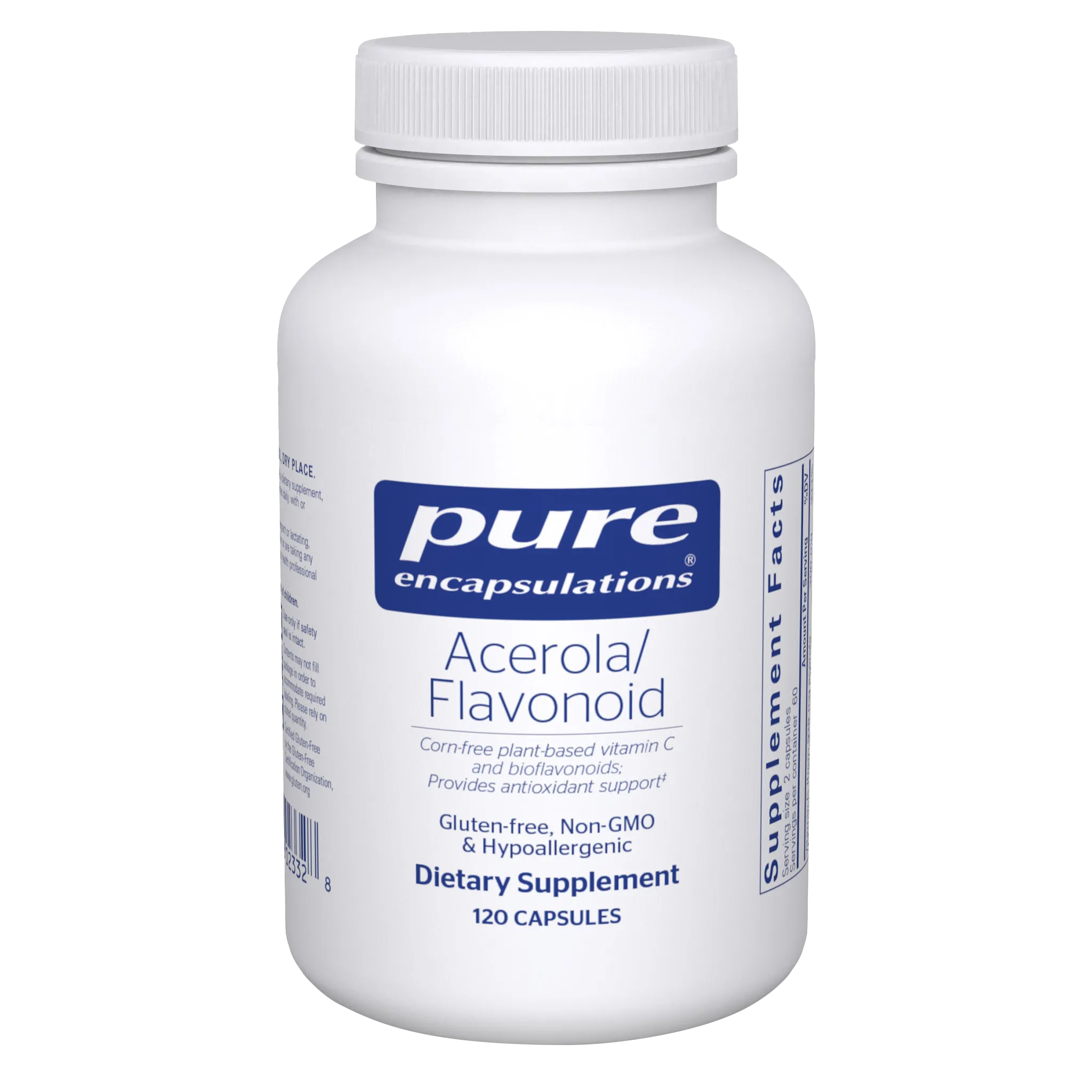
One of the most promising areas of research into post-viral recovery focuses on neutralizing chronic oxidative stress, stabilizing hyper-reactive mast cells, and repairing the vascular endothelium. While synthetic vitamins offer basic nutritional support, whole-food compounds provide a more sophisticated, synergistic approach. The Acerola/Flavonoid blend by Pure Encapsulations combines the potent, natural Vitamin C of the acerola cherry with a targeted profile of bioflavonoids—quercetin, rutin, and naringin. In this comprehensive guide, we will explore the deep biochemical mechanisms behind these natural compounds and how they may help support immune function and vascular health in complex chronic conditions.
TL;DR
Acerola cherry offers whole-food Vitamin C and bioflavonoids to support immune and vascular health.
Vitamin C and flavonoids may help neutralize oxidative stress and support mitochondrial energy production.
Bioflavonoids like quercetin and rutin support mast cell stabilization and endothelial barrier repair.
Supplements work best when integrated into a comprehensive management plan for complex chronic conditions.
What is Acerola/Flavonoid?
The Power of Acerola Cherry and Vitamin C
Acerola (Malpighia glabra), also known as the Barbados cherry, is globally recognized as one of the most potent natural sources of Vitamin C in the botanical world. While a standard orange may contain around 50 milligrams of Vitamin C per 100 grams, the acerola cherry boasts an astonishing 1,500 to 4,500 milligrams per 100 grams. This remarkable concentration makes it a powerful therapeutic agent. Vitamin C, scientifically known as L-ascorbic acid, is an essential water-soluble micronutrient. Due to an evolutionary genetic mutation that deactivated the L-gulonolactone oxidase enzyme, humans cannot synthesize Vitamin C internally and must rely entirely on dietary intake to meet their physiological needs.
At the cellular level, Vitamin C serves as the body’s primary non-enzymatic, water-soluble antioxidant. It circulates through the blood plasma and intracellular fluids, actively seeking out and neutralizing highly reactive oxygen species (ROS), such as superoxide anions and hydroxyl radicals. By readily donating electrons to these unstable molecules, Vitamin C prevents them from inflicting oxidative damage on critical cellular structures, including mitochondrial membranes, proteins, and DNA. This electron-donating capacity is fundamental to protecting the body from the systemic oxidative stress that characterizes many chronic inflammatory conditions.
Beyond its antioxidant prowess, Vitamin C is an indispensable co-factor in the synthesis of collagen, the most abundant structural protein in the human body. It specifically activates the enzymes prolyl hydroxylase and lysyl hydroxylase, which are responsible for stabilizing the triple-helix structure of collagen molecules. This biochemical process is absolutely crucial for maintaining the structural integrity of the vascular endothelium—the inner lining of your blood vessels. Without adequate Vitamin C, blood vessels become fragile and permeable, leading to poor circulation, tissue hypoxia, and the exacerbation of dysautonomia symptoms.
The Synergistic Role of Bioflavonoids
While Vitamin C is powerful on its own, it rarely exists in isolation in nature. In whole foods like the acerola cherry, Vitamin C is accompanied by a complex matrix of bioflavonoids—polyphenolic plant compounds that protect the plant from environmental stressors. The Acerola/Flavonoid supplement specifically incorporates three heavily researched bioflavonoids: quercetin, rutin, and naringin. These compounds work synergistically with Vitamin C, amplifying its therapeutic effects while providing their own unique immunomodulatory and anti-inflammatory benefits to the human body.
Quercetin is perhaps the most well-known of these bioflavonoids, celebrated in clinical literature for its profound ability to modulate the immune response. It operates at the molecular level by inhibiting the NF-κB (nuclear factor kappa-light-chain-enhancer of activated B cells) signaling pathway. By blocking this primary inflammatory transcription factor, quercetin actively downregulates the cellular production of pro-inflammatory cytokines, including interleukin-6 (IL-6) and tumor necrosis factor-alpha (TNF-α). Furthermore, quercetin is a renowned natural mast cell stabilizer, reinforcing the cellular membranes of immune sentinels to prevent the inappropriate release of histamine and other inflammatory mediators.
Rutin (quercetin-3-O-rutinoside) and Naringin (a citrus-derived flavanone) bring highly specific benefits to the vascular system. Rutin, historically referred to as "Vitamin P" for its permeability-reducing properties, has a strong affinity for the vascular endothelium. It protects blood vessels from high-glucose and oxidative damage by disturbing the ROS-sensitive NLRP3 inflammasome. Naringin complements this by actively preserving VE-cadherin tight junctions between endothelial cells, preventing the "leaky" blood vessels that often accompany chronic systemic inflammation. Together, these bioflavonoids ensure that the vascular network remains resilient and functional.
The "Entourage Effect" in Plant-Based Nutrition
The combination of whole-food Vitamin C and bioflavonoids exemplifies the "entourage effect"—a pharmacological concept where the entire matrix of a plant provides greater therapeutic benefit than a single, isolated chemical compound. When you consume synthetic ascorbic acid, you are ingesting a naked molecule that is vulnerable to rapid oxidation and excretion. In contrast, the acerola extract delivers Vitamin C bundled with its natural phytonutrient escorts, which protect the vitamin as it navigates the harsh environment of the gastrointestinal tract and enters the bloodstream.
One of the most fascinating aspects of this entourage effect is the biochemical recycling process facilitated by bioflavonoids. When Vitamin C neutralizes a free radical, it becomes oxidized into dehydroascorbic acid (DHA) and temporarily loses its antioxidant capacity. Bioflavonoids like quercetin and rutin have the unique ability to donate their own electrons to DHA, reducing it back into active L-ascorbic acid. This continuous recycling loop significantly extends the functional lifespan of Vitamin C within the body, providing prolonged protection against oxidative stress.
This synergy is particularly vital for individuals managing complex chronic illnesses, whose endogenous antioxidant systems are often severely depleted. By utilizing a plant-based, flavonoid-rich formula, patients can achieve more sustained cellular uptake and a broader spectrum of anti-inflammatory coverage than they would with high doses of synthetic isolates alone. This holistic approach to cellular nutrition is a cornerstone of functional medicine and post-viral recovery protocols.
How Chronic Illness Impacts the Immune and Vascular Systems
Viral Persistence and Oxidative Stress
To understand why the Acerola/Flavonoid blend is so relevant, we must first examine the underlying pathophysiology of conditions like Long COVID and myalgic encephalomyelitis/chronic fatigue syndrome (ME/CFS). A leading theory in post-viral research is the concept of viral persistence—the idea that fragments of the SARS-CoV-2 virus, or reactivated dormant viruses like Epstein-Barr Virus (EBV), remain hidden in tissue reservoirs long after the acute infection has passed. This persistent viral presence keeps the immune system locked in a state of chronic, low-grade activation, constantly fighting an invisible enemy.
This relentless immune battle generates a massive and continuous burden of reactive oxygen species (ROS), leading to severe systemic oxidative stress. The primary victims of this oxidative assault are the mitochondria, the microscopic powerhouses responsible for generating adenosine triphosphate (ATP), the energy currency of your cells. When mitochondrial membranes and DNA are damaged by ROS, the electron transport chain falters, and cellular energy production plummets. This bioenergetic failure is a core driver of the profound, debilitating fatigue and post-exertional malaise (PEM) that defines ME/CFS.
As mitochondria become dysfunctional, a vicious cycle emerges. Damaged mitochondria become inefficient and begin to leak even more free radicals into the cell, compounding the oxidative stress. This continuous drain rapidly depletes the body's natural antioxidant reserves, including intracellular glutathione and Vitamin C. Without adequate antioxidant defense to break this cycle, patients remain trapped in a state of chronic energy deficit, where even minor physical or cognitive exertion can trigger a severe symptom crash.
Mast Cell Hyperactivation and Systemic Inflammation
Closely intertwined with this oxidative stress is the phenomenon of mast cell hyperactivation. Mast cells are specialized white blood cells that act as the immune system's first line of defense. They are stationed in perivascular spaces—wrapped around blood vessels—and in tissues that interface with the outside world, such as the skin, gut, and respiratory tract. In a healthy body, they release chemical mediators to orchestrate healing. However, in mast cell activation syndrome (MCAS), chronic viral antigens and stress signals cause these cells to become hyper-reactive, degranulating inappropriately and continuously.
When mast cells degranulate, they unleash a storm of over 1,000 different biochemical mediators into the surrounding tissue. The most famous of these is histamine, which causes vasodilation, itching, and tissue swelling. However, mast cells also release tryptase, leukotrienes, and pro-inflammatory cytokines like TNF-α and IL-6. This toxic soup of mediators drives widespread systemic inflammation, manifesting as unpredictable allergic reactions, gastrointestinal distress, flushing, and severe chemical sensitivities that fluctuate from day to day.
Crucially, mast cells are heavily concentrated near the blood-brain barrier (BBB). When these perivascular mast cells activate, their mediators—particularly Vascular Endothelial Growth Factor (VEGF)—can compromise the structural integrity of the BBB, making it "leaky." This allows peripheral inflammatory cytokines to cross into the central nervous system, activating microglial cells and driving profound neuroinflammation. This mechanism is increasingly recognized as the primary cause of the severe cognitive dysfunction, or "brain fog," experienced by so many Long COVID patients.
Endothelial Dysfunction and Microclotting
The combined forces of oxidative stress and mast cell inflammation converge on the vascular endothelium—the delicate, single-cell-thick lining of your entire cardiovascular system. Healthy endothelial cells are responsible for producing endothelial nitric oxide synthase (eNOS), an enzyme that generates nitric oxide (NO) to keep blood vessels relaxed, flexible, and open. However, when bombarded by free radicals and inflammatory cytokines, the endothelium becomes damaged and dysfunctional, losing its ability to produce sufficient NO, which leads to chronic vasoconstriction and poor blood flow.
Furthermore, damaged endothelial cells undergo a phenotypic shift, upregulating the expression of cellular adhesion molecules like VCAM-1 and ICAM-1. These molecules act like microscopic Velcro, catching passing white blood cells and platelets, and pulling them into the blood vessel wall. This process not only initiates atherosclerotic plaque formation but also creates a highly pro-coagulant environment within the bloodstream, setting the stage for severe vascular complications.
This endothelial injury is directly linked to the phenomenon of fibrinaloid microclotting observed in Long COVID and ME/CFS. When the endothelium is inflamed and mast cells are releasing tissue-degrading enzymes, the body's coagulation cascade is triggered inappropriately. These microscopic blood clots trap inflammatory molecules and block the tiny capillaries responsible for delivering oxygen to muscles and nerves. This resulting tissue hypoxia exacerbates muscle pain, drives orthostatic intolerance (such as POTS), and further deepens the cycle of fatigue. You can learn more about managing this specific pathophysiology in our guide to A.I. enzymes and microclots.
Acerola/Flavonoid: Supporting Immune and Vascular Health
Vitamin C's Role in Immune Defense and Histamine Clearance
The Acerola/Flavonoid blend offers a multi-targeted approach to dismantling the vicious cycles of post-viral illness, starting with the profound immune-modulating effects of Vitamin C. During an active immune response, Vitamin C actively accumulates inside phagocytic cells—such as neutrophils and macrophages—at concentrations up to 100 times higher than in the surrounding blood plasma. This massive intracellular accumulation is facilitated by specific SVCT2 transporters and is essential for enhancing leukocyte motility, chemotaxis (the ability of immune cells to migrate toward infection sites), and the efficient phagocytosis of viral debris.
Perhaps most importantly for patients with MCAS and histamine intolerance, Vitamin C plays a direct, mechanistic role in histamine degradation. It serves as an essential, rate-limiting co-factor for the production and function of Diamine Oxidase (DAO), the primary enzyme responsible for breaking down extracellular and dietary histamine in the gut and bloodstream. By supporting DAO activity, studies show that adequate Vitamin C levels can significantly accelerate the clearance of circulating histamine, directly reducing the severity of allergic-type symptoms, flushing, and gastrointestinal distress.
Furthermore, Vitamin C protects the immune system from its own destructive power. When neutrophils destroy pathogens, they unleash an "oxidative burst" of free radicals. The high concentration of Vitamin C inside these immune cells neutralizes these radicals internally, protecting the neutrophil from self-destruction. This promotes healthy apoptosis (programmed cell death) rather than necrosis, preventing the spillage of toxic cellular contents into surrounding tissues and halting the spread of secondary inflammation.
Quercetin and Mast Cell Stabilization
While Vitamin C works downstream to clear histamine from the blood, the bioflavonoid quercetin works upstream to prevent its release in the first place. Quercetin is widely recognized in immunological research as a potent, natural mast cell stabilizer. It achieves this by interacting directly with the lipid bilayer of the mast cell membrane, altering its fluidity and preventing the influx of intracellular calcium ions. Because calcium is the critical trigger required for mast cell degranulation, blocking its entry effectively locks the inflammatory mediators inside the cell, halting the allergic cascade at its source.
Beyond its structural stabilization of mast cells, quercetin exerts profound control over genetic inflammatory pathways. It actively inhibits the AMPK and NF-κB signaling cascades within the cytosol of immune cells. By shutting down these transcription factors, quercetin drastically reduces the messenger RNA (mRNA) expression of potent pro-inflammatory cytokines, specifically interleukin-1 beta (IL-1β) and interleukin-6 (IL-6). This genetic downregulation helps cool the systemic inflammatory fire that drives the core symptoms of immune dysregulation in Long COVID.
Quercetin also plays a vital role in protecting the vascular system from nitrosative stress. It selectively inhibits the activity of inducible nitric oxide synthase (iNOS), an enzyme that produces massive, toxic amounts of nitric oxide during severe inflammation, which can react with superoxide to form dangerous peroxynitrite radicals. Simultaneously, quercetin supports the function of endothelial nitric oxide synthase (eNOS), ensuring that the blood vessels maintain the healthy, low-level nitric oxide production required for proper vasodilation and blood flow.
Rutin and Naringin for Endothelial Repair
Rutin, the glycoside form of quercetin, brings highly specialized vasoprotective properties to the formula. In the context of post-viral endothelial dysfunction, rutin acts as a shield against oxidative and metabolic damage. Research demonstrates that rutin effectively reduces the expression of Nox4, a major enzymatic source of reactive oxygen species in the vascular wall. By suppressing Nox4, rutin disturbs the activation of the ROS-sensitive NLRP3 inflammasome, effectively shutting down the production of caspase-1 and preventing the endothelium from entering a pro-inflammatory, pro-coagulant state.
Additionally, rutin directly counteracts one of the most damaging mast cell mediators: Vascular Endothelial Growth Factor (VEGF). When mast cells release VEGF, it causes the tight junctions between endothelial cells to pull apart, leading to vascular hyperpermeability (leaky blood vessels). This leakiness allows fluid to escape into tissues, causing swelling and contributing to the hypovolemia (low blood volume) often seen in dysautonomia. Rutin has been shown to significantly inhibit the production and mRNA expression of VEGF, restoring the barrier integrity of the vascular wall.
Naringin, the citrus-derived flavanone, works in tandem with rutin to physically repair the endothelial barrier. At the molecular level, naringin restores the Yes-associated protein (YAP) pathway, which is crucial for preventing endothelial-mesenchymal transition (EndMT)—a pathological process where healthy blood vessel cells transform into stiff, fibrotic tissue. By preserving VE-cadherin tight junctions and preventing the pathological remodeling of the vascular cytoskeleton, naringin ensures that blood vessels remain resilient, flexible, and capable of delivering oxygen-rich blood to oxygen-starved tissues.
Symptoms Acerola/Flavonoid May Help Manage
Targeting Fatigue and Post-Exertional Malaise (PEM)
Cellular Energy Production: By neutralizing the reactive oxygen species that damage mitochondrial membranes, Vitamin C and bioflavonoids protect the electron transport chain, allowing cells to produce ATP more efficiently and reducing baseline fatigue.
Raising the Crash Threshold: Continuous antioxidant support helps replenish depleted intracellular glutathione levels, providing the mitochondria with the resilience needed to handle minor physical or cognitive exertion without immediately triggering a severe PEM crash.
Improved Tissue Oxygenation: By repairing the vascular endothelium and supporting healthy nitric oxide production, this supplement helps ensure that oxygen and nutrients can actually reach fatigued muscle tissues, alleviating the heavy, "lead-like" feeling in the limbs.
Addressing Allergic and MCAS-Related Symptoms
Histamine Degradation: The high concentration of natural Vitamin C acts as a vital co-factor for the DAO enzyme, accelerating the breakdown of circulating histamine and reducing symptoms like flushing, hives, and sudden temperature dysregulation.
Prophylactic Mast Cell Control: Quercetin stabilizes the mast cell membrane, preventing the initial release of tryptase and leukotrienes. This prophylactic action helps reduce the frequency and severity of unpredictable allergic reactions to foods, chemicals, and environmental triggers.
Gastrointestinal Soothing: Because the gut lining is packed with mast cells, stabilizing these cells and reducing local inflammation can significantly alleviate the bloating, cramping, and food reactivities associated with MCAS and post-viral gut dysbiosis.
Supporting Cognitive and Vascular Function
Neuroinflammation and Brain Fog: By suppressing the release of VEGF and protecting the integrity of the blood-brain barrier, rutin and quercetin help prevent peripheral inflammatory cytokines from entering the brain, directly targeting the root cause of cognitive dysfunction and sensory overload.
Orthostatic Intolerance (POTS): Repairing endothelial tight junctions prevents vascular leakiness and hypovolemia, helping the cardiovascular system maintain proper blood pressure and heart rate when standing, which is crucial for managing dysautonomia.
Microvascular Health: The combined anti-inflammatory and eNOS-supporting properties of naringin and rutin help reverse the pro-coagulant state of the endothelium, supporting healthy microcirculation and reducing the tissue hypoxia associated with microclotting.
Practical Considerations: Forms, Dosing, and Absorption
The Bioavailability Advantage of Whole-Food Vitamin C
When considering Vitamin C supplementation, the conversation often centers on bioavailability—how much of the nutrient actually reaches your cells. Chemically speaking, the L-ascorbic acid molecule in the acerola cherry is identical to the synthetic ascorbic acid produced in a laboratory. However, the delivery system makes a profound difference in pharmacokinetics. Synthetic Vitamin C is an isolated compound, whereas acerola extract delivers the vitamin within a complex, evolutionary-designed plant matrix of co-factors, polyphenols, and bioflavonoids.
This matrix significantly alters how the body processes the nutrient. In a highly cited pharmacokinetic study by Uchida et al. (2011), researchers compared the absorption and excretion of Vitamin C from acerola juice against a synthetic isolate. While initial plasma absorption rates were similar, the critical difference lay in retention. The subjects who consumed the acerola extract excreted significantly less Vitamin C in their urine over a 5-hour period compared to the synthetic group. This demonstrates that the whole-food matrix favorably affects the body's ability to retain the vitamin, preventing it from being rapidly flushed out of the system.
Scientists attribute this superior retention to the protective nature of the accompanying bioflavonoids. Quercetin, rutin, and naringin act as molecular escorts, protecting the delicate ascorbic acid from oxidative degradation as it travels through the harsh environment of the gastrointestinal tract and into the bloodstream. By slowing down urinary excretion and facilitating the continuous recycling of oxidized Vitamin C, this flavonoid-rich blend ensures a steady, sustained level of antioxidant protection throughout the day.
Optimal Dosing and Timing for Chronic Illness
The suggested use for the Pure Encapsulations Acerola/Flavonoid blend is 2 capsules, taken 1 to 4 times daily. This divided dosing schedule is highly intentional and rooted in the pharmacokinetics of water-soluble nutrients. Because the body cannot store large amounts of Vitamin C, taking one massive dose usually results in the excess being immediately excreted in the urine. By dividing the intake into smaller doses throughout the day, you maintain a consistent, steady-state concentration of Vitamin C and flavonoids in your blood plasma, providing continuous suppression of mast cell activity and oxidative stress.
For optimal absorption and gastrointestinal comfort, it is generally recommended to take these capsules with meals. The presence of dietary fats and complex carbohydrates can further slow the transit time in the gut, allowing for maximum extraction and cellular uptake of the bioflavonoids. While acerola is naturally buffered and much gentler on the stomach than high-dose synthetic ascorbic acid, taking it with food ensures the smoothest possible digestion.
For patients living with severe MCAS or extreme chemical sensitivities, the golden rule of supplementation applies: "start low and go slow." Even though this is a natural, plant-based formula, hyper-reactive immune systems can occasionally mount a response to new botanical compounds. Begin with a single capsule and monitor your symptoms for a few days before gradually titrating up to the full recommended therapeutic dose. This cautious approach allows your body to acclimate to the powerful immunomodulatory effects of the flavonoids.
Safety, Tolerability, and Potential Interactions
Overall, the Acerola/Flavonoid blend boasts an excellent safety profile. Because it utilizes whole-food acerola extract, it avoids the severe acidity and gastrointestinal distress—such as stomach cramps and diarrhea—that frequently accompany mega-doses of synthetic Vitamin C. Furthermore, this specific Pure Encapsulations formula is certified vegan, non-GMO, and crucially, corn-free. This is a vital distinction, as the vast majority of synthetic Vitamin C on the market is fermented from genetically modified corn, a common hidden trigger for patients with mast cell disorders.
However, because bioflavonoids are highly biologically active, they can interact with certain pharmaceutical pathways. Quercetin and rutin are known inhibitors of specific Cytochrome P450 enzymes in the liver and intestines, particularly CYP3A4 and CYP2C9. By inhibiting these enzymes, flavonoids can slow down the metabolism of certain medications, potentially increasing their concentration in the bloodstream. Patients taking blood thinners (like warfarin), specific antihypertensives, or targeted chemotherapy agents should exercise caution and consult their pharmacist.
Critical Warning: The inclusion of naringin—the primary flavonoid found in grapefruit—requires specific medical vigilance. Naringin irreversibly inhibits the CYP3A4 enzyme in the intestinal wall, causing the famous "grapefruit juice effect." If you are taking narrow-therapeutic-index medications metabolized by this pathway—most notably statins (like simvastatin), calcium channel blockers (like nifedipine), or specific immunosuppressants (like cyclosporine)—naringin can drastically amplify their toxicity. This supplement is contraindicated for individuals on these specific medication classes unless explicitly cleared by a prescribing physician.
Follow the Science
Clinical Evidence for Vitamin C in Post-Viral Syndromes
The clinical application of Vitamin C for post-viral fatigue and immune dysfunction is supported by a robust body of scientific literature. Research has consistently demonstrated that viral infections rapidly deplete intracellular Vitamin C levels, leading to impaired immunity and heightened oxidative damage. In the context of Long COVID, recent clinical surveys evaluating the combination of liposomal Vitamin C and L-arginine have shown highly promising results. After 30 days of targeted supplementation, patients exhibited significant, measurable improvements in fatigue scores, vascular endothelial function, and overall walking capacity compared to control groups, highlighting the power of restoring antioxidant defenses.
Studies focusing specifically on acerola extract further validate its unique therapeutic potential. A 2025 clinical trial involving elite athletes subjected to intense physical stress—a model that mimics the physiological strain of post-exertional malaise—evaluated the effects of daily acerola supplementation. The results demonstrated that acerola significantly decreased serum inflammatory markers and lowered liver enzymes (AST and ALT), acting as a profound modulator of metabolic flexibility and combating the low-grade systemic inflammation driven by extreme physical exertion.
Research on Flavonoids for Mast Cell and Vascular Health
The scientific consensus on flavonoids as an intervention for post-viral symptoms continues to grow. Recent literature highlights that flavonoids like luteolin may help address Long-COVID syndrome-associated brain fog, which shares similarities with chemofog. This emerging research underscores the broader potential of flavonoids in managing the cognitive dysfunction and fatigue that often accompany post-viral syndromes, making them a valuable component of long-term prophylactic management.
The broader clinical impact of flavonoids on post-viral recovery was recently highlighted in the UK Phyto-V study. This large-scale intervention investigated the effects of phytochemical-rich, concentrated foods (abundant in bioflavonoids) on Long COVID patients. The trial demonstrated a significant two-fold reduction in severe fatigue and marked improvements in overall well-being and gastrointestinal symptoms. Researchers attributed these clinical gains directly to the flavonoids' ability to scavenge superoxide anions and reduce the systemic oxidative stress burden.
Emerging Studies on Long COVID and Endothelial Senescence
Some of the most groundbreaking recent research into ME/CFS and Long COVID focuses on the concept of endothelial cell senescence. A pivotal 2025 paper argues that acute viral infections can force the cells lining the blood vessels into a state of premature aging, or senescence. These "zombie cells" refuse to die and instead secrete a toxic, pro-inflammatory, and pro-coagulant cocktail known as the senescence-associated secretory phenotype (SASP). This SASP plausibly explains the multisystem features of these illnesses, including reduced cerebral blood flow, microclots, and the breakdown of the gut barrier.
This emerging understanding of endothelial senescence perfectly aligns with the therapeutic mechanisms of the Acerola/Flavonoid blend. Bioflavonoids like quercetin and rutin are currently being heavily investigated as "senolytics" and "senomorphics"—compounds capable of either clearing out these damaged senescent cells or suppressing their toxic inflammatory secretions. By targeting the vascular endothelium at this fundamental cellular level, flavonoid therapy represents a highly promising, science-backed avenue for addressing the root vascular causes of post-viral syndromes.
The Path Forward
Validating Your Experience with Chronic Illness
Living with a complex chronic illness like Long COVID, ME/CFS, or MCAS is an exhausting and often isolating journey. The symptoms you experience—the crushing fatigue that follows simple tasks, the unpredictable heart rate spikes, the sudden allergic reactions to foods you once loved, and the thick brain fog that clouds your thoughts—are not in your head. They are the result of profound, measurable disruptions in your cellular energy production, immune regulation, and vascular health. Navigating a medical system that relies on standard blood tests, which often fail to capture these intricate biochemical dysfunctions, can leave you feeling invalidated and dismissed. We see you, we believe you, and we understand the physiological reality of your daily struggle.
Integrating Supplements into a Broader Management Plan
While the science behind the Acerola/Flavonoid blend is compelling, it is important to approach supplementation with realistic expectations. There is no single magic pill that will instantly cure complex post-viral syndromes. Instead, targeted supplements like this should be viewed as foundational tools that help restore biochemical balance, lower the inflammatory burden, and raise your baseline resilience. They work best when integrated into a comprehensive, multi-disciplinary management strategy.
This holistic approach must include strict energy pacing to prevent PEM crashes, diligent symptom tracking to identify your unique mast cell triggers, nervous system regulation techniques, and ongoing collaboration with a literate healthcare provider. By combining the cellular support of whole-food Vitamin C and bioflavonoids with these essential lifestyle modifications, you can begin to dismantle the vicious cycles of oxidative stress and inflammation, creating an internal environment where true healing becomes possible. If you are still seeking a formal evaluation, you can learn more about how a doctor diagnoses Long COVID through our clinical resources.
Next Steps on Your Healing Journey
Rebuilding your health after a viral injury takes time, patience, and a tremendous amount of self-compassion. By understanding the deep cellular mechanisms driving your symptoms, you are already taking an empowered step toward reclaiming your quality of life. The Acerola/Flavonoid blend offers a science-backed, natural way to support your immune defenses, stabilize hyper-reactive mast cells, and repair your vascular endothelium. As always, please consult with your primary care physician or a functional medicine specialist before introducing any new supplement to your regimen, especially to ensure it aligns safely with your current medications.
Sources
Antioxidative and anti-inflammatory effects of vitamin C - Frontiers (2022)
Acerola (Malpighia emarginata) Anti-Inflammatory Activity—A Review - PMC (2024)
The Effect of Acerola Intake on Metabolic and Immunological Parameters in Elite Athletes (2025)
Mast cell activation symptoms are prevalent in Long-COVID - PubMed
Vitamin C, Bioflavonoids, and Long COVID Interventions - Clinical Overview