Can a Complete Turmeric Matrix Support Immune and Inflammatory Balance in Long COVID and ME/CFS?
March 6, 2026
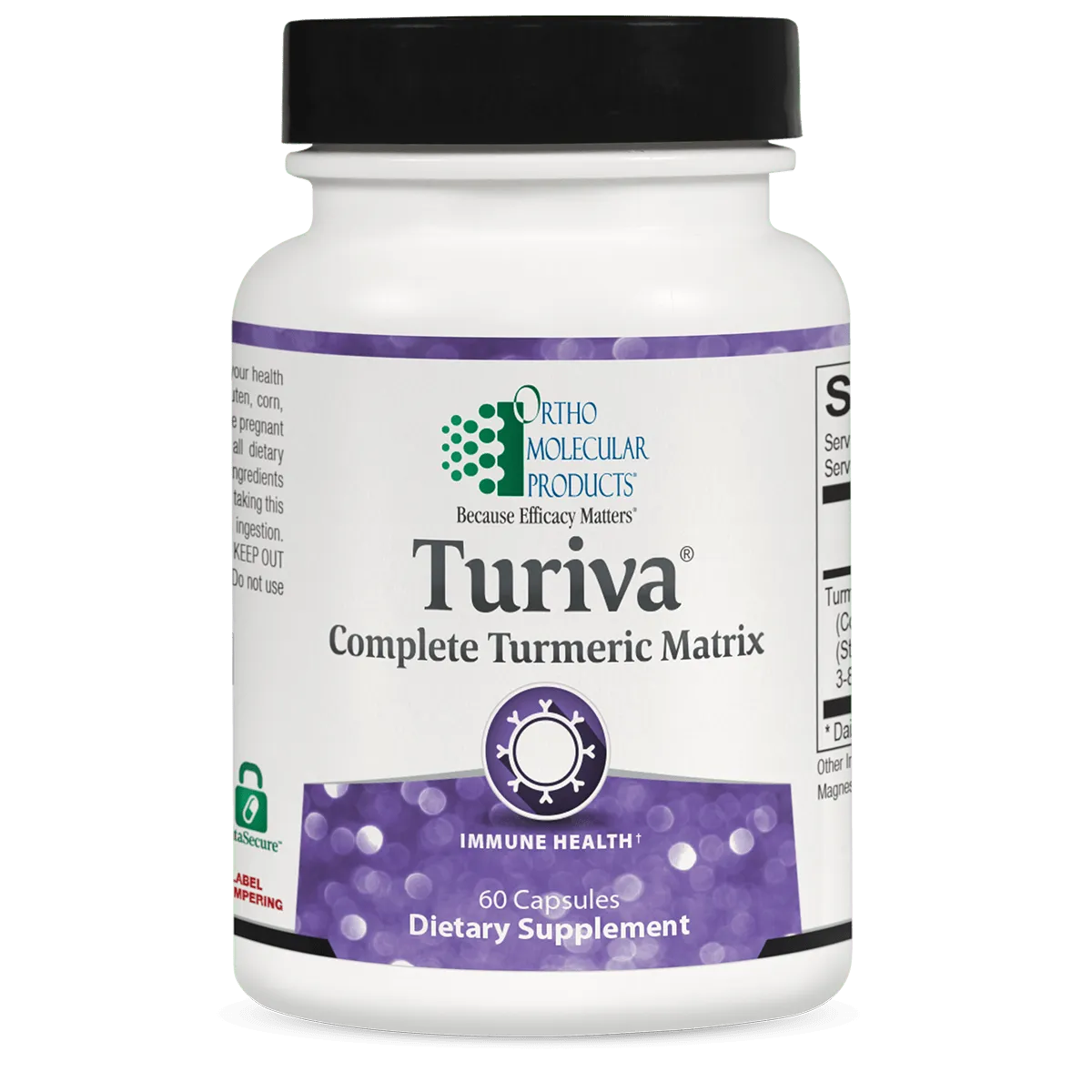
TurivaComplete Turmeric MatrixLong COVID
Share:
Disclaimer: The information provided here is for educational purposes only and is not intended as medical advice. It should not be used to diagnose, treat, cure, or prevent any medical condition. Instead, use it as a starting point for discussion with your healthcare provider. Always consult with a qualified healthcare provider before starting any new medication, supplement, device, or making changes to your health regimen.
Months or even years after an initial viral infection, many individuals find themselves battling a relentless array of debilitating symptoms—a reality known all too well by those living with Long COVID, myalgic encephalomyelitis/chronic fatigue syndrome (ME/CFS), and mast cell activation syndrome (MCAS). The frustration of navigating a medical system that often lacks definitive answers can be just as exhausting as the physical symptoms themselves. When your body feels like it is locked in a perpetual state of high alert, experiencing severe fatigue, brain fog, and unpredictable inflammatory flares, finding targeted, science-backed support becomes a critical part of reclaiming your quality of life.
In the search for therapeutic interventions, turmeric has long been celebrated for its anti-inflammatory properties. However, modern clinical research has revealed that isolating a single compound—curcumin—often strips the plant of its full biological power and results in notoriously poor absorption. This is where the concept of a Complete Turmeric Matrix comes into play. By preserving the synergistic blend of curcuminoids, water-soluble proteins, and volatile essential oils, supplements like Turiva® offer a comprehensive approach to modulating immune responses. In this article, we will explore the intricate biochemistry of the whole turmeric root, how it targets the specific inflammatory pathways disrupted in complex chronic illnesses, and why the full matrix of phytonutrients is essential for maximizing clinical efficacy.
TL;DR
A Complete Turmeric Matrix preserves the whole root, offering better absorption than isolated curcumin supplements.
Turmeric's natural compounds may help modulate inflammation and support immune balance in complex chronic conditions.
Research suggests turmeric supports mitochondrial function, potentially helping manage fatigue, brain fog, and mast cell reactivity.
Always consult your healthcare provider before starting new supplements to ensure safety and avoid interactions.
What is the Complete Turmeric Matrix?
Beyond Isolated Curcumin: The Power of the Whole Plant
For decades, the pharmaceutical and nutraceutical industries have focused almost exclusively on isolating curcumin, the primary yellow pigment and most famous bioactive compound found in the turmeric root (Curcuma longa). While curcumin is undoubtedly a potent polyphenol, this reductionist approach has a significant flaw: isolated curcumin has famously poor oral bioavailability. It is highly lipophilic (fat-soluble) and practically insoluble in water, meaning that when it is consumed on its own, the vast majority of it is rapidly metabolized by the liver and excreted before it can ever reach the systemic circulation. To achieve therapeutic blood levels, massive doses are often required, which can be both impractical and tough on the digestive system.
A Complete Turmeric Matrix, such as the formulation found in Turiva®, represents a paradigm shift in botanical medicine. Instead of discarding the rest of the plant, this approach standardizes the extract to preserve the natural profile of the whole root. A clinically studied matrix typically yields 45% to 55% curcuminoids, but crucially, it also retains 2% to 6% turmerin protein and 3% to 8% volatile essential oils. This synergistic combination mirrors the way these compounds exist in nature. The secondary bioactives act as natural delivery vehicles, protecting the curcumin from rapid degradation and facilitating its transport across the intestinal lining and into the bloodstream.
Research has increasingly shown that "curcumin-free turmeric" (CFT)—the portion of the plant left over after curcumin is extracted—possesses profound anti-inflammatory and immunomodulatory properties of its own. This discovery proves that the plant's secondary bioactives are heavily responsible for its overall clinical efficacy. By utilizing a Complete Turmeric Matrix, patients benefit from pleiotropic effects, meaning the supplement can simultaneously target multiple inflammatory pathways, oxidative stress markers, and immune dysregulations, rather than relying on a single mechanism of action.
The Role of Turmerin and Volatile Oils
One of the most critical, yet frequently overlooked, components of the whole turmeric root is turmerin. Turmerin is a heat-stable, water-soluble 5-kDa peptide consisting of 40 amino acid residues. Unlike curcumin, turmerin is highly resistant to UV radiation and digestive enzymes like trypsin and pepsin, allowing it to survive the harsh environment of the gastrointestinal tract intact. Turmerin is a remarkably potent antioxidant; it contains three methionine residues that are highly reactive to free radicals. Studies have demonstrated that at incredibly low concentrations, turmerin offers up to 80% protection to cell membranes and DNA against oxidative injury, making it a vital defender of cellular integrity.
Equally important to the Complete Turmeric Matrix are the turmerones, specifically alpha-turmerone, beta-turmerone, and aromatic (ar)-turmerone. These are bisabolane-type sesquiterpenoids that make up the bulk of turmeric's volatile essential oil fraction. Within the matrix, these lipophilic oils act as natural carriers that dramatically enhance the cellular permeability of curcumin. Ar-turmerone works by modulating P-glycoprotein, an efflux pump in the intestines that normally pushes foreign substances back into the gut lumen. By inhibiting this pump, turmerones allow curcumin to pass freely into the bloodstream.
Beyond their role as bioavailability enhancers, turmerones possess independent pharmacological benefits. They have been shown to modulate critical anti-inflammatory targets, including STAT3, Nrf2, and HIF-1alpha. Furthermore, turmerones exhibit neuroprotective properties by stimulating the proliferation of neural stem cells, which is particularly relevant for patients dealing with the neuroinflammatory consequences of post-viral syndromes. The inclusion of these volatile oils transforms a simple curcumin supplement into a dynamic, multi-targeted therapeutic tool.
Rare Bioactives: Beta-Elemene, Calebin A, and Bisacurone
The Complete Turmeric Matrix also contains trace amounts of highly potent, rare bioactives that are entirely absent in standard 95% curcumin extracts. One such compound is beta-elemene, a sesquiterpene found within the volatile oil fraction. Beta-elemene is biochemically active enough to be utilized in clinical settings for its ability to regulate the PI3K/Akt/mTOR signaling pathway, which controls cellular proliferation and survival. A novel 2024 pharmacological study discovered that beta-elemene can bind directly to hemoglobin, altering its secondary structure to upregulate hypoxia-inducible factor-1alpha (HIF-1alpha). This has profound implications for managing how cells respond to low oxygen states, a common issue in conditions characterized by microvascular dysfunction.
Another remarkable component is Calebin A, a polyphenolic compound and non-curcuminoid analog. Calebin A is a precise molecular disruptor of the nuclear factor kappa B (NF-κB) complex. Research indicates that it binds directly to redox-sensitive cysteine residues (specifically Cys38) on the p65 subunit of NF-κB. This direct binding blocks the phosphorylation of p65, preventing it from entering the cell nucleus and triggering the transcription of pro-inflammatory cytokines. Concurrently, Calebin A activates the Nrf2/HO-1 antioxidant pathway, providing a dual mechanism of cellular defense.
Finally, the matrix includes bisacurone, a naturally occurring sesquiterpenoid. While Calebin A targets the p65 subunit directly, bisacurone functions upstream by strongly inhibiting the phosphorylation of IKK alpha/beta. This prevents the entire NF-κB cascade from initiating. Furthermore, bisacurone strongly downregulates the expression of Vascular Cell Adhesion Molecule 1 (VCAM-1), which prevents pro-inflammatory immune cells from adhering to the endothelial lining of blood vessels. Together, these rare bioactives create a comprehensive shield against systemic inflammation.
How Chronic Illness Impacts Immune and Inflammatory Pathways
The Vicious Cycle of Neuroinflammation in Long COVID and ME/CFS
To understand why a Complete Turmeric Matrix is so relevant for chronic illness, we must first examine the pathophysiology of conditions like Long COVID and ME/CFS. A central driver of the debilitating symptoms in these conditions—such as severe brain fog, cognitive impairment, and profound fatigue—is neuroinflammation. When the body encounters a severe stressor, such as the SARS-CoV-2 virus or an Epstein-Barr Virus (EBV) reactivation, it triggers an acute immune response. In healthy individuals, this response eventually resolves. However, recent comprehensive reviews suggest that in Long COVID and ME/CFS, genetic and environmental susceptibilities cause a failure to resolve this acute inflammation, leading to a chronic, self-perpetuating state of immune hyperactivation.
In the central nervous system, this chronic state is characterized by the activation of microglia, the resident immune cells of the brain. When microglia become hypersensitive and locked in an activated state, they continuously pump out pro-inflammatory cytokines, including Interleukin-6 (IL-6), Tumor Necrosis Factor-alpha (TNF-alpha), and Interleukin-1 beta (IL-1β). This localized "cytokine storm" disrupts neural signaling, damages neurons, and increases the permeability of the blood-brain barrier. The resulting neuroinflammation is a primary mechanism behind the cognitive dysfunction and sensory overload that patients experience on a daily basis.
Furthermore, this inflammatory cascade deeply impacts the autonomic nervous system, contributing to dysautonomia and conditions like Postural Orthostatic Tachycardia Syndrome (POTS). When the brainstem and vagus nerve are bathed in inflammatory mediators, the body's ability to regulate heart rate, blood pressure, and digestion is severely compromised. This creates a vicious cycle: autonomic dysfunction leads to poor blood flow (hypoperfusion) to the brain, which in turn exacerbates neuroinflammation and microglial activation.
Mast Cell Hyperactivation and the Histamine Loop
Another critical piece of the chronic illness puzzle is mast cell activation syndrome (MCAS). Mast cells are a type of white blood cell found throughout the body, particularly in tissues that interface with the external environment, such as the skin, gut lining, and respiratory tract. They are packed with granules containing histamine, leukotrienes, tryptase, and other inflammatory mediators. In a healthy immune system, mast cells release these chemicals in a measured way to fight off pathogens or heal wounds. However, in MCAS—which is highly comorbid with Long COVID, ME/CFS, and dysautonomia—these cells become highly unstable and activate inappropriately in response to benign triggers like food, temperature changes, or physical exertion.
When mast cells degranulate excessively, they flood the bloodstream with histamine. This systemic histamine release causes a wide array of unpredictable symptoms, including flushing, tachycardia, gastrointestinal distress, shortness of breath, and profound fatigue. The release of histamine also triggers further inflammation, which in turn sensitizes more mast cells, creating a relentless feedback loop. This hyper-reactivity makes it incredibly difficult for patients to tolerate normal daily activities or even standard diets, leading to significant nutritional and physical limitations.
The activation of mast cells is heavily dependent on an intracellular enzyme called Spleen Tyrosine Kinase (Syk). When an allergen or trigger binds to the IgE receptors on the surface of a mast cell, it activates Syk kinase, which then sets off a chain reaction involving intracellular calcium influx and the MAPK signaling pathway. This ultimately leads to the physical rupture of the cell's granules. Disrupting this specific enzymatic pathway is a primary goal in managing MCAS and halting the systemic histamine loop.
Oxidative Stress and Mitochondrial Dysfunction
Underpinning both neuroinflammation and mast cell hyperactivation is the pervasive issue of oxidative stress and mitochondrial dysfunction. Mitochondria are the powerhouses of our cells, responsible for generating adenosine triphosphate (ATP), the energy currency of the body. In conditions like ME/CFS and Long COVID, the mitochondria become damaged and inefficient. Instead of producing ATP, they generate excessive amounts of reactive oxygen species (ROS)—unstable molecules that damage cellular DNA, proteins, and lipid membranes.
This oxidative stress is not just a byproduct of the illness; it actively drives the pathology forward. High levels of ROS directly activate the NF-κB signaling pathway, which, as previously mentioned, is the master regulator of inflammation. This forces the body to divert its limited energy resources away from normal cellular repair and toward sustaining an immune response. The resulting energy deficit is what patients experience as post-exertional malaise (PEM) or "crashes"—a severe exacerbation of symptoms following even minor physical or cognitive exertion.
Furthermore, recent research on CD8 T-cell dysfunction in both ME/CFS and Long COVID has shown that chronic oxidative stress impairs the ability of the adaptive immune system to function properly. Magnet-enriched CD8 T cells from patients produce markedly less protective cytokines after stimulation, leaving the body vulnerable to latent viral reactivations (like EBV) and further perpetuating the cycle of chronic illness. Breaking this cycle requires potent, multi-targeted antioxidant support that can neutralize ROS and restore mitochondrial bioenergetics.
Turiva: Supporting Inflammatory Balance and Immune Function
Neutralizing NF-κB and Pro-Inflammatory Cytokines
The Complete Turmeric Matrix, as found in Turiva®, offers a highly targeted approach to dismantling the inflammatory cascades that drive complex chronic illnesses. At the molecular level, the most significant mechanism of action is the profound inhibition of the nuclear factor kappa B (NF-κB) signaling pathway. NF-κB is a protein complex that controls the transcription of DNA, cytokine production, and cell survival. In Long COVID and ME/CFS, this pathway is chronically upregulated. The bioactive compounds in the turmeric matrix—specifically curcumin, Calebin A, and bisacurone—work synergistically to shut this pathway down at multiple intervention points.
As detailed in recent molecular research, Calebin A binds directly to the p65 subunit of NF-κB, preventing it from entering the nucleus. Simultaneously, bisacurone blocks the upstream IKK enzymes that initiate the cascade. By halting NF-κB activation, the Complete Turmeric Matrix effectively helps stop the cellular production of pro-inflammatory cytokines, including IL-6, TNF-alpha, and IL-1β. This reduction in systemic inflammatory markers is crucial for lowering the overall symptom burden and bringing the immune system back from a state of hyper-vigilance to a state of homeostasis.
Furthermore, the matrix components actively downregulate the expression of cyclooxygenase-2 (COX-2) and lipoxygenase (LOX) enzymes. These are the same inflammatory enzymes targeted by over-the-counter nonsteroidal anti-inflammatory drugs (NSAIDs), but the turmeric matrix achieves this modulation without the severe gastrointestinal side effects often associated with long-term NSAID use. This makes it a highly valuable tool for managing the chronic joint pain, myalgia (muscle pain), and systemic aches frequently reported by patients with post-viral syndromes.
Mast Cell Stabilization and Syk Kinase Inhibition
For patients navigating the unpredictable flares of mast cell activation syndrome (MCAS), the Complete Turmeric Matrix may act as a potent, natural mast cell stabilizer. Extensive in vitro and in vivo studies have demonstrated that curcumin directly inhibits the activation of immunoglobulin E (IgE)-mediated mast cells. It achieves this by aggressively blocking Spleen Tyrosine Kinase (Syk), the critical enzyme required for mast cell degranulation. By inhibiting Syk kinase, curcumin helps cut the communication line that tells the mast cell to release its inflammatory contents.
In addition to blocking Syk kinase, the turmeric matrix suppresses the intracellular calcium (Ca2+) influx that physically drives the degranulation process. Morphological studies have visually confirmed that mast cells treated with curcumin retain their structural integrity and do not rupture, even when exposed to strong allergic triggers. This helps prevent the massive release of histamine, leukotrienes, and prostaglandins into the bloodstream, thereby helping to mitigate the severe allergic-type reactions, flushing, and gastrointestinal distress that characterize MCAS.
Moreover, the whole turmeric root helps to downregulate the expression of the high-affinity IgE receptors (FcεRI) on the surface of mast cells. Over time, this reduces the overall sensitivity of the mast cells, making them less reactive to environmental and dietary triggers. When combined with other mast cell-supporting therapies, such as Ketotifen or Aller-Essentials, the Complete Turmeric Matrix can play a foundational role in restoring immune tolerance.
Upregulating the Nrf2 Antioxidant Pathway
While inhibiting inflammation is critical, repairing the cellular damage caused by chronic illness requires robust antioxidant defense. The Complete Turmeric Matrix is a powerful activator of the Nuclear factor erythroid 2-related factor 2 (Nrf2) pathway. Nrf2 is a transcription factor that regulates the expression of antioxidant proteins that protect against oxidative damage triggered by injury and inflammation. Under normal conditions, Nrf2 is kept inactive in the cytoplasm. However, the bioactives in turmeric—particularly curcumin and turmerin protein—cause Nrf2 to translocate into the nucleus, where it binds to the Antioxidant Response Element (ARE).
This binding upregulates the body's endogenous (internal) production of master antioxidants, including superoxide dismutase (SOD), catalase, and glutathione peroxidase. Unlike dietary antioxidants (like Vitamin C or E) that neutralize a single free radical and are then depleted, activating the Nrf2 pathway turns on the cell's own manufacturing plant for antioxidants, providing a sustained and powerful defense against reactive oxygen species (ROS). This is vital for protecting delicate mitochondrial membranes from oxidative lipid peroxidation.
Recent 2024 studies have also shown that curcumin provides post-transcriptional cellular defense by downregulating stress-responsive microRNAs, which subsequently upregulates central mitochondrial enzymes. By neutralizing the oxidative stress that damages mitochondria, the Complete Turmeric Matrix helps to restore cellular bioenergetics. This improvement in ATP production is a key mechanism by which turmeric can help alleviate the profound, cellular-level fatigue and post-exertional malaise (PEM) that define ME/CFS and Long COVID.
Modulating Microglial Activation in the Brain
Addressing neuroinflammation requires compounds that can successfully cross the blood-brain barrier (BBB). The highly lipophilic nature of the turmerones found in the Complete Turmeric Matrix makes them excellent candidates for central nervous system penetration. Once across the BBB, these volatile oils and curcuminoids work directly on the brain's immune cells—the microglia. By inhibiting the NF-κB pathway within the brain, turmeric may help hypersensitive microglia shift from a pro-inflammatory (M1) state back to a neuroprotective and debris-clearing (M2) state.
This microglial deactivation is crucial for resolving the "brain fog," memory deficits, and cognitive dysfunction associated with post-viral syndromes. By lowering the localized concentration of neurotoxic cytokines like IL-6 and TNF-alpha in the brain tissue, the turmeric matrix helps to restore normal neurotransmitter function and neural plasticity. Furthermore, the antioxidant protection provided by the turmerin protein helps to shield delicate neurons from the collateral damage of chronic immune activation, supporting long-term cognitive health and autonomic nervous system stability.
Symptoms a Complete Turmeric Matrix May Help Manage
Cognitive Dysfunction and Brain Fog
The neuroinflammatory cascade in post-viral syndromes often manifests as severe cognitive impairment. The Complete Turmeric Matrix targets the root mechanisms of these neurological symptoms, offering support for mental clarity and focus.
Brain Fog and Confusion: By crossing the blood-brain barrier and deactivating hypersensitive microglia, the lipophilic turmerones and curcuminoids reduce the localized cytokine storms that disrupt neural signaling and cause persistent brain fog.
Memory Deficits: The potent antioxidant properties of the turmerin protein protect delicate neurons in the hippocampus (the brain's memory center) from oxidative damage, supporting memory retention and recall.
Sensory Overload: By dampening central nervous system inflammation, turmeric may help calm the hyper-reactive neural pathways that lead to light, sound, and sensory sensitivities commonly seen in ME/CFS.
Chronic Fatigue and Post-Exertional Malaise (PEM)
Fatigue in complex chronic illness is not simply "tiredness"; it is a profound cellular energy deficit. The bioactives in Turiva® support mitochondrial function to help manage this debilitating symptom.
Cellular Fatigue: By upregulating the Nrf2 pathway, the turmeric matrix neutralizes the reactive oxygen species (ROS) that damage mitochondrial membranes, allowing the cells to produce ATP (energy) more efficiently.
Post-Exertional Malaise (PEM): While pacing remains the primary management tool for PEM, reducing systemic oxidative stress and lowering the baseline inflammatory burden can help raise the threshold at which exertion triggers a severe crash.
Unrefreshing Sleep: By modulating pro-inflammatory cytokines like IL-6, which are known to disrupt circadian rhythms and sleep architecture, turmeric may support more restorative sleep cycles.
Joint Pain and Systemic Inflammation
Systemic inflammation often settles in the musculoskeletal system, causing widespread pain and discomfort. The multi-targeted enzymatic inhibition provided by the whole turmeric root offers a natural approach to pain management.
Myalgia and Muscle Aches: By inhibiting COX-2 and LOX enzymes, the turmeric matrix reduces the production of inflammatory prostaglandins, helping to alleviate the deep muscle pain frequently reported in Long COVID and ME/CFS.
Joint Stiffness and Swelling: The suppression of the NF-κB pathway by Calebin A and bisacurone halts the production of inflammatory mediators that degrade cartilage and cause joint swelling, supporting better mobility.
Endothelial Inflammation: By downregulating adhesion molecules like VCAM-1, the matrix helps prevent immune cells from infiltrating tissues, reducing systemic vascular inflammation and supporting healthy blood flow.
Allergic Reactivity and Histamine Intolerance
For those with MCAS, managing the unpredictable release of histamine is a daily battle. The Complete Turmeric Matrix may act as a natural mast cell stabilizer to help calm allergic reactivity.
Histamine Flushing and Hives: By directly inhibiting Syk kinase, curcumin helps prevent the degranulation of mast cells, helping to halt the massive release of histamine that causes skin flushing, itching, and hives.
Gastrointestinal Distress: Mast cells line the gut, and their hyperactivation causes severe bloating, cramping, and food sensitivities. Turmeric stabilizes these localized mast cells, supporting a calmer gut environment and better digestion.
Respiratory Reactivity: By reducing the production of leukotrienes (which cause airway constriction), the turmeric matrix supports healthy breathing and reduces the severity of asthma-like symptoms triggered by MCAS.
Practical Considerations: Forms, Dosing, and Absorption
The Bioavailability Challenge of Standard Curcumin
When considering a turmeric supplement, the most critical factor is bioavailability—the proportion of the active ingredients that actually enters the systemic circulation and is able to have an active effect. Historically, the supplement industry relied on standard extracts standardized to 95% curcuminoids. However, as previously discussed, isolated curcumin is highly lipophilic and has notoriously poor oral absorption. When taken alone, only about 1% of the curcumin is absorbed into the bloodstream. The liver and intestinal walls rapidly metabolize it through a process called glucuronidation, effectively neutralizing it and preparing it for immediate excretion.
To combat this, many manufacturers add piperine (black pepper extract) to their formulas. Piperine works by artificially inhibiting specific liver enzymes (like UGTs) to prevent the body from breaking down the curcumin. While this does increase blood levels of curcumin, it comes with significant drawbacks. High doses of piperine can cause gastrointestinal discomfort and irritation, which is particularly problematic for patients with MCAS or sensitive guts. Furthermore, because piperine alters liver enzyme function, it can inadvertently alter the metabolism of other prescription medications, leading to dangerous drug interactions.
How Turmerones Enhance Cellular Uptake
The Complete Turmeric Matrix, as utilized in Turiva®, addresses the bioavailability problem natively, without the need for piperine. By retaining the natural volatile essential oils of the turmeric root—specifically the turmerones—the matrix provides its own built-in delivery system. Turmerones drastically increase curcumin's cellular uptake and intestinal wall permeability by acting as natural lipophilic carriers. They also modulate the P-glycoprotein efflux pumps in the gut, reducing the cellular "efflux" of curcumin and allowing it to pass smoothly into the bloodstream.
Recent pharmacokinetic studies comparing whole-matrix formulations to standard 95% extracts have demonstrated remarkable results. Formulations that recombine curcuminoids with ar-turmerone show exponentially higher bioavailability than standard extracts, and they achieve this without altering drug-metabolizing liver enzymes. Furthermore, the matrix allows the active compounds to be retained in the bloodstream for up to 8 hours, providing sustained, systemic anti-inflammatory support throughout the day, rather than a rapid spike and crash.
Dosing Strategies and Timing
For optimal absorption, it is generally recommended to take Turiva® with a meal that contains healthy fats. Because the curcuminoids and turmerones are lipophilic (fat-soluble), the presence of dietary fat stimulates the release of bile acids from the gallbladder, which naturally emulsifies the supplement and further enhances its transport across the intestinal lining. Taking it with a meal also minimizes the risk of any mild gastrointestinal upset that can occasionally occur when taking concentrated herbal extracts on an empty stomach.
The suggested use is typically 1 or more capsules per day, but dosing should always be individualized based on symptom severity and clinical goals. For patients dealing with acute flares of MCAS or severe Long COVID neuroinflammation, a healthcare provider may recommend a higher, divided dose (e.g., one capsule in the morning and one in the evening) to maintain steady blood levels of the active bioactives over a 24-hour period. It is important to note that while some patients notice a reduction in acute allergic symptoms relatively quickly, the deeper cellular repair and mitochondrial support provided by the Nrf2 pathway and NF-κB inhibition may take several weeks of consistent use to become fully apparent.
Potential Interactions and Contraindications
While the Complete Turmeric Matrix is generally well-tolerated, there are important safety considerations. Turmeric has mild anticoagulant (blood-thinning) properties due to its ability to inhibit platelet aggregation. Therefore, it should be used with caution in individuals taking prescription blood thinners (like warfarin or Eliquis) or antiplatelet drugs, as it may increase the risk of bleeding. Patients scheduled for surgery are typically advised to discontinue turmeric supplements at least two weeks prior to the procedure.
Additionally, because turmeric stimulates bile production, it is generally contraindicated for individuals with active gallstones or bile duct obstructions, as the increased bile flow can cause painful gallbladder contractions. While the Complete Turmeric Matrix avoids the liver enzyme inhibition associated with piperine, it is still a potent biological modifier. Always consult with your healthcare provider before introducing Turiva® into your protocol, especially if you are managing a complex chronic illness with multiple prescription medications.
Follow the Science
Clinical Trials in Post-Viral Syndromes
The scientific community has increasingly turned its attention to turmeric and its bioactives as potential therapeutic agents for post-viral conditions. A landmark 2023 randomized, placebo-controlled trial published in Nutrients evaluated the effects of a highly bioavailable curcumin formulation on adults who had recovered from acute COVID-19 but were experiencing lingering symptoms. Participants taking 500 mg of the formulation twice daily for four weeks exhibited significantly lower concentrations of neuroinflammation-driving cytokines, specifically IL-6 and MCP-1, compared to the placebo group. The researchers concluded that curcumin may act as a strong prophylactic and therapeutic nutraceutical for post-COVID systemic and neuro-inflammation.
Furthermore, a May 2024 study published in Scientific Reports evaluated the effects of curcuminoids on human neuroblastoma cells infected with SARS-CoV-2. The study found that curcumin significantly decreased pro-inflammatory cytokines that cross the blood-brain barrier (IL-6, TNF-α, and IL-17) while simultaneously upregulating the NRF2 gene and restoring NQO1 enzymatic activity. This dual action effectively neutralized the oxidative stress that drives post-viral neurological symptoms, providing a clear molecular mechanism for its clinical efficacy in managing Long COVID brain fog.
Research on Turmerones and Bioavailability
The shift away from isolated curcumin toward whole-matrix formulations is heavily supported by recent pharmacokinetic data. Clinical evaluations of formulations that explicitly recombine curcuminoids with ar-turmerone have demonstrated profound improvements in absorption. Studies have shown that these turmerone-enhanced formulas can achieve up to 60 times higher bioavailability than standard 95% curcumin extracts paired with low-dose piperine. Furthermore, the ar-turmerone is detectable in the blood for a full 8 hours, proving systemic absorption and sustained release, which is critical for managing chronic, round-the-clock inflammation.
Emerging Data on Calebin A and Bisacurone
The rare bioactives preserved in the Complete Turmeric Matrix are also the subject of intense scientific scrutiny. Research published in the International Journal of Molecular Sciences has detailed how Calebin A downregulates inflammation in connective tissues by directly modulating the NF-κB signaling pathway and preventing the degradation of extracellular matrix proteins. Similarly, in vivo and in silico studies on bisacurone have structurally validated its ability to block upstream IKK enzymes and reduce immune cell adhesion, highlighting its potential as a potent anti-inflammatory agent for metabolic and systemic inflammatory syndromes.
The Path Forward
Integrating Turmeric into a Comprehensive Protocol
Managing complex chronic conditions like Long COVID, ME/CFS, dysautonomia, and MCAS requires a multifaceted approach. There is no single "magic pill" that will instantly resolve the intricate web of neuroinflammation, mast cell hyperactivation, and mitochondrial dysfunction. However, targeted nutritional support plays a foundational role in bringing the body back into balance. By utilizing a Complete Turmeric Matrix like Turiva®, you are leveraging the synergistic power of the whole plant to simultaneously downregulate pro-inflammatory cytokines, stabilize reactive mast cells, and boost your cellular antioxidant defenses.
Supplements are most effective when integrated into a comprehensive management strategy. This includes strict symptom tracking to identify your unique triggers, aggressive pacing to prevent post-exertional malaise (PEM), dietary modifications to support gut health, and working closely with a medical team that understands the nuances of post-viral illness. Turiva® can be an excellent adjunctive therapy alongside other targeted interventions, such as A.I. Enzymes for microclot support or Ascorbic Acid for additional mast cell stabilization.
Validating Your Lived Experience
Living with an invisible, chronic illness is an incredibly isolating and exhausting experience. It is common to face skepticism from medical professionals who may not fully understand the physiological reality of your symptoms. Please know that your experience is valid. The severe fatigue, the unpredictable allergic flares, the debilitating brain fog—these are not in your head; they are the result of measurable, biological disruptions in your immune and autonomic systems. Seeking out science-backed tools to manage these pathways is a proactive and empowering step in your health journey.
Next Steps
If you are struggling with systemic inflammation, immune dysregulation, or mast cell reactivity, the comprehensive phytonutrient profile of Turiva® may offer the targeted support your body needs. Always consult with your healthcare provider before starting any new supplement, especially to ensure it aligns safely with your current medications and overall treatment plan.
Sources
Scientific Literature and Clinical Studies
Turmerin: a water soluble antioxidant peptide from turmeric [Curcuma longa]
Identification of CD8 T-cell dysfunction associated with symptoms in ME/CFS and Long COVID
Calebin A Down-Regulates Inflammation in Tenocytes by NF-κB/Scleraxis Signaling
Anti-Inflammatory Effects of Bisacurone Isolated from Curcuma longa: An In Vivo and In Silico Study
Standardized Curcumin Ingredient BioTurm Offers Enhanced Bioavailability