Can Aller-Essentials Help Manage Immune Dysregulation in Long COVID and MCAS?
March 5, 2026
Aller-EssentialsLong COVIDMCAS
Share:
Disclaimer: The information provided here is for educational purposes only and is not intended as medical advice. It should not be used to diagnose, treat, cure, or prevent any medical condition. Instead, use it as a starting point for discussion with your healthcare provider. Always consult with a qualified healthcare provider before starting any new medication, supplement, device, or making changes to your health regimen.
Months or even years after recovering from the acute phase of a viral infection, many individuals find themselves fighting a new, unpredictable battle. What begins as lingering fatigue can evolve into a complex web of symptoms—sudden food sensitivities, racing heart rates, profound brain fog, and seasonal allergies that feel completely unmanageable. For patients living with Long COVID, myalgic encephalomyelitis/chronic fatigue syndrome (ME/CFS), and dysautonomia, these symptoms are not just frustrating; they are debilitating. At the core of this systemic chaos often lies profound immune dysregulation and mast cell activation syndrome (MCAS), where the body's defense mechanisms become hyperactive and begin attacking the very systems they are meant to protect.
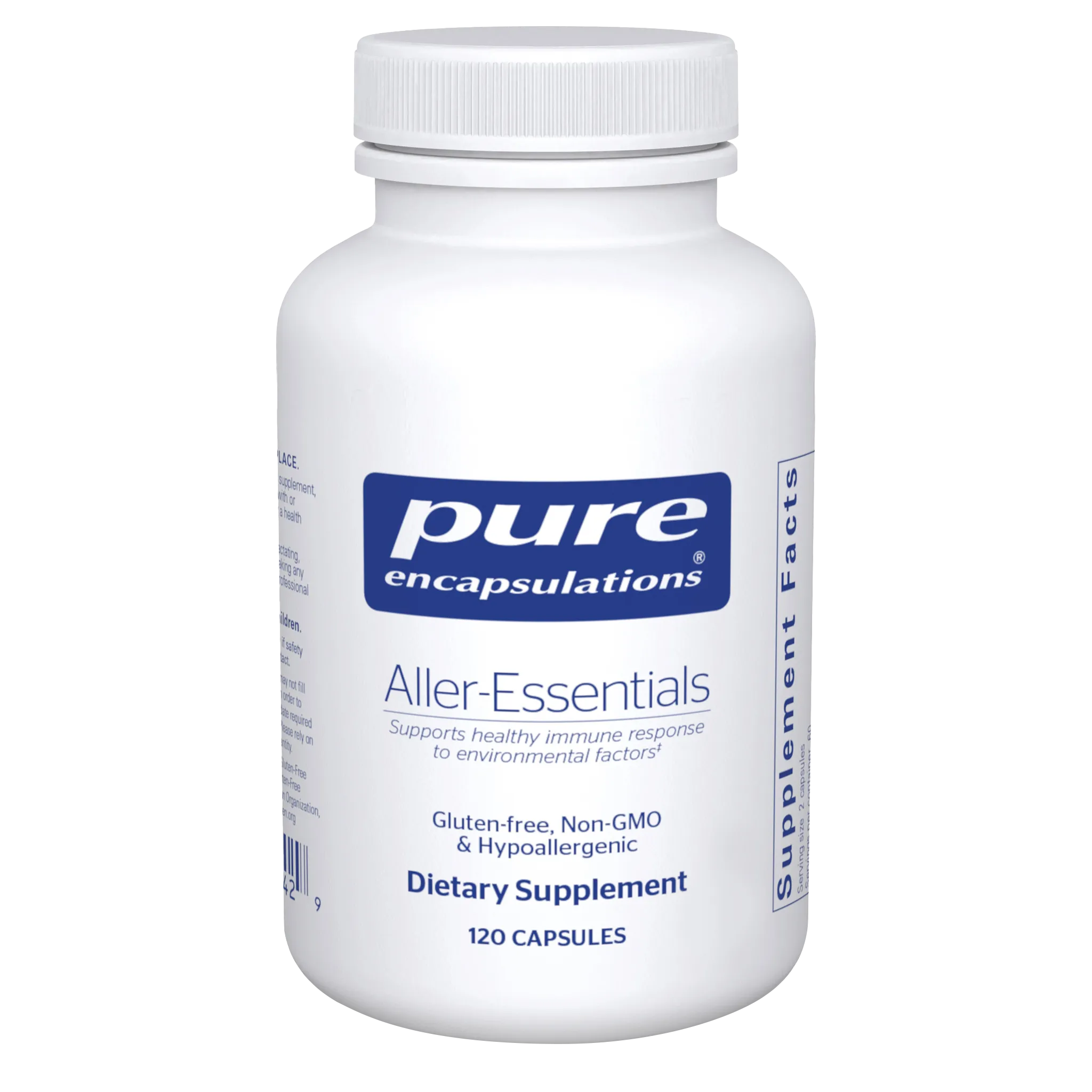
Navigating this hyperactive immune state requires more than just standard allergy medications or simple vitamin regimens. It requires a comprehensive, mechanistic approach to calm the nervous system, stabilize volatile immune cells, and restore mucosal barriers. This is where targeted nutritional interventions come into play. Aller-Essentials by Pure Encapsulations is a highly specialized formula designed to address these exact pathways. By combining scientifically backed postbiotics, adaptogenic botanicals, and potent bioflavonoids, this supplement offers a synergistic approach to modulating the immune response. In this comprehensive guide, we will explore the deep cellular mechanisms behind Aller-Essentials and how it may help patients manage the overlapping burdens of Long COVID, MCAS, and chronic immune dysfunction.
TL;DR
Aller-Essentials uses postbiotics, adaptogens, and bioflavonoids to support immune balance and stabilize mast cells.
Ingredients like EpiCor and quercetin may help manage symptoms of Long COVID, MCAS, and ME/CFS.
The formula targets root causes of immune hyperreactivity rather than just suppressing histamine release.
Divided dosing with meals containing healthy fats is recommended for optimal absorption and continuous support.
What is Aller-Essentials?
A Synergistic Approach to Immune Modulation
When dealing with complex chronic illnesses like Long COVID and ME/CFS, the immune system is often caught in a state of perpetual overdrive. Standard over-the-counter allergy medications typically work by suppressing specific immune pathways—such as blocking histamine receptors after histamine has already been released. While this can provide temporary symptomatic relief, it does not address the root cause of immune hyperreactivity. Aller-Essentials takes a fundamentally different approach through a process known as immune modulation. Rather than simply suppressing the immune response, immune modulation works to balance and regulate the activity of various immune cells, ensuring they respond appropriately to genuine threats while remaining calm in the presence of harmless environmental triggers.
This comprehensive formula achieves this delicate balance by combining several distinct classes of therapeutic compounds. It integrates the mucosal-fortifying properties of specialized postbiotics with the cellular-stabilizing effects of high-potency bioflavonoids and traditional adaptogenic herbs. By targeting multiple biochemical pathways simultaneously—from the gut-immune axis to localized nasal tissue—Aller-Essentials provides a broad-spectrum defense against environmental stressors. This multi-targeted strategy is particularly crucial for patients with immune dysregulation, as their bodies often require support across multiple physiological systems simultaneously to break the cycle of chronic inflammation.
The Power of Postbiotics and Botanicals
At the heart of the Aller-Essentials formula is EpiCor®, a proprietary dried yeast fermentate complex derived from Saccharomyces cerevisiae (baker's yeast). Unlike probiotics, which are live bacteria, EpiCor is classified as a postbiotic. Postbiotics are the beneficial bioactive compounds produced during the fermentation process, including short-chain fatty acids (SCFAs), peptides, antioxidants, and beta-glucans. Because they do not contain live organisms, postbiotics are highly stable and immediately available for the body to use. They interact directly with the immune tissue in the gut lining, sending systemic signals that help regulate both the innate (immediate) and adaptive (long-term) branches of the immune system.
Complementing this postbiotic foundation is an impressive 450 mg dose of Tinospora cordifolia extract, commonly known in Ayurvedic medicine as Guduchi. This climbing shrub has been utilized for centuries as a potent adaptogen—a substance that helps the body resist and adapt to physical, chemical, and biological stressors. Modern pharmacological research has revealed that Tinospora cordifolia possesses profound immunomodulatory properties, specifically in its ability to regulate the proliferation and activity of white blood cells. By modulating the behavior of eosinophils and neutrophils, this botanical extract helps modulate the excessive tissue inflammation that characterizes both seasonal allergies and chronic mast cell disorders.
The Role of Bioflavonoids in Cellular Health
The final pillar of the Aller-Essentials formula rests on a robust blend of bioflavonoids, including quercetin, hesperidin methyl chalcone, and highly concentrated apple polyphenols. Bioflavonoids are naturally occurring plant pigments that serve as the plant's defense mechanism against environmental stressors, UV radiation, and pathogens. When consumed by humans, these compounds exert powerful antioxidant and anti-inflammatory effects at the cellular level. They are particularly renowned for their ability to stabilize the lipid membranes of immune cells, helping to prevent them from rupturing and spilling inflammatory chemicals into the bloodstream.
To maximize the efficacy of these bioflavonoids, Aller-Essentials includes 250 mg of Vitamin C (as ascorbic acid). Vitamin C is not merely an immune-boosting vitamin; it acts as a critical biochemical cofactor for quercetin and hesperidin. It helps recycle oxidized bioflavonoids back into their active antioxidant state, significantly extending their therapeutic lifespan within the body. This synergistic relationship between Vitamin C and bioflavonoids ensures that the cellular defense mechanisms remain active around the clock, providing continuous support for patients battling the relentless oxidative stress associated with complex chronic conditions.
How Long COVID and MCAS Impact Immune Function
The Viral Trigger and Persistent Inflammation
To understand why a targeted formula like Aller-Essentials is necessary, we must first examine the pathophysiology of conditions like Long COVID. The acute phase of a SARS-CoV-2 infection initiates a massive immune response to clear the virus. However, in a significant subset of patients, this immune response fails to turn off once the acute infection has passed. Current medical research suggests that this may be driven by viral persistence—where fragments of the virus, such as the spike protein, remain embedded in tissues and the gastrointestinal tract for months or even years. These viral reservoirs continuously stimulate the immune system, leading to a state of chronic, low-grade inflammation that exhausts cellular energy reserves. If you are wondering what causes Long COVID, this persistent immune engagement is considered a primary driver.
This relentless inflammatory state places an enormous metabolic burden on the body. The immune system requires vast amounts of adenosine triphosphate (ATP)—the cellular energy currency—to maintain this heightened state of alert. Over time, this chronic energy drain contributes significantly to the profound exhaustion and post-exertional malaise (PEM) seen in patients where Long COVID triggers ME/CFS. Furthermore, the continuous release of pro-inflammatory cytokines can cross the blood-brain barrier, leading to neuroinflammation that manifests clinically as severe cognitive impairment, commonly referred to as brain fog.
Mast Cell Hyperactivity and the Histamine Cascade
A central feature of this post-viral immune dysregulation is the inappropriate activation of mast cells. Mast cells are specialized white blood cells that reside in connective tissues throughout the body, particularly in areas that interface with the external environment, such as the skin, gastrointestinal tract, respiratory lining, and blood vessels. They act as the body's microscopic border guards. Inside each mast cell are hundreds of secretory granules containing potent chemical mediators, including histamine, tryptase, prostaglandins, and leukotrienes. In a healthy system, mast cells only release these chemicals (a process called degranulation) in response to a genuine threat, such as a parasite or a severe allergen.
However, recent clinical studies have demonstrated that in Long COVID and ME/CFS, these mast cells become highly unstable and hyperreactive—a condition known as mast cell activation syndrome (MCAS). Triggered by lingering viral proteins, stress, temperature changes, or previously tolerated foods, these volatile mast cells degranulate spontaneously. This floods the bloodstream with histamine and other inflammatory mediators. The resulting biochemical cascade causes widespread chaos, leading to symptoms that mimic severe allergic reactions, as well as vascular dilation that contributes to the rapid heart rates and blood pooling seen in postural orthostatic tachycardia syndrome (POTS) and dysautonomia.
Eosinophils, Allergic Rhinitis, and the Overlapping Burden
Complicating the clinical picture of MCAS is the involvement of eosinophils, another type of disease-fighting white blood cell. Eosinophils are heavily involved in mediating allergic reactions and asthma. When a patient with underlying immune dysregulation is exposed to seasonal allergens—such as pollen, mold, or dust mites—their immune system mounts an exaggerated response. Eosinophils migrate in large numbers to the nasal mucosa and respiratory tract, where they release toxic granular proteins and generate reactive oxygen species (ROS) to destroy the perceived invader.
This localized immune explosion in the nasal passages causes the classic symptoms of allergic rhinitis: severe congestion, rhinorrhea (runny nose), sneezing, and tissue swelling. For a healthy individual, seasonal allergies are a nuisance. But for a patient already battling the systemic inflammation of Long COVID or ME/CFS, this seasonal eosinophilic response can be the tipping point that causes a massive symptom flare or "crash." The added burden of allergic rhinitis further depletes the body's energy reserves, disrupts restorative sleep due to airway obstruction, and increases the overall systemic histamine load, making the stabilization of both mast cells and eosinophils a critical therapeutic priority.
Aller-Essentials: Supporting Immune Balance and Mast Cell Stabilization
EpiCor and the Mucosal First Line of Defense
The EpiCor fermentate in Aller-Essentials operates at the very forefront of the body's immune defenses: the mucosal barriers. The mucosal lining of the respiratory and gastrointestinal tracts is protected by an antibody known as Secretory Immunoglobulin A (sIgA). sIgA acts as a biological net, trapping pathogens and allergens before they can penetrate the tissue and trigger a systemic immune response. Clinical research has shown that daily supplementation with EpiCor significantly increases the production and secretion of sIgA in saliva and mucosal tissues, effectively reinforcing the body's first line of defense against environmental triggers.
Beyond fortifying the mucosal barrier, EpiCor exerts rapid and profound effects on systemic immune cells. A randomized crossover pilot study demonstrated that within just two hours of ingestion, EpiCor triggers the activation of Natural Killer (NK) cells. NK cells are crucial components of the innate immune system, responsible for identifying and clearing virally infected cells and senescent (aging) cells. By upregulating specific activation markers (CD25 and CD69) on NK cells, EpiCor helps ensure that the immune system remains vigilant and capable of clearing lingering viral remnants, which is a vital mechanism for patients managing post-viral syndromes.
Furthermore, EpiCor's postbiotic nature plays a critical role in the gut-immune axis. The gastrointestinal tract houses approximately 70% of the body's immune system. The bioactive metabolites in EpiCor, particularly short-chain fatty acids like butyrate, nourish the cells lining the colon and promote a healthy microbiome. By reducing intestinal permeability (often referred to as "leaky gut") and calming localized gut inflammation, EpiCor helps lower the baseline level of systemic immune reactivity, making mast cells less prone to spontaneous degranulation.
Tinospora Cordifolia's Dual Immune Action
Tinospora cordifolia provides a highly targeted intervention for the localized symptoms of allergic rhinitis and eosinophil-driven inflammation. Its mechanism of action is uniquely dual-natured: it acts as both a localized anti-inflammatory and a systemic immunomodulator. In the nasal passages, the active phytoconstituents of Tinospora cordifolia directly inhibit the migration and accumulation of eosinophils and neutrophils. By preventing these cells from flooding the nasal mucosa, the botanical extract halts the release of inflammatory cytokines that cause tissue swelling and hyperreactivity.
Clinical research highlights the potential of Tinospora cordifolia when used in combination therapies. In a multicenter clinical trial evaluating a polyherbal formulation containing Tinospora cordifolia, researchers found that after 12 weeks of treatment, patients experienced significant improvements in mucociliary clearance and absolute eosinophil counts. These physiological changes correlated with significant reductions in rhinorrhea (runny nose), sneezing, and nasal congestion, offering relief for those suffering from chronic sinus issues related to immune dysregulation.
Simultaneously, while it suppresses the hyperactive allergic response in the respiratory tract, Tinospora cordifolia stimulates the broader, protective branches of the immune system. Studies have shown that it safely increases the Total Leukocyte Count (TLC), enhancing the activity of macrophages—the cells responsible for engulfing and digesting cellular debris and pathogens. This dual action ensures that while the patient experiences relief from debilitating allergy symptoms, their overall immune defense against actual viral or bacterial threats is strengthened, not compromised.
Quercetin and Vitamin C: The Ultimate Mast Cell Stabilizers
Quercetin is arguably the most extensively researched natural compound for the management of Mast Cell Activation Syndrome (MCAS). Its mechanism of action occurs deep within the cellular architecture of the mast cell. Quercetin works by downregulating histidine decarboxylase, the primary enzyme responsible for converting the amino acid histidine into histamine. By inhibiting this enzymatic pathway, quercetin effectively lowers the total volume of histamine synthesized within the mast cell. Furthermore, it stabilizes the lipid bilayer of the mast cell membrane, raising the threshold required for degranulation and preventing the explosive release of inflammatory mediators.
The clinical efficacy of quercetin is highly impressive. A pivotal in-vitro study published in PLOS One compared quercetin directly to Cromolyn sodium, a widely prescribed pharmaceutical mast cell stabilizer. The researchers discovered that quercetin was actually more effective than Cromolyn at blocking the release of specific human mast cell cytokines, notably Interleukin-8 (IL-8) and Tumor Necrosis Factor-alpha (TNF-alpha). These specific cytokines are heavily implicated in the systemic inflammation and neuroinflammation seen in Long COVID, making quercetin an indispensable tool for modulating the post-viral immune cascade.
However, quercetin is rapidly oxidized once it neutralizes free radicals in the body. This is where the inclusion of 250 mg of Vitamin C in Aller-Essentials becomes critical. Vitamin C acts as an electron donor, effectively "recharging" oxidized quercetin molecules and returning them to their active, mast-cell-stabilizing state. This biochemical synergy ensures a prolonged therapeutic effect, allowing the bioflavonoids to continuously protect the endothelium (blood vessel lining) and neurological tissues from histamine-induced damage throughout the day.
Hesperidin and Apple Polyphenols for Vascular and Nasal Support
Hesperidin methyl chalcone, a highly bioavailable derivative of the citrus bioflavonoid hesperidin, provides crucial support for the vascular system. In Long COVID and dysautonomia, the endothelial cells lining the blood vessels often sustain significant inflammatory damage, leading to microclotting and impaired blood flow. Hesperidin supports endothelial repair by suppressing the PI3K/AKT inflammatory pathways and reducing oxidative stress within the blood vessels. Furthermore, emerging research indicates that hesperidin possesses unique immunoregulatory properties that may help inhibit viral replication enzymes, aiding the body in clearing persistent viral fragments.
The inclusion of standardized apple extract (yielding 75% polyphenols) rounds out the formula by targeting the structural integrity of the nasal passages. Apple polyphenols, particularly type-A procyanidins, have been shown to inhibit hyaluronidase, an enzyme that breaks down hyaluronic acid in connective tissues during inflammatory responses. By inhibiting this enzyme, apple polyphenols help maintain the structural integrity of the nasal mucosa.
Clinical evidence strongly supports this mechanism. A randomized, double-blind study evaluating apple polyphenols in patients with persistent allergic rhinitis found that supplementation led to a significant reduction in the swelling of the nasal turbinates. By physically reducing the hypertrophy (enlargement) of these internal nasal structures, apple polyphenols significantly improve airway patency, allowing patients to breathe more freely and experience more restorative sleep, which is vital for chronic illness recovery.

Symptoms Aller-Essentials May Help Manage
Targeted Relief for Complex Conditions
Because Aller-Essentials targets multiple fundamental pathways of the immune system—from mast cell stabilization to mucosal defense—it may help manage a wide array of overlapping symptoms experienced by patients with Long COVID, MCAS, and ME/CFS. While individual responses vary, the clinical mechanisms of the ingredients suggest benefits for the following specific symptoms:
Nasal Congestion and Rhinorrhea: By reducing eosinophil migration and improving mucociliary clearance via botanical extracts like Tinospora cordifolia, and by physically reducing nasal turbinate swelling via apple polyphenols, this formula supports clear airways and normal nasal function.
Brain Fog and Neuroinflammation: Quercetin and hesperidin can cross the blood-brain barrier to stabilize mast cells within the central nervous system. By blocking the release of neuro-inflammatory cytokines like TNF-alpha, they may help alleviate the severe cognitive impairment and mental fatigue associated with post-viral syndromes.
Histamine Intolerance and Food Sensitivities: By downregulating the histidine decarboxylase enzyme and helping to prevent spontaneous mast cell degranulation, quercetin helps lower the body's overall histamine burden, potentially making patients less reactive to high-histamine foods and environmental triggers.
Fatigue and Post-Exertional Malaise (PEM): Chronic immune hyperactivation consumes massive amounts of cellular ATP. By modulating the immune response and calming systemic inflammation, Aller-Essentials helps conserve vital cellular energy, potentially reducing the severity of fatigue and crashes.
Frequent Viral Infections: The inclusion of EpiCor significantly boosts Secretory IgA levels in the mucosa and rapidly activates Natural Killer (NK) cells, enhancing the body's first-line defense against incoming pathogens and helping to clear persistent viral reservoirs.
Vascular Dysfunction and Palpitations: Hesperidin supports endothelial health and reduces vascular inflammation. By helping to prevent histamine-induced vasodilation, this formula may help manage the blood pooling and rapid heart rates often seen in POTS and dysautonomia.
Practical Considerations: Forms, Dosing, and Absorption
Optimal Dosing Strategies for Chronic Illness
The suggested use for Aller-Essentials is 2 capsules, taken 1 to 2 times daily, with or between meals. However, for patients managing complex conditions like MCAS and Long COVID, the timing and distribution of these doses are critical. Mast cell stabilizers, particularly bioflavonoids like quercetin, operate most effectively as prophylactic (preventative) agents. Their goal is to maintain a constant, steady concentration in the bloodstream to keep the mast cell membranes continuously stabilized.
Because bioflavonoids have a relatively short half-life in the body, taking the entire daily dose at once can leave gaps in coverage later in the day, allowing mast cells an opportunity to degranulate. Therefore, divided dosing is highly recommended. Taking 2 capsules in the morning and 2 capsules in the evening ensures that therapeutic blood levels are maintained around the clock. This consistent suppression of histamine release is far more effective for chronic symptom management than attempting to chase symptoms after they have already flared.
Enhancing Bioavailability and Absorption
One of the historical challenges with bioflavonoids like quercetin is their poor water solubility, which can limit their absorption in the gastrointestinal tract. Aller-Essentials addresses this by formulating the bioflavonoids alongside Vitamin C, which significantly enhances their uptake and utilization at the cellular level. To further maximize bioavailability, patients may consider taking the capsules alongside a meal that contains a small amount of healthy dietary fat (such as olive oil, avocado, or omega-3 supplements), as quercetin is lipophilic (fat-soluble) and absorbs more efficiently in the presence of lipids.
It is also important to set realistic expectations regarding the timeline for symptom relief. While some ingredients, like EpiCor, have been shown to activate NK cells within hours, the structural stabilization of mast cells and the reduction of systemic tissue inflammation take time. Clinical trials utilizing Tinospora cordifolia and apple polyphenols typically measure significant clinical endpoints after 8 to 12 weeks of consistent daily use. Patients should commit to a trial period of at least two to three months to fully evaluate the formula's impact on their immune dysregulation.
Safety, Tolerability, and Potential Interactions
The ingredients in Aller-Essentials have excellent safety profiles and are generally well-tolerated. EpiCor is recognized as GRAS (Generally Recognized As Safe) by the FDA, and because it is a postbiotic containing no live yeast, it does not cause or exacerbate Candida or other yeast infections. Tinospora cordifolia has been used safely in Ayurvedic medicine for centuries and has shown no significant adverse effects in modern clinical trials.
However, patients with severe Mast Cell Activation Syndrome (MCAS) often have highly reactive systems and can be sensitive to even the most beneficial natural compounds. It is a standard functional medicine practice for MCAS patients to introduce new supplements slowly, starting with a partial dose and gradually titrating up to monitor for any paradoxical reactions. Additionally, because this formula actively modulates the immune system, patients who are currently taking prescription immunosuppressants, systemic corticosteroids, or specialized biologics should consult their healthcare provider before initiating supplementation to ensure there are no contraindications.
Follow the Science
Clinical Trials on EpiCor and Tinospora Cordifolia
The individual components of Aller-Essentials are supported by a robust body of peer-reviewed clinical research. EpiCor, in particular, has been the subject of numerous human trials. A recent 2024 double-blind, placebo-controlled trial published in Pediatric Research evaluated the efficacy of EpiCor in 256 children during the flu season. The study found that while the overall incidence of illness was similar, the children taking EpiCor experienced significantly lower symptom severity, specifically regarding sore throats and muscle aches, compared to the placebo group, though no differences were observed in overall medication use. Similarly, an adult allergy trial involving 96 subjects demonstrated that EpiCor significantly reduced nasal congestion and rhinorrhea during the highest pollen count periods, reducing the mean number of days with congestion by 25%.
The clinical evidence for Tinospora cordifolia is equally compelling. In a multicenter clinical trial involving 545 patients with allergic rhinitis, the administration of a polyherbal formulation containing Tinospora cordifolia over 12 weeks yielded significant results. The study demonstrated that the three major symptoms of allergic rhinitis—sneezing, rhinorrhea, and nasal congestion—were significantly reduced. Post-treatment assessments also confirmed physiological improvements, showing a significant reduction in absolute eosinophil counts and improved mucociliary clearance time, establishing the formulation's efficacy in managing hyperactive airway responses.
The Evidence for Bioflavonoids in MCAS and Long COVID
The therapeutic use of bioflavonoids for mast cell stabilization is rapidly gaining traction in mainstream immunology. A comprehensive systematic review and meta-analysis published in the Journal of Allergy and Clinical Immunology evaluated data from 13 randomized controlled trials encompassing over 800 participants. The pooled data confirmed that polyphenolic compounds, specifically quercetin and apple polyphenols, significantly reduced total nasal symptom scores, sneezing, and nasal itching in patients with allergic rhinitis, validating their use as potent natural antihistamines.
In the context of post-viral syndromes, the role of these flavonoids is becoming even more pronounced. Research into immunological dysfunction in Long COVID highlights that managing MCAS is a critical component of recovery. Leading functional medicine protocols now routinely utilize high-dose quercetin and hesperidin to combat viral persistence and neuroinflammation. These natural stabilizers are frequently used alongside, or as alternatives to, pharmaceutical interventions. For patients seeking comprehensive mast cell support, combining the natural flavonoids in Aller-Essentials with targeted medications—such as those discussed in our guide on Ketotifen for MCAS and Long COVID—can provide a powerful, multi-layered defense against chronic immune dysregulation.
The Path Forward
Integrating Immune Support into Your Protocol
Living with the unpredictable and often invisible symptoms of Long COVID, ME/CFS, and MCAS is an exhausting journey. When your immune system feels like it is constantly working against you, reacting to changes in weather, stress, or a simple meal, it is easy to feel overwhelmed. It is important to remember that these hyperactive immune responses are not in your head; they are deeply rooted in complex, post-viral physiological changes. Validating this biological reality is the first step toward effective management.
Aller-Essentials offers a scientifically grounded, multi-pathway approach to calming this systemic chaos. By utilizing postbiotics to fortify the mucosal barrier, adaptogens to regulate white blood cell activity, and bioflavonoids to stabilize volatile mast cells, this formula addresses immune dysregulation at the cellular level. However, supplements are most effective when integrated into a comprehensive management strategy. Consistent symptom tracking, rigorous pacing to avoid post-exertional malaise, a low-histamine diet where appropriate, and ongoing collaboration with a knowledgeable healthcare provider are all essential components of the healing process.
A Validating Approach to Chronic Illness
While there is no single cure for complex chronic illnesses, targeted nutritional interventions can significantly improve your quality of life. By reducing the daily burden of allergic inflammation and mast cell reactivity, Aller-Essentials can help conserve your cellular energy, clear the fog of neuroinflammation, and provide your body with the stability it needs to begin the slow process of recovery. You do not have to navigate this complex immune landscape alone.
Sources
EpiCor Pediatric Cold and Flu Trial (Nature Pediatric Research, 2024)
Rapid Immune Modulation by EpiCor (Journal of Medicinal Food, 2011)
Efficacy of Tinospora cordifolia in Allergic Rhinitis (Journal of Ethnopharmacology, 2005)
The Role of Nutrients in Prevention, Treatment and Post-Coronavirus Disease-2019 (PMC, 2022)
Apple Polyphenols for Seasonal Allergic Rhinitis (Biosci Biotechnol Biochem, 2005)