Can Ascorbic Acid Powder Support Immune and Cellular Health in Long COVID and MCAS?
March 5, 2026
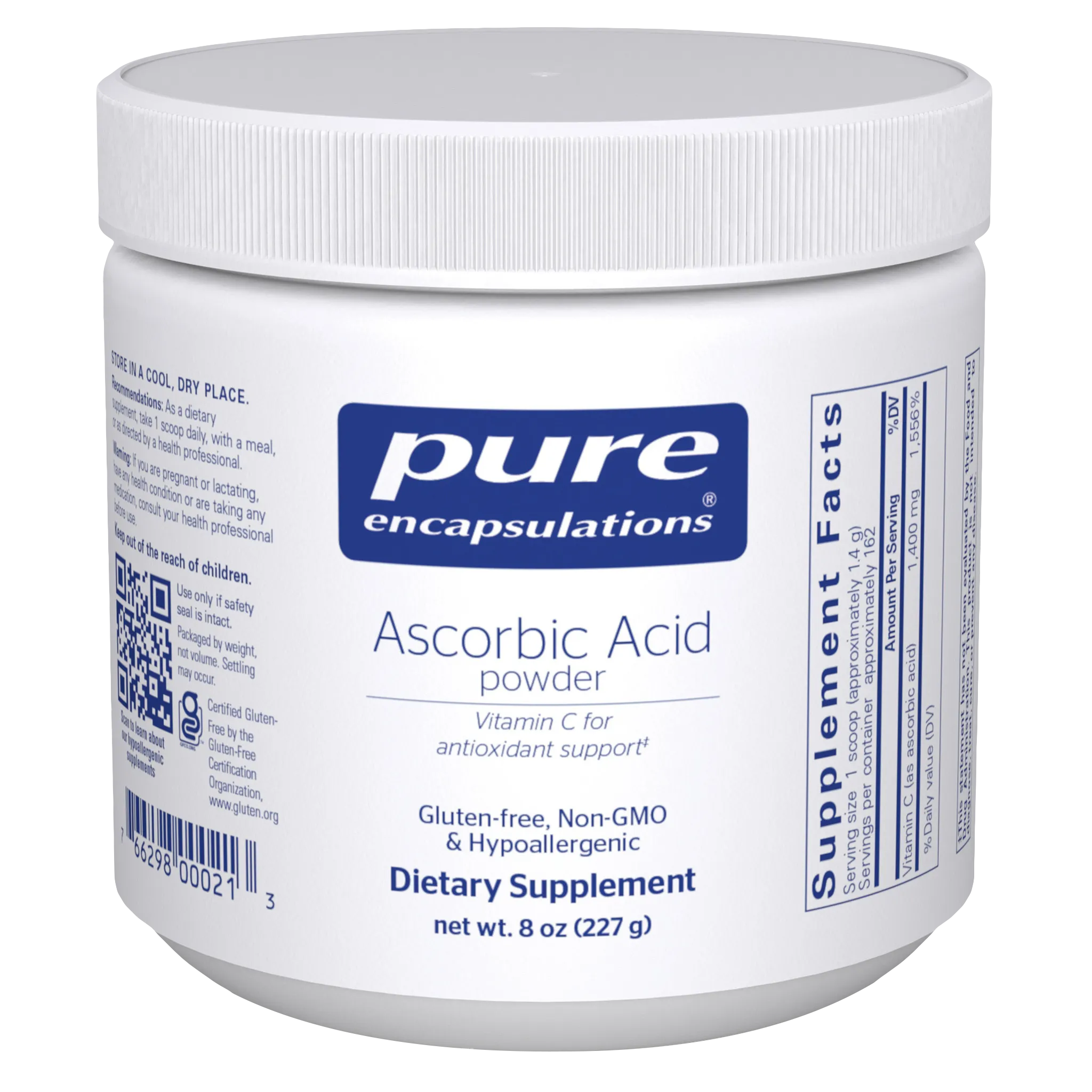
Ascorbic AcidVitamin CImmune Support
Share:
Disclaimer: The information provided here is for educational purposes only and is not intended as medical advice. It should not be used to diagnose, treat, cure, or prevent any medical condition. Instead, use it as a starting point for discussion with your healthcare provider. Always consult with a qualified healthcare provider before starting any new medication, supplement, device, or making changes to your health regimen.
Living with complex chronic conditions like Long COVID, myalgic encephalomyelitis/chronic fatigue syndrome (ME/CFS), and mast cell activation syndrome (MCAS) often feels like navigating a labyrinth without a map. Patients frequently describe a profound, cellular-level exhaustion that sleep cannot fix, alongside a cascade of unpredictable symptoms ranging from brain fog to sudden allergic-type reactions. When your body is locked in a state of chronic immune activation and oxidative stress, finding foundational interventions that support cellular repair and immune regulation becomes a critical priority. Many patients spend months or years searching for validating answers, trying to understand why their bodies remain trapped in this hyper-reactive, energy-depleted state.
One of the most heavily researched and fundamental nutrients for addressing this systemic dysfunction is Vitamin C, specifically in the form of pure ascorbic acid. While often dismissed as simply a common cold remedy, ascorbic acid is actually a potent biochemical tool that plays a mandatory role in neutralizing oxidative stress, stabilizing hyperactive mast cells, and rebuilding damaged connective tissues. For individuals battling the invisible, debilitating symptoms of post-viral illness and immune dysregulation, understanding the profound molecular mechanisms of ascorbic acid can open new pathways for targeted symptom management and cellular recovery.
TL;DR
Ascorbic acid acts as a potent antioxidant, neutralizing oxidative stress in Long COVID and ME/CFS.
It supports mast cell stability and accelerates histamine breakdown, helping manage MCAS symptoms.
Vitamin C is essential for collagen synthesis, aiding in the repair of damaged blood vessels and tissues.
Pure ascorbic acid powder allows for precise, divided dosing without triggering histamine release from citrus additives.
What is Ascorbic Acid?
The Essential Electron Donor
Ascorbic acid, commonly known as Vitamin C, is a highly potent, water-soluble micronutrient that is absolutely essential for human survival and cellular function. Interestingly, while most mammals and plants can synthesize their own Vitamin C endogenously from glucose, humans, along with other higher primates and guinea pigs, possess a distinct genetic mutation. We lack the functional L-gulonolactone oxidase (GLO) gene, which is required for the final step of Vitamin C biosynthesis. Because of this evolutionary quirk, humans are entirely dependent on dietary sources or supplementation to maintain adequate levels of this critical molecule. Without a constant supply, our cellular machinery begins to break down, leading to severe structural and immunological failures.
At its core biochemical level, the primary mechanism of action for ascorbic acid is its function as a highly effective electron donor, or reducing agent. Because the molecule readily gives up its electrons, it fulfills two major roles in the human body: acting as a non-enzymatic antioxidant and serving as a mandatory enzymatic cofactor for numerous metabolic processes. When ascorbic acid donates an electron, it neutralizes unstable molecules that would otherwise damage cellular structures. Once absorbed in the distal small intestine via Sodium-Dependent Vitamin C Transporters (SVCT1 and SVCT2), it is actively pumped into the bloodstream and concentrated in specific tissues. The adrenal glands, pituitary gland, brain, eyes, and white blood cells store Vitamin C at levels up to 100 times higher than that found in blood plasma, highlighting its critical role in neuroendocrine and immune function.
The Foundation of Collagen Synthesis
Beyond its antioxidant capabilities, ascorbic acid is the foundational prerequisite for the biosynthesis of collagen, the most abundant structural protein in the human body. Collagen provides the essential scaffolding for our skin, blood vessels, bones, gut lining, and connective tissues. Fibroblasts, the cells responsible for creating connective tissue, initially produce a precursor molecule called procollagen. For this procollagen to mature into strong, functional tissue, it must undergo a complex cross-linking process. Ascorbic acid acts as a mandatory cofactor for two specific families of enzymes involved in this process: prolyl hydroxylase and lysyl hydroxylase. Without sufficient Vitamin C, these enzymes cannot perform their structural duties.
These hydroxylase enzymes require iron to function, specifically in the ferrous (Fe2+) state. During the hydroxylation of proline and lysine amino acids—the process that allows collagen molecules to twist into their highly stable, tightly bound triple-helix structure—the iron atom naturally oxidizes into the inactive ferric (Fe3+) state. Ascorbic acid directly donates an electron to reduce the iron back to its active Fe2+ state, keeping the enzymes functioning continuously. Without this constant electron donation from Vitamin C, the collagen triple-helix remains loose and unstable, leading to rapid tissue breakdown, fragile blood vessels, and poor wound healing. This mechanism is the exact reason why severe Vitamin C deficiency results in scurvy, a disease characterized by systemic connective tissue failure.
Modulating the Immune Response
Ascorbic acid is also deeply embedded in both the innate and adaptive branches of the immune system, acting as a crucial modulator for pathogen defense and tissue protection. During the early stages of an infection or inflammatory trigger, Vitamin C directly stimulates neutrophil chemotaxis, which is the directed migration of white blood cells to the site of infection or injury. It enhances the cellular motility and phagocytic activity of these immune cells, allowing them to more effectively engulf and neutralize pathogens or cellular debris. By supporting this initial innate immune response, ascorbic acid helps the body mount a swift and coordinated defense against invading threats.
Furthermore, when neutrophils attack pathogens, they release highly toxic reactive oxygen species (ROS) in a process known as the oxidative burst. Because leukocytes actively concentrate Vitamin C at incredibly high levels, this localized stockpile neutralizes the "friendly fire" of ROS, protecting the immune cells' own DNA and lipid membranes from oxidative self-destruction. Once an immune cell completes its task, ascorbic acid facilitates programmed cell death (apoptosis) and encourages macrophages to clear the spent cells. This orderly cleanup prevents cellular necrosis and the release of neutrophil extracellular traps (NETosis), thereby averting excessive, uncontrolled inflammatory damage to the host’s own tissues.
How Long COVID and MCAS Impact Cellular Health
The Vicious Cycle of Oxidative Stress in Long COVID and ME/CFS
In complex chronic illnesses like Long COVID and myalgic encephalomyelitis/chronic fatigue syndrome (ME/CFS), the body's natural ability to regulate oxidative stress is fundamentally impaired. Systemic oxidative stress occurs when there is a severe imbalance between the production of toxic free radicals and the body's antioxidant defenses. In these post-viral conditions, persistent viral persistence, immune dysregulation, and neuroinflammation drive the continuous generation of reactive oxygen species (ROS). This chronic state of oxidative stress damages cellular membranes, impairs mitochondrial ATP (energy) production, and creates a vicious cycle of fatigue and inflammation that patients experience as debilitating, unremitting exhaustion.
Research has shown that patients with ME/CFS and Long COVID frequently exhibit drastically depleted stores of essential antioxidants, while separate research shows intravenous ascorbic acid decreases serum histamine concentrations. A pivotal series of clinical studies evaluating the muscle response of ME/CFS patients during incremental exercise found that resting patients had unusually low baseline levels of ascorbic acid. Following even mild exertion, these patients exhibited a drastic, early increase in markers of lipid peroxidation and an accentuated, rapid depletion of their remaining ascorbic acid. This unchecked oxidative damage correlates directly with altered muscle membrane excitability and is believed to be a primary biochemical driver of post-exertional malaise (PEM), the hallmark symptom where symptoms severely worsen after physical or cognitive effort.
Mast Cell Hyperactivity and Histamine Overload
Another major component of the chronic illness puzzle is mast cell activation syndrome (MCAS), a condition frequently co-occurring with Long COVID and dysautonomia. Mast cells are key players in the immune system, but in MCAS, they become hyper-reactive and inappropriately release massive amounts of inflammatory mediators, most notably histamine. This continuous degranulation leads to a wide array of unpredictable symptoms, including skin flushing, severe gastrointestinal distress, tachycardia, and profound brain fog. The constant state of autoimmunity and immune dysregulation in Long COVID acts as a persistent trigger, keeping mast cells locked in a highly sensitized, reactive state.
Oxidative stress is a well-documented upstream trigger for mast cell degranulation. When the body is depleted of antioxidant defenses like ascorbic acid, reactive oxygen species accumulate and directly irritate mast cell membranes, causing them to burst and release their histamine stores. Furthermore, the enzymes responsible for breaking down histamine in the gut and bloodstream become overwhelmed or dysfunctional in this inflammatory environment. Without sufficient cofactors to support these degradation pathways, histamine levels rise unchecked, leading to systemic histamine intolerance and a perpetual cycle of allergic-type reactions and systemic inflammation that further depletes the body's energy reserves.
Endothelial Dysfunction and Microvascular Damage
The vascular system is also profoundly impacted by the pathophysiology of Long COVID and related chronic conditions. The endothelium, the delicate inner lining of our blood vessels, relies heavily on a healthy, non-oxidative environment to maintain vascular tone and prevent abnormal clotting. In Long COVID, the spike protein and subsequent chronic inflammation cause severe endothelial dysfunction. This damage compromises the endothelial glycocalyx, a protective gel-like layer inside the vessels, leading to poor blood flow, tissue hypoxia (lack of oxygen), and the formation of persistent microclots. This microvascular damage is a significant contributor to the cognitive dysfunction, muscle pain, and severe fatigue experienced by patients.
Ascorbic acid depletion plays a direct role in this vascular breakdown. Because Vitamin C is essential for collagen synthesis, a lack of this nutrient compromises the structural integrity of the blood vessel walls, making them more susceptible to inflammatory damage. Additionally, without the antioxidant protection of Vitamin C, the reactive oxygen species generated by the immune response rapidly degrade nitric oxide, a crucial molecule required for blood vessel dilation. The loss of nitric oxide bioavailability further exacerbates endothelial dysfunction, restricting blood flow to the brain and muscles, and trapping the patient in a state of chronic hypoperfusion and metabolic starvation.
Ascorbic Acid: Supporting Immune Function and Mast Cell Stability
Neutralizing Reactive Oxygen Species (ROS)
Supplementing with pure ascorbic acid provides a direct, mechanistic intervention to combat the severe oxidative stress that drives Long COVID and ME/CFS. As a highly potent electron donor, ascorbic acid rapidly neutralizes reactive oxygen species (ROS) and reactive nitrogen species (RNS) circulating in the blood and tissues. By scavenging these unstable free radicals, Vitamin C halts the destructive process of lipid peroxidation, protecting the delicate lipid bilayers of cellular and mitochondrial membranes. This protective action is vital for restoring mitochondrial function, as damaged mitochondria cannot efficiently produce the ATP required to resolve debilitating fatigue and post-exertional malaise.
Furthermore, ascorbic acid plays a unique role in maintaining the body's broader antioxidant network. It is specifically responsible for recycling and regenerating oxidized alpha-tocopherol (Vitamin E). When Vitamin E neutralizes a free radical within a lipid membrane, it becomes oxidized and inactive. Ascorbic acid donates an electron to the oxidized Vitamin E, restoring its antioxidant capacity so it can continue protecting the cellular walls. This synergistic relationship ensures that the mitochondria have a continuous shield against the oxidative burst generated by chronic immune activation, allowing the cells to shift from a state of constant defense back to energy production and cellular repair.
Promoting Histamine Degradation via DAO Activation
For patients navigating the complex, highly reactive symptoms of MCAS, ascorbic acid serves as a powerful, natural mast cell stabilizer and histamine degrader. One of its primary mechanisms of action in this context is its role as a critical cofactor for diamine oxidase (DAO). DAO is the primary enzyme responsible for breaking down exogenous (dietary) and systemic histamine in the digestive tract and bloodstream. By activating and enhancing the efficiency of DAO, ascorbic acid helps the body rapidly clear excess circulating histamine, significantly reducing the burden of histamine intolerance and mitigating the severity of MCAS flares.
In addition to promoting histamine degradation, ascorbic acid actively inhibits the production of new histamine. It does this by suppressing the activity of histidine decarboxylase, the specific enzyme that mast cells use to synthesize histamine from the amino acid histidine. By simultaneously increasing the breakdown of existing histamine and halting the production of new stores, Vitamin C provides a dual-action approach to managing mast cell hyperactivity. When combined with other stabilizing interventions, such as Ketotifen, ascorbic acid helps lower the overall inflammatory baseline, reducing the frequency of skin flushing, gastrointestinal distress, and allergy-like symptoms.
Restoring Endothelial and Mitochondrial Integrity
Ascorbic acid's role in collagen synthesis makes it an indispensable tool for repairing the widespread endothelial damage seen in Long COVID and dysautonomia. By providing the necessary electrons to keep prolyl and lysyl hydroxylase enzymes in their active Fe2+ state, Vitamin C ensures the continuous production of strong, tightly woven collagen triple-helices. This structural support is crucial for rebuilding the integrity of damaged blood vessel walls, restoring the protective endothelial glycocalyx, and preventing the leaky microvasculature that contributes to tissue swelling and poor circulation.
Moreover, by neutralizing the oxidative stress that destroys nitric oxide, ascorbic acid directly improves endothelial function and vascular tone. Restoring nitric oxide bioavailability allows the blood vessels to dilate properly, improving microvascular blood flow and oxygen delivery to oxygen-starved tissues in the brain and muscles. This improved perfusion is critical for clearing metabolic waste products that accumulate during exertion and for delivering the nutrients required for mitochondrial recovery. For patients dealing with the vascular complications of post-viral illness, you can learn more about related vascular support in our guide on Acerola Vitamin C and Bioflavonoids.

Symptoms Ascorbic Acid May Help Manage
Because ascorbic acid operates at such a foundational biochemical level—influencing everything from collagen synthesis to mast cell stability—supplementation can help manage a wide array of symptoms associated with complex chronic illnesses. Here are specific symptoms that pure ascorbic acid powder may help alleviate:
Post-Exertional Malaise (PEM) and Severe Fatigue: By neutralizing the massive oxidative burst that occurs during exertion in ME/CFS patients, ascorbic acid protects mitochondrial membranes from lipid peroxidation, supporting more stable ATP energy production and potentially reducing the severity of post-exertional crashes.
Histamine Intolerance and MCAS Flares: As a cofactor for the DAO enzyme and an inhibitor of histidine decarboxylase, Vitamin C accelerates the breakdown of circulating histamine while preventing mast cells from synthesizing new stores, helping to calm skin flushing, hives, and sudden allergic-type reactions.
Brain Fog and Cognitive Dysfunction: By restoring endothelial integrity and protecting nitric oxide from oxidative destruction, ascorbic acid improves microvascular blood flow and oxygen delivery to the brain, which can help lift the heavy cognitive impairment and neuroinflammation experienced by Long COVID patients.
Joint, Muscle, and Connective Tissue Pain: Because it is a mandatory cofactor for the enzymes that cross-link collagen, Vitamin C supports the repair of damaged connective tissues, blood vessels, and joints, potentially reducing the widespread structural pain and hypermobility-related discomfort seen in chronic illness.
Immune Vulnerability and Frequent Infections: By stimulating neutrophil chemotaxis, enhancing phagocytic activity, and supporting lymphocyte proliferation, ascorbic acid bolsters both the innate and adaptive immune responses, helping the body defend against secondary infections and viral reactivations.
Poor Wound Healing and Easy Bruising: The restoration of stable collagen triple-helices directly improves the structural integrity of the skin and capillary walls, addressing the fragile blood vessels and delayed tissue repair that often accompany severe systemic inflammation and oxidative stress.
While ascorbic acid is not a standalone cure for these complex conditions, its ability to address multiple downstream consequences of immune dysregulation makes it a highly versatile and essential component of a comprehensive symptom management strategy.
Practical Considerations: Forms, Dosing, and Absorption
The Advantage of Pure Ascorbic Acid Powder
When incorporating Vitamin C into a chronic illness management plan, the form and method of delivery matter immensely. Pure ascorbic acid powder offers significant advantages, particularly for patients with highly reactive immune systems or MCAS. Many commercial Vitamin C supplements are packed with fillers, binders, artificial dyes, and inflammatory excipients that can trigger the exact mast cell degranulation the supplement is meant to prevent. A pure, hypoallergenic powder eliminates these risks, providing the active molecule without unnecessary additives. Furthermore, powder allows for highly precise, flexible dosing, enabling patients to easily titrate their intake up or down based on their daily symptom severity and individual tolerance levels.
It is also crucial for MCAS patients to be aware of the "citrus trap." While citrus fruits are famous for their Vitamin C content, citrus is a well-known histamine liberator and is heavily restricted on a low-histamine diet. Deriving Vitamin C from pure ascorbic acid powder allows patients to achieve therapeutic doses of this essential nutrient without exposing their mast cells to the histamine-liberating compounds found in whole citrus extracts. This targeted approach ensures the antioxidant benefits are delivered without inadvertently provoking an allergic-type flare.
Understanding Bowel Tolerance and Divided Dosing
The absorption of oral ascorbic acid is highly dose-dependent and tightly regulated by the gastrointestinal tract. At low doses, absorption is nearly 100%, but as the dose increases, the fractional absorption drops significantly. Unabsorbed Vitamin C remains in the colon, acting as an osmotic agent that draws water into the bowels, eventually causing loose stools. This physiological limit is known as "bowel tolerance." Interestingly, clinical observations suggest that during periods of severe physical stress, viral infection, or acute inflammation, the body rapidly utilizes ascorbate, drastically increasing the threshold for bowel tolerance. Sick individuals can often tolerate much higher doses without experiencing gastrointestinal distress compared to healthy individuals.
Because Vitamin C has a short half-life and is rapidly cleared by the kidneys, taking one massive daily dose is highly inefficient and likely to trigger bowel tolerance quickly. To maintain stable, elevated plasma concentrations of ascorbic acid, it is highly recommended to utilize divided dosing. Splitting the total daily dose into three to six smaller portions taken throughout the day ensures a continuous supply of the electron donor to the tissues, maximizing absorption via the SVCT transporters and providing sustained antioxidant protection against chronic oxidative stress.
Precautions, Oxalates, and Potential Interactions
While pure ascorbic acid is generally very safe and well-tolerated, there are important practical considerations. High doses of Vitamin C can metabolize into oxalates in the body. For patients who suffer from oxalate sensitivity or have a history of calcium-oxalate kidney stones, high-dose ascorbic acid must be approached with caution and carefully monitored by a healthcare provider. Additionally, individuals with a rare genetic disorder called glucose-6-phosphate dehydrogenase (G6PD) deficiency should avoid massive doses of Vitamin C, as it can induce hemolytic anemia in this specific population.
It is also important to consider potential interactions with other supplements and medications. Because ascorbic acid significantly enhances the absorption of non-heme iron from the digestive tract, patients with iron overload disorders (such as hemochromatosis) should avoid taking high doses of Vitamin C alongside iron-rich meals. Conversely, for patients struggling with anemia or poor iron status due to chronic inflammation, this synergistic absorption can be highly beneficial. Always consult with a knowledgeable healthcare provider to tailor the dosage and timing of ascorbic acid to your specific metabolic needs and medical history.

Follow the Science
Clinical Evidence in Post-Viral Fatigue and Long COVID
The scientific literature provides robust support for the use of ascorbic acid in managing the severe oxidative stress and fatigue associated with post-viral syndromes. A comprehensive 2021 systematic review by Vollbracht & Kraft analyzed the feasibility of high-dose Vitamin C for post-viral fatigue and conditions mirroring Long COVID. Evaluating multiple clinical studies involving hundreds of participants, the review found that three of the four controlled trials observed a statistically significant decrease in fatigue scores in the Vitamin C groups compared to controls. Alongside the reduction in fatigue, attendant symptoms highly relevant to ME/CFS—such as sleep disturbances, widespread pain, and cognitive dysfunction—were also frequently alleviated, highlighting the systemic benefits of restoring antioxidant capacity.
Further supporting this mechanism, a double-blind, randomized controlled trial investigated the direct impact of high-dose Vitamin C on severe fatigue and oxidative stress. The researchers found that the intervention group experienced significantly lower fatigue scores that persisted for 24 hours post-treatment. Crucially, the trial proved that the Vitamin C group had significantly lower measurable levels of systemic oxidative stress compared to the placebo group. The intervention was found to be most profoundly effective in individuals who possessed low baseline Vitamin C levels prior to the treatment.
Vitamin C's Impact on Histamine Levels
In the context of mast cell activation and histamine intolerance, clinical data demonstrates ascorbic acid's potent ability to lower circulating histamine. A landmark 2013 clinical trial published in Naunyn-Schmiedeberg's Archives of Pharmacology investigated the effect of high-dose ascorbic acid on serum histamine concentrations in 89 patients. The researchers found that across all patients, serum histamine dropped significantly. Even more compelling, in the subgroup of patients with severe allergic diseases, the drop was remarkably steep, representing a nearly 50% reduction in circulating histamine levels following the intervention.
Additional long-term observational studies analyzing Vitamin C for allergy-related symptoms have found that the vast majority of patients experience profound symptom improvement, including reductions in pruritus (itching), rhinitis, and systemic restlessness. While intravenous administration yields the most rapid and dramatic results in clinical settings, research notes that consistent oral supplementation of ascorbic acid is also highly effective at reducing blood histamine levels over time. By acting as a DAO cofactor and stabilizing mast cell membranes, Vitamin C provides a biologically plausible, evidence-based intervention for mitigating the hyper-reactive immune responses that characterize MCAS and Long COVID.
The Path Forward
A Foundational Piece of the Puzzle
Living with the unpredictable, exhausting symptoms of Long COVID, ME/CFS, and MCAS is a profound challenge that requires immense resilience. It is entirely valid to feel overwhelmed when your body is locked in a state of chronic oxidative stress and immune hyper-reactivity. While there is no single miracle cure for these complex conditions, understanding the underlying biochemistry of your symptoms provides a roadmap for targeted, effective management. Pure ascorbic acid is not just a simple vitamin; it is a foundational biochemical tool that your body desperately needs to neutralize free radicals, stabilize mast cells, and rebuild damaged connective tissues.
Integrating Vitamin C into Your Care Plan
By addressing the root causes of oxidative damage and histamine overload, ascorbic acid can help lower your overall inflammatory baseline, providing your cells with the environment they need to shift from defense back to energy production. Supplements like ascorbic acid powder are most effective when utilized as part of a comprehensive, holistic management strategy that includes pacing, nervous system regulation, and targeted medical care. As you navigate your healing journey, remember that restoring cellular health is a gradual process. Always consult with your healthcare provider to ensure that any new supplement aligns safely with your individual medical history and current treatment protocols.