Can a Thyroid Support Complex Help Manage Fatigue and Brain Fog in Long COVID and ME/CFS?
March 6, 2026
Thyroid Support ComplexLong COVIDME/CFS
Share:
Disclaimer: The information provided here is for educational purposes only and is not intended as medical advice. It should not be used to diagnose, treat, cure, or prevent any medical condition. Instead, use it as a starting point for discussion with your healthcare provider. Always consult with a qualified healthcare provider before starting any new medication, supplement, device, or making changes to your health regimen.
Months or even years after recovering from an initial viral infection, many individuals find themselves trapped in a cycle of debilitating fatigue, cognitive impairment, and autonomic instability. For patients living with Long COVID, myalgic encephalomyelitis/chronic fatigue syndrome (ME/CFS), and dysautonomia, these invisible symptoms can completely derail daily life. While the medical community continues to unravel the complex pathophysiology of these chronic conditions, one critical area of focus has emerged: the profound disruption of the neuroendocrine system, specifically the thyroid gland. When the body's master metabolic regulator is compromised by viral infiltration and chronic inflammation, the resulting energy deficit can be devastating.
The thyroid gland is responsible for producing hormones that dictate the metabolic rate of virtually every cell in the human body. However, standard blood tests often fail to capture the nuanced ways in which chronic illness disrupts thyroid hormone synthesis and cellular utilization. Patients may be told their labs are "normal," yet they continue to suffer from classic hypothyroid symptoms like profound exhaustion, cold intolerance, and brain fog. This is where targeted nutritional and botanical interventions come into play. A comprehensive Thyroid Support Complex is designed to provide the exact biochemical building blocks, enzymatic cofactors, and adaptogenic botanicals required to restore optimal thyroid function. By addressing the root causes of cellular hypothyroidism, this complex offers a promising avenue for patients seeking to reclaim their energy and metabolic health.
TL;DR
Thyroid dysfunction in Long COVID and ME/CFS can drive severe fatigue and cognitive issues.
Standard blood tests often miss cellular-level hypothyroidism, leaving many patients without answers.
Targeted supplements may help provide the nutrients needed for optimal thyroid hormone synthesis and conversion.
Always consult your healthcare provider before starting new supplements, especially if taking thyroid medications.
What is the Thyroid Support Complex?
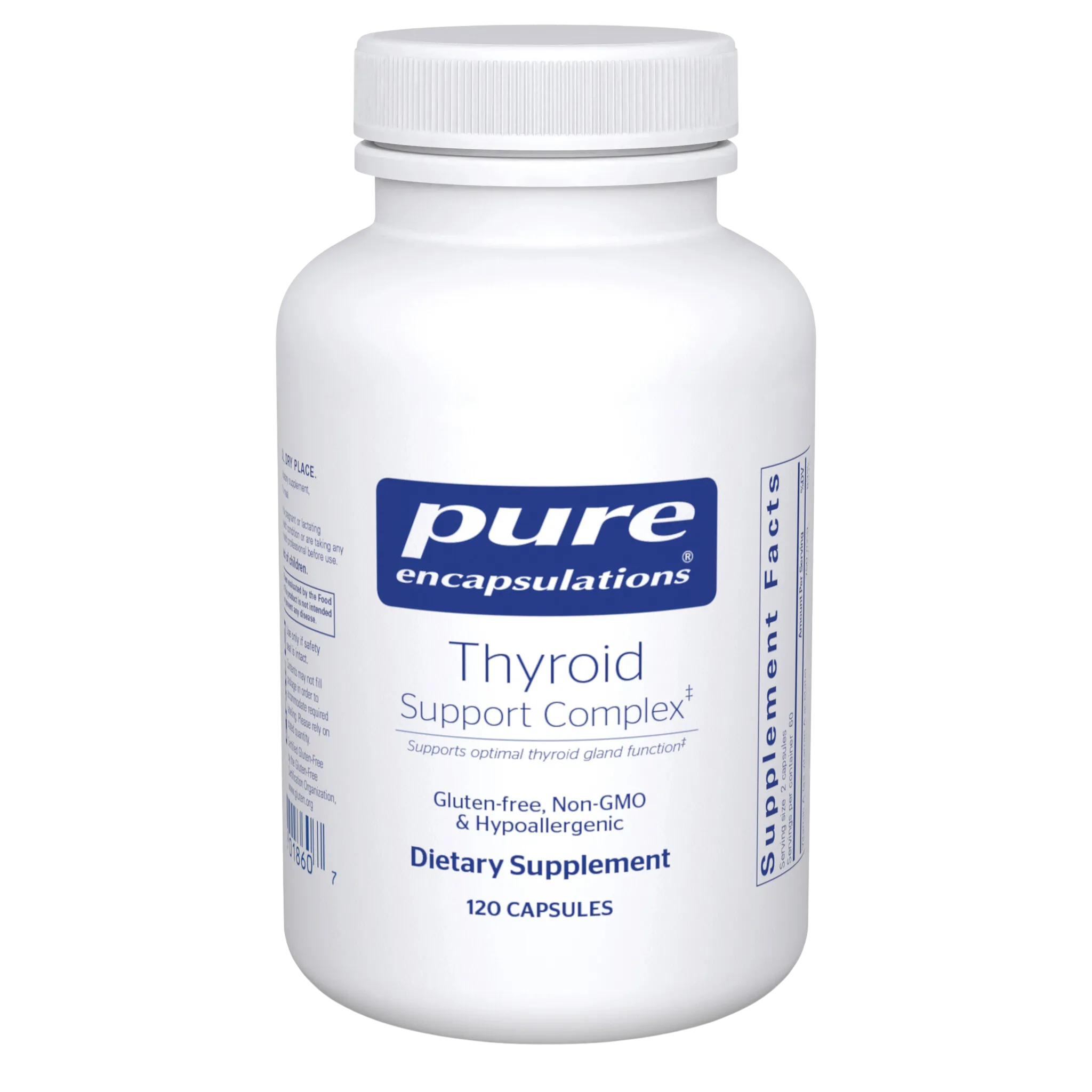
The Thyroid Support Complex is a meticulously formulated blend of vitamins, minerals, amino acids, and botanical extracts designed to nourish the thyroid gland and optimize the entire lifecycle of thyroid hormones. To understand how this complex works, we must first examine the natural function of the thyroid gland in a healthy body. Located at the base of the neck, the thyroid acts as the body's metabolic thermostat. It produces two primary hormones: thyroxine (T4), which is relatively inactive, and triiodothyronine (T3), the highly active form that directly stimulates cellular energy production. The synthesis, conversion, and utilization of these hormones rely on a highly orchestrated sequence of biochemical events.
When this intricate system functions optimally, the hypothalamus releases Thyrotropin-Releasing Hormone (TRH), which signals the pituitary gland to secrete Thyroid-Stimulating Hormone (TSH). TSH then binds to receptors on the thyroid gland, prompting it to absorb iodine and synthesize T4 and T3. These hormones are then released into the bloodstream, where they travel to peripheral tissues like the liver, kidneys, and brain. In these tissues, specialized enzymes convert T4 into the active T3, which then enters the cells and binds to nuclear receptors, effectively telling the mitochondria to increase adenosine triphosphate (ATP) production. The Thyroid Support Complex provides the specific nutrients required at every step of this pathway.
The Building Blocks of Thyroid Hormones: Iodine and L-Tyrosine
At the most fundamental molecular level, thyroid hormones are constructed from just two primary ingredients: the trace mineral iodine and the amino acid L-tyrosine. Inside the thyroid gland's follicular cells, a large protein called thyroglobulin is synthesized. This protein is rich in L-tyrosine residues. Concurrently, the thyroid gland actively pumps iodine from the bloodstream into the cells using a specialized transport protein called the sodium/iodide symporter (NIS). Once inside, an enzyme called thyroid peroxidase (TPO) oxidizes the iodine and attaches it to the L-tyrosine residues on the thyroglobulin molecule.
This process, known as iodination, creates the precursors monoiodotyrosine (MIT) and diiodotyrosine (DIT). These precursors are then coupled together to form the actual thyroid hormones: combining two DIT molecules creates thyroxine (T4, containing four iodine atoms), while combining one MIT and one DIT creates triiodothyronine (T3, containing three iodine atoms). L-tyrosine is essential for hormone synthesis. Furthermore, L-tyrosine serves a dual purpose in the body; it is also the direct precursor to catecholamine neurotransmitters like dopamine and norepinephrine, which are essential for maintaining cognitive alertness and autonomic nervous system stability.
The Catalysts for Conversion: Selenium, Zinc, and Essential Vitamins
Producing T4 in the thyroid gland is only the first step; the hormone must be converted into the active T3 form to exert its metabolic effects. This crucial conversion process is entirely dependent on a family of selenium-containing enzymes known as iodothyronine deiodinases (specifically DIO1 and DIO2). These enzymes act as molecular scissors, precisely removing one iodine atom from the outer ring of the T4 molecule to create active T3. The Thyroid Support Complex provides a robust dose of selenium (as selenomethionine) to ensure these deiodinase enzymes can function optimally. In a state of selenium deficiency, the body cannot efficiently convert T4 to T3, leading to a state of cellular hypothyroidism even if the thyroid gland itself is producing adequate amounts of T4.
In addition to selenium, the complex includes zinc, vitamin A, vitamin C, and vitamin D3. Zinc is another critical mineral that not only supports the conversion of T4 to T3 but is also required for the T3 receptor to properly bind to DNA inside the cell nucleus. If zinc levels are low, T3 cannot effectively deliver its metabolic instructions to the cell. Vitamins A and D are fat-soluble vitamins that work synergistically with zinc to enhance thyroid hormone receptor sensitivity. Meanwhile, vitamin C acts as a potent water-soluble antioxidant, protecting the delicate thyroid tissue from the oxidative stress inherently generated during hormone synthesis. Together, these micronutrients ensure that thyroid hormones are not only produced and converted but also successfully received by the target cells.
Botanical Amplifiers: Ashwagandha, Guggul, and Coleus Forskohlii
Beyond basic nutritional building blocks, the Thyroid Support Complex leverages the power of highly researched botanical extracts to amplify thyroid function and metabolic rate, much like how adaptogens support energy levels and stress resilience. Ashwagandha (Withania somnifera) is a renowned adaptogenic herb that helps the body modulate its response to stress. Chronic stress elevates cortisol levels, which actively suppresses the production of TSH and inhibits the conversion of T4 to T3. By lowering cortisol and calming the Hypothalamic-Pituitary-Adrenal (HPA) axis, ashwagandha lifts the physiological brakes off the thyroid gland, allowing it to resume normal hormone production. Clinical trials have demonstrated ashwagandha's remarkable ability to normalize thyroid indices in patients with subclinical hypothyroidism.
The complex also features Guggul (Commiphora mukul) and Coleus forskohlii. Guggul extract contains active plant sterols called guggulsterones, which have been shown to directly stimulate the thyroid gland's iodine uptake and enhance the activity of the 5'-deiodinase enzyme in the liver, thereby significantly boosting the peripheral conversion of T4 to active T3. Coleus forskohlii provides a unique compound called forskolin, which acts as a cellular messenger. Forskolin bypasses traditional cell receptors to directly activate an enzyme called adenylate cyclase, triggering a rapid increase in cyclic adenosine monophosphate (cAMP). In the thyroid gland, this cAMP spike mimics the action of TSH, stimulating the robust secretion of T3 and T4 and promoting widespread metabolic fat-burning and energy expenditure.
How Long COVID and ME/CFS Impact Thyroid Function
To understand why a Thyroid Support Complex is so vital for individuals with complex chronic illnesses, we must examine how conditions like Long COVID, ME/CFS, and dysautonomia fundamentally disrupt the neuroendocrine system. These post-viral syndromes are not merely states of prolonged fatigue; they are characterized by profound, systemic metabolic and immunological dysregulation. When a pathogen like the SARS-CoV-2 virus enters the body, it sets off a cascade of inflammatory and oxidative events that can severely compromise the thyroid gland's ability to synthesize, convert, and utilize hormones.
The resulting thyroid dysfunction often flies under the radar of standard medical diagnostics. Routine blood panels typically only measure TSH and total T4, which may appear perfectly normal even as the patient experiences debilitating, tissue-level hypothyroidism. This diagnostic gap leaves many patients frustrated and without answers, as their profound exhaustion, cognitive impairment, and autonomic instability are mistakenly attributed to psychological factors rather than measurable neuroendocrine failure. By exploring the specific mechanisms of this dysfunction, we can better understand how targeted nutritional support can help break the cycle of chronic illness.
Viral Infiltration and the Cytokine Storm
The SARS-CoV-2 virus gains entry into human cells by binding to Angiotensin-Converting Enzyme 2 (ACE2) receptors. The thyroid gland expresses unusually high levels of ACE2, making it a direct target for viral infiltration. When the virus invades the thyroid follicular cells, it causes localized inflammation and parenchymal damage, a condition known as viral thyroiditis. This direct cellular destruction disrupts the intricate machinery required to synthesize thyroglobulin and attach iodine molecules, leading to a disorganized and inefficient production of thyroid hormones. In some cases, the damaged cells leak stored hormones into the bloodstream, causing a temporary state of hyperthyroidism that inevitably crashes into long-term hypothyroidism once the reserves are depleted.
Furthermore, severe viral infections frequently trigger a hyper-inflammatory immune response often referred to as a "cytokine storm." The excessive release of pro-inflammatory cytokines, such as Interleukin-6 (IL-6) and Tumor Necrosis Factor-alpha (TNF-α), causes widespread bystander damage to the thyroid tissue. This chronic inflammatory state can also trigger autoimmune reactions through a process called molecular mimicry. Because certain viral proteins resemble human thyroid tissue, the hyperactive immune system may mistakenly produce autoantibodies that attack the thyroid gland, precipitating conditions like Hashimoto's thyroiditis. This autoimmune destruction further degrades the gland's ability to produce adequate levels of T4 and T3.
Non-Thyroidal Illness Syndrome (NTIS) and the T3 Trap
One of the most insidious ways that Long COVID and ME/CFS impact thyroid function is through a phenomenon known as Non-Thyroidal Illness Syndrome (NTIS), or "Euthyroid Sick Syndrome." When the body is subjected to severe physiological stress, chronic infection, or prolonged inflammation, it enters a state of metabolic conservation. To save energy, the body deliberately downregulates the peripheral conversion of inactive T4 into active T3. The pro-inflammatory cytokines circulating in Long COVID and ME/CFS patients actively inhibit the selenium-dependent deiodinase enzymes responsible for this crucial conversion.
Instead of converting T4 into the energy-producing T3, the body shunts T4 into an alternative pathway, converting it into reverse T3 (rT3). Reverse T3 is a biologically inactive metabolite that acts as a competitive inhibitor; it binds to the cellular T3 receptors but provides no metabolic stimulation, effectively blocking any available active T3 from entering the cell. This creates a "T3 trap" where the patient suffers from profound cellular hypothyroidism—experiencing severe fatigue, brain fog, and slowed metabolism—despite having normal TSH and T4 levels on standard blood tests. This tissue-level energy crisis is a primary driver of the debilitating post-exertional malaise (PEM) seen in ME/CFS.
The HPA-HPT Axis Disruption and Dysautonomia
The endocrine system is a highly interconnected web, and dysfunction in one area inevitably cascades into others. The Hypothalamic-Pituitary-Adrenal (HPA) axis, which manages the body's stress response, is intimately linked with the Hypothalamic-Pituitary-Thyroid (HPT) axis. In chronic illnesses like Long COVID and ME/CFS, the constant physiological stress and autonomic nervous system dysfunction (dysautonomia) keep the HPA axis in a state of chronic activation. This leads to sustained elevations in cortisol, the primary stress hormone. High levels of circulating cortisol actively suppress the hypothalamus from releasing TRH and the pituitary from releasing TSH, leading to a central suppression of the entire thyroid system.
This neuroendocrine disruption creates a vicious cycle. The suppressed thyroid function exacerbates the symptoms of dysautonomia, such as Postural Orthostatic Tachycardia Syndrome (POTS), a condition where patients often explore how taurine supports cardiovascular health. Thyroid hormones are essential for maintaining the sensitivity of adrenergic receptors in the cardiovascular system. When cellular T3 levels plummet due to NTIS and central suppression, the autonomic nervous system struggles to regulate heart rate and blood pressure effectively. Furthermore, the depletion of L-tyrosine—which is shunted away from thyroid hormone synthesis due to metabolic stress—reduces the availability of catecholamine neurotransmitters, further destabilizing the autonomic nervous system and deepening the profound fatigue experienced by patients.
Thyroid Support Complex: Supporting Energy and Hormone Balance
The physiological devastation wrought by Long COVID and ME/CFS requires a multifaceted therapeutic approach. A comprehensive Thyroid Support Complex is uniquely positioned to address the specific neuroendocrine disruptions characteristic of these conditions. By supplying the precise biochemical substrates, enzymatic cofactors, and botanical modulators required for optimal thyroid function, this complex helps to break the vicious cycle of systemic inflammation, central suppression, and peripheral conversion failure. The goal is not merely to artificially inflate hormone levels, but to restore the body's innate capacity to synthesize, convert, and utilize thyroid hormones efficiently.
When cellular hypothyroidism is corrected, the downstream effects are profound. Mitochondria, the powerhouses of the cells, rely entirely on active T3 to dictate their rate of ATP production. By ensuring that adequate T3 reaches the nuclear receptors, the Thyroid Support Complex directly combats the severe energy deficits and post-exertional malaise that define ME/CFS. Furthermore, by supporting the synthesis of catecholamine neurotransmitters and modulating the autonomic nervous system, this targeted intervention can help stabilize the erratic heart rates and cognitive dysfunction associated with dysautonomia and Long COVID. Let us explore the specific mechanisms through which this complex supports energy and hormone balance.
Fueling the Synthesis of T4 and T3
The foundation of thyroid restoration begins with providing the essential raw materials: L-tyrosine and iodine. In the context of chronic illness, the body's demand for L-tyrosine skyrockets. Because it is the precursor for both thyroid hormones and stress-response neurotransmitters (dopamine, norepinephrine, epinephrine), the chronic sympathetic nervous system activation seen in dysautonomia rapidly depletes L-tyrosine stores. By supplementing with 500 mg of free-form L-tyrosine, the Thyroid Support Complex ensures that the thyroid gland has an abundant supply of the amino acid residues required to build the thyroglobulin protein, helping to avoid a bottleneck in hormone synthesis.
Simultaneously, the complex provides 150 mcg of iodine (as potassium iodide), the exact trace mineral required to iodinate the tyrosine residues. Without sufficient iodine, the thyroid gland may enlarge (forming a goiter) in a desperate attempt to trap more of the scarce mineral, while hormone production plummets. By supplying these two foundational building blocks in tandem, the complex ensures that the physical construction of T4 and T3 can proceed unhindered, even in the face of chronic physiological stress.
Enhancing Peripheral Conversion via Deiodinase Enzymes
Overcoming the "T3 trap" of Non-Thyroidal Illness Syndrome (NTIS) is arguably the most critical step in managing Long COVID and ME/CFS fatigue, alongside ensuring the mitochondria have adequate cofactors like ubiquinol CoQ10 to support cellular energy. This requires robust support for the peripheral conversion of inactive T4 into active T3. The Thyroid Support Complex achieves this through a potent combination of selenium and guggul extract. Selenium is the non-negotiable cofactor for the iodothyronine deiodinase enzymes. By providing 200 mcg of highly bioavailable selenomethionine, the complex ensures that the liver, kidneys, and peripheral tissues have the elemental tools required to cleave the iodine atom from T4, successfully generating the active T3 needed to stimulate mitochondrial ATP production.
The botanical addition of guggul (Commiphora mukul) acts as a powerful synergistic amplifier in this conversion process. Guggul exerts strong antioxidant effects that decrease lipid peroxidation in hepatic tissues. Because the liver is the primary site for T4 to T3 conversion, reducing oxidative stress in this organ creates a healthier cellular environment that directly facilitates increased T3 production. Together, selenium and guggul work to reverse the metabolic conservation state of NTIS, shifting the body away from producing inactive reverse T3 and back toward generating energy-yielding active T3.
Mimicking TSH with Adenylate Cyclase Activation
In chronic illness, the central suppression of the HPT axis means that the pituitary gland often fails to release adequate amounts of Thyroid-Stimulating Hormone (TSH). The Thyroid Support Complex circumvents this central suppression by utilizing Coleus forskohlii extract. The active compound, forskolin, possesses the unique ability to bypass traditional cell-surface receptors and directly activate the enzyme adenylate cyclase embedded in the thyroid cell membranes. This direct activation triggers a rapid and massive accumulation of intracellular cyclic adenosine monophosphate (cAMP), the vital "second messenger" that regulates cellular activity.
In the thyroid gland, this forskolin-induced cAMP spike acts as a powerful TSH mimetic. It artificially signals the thyroid follicular cells to aggressively upregulate the expression of sodium/iodide symporter (NIS) proteins, accelerating iodine uptake. It also stimulates the rapid secretion of newly synthesized T3 and T4 into the bloodstream.
Antioxidant Defense and Autoimmune Modulation
The synthesis of thyroid hormones is an inherently oxidative process that relies on the generation of hydrogen peroxide (H2O2). In a healthy thyroid, enzymes neutralize this H2O2 before it can cause damage. However, in the context of Long COVID and ME/CFS, the gland is already under immense oxidative stress from viral infiltration and systemic inflammation. The Thyroid Support Complex provides a robust antioxidant shield utilizing selenium, vitamin C, vitamin A, and turmeric extract (curcumin). Selenium is a crucial component of glutathione peroxidase, the specific enzyme responsible for neutralizing excess H2O2 in the thyroid, thereby protecting the delicate follicular cells from oxidative destruction.
This antioxidant defense is critical for supporting the management of autoimmune thyroid conditions like Hashimoto's. When oxidative damage accumulates in the thyroid tissue, it can trigger the immune system to produce thyroid peroxidase (TPO) autoantibodies. Furthermore, the inclusion of curcumin and ashwagandha provides potent anti-inflammatory and immunomodulatory effects, helping to calm the hyperactive immune response and protect the thyroid gland from further bystander damage caused by the chronic cytokine storms associated with post-viral syndromes.

Symptoms a Thyroid Support Complex May Help Manage
Profound Fatigue and Post-Exertional Malaise (PEM): By providing selenium and guggul to enhance the peripheral conversion of T4 to active T3, the complex ensures that mitochondria receive the hormonal signals required to produce ATP, directly combating the cellular energy crisis that drives debilitating exhaustion and crashes.
Cognitive Impairment (Brain Fog): Active T3 is essential for neurological function and the maintenance of neuronal synapses, similar to how Rhodiola Rosea combats brain fog. Furthermore, the L-tyrosine in the complex serves as a direct precursor to dopamine and norepinephrine, neurotransmitters crucial for focus, mental clarity, and executive function.
Cold Intolerance and Low Basal Body Temperature: Thyroid hormones dictate the body's basal metabolic rate and thermogenesis. By supporting the robust synthesis and secretion of T3 and T4 via Coleus forskohlii and iodine, the complex helps upregulate cellular metabolism, restoring normal body temperature regulation.
Dysautonomia and POTS Symptoms: The autonomic nervous system relies on catecholamines (derived from L-tyrosine) and optimal thyroid hormone levels to maintain adrenergic receptor sensitivity. Stabilizing these neuroendocrine pathways can help manage erratic heart rates, blood pressure fluctuations, and orthostatic intolerance.
Unexplained Weight Changes and Sluggish Metabolism: The synergistic action of guggulsterones and forskolin promotes lipolysis (fat breakdown) and elevates the basal metabolic rate, helping to counteract the sluggish metabolism and weight gain often associated with the Non-Thyroidal Illness Syndrome seen in chronic illness.
Muscle Weakness and Joint Pain: Cellular hypothyroidism impairs muscle fiber contraction and delays tissue repair, leading to myalgia and weakness, a symptom profile where magnesium citrate can also help manage fatigue. By restoring active T3 levels to the peripheral tissues, the complex supports healthy muscle metabolism and reduces the accumulation of inflammatory byproducts.
Practical Considerations: Forms, Dosing, and Absorption
Integrating a comprehensive Thyroid Support Complex into a chronic illness management protocol requires careful consideration of bioavailability, dosing strategies, and potential interactions. Because the neuroendocrine system is highly sensitive, and patients with Long COVID, ME/CFS, and dysautonomia often present with heightened systemic sensitivities (such as mast cell activation), it is crucial to approach supplementation methodically. The efficacy of the complex depends not only on the quality of the ingredients but also on how well they are absorbed and utilized by the body's compromised metabolic pathways.
Understanding the pharmacokinetics of the individual components can help patients maximize the therapeutic benefits while minimizing the risk of adverse effects. From the fat-soluble nature of the essential vitamins to the specific timing required to avoid interactions with prescription medications, practical application is key. Below, we detail the optimal strategies for utilizing this powerful neuroendocrine support tool.
Bioavailability and Synergistic Absorption
The Thyroid Support Complex is formulated to maximize the synergistic absorption of its diverse ingredients. It includes fat-soluble vitamins (Vitamin A and Vitamin D3) alongside water-soluble components (Vitamin C, iodine, and L-tyrosine). To ensure optimal bioavailability, it is highly recommended to take this supplement with a meal that contains healthy fats. Dietary fat stimulates the release of bile acids, which are necessary to emulsify and absorb the fat-soluble vitamins and the lipophilic botanical extracts like guggul and turmeric. Taking the capsules on an empty stomach may result in the incomplete absorption of these critical cofactors, reducing the overall efficacy of the complex.
Furthermore, the specific forms of the minerals utilized in this formulation are chosen for their superior bioavailability. The complex uses selenomethionine, an organic form of selenium that is absorbed much more efficiently (up to 90%) compared to inorganic forms like sodium selenite. Similarly, zinc is provided as zinc citrate, which is well-tolerated by the gastrointestinal tract and highly absorbable. The inclusion of Vitamin C also plays a synergistic role in absorption; ascorbic acid enhances the bioavailability of botanical compounds and helps maintain the trace minerals in their most absorbable oxidation states within the acidic environment of the stomach.
Dosing and Timing for Optimal Effect
The suggested use for the Thyroid Support Complex is two vegetarian capsules daily. For patients dealing with the profound fatigue of Long COVID or ME/CFS, timing the dosage can influence its impact on daily energy levels. Because the complex contains L-tyrosine (a precursor to stimulating catecholamines) and Coleus forskohlii (which rapidly increases cellular cAMP and metabolic rate), it is generally best taken in the morning or early afternoon. Taking the supplement late in the evening may cause overstimulation of the central nervous system, potentially interfering with sleep architecture and exacerbating the insomnia frequently seen in dysautonomia patients.
Consistency is paramount when attempting to modulate the neuroendocrine system. While the cAMP-spiking effects of forskolin may provide a subtle, immediate boost in energy, the structural repair of the thyroid gland and the reduction of autoantibodies via selenium and ashwagandha require long-term, sustained supplementation. Clinical trials investigating these compounds typically measure significant changes in thyroid indices and TPO antibody levels over an 8-to-12-week period. Patients should maintain a consistent daily regimen and track their symptoms and basal body temperature to accurately gauge the complex's efficacy over time.
Safety, Contraindications, and Medication Interactions
While the botanical and nutritional components of the Thyroid Support Complex are generally recognized as safe, their potent biological activity necessitates strict precautions, particularly regarding medication interactions. Crucially, patients currently taking prescription thyroid hormone replacement therapy (such as Levothyroxine or Synthroid) must consult their endocrinologist before using this product. Because ingredients like ashwagandha and guggul actively stimulate the endogenous production and conversion of thyroid hormones, combining them with synthetic hormones can push the patient into a dangerous state of hyperthyroidism (thyrotoxicosis), characterized by rapid heart rate, anxiety, and weight loss. If approved by a physician, the supplement must be taken at least four hours apart from the medication to avoid absorption interference.
Additionally, the complex carries specific contraindications. It is strictly not to be taken by pregnant or lactating women, as guggul can act as a uterine stimulant and the high doses of Vitamin A can be teratogenic. Patients with a history of hyperthyroidism or Graves' disease should avoid this supplement, as it is designed to upregulate thyroid activity. Finally, individuals with dysautonomia who are taking beta-blockers (like propranolol) or calcium channel blockers (like diltiazem) to manage tachycardia should exercise caution; guggul extract has been shown to reduce the absorption and systemic effectiveness of these cardiovascular medications, potentially destabilizing heart rate control. Always consult a healthcare provider before introducing a powerful neuroendocrine modulator into a complex chronic illness protocol.

Follow the Science
The efficacy of the ingredients within the Thyroid Support Complex is backed by a robust and growing body of clinical research. As the medical community increasingly recognizes the role of neuroendocrine dysfunction in post-viral syndromes like Long COVID and ME/CFS, the scientific validation of these targeted nutritional and botanical interventions becomes paramount. Researchers have conducted numerous double-blind, placebo-controlled trials and comprehensive meta-analyses to elucidate exactly how compounds like ashwagandha, selenium, and forskolin interact with the Hypothalamic-Pituitary-Thyroid (HPT) axis at the molecular level.
These studies provide critical insights into not only the mechanisms of action but also the specific clinical outcomes that patients can expect. From normalizing TSH levels in subclinical hypothyroidism to drastically reducing the autoantibodies that drive autoimmune thyroid destruction, the data paints a compelling picture of efficacy. Below, we summarize the key scientific evidence supporting the primary components of this complex, highlighting specific study designs, sample sizes, and statistically significant findings that validate its use in chronic illness management.
Clinical Trials on Ashwagandha and Subclinical Hypothyroidism
The most significant direct evidence regarding Ashwagandha’s impact on thyroid function comes from a landmark 2018 double-blind, randomized, placebo-controlled trial published in The Journal of Alternative and Complementary Medicine. The study evaluated 50 adults diagnosed with subclinical hypothyroidism (elevated TSH with normal T3/T4 levels). Participants were given 600 mg of Ashwagandha root extract daily for 8 weeks. The results were striking: the treatment group saw a statistically significant normalization of their thyroid indices. The study found that treatment with ashwagandha improved serum TSH, T3, and T4 levels. The placebo group saw no significant improvements, confirming Ashwagandha's potent ability to stimulate the HPT axis and restore endogenous hormone production safely.
The Evidence for Selenium in T4 to T3 Conversion and Autoimmunity
Selenium's role in thyroid health is perhaps the most extensively researched of all the trace minerals. A comprehensive 2024 meta-analysis published in Thyroid, which analyzed 35 studies encompassing 2,358 participants, found that selenium supplementation was associated with reduced thyroid peroxidase (TPO) antibody levels. Furthermore, the analysis showed that in patients not currently taking synthetic levothyroxine, selenium safely and effectively lowered TSH levels, validating its role in supporting the deiodinase enzymes required for the peripheral conversion of T4 to active T3 and protecting the gland from autoimmune destruction.
Guggul and Coleus Forskohlii in Metabolic Research
The botanical amplifiers in the complex, guggul and Coleus forskohlii, have demonstrated profound metabolic effects in both in vitro and in vivo studies. Seminal research published in the European Journal of Endocrinology demonstrated that forskolin, the active compound in Coleus forskohlii, acts as a potent TSH mimetic. In human thyroid membranes, forskolin directly stimulated adenylate cyclase activity approximately 7-fold, achieving massive cyclic AMP (cAMP) accumulation within just one minute of exposure, thereby triggering rapid iodine uptake and hormone secretion. Similarly, foundational animal studies evaluating guggul extract demonstrated that administering the resin significantly enhanced T3 concentrations and the T3/T4 ratio while simultaneously decreasing liver lipid peroxidation, strongly linking its antioxidant effects to its ability to stimulate the 5'-deiodinase conversion enzyme.
The Path Forward
Navigating the invisible, systemic devastation of Long COVID, ME/CFS, and dysautonomia is an exhausting journey. When your profound fatigue, cognitive impairment, and autonomic instability are met with "normal" standard lab results, it is easy to feel invalidated and hopeless. However, the emerging science surrounding neuroendocrine dysfunction and Non-Thyroidal Illness Syndrome clearly validates your experience: the cellular energy crisis is real, and the disruption of your thyroid hormone pathways is a measurable, physiological reality. You are not simply tired; your mitochondria are starved of the active T3 they need to generate the energy required for daily life.
While there is no single miracle cure for these complex post-viral conditions, targeted nutritional interventions offer a powerful tool for reclaiming your metabolic health. A comprehensive Thyroid Support Complex provides the exact biochemical building blocks, enzymatic cofactors, and botanical modulators necessary to bypass central suppression, enhance peripheral hormone conversion, and neutralize autoimmune-triggering oxidative stress. By integrating this supplement into a broader management strategy that includes aggressive pacing, symptom tracking, and autonomic rehabilitation, you can begin to restore the foundational energy pathways that chronic illness has disrupted. Always work closely with a knowledgeable healthcare provider to ensure this potent neuroendocrine support aligns safely with your unique clinical presentation.