Can Teavigo (EGCG) Support Cellular Health in Long COVID and MCAS?
March 5, 2026
TeavigoEGCGLong COVID
Share:
Disclaimer: The information provided here is for educational purposes only and is not intended as medical advice. It should not be used to diagnose, treat, cure, or prevent any medical condition. Instead, use it as a starting point for discussion with your healthcare provider. Always consult with a qualified healthcare provider before starting any new medication, supplement, device, or making changes to your health regimen.
Months or even years after a viral infection, many individuals find themselves trapped in a bewildering maze of debilitating symptoms. Whether you are battling the crushing post-exertional malaise of Long COVID, the unpredictable allergic flares of mast cell activation syndrome (MCAS), or the profound neuroinflammation of myalgic encephalomyelitis/chronic fatigue syndrome (ME/CFS), the search for foundational cellular support is often exhausting. You might be wondering why your body remains locked in a state of chronic alarm, unable to clear the lingering oxidative stress and systemic inflammation that drive your daily symptoms.
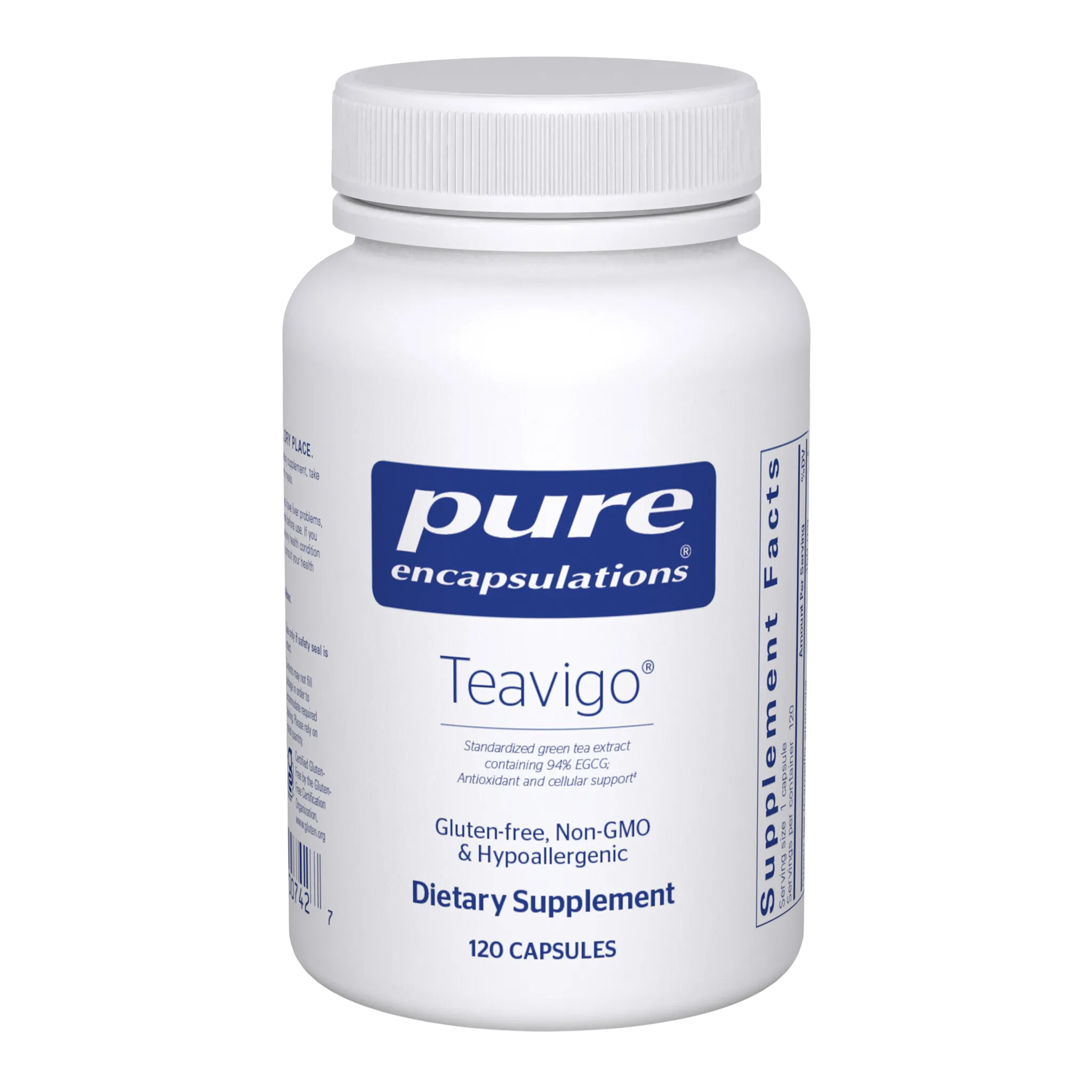
Enter epigallocatechin gallate (EGCG), the most abundant and biologically active polyphenol found in green tea. While green tea has been celebrated for centuries for its general health benefits, modern clinical research has isolated EGCG as a potent, highly targeted molecule capable of modulating our most fundamental immune and antioxidant pathways. Teavigo is a highly purified, caffeine-free green tea extract standardized to 94% EGCG, designed to deliver these profound cellular benefits without the stimulatory effects of traditional tea. In this comprehensive guide, we will explore the intricate biochemistry of EGCG, how it intervenes in the vicious cycles of chronic illness, and whether it might be a valuable addition to your symptom management toolkit.
What is Teavigo (EGCG)?
To understand how Teavigo works, we must first look at the natural function of its primary active compound, epigallocatechin gallate (EGCG), within a healthy human body. EGCG belongs to a class of plant-based compounds known as catechins, which are a subcategory of polyphenols. At the molecular level, EGCG acts as a master regulator of cellular redox status—the delicate balance between oxidative stress and antioxidant defense. Its unique chemical structure, characterized by multiple hydroxyl groups attached to phenol rings, allows it to act as a highly efficient, direct scavenger of reactive oxygen species (ROS) and a chelator of free transition metals like iron and copper. By directly binding to these unstable molecules, EGCG prevents them from initiating destructive chain reactions that damage cellular membranes, proteins, and DNA.
However, EGCG's true power lies not just in its direct chemical interactions, but in its ability to act as a sophisticated signaling molecule that alters gene expression. When EGCG enters a cell, it briefly acts as a mild pro-oxidant, generating a tiny, controlled amount of cellular stress. This micro-stress acts like a fire drill for the cell, triggering a massive, systemic upregulation of the body's own endogenous antioxidant enzymes. This dual mechanism—acting as both a direct shield and an indirect genetic catalyst—makes EGCG one of the most thoroughly researched natural compounds in the fields of immunology, oncology, and neurobiology.
The primary mechanism by which EGCG fortifies cellular health is through the activation of the Nrf2 (Nuclear factor erythroid 2-related factor 2) pathway. Nrf2 is widely considered the master transcriptional regulator of cellular resistance to oxidative stress. Under normal, unstressed conditions, Nrf2 is trapped in the cell's cytoplasm by a negative regulatory protein called Keap1, which constantly marks Nrf2 for degradation. Research demonstrates that EGCG directly interacts with the reactive cysteine residues on the Keap1 protein, altering its physical shape. This conformational change forces Keap1 to release Nrf2, allowing the Nrf2 protein to accumulate and travel into the cell's nucleus.
Once inside the nucleus, Nrf2 binds to specific DNA sequences known as Antioxidant Response Elements (ARE). This binding initiates the transcription of a massive battery of Phase II detoxifying and antioxidant enzymes. These include Heme Oxygenase-1 (HO-1), Superoxide Dismutase (SOD), Catalase, and enzymes critical for the synthesis of glutathione, the body's master antioxidant. By flipping this genetic switch, EGCG essentially commands the cell to build its own internal defense arsenal, providing long-lasting protection against the severe oxidative damage that characterizes many complex chronic illnesses.
Simultaneously, while EGCG turns on the Nrf2 antioxidant pathway, it actively turns off the body's primary inflammatory pathway, governed by NF-κB (Nuclear factor-kappa B). NF-κB is a transcription factor that, when activated by stress or infection, travels to the nucleus and triggers the production of pro-inflammatory cytokines, chemokines, and adhesion molecules. Overactivation of NF-κB is a hallmark of chronic inflammation, autoimmune disorders, and post-viral syndromes. EGCG suppresses this pathway through a fascinating, direct chemical intervention.
Recent structural characterizations and molecular modeling studies have discovered that the oxidized form of EGCG undergoes an irreversible covalent binding reaction specifically with the Cys-38 sulfhydryl residue of the NF-κB p65 subunit. This direct physical binding completely paralyzes the NF-κB protein, preventing it from attaching to target DNA sequences in the nucleus. As a result, the downstream production of inflammatory cytokines like Interleukin-6 (IL-6) and Tumor Necrosis Factor-alpha (TNF-α) is abruptly halted. This profound ability to simultaneously boost antioxidants and silence inflammation is what makes highly purified EGCG extracts like Teavigo so therapeutically compelling.
How Chronic Illness Impacts Cellular Health and Immunity
To understand why a supplement like Teavigo might be beneficial, we must examine how complex chronic conditions disrupt the body's natural homeostasis. In conditions like Long COVID and myalgic encephalomyelitis/chronic fatigue syndrome (ME/CFS), the immune system fails to return to a baseline state of rest following an initial viral insult or stressor. Instead, patients become trapped in a vicious cycle of persistent neuroinflammation and severe oxidative stress. Scientific reviews highlight that ME/CFS is characterized by a dysregulated bioenergetic condition and a pro-inflammatory state, where the constant production of reactive oxygen species overwhelms the body's depleted antioxidant reserves, particularly glutathione.
This unchecked oxidative stress directly damages mitochondrial membranes, impairing the cells' ability to produce adenosine triphosphate (ATP), the currency of cellular energy. When mitochondria fail, patients experience the profound, crushing exhaustion and post-exertional malaise (PEM) that define these illnesses. Furthermore, this systemic inflammation compromises the blood-brain barrier, allowing inflammatory cytokines to infiltrate the central nervous system. This neuroinflammation is a primary driver of the cognitive dysfunction, commonly referred to as "brain fog," and the severe autonomic nervous system dysregulation seen in these patient populations. If you want to learn more about how Long COVID triggers ME/CFS, understanding this mitochondrial and inflammatory overlap is crucial.
Another critical piece of the chronic illness puzzle is mast cell activation syndrome (MCAS), a condition frequently found running alongside Long COVID, ME/CFS, and dysautonomia. Mast cells are the body's first responders, stationed in tissues throughout the body to detect pathogens and environmental threats. In a healthy system, they release chemical mediators like histamine, leukotrienes, and prostaglandins in a controlled manner to orchestrate a localized immune response. However, in MCAS, these cells become hyper-responsive and destabilized, inappropriately dumping massive quantities of inflammatory chemicals into the bloodstream in response to benign triggers like food, temperature changes, or even emotional stress.
This constant degranulation of mast cells creates a state of chronic systemic inflammation that affects nearly every organ system. High levels of circulating histamine can cause flushing, hives, gastrointestinal distress, rapid heart rate, and profound neurological symptoms. The traditional medical approach often relies heavily on pharmaceutical antihistamines, which block histamine receptors but do not stop the mast cells from releasing the chemicals in the first place. This is where the cellular signaling disruption caused by chronic illness creates a desperate need for compounds that can stabilize the mast cell membrane and halt the production of histamine at its source.
Finally, the vascular system is profoundly impacted by these chronic conditions. The endothelium, the delicate inner lining of our blood vessels, is responsible for regulating blood flow, controlling blood pressure, and preventing inappropriate blood clotting. In Long COVID, the SARS-CoV-2 virus is known to directly infect and damage endothelial cells, leading to widespread vascular inflammation and the formation of microclots. This endothelial dysfunction impairs the delivery of oxygen and vital nutrients to tissues, exacerbating fatigue and muscle pain.
In conditions like Postural Orthostatic Tachycardia Syndrome (POTS), a common form of dysautonomia, the blood vessels fail to constrict properly when a patient stands up. This causes blood to pool heavily in the lower extremities and the abdomen, forcing the heart to beat rapidly to compensate and maintain blood flow to the brain. This vascular dysregulation is often driven by localized inflammation and an imbalance in nitric oxide signaling. Understanding how a doctor diagnoses Long COVID often involves looking closely at these overlapping vascular, immunological, and autonomic dysfunctions.
Teavigo: Supporting Antioxidant Defense and Cellular Function
When introduced into a body battling complex chronic illness, Teavigo (EGCG) acts as a multi-target therapeutic agent, intervening at several critical points in the disease pathophysiology. For patients with Long COVID and ME/CFS, one of the most promising applications of EGCG is its ability to combat neuroinflammation and potential viral persistence. Recent clinical investigations have highlighted EGCG's potent antiviral properties, specifically its ability to inhibit the SARS-CoV-2 3CL main protease (Mpro), an enzyme essential for viral replication. Furthermore, EGCG acts as a natural zinc ionophore, helping to shuttle zinc across the cell membrane and into the cytoplasm, where zinc can further halt viral RNA synthesis.
Beyond direct antiviral action, EGCG's ability to cross the blood-brain barrier makes it a vital tool for addressing central nervous system inflammation. By powerfully suppressing the NF-κB and STAT3 transcription pathways, EGCG halts the production of neuro-inflammatory cytokines like IL-6 and TNF-α within the brain. Animal models of chronic fatigue syndrome have demonstrated that chronic treatment with EGCG successfully restores the brain's natural antioxidant enzymes, lowering lipid peroxidation and reversing behavioral deficits such as prolonged immobility and post-exertional fatigue. By clearing this neuro-inflammatory fog, EGCG helps restore the cellular environment necessary for cognitive clarity and autonomic repair.
For individuals navigating the unpredictable flares of MCAS, EGCG offers profound, targeted support as a natural mast cell stabilizer. Unlike traditional antihistamines that merely block histamine from binding to receptors, EGCG intervenes much earlier in the inflammatory cascade. In vitro studies utilizing basophilic leukemia cells have shown that EGCG effectively inhibits the tyrosine phosphorylation of specific cellular proteins, such as Lyn kinase. This action effectively paralyzes the intracellular signaling pathways required for mast cell degranulation, trapping histamine and other inflammatory mediators safely inside the cell.
Furthermore, research published in Inflammation Research indicates that EGCG is a potent inhibitor of histidine decarboxylase (HDC), the specific enzyme responsible for synthesizing histamine from the amino acid histidine. By blocking HDC, EGCG actively reduces the total volume of histamine that mast cells can produce and store. It also directly inhibits the influx of calcium into the mast cell, a mandatory step for the release of inflammatory chemicals. This multi-tiered approach to mast cell stabilization makes EGCG a powerful synergistic tool when combined with other natural compounds; you can explore related strategies in our guide on how Aller-Essentials helps manage immune dysregulation.
Beyond its immunological and neurological benefits, Teavigo plays a significant role in supporting metabolic and cellular health. Chronic inflammation often wreaks havoc on lipid metabolism, leading to dyslipidemia and increased cardiovascular risk. Multiple studies have indicated that EGCG supports healthy lipid metabolism by influencing gene expression related to fat oxidation and storage. Investigators have reported that the specific gallate moiety on the EGCG molecule plays a particularly important role in supporting healthy apolipoprotein metabolism, which is crucial for the proper transport and clearance of cholesterol in the bloodstream.
By moderating hydroxyl radical formation and protecting cellular membranes from lipid peroxidation, EGCG ensures that the structural integrity of our cells remains intact. This targeted antioxidant protection is vital for tissues that undergo high metabolic stress, which is why recent studies have suggested that EGCG supports prostate, colon, lung, and bladder health. In the context of chronic illness, where cellular membranes are constantly under siege by oxidative stress, providing a highly purified, concentrated source of EGCG like Teavigo helps rebuild the foundational resilience of the body's tissues.
Symptoms Teavigo May Help Manage
Because EGCG acts on foundational cellular pathways—modulating inflammation, oxidative stress, and mast cell activity—it can positively influence a wide array of symptoms associated with complex chronic conditions. While it is not a cure, incorporating Teavigo into a comprehensive management protocol may help alleviate the following:
Brain Fog and Cognitive Dysfunction: By crossing the blood-brain barrier and suppressing neuro-inflammatory cytokines via the NF-κB pathway, EGCG helps clear the inflammatory "static" that disrupts memory, focus, and cognitive processing in Long COVID and ME/CFS.
Post-Exertional Fatigue: Through the activation of the Nrf2 pathway, EGCG upregulates endogenous antioxidant enzymes like glutathione, protecting mitochondrial membranes from the oxidative damage that drives severe cellular exhaustion and delayed fatigue crashes.
Allergic Flares and Histamine Intolerance: As a potent mast cell stabilizer, EGCG inhibits the histidine decarboxylase (HDC) enzyme and blocks calcium influx, significantly reducing the inappropriate release of histamine that causes flushing, hives, and gastrointestinal distress in MCAS patients.
Systemic Muscle and Joint Pain: By neutralizing reactive oxygen species and halting the production of pro-inflammatory mediators like leukotrienes and prostaglandins, EGCG can help reduce the widespread, aching tissue inflammation frequently reported in post-viral syndromes.
Immune Dysregulation: EGCG's ability to act as a zinc ionophore and inhibit viral replication enzymes provides targeted support for an immune system struggling to clear persistent viral fragments or manage chronic, low-grade infections.
It is important to remember that symptom relief in complex chronic illness is rarely achieved with a single intervention. Teavigo is most effective when utilized as part of a broader, medically supervised protocol that includes pacing, dietary modifications, and other targeted therapeutics. For example, understanding what causes Long COVID can help you and your provider build a synergistic treatment plan that addresses multiple root causes simultaneously.
Practical Considerations: Forms, Dosing, and Absorption
When considering EGCG supplementation, understanding its bioavailability—how much of the compound actually enters your bloodstream—is absolutely critical for both efficacy and safety. EGCG generally has poor oral bioavailability because it is easily degraded in the gastrointestinal tract. Clinical pharmacokinetic studies have demonstrated that taking EGCG on an empty stomach drastically increases its absorption, resulting in a total drug exposure (AUC) that is nearly 4 times higher than when taken with food. Dietary proteins and minerals like calcium and magnesium can bind to EGCG in the gut, inhibiting its absorption.
However, this increased absorption on an empty stomach comes with a severe, potentially dangerous caveat. Sending a massive, rapid bolus of highly concentrated EGCG directly to the liver can overwhelm the organ's metabolic capacity. Therefore, despite the lower absorption rate, you must always take Teavigo with food. The manufacturer's warning explicitly states to take this supplement with meals to ensure a slow, safe, and steady absorption profile that protects hepatic function.
The safety profile of high-dose green tea extracts is a topic of significant regulatory scrutiny. While brewed green tea is universally considered safe, highly concentrated EGCG supplements have been linked to hepatotoxicity (liver damage) when taken inappropriately. The European Food Safety Authority (EFSA) concluded that EGCG doses at or above 800 mg per day pose a high risk of liver damage. At these excessive doses, EGCG can auto-oxidize in the liver, acting as a pro-oxidant that generates reactive oxygen species and induces severe oxidative stress in liver cells.
This is why Teavigo is formulated at a safe, targeted dose of 150 mg per capsule, well below the established danger thresholds. However, if you have pre-existing liver problems, elevated liver enzymes, or are taking medications metabolized by the liver, you must consult your healthcare practitioner before initiating use. Monitoring liver function tests (ALT and AST) is a prudent clinical indicator for patients utilizing any concentrated herbal extracts long-term.
Another vital practical consideration involves your unique genetics, specifically the COMT (Catechol-O-methyltransferase) gene. The COMT enzyme is responsible for clearing catechols—including neurotransmitters like dopamine and epinephrine, as well as estrogen—from the body. Because EGCG is a catechin, it utilizes and can further inhibit the COMT enzyme. If you have a genetic mutation that results in a "slow" COMT enzyme, high doses of EGCG can cause a backlog of excitatory neurotransmitters.
For patients with a slow COMT, this backlog can manifest as increased anxiety, irritability, insomnia, or paradoxically, a worsening of MCAS symptoms due to heightened nervous system arousal. If you know you have a slow COMT mutation, or if you find that EGCG makes you feel "wired" or anxious, you may need to adjust your dosage, switch to a different mast cell stabilizer, or work closely with your provider to support your methylation pathways. You can read more about supporting these pathways in our guide on unmethylated B12 for energy and nerve health.
Finally, patients with Postural Orthostatic Tachycardia Syndrome (POTS) and other forms of dysautonomia must navigate what is known as the "EGCG Paradox." EGCG is a powerful vasodilator; it stimulates the production of endothelial nitric oxide synthase (eNOS), which signals blood vessels to relax and expand. While this is fantastic for general cardiovascular health and lowering blood pressure, it is the exact opposite of what a POTS patient needs.
In POTS, blood vessels frequently fail to constrict upon standing, causing blood to pool heavily in the lower extremities and abdomen. Because EGCG powerfully relaxes blood vessels, it can exacerbate this splanchnic blood pooling, further lower blood pressure, and trigger severe reflex tachycardia and dizziness. If you have POTS, you should approach EGCG with extreme caution. Monitor your orthostatic vitals closely, and discuss with your doctor whether the neuroprotective and mast cell stabilizing benefits of EGCG outweigh the potential hemodynamic risks for your specific presentation.

Follow the Science
The scientific literature surrounding EGCG's application in complex chronic illness is rapidly expanding, moving from robust pre-clinical animal models into human clinical trials. A 2024 prospective Phase I/II clinical trial investigated the safety and efficacy of an EGCG oxygen nebulization inhalation treatment for COVID-19 pneumonia. The study found that patients inhaling aerosolized EGCG showed significantly greater improvement on CT imaging compared to controls (64.8% vs 40.5%) and successfully blunted the cytokine storm by blocking STAT3 and NF-κB inflammatory pathways. This demonstrates EGCG's profound ability to intervene in severe, acute viral inflammation.
Furthermore, researchers at Augusta University are currently developing a lipid-soluble nasal nanoformulation of EGCG specifically designed to combat the neurological symptoms of Long COVID, such as brain fog and anosmia. Their in vitro data showed that this formulation inhibited viral replication in human nasal primary epithelial cells by 99%. While these are novel delivery methods, they underscore the medical community's recognition of EGCG as a potent antiviral and neuroprotective agent. In the context of ME/CFS, a retrospective case series evaluating patients treated with nebulized antioxidant/anti-pathogen agents noted significant reductions in self-reported symptom severity, further validating the need to address profound oxidative stress in these populations.
The evidence supporting EGCG as a mast cell stabilizer is heavily grounded in immunological research. A pivotal study published in Biochemical and Biophysical Research Communications demonstrated that EGCG inhibits histamine release from rat basophilic leukemia cells by suppressing the tyrosine phosphorylation of specific intracellular proteins. This mechanistic proof explains why EGCG is so frequently utilized in integrative MCAS protocols alongside other stabilizers like Quercetin and Luteolin.
Clinical validation of these anti-allergic properties can be seen in studies utilizing specific green tea cultivars. Research published in the Journal of Food and Drug Analysis explored the anti-allergic action of O-methylated EGCG found in the Japanese Benifuuki green tea cultivar. In double-blind clinical trials, subjects who consumed this EGCG-rich tea prior to cedar pollen season experienced significantly reduced allergic symptom scores, confirming EGCG's ability to aggressively suppress mast cell degranulation in human subjects. To understand how pharmaceutical options compare to natural stabilizers, you can read our deep dive on Ketotifen for MCAS and Long COVID.
Finally, extensive research supports EGCG's role in promoting optimal cellular function and lipid metabolism. Numerous studies have indicated that EGCG influences gene expression pathways that govern fat oxidation, supporting healthy apolipoprotein levels. While we must be cautious regarding its vasodilatory effects in POTS patients, clinical trials on endothelial function have consistently shown that EGCG can reverse endothelial dysfunction in populations with hypertension and coronary artery disease by stimulating nitric oxide production. This robust body of evidence underscores Teavigo's position as a highly researched, multi-faceted supplement for cellular health.
The Path Forward
Living with conditions like Long COVID, ME/CFS, MCAS, and dysautonomia often feels like fighting a war on multiple fronts. The profound fatigue, unpredictable allergic reactions, and cognitive fog are not just frustrating; they are deeply debilitating symptoms rooted in complex cellular dysfunction. Validating the physiological reality of your illness is the first step toward effective management. Supplements like Teavigo offer a targeted, science-backed approach to addressing some of these root causes, specifically by upregulating your body's natural antioxidant defenses, silencing inflammatory pathways, and stabilizing hyperactive mast cells.
However, it is crucial to approach supplementation with realistic expectations and a deep respect for your body's unique biochemical landscape. EGCG is a powerful molecule, and as we've discussed, its interactions with liver metabolism, the COMT gene, and vascular tone (especially in POTS) require careful consideration. Teavigo is not a standalone cure, but rather a potent tool designed to be integrated into a comprehensive, holistic management strategy that includes aggressive pacing, nervous system regulation, and targeted medical care. If you are exploring ways to manage immune dysregulation, you might also be interested in how A.I. enzymes help manage joint pain and microclots.
At RTHM, we understand the complexities of navigating chronic illness, and we are committed to providing you with the highest quality, clinically relevant therapeutics. Teavigo's highly purified, caffeine-free formulation ensures you receive the profound cellular benefits of EGCG without the unwanted stimulation of traditional green tea. As always, we strongly advise you to consult with your healthcare provider before introducing any new supplement into your regimen, particularly to ensure it aligns safely with your current medications and specific diagnoses.
Sources
Possible Application of Melatonin in Long COVID (Reviewing ME/CFS Oxidative Stress)
Targeting of histamine-producing cells by EGCG: Inhibition of Histidine Decarboxylase
Epigallocatechin Gallate Inhibits Histamine Release From Rat Basophilic Leukemia Cells
Anti-Allergic Action of O-methylated EGCG in Green Tea Cultivar Benifuuki
Pharmacokinetics and Safety of Green Tea Extract (EGCG): Fasting vs. Fed State
Scientific opinion on the safety of green tea catechins (EFSA)
Nitric Oxide and Splanchnic Blood Pooling in Postural Orthostatic Tachycardia Syndrome
EGCG activates Nrf2 and inhibits NF-κB: Mechanisms of Action