Can Systemic Enzymes and Boswellia Support Tissue Repair and Reduce Inflammation in Long COVID and ME/CFS?
March 5, 2026
Systemic EnzymesLong COVIDME/CFS
Share:
Disclaimer: The information provided here is for educational purposes only and is not intended as medical advice. It should not be used to diagnose, treat, cure, or prevent any medical condition. Instead, use it as a starting point for discussion with your healthcare provider. Always consult with a qualified healthcare provider before starting any new medication, supplement, device, or making changes to your health regimen.
Months or even years after recovering from an initial viral infection, many people still fight a daily, debilitating battle against invisible symptoms. The profound exhaustion, the heavy brain fog that makes simple thoughts feel like wading through molasses, and the deep, aching joint pain are hallmarks of complex chronic conditions like Long COVID and myalgic encephalomyelitis/chronic fatigue syndrome (ME/CFS). For patients and caregivers alike, the search for answers can be incredibly frustrating, especially when standard blood tests often return "normal" results despite the very real, physical suffering occurring at a cellular level.
However, emerging scientific research is finally shedding light on the underlying mechanisms driving these conditions. We now understand that chronic post-viral syndromes are heavily driven by persistent systemic inflammation, endothelial damage, and a phenomenon known as hypercoagulability—the formation of stubborn, microscopic blood clots. As traditional medicine catches up to these discoveries, targeted nutritional and biochemical interventions are offering new hope. A Systemic Enzyme Complex, particularly one fortified with potent botanicals like Boswellia serrata, represents a sophisticated, science-backed approach to dismantling these microclots, cooling systemic inflammation, and supporting deep tissue repair.
TL;DR
Systemic enzymes may help break down microclots and reduce inflammation in Long COVID and ME/CFS.
Botanicals like Boswellia serrata support immune regulation and may help stabilize hyperactive mast cells.
For maximum effectiveness, systemic enzymes must be taken on a strictly empty stomach to ensure proper absorption.
Always consult a healthcare provider before starting enzymes, especially if taking blood-thinning medications.
What Are Systemic Enzymes and Boswellia?
The Role of Proteolytic Enzymes in a Healthy Body
To truly understand how a Systemic Enzyme Complex can support recovery from complex chronic illnesses, we must first examine the natural, physiological role of these remarkable proteins. In human biology, enzymes are specialized protein catalysts that accelerate chemical reactions. Proteolytic enzymes, or proteases, are a specific class of enzymes designed to cleave the peptide bonds that hold amino acids together, effectively breaking down complex proteins into smaller, manageable peptides and individual amino acids. In a healthy, optimally functioning body, these proteases are produced primarily by the pancreas—including pancreatin, trypsin, and chymotrypsin—and secreted into the small intestine to aid in the digestion of dietary proteins.
However, the role of proteolytic enzymes extends far beyond the digestive tract. When these enzymes are absorbed intact across the intestinal barrier and enter the systemic circulation, they take on a completely different, yet equally vital, set of responsibilities. In the bloodstream, systemic enzymes act as the body's microscopic garbage collectors and biochemical regulators. They constantly patrol the vascular system, seeking out and degrading cellular debris, rogue proteins, immune complexes, and excess fibrin—a tough, insoluble protein involved in blood clotting. This continuous "housekeeping" is essential for maintaining optimal blood viscosity, ensuring smooth circulation, and preventing the buildup of inflammatory waste products that can trigger an overactive immune response.
Furthermore, plant-derived and fungal-derived proteases, such as bromelain (extracted from the stem of the pineapple plant), papain (from papaya fruit), and Serrazimes® (a specialized fungal protease blend designed to mimic the powerful silkworm enzyme serrapeptase), possess unique structural characteristics that make them highly effective in the human bloodstream. Unlike endogenous human enzymes, which are tightly regulated by the body's own feedback loops, these exogenous enzymes can provide a massive, temporary boost to the body's inherent proteolytic capacity. They excel at breaking down foreign proteins, disrupting the protective biofilms secreted by pathogenic bacteria, and accelerating the clearance of damaged tissue following physical trauma or severe immunological stress.
The Botanical Powerhouse: Boswellia Serrata and Rutin
While proteolytic enzymes handle the physical breakdown of rogue proteins and clots, a comprehensive systemic formula often incorporates potent botanical extracts to address the chemical signaling pathways of inflammation. Boswellia serrata, commonly known as Indian Frankincense, is a resinous botanical extract with a rich history in traditional Ayurvedic medicine. Modern pharmacological research has identified its active compounds, known as boswellic acids, as profound modulators of the human immune system. Specifically, the most potent of these compounds, 3-O-acetyl-11-keto-beta-boswellic acid (AKBA), has been shown to directly interact with and inhibit specific inflammatory enzymes that drive chronic disease states, making it a critical tool for managing conditions characterized by runaway immune responses.
Complementing the action of Boswellia is rutin, a naturally occurring bioflavonoid found abundantly in foods like buckwheat, citrus fruits, and apples. While rutin is not an enzyme, its inclusion in a systemic enzyme complex is highly synergistic. Rutin acts as a powerful antioxidant, scavenging the reactive oxygen species (ROS) and free radicals that are generated in massive quantities during states of chronic inflammation. More importantly, rutin has a specific affinity for the vascular system; it helps to strengthen the endothelial lining of blood vessels, reduces pathological vascular permeability (which causes tissue swelling and edema), and stabilizes the microcirculation. Together, these botanicals create a multi-targeted approach to cellular healing.
Digestive Versus Systemic Function
A crucial distinction in clinical nutrition is the difference between digestive enzyme therapy and systemic enzyme therapy. The exact same capsule of enzymes will perform entirely different functions in the body depending solely on when it is consumed. If a systemic enzyme complex is taken alongside a meal, the enzymes will mix with the dietary chyme in the stomach and small intestine. Here, their proteolytic activity will be entirely consumed by the task of breaking down the proteins in the food you just ate. While this can be highly beneficial for individuals with pancreatic insufficiency or general digestive distress, it completely negates the systemic, anti-inflammatory benefits of the supplement, as the enzymes are "used up" before they can enter the bloodstream.
Conversely, when these enzymes are taken on a strictly empty stomach—typically one hour before eating or at least two hours after a meal—they bypass the digestive process entirely. Protected by the stomach's resting pH or specific enteric coatings, the intact enzyme molecules reach the small intestine, where they are absorbed through the intestinal mucosa via processes like paracellular transport and endocytosis. Once in the bloodstream, they bind to specialized transport proteins called alpha-2-macroglobulins. This binding protects the enzymes from being neutralized by the immune system and acts as a targeted delivery mechanism, allowing the enzymes to circulate freely and exert their profound anti-inflammatory and tissue-repairing effects throughout the entire body.
How Long COVID and ME/CFS Impact Coagulation and Inflammation
The Discovery of Fibrinaloid Microclots
To comprehend why systemic enzymes are becoming a cornerstone in the management of post-viral syndromes, we must examine the groundbreaking pathology discovered in recent years. Researchers, notably Scientist Resia Pretorius and Douglas Kell, have identified the presence of anomalous, amyloid-like blood clots in the circulation of patients with Long COVID and ME/CFS. In a healthy coagulation system, fibrinogen is converted into a structured fibrin mesh to stop bleeding, which is later cleanly dissolved by the body's natural plasmin enzymes in a process called fibrinolysis. However, in these chronic conditions, the viral spike protein and subsequent severe inflammation cause the fibrin to misfold into tight, beta-sheet-rich amyloid structures.
These "fibrinaloid microclots" are highly resistant to the body's normal fibrinolytic breakdown processes. Because they cannot be easily dissolved, they persist in the bloodstream, trapping inflammatory molecules, autoantibodies, and cellular debris within their dense matrices. As these microclots circulate, they inevitably lodge in the microscopic capillaries that feed oxygen and nutrients to the body's tissues, muscles, and brain. This widespread capillary blockage creates a state of chronic cellular hypoxia (oxygen starvation). When muscles and neurons are deprived of oxygen, they cannot produce adequate ATP (cellular energy), leading directly to the profound, crushing fatigue and post-exertional malaise (PEM) that define these illnesses.
Endothelial Damage and the Cytokine Storm
The presence of these microclots is intimately linked to the health of the endothelium—the delicate, single-cell-thick lining of the entire cardiovascular system. Acute viral infections, particularly SARS-CoV-2, are known to directly infect and damage these endothelial cells, a condition referred to as endothelialitis. When the endothelium is injured, it loses its natural non-stick, antithrombotic properties. Instead, it becomes highly reactive, secreting massive amounts of von Willebrand Factor (vWF) and other pro-coagulant signals that trigger hyperactive platelets to clump together, further accelerating the formation of microclots in a devastating positive feedback loop.
Simultaneously, this endothelial damage provokes a sustained, hyperactive immune response often characterized as a lingering "cytokine storm." The immune system continuously pumps out pro-inflammatory cytokines, such as Interleukin-6 (IL-6) and Tumor Necrosis Factor-alpha (TNF-α), in a misguided attempt to heal the vascular damage. However, this chronic flood of cytokines only serves to keep the body in a state of high alert, driving systemic inflammation that manifests as severe brain fog, widespread joint and muscle pain, and an inability to recover from even minor physical or cognitive exertion. This interconnected web of vascular and mitochondrial dysfunction requires targeted interventions that can simultaneously address both the clotting and the inflammation.
Mast Cell Hyperactivation and the 5-LOX Pathway
Adding another layer of complexity to this pathological cascade is the frequent development of mast cell activation syndrome (MCAS) in patients with Long COVID and ME/CFS. Mast cells are the sentinels of the immune system, packed with granules containing hundreds of potent chemical mediators. In a healthy state, they release these chemicals in measured doses to fight infections or heal wounds. However, the chronic vascular inflammation and persistent viral antigens seen in these conditions can cause mast cells to become hyper-reactive, inappropriately degranulating and flooding the body with inflammatory mediators in response to minor triggers like foods, temperature changes, or stress.
When mast cells degranulate, they release not only histamine but also a massive surge of arachidonic acid, which is rapidly converted by the 5-lipoxygenase (5-LOX) enzyme into highly inflammatory molecules called leukotrienes. Leukotrienes are significantly more potent than histamine at inducing bronchoconstriction (tightening of the airways), increasing vascular permeability (causing tissue swelling and edema), and recruiting other destructive immune cells to the area. This 5-LOX-driven leukotriene storm is a primary driver of the deep, aching joint pain, respiratory distress, and systemic allergic-type reactions that leave patients feeling poisoned in their own bodies. Understanding this connection between Long COVID, ME/CFS, and MCAS is crucial for developing effective, multi-pathway treatment protocols.
Systemic Enzyme Complex: Supporting Tissue Repair and Fibrinolysis
Breaking Down Microclots with Serrazimes and Bromelain
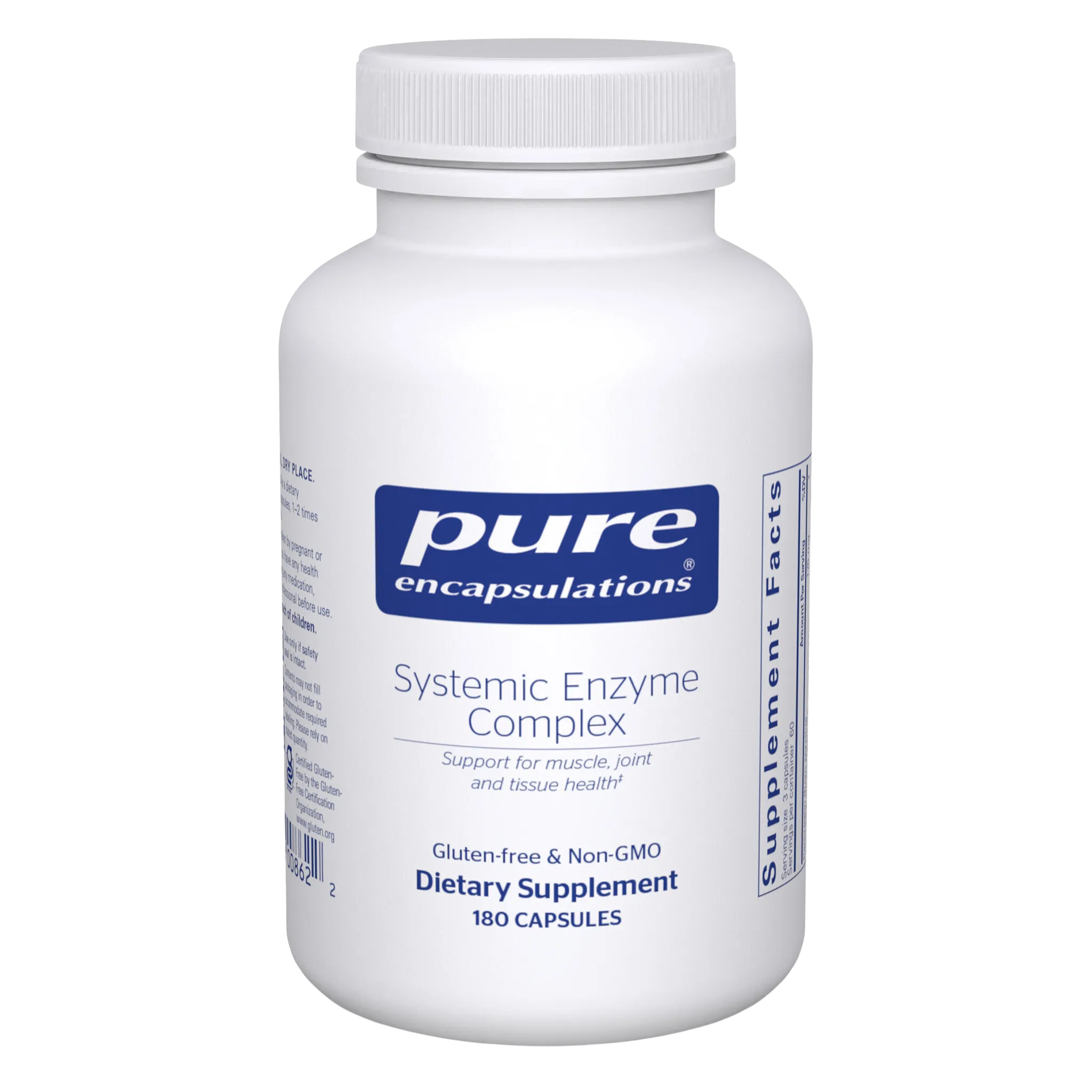
A high-quality Systemic Enzyme Complex is specifically formulated to intervene directly in the vicious cycles of hypercoagulability and chronic inflammation. The inclusion of potent proteolytic enzymes like bromelain and Serrazimes® provides the body with the specific biochemical tools needed to dismantle stubborn fibrinaloid microclots. Serrazimes, a specialized protease blend derived from Aspergillus fungi, is engineered to mimic the exact fibrinolytic activity of serrapeptase, the legendary enzyme used by silkworms to dissolve their tough, fibrous cocoons. When absorbed into the human bloodstream, these enzymes exhibit a profound affinity for dead tissue and misfolded proteins.
At the molecular level, these systemic proteases actively cleave the cross-linked peptide bonds within the amyloid-beta sheets of the microclots. Unlike prescription blood thinners (anticoagulants), which only prevent the formation of new clots by inhibiting clotting factors, systemic enzymes actively degrade existing fibrin deposits. By physically dissolving the microclots that are blocking the microscopic capillaries, these enzymes help restore healthy microcirculation. This renewed blood flow allows oxygen and vital nutrients to finally reach the starved mitochondria in muscle and brain tissues, directly addressing the root cause of post-exertional malaise and cognitive dysfunction while facilitating cellular repair.
Clearing Cytokines via Alpha-2-Macroglobulin
Beyond their clot-busting capabilities, systemic enzymes possess a fascinating and highly sophisticated mechanism for modulating the immune system and clearing the chronic "cytokine storm." When oral proteases like pancreatin, papain, and trypsin enter the bloodstream, they are immediately bound by a large transport protein called alpha-2-macroglobulin (α2M). This binding process is not merely for transportation; it triggers a dramatic conformational change in the shape of the α2M molecule. The α2M acts like a microscopic "Venus flytrap," snapping shut around the enzyme and transforming the entire complex into a highly active cytokine scavenger.
This newly formed protease-α2M complex circulates through the vascular system, actively seeking out and binding to excess pro-inflammatory cytokines, particularly TNF-α, IL-1β, and IL-6, which are notoriously elevated in Long COVID and ME/CFS. Once the cytokines are trapped, the complex exposes a specific receptor-binding domain that signals the body's macrophages (immune clearing cells) to engulf and destroy the entire package via the LRP1 receptor pathway. This elegant mechanism allows systemic enzymes to rapidly "vacuum up" the excess inflammatory mediators driving systemic symptoms, effectively cooling the immune response without suppressing the body's ability to fight off actual pathogens.
Halting Leukotrienes with Boswellia Serrata
While the enzymes clear existing inflammatory debris, the botanical component of the complex works to shut down the production of new inflammatory molecules at their source. Boswellia serrata extract is a master modulator of the arachidonic acid cascade. Its primary active compound, AKBA, acts as a direct, non-competitive inhibitor of the 5-lipoxygenase (5-LOX) enzyme. By physically binding to the 5-LOX enzyme, AKBA prevents it from converting arachidonic acid into pro-inflammatory leukotrienes. This mechanism is profoundly important for patients dealing with mast cell hyperactivation, as it effectively cuts off one of the most destructive arms of the allergic and inflammatory response.
By halting leukotriene biosynthesis, Boswellia provides powerful, natural stabilization for hyper-reactive mast cells. It reduces the pathological vascular permeability that causes tissues and joints to swell, thereby alleviating the deep, systemic aching and stiffness that often plagues patients with chronic post-viral syndromes. Furthermore, by preventing leukotriene-induced bronchoconstriction, Boswellia can significantly improve respiratory comfort and reduce the asthma-like symptoms frequently associated with Long COVID and MCAS flares, allowing for deeper, more restorative breathing and improved oxygenation of tissues.
Modulating Bradykinin for Pain Relief
Finally, the systemic enzyme complex offers a unique, non-pharmacological mechanism for pain management through the modulation of bradykinin. Bradykinin is a localized peptide hormone produced by the body in response to tissue injury and inflammation. It is a potent vasodilator that causes blood vessels to expand and leak fluid into surrounding tissues, resulting in localized swelling (edema). More importantly, bradykinin directly stimulates the nociceptors (pain nerve endings) in the tissues, sending intense pain signals to the brain. In chronic inflammatory conditions, bradykinin levels remain inappropriately elevated, driving constant, widespread pain.
Systemic proteases, particularly bromelain and papain, have the specific ability to hydrolyze (break down) excess bradykinin in the tissues. By degrading this pain-inducing peptide, the enzymes directly reduce the stimulation of the pain receptors, offering significant analgesic (pain-relieving) effects. Simultaneously, by clearing the bradykinin-induced fluid buildup, the enzymes reduce the physical pressure on the nerves and joints. This dual action—chemical pain reduction and physical edema clearance—makes systemic enzyme therapy a powerful tool for improving joint comfort, enhancing mobility, and supporting deep tissue recovery after physical exertion or during a symptom flare.

Symptoms Systemic Enzymes May Help Manage
Targeting Vascular and Inflammatory Symptoms
By addressing the root causes of hypercoagulability and runaway inflammation, a Systemic Enzyme Complex can help manage a wide array of debilitating symptoms associated with Long COVID, ME/CFS, and dysautonomia:
Post-Exertional Malaise (PEM) and Severe Fatigue: By breaking down the fibrinaloid microclots that block capillaries, systemic enzymes help restore optimal microcirculation. This allows oxygen and nutrients to reach the mitochondria, supporting cellular energy (ATP) production and reducing the severity of energy crashes after physical or cognitive exertion.
Brain Fog and Cognitive Dysfunction: The brain is highly dependent on robust microvascular blood flow. Clearing microclots and reducing neuro-inflammation (by scavenging circulating cytokines) can help lift the heavy cognitive impairment, improving focus, memory, and mental clarity.
Cardiovascular Strain and Tachycardia: In conditions like POTS and dysautonomia, the heart often has to pump harder to push blood through microclot-obstructed, inflamed vessels. By improving blood viscosity and endothelial health, enzymes can reduce the workload on the cardiovascular system.
Addressing Musculoskeletal and Neurological Fallout
The combination of proteolytic enzymes and 5-LOX-inhibiting botanicals also provides targeted relief for the physical pain and tissue damage that accompany chronic immune activation:
Deep Joint and Muscle Pain: By degrading pain-inducing bradykinin and halting the production of inflammatory leukotrienes via Boswellia, the complex provides natural analgesic effects, easing the widespread, aching pain that mimics fibromyalgia.
Tissue Swelling and Edema: The synergistic action of rutin (strengthening capillaries) and bromelain (clearing fluid buildup) helps reduce the painful, localized swelling often felt in the extremities, joints, and lymph nodes during a symptom flare.
Mast Cell and Respiratory Flares: Boswellia's profound ability to inhibit the 5-LOX pathway stabilizes hyper-reactive mast cells, reducing the severity of allergic-type reactions, shortness of breath, and asthma-like bronchoconstriction driven by leukotriene storms.
Exercise Recovery: For patients attempting carefully paced rehabilitation, systemic enzymes accelerate the clearance of metabolic waste and damaged proteins from muscle tissues, significantly reducing delayed onset muscle soreness (DOMS) and supporting faster tissue repair.
Practical Considerations: Forms, Dosing, and Absorption
The Golden Rule: Empty Stomach Administration
When incorporating a Systemic Enzyme Complex into your management protocol, understanding the pharmacokinetics of absorption is absolutely critical. The single most important rule for systemic enzyme therapy is that the capsules must be taken on a strictly empty stomach. Clinical guidelines generally recommend taking the supplement at least one hour before eating a meal, or a minimum of two hours after your last bite of food. This timing ensures that the stomach is clear of dietary proteins and that the stomach's pH is at its resting baseline, allowing the capsules to pass swiftly into the small intestine.
If you inadvertently take systemic enzymes alongside a meal, or even with a protein-heavy snack or beverage (like a protein shake or bone broth), the body will simply utilize the proteases to digest the food in your stomach. While this will certainly aid your digestion, the enzymes will be completely broken down and consumed in the gastrointestinal tract. They will not cross the intestinal barrier, they will not enter the bloodstream, and you will receive absolutely none of the systemic anti-inflammatory, microclot-dissolving, or tissue-repairing benefits. Adhering strictly to the empty-stomach rule is the only way to ensure clinical efficacy.
Synergistic Blends and Standardization
Not all enzyme supplements are created equal. The most effective clinical formulations utilize a comprehensive, synergistic blend of enzymes sourced from different origins—animal (pancreatin, trypsin, chymotrypsin), plant (bromelain, papain), and fungal (Serrazimes®). Each of these proteases operates optimally at slightly different pH levels and targets different specific peptide bonds. By combining them, the complex ensures robust, broad-spectrum proteolytic activity that remains effective as it travels through the varying pH environments of the gastrointestinal tract and into the slightly alkaline environment of the bloodstream.
Furthermore, the efficacy of the botanical components relies heavily on precise standardization. For example, raw Boswellia serrata resin contains only small, highly variable amounts of the active boswellic acids. A high-quality Systemic Enzyme Complex will utilize a standardized extract—such as one guaranteed to contain 70% boswellic acids. This standardization ensures that every single dose delivers a clinically relevant amount of the AKBA compound necessary to successfully inhibit the 5-LOX enzyme and halt leukotriene production, providing reliable, reproducible relief from systemic inflammation.
Safety, Contraindications, and Bleeding Risks
While systemic enzymes and botanicals are generally well-tolerated and offer a much safer long-term profile than traditional NSAIDs (which can cause severe gastrointestinal bleeding and cardiovascular issues), they must be used with profound respect for their mechanisms of action. Because enzymes like bromelain and Serrazimes actively break down fibrin and inhibit platelet aggregation, they act as natural, potent blood thinners. This fibrinolytic activity is exactly what makes them so effective against Long COVID microclots, but it also introduces specific safety considerations.
Systemic enzymes are strictly contraindicated for individuals taking prescription anticoagulant or antiplatelet medications (such as Warfarin, Eliquis, Xarelto, Plavix, or even daily high-dose aspirin) unless under the direct, close supervision of a prescribing physician. Combining natural fibrinolytic enzymes with pharmaceutical blood thinners can exponentially increase the risk of severe, uncontrolled internal bleeding. Additionally, these supplements should be discontinued at least two weeks prior to any scheduled surgeries or dental procedures to ensure normal clotting function during the operation. Mild side effects can occasionally include temporary gastrointestinal upset or changes in stool consistency as the body adjusts to the enzymatic activity.

Follow the Science: Clinical Trials and Research Data
In-Vitro Proof of Microclot Degradation
The use of systemic enzymes for chronic post-viral syndromes is rapidly moving from theoretical functional medicine into the realm of hard, evidence-based science. Some of the most compelling data comes from the laboratories of researchers studying the specific pathology of Long COVID microclots. In sophisticated in-vitro studies utilizing automated fluorescent microscopy, researchers have been able to isolate the stubborn, amyloid-beta rich fibrinaloid microclots from the plasma of Long COVID patients. These clots are notoriously resistant to normal human plasmin degradation.
However, when these isolated microclots are exposed to the systemic proteolytic enzyme nattokinase, the results are dramatic. Studies have shown that the application of this specific fibrinolytic enzyme can rapidly cleave the cross-linked structures of the amyloid microclots. In real-time microscopic tracking, researchers observed that the fluorescent intensity and physical size of the microclots were reduced by up to 70-80% within mere hours of enzyme exposure. This provides direct, undeniable mechanistic proof that systemic enzymes possess the specific biochemical capability to dismantle the vascular blockages driving the hypoxia and profound fatigue seen in Long COVID and ME/CFS.
Clinical Trials on Post-Viral Fatigue and Recovery
Beyond laboratory petri dishes, systemic enzymes are demonstrating remarkable efficacy in human clinical trials. A notable multi-center, double-blind, placebo-controlled randomized clinical trial (RCT) published in 2021 evaluated the use of a systemic enzyme complex (containing bromelain, papain, and other proteases) for the treatment of severe post-COVID fatigue. The study enrolled 200 patients suffering from debilitating fatigue and cognitive dysfunction following their acute viral infection, dividing them into a treatment arm and a placebo control arm for a 14-day protocol.
The clinical outcomes were staggering. By the end of the 14-day trial, an incredible 91% of the patients receiving the systemic enzyme complex reported a complete resolution of their post-viral fatigue, compared to only 15% in the placebo group. The treatment group also showed statistically significant, rapid improvements in mental clarity (resolution of brain fog) and overall physical energy levels, with zero reported adverse events. This robust clinical data strongly supports the hypothesis that clearing inflammatory cytokines and improving microcirculation via systemic enzymes can rapidly reverse the core symptoms of post-viral syndromes.
Boswellia's Efficacy in Systemic Inflammation
Research on Long COVID has cemented the role of immunological dysfunction and mast cell activation syndrome, while other studies highlight Boswellia serrata as a premier natural anti-inflammatory agent. Clinical trials evaluating Boswellia for chronic inflammatory conditions, such as osteoarthritis and asthma, have consistently demonstrated its ability to significantly reduce pain scores, improve joint mobility, and increase respiratory capacity. These benefits are directly attributed to its profound inhibition of the 5-LOX enzyme and the subsequent halt in leukotriene production.
Furthermore, articles exploring chronic inflammation from an Ayurvedic perspective have highlighted Boswellia's unique utility. By stabilizing mast cells and downregulating the NF-κB inflammatory signaling pathway, standardized Boswellia extracts have been shown to significantly lower circulating levels of key pro-inflammatory cytokines like IL-6 and TNF-α. Unlike traditional NSAIDs, which block the COX enzymes and often impede long-term cartilage repair while destroying the stomach lining, Boswellia provides powerful pain relief and systemic immune modulation while actively supporting deep tissue healing and preserving gastrointestinal integrity.
The Path Forward: Integrating Enzymes into Your Protocol
A Comprehensive Approach to Healing
Living with the unpredictable, invisible, and often debilitating symptoms of Long COVID, ME/CFS, dysautonomia, or MCAS is an incredibly heavy burden. It is entirely valid to feel overwhelmed by the sheer complexity of your illness and the lack of straightforward answers from traditional medical avenues. However, understanding the underlying mechanisms—the microclots, the endothelial damage, the cytokine storms, and the mast cell hyperactivation—provides a tangible, scientific roadmap for recovery. A Systemic Enzyme Complex is not a magic cure-all, but it is a highly sophisticated, biochemically precise tool designed to dismantle the specific roadblocks preventing your body from healing.
True recovery from complex chronic illness requires a multi-faceted, comprehensive approach. Systemic enzymes work best when they are integrated into a broader management strategy that respects the body's fragile energy envelope. This means combining targeted nutritional support with strict, disciplined pacing to avoid triggering post-exertional malaise. It means prioritizing mitochondrial support alongside vascular healing, and addressing detoxification pathways to help clear the cellular debris that the enzymes are breaking down. By attacking the pathology from multiple angles, you create an environment where deep, systemic healing can finally occur.
Tracking Symptoms and Adjusting Care
As you introduce a Systemic Enzyme Complex into your protocol, meticulous symptom tracking becomes your most valuable asset. Because these enzymes work at a deep, structural level to dissolve microscopic clots and cool systemic inflammation, the benefits may not be instantaneous. It takes time to clear the vascular blockages, repair the damaged endothelium, and allow oxygen to fully saturate the starved tissues. Track your daily baseline energy levels, the frequency and severity of your brain fog, the intensity of your joint pain, and your recovery time after minor physical exertion. Over weeks and months, these subtle data points will reveal the profound shifts happening within your biology.
Be prepared for the non-linear nature of healing. Some patients report a temporary, mild increase in fatigue or localized aching when they first begin systemic enzyme therapy—often referred to as a "Herxheimer" or die-off reaction—as the body suddenly has to process and eliminate the massive amount of cellular debris and trapped toxins being released from the dissolving microclots. This is a normal part of the physiological cleanup process. By tracking your symptoms, you and your care team can adjust your dosage, ensuring the therapy remains effective without overwhelming your body's detoxification capacity.
Next Steps and Medical Guidance
Before adding any potent new supplement to your regimen, especially one with significant fibrinolytic and blood-thinning properties like a Systemic Enzyme Complex, it is absolutely imperative to consult with your primary care provider or a specialist well-versed in complex chronic illness. They can help you navigate potential drug interactions, ensure it is safe given your specific medical history, and integrate it seamlessly into your broader treatment plan. With the right guidance and the right biochemical tools, you can actively support your body's incredible capacity for tissue repair and reclaim your quality of life.