Can Mitochondria-ATP Support Energy Levels for Long COVID and ME/CFS Patients?
March 3, 2026
Mitochondria-ATPLong COVIDME/CFS
Share:
Disclaimer: The information provided here is for educational purposes only and is not intended as medical advice. It should not be used to diagnose, treat, cure, or prevent any medical condition. Instead, use it as a starting point for discussion with your healthcare provider. Always consult with a qualified healthcare provider before starting any new medication, supplement, device, or making changes to your health regimen.
Months or even years after recovering from the acute phase of a viral infection, many people find themselves fighting a relentless, invisible battle against debilitating exhaustion. If you are living with Long COVID, myalgic encephalomyelitis/chronic fatigue syndrome (ME/CFS), or dysautonomia, you likely know that this is not just normal tiredness. It is a profound, whole-body energy failure that makes even the simplest tasks feel like climbing a mountain. This phenomenon, often characterized by post-exertional malaise (PEM) or "crashes," has historically been misunderstood or dismissed by the medical community. However, groundbreaking scientific research is finally validating what patients have known all along: your fatigue is not in your head; it is deeply rooted in a measurable, subcellular metabolic crisis.
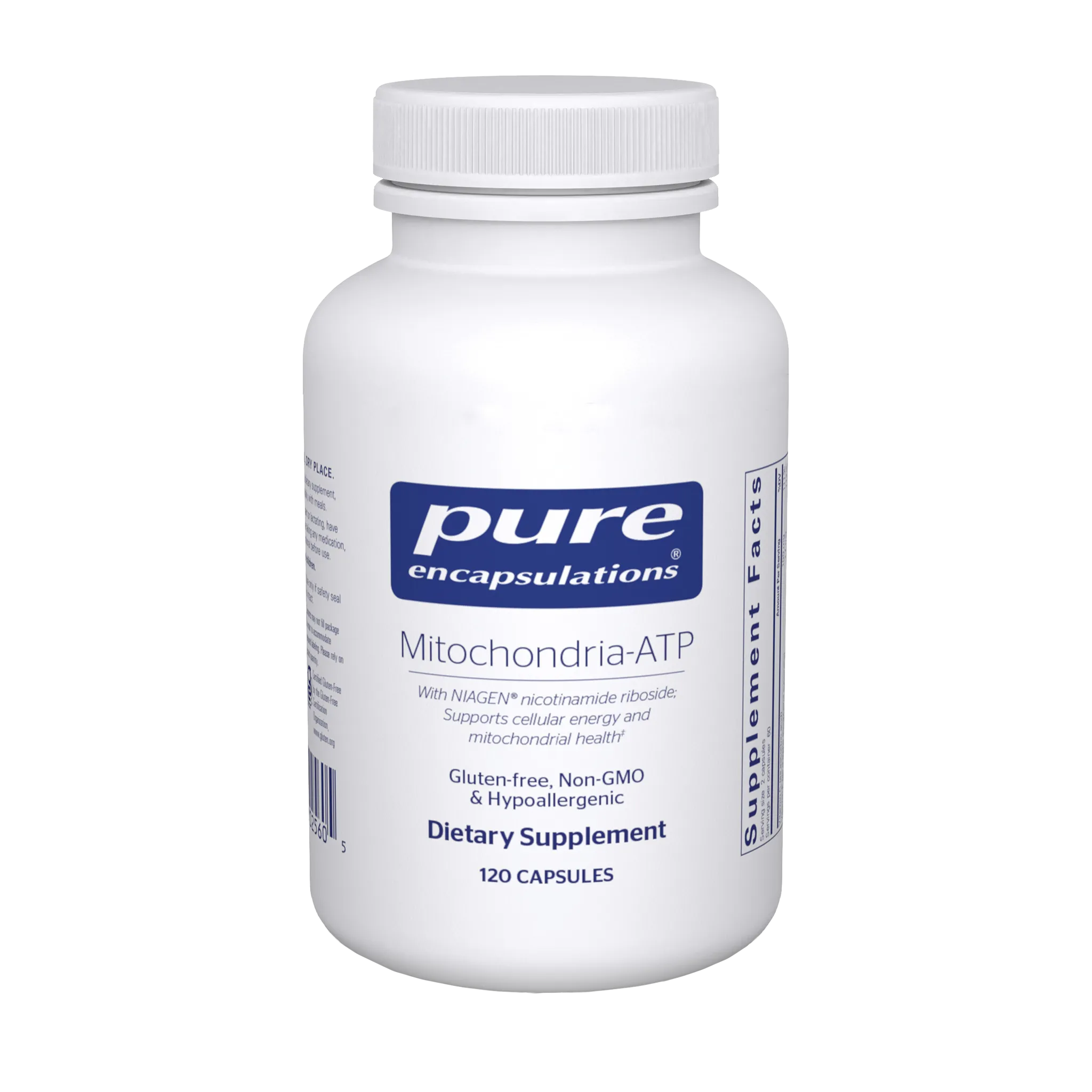
At the center of this crisis are your mitochondria—the microscopic powerhouses responsible for generating the energy your cells need to survive and function. When these powerhouses are damaged by viral infections, chronic inflammation, or oxidative stress, your body simply cannot produce enough energy to meet its daily demands. This is where targeted nutritional support becomes a crucial part of the management puzzle. Mitochondria-ATP, a comprehensive formula by Pure Encapsulations, is specifically designed to address this cellular energy drought. By combining key bioactives like Coenzyme Q10, Acetyl-L-Carnitine, Alpha Lipoic Acid, Nicotinamide Riboside (NR), and Creatine Monohydrate, this supplement aims to support metabolic pathways and healthy mitochondrial function. In this article, we will dive deep into the science of how these nutrients work at a molecular level to support energy production and help you reclaim your quality of life.
TL;DR
Mitochondria-ATP provides targeted nutrients like CoQ10 and Creatine to support cellular energy production.
Long COVID and ME/CFS can cause a subcellular energy crisis, leading to profound fatigue and crashes.
Ingredients like ALCAR and Alpha Lipoic Acid may help shuttle fuel and support metabolic pathways.
Always consult a healthcare provider before starting new supplements to ensure safe and effective use.
What is Mitochondria-ATP?
The Foundation of Cellular Energy: Adenosine Triphosphate (ATP)
To understand how a supplement like Mitochondria-ATP works, we first need to look at the natural function of its ingredients in a healthy body. Every single action your body performs—from the beating of your heart to the firing of neurons in your brain—requires energy. This energy is supplied by a molecule called adenosine triphosphate (ATP), which acts as the primary energetic currency of the cell. ATP is produced almost entirely inside the mitochondria through a highly complex, multi-step biochemical process known as cellular respiration. When a cell needs to perform work, it breaks off one of the phosphate groups from the ATP molecule, releasing a burst of energy and leaving behind a depleted molecule called adenosine diphosphate (ADP). For you to remain energized and functional, your mitochondria must constantly recycle this ADP back into fresh ATP, a process that requires a continuous supply of specific nutrients, enzymes, and cofactors.
The production of ATP is not a single event but a cascading series of metabolic pathways, the most important of which are the Krebs cycle (also known as the citric acid cycle) and the electron transport chain (ETC). The Krebs cycle takes the breakdown products of the carbohydrates, fats, and proteins you eat and strips them of high-energy electrons. These electrons are then fed into the electron transport chain, a series of four protein complexes embedded in the inner membrane of the mitochondria. As electrons are passed down this chain, their energy is used to pump protons across the membrane, creating a powerful electrochemical gradient. This gradient acts like water behind a dam; when the protons flow back through a specialized enzyme called ATP synthase, the kinetic energy is used to forge the chemical bond that turns ADP back into ATP. This entire, miraculous process is heavily dependent on the specific nutrients found in the Mitochondria-ATP formula.
The Electron Transport Chain and Coenzyme Q10
One of the most critical components of the electron transport chain is Coenzyme Q10 (CoQ10), a fat-soluble compound naturally synthesized by the body. CoQ10 acts as a highly mobile electron shuttle within the inner mitochondrial membrane. It physically accepts electrons from Complex I and Complex II of the chain and ferries them over to Complex III. Without adequate levels of CoQ10, the entire electron transport chain grinds to a halt, causing a severe bottleneck in ATP production. Furthermore, as electrons move through this chain, some inevitably "leak" out and react with oxygen, creating highly reactive and damaging molecules known as free radicals or reactive oxygen species (ROS). CoQ10, particularly in its active, reduced form known as ubiquinol, serves a dual purpose: it not only drives energy production but also acts as a potent lipophilic (fat-loving) antioxidant. It helps neutralize these free radicals before they can damage the delicate mitochondrial DNA or the structural integrity of the cell membrane, ensuring that the powerhouses remain intact and functional.
Alongside CoQ10, the Mitochondria-ATP formula includes Nicotinamide Riboside (NR), a highly bioavailable form of Vitamin B3. NR is a direct precursor to Nicotinamide Adenine Dinucleotide (NAD+), an essential coenzyme found in every living cell. NAD+ is the molecule responsible for picking up the high-energy electrons from the Krebs cycle and delivering them to the electron transport chain in the first place. If CoQ10 is the shuttle moving electrons between the complexes, NAD+ is the delivery truck bringing the raw materials to the factory floor. A healthy body maintains robust levels of NAD+ to keep this metabolic assembly line moving smoothly, but these levels naturally decline with age and can be severely depleted by chronic immune responses or metabolic stress.
Nutrient Shuttling: Acetyl-L-Carnitine and Alpha Lipoic Acid
Before the mitochondria can even begin the process of making ATP, they must first receive the necessary fuel. This is where Acetyl-L-Carnitine (ALCAR) plays an indispensable role. ALCAR acts as a biological transport vehicle, binding to long-chain fatty acids in the cellular cytoplasm and shuttling them across the impermeable mitochondrial membrane. Once inside, these fats undergo a process called beta-oxidation, breaking down into acetyl-CoA, the primary fuel source that feeds the Krebs cycle. The "acetyl" portion of ALCAR is also donated directly to the formation of acetyl-CoA, providing a highly efficient, secondary source of fuel that is particularly vital for energy-hungry tissues like the brain and skeletal muscles. Without sufficient carnitine, fats cannot enter the mitochondria, leaving the cells starved of their most dense energy source.
Working in tandem with ALCAR is Alpha Lipoic Acid (ALA), a sulfur-containing organic compound that functions as a mandatory coenzyme for several critical mitochondrial enzyme complexes. Most notably, ALA is required for the function of pyruvate dehydrogenase, the enzyme responsible for linking the breakdown of glucose (glycolysis) to the Krebs cycle. ALA helps ensure that carbohydrates are efficiently converted into usable mitochondrial fuel. Additionally, ALA is a unique, broad-spectrum antioxidant because it is both fat- and water-soluble, allowing it to protect every part of the cell. It also has the remarkable ability to recycle and regenerate other depleted antioxidants, such as Vitamin C, Vitamin E, and glutathione, helping to maintain a robust defense system against the oxidative stress generated during high-capacity energy production.
The Phosphocreatine Backup System
While the electron transport chain is highly efficient at producing ATP, it is a relatively slow process. Tissues with massive, fluctuating energy demands—such as the brain during intense cognitive tasks or muscles during physical exertion—require an instantaneous supply of energy that the mitochondria simply cannot generate fast enough. This is where Creatine Monohydrate steps in. In a healthy body, creatine is converted into phosphocreatine, which acts as a rapid cellular backup battery. When ATP is consumed and turns into ADP, phosphocreatine instantly donates its phosphate group to regenerate the ATP molecule, bridging the gap until the mitochondria can catch up. This phosphocreatine shuttle is absolutely vital for maintaining cellular energy homeostasis and helping to prevent sudden drops in performance or cognitive function. Together, these ingredients form a comprehensive, synergistic network that supports every stage of cellular energy production.
How Long COVID and ME/CFS Impact Cellular Energy
The Metabolic Shift: From Oxidative Phosphorylation to Glycolysis
For individuals living with complex chronic illnesses like Long COVID, ME/CFS, and dysautonomia, the elegant, highly efficient energy production systems described above become profoundly disrupted. Research into the pathophysiology of these conditions has revealed that patients are suffering from a measurable, subcellular bioenergetic crisis. One of the most significant findings is a pathological shift in how the cells generate energy. Healthy cells rely primarily on oxidative phosphorylation (OXPHOS) inside the mitochondria to efficiently produce large amounts of ATP. However, other research suggests that these patients' cells often abandon OXPHOS and shift toward glycolysis—a primitive, highly inefficient method of generating energy outside the mitochondria. While glycolysis produces energy quickly, it yields only a fraction of the ATP that OXPHOS does and generates toxic byproducts like lactic acid. This metabolic reprogramming creates a severe "energy bottleneck," leaving the brain, skeletal muscles, and immune system perpetually starved of the fuel they need to function, which manifests clinically as profound, unrefreshing fatigue.
This metabolic shift is not a psychological phenomenon; it is a measurable physiological trap. When patients with ME/CFS or Long COVID attempt to push through their fatigue—a concept often referred to as ignoring post-exertional malaise (PEM)—they force their cells to rely even more heavily on this inefficient glycolytic pathway. This rapid depletion of cellular energy reserves, combined with the buildup of metabolic waste products, triggers the severe, delayed crashes that define PEM. The cells literally run out of ATP, and because the mitochondria are dysfunctional, they cannot recover and regenerate that energy in a normal timeframe. This explains why a simple walk or a stressful cognitive task can leave a patient bedbound for days; their cellular batteries have been completely drained, and the biological charging mechanism is broken.
The WASF3 Protein and Structural Mitochondrial Damage
Recent breakthroughs have provided specific, molecular explanations for why this mitochondrial failure occurs. In a landmark 2023 study published in the Proceedings of the National Academy of Sciences (PNAS), NIH researchers discovered the role of the WASF3 protein in ME/CFS. The study revealed that viral infections or severe cellular distress trigger a state of Endoplasmic Reticulum (ER) stress, which induces the abnormal overproduction of the WASF3 protein. This protein physically localizes to the mitochondria and binds to Complex III of the electron transport chain, disrupting the assembly of the "respiratory supercomplexes." By physically blocking the electron transport chain, WASF3 shuts down the mitochondria's ability to consume oxygen and produce ATP, perfectly mirroring the exercise intolerance and severe fatigue seen in patients.
In the context of Long COVID, the damage is often structural as well as functional. During the acute phase of a SARS-CoV-2 infection, the virus directly interacts with and hijacks the mitochondria to evade the immune system and fuel its own replication. Electron microscopy of cells from Long COVID patients has revealed lingering structural devastation long after the virus has been cleared. The mitochondria are often severely swollen, with destroyed and disrupted cristae—the inner folds where the electron transport chain is housed. When these physical structures are damaged, the highly coordinated transfer of electrons breaks down, leading to massive electron leakage and a catastrophic drop in ATP synthesis. This structural damage is a key reason why mitochondrial health is a key to combating Long COVID.
Oxidative Stress and the Peroxisomal Vicious Cycle
When the electron transport chain is damaged or blocked, the electrons that normally flow smoothly to create energy instead leak out into the cellular environment. These rogue electrons react with oxygen to form massive amounts of reactive oxygen species (ROS), leading to severe oxidative stress. In healthy individuals, endogenous antioxidants neutralize these ROS. However, in Long COVID and ME/CFS, the sheer volume of free radicals overwhelms the body's antioxidant defenses. This oxidative stress damages the mitochondrial membranes, mutates mitochondrial DNA (mtDNA), and destroys the very enzymes needed to make energy, creating a vicious, self-perpetuating cycle of destruction. Biomarkers such as elevated PRDX3 (Peroxiredoxin-3) have been identified in Long COVID patients, indicating that their mitochondria are locked in a desperate, ongoing battle against oxidative damage.
Furthermore, this oxidative stress impairs the function of peroxisomes, the cellular organelles responsible for processing lipids and acting as antioxidant recycling centers. Data suggests that in ME/CFS, peroxisomes fail to provide the necessary lipids to the carnitine shuttle. As a result, Acetyl-L-Carnitine cannot transport fats into the mitochondria, starving them of fuel. This "peroxisomal vicious cycle" means that even if the electron transport chain were functioning normally, it would not have the raw materials needed to generate ATP. Additionally, damaged mitochondria that fail to be cleared out by the cell leak their mutated mtDNA into the bloodstream. Because mtDNA resembles bacterial DNA, the immune system views it as a Damage-Associated Molecular Pattern (DAMP), triggering chronic, low-grade neuroinflammation that heavily contributes to the "brain fog" and cognitive dysfunction experienced by so many patients.
Mitochondria-ATP: Supporting Cellular Energy Production
Restoring the Electron Transport Chain with CoQ10
Given the profound bioenergetic failures seen in complex chronic illnesses, targeted supplementation aims to bypass these metabolic roadblocks and provide the mitochondria with the exact cofactors they need to resume ATP production. Mitochondria-ATP is formulated to address multiple points of failure simultaneously. The inclusion of Coenzyme Q10 is designed to directly support the compromised electron transport chain. By increasing the availability of this vital electron shuttle, CoQ10 helps to force electrons through the damaged complexes, overcoming the bottlenecks caused by structural damage or protein interference. Furthermore, because CoQ10 acts as a potent lipophilic antioxidant, it embeds itself directly into the mitochondrial membrane, neutralizing the massive influx of reactive oxygen species (ROS) before they can cause further structural degradation. This dual action—driving ATP synthesis while simultaneously quenching oxidative fires—is why research indicates that CoQ10 supplementation can improve mitochondrial function in states of severe cellular exhaustion.
The formula specifically utilizes ubiquinol, the activated, reduced form of CoQ10. In a healthy, youthful body, standard CoQ10 (ubiquinone) is easily converted into ubiquinol. However, in patients battling the chronic inflammation and severe oxidative stress of Long COVID or ME/CFS, the enzymatic pathways responsible for this conversion are often impaired. By providing pre-converted ubiquinol, Mitochondria-ATP bypasses this broken conversion step, ensuring that the active antioxidant is immediately available to the cells. This is particularly relevant given that clinical trials, such as the Slovakian High Tatras Spa Trial (NCT05178225), have specifically utilized ubiquinol to target post-COVID-19 syndrome, aiming to improve platelet mitochondrial bioenergetics and decrease systemic oxidative stress.
Rapid ATP Regeneration via Creatine Monohydrate
While CoQ10 works to repair the slow, sustained energy production of the electron transport chain, Creatine Monohydrate addresses the immediate, acute energy deficits that trigger post-exertional malaise. Recent clinical imaging has revealed that patients suffering from Long COVID and ME/CFS exhibit significant creatine depletion in both skeletal muscle and specific brain regions, such as the anterior cingulate cortex. Because these tissues lack the necessary phosphocreatine reserves, they cannot efficiently regenerate ATP during moments of physical or cognitive exertion, leading to rapid, debilitating crashes. By supplementing with highly pure creatine monohydrate, Mitochondria-ATP may help support these cellular backup batteries. When the mitochondria inevitably lag behind energy demands, the restored phosphocreatine pool can instantly donate phosphate groups to recycle ADP back into ATP, buffering the cell against sudden energy failure.
The clinical relevance of this mechanism is becoming increasingly clear. In a 2023 randomized, double-blind, placebo-controlled trial on Long COVID fatigue, researchers found that patients taking creatine monohydrate experienced vast improvements in tissue bioenergetics, alongside a significant reduction in chronic fatigue, body aches, and poor concentration compared to the placebo group. Furthermore, creatine stabilizes the mitochondrial membrane by increasing cardiolipin, a structural protein that plugs "leaks" in the mitochondria, which may help prevent the toxic influx of calcium that can trigger cellular death. By supporting both rapid ATP recycling and structural mitochondrial integrity, creatine acts as a vital neuroprotective and bioenergetic tool for post-viral recovery.
Synergistic Fueling with ALCAR and Alpha Lipoic Acid
To overcome the "peroxisomal vicious cycle" and ensure the mitochondria have the fuel they need, Mitochondria-ATP includes a potent combination of Acetyl-L-Carnitine (ALCAR) and Alpha Lipoic Acid (ALA). ALCAR is designed to support lipid transport in ME/CFS by acting as a high-capacity shuttle, forcing long-chain fatty acids across the mitochondrial membrane so they can be burned for ATP. Because ALCAR easily crosses the blood-brain barrier, it is particularly effective at delivering this vital fuel to energy-starved neurological tissues, which may help manage the heavy, oppressive brain fog that plagues so many patients. Once the fuel is inside, ALA acts as the essential spark plug. As a mandatory cofactor for pyruvate dehydrogenase, ALA helps ensure that the metabolic pathways linking glycolysis to the Krebs cycle remain open and functional, which may help prevent the buildup of toxic lactic acid that contributes to muscle pain and heaviness.
The synergy between these two compounds is well-documented in clinical literature. When used together, they target the specific metabolic and oxidative bottlenecks occurring inside the mitochondria. In a 16-week open-label pilot study at Western Sydney University, researchers tested a mitochondrial cocktail containing ALCAR, ALA, CoQ10, and B-vitamins on ME/CFS patients. The study observed a statistically significant improvement in overall fatigue symptoms, with patients reporting marked clinical improvements in subjective tiredness, physical weakness, and daytime drowsiness. By combining the fuel transport of ALCAR with the enzymatic support and broad-spectrum antioxidant protection of ALA, this formula provides a comprehensive approach to restarting stalled cellular engines.
Boosting NAD+ with Nicotinamide Riboside (NR)
Finally, Mitochondria-ATP addresses the critical issue of NAD+ depletion through the inclusion of Nicotinamide Riboside (NR). Chronic immune activation, such as the persistent neuroinflammation seen in Long COVID and ME/CFS, heavily consumes cellular NAD+ reserves. Without sufficient NAD+, the mitochondria cannot shuttle electrons from the Krebs cycle to the electron transport chain, effectively halting ATP production regardless of how much fuel is available. Furthermore, research has highlighted that ME/CFS patients often suffer from hyperactivation of the kynurenine pathway, which diverts tryptophan away from NAD+ synthesis and instead produces neurotoxic metabolites. By providing NR, a direct and highly bioavailable precursor to NAD+, this supplement bypasses the broken kynurenine pathway and may help elevate intracellular NAD+ levels. This may help support the mitochondrial assembly line and activate sirtuins—longevity proteins that promote DNA repair and reduce systemic inflammation, offering profound neuroprotective benefits for the chronically ill brain.

Symptoms Mitochondria-ATP May Help Manage
Targeting the Core Deficits of Energy Failure
Because mitochondrial dysfunction affects every cell in the body, the symptoms of Long COVID, ME/CFS, and dysautonomia are notoriously widespread and complex. By targeting the root cause of this cellular energy crisis, Mitochondria-ATP may help manage a variety of debilitating symptoms. It is important to note that supplements do not "cure" these conditions, but rather support the underlying physiological pathways, helping to improve daily functioning and quality of life. Here are the specific symptoms this comprehensive formula targets and the mechanisms behind why it may help:
Post-Exertional Malaise (PEM) and "Crashes": By providing Creatine Monohydrate to rapidly recycle ATP and CoQ10 to support the electron transport chain, this formula may help support the cellular energy reserves that are rapidly depleted during exertion, potentially reducing the severity and duration of PEM crashes.
Profound Physical Fatigue: The synergistic combination of Acetyl-L-Carnitine and Alpha Lipoic Acid supports the efficient shuttling of fats and carbohydrates into the mitochondria and converted into usable ATP, addressing the core bioenergetic failure that causes heavy, leaden physical exhaustion.
Cognitive Dysfunction ("Brain Fog"): The brain is one of the most energy-demanding organs in the body. Nicotinamide Riboside (NR) boosts NAD+ levels to reduce neuroinflammation, while Acetyl-L-Carnitine crosses the blood-brain barrier to deliver vital lipid fuel directly to starved neurological tissues, which may help support mental clarity and executive function.
Muscle Weakness and Aches: When mitochondria fail to process glucose efficiently, cells rely on glycolysis, which produces toxic lactic acid that causes muscle burning and pain. Alpha Lipoic Acid supports the pyruvate dehydrogenase enzyme, which may help clear these metabolic bottlenecks and reduce muscle heaviness.
Unrefreshing Sleep: Chronic oxidative stress and energy depletion disrupt the body's natural circadian rhythms and cellular repair processes during sleep. By neutralizing free radicals with a broad-spectrum antioxidant blend (including Vitamin C, Vitamin E, Resveratrol, and NAC), the formula supports the cellular repair mechanisms necessary for restorative sleep.
Dysautonomia and Palpitations: The autonomic nervous system requires immense amounts of ATP to regulate heart rate and blood pressure. By restoring global mitochondrial function and providing essential cofactors like Magnesium, the formula supports the neurological stability required to manage symptoms of dysautonomia and POTS.
The Interconnected Nature of Symptom Relief
Living with a complex chronic illness often feels like playing a never-ending game of symptom whack-a-mole. You might treat a headache, only to have severe muscle aches flare up the next day. This interconnectedness is a direct result of systemic mitochondrial impairment; when the power grid goes down, every appliance in the house stops working. By utilizing a multi-ingredient formula like Mitochondria-ATP, patients can address the energy crisis at a foundational level rather than chasing individual symptoms. For instance, the N-Acetyl-L-Cysteine (NAC) in this formula not only provides direct antioxidant support but also acts as a precursor to glutathione, the body's master antioxidant. This may help clear the systemic oxidative stress that drives both physical fatigue and mast cell hyperreactivity.
Furthermore, the inclusion of essential cofactors like B-vitamins (Thiamin and Riboflavin) and Magnesium supports the primary bioactives so they have the necessary cofactors to function. Magnesium, in particular, is required for the biological activity of ATP; in fact, ATP must be bound to a magnesium ion to be biologically active. By providing these foundational nutrients alongside potent mitochondrial targeted compounds, Mitochondria-ATP offers a holistic approach to symptom management. As cellular energy production slowly comes back online, many patients find that the severity of their interconnected symptoms—from brain fog to muscle weakness—begins to lift simultaneously, allowing for a more stable and predictable baseline of daily health.
Practical Considerations: Forms, Dosing, and Absorption
The Importance of Bioavailable Forms
When dealing with compromised digestive systems and severe metabolic dysfunction—common features of Long COVID and ME/CFS—the specific forms of the nutrients you ingest are just as important as the nutrients themselves. Mitochondria-ATP is formulated with highly bioavailable ingredients designed to bypass broken metabolic pathways. For example, the formula utilizes ubiquinol rather than standard ubiquinone. Ubiquinone is a large, highly lipophilic molecule that is notoriously difficult for the human digestive tract to absorb, and an inflamed body often struggles to convert it into the active antioxidant form. By providing pre-converted ubiquinol, the supplement is designed to help the active CoQ10 enter the bloodstream and embed itself in the mitochondrial membranes. Similarly, the use of Acetyl-L-Carnitine (free-form) rather than standard L-carnitine is crucial, as the acetylated form is far more efficient at crossing the blood-brain barrier to deliver neuroprotective benefits.
The formula also includes Nicotinamide Riboside (NR) as its NAD+ precursor. While other forms of Vitamin B3, such as niacin or nicotinamide, can also boost NAD+, they often come with uncomfortable side effects like severe skin flushing or the inhibition of sirtuin activity at high doses. NR is widely regarded as a superior, highly efficient precursor that safely elevates intracellular NAD+ levels without the flush, making it ideal for patients with sensitive nervous systems or those prone to mast cell activation. Additionally, the inclusion of highly pure creatine monohydrate supports cellular uptake, providing the raw materials needed to replenish the phosphocreatine pool without unnecessary fillers or degradation products.
Optimal Timing and Dietary Fat for Absorption
To maximize the efficacy of Mitochondria-ATP, proper dosing and timing are essential. The suggested use is to take 2 capsules two times daily. Because this formula contains several powerful fat-soluble nutrients—specifically CoQ10 (ubiquinol), Vitamin E, and Alpha Lipoic Acid—it is highly recommended to take these capsules alongside a meal that contains healthy dietary fats. Consuming them with foods like avocado, olive oil, nuts, or fatty fish stimulates the release of bile acids in the digestive tract, which emulsify the fat-soluble compounds and significantly enhance their absorption across the intestinal wall. Taking these specific nutrients on an empty stomach can lead to poor bioavailability and drastically reduce their therapeutic impact.
Timing throughout the day is also a critical consideration. Because the primary goal of this supplement is to boost cellular energy production and ATP synthesis, taking it too late in the evening may cause overstimulation or interfere with sleep architecture, particularly in patients with dysautonomia who already struggle with hyperarousal and insomnia. Most functional medicine practitioners recommend taking the two doses earlier in the day—for example, two capsules with breakfast and two capsules with lunch. This ensures that the peak blood levels of the energy-supporting nutrients coincide with your most active daytime hours, providing the metabolic fuel needed to navigate daily tasks and help prevent afternoon crashes.
Synergy, Cofactor Dependence, and Potential Interactions
The human body's biochemistry is highly interconnected, and nutrients rarely work in isolation. Mitochondria-ATP is specifically designed to respect this cofactor dependence. For instance, Alpha Lipoic Acid (ALA) is highly dependent on Vitamin B1 (Thiamin) to function. Taking ALA in isolation if you are thiamine-deficient can actually increase your body's B1 requirements, potentially worsening fatigue and causing adverse neurological symptoms. By including Thiamin and Riboflavin directly in the formula, Mitochondria-ATP provides cofactors that may support ALA and the pyruvate dehydrogenase enzyme. Similarly, the inclusion of Magnesium (as citrate/malate) supports the biological utilization of newly synthesized ATP by the cells.
While this formula is generally safe and well-tolerated, there are a few potential interactions to consider. Acetyl-L-Carnitine can occasionally interact with thyroid function; it has been shown to inhibit the entry of thyroid hormones into cell nuclei, meaning patients with severe hypothyroidism or Hashimoto's disease should monitor their symptoms and consult their healthcare provider when starting the supplement. Additionally, because Alpha Lipoic Acid can improve insulin sensitivity and glucose uptake, patients taking medications for diabetes or insulin resistance should monitor their blood sugar levels closely to help prevent hypoglycemia. As always, when introducing a comprehensive, multi-ingredient formula, it is crucial to start slowly and work alongside a knowledgeable medical professional who understands the complexities of your specific condition.

Follow the Science: Clinical Evidence for Cellular Energy Support
Clinical Trials on Creatine for Post-Viral Fatigue
The scientific community is increasingly recognizing the critical role of bioenergetic support in managing complex chronic illnesses. Recent clinical trials have provided compelling evidence for the individual ingredients found in Mitochondria-ATP. One of the most exciting areas of research involves the use of Creatine Monohydrate for post-viral fatigue. In a 2023 randomized, double-blind, placebo-controlled trial published in Food Science & Nutrition, researchers evaluated patients suffering from severe, persistent Long COVID fatigue. The participants were given 4 grams of creatine monohydrate daily for six months. The results were striking: follow-ups at 3 and 6 months showed vast improvements in tissue bioenergetics, with the creatine group experiencing a statistically significant reduction in chronic fatigue, body pain, breathing difficulties, and poor concentration compared to the placebo group.
This data is further supported by research in the ME/CFS population. Other literature discusses evaluating ME/CFS patients taking high-dose creatine monohydrate for six weeks. In such contexts, advanced 3-Tesla brain imaging has been used to explore creatine concentrations in the pregenual anterior cingulate cortex and dorsolateral prefrontal cortex. Clinically, the patients reported a statistically significant decrease in daily fatigue, improved cognitive reaction times, and increased physical hand-grip strength. These studies validate the mechanistic theory that supplying the brain and muscles with the raw materials needed to recycle ATP can directly bridge the cellular energy gap that causes debilitating exhaustion.
The Synergistic Effects of CoQ10 and Alpha-Lipoic Acid
While standalone CoQ10 trials have shown mixed results—such as a Danish Phase 2 trial that found high-dose CoQ10 alone was insufficient to reverse complex post-viral fatigue—studies utilizing synergistic combinations have been highly successful.
This synergistic approach is also heavily utilized in ME/CFS research. A 16-week open-label pilot study at Western Sydney University tested a targeted nutraceutical combination consisting of ALA, Acetyl-L-Carnitine, CoQ10, N-Acetyl Cysteine (NAC), and B Vitamins—a profile strikingly similar to Mitochondria-ATP. Utilizing a linear mixed model analysis, the researchers observed a statistically significant improvement in overall fatigue symptoms across the 16-week treatment period (p < 0.001). Patients reported marked clinical improvements in subjective tiredness, physical weakness, sleep quality, and daytime drowsiness, demonstrating that a multi-targeted approach is highly effective at addressing the complex metabolic bottlenecks of chronic fatigue.
Emerging Data on NAD+ Precursors
The inclusion of Nicotinamide Riboside (NR) in the Mitochondria-ATP formula is supported by cutting-edge clinical data. Because Long COVID shares immense symptomatic and pathophysiological overlap with ME/CFS, recent trials on NAD+ precursors in post-viral cohorts are highly relevant. In a landmark 2025 randomized, double-blind, placebo-controlled trial published in The Lancet's eClinicalMedicine, researchers evaluated 58 Long COVID patients receiving 2,000 mg/day of NR for 24 weeks. The study found that NR safely elevated whole-blood NAD+ levels up to 3.1-fold. More importantly, participants taking NR for at least 10 weeks showed significant within-group improvements from baseline in fatigue severity, sleep quality, and depressive symptoms. This data strongly supports the hypothesis that boosting NAD+ with highly bioavailable precursors can successfully restart stalled mitochondrial assembly lines, reduce neuroinflammation, and alleviate the pervasive physical and cognitive exhaustion seen in post-viral syndromes.
The Path Forward
Validating the Cellular Energy Crisis
If you have spent months or years navigating the medical system with Long COVID, ME/CFS, or dysautonomia, you have likely encountered skepticism or been told that your profound exhaustion is simply a result of deconditioning, anxiety, or depression. It is absolutely vital to understand that the science says otherwise. The discovery of the WASF3 protein, the identification of severe oxidative stress biomarkers, and the measurable shift from oxidative phosphorylation to glycolysis all point to an undeniable truth: your fatigue is a physiological reality rooted in a subcellular energy crisis. When your mitochondria cannot produce ATP, your body is forced to shut down non-essential functions to survive, leading to the debilitating brain fog, muscle weakness, and post-exertional crashes you experience daily. Validating this biological reality is the first and most important step toward reclaiming your health and finding effective management strategies.
Understanding the mechanisms behind your symptoms also empowers you to make informed decisions about your care. You are not fighting a mysterious, untreatable psychological phantom; you are dealing with broken metabolic pathways, depleted NAD+ levels, and structural mitochondrial damage. By learning about the roles of CoQ10, Creatine, Acetyl-L-Carnitine, and Alpha Lipoic Acid, you can begin to see how targeted nutritional interventions are not just "vitamins," but specific biochemical tools designed to bypass these roadblocks and support your cellular engines from the ground up. This knowledge allows you to advocate for yourself more effectively and inform others about ME/CFS and Long COVID with confidence and scientific backing.
A Comprehensive Management Strategy
While the science behind Mitochondria-ATP is highly promising, it is crucial to approach supplementation with realistic expectations. Complex chronic illnesses are deeply entrenched, multisystemic conditions, and there is no single magic pill that will instantly reverse years of mitochondrial dysfunction. Supplements are most effective when utilized as one piece of a comprehensive, holistic management strategy. This means combining targeted nutritional support with aggressive pacing strategies to help manage PEM, meticulous symptom tracking to identify your unique triggers, and nervous system regulation techniques to calm the autonomic hyperarousal that constantly drains your energy reserves. By managing your gut-brain axis and supporting your cellular energy simultaneously, you create an environment where your body finally has the resources it needs to begin the slow, steady process of repair.
It is also important to remember that rebuilding mitochondrial health takes time. Unlike a stimulant that provides a temporary, artificial burst of energy (often followed by a severe crash), mitochondrial support works by slowly repairing the structural integrity of your cells and replenishing deep biochemical reserves. Many patients do not notice significant improvements until they have been consistently supplementing for several weeks or even months. Patience, consistency, and a willingness to listen to your body's subtle signals are key. Celebrate the small victories—a slightly clearer mind in the morning, a slightly faster recovery from a minor exertion—as signs that your cellular powerhouses are slowly coming back online.
Next Steps in Your Healing Journey
Navigating the complexities of Long COVID, ME/CFS, and dysautonomia is an incredibly challenging journey, but you do not have to do it alone. By staying informed about the latest clinical research and utilizing high-quality, scientifically backed formulations, you can take an active role in supporting your body's recovery. If you are struggling with profound fatigue, brain fog, and post-exertional malaise, supporting your mitochondrial health is a logical and evidence-based place to start.
Before adding any new supplement to your regimen, especially a comprehensive formula like Mitochondria-ATP, it is essential to consult with your healthcare provider or a functional medicine specialist who understands the nuances of complex chronic illness. They can help you determine the optimal dosing, monitor for potential interactions with your current medications, and ensure that the intervention aligns with your overall treatment plan. When you are ready to take the next step in supporting your cellular energy production, you can Explore Mitochondria-ATP and discover how this synergistic blend of nutrients can help you rebuild your foundation of health.