Can NAC (N-Acetyl-l-Cysteine) Support Detoxification and Respiratory Health in Long COVID and ME/CFS?
March 3, 2026
NACLong COVIDME/CFS
Share:
Disclaimer: The information provided here is for educational purposes only and is not intended as medical advice. It should not be used to diagnose, treat, cure, or prevent any medical condition. Instead, use it as a starting point for discussion with your healthcare provider. Always consult with a qualified healthcare provider before starting any new medication, supplement, device, or making changes to your health regimen.
Months after recovering from the initial SARS-CoV-2 infection, many people still fight debilitating symptoms with what we call Long COVID. For others, a severe viral trigger or environmental stressor has led to the profound, life-altering exhaustion of myalgic encephalomyelitis/chronic fatigue syndrome (ME/CFS). If you are living with these complex, invisible illnesses, you are likely intimately familiar with the daily frustration of unpredictable symptoms. You may be battling severe brain fog that makes simple conversations difficult, persistent respiratory congestion that leaves you breathless, or crushing fatigue that worsens exponentially after even minor physical or mental exertion. It is vital to understand that you are not alone, and more importantly, your symptoms are not in your head—they are rooted in real, measurable physiological changes at the cellular level.
One of the most promising therapeutic targets emerging in post-viral and chronic illness research is the restoration of the body's natural antioxidant and detoxification systems. At the center of this evolving clinical research is NAC (N-Acetyl-l-Cysteine), a widely available dietary supplement and FDA-approved medication with a decades-long safety record. By directly supporting the production of glutathione—the body's master antioxidant—and acting as a potent mucolytic agent, NAC offers a multifaceted, mechanistic approach to addressing the severe oxidative stress, micro-clotting, and neuroinflammation that drive complex chronic conditions. In this comprehensive guide, we will explore the deep cellular biology of NAC, how it counteracts the pathophysiology of Long COVID and ME/CFS, and what the latest clinical trials reveal about its potential to improve your quality of life.
What is NAC (N-Acetyl-l-Cysteine)?
The Building Block of the Master Antioxidant
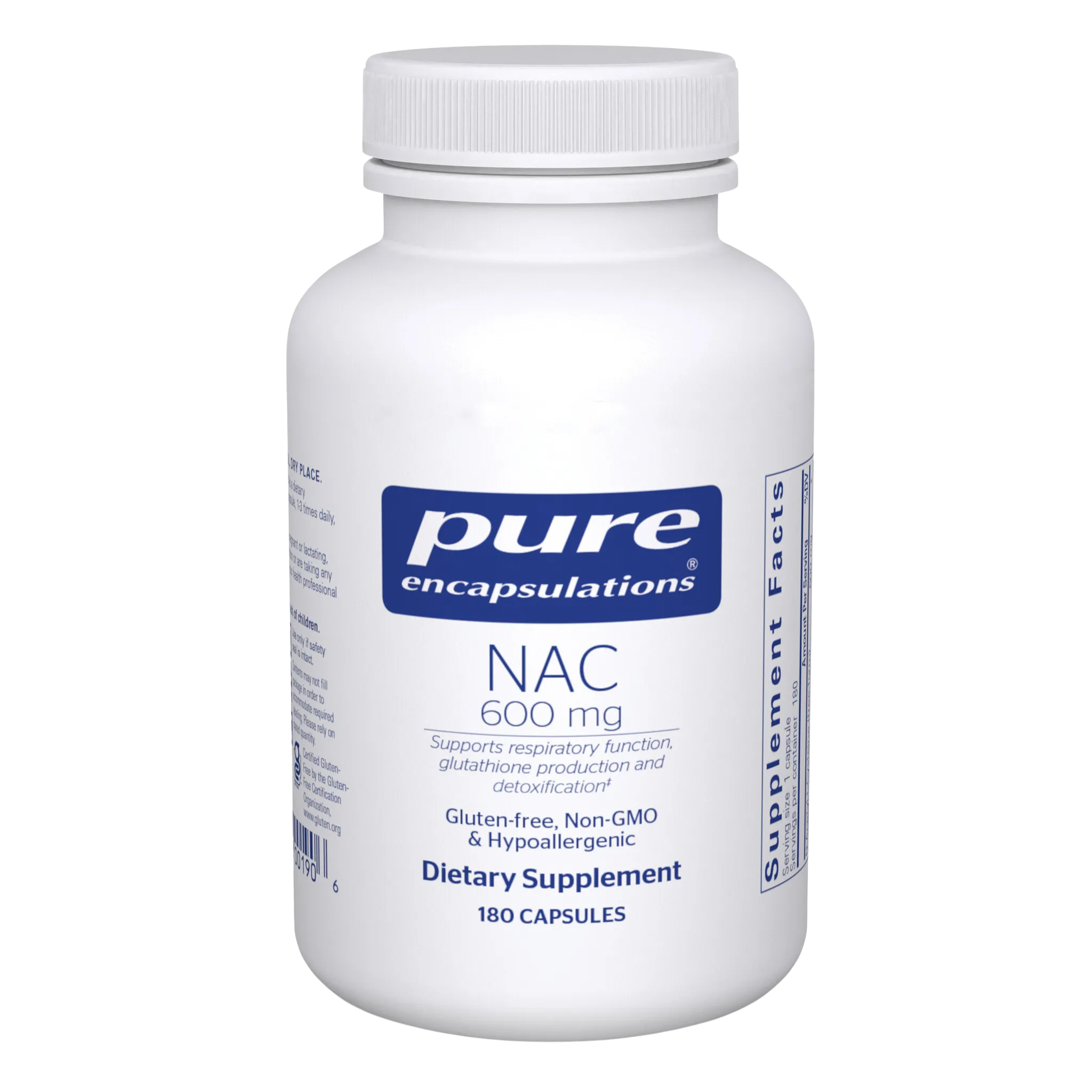
N-Acetyl-l-Cysteine (NAC) is an acetylated derivative of the naturally occurring dietary amino acid L-cysteine. In a healthy, optimally functioning body, its primary and most critical role is to serve as a highly efficient precursor to glutathione (GSH). Glutathione is a vital tripeptide molecule composed of three amino acids: glutamate, glycine, and cysteine. In the medical and scientific communities, glutathione is universally referred to as the body's "master antioxidant" because it serves as the primary, frontline defense mechanism against reactive oxygen species (ROS) and widespread cellular damage. It works by willingly donating an electron to unstable, destructive free radicals, thereby neutralizing them before they can tear through delicate cellular membranes, proteins, and mitochondrial DNA in a destructive process known as lipid peroxidation.
Within the intracellular environment, the amino acid cysteine is typically present in the lowest concentration among the three required building blocks, making it the absolute rate-limiting bottleneck for the synthesis of new glutathione. When the body is under severe stress or fighting an infection, it quickly burns through its existing glutathione reserves, and the natural supply of dietary cysteine simply cannot keep up with the demand for rapid replenishment. By providing a highly bioavailable, easily transported source of cysteine, NAC effectively bypasses this natural biological bottleneck. It rapidly drives the enzymatic production of intracellular glutathione, ensuring that the cells have the ammunition they need to extinguish the fires of oxidative stress and maintain cellular homeostasis.
The Mucolytic Mechanism: Breaking Down Congestion
Beyond its profound role in systemic antioxidant production, NAC is internationally renowned for its potent mucolytic properties, meaning it possesses the unique biochemical ability to thin, break down, and clear thick mucus from the respiratory tract. In healthy lungs, mucus is a thin, protective fluid. However, during respiratory infections or chronic lung inflammation, mucus viscosity increases dramatically. This thickness is largely determined by the overproduction of mucoprotein polymers, known as mucins, which become heavily cross-linked and tangled together by strong molecular bridges called disulfide bonds. These bonds turn the mucus into a thick, sticky, and immovable gel that traps bacteria and restricts airflow.
NAC contains a highly active, free nucleophilic sulfhydryl (thiol or –SH) functional group. When introduced into the respiratory system, this sulfhydryl group directly interacts with the mucin polymers and performs a targeted disulfide exchange reaction. It literally cleaves and breaks the strong disulfide bonds holding the mucus matrix together. By systematically breaking these structural links, NAC severely reduces the thickness, elasticity, and adhesiveness of the mucus. This transforms the thick gel back into a thin liquid, making it significantly easier for the patient to clear their airways through natural expectoration and coughing, thereby restoring healthy respiratory function and reducing the risk of secondary bacterial infections.
A Legacy in Emergency Medicine and Detoxification
It is important to recognize that NAC is not merely a standard dietary supplement; it has a long, established, and highly respected history in conventional allopathic medicine. In fact, it is officially recognized by the World Health Organization (WHO) as an essential medicine. For decades, intravenous and oral NAC has been the absolute standard-of-care, FDA-approved antidote for severe acetaminophen (Tylenol) overdose in emergency departments and intensive care units worldwide. This specific medical application perfectly illustrates the sheer biochemical power of NAC in supporting the body's detoxification pathways.
In cases of an acetaminophen overdose, the liver is overwhelmed by a highly toxic metabolite known as NAPQI. This toxin rapidly and violently depletes the liver's entire storage of glutathione, leading to acute, life-threatening liver failure and hepatic necrosis within hours. The intravenous administration of NAC acts as a rapid rescue protocol. It swiftly and aggressively replenishes these critical hepatic glutathione pools, allowing the liver to safely conjugate, detoxify, and excrete the harmful NAPQI compounds before irreversible tissue damage occurs. This profound ability to rescue the liver's primary detoxification pathways underscores why NAC is so highly valued in functional medicine for supporting systemic detox regimens and protecting organ health.
How Long COVID and ME/CFS Impact Your Cellular Defenses
The Glutathione Crash and Unchecked Oxidative Stress
To truly understand why NAC is so incredibly relevant for managing complex chronic illnesses, we must first look at What Causes Long COVID? and ME/CFS at a microscopic, cellular level. Current biomedical research consistently points to a state of severe, unresolving, and systemic oxidative stress as a primary driver of these conditions. When the human body fights off a severe viral infection like SARS-CoV-2, the immune system intentionally generates massive amounts of reactive oxygen species (ROS) as a necessary defense mechanism to destroy the invading pathogen. In a healthy, normal recovery process, the body's robust glutathione reserves step in to neutralize these free radicals once the viral threat has been eliminated, restoring balance and allowing tissues to heal.
However, in patients who develop Long COVID and ME/CFS, this delicate redox system becomes completely overwhelmed and fundamentally broken. Advanced proton magnetic resonance spectroscopy (1H MRS) brain imaging studies have revealed shocking data: patients with ME/CFS suffer from a staggering 36% deficit in cortical glutathione compared to healthy, age-matched individuals. Without this vital antioxidant shield in place, unchecked oxidative stress runs rampant. It continuously damages cellular membranes, misfolds critical proteins, and directly attacks the mitochondria (the energy-producing powerhouses of the cell). This locks the patient's body in a vicious, inescapable cycle of cellular energy failure, persistent systemic inflammation, and profound physical exhaustion.
Micro-Clotting and Vascular Inflammation
Another critical piece of the complex pathophysiology observed in Long COVID, ME/CFS, and related forms of dysautonomia is the persistent presence of microvascular inflammation and widespread micro-clotting. Researchers have discovered that the lingering spike protein from the SARS-CoV-2 virus, along with chronic endothelial inflammation, can trigger the continuous overproduction of von Willebrand factor (vWF). This is a key blood-clotting glycoprotein that normally helps seal wounds. However, in Long COVID, elevated vWF leads to the formation of microscopic, amyloid-like blood clots in the bloodstream that stubbornly resist the body's natural fibrinolytic (clot-breaking) processes.
These persistent micro-clots create a severe mechanical problem: they physically clog the tiny, delicate capillaries that are responsible for supplying vital oxygen and nutrients to the brain, vital organs, and skeletal muscles. This chronic state of cellular hypoxia (a severe lack of oxygen at the tissue level) is now believed to be a primary physiological driver of the profound physical exhaustion, heavy limbs, and debilitating post-exertional malaise (PEM) that patients experience. When you exert yourself, your muscles literally cannot extract the oxygen they desperately need from the bloodstream to generate cellular energy, leading to a catastrophic metabolic crash and days of forced bed rest.
Neuroinflammation and the Glutamate Imbalance
The human brain is particularly vulnerable to the systemic inflammation and oxidative stress seen in these complex post-viral conditions. In Long COVID, researchers have identified significant and damaging disruptions in brain chemistry, particularly involving the glutamatergic system and the kynurenine metabolic pathway. Chronic, systemic immune activation—often driven by persistent viral reservoirs or autoantibodies—triggers the upregulation of an enzyme in the brain called KAT-II. This enzyme is responsible for converting kynurenine into a neuroactive compound known as kynurenic acid (KYNA).
In a healthy brain, KYNA levels are tightly controlled. However, in Long COVID and ME/CFS, elevated levels of KYNA severely disrupt normal glutamate signaling in the prefrontal cortex. The prefrontal cortex is the specific area of the brain responsible for high-level executive function, working memory, focus, and information processing. This cascading neuroinflammatory loop, combined with the resulting glutamate imbalance and microglial cell activation, are the direct biochemical culprits behind the debilitating "brain fog" that leaves patients struggling to find basic words, multitask, or remember simple daily information.
NAC: Supporting Antioxidant Defense and Respiratory Function
Restoring the Glutathione Reservoir
Supplementing with NAC (N-Acetyl-l-Cysteine) offers a direct, highly targeted mechanistic intervention to repair these broken cellular defenses and restore metabolic balance. While directly taking oral glutathione supplements is notoriously ineffective because the fragile molecule is poorly absorbed and rapidly broken down by digestive enzymes in the gastrointestinal tract, NAC successfully bypasses these physiological hurdles. Once ingested and absorbed, NAC easily crosses cell membranes and the highly selective blood-brain barrier. Once inside the cytoplasm of the cell, it is rapidly deacetylated by enzymes into free L-cysteine, providing the exact, rate-limiting raw material the brain, lungs, and liver desperately need.
This influx of free cysteine feeds directly into the γ-glutamylcysteine synthetase pathway, synthesizing fresh glutathione in situ (on-site, exactly where it is needed most). By rapidly and aggressively restoring the intracellular glutathione pool, NAC effectively neutralizes the rampant reactive oxygen species (ROS) that drive mitochondrial dysfunction. It acts to reduce the oxidized, inactive form of glutathione (GSSG) back into its active, protective reduced form (GSH). This massive boost in antioxidant capacity lowers systemic inflammation, protects delicate cellular machinery from further oxidative damage, and allows the mitochondria to resume efficient ATP (energy) production.
Dissolving Micro-Clots and Restoring Oxygen Flow
Beyond its profound antioxidant capabilities, NAC acts as a safe, targeted, and highly effective thrombolytic (anti-clotting) agent, which is incredibly relevant for addressing the vascular and endothelial issues seen in Long COVID. The molecular structure of the von Willebrand factor (vWF)—the specific protein responsible for creating the stubborn, amyloid-like micro-clots—relies heavily on complex disulfide bonds to maintain its shape, rigidity, and clotting function. Just as NAC utilizes its free sulfhydryl group to cleave the disulfide bonds in thick respiratory mucus, it applies the exact same biochemical mechanism to the bloodstream.
By directly interacting with and breaking down the disulfide bonds within the vWF polymers, NAC effectively dissolves these microscopic clots. By clearing the microvascular blockages, NAC helps to restore proper, unimpeded blood flow and vital oxygen delivery through the capillary networks to the oxygen-starved tissues. This improved microcirculation is absolutely essential for alleviating the physical fatigue, muscular burning, and heavy sensation that characterize post-exertional malaise, as it finally allows the skeletal muscles to receive the oxygen required for aerobic respiration.
Regulating Brain Chemistry and Neuroinflammation
NAC also plays a profound and heavily researched role in modulating the specific brain chemistry imbalances that cause severe cognitive dysfunction. Clinical research has demonstrated that NAC effectively inhibits the hyperactive KAT-II enzyme, thereby halting the excessive production of kynurenic acid (KYNA) in the brain. By actively lowering KYNA levels, NAC helps to restore normal, healthy glutamate homeostasis and synaptic signaling in the prefrontal cortex, directly addressing the root cause of post-viral brain fog.
Furthermore, because NAC easily crosses the blood-brain barrier to boost local, cortical glutathione levels, it directly quells the severe neuroinflammation driven by hyperactive microglial cells. Microglia are the immune cells of the brain, and when they are stuck in a chronic inflammatory state, they release a constant stream of neurotoxic cytokines. This dual action—precisely regulating neurotransmitter signaling while simultaneously extinguishing the oxidative fires within the brain tissue—makes NAC a uniquely powerful and indispensable tool for addressing the complex neurological and cognitive symptoms of post-viral syndromes.

Symptoms NAC May Help Manage
Cognitive and Neurological Symptoms
Severe Brain Fog and Memory Loss: By actively regulating glutamate signaling and significantly reducing kynurenic acid (KYNA) levels in the prefrontal cortex, NAC helps restore executive function, working memory, and the cognitive ability to multitask without severe mental fatigue.
Chronic Neuroinflammation: NAC efficiently crosses the blood-brain barrier to synthesize glutathione directly within the brain tissue, neutralizing the localized oxidative stress and calming the microglial activation that drives chronic, persistent neurological symptoms.
Sensory Overload and Overstimulation: By stabilizing delicate neurotransmitter balances and reducing systemic neuroinflammation, NAC may help calm a hyper-reactive central nervous system, thereby reducing the painful hypersensitivity to light, sound, and environmental stimuli often seen in ME/CFS.
Physical Fatigue and Energy Impairment
Post-Exertional Malaise (PEM): By dissolving von Willebrand factor (vWF) micro-clots, NAC restores critical capillary blood flow and oxygen delivery to skeletal muscles, helping to prevent the hypoxic cellular crashes that trigger severe PEM after minor exertion.
Chronic Physical Exhaustion: NAC actively protects the vulnerable mitochondria from reactive oxygen species (ROS) damage, allowing these cellular powerhouses to resume efficient ATP (energy) production rather than being locked in a debilitating state of oxidative stress and metabolic shutdown.
Muscle Aches and Lactic Acid Buildup: By improving tissue oxygenation and mitochondrial efficiency, NAC helps lower the abnormal, painful accumulation of lactate in the brain and muscles, which brain imaging studies have strongly correlated with physical pain and heavy fatigue.
Respiratory and Systemic Symptoms
Shortness of Breath (Dyspnea): NAC's potent, targeted mucolytic action cleaves the strong disulfide bonds in thick respiratory mucus, rapidly thinning secretions and making it significantly easier to clear the airways, expand the lungs, and breathe deeply.
Chronic Cough and Chest Congestion: By reducing localized oxidative stress in the fragile lung tissue, NAC downregulates the genetic overproduction of mucins and soothes the inflammatory pathways that trigger persistent, dry, or productive coughing.
Impaired Liver Detoxification: As a direct, highly bioavailable precursor to glutathione, NAC rapidly replenishes the liver's primary antioxidant reserves, powerfully supporting the body's natural ability to process, conjugate, and excrete metabolic waste, medications, and environmental toxins.
Practical Considerations: Forms, Dosing, and Absorption
Understanding Bioavailability and Absorption
When considering NAC supplementation as part of your management protocol, it is absolutely crucial to understand its unique pharmacokinetic profile to ensure you are getting the maximum clinical benefit. The oral bioavailability of standard NAC is remarkably low, typically ranging between a mere 4% and 10%. This low absorption rate is due to the fact that NAC undergoes extensive "first-pass metabolism" in the gastrointestinal tract walls and the liver. During this process, the vast majority of the ingested compound is rapidly metabolized, broken down, and incorporated into tissue proteins before it can ever reach systemic circulation in the bloodstream.
Despite this seemingly low systemic bioavailability, extensive clinical studies consistently demonstrate that oral NAC is still highly effective at raising intracellular glutathione levels. The small percentage of the compound that does successfully reach the bloodstream is highly active and efficiently taken up by the cells that need it most. To maximize your absorption and get the most out of your supplement, it is generally recommended to take NAC on an empty stomach, ideally between meals. Taking it away from food prevents dietary proteins and other competing amino acids from blocking its specific absorption pathways in the gut lining.
Clinical Dosing Strategies
Proper dosing for NAC varies significantly depending on the specific clinical target, the severity of the condition, and individual patient tolerance. For general antioxidant support, liver health, and mild respiratory maintenance, standard over-the-counter doses typically range from 600 mg to 1,200 mg per day. Because NAC has a relatively short terminal half-life of roughly 5.6 hours in the body, these doses are often divided into two or three smaller doses taken throughout the day to maintain consistent, therapeutic blood levels.
However, in clinical trials specifically targeting the severe oxidative stress, micro-clotting, and brain chemistry deficits seen in ME/CFS and Long COVID, researchers have utilized much higher, targeted dosages. Some post-COVID protocols utilize 1,200 mg twice daily (totaling 2,400 mg), while specific ME/CFS clinical trials have administered up to 1,800 mg or even 3,600 mg per day to establish therapeutic ceilings and force the compound across the blood-brain barrier. Patients should always start with a lower dose, such as a single 600 mg capsule, to assess gastrointestinal tolerance, as high doses can occasionally cause mild nausea or upset stomach, before gradually titrating upward under close medical supervision.
Potential Interactions and Safety Profiles
While NAC is widely considered very safe, is well-tolerated by most individuals, and is an FDA-approved medication, it does have several important drug interactions that patients must be acutely aware of. Because NAC possesses mild antiplatelet (blood-thinning) properties, combining it with prescription blood thinners, NSAIDs (like ibuprofen), or daily aspirin may slightly increase the risk of bruising or bleeding. A severe, potentially dangerous interaction can occur if NAC is taken alongside nitroglycerin (a medication used for chest pain), as the combination can cause excessive nitric oxide production and vasodilation, leading to dangerous drops in blood pressure and severe, throbbing headaches.
Additionally, if you are using activated charcoal supplements for gastrointestinal issues, mold toxicity, or detoxification protocols, it must be taken at least two to three hours apart from your NAC dose. Activated charcoal is highly porous and will physically bind to the NAC in your digestive tract, completely blocking its absorption and rendering the supplement useless. Always consult with a knowledgeable healthcare provider to ensure NAC is appropriate and safe for your specific, individualized medication regimen, especially if you are currently exploring What Drugs Are Used for COVID Long Haulers? and managing multiple prescriptions.

Follow the Science: Clinical Trials and Research
The Yale Protocol for Post-COVID Brain Fog
The clinical evidence supporting the use of NAC for complex chronic illnesses is rapidly expanding, particularly regarding its profound impact on cognitive dysfunction. In late 2022, researchers at the prestigious Yale School of Medicine published a highly influential and widely cited study in Neuroimmunology Reports evaluating a novel, repurposed treatment protocol for Long COVID brain fog. Recognizing the striking pathophysiological similarities between post-COVID cognitive deficits and traumatic brain injury (TBI), the researchers treated a cohort of 12 patients with a combination therapy. The protocol included 600 mg of NAC taken daily, alongside Guanfacine, an FDA-approved medication traditionally used for ADHD and TBI recovery.
The clinical results of this targeted intervention were striking and highly encouraging. Eight out of the 12 patients in the cohort reported substantial, life-changing benefits, including recovered short-term memory, dramatically improved organizational skills, and a restored ability to multitask without triggering a cognitive crash. For some patients in the study, the debilitating brain fog completely resolved. In one notable case, a patient temporarily discontinued the medication and saw her cognitive deficits immediately return; when she resumed the NAC and Guanfacine protocol, her brain fog lifted once again, strongly reinforcing the direct efficacy of the treatment and prompting urgent calls for larger, randomized clinical trials.
Normalizing Brain Chemistry in ME/CFS
In the complex realm of myalgic encephalomyelitis/chronic fatigue syndrome, some of the most groundbreaking and mechanically rigorous research has been spearheaded by Dr. Dikoma Shungu at Weill Cornell Medicine. Utilizing highly advanced proton magnetic resonance spectroscopy (1H MRS) brain imaging techniques, Dr. Shungu's team definitively identified a profound 36% deficit in cortical glutathione in ME/CFS patients compared to healthy controls. To test a solution, they conducted an NIH-funded pilot study where ME/CFS patients were administered 1,800 mg of NAC per day for a period of four weeks.
The subsequent brain imaging results were nothing short of remarkable. The data demonstrated that the oral NAC successfully crossed the blood-brain barrier and completely normalized the severe glutathione deficits in the cortex. By restoring this vital antioxidant shield and lowering toxic brain lactate levels, the patients experienced a statistically significant reduction in their core clinical symptoms, including physical fatigue and cognitive impairment. This undeniable success has directly led to an ongoing, multi-million dollar Phase 2 clinical trial (NCT04542161) featuring a placebo group, a 900 mg cohort, and a massive 3,600 mg cohort, designed to further validate NAC as a primary, disease-modifying therapy for ME/CFS.
Targeting Micro-Clots in Recent 2025 Studies
The most recent and cutting-edge clinical data continues to highlight NAC's multifaceted mechanisms of action, particularly its unique ability to address vascular inflammation and endothelial damage. A retrospective clinical study published in early 2025 specifically evaluated NAC's efficacy in treating physical fatigue, shortness of breath, and brain fog by directly targeting the phenomenon of micro-clotting. The researchers focused on patients who exhibited chronically elevated levels of von Willebrand factor (vWF), the specific glycoprotein responsible for stubborn micro-clot formation in Long COVID.
In this study, patients were administered oral NAC at robust doses ranging from 600 mg to 1,200 mg twice daily (BID). The clinical outcomes were highly significant: 100% of the patients utilizing the NAC supplement reported major subjective improvements in their core physical and cognitive symptoms. Crucially, follow-up blood tests showed a complete, objective normalization of their vWF clotting factor levels, effectively proving that the NAC had dissolved the micro-clots. In stark contrast, zero patients in the control group experienced these improvements (yielding a highly significant Fisher's exact P-value of 0.0119). These findings strongly support NAC's vital role as a potent, safe antithrombotic agent in post-viral recovery protocols.
The Path Forward
Validating Your Experience
Living day-to-day with Long COVID, ME/CFS, or severe dysautonomia is an incredibly challenging, isolating, and exhausting journey. This burden is often made significantly harder by navigating a traditional medical system that frequently struggles to understand, diagnose, or treat complex, invisible illnesses. If you are exhausted by the constant, agonizing cycle of wondering How Long Does Long COVID Last? and trying to manage the unpredictable nature of your daily symptoms, please know that your frustration is completely valid. The profound, heavy fatigue, the terrifying cognitive blankness of brain fog, and the persistent chest congestion are not anxiety, and they are not in your head. They are the direct result of measurable, physiological disruptions, ranging from depleted antioxidant reserves to microscopic vascular inflammation. Acknowledging the true biological reality of your condition is the first, most validating, and most important step toward finding effective, science-backed management strategies.
Integrating NAC into Your Protocol
While there is currently no single "magic pill" or definitive cure for these highly complex, multi-system conditions, targeted nutritional and biochemical support can play a truly vital role in restoring your body's baseline function. NAC offers a scientifically grounded, heavily researched approach to replenishing your master antioxidant, glutathione, while simultaneously addressing the micro-clotting and neuroinflammation that drive your most debilitating post-viral symptoms. However, it is critically important to remember that supplements are just one piece of a much larger, comprehensive management puzzle. Effective, long-term management requires a holistic approach that includes aggressive resting, strict energy pacing to avoid post-exertional crashes, autonomic nervous system regulation, and ongoing, compassionate medical supervision. Learning How Can You Live with Long-Term COVID involves building a multifaceted toolkit tailored specifically to your unique biology and symptom presentation.
Next Steps in Your Healing Journey
As you continue to navigate the deep complexities of chronic illness and post-viral recovery, you deserve access to high-quality, evidence-based tools that genuinely support your cellular health and address the root causes of your symptoms. If you are interested in exploring how targeted antioxidant therapy and mucolytic support might fit into your personal recovery protocol, we strongly encourage you to discuss NAC with your primary healthcare provider or a specialist familiar with complex chronic conditions. They can help you determine the most appropriate and effective dosage, monitor for any potential drug interactions with your current medications, and ensure that this intervention perfectly aligns with your broader, long-term treatment goals.
Sources
The Central Nervous System Modulatory Activities of N-Acetylcysteine
Mechanism of Action of N-Acetylcysteine in the Protection Against Hepatotoxicity
Advances in the Use of N-Acetylcysteine in Chronic Respiratory Diseases
Mechanistic Assessment of N-Acetylcysteine as an Antioxidant Therapy for ME/CFS
Targeting von Willebrand Factor and Micro-clotting in Long COVID with N-Acetylcysteine