Can PureDefense w/NAC Support Immune Health and Respiratory Function in Long COVID and ME/CFS?
March 6, 2026
PureDefense w/NACLong COVIDME/CFS
Share:
Disclaimer: The information provided here is for educational purposes only and is not intended as medical advice. It should not be used to diagnose, treat, cure, or prevent any medical condition. Instead, use it as a starting point for discussion with your healthcare provider. Always consult with a qualified healthcare provider before starting any new medication, supplement, device, or making changes to your health regimen.
Months or even years after an acute viral infection, many individuals find themselves trapped in a cycle of debilitating symptoms, navigating the complex realities of Long COVID, myalgic encephalomyelitis/chronic fatigue syndrome (ME/CFS), and dysautonomia. A core feature of these invisible illnesses is profound immune dysregulation, where the body's defense systems either fail to clear lingering threats or become hyper-reactive to everyday stimuli. Patients often experience a frustrating combination of respiratory issues, cognitive impairment, and a susceptibility to frequent infections that further drain their limited energy reserves. The persistent nature of these symptoms highlights the need for targeted interventions that address the root causes of immune dysfunction and cellular exhaustion.
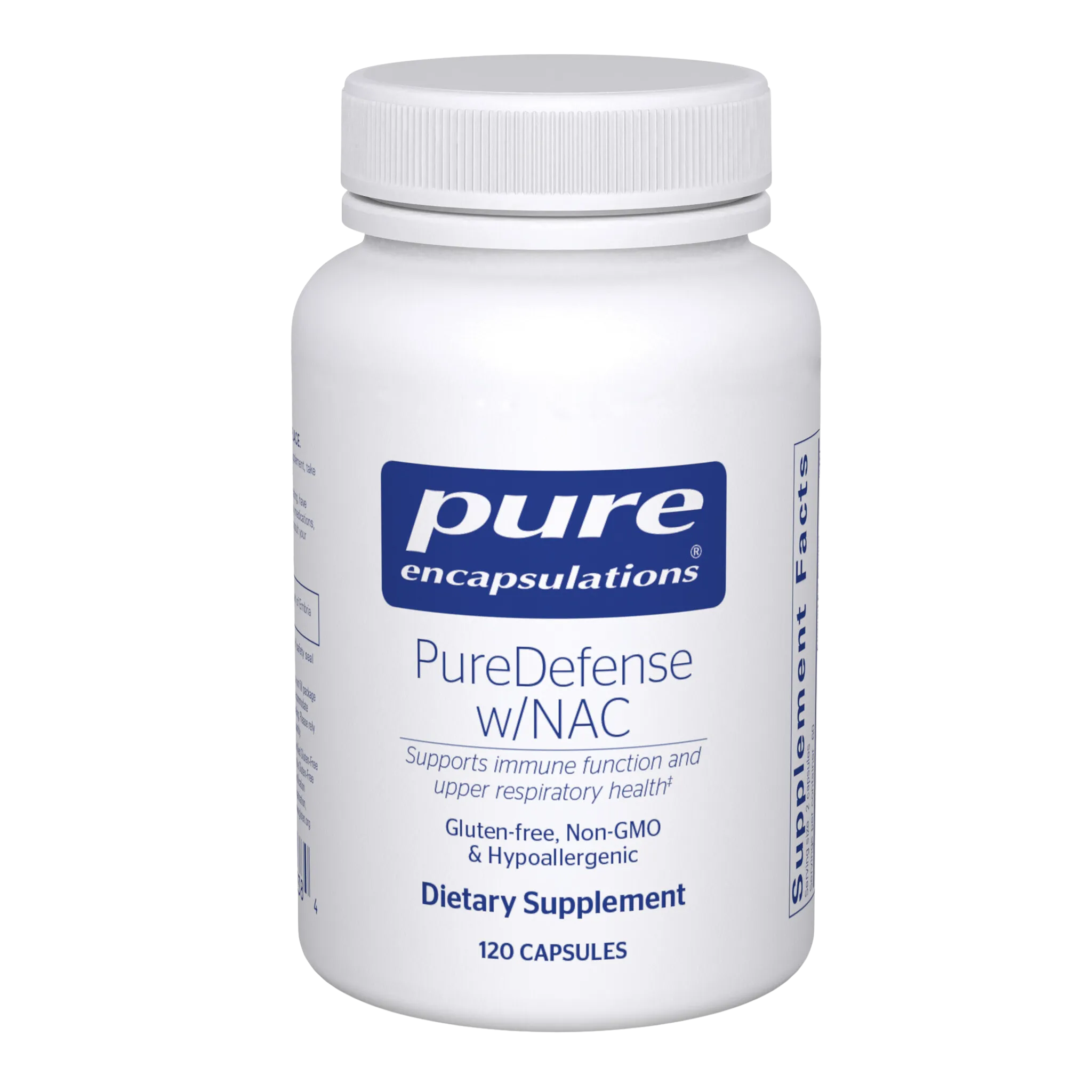
Addressing this multifaceted immune dysfunction requires a comprehensive approach that targets both the innate and adaptive immune systems while managing severe oxidative stress. PureDefense w/NAC by Pure Encapsulations is a targeted formula designed to provide broad-spectrum immune and respiratory support. By combining N-acetyl-l-cysteine (NAC), the postbiotic fermentate EpiCor, and mast-cell-stabilizing flavonoids like quercetin, this supplement aims to restore cellular antioxidant defenses and promote balanced immune responses. In this comprehensive guide, we will explore the intricate biological mechanisms behind these ingredients, delve into the latest clinical research, and examine how they may offer supportive care for those battling complex chronic conditions.
What is PureDefense w/NAC?
To understand the foundational benefits of this supplement, we must first examine N-acetyl-l-cysteine (NAC), a highly stable and bioavailable form of the amino acid L-cysteine. In a healthy body, L-cysteine serves as the critical, rate-limiting building block for the synthesis of glutathione, often referred to as the body's "master antioxidant." Glutathione is a tripeptide composed of three amino acids: glutamine, glycine, and cysteine. Because cysteine is relatively rare in the standard diet and is rapidly depleted during times of physiological stress, supplementing with NAC provides the essential raw materials needed to keep glutathione production running optimally. This biochemical pathway is vital for maintaining cellular homeostasis and protecting tissues from damage.
At the molecular level, glutathione operates within the mitochondria—the energy-producing powerhouses of our cells—to neutralize reactive oxygen species (ROS). During the process of cellular respiration, the electron transport chain naturally produces free radicals as a byproduct of generating adenosine triphosphate (ATP). Glutathione acts as an electron donor, safely reducing highly reactive molecules like hydrogen peroxide into harmless water through the action of the enzyme glutathione peroxidase. Without adequate glutathione, these free radicals accumulate, leading to severe oxidative stress that damages mitochondrial DNA, lipid membranes, and cellular proteins. By replenishing intracellular glutathione levels, NAC directly supports the structural integrity and energy output of our cells.
Beyond its role as an antioxidant precursor, NAC possesses unique pharmacological properties that directly benefit the respiratory system. It acts as a potent mucolytic agent, meaning it has the ability to physically break down and thin thick, viscous mucus in the lungs and respiratory tract. It achieves this by cleaving the disulfide bonds that hold mucin glycoprotein polymers together. By disrupting these structural cross-links, NAC reduces the elasticity and viscosity of pulmonary secretions, making it significantly easier for the body's ciliary clearance mechanisms to expel mucus. This dual action—systemic antioxidant support and localized respiratory clearance—makes NAC a cornerstone ingredient in managing post-viral respiratory complications.
The second major component of this formula is EpiCor, a proprietary, clinically tested whole-food fermentate derived from Saccharomyces cerevisiae, commonly known as baker's or brewer's yeast. Unlike probiotics, which are live bacterial strains, or prebiotics, which are fibers that feed bacteria, EpiCor is classified as a postbiotic. It is created through a highly specialized, patented fermentation process where the yeast is subjected to specific environmental stresses, such as oxygen deprivation. In response to this stress, the yeast produces a rich, complex matrix of survival compounds. Once the fermentation is complete, the yeast is gently dried and deactivated, capturing this unique profile of bioactive metabolites, proteins, polyphenols, vitamins, amino acids, and beta-glucans.
EpiCor's mechanism of action centers on its ability to rapidly modulate both the innate and adaptive branches of the immune system. One of its primary functions is the stimulation of Secretory Immunoglobulin A (sIgA), an antibody that plays a crucial role in mucosal immunity. sIgA is found in high concentrations in the mucous membranes lining the respiratory and gastrointestinal tracts, where it acts as the first line of defense against invading pathogens. By binding to viruses and bacteria, sIgA neutralizes them before they can penetrate the epithelial barrier and enter the bloodstream. Clinical studies have demonstrated that EpiCor supplementation can significantly elevate sIgA levels, thereby fortifying the body's natural physical barriers.
Furthermore, EpiCor exerts profound effects on the gut-immune axis. Because approximately 70% of the human immune system resides in the gut-associated lymphoid tissue (GALT), maintaining a healthy intestinal environment is paramount for systemic immune regulation. As a postbiotic, EpiCor provides direct nourishment to the intestinal lining and promotes the growth of beneficial commensal bacteria. These bacteria, in turn, ferment the complex fibers in EpiCor to produce short-chain fatty acids (SCFAs) like butyrate. Butyrate is essential for maintaining the tight junctions between intestinal cells, preventing the "leaky gut" phenomenon that often drives systemic inflammation in chronic illness.
To complement the actions of NAC and EpiCor, the formula includes quercetin, a naturally occurring polyphenol and flavonoid found in various fruits and vegetables. Quercetin is widely recognized in functional medicine for its potent mast-cell-stabilizing properties. Mast cells are specialized white blood cells that release histamine and other inflammatory mediators in response to perceived threats. Quercetin works at the cellular level by inhibiting the influx of calcium ions into mast cells, a critical step required for degranulation. By physically preventing the mast cells from breaking open and dumping their inflammatory contents, quercetin helps to calm hyper-reactive immune responses. You can learn more about managing these hyper-reactive states in our guide on Autoimmunity and Immune Dysregulation in Long COVID.
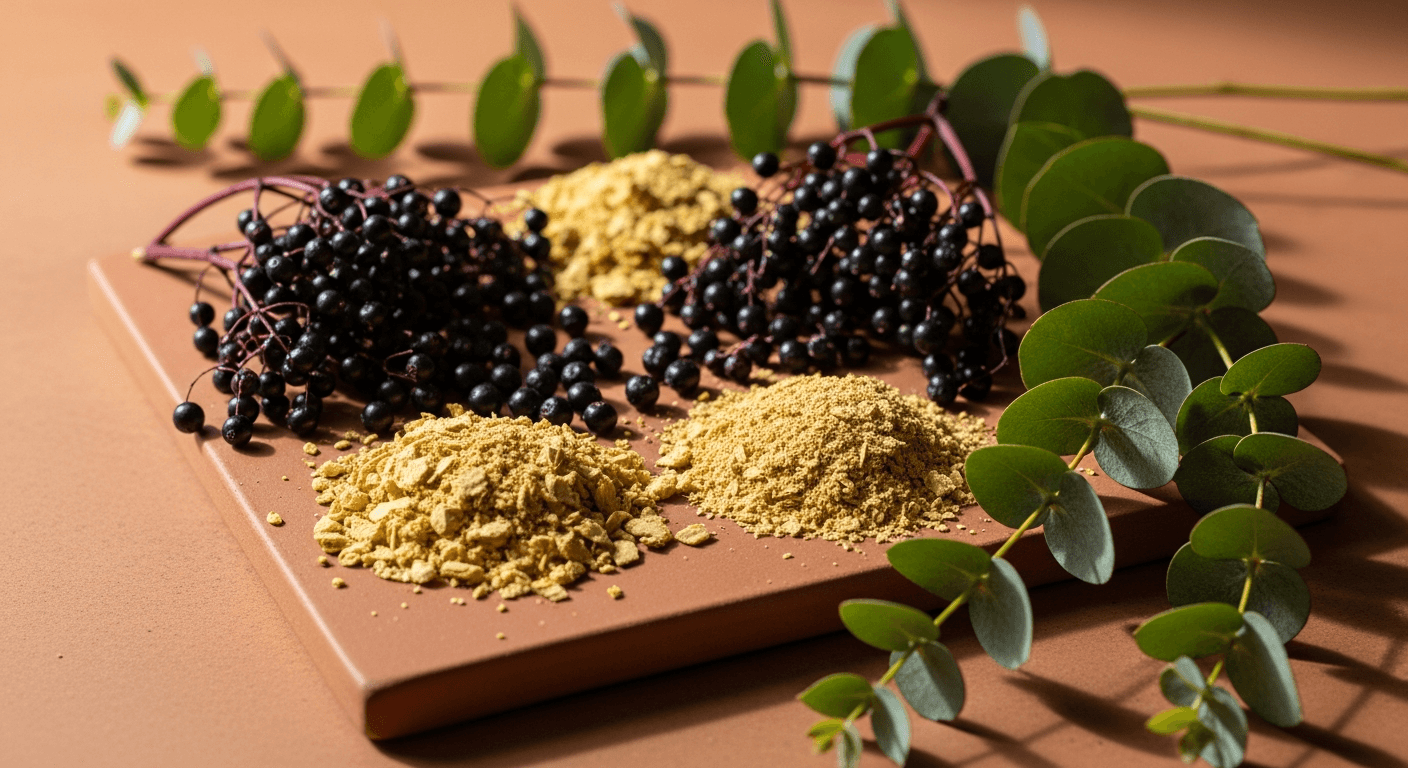
The inclusion of European elderberry (Sambucus nigra) extract provides an additional layer of immune support. Elderberries are exceptionally rich in anthocyanins, a class of dark purple pigments that function as powerful antioxidants. These compounds have been shown to modulate the production of cytokines, the chemical messengers that coordinate the immune response. While quercetin acts to stabilize and calm the immune system, elderberry provides a gentle stimulatory effect, encouraging the targeted release of cytokines needed to mount an effective defense against acute viral challenges. This delicate balance between stimulation and modulation is key to a functional immune response.
Finally, the formula is rounded out with foundational micronutrients: vitamin C, vitamin D3, and zinc. Vitamin C (ascorbic acid) acts as a primary aqueous antioxidant, recycling oxidized vitamin E and protecting immune cells from the oxidative damage they incur while fighting pathogens. Vitamin D3 is a critical immunomodulator that regulates the expression of hundreds of genes involved in immune cell differentiation, particularly the development of regulatory T cells (Tregs) that prevent autoimmunity. Zinc is an essential structural component of over 300 enzymes and is vital for the development and function of neutrophils, natural killer cells, and macrophages. Together, these ingredients create a comprehensive network of support for cellular defense mechanisms.
How Immune Dysregulation Impacts Long COVID and ME/CFS
In healthy individuals, the immune system mounts a swift, coordinated response to clear viral infections and then returns to a state of quiet surveillance. However, in conditions like Long COVID and ME/CFS, this process becomes severely derailed. A hallmark of these illnesses is the profound dysfunction of Natural Killer (NK) cells, a critical component of the innate immune system. NK cells are cytotoxic lymphocytes tasked with identifying and destroying virally infected cells and tumor cells. They do this by releasing perforin and granzymes, which punch holes in the target cell's membrane and induce apoptosis (programmed cell death). When NK cells are exhausted or dysfunctional, the body loses its ability to effectively clear lingering viral reservoirs.
Recent groundbreaking research has shed light on the molecular mechanisms driving this NK cell failure. Studies have demonstrated that patients with Long COVID and ME/CFS exhibit impaired function of Transient Receptor Potential Melastatin 3 (TRPM3) ion channels on their NK cells. These ion channels are responsible for regulating the influx of calcium into the cell. Calcium mobilization is an absolute prerequisite for NK cells to release their cytotoxic granules. Because the TRPM3 channels are dysfunctional, the NK cells cannot absorb the necessary calcium, rendering them effectively "disarmed." This inability to clear intracellular pathogens allows viral fragments, such as the SARS-CoV-2 spike protein, to persist in tissues, driving chronic, low-grade inflammation and immune exhaustion.
This persistent viral presence forces the adaptive immune system (T cells and B cells) to remain in a state of constant, high-alert activation. Over time, this chronic stimulation leads to T cell exhaustion, where the cells express inhibitory receptors and lose their effector functions. The resulting immune landscape is one of paradoxical dysfunction: the immune system is simultaneously overactive (driving systemic inflammation and autoimmune phenomena) and underactive (failing to clear the actual viral triggers). This complex dynamic requires therapeutic interventions that can modulate, rather than simply stimulate, immune activity.
The relentless activation of the immune system in Long COVID and ME/CFS exacts a massive metabolic toll on the body, primarily in the form of severe oxidative stress. When immune cells, particularly macrophages and neutrophils, battle perceived threats, they utilize a process called the "respiratory burst" to release large quantities of reactive oxygen species (ROS) designed to destroy pathogens. While effective in acute scenarios, chronic immune activation means these ROS are produced continuously, overwhelming the body's endogenous antioxidant defense systems. This sustained oxidative stress causes widespread damage to cellular lipids, proteins, and DNA, fundamentally disrupting normal physiological function.
The most critical consequence of this oxidative onslaught is the rapid depletion of intracellular glutathione. Pioneering research by Dr. Dikoma Shungu at Weill Cornell Medicine utilizing advanced neuroimaging techniques has revealed that patients with ME/CFS suffer from a staggering 36% deficit of cortical (brain) glutathione compared to healthy controls. This profound deficiency indicates that the brain is under severe, unmitigated oxidative stress. Because the brain consumes roughly 20% of the body's total energy and is highly susceptible to lipid peroxidation, this lack of antioxidant protection directly contributes to neuroinflammation, cognitive dysfunction, and the debilitating "brain fog" characteristic of these conditions.
Furthermore, glutathione depletion creates a vicious cycle of mitochondrial dysfunction. Mitochondria rely heavily on glutathione to neutralize the free radicals generated during ATP production. When glutathione levels plummet, mitochondrial DNA is damaged, and the efficiency of the electron transport chain decreases. This results in lowered cellular energy output and an even greater production of ROS. This catastrophic failure of cellular energy production is a primary driver of post-exertional malaise (PEM), the defining symptom of ME/CFS and many cases of Long COVID, where even minor physical or cognitive exertion leads to a disproportionate and prolonged crash in functioning.
Another critical layer of immune dysregulation seen in these chronic conditions is Mast Cell Activation Syndrome (MCAS). Mast cells are ubiquitous throughout the body, situated at the interfaces between our internal tissues and the external environment, such as the skin, respiratory tract, and gastrointestinal lining. In MCAS, these cells become hyper-vigilant and structurally unstable, degranulating inappropriately in response to harmless triggers like specific foods, temperature changes, or emotional stress. This inappropriate degranulation floods the surrounding tissues and bloodstream with a massive payload of inflammatory mediators, including histamine, tryptase, prostaglandins, and leukotrienes.
The systemic release of these chemicals wreaks havoc on multiple organ systems. In the respiratory tract, histamine causes bronchoconstriction and excessive mucus production, leading to shortness of breath and chronic cough. In the gastrointestinal tract, it drives inflammation that compromises the integrity of the tight junctions between epithelial cells, exacerbating "leaky gut" and allowing further antigens to enter the bloodstream. This constant state of barrier dysfunction and systemic inflammation keeps the entire immune system locked in a defensive posture, preventing the body from shifting into the parasympathetic "rest and digest" state necessary for cellular repair and recovery.
Crucially, mast cell activation is intimately linked to the development of dysautonomia, particularly Postural Orthostatic Tachycardia Syndrome (POTS). Mast cells are located in close proximity to autonomic nerve fibers and blood vessels. When they degranulate, the released mediators cause profound vasodilation (widening of the blood vessels), which leads to blood pooling in the lower extremities. To compensate for this drop in blood pressure and maintain perfusion to the brain, the autonomic nervous system triggers a rapid increase in heart rate (tachycardia). Managing this mast cell hyperactivity is therefore a critical component of treating both the immune and autonomic symptoms of Long COVID and ME/CFS. You can explore more about these interconnected mechanisms in our article on Ketotifen: Unveiling Relief for the Hidden Battles of MCAS, Long COVID, ME/CFS, and Dysautonomia.
PureDefense w/NAC: Supporting Immune and Respiratory Function
The combination of ingredients in PureDefense w/NAC offers a multi-targeted approach to addressing the complex pathophysiology of immune dysregulation. The primary mechanism by which NAC supports recovery is through the aggressive restoration of intracellular glutathione levels. Because oral glutathione supplements are often degraded by digestive enzymes in the gastrointestinal tract before they can reach the bloodstream, providing the body with NAC—the rate-limiting precursor—is a highly effective strategy for boosting endogenous production. Once absorbed, NAC is readily taken up by cells and converted into L-cysteine, which is then rapidly incorporated into the glutathione tripeptide by the enzyme gamma-glutamylcysteine synthetase.
This restoration of glutathione is particularly crucial for protecting mitochondrial function. By replenishing the mitochondrial glutathione pool, NAC ensures that the reactive oxygen species generated during the electron transport chain are efficiently neutralized. This protects the delicate mitochondrial DNA from oxidative damage and preserves the structural integrity of the inner mitochondrial membrane, where ATP synthesis occurs. By safeguarding this energy-producing machinery, NAC helps to break the vicious cycle of oxidative stress and cellular energy failure, potentially alleviating the profound fatigue and post-exertional malaise that plague patients with Long COVID and ME/CFS.
Furthermore, NAC has demonstrated the ability to cross the blood-brain barrier, making it a vital tool for combating neuroinflammation. In the brain, astrocytes rely on a steady supply of cysteine to synthesize glutathione and protect surrounding neurons from oxidative damage. By increasing the availability of cysteine in the central nervous system, NAC helps to correct the severe cortical glutathione deficits observed in ME/CFS patients. This reduction in neuroinflammation is believed to be the primary mechanism behind NAC's ability to improve cognitive function, working memory, and the debilitating "brain fog" associated with post-viral syndromes.
Beyond its systemic antioxidant effects, NAC provides direct, localized support for respiratory function through its potent mucolytic properties. In conditions like Long COVID, chronic inflammation of the respiratory epithelium often leads to the overproduction of thick, tenacious mucus that impairs gas exchange and creates a breeding ground for secondary bacterial infections. The mucin glycoproteins that make up this mucus are heavily cross-linked by disulfide bonds, which give the mucus its thick, rubbery consistency. NAC contains a free sulfhydryl group that directly interacts with these disulfide bonds, cleaving them and breaking the mucin polymers into smaller, less viscous fragments.
By physically thinning the mucus, NAC restores the effectiveness of the mucociliary escalator—the microscopic hair-like projections (cilia) lining the respiratory tract that sweep mucus and trapped debris upward and out of the lungs. This improved clearance mechanism reduces airway resistance, alleviates chronic cough and congestion, and enhances overall pulmonary function. For patients dealing with the lingering respiratory sequelae of COVID-19, this localized mucolytic action provides crucial symptomatic relief while simultaneously reducing the risk of opportunistic respiratory tract infections.
While NAC focuses on antioxidant defense and respiratory clearance, EpiCor works to rapidly modulate and optimize the innate immune response. Clinical studies have shown that within just two hours of ingestion, EpiCor initiates significant changes in the activity of specific immune cell populations. It acts as an "immune surveillance" activator, prompting Natural Killer (NK) cells and T-cells to migrate from the bloodstream into mucosal tissues where they are most needed to defend against invading pathogens. This rapid mobilization ensures that the immune system is primed and ready to respond to threats without tipping into a state of chronic, hyper-inflammatory activation.
Crucially, EpiCor addresses the mucosal barrier dysfunction that often accompanies chronic illness. By significantly increasing the production and secretion of Secretory IgA (sIgA) in the saliva and gastrointestinal tract, EpiCor fortifies the body's primary physical defenses. sIgA acts as a neutralizing shield, binding to viruses, bacteria, and environmental allergens before they can interact with the epithelial lining. This enhanced barrier function is particularly beneficial for patients with dysautonomia and MCAS, as it reduces the antigenic load entering the bloodstream and minimizes the constant triggering of hyper-reactive mast cells.
Furthermore, EpiCor's postbiotic properties provide essential support for the gut microbiome. The complex matrix of metabolites, including beta-glucans and polyphenols, serves as a premium fuel source for beneficial commensal bacteria. As these bacteria thrive, they produce increased amounts of short-chain fatty acids (SCFAs) like butyrate, which exert potent anti-inflammatory effects locally in the gut and systemically throughout the body. By nurturing the gut-immune axis, EpiCor helps to resolve the underlying intestinal permeability ("leaky gut") that drives so much of the systemic inflammation seen in Long COVID and ME/CFS.
The inclusion of quercetin provides a targeted intervention for the mast cell hyperactivity that frequently complicates post-viral recovery. As a potent flavonoid, quercetin acts directly on the mast cell membrane, stabilizing its structure and inhibiting the intracellular calcium influx required for degranulation. By physically preventing the release of histamine, tryptase, and leukotrienes, quercetin helps to break the cycle of allergic-type reactions, systemic inflammation, and autonomic nervous system triggering. Additionally, quercetin inhibits the NF-κB signaling pathway, a master genetic switch that controls the production of pro-inflammatory cytokines, further dampening the overall inflammatory burden. For more information on managing immune dysregulation, see our guide on Aller-Essentials.
Elderberry extract complements quercetin by providing a rich source of antiviral anthocyanins. While quercetin calms hyper-reactive mast cells, elderberry gently stimulates the production of specific cytokines (such as IL-6 and TNF-alpha) needed to mount an effective defense against acute viral challenges. This dual approach—stabilizing the allergic/inflammatory response while supporting the antiviral response—helps to restore a state of balanced immune homeostasis. The synergistic combination of these flavonoids, along with the foundational support of vitamin C, vitamin D3, and zinc, ensures that the immune system has both the regulatory signals and the raw materials needed to function optimally.
Symptoms PureDefense w/NAC May Help Manage
Because PureDefense w/NAC addresses multiple interconnected pathways—including antioxidant defense, mast cell stabilization, and mucosal immunity—it may help manage a wide range of symptoms associated with complex chronic conditions. By supporting cellular health at the molecular level, this comprehensive formula targets the downstream effects of immune dysregulation and oxidative stress.
Brain Fog and Cognitive Dysfunction: By providing NAC to cross the blood-brain barrier and replenish cortical glutathione levels, the formula helps neutralize neuroinflammation and protect delicate neural tissues from oxidative damage, potentially improving working memory, focus, and mental clarity.
Respiratory Congestion and Shortness of Breath: The potent mucolytic action of NAC breaks down the disulfide bonds in thick pulmonary mucus, making it easier to clear from the lungs, while quercetin and elderberry help soothe inflamed respiratory epithelial tissues.
Frequent Viral Infections and Relapses: EpiCor's ability to rapidly activate Natural Killer (NK) cells and increase Secretory IgA (sIgA) production fortifies the body's innate defenses, helping to identify and clear lingering viral reservoirs and protect against new opportunistic infections.
Post-Exertional Malaise (PEM) and Severe Fatigue: By restoring intracellular glutathione, NAC protects the mitochondria from the oxidative stress generated during energy production, helping to stabilize ATP output and reduce the severity of cellular energy crashes following physical or cognitive exertion.
Mast Cell Reactivity and Allergic Symptoms: Quercetin acts as a natural mast cell stabilizer, inhibiting the release of histamine and other inflammatory mediators that drive systemic allergic reactions, hives, gastrointestinal distress, and autonomic nervous system triggering.
Gastrointestinal Discomfort and "Leaky Gut": The postbiotic metabolites in EpiCor nourish beneficial gut bacteria and increase the production of butyrate, which helps repair the intestinal lining, reduce local inflammation, and prevent undigested particles from triggering systemic immune responses.
While no single supplement can cure complex neuroimmune diseases, addressing these foundational biological pathways can significantly improve daily quality of life. By reducing the overall inflammatory burden and supporting efficient cellular function, PureDefense w/NAC provides essential tools for the body to begin the slow process of recovery and stabilization.
Practical Considerations: Forms, Dosing, and Absorption
When incorporating PureDefense w/NAC into a management protocol, understanding the pharmacokinetics and bioavailability of its ingredients is crucial for maximizing therapeutic benefits. NAC is known to have relatively low oral bioavailability, with only about 6% to 10% of an ingested dose successfully reaching systemic circulation. This is largely due to extensive first-pass metabolism in the liver and intestinal wall. To optimize absorption, it is generally recommended to take NAC-containing supplements on an empty stomach, at least 30 minutes before or two hours after meals. Taking NAC alongside dietary proteins can cause it to compete with other amino acids for absorption transporters in the gut, further reducing its efficacy.
Similarly, quercetin in its standard unformulated state has notoriously poor water solubility and low intestinal absorption (often around 1%). However, the presence of vitamin C in the PureDefense formula plays a synergistic role in enhancing quercetin's bioavailability. Vitamin C helps to protect quercetin from oxidative degradation in the digestive tract and can facilitate its uptake into the bloodstream. For patients seeking to maximize the mast-cell-stabilizing effects of quercetin, ensuring adequate concurrent vitamin C intake is a vital strategy. You can read more about the benefits of high-dose vitamin C in our guide on 1 Gram of Ascorbic Acid for Immune Health.
While the ingredients in PureDefense w/NAC offer robust support, patients with severe Mast Cell Activation Syndrome (MCAS) or highly reactive autoimmune conditions must approach immune-modulating formulas with nuance. Elderberry extract, while an excellent antiviral agent for the general population, acts as an immune stimulant. It actively increases the production of pro-inflammatory cytokines like IL-6 and TNF-alpha to fight infections. In a patient whose immune system is already locked in a hyper-inflammatory, overactive state, introducing an immune stimulant can sometimes act as "fuel on the fire," potentially triggering a flare-up of MCAS or dysautonomia symptoms.
Additionally, EpiCor is derived from the fermentation of Saccharomyces cerevisiae (yeast). While the final postbiotic product is highly purified and deactivated, individuals with severe systemic yeast sensitivities, mold illness (CIRS), or profound histamine intolerance may occasionally experience paradoxical reactions to fermented products. It is crucial for patients with complex, hyper-reactive nervous systems to start with a low dose and carefully monitor their body's response. Working closely with a functional medicine practitioner or immunologist can help determine if the immune-modulating benefits of EpiCor and quercetin outweigh the potential stimulatory risks of elderberry for your specific clinical presentation.
The standard suggested use for PureDefense w/NAC is two capsules, twice daily, ideally taken with meals as per the manufacturer's general guidelines (though, as noted above, taking it away from protein may optimize NAC absorption specifically). This dosage provides a robust 900 mg of NAC and 500 mg of EpiCor per day, aligning with the therapeutic doses utilized in many clinical trials. It is important to maintain consistent daily dosing, as the antioxidant and immune-modulating effects of these compounds build cumulatively over time. Patients typically need to trial the supplement for 4 to 8 weeks to accurately assess its impact on chronic symptoms like fatigue and respiratory clearance.
Regarding safety and interactions, NAC is generally well-tolerated, with mild gastrointestinal upset (nausea, diarrhea) being the most commonly reported side effect. However, because NAC can act as a mild blood thinner by inhibiting platelet aggregation, it should be used with caution in patients taking anticoagulant medications (like warfarin or Eliquis) or those with bleeding disorders. Furthermore, NAC can interact with certain medications, such as nitroglycerin, potentially causing severe headaches and hypotension. Always consult with your prescribing physician before adding high-dose NAC or complex immune formulas to your regimen, especially if you are managing multiple overlapping chronic conditions.

Follow the Science
The therapeutic potential of NAC for complex post-viral and neuroimmune conditions is supported by a growing body of compelling clinical research. A highly publicized 2022 clinical case study conducted by researchers at the Yale School of Medicine investigated the use of NAC in combination with the ADHD medication guanfacine for treating severe cognitive deficits ("brain fog") in Long COVID patients. The researchers hypothesized that NAC protects mitochondria and reduces neuroinflammation by blocking the production of kynurenic acid, a metabolite that disrupts brain signaling. In the study, 8 out of 12 patients taking 600 mg of NAC daily alongside guanfacine reported substantial, life-altering improvements in working memory, organizational skills, and multitasking abilities.
Further reinforcing the importance of NAC in neuroimmune disease is the pioneering work of Dr. Dikoma Shungu at Weill Cornell Medicine. Utilizing proton magnetic resonance spectroscopy, Dr. Shungu's team identified a massive 36% deficit of cortical glutathione in patients with ME/CFS. To address this, they conducted a pilot clinical trial supplementing ME/CFS patients with 1,800 mg of NAC per day for four weeks. The results were striking: the NAC supplementation successfully alleviated the in-vivo brain glutathione deficit (increasing levels by 15%), significantly reduced plasma markers of systemic oxidative stress, and led to a marked amelioration of subjective ME/CFS symptoms. This foundational research has paved the way for larger, ongoing NIH-funded clinical trials investigating high-dose NAC for chronic fatigue.
The clinical efficacy of EpiCor as an immune modulator is backed by over 15 published studies, including multiple randomized, double-blind, placebo-controlled human trials. A landmark 12-week trial published in Urologic Nursing evaluated 116 healthy adults during the winter cold and flu season. The study found that individuals taking the standard 500 mg daily dose of EpiCor experienced a statistically significant 21% reduction in the incidence of cold and flu symptoms compared to the placebo group. Furthermore, for those in the EpiCor group who did contract an illness, the duration of their symptoms was reduced by 14%, demonstrating the postbiotic's ability to enhance the speed and efficiency of the immune response.
Additional research highlights EpiCor's rapid mechanisms of action and its impact on mucosal immunity. A randomized, placebo-controlled crossover study demonstrated that within just two hours of consuming a single 500 mg dose of EpiCor, participants exhibited significant increases in the activity of Natural Killer (NK) cells and a rapid elevation in serum antioxidant protection. Another 5-week study showed that EpiCor successfully balanced the immune response by increasing Secretory IgA (sIgA)—the crucial antibody that defends mucosal membranes—while simultaneously reducing IgE, an antibody associated with allergic reactions. This dual action underscores EpiCor's role as a true immune modulator rather than a simple stimulant.
The relevance of these immune-modulating ingredients is further illuminated by recent discoveries regarding the specific cellular failures in post-viral syndromes. A pivotal 2022 study published in Molecular Medicine demonstrated for the first time that patients with Long COVID possess impaired TRPM3 ion channel activity in their Natural Killer (NK) cells, a dysfunction that was indistinguishable from the reductions previously reported in ME/CFS. This disrupted calcium mobilization prevents the NK cells from releasing their cytotoxic granules to destroy virally infected cells.
By identifying this shared pathomechanism between Long COVID and ME/CFS, researchers have highlighted the critical need for therapies that can restore cellular signaling and support innate immune function. While direct clinical trials testing PureDefense w/NAC specifically for TRPM3 dysfunction have not yet been conducted, the formula's ability to aggressively replenish intracellular antioxidants (via NAC), stabilize cellular membranes (via quercetin), and rapidly activate NK cell surveillance (via EpiCor) provides a scientifically grounded, multi-targeted approach to supporting the exact immune pathways known to be compromised in these debilitating conditions. For a broader look at cellular recovery strategies, explore our article on Balanced Immune Support.
The Path Forward
Living with the unpredictable and often debilitating symptoms of Long COVID, ME/CFS, and dysautonomia is an immense daily challenge. The profound fatigue, cognitive impairment, and respiratory distress are not merely signs of being "tired"—they are the clinical manifestations of severe, ongoing cellular dysfunction and immune dysregulation. Validating the biological reality of these invisible illnesses is the first step toward effective management. While the path to recovery is rarely linear, utilizing targeted, science-backed interventions to support your body's foundational biochemical pathways can help stabilize your baseline and improve your overall quality of life.
It is essential to remember that supplements are just one piece of a comprehensive, holistic management strategy. Interventions like PureDefense w/NAC are most effective when combined with aggressive pacing to prevent post-exertional malaise, meticulous symptom tracking, dietary modifications to support the gut microbiome, and ongoing medical supervision. By addressing oxidative stress, supporting mucosal immunity, and stabilizing hyper-reactive mast cells, you are providing your body with the critical tools it needs to begin the slow, complex process of cellular repair.
If you are struggling with post-viral respiratory issues, chronic fatigue, or signs of immune exhaustion, discuss this comprehensive formula with your healthcare provider to see if it aligns with your specific clinical needs and sensitivities.