Can 1 Gram of Ascorbic Acid (Vitamin C) Support Immune Health and Manage Fatigue in Long COVID and MCAS?
March 5, 2026
Ascorbic AcidVitamin CLong COVID
Share:
Disclaimer: The information provided here is for educational purposes only and is not intended as medical advice. It should not be used to diagnose, treat, cure, or prevent any medical condition. Instead, use it as a starting point for discussion with your healthcare provider. Always consult with a qualified healthcare provider before starting any new medication, supplement, device, or making changes to your health regimen.
Months or even years after recovering from an initial viral infection, many individuals find themselves fighting a daily, exhausting battle against invisible symptoms. You might wake up feeling as though you haven't slept at all, struggling to stand without your heart racing, or experiencing sudden, inexplicable allergic reactions to foods you have eaten your entire life. For patients navigating the complex realities of Long COVID, myalgic encephalomyelitis/chronic fatigue syndrome (ME/CFS), mast cell activation syndrome (MCAS), and dysautonomia, these symptoms are not just frustrating—they are profoundly debilitating. When standard lab tests come back "normal" and traditional medical advice falls short, it is easy to feel dismissed and overwhelmed by a body that seems to be constantly attacking itself.
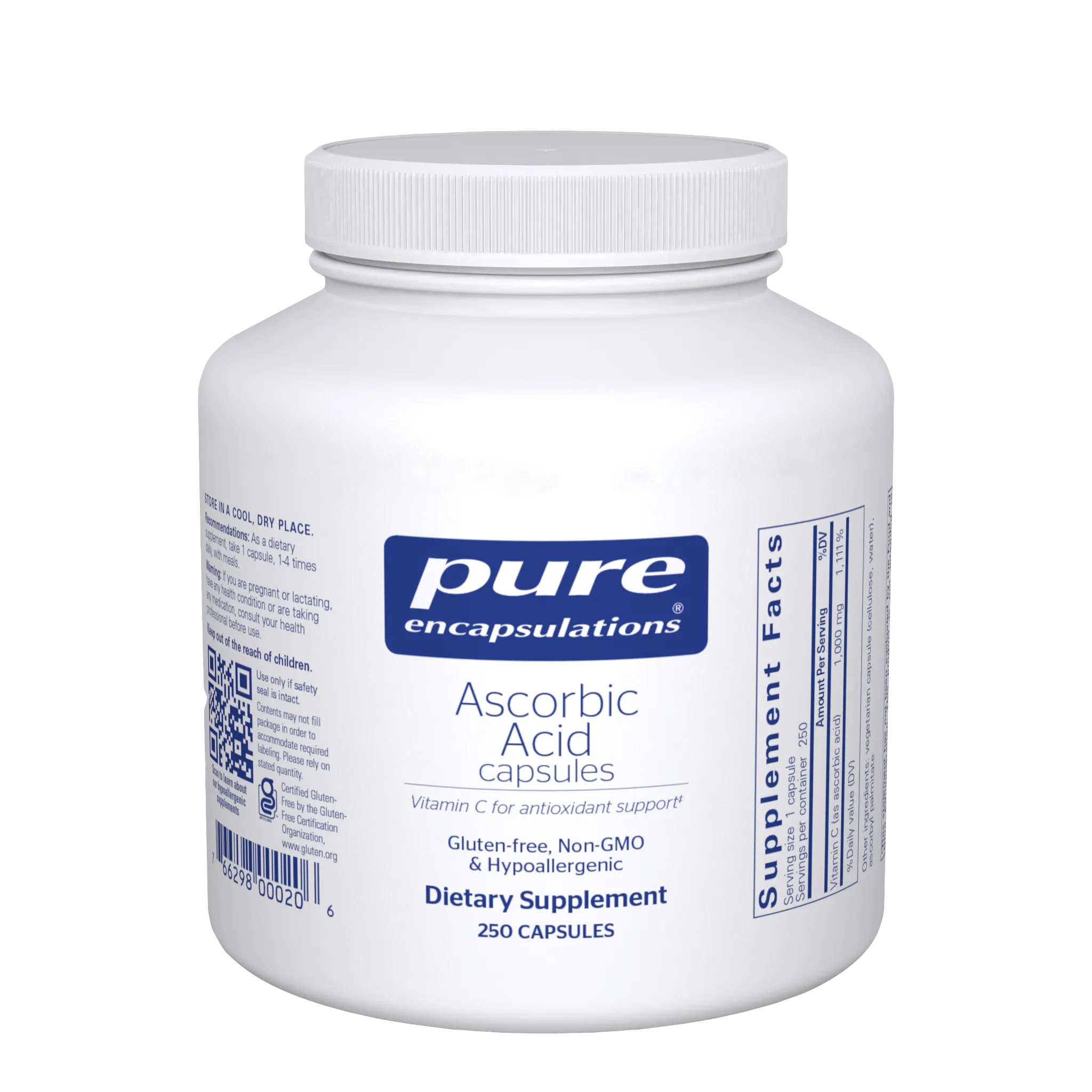
However, emerging clinical research is shedding light on the underlying mechanisms driving these conditions, pointing heavily toward severe systemic oxidative stress, endothelial dysfunction, and immune dysregulation. As we uncover the cellular damage left in the wake of chronic illness, one of the most fundamental, heavily researched, and powerful molecules in human biology is taking center stage: Ascorbic Acid, commonly known as Vitamin C. Far beyond its reputation as a simple immune booster for the common cold, high-potency Vitamin C acts as a critical electron donor, a mast cell stabilizer, and a vascular repair agent. In this comprehensive guide, we will explore the deep biochemical role of Ascorbic Acid 1 gram, how chronic illness depletes this vital nutrient, and how targeted supplementation may help you reclaim your energy, stabilize your immune responses, and improve your overall quality of life.
TL;DR
Vitamin C acts as a powerful electron donor, helping neutralize oxidative stress in complex chronic illnesses.
It supports vascular health by protecting Nitric Oxide, which may improve blood flow and reduce dysautonomia symptoms.
Ascorbic acid stabilizes mast cells and aids in histamine breakdown, offering potential support for MCAS patients.
Dividing doses throughout the day maximizes absorption and minimizes gastrointestinal discomfort.
What is Ascorbic Acid (Vitamin C)?
The Essential Electron Donor
Ascorbic acid, widely recognized as Vitamin C, is a highly potent, water-soluble micronutrient that is absolutely essential for human survival. Unlike most mammals, humans lack the functional enzyme L-gulono-gamma-lactone oxidase, meaning we cannot synthesize Vitamin C endogenously and must obtain it entirely through our diet or targeted supplementation. At its most fundamental molecular level, Vitamin C functions as a powerful reducing agent, which is a scientific term for an electron donor. It has the unique ability to easily give up its own electrons to other molecules without becoming dangerously unstable itself. This simple act of electron donation is the driving force behind nearly all of Vitamin C's biological functions, allowing it to bridge multiple systemic processes across the human body.
Because it is water-soluble, ascorbic acid travels freely through the bloodstream and the fluid surrounding our cells, acting as a rapid-response molecule. When it donates an electron, it temporarily becomes an ascorbyl radical—a relatively benign and stable molecule that is eventually recycled back into active Vitamin C by cellular enzymes or excreted through the kidneys. This constant cycle of donation and regeneration is what allows Vitamin C to maintain cellular homeostasis, protect delicate tissues from damage, and serve as a mandatory cofactor for over a dozen critical enzymatic reactions in the brain, blood vessels, and immune system.
The Antioxidant Defense System
Vitamin C is the primary non-enzymatic antioxidant found in human plasma and tissues. Its most famous role is neutralizing Reactive Oxygen Species (ROS) and Reactive Nitrogen Species (RNS)—highly volatile molecules that cause severe oxidative stress. These free radicals are natural byproducts of cellular metabolism, but when they accumulate in excess due to viral infections, environmental toxins, or chronic inflammation, they ruthlessly steal electrons from healthy cells. This process damages cellular membranes, mutates DNA, and destroys vital proteins. By willingly donating its electrons to these free radicals, ascorbic acid neutralizes them before they can inflict structural damage on the body.
Furthermore, Vitamin C operates in a brilliant synergy with other antioxidants, most notably Vitamin E. Vitamin E is a lipid-soluble antioxidant that protects the fatty membranes of our cells. When Vitamin E intercepts a free radical, it becomes oxidized and loses its protective ability. Ascorbic acid steps in to donate an electron to the oxidized Vitamin E, regenerating it back to its active state. This redox recycling creates a continuous, highly efficient defense network that halts the destructive chain reactions of oxidative stress, preserving the integrity of every cell in the body.
The Architect of Collagen Synthesis
Beyond its antioxidant capabilities, Vitamin C is an absolute biological prerequisite for the synthesis of mature collagen. Collagen is the most abundant structural protein in the human body, acting as the scaffolding that builds our skin, blood vessels, cartilage, tendons, and scar tissue. The creation of collagen relies on specific enzymes, primarily prolyl-4-hydroxylase and lysyl hydroxylase, which add hydroxyl groups to amino acids to allow the collagen molecule to fold into its highly stable "triple-helix" structure.
These crucial enzymes require iron ($Fe^{2+}$) at their active binding sites to function. During the collagen-building process, this iron becomes oxidized to a state ($Fe^{3+}$) that renders the enzyme completely inactive. Vitamin C acts as the specific reducing agent that donates an electron to reduce the iron back to its active $Fe^{2+}$ state. Without adequate ascorbic acid, these enzymes shut down, collagen fibers are constructed without proper cross-linking, and the resulting connective tissues are incredibly weak and prone to degradation. This is the exact mechanism behind scurvy, and it highlights why Vitamin C is non-negotiable for maintaining vascular integrity and healing damaged tissues.
How Long COVID, ME/CFS, and MCAS Impact the Body's Antioxidant Pool
Viral Infection and the Depletion of Antioxidants
When the body is invaded by a pathogen like SARS-CoV-2 or the Epstein-Barr Virus (EBV), the immune system launches a massive inflammatory response to eradicate the threat. While necessary, this response generates an enormous amount of Reactive Oxygen Species (ROS). In healthy individuals, the body's antioxidant reserves—primarily Vitamin C and glutathione—neutralize this collateral damage once the virus is cleared. However, in complex chronic illnesses, this redox balance is profoundly disrupted. The persistent immune activation seen in Long COVID and ME/CFS creates a state of chronic, severe oxidative stress that rapidly depletes the body's available ascorbic acid pool, leaving tissues vulnerable to ongoing damage.
This severe antioxidant depletion creates a vicious cycle. As Vitamin C levels plummet, the body loses its primary defense against free radicals, leading to widespread cellular injury and mitochondrial dysfunction. Mitochondria, the energy-producing powerhouses of our cells, are highly sensitive to oxidative damage. When they are impaired, patients experience the profound, debilitating exhaustion and post-exertional malaise (PEM) that are hallmark symptoms of ME/CFS. You can learn more about how these overlapping conditions develop in our detailed guide, Can Long COVID Trigger ME/CFS? Unraveling the Connection.
Endothelial Dysfunction and the Loss of Nitric Oxide
One of the most devastating impacts of chronic oxidative stress is its effect on the vascular endothelium—the delicate inner lining of our blood vessels. The endothelium is responsible for producing Nitric Oxide (NO), a crucial signaling molecule that tells blood vessels to relax and dilate, ensuring proper blood flow to the brain, heart, and muscles. In conditions like Long COVID and dysautonomia (particularly Postural Orthostatic Tachycardia Syndrome, or POTS), excessive free radicals actively destroy Nitric Oxide before it can do its job.
Furthermore, oxidative stress damages a vital cofactor called tetrahydrobiopterin ($BH_4$), which is required by the enzyme endothelial nitric oxide synthase (eNOS) to manufacture NO. When $BH_4$ is oxidized, eNOS malfunctions and begins producing even more destructive superoxide radicals instead of Nitric Oxide. This phenomenon, known as eNOS uncoupling, leaves blood vessels tightly clamped shut (vasoconstriction). For patients, this manifests as severe orthostatic intolerance, brain fog due to poor cerebral perfusion, and a racing heart as the body struggles to pump blood through restricted, inflamed vessels.
Mast Cell Degranulation and Histamine Overload
Mast cells are the sentinels of the immune system, packed with inflammatory mediators like histamine, tryptase, and cytokines. In a healthy body, they release these chemicals in measured doses to fight infections or heal wounds. However, in Mast Cell Activation Syndrome (MCAS), these cells become hyper-reactive and unstable, degranulating inappropriately in response to everyday triggers like food, temperature changes, or stress. Research indicates that oxidative stress is a major upstream trigger for this erratic mast cell behavior.
When the body's antioxidant defenses, including Vitamin C, are depleted, the resulting oxidative environment constantly irritates mast cell membranes, lowering their threshold for activation. Additionally, Vitamin C is required for the optimal function of Diamine Oxidase (DAO), the primary enzyme responsible for breaking down histamine in the gut and bloodstream. A deficiency in ascorbic acid not only allows mast cells to release excessive histamine but also cripples the body's ability to clear that histamine away, leading to a systemic overload. This results in the unpredictable allergic reactions, gastrointestinal distress, and widespread inflammation that MCAS patients battle daily.
Ascorbic Acid: Supporting Immune Function, Vascular Health, and Mast Cell Stability
Restoring Endothelial Function and Blood Flow
Supplementing with high-potency ascorbic acid provides a direct, mechanistic intervention to break the cycle of vascular dysfunction seen in dysautonomia and Long COVID. By flooding the bloodstream with electron donors, Vitamin C rapidly neutralizes the reactive oxygen species that are destroying Nitric Oxide. More importantly, Vitamin C protects and regenerates the $BH_4$ cofactor, effectively "recoupling" the eNOS enzyme. This allows the endothelium to resume producing healthy levels of Nitric Oxide, signaling the tightly constricted blood vessels to finally relax and dilate.
This restoration of vasodilation is critical for patients suffering from POTS and orthostatic intolerance. As blood vessels dilate appropriately, peripheral vascular resistance drops, and blood can flow more freely to the brain and extremities. This improved microcirculation helps alleviate the severe brain fog, dizziness, and cold hands and feet that dysautonomia patients frequently experience. By addressing the root oxidative stress, Vitamin C acts as a foundational support for cardiovascular stability.
Stabilizing Mast Cells and Degrading Histamine
For individuals navigating the unpredictable flares of MCAS and histamine intolerance, Vitamin C serves as both a natural antihistamine and a mast cell stabilizer. Ascorbic acid provides structural support to the lipid membranes of mast cells, making them less prone to spontaneous degranulation. Furthermore, studies have shown that Vitamin C inhibits histidine decarboxylase, the enzyme responsible for converting the amino acid histidine into new histamine, thereby reducing the body's internal histamine production.
Equally important is Vitamin C's role as an essential cofactor for the DAO enzyme. By supporting robust DAO activity, ascorbic acid accelerates the breakdown and clearance of extracellular histamine from the bloodstream and gastrointestinal tract. Clinical observations have noted an inverse correlation between Vitamin C levels and blood histamine; as Vitamin C concentrations rise, systemic histamine levels exponentially fall. To explore more comprehensive strategies for managing mast cell reactivity, you can read our in-depth article, Ketotifen: Unveiling Relief for the Hidden Battles of MCAS, Long COVID, ME/CFS, and Dysautonomia.
Empowering the Immune System's Phagocytes
Vitamin C is heavily concentrated in leukocytes (white blood cells), particularly neutrophils and macrophages, which are the immune system's primary phagocytes. When these cells encounter a pathogen, they engulf it and unleash a "respiratory burst"—a flood of highly toxic reactive oxygen species designed to destroy the invader. To protect themselves from this self-inflicted oxidative damage, immune cells actively pump Vitamin C inward via Sodium-Dependent Vitamin C Transporters (SVCTs), achieving intracellular concentrations up to 100 times higher than in the blood plasma.
By maintaining these high intracellular levels, ascorbic acid ensures that white blood cells survive their own defensive attacks and can continue to function effectively. It also enhances cellular motility and chemotaxis, allowing immune cells to migrate swiftly to sites of infection or inflammation. In the context of Long COVID, where immune dysregulation is a central feature, supporting leukocyte function with adequate Vitamin C helps modulate the immune response, preventing it from becoming overly destructive while maintaining robust antiviral defenses. You can delve deeper into this topic in our blog, Autoimmunity and Immune Dysregulation in Long COVID.
Rebuilding Connective Tissue and Vascular Integrity
The structural damage caused by chronic inflammation requires continuous repair, and Vitamin C is the master architect of this rebuilding process. By keeping the iron-dependent hydroxylase enzymes in their active state, ascorbic acid ensures the continuous, stable production of mature collagen. This is particularly vital for patients who suffer from comorbid connective tissue disorders, such as Ehlers-Danlos Syndrome (EDS), which frequently overlaps with POTS and MCAS.
Robust collagen synthesis is also essential for maintaining the physical integrity of the vascular system. Healthy, flexible blood vessels are less prone to micro-tears and leakage, which can contribute to the formation of microclots—a significant issue in Long COVID pathology. By reinforcing the structural scaffolding of the veins and arteries, Vitamin C supports overall cardiovascular resilience and aids in the healing of tissues damaged by prolonged systemic inflammation.

Symptoms Ascorbic Acid May Help Manage
Targeting Post-Viral and Autonomic Symptoms
Because Vitamin C operates at the foundational level of cellular redox balance, collagen synthesis, and immune modulation, it can help address a wide array of symptoms associated with complex chronic illnesses. Here are specific symptoms that Ascorbic Acid may help manage:
Severe Post-Viral Fatigue and PEM: By neutralizing the systemic oxidative stress that damages mitochondria, Vitamin C helps restore cellular energy production, potentially reducing the severity of daily exhaustion and post-exertional malaise (PEM) seen in ME/CFS and Long COVID.
Brain Fog and Cognitive Impairment: By restoring Nitric Oxide bioavailability and promoting healthy vasodilation, ascorbic acid improves cerebral blood flow, ensuring the brain receives the oxygen and nutrients necessary for clear cognitive function.
Orthostatic Intolerance and Dizziness: In dysautonomia and POTS, Vitamin C helps reverse abnormal vascular resistance and improves the cardiac index, allowing blood vessels to properly constrict and dilate when standing, which reduces dizziness and blood pooling.
Histamine Intolerance and Allergic Reactivity: By acting as a cofactor for the DAO enzyme and stabilizing mast cell membranes, Vitamin C accelerates the breakdown of histamine and prevents erratic degranulation, alleviating hives, flushing, and gastrointestinal distress in MCAS.
Easy Bruising and Slow Wound Healing: As an absolute requirement for collagen synthesis, Vitamin C strengthens the structural integrity of blood vessels and skin, reducing the fragility that leads to unexplained bruising and accelerating the repair of damaged tissues.
Joint Pain and Connective Tissue Weakness: By supporting the enzymatic cross-linking of collagen fibers, ascorbic acid helps maintain the strength and elasticity of cartilage and tendons, providing structural support for patients with hypermobility or chronic joint pain.
Practical Considerations: Forms, Dosing, and Absorption
Understanding Bioavailability and Absorption Limits
When utilizing Ascorbic Acid therapeutically, understanding its pharmacokinetics is crucial. Vitamin C is water-soluble, meaning the body does not store it in large amounts; excess is readily excreted through the urine. Furthermore, the gastrointestinal tract tightly regulates the absorption of oral Vitamin C. At doses up to 200 mg, absorption is nearly 100%, but as the dose increases to 1 gram (1000 mg) or higher, the absorption efficiency drops to less than 50%. This biological ceiling is why massive single oral doses often result in gastrointestinal distress, such as osmotic diarrhea or nausea, as the unabsorbed vitamin draws water into the intestines.
To maximize bioavailability and maintain steady plasma concentrations, it is highly recommended to divide a 1-gram dose throughout the day. Taking 500 mg twice daily, or 250 mg four times daily with meals, ensures that the Sodium-Dependent Vitamin C Transporters (SVCTs) in the gut are not overwhelmed, allowing for optimal absorption into the bloodstream. For patients with severe gastrointestinal sensitivities, buffered forms of Vitamin C (such as magnesium ascorbate) or liposomal formulations, which bypass traditional absorption pathways by encapsulating the vitamin in lipid spheres, may offer enhanced tolerability and cellular delivery.
Sourcing Vitamin C for MCAS and Histamine Intolerance
For patients with Mast Cell Activation Syndrome (MCAS) or severe histamine intolerance, selecting the right form of Vitamin C is a critical, and often frustrating, challenge. Many commercially available Vitamin C supplements are derived from citrus fruits or bioflavonoid blends. While beneficial for the general public, citrus is a known histamine liberator that can actively trigger mast cells to degranulate, worsening MCAS symptoms. Patients often mistake this reaction for a "Vitamin C allergy," when in reality, they are reacting to the citrus source.
Additionally, standard ascorbic acid is frequently manufactured through the fermentation of genetically modified corn. Corn is a common allergen and mast cell trigger, and the fermentation process itself can introduce residual histamines or mold spores that highly sensitive individuals will react to. MCAS patients should seek out high-quality, pure ascorbic acid that is explicitly free from citrus bioflavonoids, corn derivatives, and unnecessary fillers. Natural, low-histamine plant sources like Camu Camu or Rose Hips are also excellent alternatives, provided the patient does not have a concurrent salicylate intolerance. To learn more about navigating these complexities, read our guide, Can Acerola Vitamin C and Bioflavonoids Support Immune and Vascular Health in Long COVID?.
Synergistic Pairings for Maximum Efficacy
Vitamin C rarely operates in isolation; its efficacy is profoundly enhanced when paired with specific synergistic nutrients. For Long COVID and dysautonomia patients seeking to restore vascular health, combining Vitamin C with L-Arginine has shown remarkable clinical success. L-Arginine provides the raw material for Nitric Oxide production, while Vitamin C protects that Nitric Oxide from oxidative destruction. For MCAS management, pairing Vitamin C with Quercetin or Luteolin—powerful flavonoid mast cell stabilizers—creates a comprehensive defense against histamine release.
Furthermore, because Vitamin C relies on the DAO enzyme to degrade histamine, ensuring adequate levels of DAO cofactors is essential. Vitamin B6, copper, and magnesium are all required for the body to synthesize and utilize DAO effectively. A comprehensive approach that addresses these interconnected biochemical pathways will yield far better results than relying on Ascorbic Acid alone. Always consult with a healthcare provider to ensure these combinations do not interact with your current medications, particularly if you are taking blood thinners or have a history of oxalate kidney stones, as high-dose Vitamin C can increase urinary oxalate excretion in susceptible individuals.

Follow the Science: Clinical Trials and Research Findings
The L-Arginine and Vitamin C Protocol for Long COVID
Throughout 2023 and 2024, clinical research heavily focused on the intersection of endothelial dysfunction and Long COVID, yielding highly promising results for targeted supplementation. A benchmark multicenter Italian study, known as the LINCOLN survey, evaluated 1,390 patients suffering from Long COVID. The patients were treated with a combination of L-Arginine (to stimulate Nitric Oxide synthesis) and Vitamin C (to prevent Nitric Oxide oxidation). The results were striking: the L-Arginine and Vitamin C cohort exhibited significantly less severe Long COVID symptoms, drastically improved effort perception, and reduced fatigue compared to the control group receiving standard multivitamins.
These findings were further validated by a single-blind randomized controlled trial involving 46 adult patients with persistent Long COVID fatigue. The treatment group also saw significant increases in their 6-minute walk distance and handgrip strength, suggesting that restoring vascular endothelial function through antioxidant support can support physical stamina and post-viral recovery. If you are navigating the diagnostic process for these lingering symptoms, our article How Does a Doctor Diagnose Long COVID? provides valuable insights.
Combating ME/CFS and Post-Viral Fatigue
The therapeutic use of Vitamin C for Myalgic Encephalomyelitis/Chronic Fatigue Syndrome (ME/CFS) is grounded in decades of research linking the condition to severe redox imbalance. A randomized, double-blind controlled trial published in the Nutrition Journal by Suh et al. evaluated the effects of high-dose intravenous (IV) Vitamin C on fatigue in office workers. The study found that fatigue scores significantly decreased in the experimental group after just two hours, with the anti-fatigue effects persisting for a full 24 hours. Blood tests confirmed a corresponding significant reduction in oxidative stress markers compared to the placebo group.
More recently, systematic reviews conducted by Vollbracht and Kraft in 2022 and 2023 analyzed multiple clinical studies comprising over 700 participants suffering from post-viral fatigue. In the majority of these controlled trials, there was a highly significant decrease in fatigue scores among those receiving high-dose Vitamin C. Accompanying symptoms typical of ME/CFS, such as sleep disturbances, cognitive dysfunction, and widespread pain, were also significantly alleviated, reinforcing the role of systemic oxidative stress as a primary driver of these debilitating symptoms.
Reversing Vascular Resistance in POTS
The foundational evidence connecting Vitamin C to the relief of Postural Orthostatic Tachycardia Syndrome (POTS) comes from a benchmark 2011 study conducted by Dr. Julian M. Stewart and colleagues. The study investigated patients with "Low Flow POTS," characterized by excessive blood vessel constriction and poor circulation. Researchers administered systemic intravenous ascorbic acid and measured the resulting changes in vascular resistance and blood flow.
The data points from this study are profound. Intravenous ascorbate increased the cardiac index by 40% in POTS patients. Before the infusion, peripheral vascular resistance in the patients was nearly double that of healthy controls; after the Vitamin C infusion, that vascular resistance decreased by nearly 50%. Furthermore, the Nitric Oxide-dependent vasodilation, which was initially severely blunted in the patients, rebounded to nearly match the healthy control subjects. This study provides concrete physiological proof that neutralizing oxidative stress with Vitamin C directly repairs the endothelial dysfunction at the heart of many dysautonomia cases.
The Path Forward
A Foundational Piece of the Puzzle
Living with complex chronic conditions like Long COVID, ME/CFS, MCAS, and dysautonomia often feels like navigating a maze without a map. The sheer unpredictability of symptoms—from crushing fatigue and brain fog to sudden allergic flares and racing heart rates—can leave you feeling exhausted and invalidated. It is crucial to understand that these symptoms are not in your head; they are the result of profound, measurable physiological disruptions, including severe oxidative stress, endothelial damage, and immune hyper-reactivity. Acknowledging the biological reality of your illness is the first and most important step toward reclaiming your health.
While there is no single "magic pill" that can instantly cure these intricate conditions, targeted nutritional support plays an indispensable role in a comprehensive management strategy. Ascorbic Acid is not just a simple vitamin; it is a foundational electron donor that neutralizes the free radicals destroying your blood vessels, a critical cofactor that helps degrade excess histamine, and the master architect that rebuilds damaged connective tissue. By addressing these root biochemical deficits, high-potency Vitamin C provides your cells with the raw materials they desperately need to repair, stabilize, and function optimally.
Integrating Vitamin C into Your Daily Routine
As you consider adding Ascorbic Acid 1 gram to your protocol, remember that chronic illness management is a marathon, not a sprint. Start with a divided dosage strategy to maximize absorption and minimize gastrointestinal distress, and pay close attention to how your body responds, especially if you have mast cell sensitivities. Supplements are most effective when combined with other foundational strategies, such as rigorous symptom tracking, aggressive pacing to avoid post-exertional crashes, and a tailored diet that supports your unique metabolic needs.
Always consult with your primary healthcare provider or a specialist familiar with complex chronic illnesses before introducing new high-potency supplements, particularly to ensure they do not interact with your current medications. By combining the latest clinical science with compassionate, individualized care, you can build a resilient foundation for healing and take meaningful steps toward improving your daily quality of life.
Sources
From Self-Sufficiency to Dietary Dependence in Biological Functions (MDPI)
Vitamins C and E: Beneficial effects from a mechanistic perspective (PMC)
Efficacy of Vitamin C Supplementation on Collagen Synthesis (Orthopaedic Journal of Sports Medicine)
Redox imbalance links COVID-19 and myalgic encephalomyelitis/chronic fatigue syndrome (PNAS)
A Comprehensive Review of Its Role in Health & Therapeutics (MDPI)
Linus Pauling Institute - Vitamin C Pharmacokinetics (Oregon State University)
Feasibility of Vitamin C in the Treatment of Post Viral Fatigue with Focus on Long COVID (MDPI)
Ascorbate improves circulation in postural tachycardia syndrome (PubMed / NIH)