Can Poly-Prebiotic Powder Support Gut Healing and Brain Fog in Long COVID and ME/CFS?
March 6, 2026
Poly-Prebiotic PowderGut HealthLong COVID
Share:
Disclaimer: The information provided here is for educational purposes only and is not intended as medical advice. It should not be used to diagnose, treat, cure, or prevent any medical condition. Instead, use it as a starting point for discussion with your healthcare provider. Always consult with a qualified healthcare provider before starting any new medication, supplement, device, or making changes to your health regimen.
Months or even years after a viral infection, many patients with Long COVID, myalgic encephalomyelitis/chronic fatigue syndrome (ME/CFS), and dysautonomia find themselves battling a relentless array of symptoms. From profound post-exertional malaise (PEM) and debilitating brain fog to unpredictable gastrointestinal distress, the systemic nature of these conditions can feel overwhelming. But what connects the neurological symptoms in the brain to the immune dysfunction in the body? Emerging research increasingly points to the gastrointestinal tract—specifically, the complex ecosystem of the gut microbiome and the integrity of the intestinal barrier. When the gut is compromised, the entire systemic network is thrown off balance.
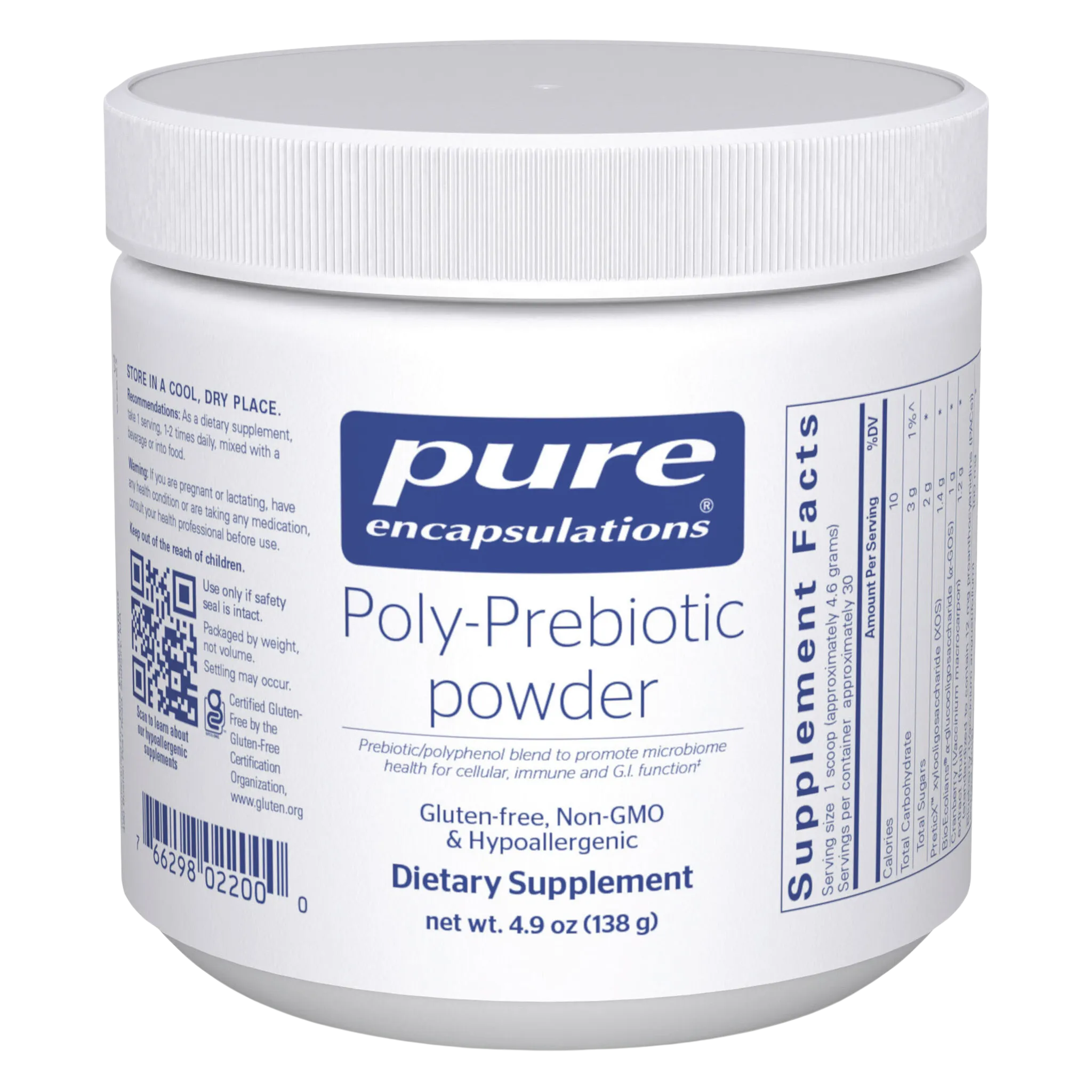
For many patients, standard probiotics are not enough to restore this delicate ecosystem. This is where targeted prebiotics come into play. Poly-Prebiotic Powder by Pure Encapsulations is a comprehensive, science-backed formula designed to actively modulate and rebuild the gut microbiota. By combining highly selective prebiotic fibers like XOS and α-GOS with potent fruit polyphenols, this formula acts as specialized fuel for the gut's most protective "keystone" bacteria. In this article, we will explore the deep biochemical mechanisms behind Poly-Prebiotic Powder, how post-viral syndromes disrupt the gut-brain axis, and how targeted microbiome support may help manage the complex symptoms of Long COVID and ME/CFS.
TL;DR
Poly-Prebiotic Powder uses selective fibers and polyphenols to nourish beneficial gut bacteria without causing excessive bloating.
It supports the production of short-chain fatty acids like butyrate, which are crucial for repairing leaky gut.
Rebuilding the gut barrier may help manage systemic inflammation, brain fog, and dysautonomia in chronic conditions.
Always consult your healthcare provider before adding new supplements, especially if you have severe gastrointestinal sensitivities.
What is Poly-Prebiotic Powder?
The Science of Selective Prebiotics
To understand how Poly-Prebiotic Powder works, we must first differentiate between probiotics and prebiotics. While probiotics introduce live bacterial strains into the digestive tract, prebiotics are specialized, non-digestible compounds that serve as targeted nourishment for the beneficial bacteria already residing in your gut. However, not all prebiotics are created equal. Traditional prebiotics, such as inulin or standard fructooligosaccharides (FOS), are rapidly fermented by a wide variety of gut bacteria, which can often lead to excessive gas, bloating, and discomfort—especially in patients with sensitive digestive systems or irritable bowel syndrome (IBS). Poly-Prebiotic Powder utilizes a highly selective approach, featuring advanced prebiotic structures that specifically target the most beneficial microbial strains without feeding opportunistic pathobionts.
The first key ingredient in this formula is PreticX™ xylooligosaccharide (XOS). XOS consists of short chains of xylose sugar molecules linked by specific β-1,4-glycosidic bonds. Because human digestive enzymes cannot break these bonds, XOS travels intact through the stomach and small intestine, arriving safely in the colon. Once there, it acts as a highly specific fuel source. XOS is generally known to be efficiently degraded and utilized by Bifidobacteria for energy. This creates a powerful "bifidogenic effect," rapidly multiplying populations of Bifidobacterium at remarkably low dosages compared to traditional fibers.
The second specialized fiber is BioEcolians® α-glucooligosaccharide (α-GOS). This patented ingredient features unique α(1-2) and α(1-6) glycosidic linkages. Similar to XOS, these specific bonds resist upper gastrointestinal digestion. However, α-GOS ferments at a much more gradual rate in the colon, making it exceptionally well-tolerated. It selectively feeds the Bacteroides-Prevotella group and Bifidobacteria, promoting a steady, slow-release fermentation process that minimizes gas production while maximizing metabolic benefits.
The Power of Polyphenols as "Duplibiotics"
Beyond specialized fibers, Poly-Prebiotic Powder incorporates a robust blend of polyphenols derived from cranberry extract, blueberry extract, and pomegranate juice powder. Polyphenols are bioactive antioxidant compounds naturally found in brightly colored fruits. Historically, polyphenols were primarily valued for their ability to neutralize free radicals systemically. However, recent scientific discoveries have revealed that the vast majority of dietary polyphenols are not absorbed in the upper GI tract; instead, they reach the colon intact, where they interact directly with the microbiome.
In the gut, polyphenols act as what researchers now call "duplibiotics"—compounds that exhibit a dual mode of action. First, they possess targeted antimicrobial properties, inhibiting the overgrowth of opportunistic, pro-inflammatory bacteria. Second, they act as prebiotics, providing essential signaling molecules and metabolites that stimulate the growth of beneficial, commensal microbes. For example, pomegranate polyphenols are hydrolyzed by gut bacteria into secondary metabolites called urolithins, which have profound anti-inflammatory and gut-healing properties.
Crucially, these specific fruit polyphenols are instrumental in promoting the growth of Akkermansia muciniphila, a strictly anaerobic (oxygen-intolerant) bacterium that is considered a keystone strain for metabolic health and gut barrier integrity. Polyphenols are often thought to act as powerful luminal antioxidants, directly scavenging reactive oxygen species (ROS) in the gut. By removing toxic oxygen from the intestinal environment, polyphenols create the exact anaerobic conditions that Akkermansia requires to thrive and multiply.
Short-Chain Fatty Acids (SCFAs) and Cellular Fuel
The ultimate goal of supplementing with XOS, α-GOS, and polyphenols is the robust production of short-chain fatty acids (SCFAs). When beneficial bacteria ferment these prebiotics, they release SCFAs as metabolic byproducts—primarily butyrate, propionate, and acetate. These postbiotic metabolites are the chemical messengers that bridge the gap between the gut microbiome and the rest of the body, dictating immune function, metabolic health, and neurological clarity.
Each prebiotic in this formula drives the production of specific SCFAs. XOS is renowned for its ability to indirectly boost butyrate production through a process called microbial cross-feeding. Bifidobacteria ferment XOS to produce acetate, which is then consumed by other beneficial bacteria (like Faecalibacterium prausnitzii) to generate massive amounts of butyrate. Butyrate is the primary and preferred fuel source for colonocytes (the cells lining the colon), providing them with up to 70% of their energy needs. Meanwhile, α-GOS uniquely promotes the production of propionate, an SCFA that travels to the liver to regulate glucose homeostasis, lipid metabolism, and satiety signaling. Together, this comprehensive SCFA profile forms the foundation of systemic health.
How Long COVID and ME/CFS Impact the Gut Microbiome
The Loss of Keystone Bacteria and Butyrate Deficiency
To understand why Poly-Prebiotic Powder is so relevant for complex chronic illnesses, we must examine how conditions like Long COVID, ME/CFS, and dysautonomia physically alter the gastrointestinal landscape. During a SARS-CoV-2 infection, the virus binds directly to ACE2 receptors lining the gut, triggering localized inflammation and severely disrupting the microbial ecosystem. This viral assault, combined with the immense physiological stress of chronic illness, leads to a state of profound and persistent gut dysbiosis.
Clinical studies consistently reveal that patients with Long COVID and ME/CFS suffer from a devastating loss of "keystone" bacteria. Specifically, there is a marked depletion of SCFA-producing strains such as Bifidobacterium, Faecalibacterium prausnitzii, and Eubacterium rectale. A landmark 2025 study utilizing AI microbiome analysis achieved 90% accuracy in distinguishing ME/CFS patients from healthy controls based entirely on these microbial disruptions. The most critical consequence of losing these keystone bacteria is a severe, systemic deficiency in butyrate. Without adequate butyrate, the cells lining the intestinal wall are literally starved of their primary energy source, setting the stage for structural collapse.
Intestinal Permeability and the "Leaky Gut" Cascade
The human intestinal lining is incredibly thin—only a single cell thick. These epithelial cells are stitched together by complex protein structures known as tight junctions, including zonulin and occludin. Under healthy conditions, these tight junctions act as a highly selective filter, allowing essential nutrients to pass into the bloodstream while keeping harmful pathogens, toxins, and undigested food particles safely inside the gut lumen. However, when butyrate levels plummet due to post-viral dysbiosis, this delicate barrier begins to fail.
Without the anti-inflammatory and energy-providing benefits of butyrate, the tight junctions loosen and degrade, resulting in intestinal permeability, commonly known as "leaky gut." It is widely believed that degradation of the gut barrier correlates with the severity of chronic fatigue symptoms. Biomarker studies often show elevated levels of Zonulin-1 (ZO-1) and Fatty Acid-Binding Protein 2 (FABP2) in these patients, indicating active epithelial damage.
Endotoxemia, Neuroinflammation, and Vagus Nerve Impairment
The consequences of a leaky gut extend far beyond the digestive tract. When the intestinal barrier is compromised, harmful bacterial components—most notably lipopolysaccharides (LPS) from the cell walls of Gram-negative bacteria—leak into the systemic circulation. This phenomenon, known as metabolic endotoxemia, triggers a massive, chronic immune response. The immune system detects these translocated toxins and releases a flood of pro-inflammatory cytokines, including IL-6, TNF-α, and IFN-γ. For patients with ME/CFS, this constant, low-grade immune activation drains cellular energy reserves, heavily contributing to the devastating metabolic crashes known as post-exertional malaise (PEM).
This systemic inflammation inevitably reaches the brain. Pro-inflammatory cytokines can cross a compromised blood-brain barrier, where they trigger the activation of microglia—the brain's resident immune cells. Chronic neuroinflammation is widely considered a primary driver of the severe cognitive dysfunction, memory loss, and processing delays commonly described as "brain fog." Furthermore, gut dysbiosis alters the metabolism of tryptophan, shunting it away from serotonin production and toward the creation of quinolinic acid, a neurotoxic metabolite that overstimulates NMDA receptors and worsens cognitive fatigue.
Finally, this localized gut inflammation heavily impacts the vagus nerve, the primary superhighway connecting the gut and the brain. The vagus nerve is responsible for regulating the parasympathetic (rest and digest) nervous system. When the gut is inflamed and butyrate is absent, vagal tone is impaired. This disruption in autonomic signaling is a core mechanism behind dysautonomia and Postural Orthostatic Tachycardia Syndrome (POTS), explaining why so many patients experience a rapid heart rate, dizziness, and severe gastrointestinal motility issues simultaneously. You can learn more about this connection in our guide on Gastrointestinal Symptoms Seen with Long COVID.
Poly-Prebiotic Powder: Supporting Gut Barrier and Immune Function
XOS and the Bifidogenic Butyrate Surge
Poly-Prebiotic Powder is meticulously engineered to intervene in this destructive cycle by targeting the root causes of dysbiosis and barrier dysfunction. The inclusion of PreticX™ XOS serves as the primary catalyst for rebuilding the depleted populations of Bifidobacteria. Because XOS is so highly selective, it requires only a very small dose (1.4 grams) to initiate a massive microbial shift. In clinical trials, healthy adults given just 1.4 grams of XOS for eight weeks experienced a 21% increase in Bifidobacterium counts.
At the cellular level, this bifidogenic surge is critical for reversing the butyrate deficiency seen in Long COVID and ME/CFS. As Bifidobacteria rapidly ferment the XOS, they produce large amounts of acetate and lower the luminal pH of the colon. This acidic environment actively inhibits the growth of pro-inflammatory pathobionts. Simultaneously, the acetate is utilized by other keystone bacteria to produce butyrate. This newly generated butyrate acts as an immediate energy source for the starving colonocytes, allowing them to begin repairing the damaged intestinal lining, downregulating local inflammation, and initiating the restoration of tight junction proteins like occludin.
α-GOS, Propionate, and Beta-Defensin-2 Production
While XOS focuses on butyrate and Bifidobacteria, BioEcolians® α-GOS provides a complementary, highly specialized mechanism of action. α-GOS specifically targets the production of propionate, an SCFA that plays a vital role in metabolic regulation. Once produced in the colon, propionate enters the bloodstream and travels to the liver, where it activates AMP-activated protein kinase (AMPK). AMPK acts as a master metabolic switch, helping to regulate glucose homeostasis, improve insulin sensitivity, and modulate satiety signals—factors that are often severely dysregulated in patients dealing with chronic post-viral fatigue and metabolic stalling.
Even more remarkably, α-GOS is uniquely recognized for its ability to directly stimulate the mucosal secretion of human beta-defensin-2 (HBD-2). Defensins are powerful antimicrobial peptides naturally expressed by intestinal epithelial cells. Clinical studies have shown that α-GOS supplementation significantly increases fecal HBD-2 levels. This peptide acts as a natural, localized antibiotic, actively destroying the protective cell membranes of opportunistic pathogenic bacteria that overgrow during Long COVID. By clearing out these pathobionts, α-GOS helps reduce the endotoxemia (LPS leakage) that drives systemic immune hyperactivation.
Polyphenols and the Akkermansia muciniphila Bloom
The inclusion of cranberry, blueberry, and pomegranate polyphenols provides the final, crucial layer of gut barrier support by specifically targeting the growth of Akkermansia muciniphila. As its name suggests, Akkermansia muciniphila is a "mucin-loving" bacterium that resides directly within the protective mucus layer lining the intestinal wall. In patients with metabolic dysfunction and chronic inflammation, the gut environment often becomes overly oxygenated due to high levels of reactive oxygen species (ROS), which kills off the strictly anaerobic Akkermansia.
The potent fruit polyphenols in Poly-Prebiotic Powder act as powerful luminal antioxidants. Polyphenols are believed to directly scavenge ROS in the gastrointestinal tract, rapidly reducing oxygen toxicity and restoring the strict anaerobic environment required for Akkermansia to bloom. Furthermore, the interaction between these polyphenols and Akkermansia triggers a fascinating biological feedback loop. Through signaling pathways involving the Aryl hydrocarbon Receptor (AhR), this interaction stimulates the host's epithelial goblet cells to actually produce more mucin.
This localized increase in mucin production physically thickens and fortifies the protective mucus layer of the gut. Combined with the tight-junction repair initiated by XOS-driven butyrate and the antimicrobial clearing driven by α-GOS, this polyphenol-induced mucin thickening provides a comprehensive defense against leaky gut. By sealing the barrier, Poly-Prebiotic Powder helps cut off the supply of inflammatory endotoxins leaking into the bloodstream, thereby reducing the systemic inflammation that drives microglial activation, brain fog, and vagus nerve impairment. For more insights on repairing the gut barrier, consider reading our article, Can a Gut-Brain Reset Help Manage Long COVID and ME/CFS Symptoms?.

Symptoms Poly-Prebiotic Powder May Help Manage
Gastrointestinal and Metabolic Symptoms
By comprehensively targeting the microbiome and repairing the intestinal barrier, Poly-Prebiotic Powder may help alleviate a wide range of symptoms associated with complex chronic illnesses. The synergistic action of XOS, α-GOS, and polyphenols addresses both localized digestive issues and systemic metabolic dysfunction.
Abdominal Discomfort and Bloating: Unlike rapid-fermenting fibers that cause gas, the gradual fermentation of α-GOS has been clinically shown to improve abdominal comfort and reduce bloating by promoting a balanced microbial ecosystem.
Irregular Bowel Motility and Constipation: By increasing short-chain fatty acid production and supporting vagal tone, this formula helps regulate peristalsis (the muscle contractions of the gut), improving stool consistency and frequency.
Food Sensitivities and Reactive Gut: By fortifying the tight junctions and thickening the mucin layer via Akkermansia, the formula may help prevent undigested food particles from leaking into the bloodstream, which can reduce inappropriate immune reactivity and histamine responses often seen in MCAS.
Blood Sugar Dysregulation: The targeted production of propionate via α-GOS travels to the liver to activate AMPK, supporting healthy glucose homeostasis and improving metabolic stability, which is crucial for patients experiencing energy crashes.
Neurological and Systemic Symptoms
Because the gut and brain are intimately connected via the vagus nerve and systemic circulation, healing the intestinal barrier has profound downstream effects on neurological and immunological health.
Brain Fog and Cognitive Fatigue: By sealing the leaky gut, the formula halts the translocation of lipopolysaccharides (LPS) into the bloodstream. This cuts off the source of systemic inflammation, reducing the microglial activation in the brain that causes cognitive haze and memory issues.
Post-Exertional Malaise (PEM): Chronic endotoxemia forces the immune system into a state of constant, energy-draining hyperactivation. By reducing this toxic burden, cellular energy (ATP) can be conserved for daily functioning rather than perpetual immune defense, potentially raising the threshold for PEM crashes.
Dysautonomia and POTS Symptoms: The robust production of butyrate and the reduction of localized gut inflammation help restore proper signaling along the vagus nerve, supporting better parasympathetic nervous system function and autonomic stability.
Systemic Inflammation and Joint Pain: The polyphenols from cranberry, blueberry, and pomegranate promote a healthy cytokine balance in the GI tract, downregulating pro-inflammatory markers (like IL-6 and TNF-α) that contribute to widespread body aches and joint pain.
Practical Considerations: Forms, Dosing, and Absorption
The Advantage of Low-Dose, Gradual Fermentation
When integrating a prebiotic into a chronic illness management protocol, tolerability is often the primary concern. Many patients with Long COVID, ME/CFS, or dysautonomia also suffer from irritable bowel syndrome (IBS), small intestinal bacterial overgrowth (SIBO), or severe gastrointestinal sensitivity. Traditional prebiotics, such as high-dose inulin or generic FOS, ferment very rapidly in the proximal colon. This rapid fermentation produces a sudden influx of gas, leading to severe bloating, cramping, and distension, which can exacerbate vagus nerve irritation and trigger dysautonomia symptoms.
Poly-Prebiotic Powder bypasses this issue through its highly specific molecular structures. The PreticX™ XOS is effective at an incredibly low clinical dose (just 1.4 grams), meaning you do not need to consume large, symptom-triggering volumes of fiber to achieve a bifidogenic effect. Furthermore, the unique α(1-2) and α(1-6) linkages in BioEcolians® α-GOS ensure a slow, gradual fermentation process that extends throughout the entire length of the colon. This slow-release mechanism drastically reduces gas production, making it highly tolerable even for sensitive individuals. In fact, clinical trials on α-GOS demonstrate that it actively improves abdominal comfort by Day 7 of supplementation.
Optimal Timing and Synergistic Combinations
Poly-Prebiotic Powder is designed for easy daily integration. The suggested use is one serving, 1-2 times daily, mixed into a beverage or food. Because these specialized fibers and polyphenols resist degradation by stomach acid and digestive enzymes, they do not strictly need to be taken with meals to survive transit to the colon. However, mixing the powder into a smoothie, yogurt, or a glass of water alongside a meal can help establish a consistent daily routine.
For maximum therapeutic benefit, Poly-Prebiotic Powder is often used synergistically with targeted probiotic strains. While the prebiotics act as the "fertilizer" for your endogenous flora, introducing high-quality "seeds" (probiotics) can accelerate the rebuilding process. For example, pairing this formula with a multi-strain probiotic can provide a comprehensive synbiotic approach to gut healing. You can explore synergistic options in our articles on Can Probiotic-5 Support Gut Health in Long COVID? and Can Probiotic 50B Help Manage Gut Symptoms?.
Tolerability and Potential Interactions
Pure Encapsulations formulates Poly-Prebiotic Powder to be highly pure, vegan, non-GMO, and free from common allergens. The inclusion of fruit extracts (cranberry, blueberry, pomegranate) provides potent antioxidant benefits without the high sugar content found in whole fruit juices, making it suitable for those monitoring their glycemic load or adhering to anti-inflammatory diets.
While XOS and α-GOS are exceptionally well-tolerated, it is always recommended to start with a single daily serving to allow your microbiome time to adjust to the new substrates. As the bacterial populations shift and SCFA production increases, some mild, transient changes in bowel habits may occur before stabilizing. There are no specific contraindications listed for this product, but patients with severe, active SIBO should consult their healthcare provider before introducing any new fermentable fibers, as the timing of prebiotic introduction is critical in SIBO management protocols.

Follow the Science
Clinical Trials on Prebiotics and Post-Viral Syndromes
The scientific understanding of the microbiome's role in post-viral syndromes has advanced rapidly, providing robust clinical evidence for the use of targeted prebiotics. A landmark randomized, double-blind, placebo-controlled trial known as the SIM01 study, published in The Lancet Infectious Diseases, investigated the effects of a synbiotic formulation (combining specific prebiotics and Bifidobacterium strains) on 464 patients with Long COVID. After six months of intervention, the treatment group demonstrated significantly higher rates of symptom alleviation compared to the placebo group. Patients receiving the targeted microbiome support reported dramatic improvements in memory, concentration, and profound reductions in systemic fatigue. The researchers concluded that modulating the gut microbiota to increase SCFA production directly mitigated the neuroinflammation responsible for post-viral cognitive decline.
Research specifically focusing on PreticX™ XOS confirms its potent bifidogenic properties. In a double-blind, randomized, placebo-controlled study, 32 healthy adult subjects were given either 1.4 grams or 2.8 grams of XOS for eight weeks. The results showed that Bifidobacterium counts increased by 21% and 17% from baseline at four and eight weeks, respectively. XOS is generally highlighted for its universal efficacy as a selective microbial fuel.
Research on α-GOS and Bowel Motility
The clinical efficacy of BioEcolians® α-GOS has been thoroughly documented, particularly regarding its impact on gastrointestinal motility and comfort. In a 28-day, double-blind, placebo-controlled trial involving subjects diagnosed with Irritable Bowel Syndrome with Constipation (IBS-C), participants received just 2 grams per day of α-GOS. The findings were highly significant: patients experienced a substantial amelioration of abdominal pain, bloating, and discomfort by Day 7. Moreover, the α-GOS group experienced an average increase of 1.6 complete spontaneous bowel movements (CSBM) per week, alongside progressive improvements in stool consistency. Fecal analysis during the study also confirmed a statistically significant increase in human Beta-Defensin-2 (HBD-2) levels, validating its unique mechanism for enhancing gut barrier immunity.
Polyphenols and Metabolic Restoration
The inclusion of fruit polyphenols is supported by extensive research into their "duplibiotic" effects. Polyphenols are widely studied for their potential to reduce the abundance of opportunistic, inflammation-promoting bacteria while selectively increasing commensal microbes. This microbial shift is often correlated with reduced indices of systemic and vascular inflammation, providing a mechanistic link between polyphenol consumption and the resolution of metabolic dysfunction.
The Path Forward
Rebuilding the Gut-Brain Axis
Living with the unpredictable and debilitating symptoms of Long COVID, ME/CFS, dysautonomia, or MCAS can be an incredibly isolating and frustrating experience. When your body feels like it is constantly in a state of hyper-reactive immune defense, and your cognitive clarity is clouded by relentless brain fog, it is easy to feel overwhelmed. However, the rapidly expanding science of the gut microbiome offers a profound message of validation and hope: your symptoms are not in your head; they are rooted in complex, physiological disruptions of the gut-brain-immune axis. By understanding the mechanisms of dysbiosis, butyrate deficiency, and intestinal permeability, we can begin to target the root causes of systemic inflammation.
Poly-Prebiotic Powder represents a highly advanced, scientifically grounded approach to repairing this foundational ecosystem. By utilizing the selective power of XOS to drive bifidogenic butyrate production, the unique mechanisms of α-GOS to stimulate defensins and propionate, and the duplibiotic effects of polyphenols to cultivate Akkermansia, this formula provides comprehensive support for the intestinal barrier. Sealing the leaky gut and restoring SCFA production is a critical step in halting the cascade of endotoxemia, neuroinflammation, and vagus nerve impairment that drives chronic post-viral symptoms.
Comprehensive Care and Next Steps
It is important to remember that while targeted prebiotics are a powerful tool, they are just one piece of a comprehensive, multidisciplinary management strategy. Rebuilding the microbiome takes time, consistency, and patience. Poly-Prebiotic Powder should be integrated alongside other foundational practices, such as rigorous symptom tracking, aggressive pacing to manage post-exertional malaise, nervous system regulation techniques, and a nutrient-dense diet tailored to your specific tolerances.
Always consult with your healthcare provider or a specialist in complex chronic illnesses before introducing new supplements into your regimen, especially if you are managing severe gastrointestinal conditions, MCAS, or are on prescription medications. Your provider can help you determine the optimal timing and dosage for your unique physiological needs, ensuring that your approach to gut healing is safe, personalized, and effective.