Can Probiotic 50B Help Manage Gut Symptoms and Brain Fog in Long COVID and ME/CFS?
March 5, 2026
Probiotic 50BLong COVIDME/CFS
Share:
Disclaimer: The information provided here is for educational purposes only and is not intended as medical advice. It should not be used to diagnose, treat, cure, or prevent any medical condition. Instead, use it as a starting point for discussion with your healthcare provider. Always consult with a qualified healthcare provider before starting any new medication, supplement, device, or making changes to your health regimen.
Months or even years after an initial viral infection, many individuals living with complex chronic conditions like Long COVID, myalgic encephalomyelitis/chronic fatigue syndrome (ME/CFS), and mast cell activation syndrome (MCAS) continue to experience a bewildering array of systemic symptoms. From debilitating brain fog and profound post-exertional malaise (PEM) to unpredictable gastrointestinal distress and allergic flares, these symptoms often seem disconnected to the untrained eye. However, emerging clinical research is increasingly pointing to a central, unifying factor that drives much of this systemic dysfunction: the gut microbiome. When the delicate ecosystem of bacteria in our digestive tract is disrupted by viral persistence, chronic stress, or immune dysregulation, the resulting imbalance can trigger a cascade of inflammation that affects every system in the body, particularly the brain and the immune system.
For patients navigating these invisible illnesses, finding targeted, scientifically backed strategies to restore balance is a crucial part of the management puzzle. Standard, off-the-shelf probiotics often fail to address the unique sensitivities of this patient population, sometimes even exacerbating symptoms by introducing histamine-producing strains or failing to survive the harsh acidic environment of the stomach. This is where specialized, high-potency formulations like Probiotic 50B come into play. By delivering 50 billion colony-forming units (CFU) of carefully selected, clinically researched strains in acid-resistant capsules, this targeted supplement aims to repair the intestinal barrier, modulate the immune response, and support the critical gut-brain axis. In this comprehensive guide, we will explore the intricate mechanisms behind gut dysbiosis in chronic illness and examine how the specific strains in Probiotic 50B may help manage the complex symptoms of Long COVID, ME/CFS, and MCAS.
TL;DR
Probiotic 50B delivers 50 billion CFU of keystone strains to support gut barrier and immune function.
Targeted strains may help manage dysbiosis, leaky gut, and systemic inflammation in complex chronic conditions.
Specific bacteria in the formula support the gut-brain axis and may help stabilize mast cells.
Acid-resistant capsules ensure viable delivery, but patients should introduce the supplement gradually.
What is Probiotic 50B?
To understand the therapeutic potential of Probiotic 50B, we must first examine the natural function of the gut microbiome in a healthy human body. The gastrointestinal tract is home to trillions of microorganisms, including bacteria, viruses, fungi, and archaea, which collectively form a highly complex and dynamic ecosystem. Far from being passive passengers, these microbes are active participants in our physiology, influencing everything from nutrient absorption and metabolism to immune system training and neurotransmitter production. In a state of homeostasis, beneficial bacteria outcompete opportunistic pathogens for resources and attachment sites on the intestinal lining, maintaining a robust and resilient barrier against infection and inflammation. This delicate balance is essential for overall health, as the gut microbiome acts as a central hub for communication between the enteric nervous system, the immune system, and the brain.
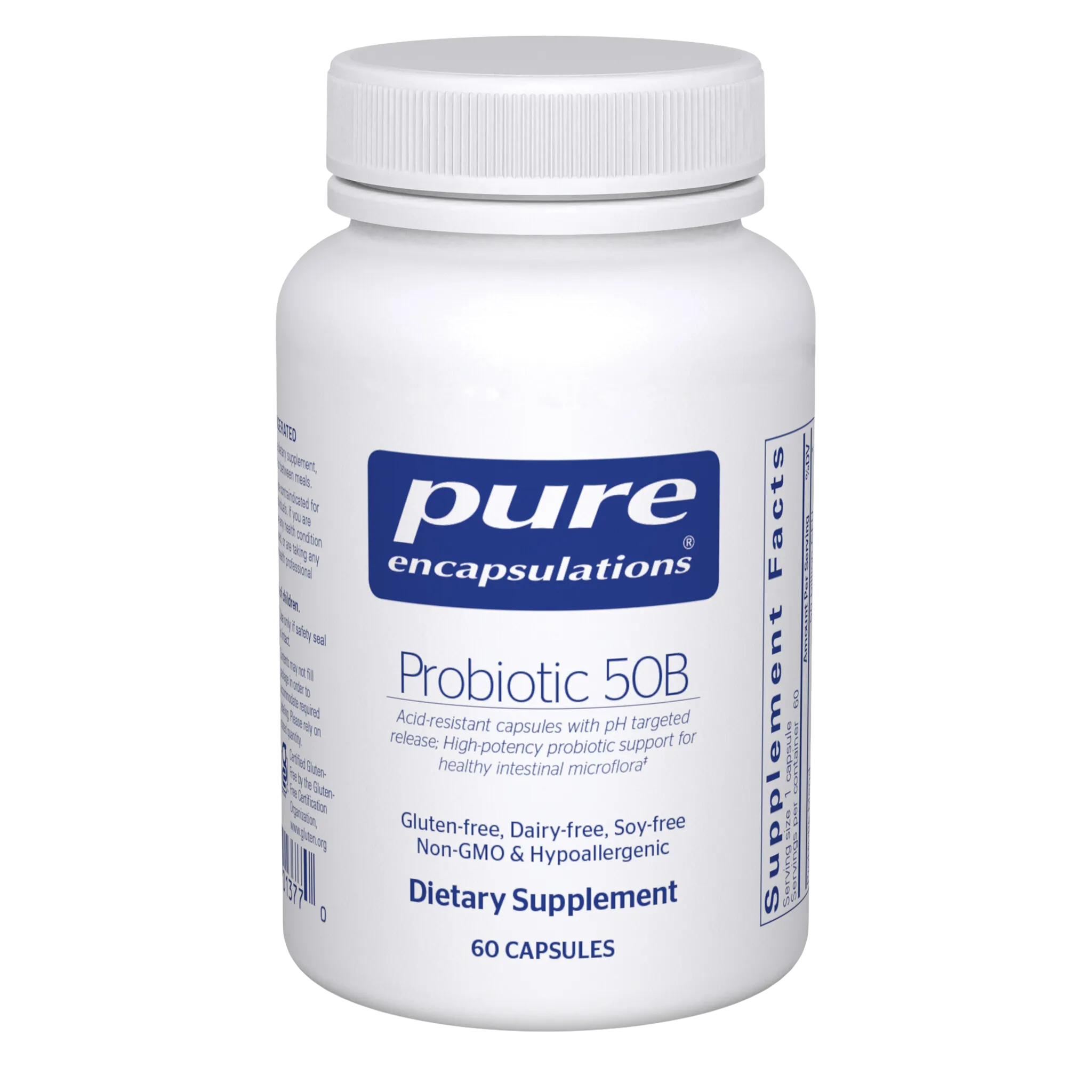
Probiotic 50B is a high-potency dietary supplement formulated by Pure Encapsulations to support this intricate microbial ecosystem. It delivers 50 billion CFU of five specific, clinically researched bacterial strains: Lactobacillus acidophilus (La-14), Lactobacillus rhamnosus GG, Lactobacillus plantarum (Lp-115), Bifidobacterium longum (Bl-05), and Bifidobacterium lactis (Bl-04). These strains are classified as "keystone" species, meaning they play a disproportionately large role in maintaining the structural integrity and functional capacity of the microbiome. By introducing a massive, viable dose of these specific beneficial bacteria, Probiotic 50B aims to crowd out pathogenic overgrowth, restore microbial diversity, and re-establish the metabolic pathways that are critical for systemic health. The formulation is specifically designed to address the profound dysbiosis often seen in patients with complex chronic conditions.
At the molecular level, these probiotic strains interact directly with the host's immune cells and the epithelial cells that line the intestinal tract. They possess unique surface proteins and secrete specific metabolites that bind to pattern recognition receptors (PRRs), such as Toll-like receptors (TLRs), on the surface of human cells. This interaction triggers a cascade of intracellular signaling pathways that regulate the expression of genes involved in inflammation, barrier function, and immune tolerance. By modulating these pathways, the strains in Probiotic 50B help to calibrate the immune system, ensuring it responds appropriately to genuine threats without overreacting to harmless dietary antigens or the body's own tissues.
The specific genera of bacteria included in Probiotic 50B—Lactobacillus and Bifidobacterium—are foundational to human health and are among the first microbes to colonize the infant gut. Bifidobacterium species, in particular, are highly specialized for degrading complex carbohydrates and plant-derived fibers that human digestive enzymes cannot break down. Through the process of fermentation, these bacteria convert indigestible fibers into vital bioactive compounds, serving as the primary metabolic engine of the lower gastrointestinal tract. Their presence is a strong indicator of a healthy, resilient microbiome, and their depletion is a common hallmark of many chronic inflammatory diseases, including Long COVID and ME/CFS.
Lactobacillus species, on the other hand, are primarily found in the small intestine and are renowned for their ability to produce lactic acid. This production of lactic acid lowers the local pH of the intestinal environment, creating an acidic milieu that is highly inhospitable to many pathogenic bacteria and yeast species. Furthermore, Lactobacillus strains are deeply involved in the modulation of the mucosal immune system. They stimulate the production of secretory IgA (sIgA), an antibody that acts as the first line of defense against toxins and infectious agents in the gut lumen. By combining these two powerful genera, Probiotic 50B provides comprehensive support across both the small and large intestines, addressing multiple facets of gastrointestinal ecology.
The synergistic action of these keystone strains is crucial for maintaining the structural integrity of the intestinal epithelium. The gut lining is only a single layer of cells thick, and these cells are held together by complex protein structures known as tight junctions. When beneficial bacteria like those in Probiotic 50B attach to the mucosal surface, they upregulate the expression of specific tight junction proteins, such as ZO-1 and occludin. This physical reinforcement of the barrier helps prevent the leakage of undigested food particles, toxins, and pathogenic bacteria into the systemic circulation, a phenomenon commonly referred to as "leaky gut." By fortifying this barrier, the probiotic strains help to contain inflammation within the gut lumen, protecting the rest of the body from systemic immune activation.
One of the most critical biochemical mechanisms by which the strains in Probiotic 50B exert their systemic effects is through the production of postbiotics, specifically short-chain fatty acids (SCFAs). When Bifidobacterium and certain Lactobacillus strains ferment dietary fibers, they produce SCFAs such as acetate, propionate, and butyrate. Butyrate, in particular, is the primary energy source for colonocytes (the cells lining the colon). It accounts for up to 70% of their energy requirements, ensuring these cells have the metabolic fuel needed to maintain rapid turnover and repair the intestinal lining. Without adequate butyrate production, the colonic epithelium quickly degrades, leading to increased permeability and chronic inflammation.
Beyond their local effects in the gut, SCFAs act as powerful systemic signaling molecules. They are absorbed into the bloodstream and travel throughout the body, interacting with specific G-protein coupled receptors (GPCRs) on various cell types, including immune cells and neurons. For instance, SCFAs have been shown to promote the differentiation of regulatory T cells (Tregs), which are essential for suppressing excessive immune responses and maintaining immune tolerance. This immunomodulatory effect is particularly relevant for conditions characterized by hyper-inflammation and autoimmunity. Furthermore, SCFAs can cross the blood-brain barrier, where they influence microglial function, promote the production of brain-derived neurotrophic factor (BDNF), and support overall neuroplasticity.
The depletion of SCFA-producing bacteria is a consistent finding in the microbiome profiles of patients with complex chronic illnesses. When the production of these vital metabolites drops, the body loses a crucial mechanism for regulating inflammation and maintaining cellular energy homeostasis. By supplementing with the high-potency, SCFA-promoting strains found in Probiotic 50B, patients can help restore this essential biochemical pathway. This restoration not only supports local gastrointestinal healing but also provides the systemic metabolic and immune support necessary to combat the widespread dysfunction seen in conditions like Long COVID and ME/CFS.
How Long COVID and ME/CFS Impact Gut Health
In the context of complex chronic illnesses like Long COVID, the gut microbiome undergoes profound and sustained alterations, a state clinically referred to as dysbiosis. Research has increasingly demonstrated that the SARS-CoV-2 virus does not merely cause an acute respiratory infection; it can also establish a persistent presence within the gastrointestinal tract. The virus gains entry into human cells by binding to the ACE2 receptor, which is highly expressed on the enterocytes lining the small intestine. This direct viral infection of the gut tissue triggers a localized inflammatory response that drastically alters the intestinal environment, making it hostile to beneficial, commensal bacteria. Studies have shown that this viral persistence leads to a significant and prolonged depletion of key immunomodulatory bacteria, particularly SCFA-producing species like Bifidobacterium.
As the populations of beneficial keystone species decline, a dangerous ecological vacuum is created within the gut. This void is rapidly filled by opportunistic, pro-inflammatory pathogens such as Ruminococcus gnavus and various Clostridium species. This shift from a symbiotic to a pathogenic microbiome profile is a hallmark of Long COVID and is strongly correlated with the severity and duration of systemic symptoms. The overgrowth of these harmful bacteria leads to the continuous production of inflammatory endotoxins and a reduction in the protective postbiotics necessary for maintaining immune homeostasis. This chronic state of dysbiosis creates a self-perpetuating cycle of localized gut inflammation that continuously feeds into systemic immune dysregulation, making recovery incredibly difficult without targeted intervention.
Similarly, in myalgic encephalomyelitis/chronic fatigue syndrome (ME/CFS), profound microbiome disturbances are a consistent clinical finding. Extensive research has identified distinct microbial patterns in ME/CFS patients, characterized by significantly reduced alpha diversity and an imbalance between beneficial and harmful bacteria. The depletion of anti-inflammatory Firmicutes and Bifidobacterium species in ME/CFS patients deprives the body of essential metabolic byproducts, contributing to the severe energy deficits and chronic immune activation that define the condition. Whether triggered by a viral infection like Epstein-Barr Virus (EBV) or SARS-CoV-2, or by severe physiological stress, this resulting dysbiosis acts as a primary driver of the ongoing disease process.
The most devastating consequence of microbiome dysbiosis in chronic illness is the breakdown of the intestinal epithelial barrier, commonly known as "leaky gut." In a healthy state, the tight junctions between intestinal cells form a highly selective barrier, allowing nutrients to pass while keeping microbes and toxins safely contained within the gut lumen. However, the chronic inflammation driven by viral persistence and pathogenic bacterial overgrowth directly damages these tight junction proteins. Recent literature highlights that this epithelial barrier dysfunction is a core pathophysiological feature of both ME/CFS and Long COVID, leading to the uncontrolled translocation of microbial products into the systemic circulation.
When the gut barrier fails, lipopolysaccharides (LPS)—structural components of the cell walls of Gram-negative bacteria—leak into the bloodstream. This phenomenon, known as metabolic endotoxemia, triggers a massive and sustained immune response. The immune system recognizes LPS as a severe threat, prompting macrophages and other immune cells to release high levels of pro-inflammatory cytokines, including Interleukin-6 (IL-6) and Tumor Necrosis Factor-alpha (TNF-α). This systemic cytokine storm is responsible for many of the debilitating symptoms experienced by patients, including severe muscle pain, profound fatigue, and the characteristic post-exertional malaise (PEM) that occurs when even minor physical or cognitive exertion exacerbates the inflammatory cascade.
This endotoxemia also plays a critical role in the pathophysiology of mast cell activation syndrome (MCAS), a condition frequently comorbid with Long COVID and dysautonomia. Mast cells, which are heavily concentrated in the gut mucosa and connective tissues, are highly sensitive to LPS and systemic cytokines. The constant leakage of bacterial toxins through a compromised gut barrier keeps mast cells in a state of hyper-reactivity, causing them to degranulate and release massive amounts of histamine and other inflammatory mediators inappropriately. This creates a vicious cycle where leaky gut drives mast cell activation, and the resulting histamine release further increases intestinal permeability, locking the patient in a state of chronic allergic reactivity and systemic inflammation.
The impact of gut dysbiosis and leaky gut extends far beyond the digestive and immune systems; it profoundly affects neurological function through the gut-brain axis. This bidirectional communication network links the enteric nervous system of the gut with the central nervous system of the brain via the vagus nerve, systemic circulation, and immune signaling. When the gut barrier is compromised, the resulting systemic inflammation does not remain confined to the periphery. Pro-inflammatory cytokines and bacterial endotoxins like LPS can travel to the brain, where they compromise the integrity of the blood-brain barrier (BBB). Research indicates that this BBB permeability allows inflammatory mediators to enter the brain tissue, triggering a process known as neuroinflammation.
Once inside the brain, these inflammatory signals activate microglia, the resident immune cells of the central nervous system. Activated microglia shift from a neuroprotective role to a pro-inflammatory state, releasing neurotoxic substances that disrupt neuronal communication and synaptic plasticity. This microglial activation and neuroinflammation are the primary biological drivers behind the severe cognitive dysfunction, commonly referred to as "brain fog," experienced by patients with Long COVID and ME/CFS. Patients often describe this symptom not just as forgetfulness, but as a profound inability to process information, concentrate, or find words, which is a direct reflection of an inflamed and metabolically compromised brain.
Furthermore, the depletion of beneficial gut bacteria drastically reduces the production of vital neurotransmitters and their precursors. The gut microbiome is responsible for producing a significant portion of the body's serotonin, dopamine, and gamma-aminobutyric acid (GABA). When dysbiosis disrupts this production, it can lead to severe dysregulation of the hypothalamic-pituitary-adrenal (HPA) axis, contributing to the severe anxiety, depression, and sleep disturbances that frequently accompany complex chronic illnesses. Restoring the gut microbiome is therefore not just about improving digestion; it is a critical intervention for reducing neuroinflammation, repairing the blood-brain barrier, and alleviating the debilitating neurological symptoms of Long COVID and ME/CFS. You can explore more about this connection in our guide on how a gut-brain reset can help manage symptoms.
Probiotic 50B: Supporting Gut Barrier and Immune Function
Probiotic 50B provides a targeted therapeutic intervention to disrupt the vicious cycles of dysbiosis, leaky gut, and systemic inflammation. One of the most critical components of this formulation is Lactobacillus rhamnosus GG (LGG), a strain extensively documented for its ability to physically repair the intestinal barrier. At the cellular level, LGG interacts with the epithelial cells lining the gut, stimulating the upregulation and proper localization of tight junction proteins, specifically ZO-1 and occludin. By increasing the expression of these crucial structural proteins, LGG acts like cellular mortar, sealing the microscopic gaps between enterocytes and directly reversing the intestinal permeability that drives metabolic endotoxemia in ME/CFS and Long COVID.
Beyond its structural role, Lactobacillus rhamnosus GG profoundly modulates the local immune environment of the gut, modifying lipoteichoic acid on its cell surface to down-regulate Toll-like receptor 2 (TLR2). Furthermore, LGG is suggested to actively upregulate the production of Interleukin-10 (IL-10), a potent anti-inflammatory cytokine that helps to calm hyperactive immune responses and promote tissue healing. By simultaneously sealing the physical barrier and dampening local inflammation, LGG provides a foundational step in halting the systemic spread of gut-derived toxins.
The inclusion of LGG in Probiotic 50B is particularly relevant for patients experiencing severe neurocognitive symptoms. By effectively reducing the translocation of lipopolysaccharides (LPS) into the bloodstream, LGG cuts off the primary fuel source for systemic inflammation and subsequent microglial activation in the brain. Clinical trials evaluating LGG and similar strains in post-viral fatigue cohorts have shown that normalizing this intestinal permeability is frequently accompanied by measurable improvements in neurocognitive functioning, reducing the severity of brain fog and helping to restore the blunted HPA-axis response that characterizes severe fatigue states.
For patients with comorbid Mast Cell Activation Syndrome (MCAS) or Histamine Intolerance (HIT), navigating probiotic supplementation can be a minefield, as many common strains actually produce histamine. Probiotic 50B is uniquely suited for this population because it features Lactobacillus plantarum (Lp-115), a strain renowned for its powerful histamine-degrading properties. L. plantarum lacks the histidine decarboxylase enzyme, meaning it cannot convert dietary histidine into histamine. Instead, research indicates that this specific strain actively helps degrade biogenic amines in the gut and indirectly supports the body's production of Diamine Oxidase (DAO), the primary enzyme responsible for clearing excess histamine from the digestive tract.
In addition to degrading luminal histamine, the strains in Probiotic 50B work synergistically to stabilize hyper-reactive mast cells. Human mast cell studies show downregulation of the high-affinity IgE receptor (FCER1) and the histamine H4 receptor (HRH4). By reducing the density of these receptors on the surface of mast cells, LGG is thought to effectively raise the threshold for mast cell degranulation, making them less likely to inappropriately release histamine, tryptase, and other inflammatory mediators in response to minor triggers. This receptor-level modulation is a critical mechanism for calming the systemic allergic reactivity seen in MCAS.
Furthermore, the Bifidobacterium strains included in the formula, such as B. longum and B. lactis, are universally recognized as safe, non-histamine-producing bacteria. Bifidobacterium longum acts as an immune regulator, reducing the overall production of IgE antibodies. Since IgE antibodies are the primary triggers that bind to mast cells and initiate the allergic cascade, lowering systemic IgE levels provides profound relief for patients suffering from chronic hives, flushing, tachycardia, and gastrointestinal anaphylaxis. By combining histamine-degrading L. plantarum with mast-cell-stabilizing LGG and safe Bifidobacterium species, Probiotic 50B offers a comprehensive strategy for managing the complex gut-immune interplay in MCAS.
The inclusion of Bifidobacterium lactis (Bl-04) and Bifidobacterium longum (Bl-05) in Probiotic 50B addresses the severe depletion of SCFA-producing bacteria commonly observed in Long COVID and ME/CFS. These strains are metabolic powerhouses, highly efficient at fermenting dietary fibers into short-chain fatty acids, particularly acetate and butyrate. At the molecular level, these SCFAs bind to G-protein coupled receptors (such as GPR41 and GPR43) on the surface of colonocytes and immune cells. This binding activates intracellular pathways that suppress the activation of Nuclear Factor kappa B (NF-κB), the master transcriptional regulator of pro-inflammatory cytokines. By inhibiting NF-κB, Bifidobacterium-derived SCFAs effectively extinguish the inflammatory fires burning within the gut mucosa.
The systemic benefits of this SCFA production are profound, particularly for the neurological and energetic deficits seen in chronic fatigue states. Butyrate, produced indirectly through cross-feeding mechanisms initiated by Bifidobacterium, is capable of crossing the blood-brain barrier. Once in the brain, it acts as a histone deacetylase (HDAC) inhibitor, a mechanism that promotes the transcription of genes related to neuroplasticity and cellular repair, including Brain-Derived Neurotrophic Factor (BDNF).
Crucially, the specific Bifidobacterium and Lactobacillus strains chosen for Probiotic 50B are generally recognized as D-lactate free. This is a vital consideration for patients with ME/CFS and Long COVID, as research has shown that an overgrowth of D-lactate-producing bacteria (like L. acidophilus in very high, unbalanced doses or S. thermophilus) can lead to an accumulation of D-lactic acid in the blood, triggering severe episodes of brain fog, ataxia, and profound fatigue. By prioritizing strains that produce beneficial SCFAs and L-lactate without contributing to D-lactate acidosis or histamine overload, Probiotic 50B provides a safe, metabolically supportive intervention tailored to the unique biochemical vulnerabilities of complex chronic illness.
Symptoms Probiotic 50B May Help Manage
By directly addressing dysbiosis and repairing the intestinal epithelial barrier, Probiotic 50B can help manage a wide range of debilitating gastrointestinal symptoms. The targeted strains work to restore the natural ecology of the gut, which is often the first step in alleviating chronic digestive distress.
Chronic Bloating and Distension: By crowding out gas-producing pathogenic bacteria and normalizing fermentation processes, the keystone strains help reduce the painful accumulation of gas in the intestines.
Unpredictable Bowel Habits (Diarrhea/Constipation): Bifidobacterium strains produce SCFAs that regulate intestinal motility, helping to normalize transit times and alleviate both chronic diarrhea and severe constipation commonly seen in dysautonomia.
Abdominal Pain and Cramping: By downregulating local inflammatory receptors (like TLR2) and reducing mucosal inflammation, the probiotic blend helps soothe the irritated enteric nervous system, reducing visceral hypersensitivity and cramping.
Food Sensitivities: Repairing the "leaky gut" with Lactobacillus rhamnosus GG helps prevent undigested food proteins from entering the bloodstream, which can significantly reduce the severity and frequency of acquired food intolerances.
The gut-brain axis is a primary therapeutic target of Probiotic 50B. By halting the systemic spread of endotoxins and promoting the production of neuroprotective postbiotics, this formulation can help manage the severe neurological manifestations of Long COVID and ME/CFS.
Brain Fog and Cognitive Dysfunction: By helping to prevent LPS translocation and reducing systemic cytokine levels, the probiotic helps calm microglial activation in the brain, alleviating the neuroinflammation that drives severe brain fog and word-finding difficulties.
Anxiety and Mood Instability: Bifidobacterium strains help regulate the HPA axis and support the production of neurotransmitters like GABA and serotonin in the gut, which can significantly reduce the physiological anxiety and depression associated with chronic illness.
Post-Exertional Malaise (PEM): While not a cure for PEM, reducing the baseline level of systemic metabolic endotoxemia means the immune system is less primed to overreact to physical or cognitive exertion, potentially reducing the severity of post-exertional crashes.
Sleep Disturbances: By lowering systemic inflammation and supporting the gut's production of sleep-regulating neurotransmitters, targeted probiotic therapy can help improve sleep architecture and reduce nocturnal awakenings.
For patients dealing with immune dysregulation and Mast Cell Activation Syndrome (MCAS), the specific histamine-degrading and mast-cell-stabilizing properties of Probiotic 50B offer crucial support for managing systemic allergic reactivity.
Histamine Overload Symptoms (Flushing, Tachycardia): The inclusion of Lactobacillus plantarum helps degrade luminal histamine and supports DAO production, reducing the overall histamine burden that triggers tachycardia, sudden flushing, and migraines.
Chronic Hives and Rashes: By downregulating the FCER1 and HRH4 receptors on mast cells, Lactobacillus rhamnosus GG raises the threshold for mast cell degranulation, helping to reduce the frequency of idiopathic urticaria and skin rashes.
Systemic Inflammation (Joint/Muscle Pain): The production of anti-inflammatory SCFAs and the upregulation of IL-10 help to systemically suppress the NF-κB inflammatory pathway, which can alleviate the diffuse joint and muscle pain characteristic of fibromyalgia and ME/CFS.
Frequent Infections: By stimulating the production of secretory IgA (sIgA) in the gut mucosa, the probiotic blend enhances the body's first line of immune defense, helping to protect against opportunistic mucosal infections.
Practical Considerations: Forms, Dosing, and Absorption
The clinical efficacy of any probiotic supplement is entirely dependent on the viability of the bacteria when they reach the intestines. The human stomach is a highly acidic environment, designed to destroy incoming pathogens; unfortunately, this stomach acid easily decimates standard, unprotected probiotic strains. Probiotic 50B overcomes this significant bioavailability hurdle by utilizing advanced acid-resistant capsules. These specialized capsules are designed to withstand the low pH of the gastric environment, remaining intact as they pass through the stomach. This ensures that the massive 50 billion CFU payload is protected from premature degradation, preserving the biological activity of the keystone strains.
Once the capsule transitions from the acidic stomach into the more neutral pH of the small intestine, the pH-targeted release mechanism is activated. The capsule dissolves precisely where the bacteria are needed most, delivering maximal viable organisms directly to the intestinal mucosa. This targeted delivery system is crucial for strains like Lactobacillus rhamnosus GG and Lactobacillus plantarum, which need to colonize and interact with the epithelial cells of the small and large intestines to exert their barrier-repairing and histamine-degrading effects. Without this pH-targeted technology, a significant percentage of the CFU count would be lost, drastically reducing the therapeutic potential of the supplement.
To further ensure the viability of these live organisms, Probiotic 50B requires refrigeration. Live bacterial cultures are sensitive to heat and moisture, which can cause them to activate prematurely and die off before consumption. Maintaining the supplement in a refrigerated environment from the time of manufacture through to daily storage in the patient's home guarantees that the stated potency of 50 billion CFU is maintained throughout the product's shelf life. Patients should be mindful to store the bottle in the refrigerator immediately upon receipt and avoid leaving it in warm or humid environments.
When introducing a high-potency probiotic, particularly in patients with ME/CFS, Long COVID, or MCAS, understanding strain-specific metabolic byproducts is essential. As discussed, Probiotic 50B is formulated with strains that are generally well-tolerated by this sensitive demographic. It avoids notorious histamine-producing strains like Lactobacillus reuteri and Lactobacillus casei, relying instead on histamine-degrading L. plantarum and mast-cell-stabilizing L. rhamnosus GG. This careful strain selection minimizes the risk of triggering the severe allergic flares, tachycardia, and gastrointestinal distress that MCAS patients often experience with broad-spectrum, over-the-counter probiotics or fermented foods.
Furthermore, the formulation leans heavily on Bifidobacterium strains, which are D-lactate free. D-lactic acidosis is a relatively common but frequently unrecognized complication in ME/CFS patients with severe gut dysbiosis. When the gut is overgrown with bacteria that produce D-lactate (an isomer of lactic acid that human cells struggle to metabolize efficiently), it accumulates in the blood and crosses the blood-brain barrier, causing profound neurological symptoms, slurred speech, ataxia, and severe brain fog. By utilizing Bifidobacterium and specific Lactobacillus strains that do not contribute to D-lactate pooling, Probiotic 50B provides robust microbiome support without risking this debilitating metabolic complication.
However, even with a carefully curated, low-histamine formula, patients with severe dysbiosis must proceed with caution. The introduction of 50 billion CFU of beneficial bacteria can cause a rapid shift in the gut ecosystem. As pathogenic bacteria are crowded out and die off, they release endotoxins, a process that can temporarily trigger a "Herxheimer" or die-off reaction. This may manifest as a transient increase in bloating, fatigue, or mild flu-like symptoms. To mitigate this, practitioners often recommend a gradual introduction, starting with a partial dose or taking the capsule every other day, allowing the immune system and the microbiome to acclimate to the new biological inputs.
For optimal absorption and colonization, the timing of probiotic administration can play a significant role. Pure Encapsulations suggests taking Probiotic 50B as a dietary supplement, 1 capsule daily, with or between meals. Taking the capsule with a light meal or snack that contains some healthy fats and complex carbohydrates can help buffer stomach acid further and provide the necessary prebiotic fibers (food) for the bacteria to begin fermenting once they reach the intestines. However, because the capsule is acid-resistant, taking it on an empty stomach between meals is also highly effective and ensures rapid transit through the gastric environment.
Patients should also be aware of potential interactions with other medications, particularly antibiotics and antimicrobial herbs. Antibiotics do not differentiate between pathogenic and beneficial bacteria; they will aggressively eradicate the strains provided by Probiotic 50B. Therefore, if a patient is undergoing antibiotic therapy, it is crucial to space the probiotic dose at least two to four hours apart from the antibiotic dose to ensure the supplemental bacteria are not immediately destroyed. Continuing probiotic therapy for several weeks after completing a course of antibiotics is also highly recommended to help rebuild the decimated microbiome and help prevent opportunistic fungal or bacterial overgrowth.
Finally, consistency is key when utilizing probiotics for chronic illness management. Modulating the gut microbiome and repairing the intestinal barrier is not an overnight process; it requires sustained, daily intervention. Clinical trials evaluating probiotic efficacy in Long COVID and ME/CFS typically observe significant symptomatic improvements after 3 to 6 months of continuous use. Patients should approach Probiotic 50B as a long-term foundational support strategy rather than a quick fix, tracking their gastrointestinal and systemic symptoms over several months to accurately gauge the supplement's impact on their overall health trajectory.
Follow the Science
The scientific consensus regarding the role of the microbiome in post-viral syndromes has solidified rapidly over the past few years, driven by robust, large-scale clinical trials. One of the most significant pieces of evidence comes from the RECOVERY trial, a randomized, double-blind, placebo-controlled study conducted by the Chinese University of Hong Kong (CU Medicine) and published in The Lancet Infectious Diseases. This landmark trial investigated the effects of SIM01, an oral microencapsulated synbiotic formula containing anaerobic Bifidobacterium strains, on 463 adult Long COVID patients over a 6-month period. The results provided compelling evidence that targeted microbiome modulation can directly alleviate systemic post-viral symptoms.
At the conclusion of the 6-month intervention, fecal metagenomic analyses revealed that patients receiving the Bifidobacterium intervention had successfully restored gut diversity and significantly increased the populations of beneficial, SCFA-producing bacteria. More importantly, this biological restoration translated into profound clinical improvements. Compared to the placebo group, the treatment group reported significantly higher rates of symptom alleviation across multiple domains: fatigue was alleviated in 63% of patients (vs. 43% placebo), memory loss in 42% (vs. 27%), gastrointestinal upset in 70% (vs. 54%), and general unwellness in 77% (vs. 59%). These findings firmly establish that replenishing keystone bacterial strains is a highly effective, evidence-based strategy for managing the multi-system impact of Long COVID.
Further supporting this approach, a 2025 clinical trial published in the European Journal of Nutrition evaluated a specific synbiotic blend targeting post-COVID Chronic Fatigue Syndrome (CFS). This intervention utilized a combination of Lactobacillus rhamnosus, Lactobacillus plantarum, Bifidobacterium lactis, and Bifidobacterium longum—strains notably present in Probiotic 50B. Over a 3-month period, patients receiving this specific multi-strain blend experienced significant improvements in post-exercise recovery. Metabolic testing also revealed measurable increases in key metabolites linked to brain health and energy metabolism, highlighting the efficacy of these specific strains in leveraging the gut-brain axis to combat neurological brain fog and profound fatigue.
The clinical evidence supporting probiotic use in ME/CFS is equally compelling, particularly regarding the repair of gut barrier integrity and the reduction of neuroinflammation, as seen with formulations containing Bifidobacterium lactis and Lactobacillus rhamnosus in women diagnosed with Fibromyalgia and ME/CFS.
Additional research has focused on the direct mechanical benefits of Lactobacillus rhamnosus GG in chronic fatigue cohorts. Extensive reviews of the gut-brain-immune axis in environmental sensitivity illnesses detail how LGG upregulates tight-junction proteins (ZO-1 and occludin) to seal the leaky gut frequently observed in ME/CFS patients. By physically strengthening this barrier, LGG prevents the translocation of lipopolysaccharides (LPS) that drive the systemic cytokine storms responsible for post-exertional malaise (PEM). Studies utilizing formulations containing L. rhamnosus over 8-week periods have successfully shown improvements in the body's capability to respond to physiological stress, normalizing the blunted HPA-axis response and reducing overall fatigue scores.
Furthermore, interventions using multi-strain Bifidobacterium lactis formulations in post-viral fatigue patients have demonstrated profound systemic anti-inflammatory effects, including reductions in C-Reactive Protein (CRP) levels after 8 weeks of targeted supplementation. These findings underscore the critical role of Bifidobacterium species in shifting the immune system from a state of chronic, exhaustive hyper-activation back toward a state of regulated homeostasis, providing essential metabolic relief for ME/CFS patients.
The intersection of microbiome research and Mast Cell Activation Syndrome (MCAS) has yielded critical insights into strain-specific therapies, particularly regarding the direct effects of Lactobacillus rhamnosus GG on human mast cells.
Equally important is the clinical understanding of histamine degradation by specific probiotic strains. Integrative medical research consistently identifies Lactobacillus plantarum as one of the most powerful histamine-degrading probiotics available. Studies demonstrate that L. plantarum not only lacks the histidine decarboxylase enzyme (ensuring it does not produce histamine) but also actively degrades biogenic amines in the gut lumen. By supporting the indirect enhancement of Diamine Oxidase (DAO) production, L. plantarum provides a vital biochemical pathway for clearing the excess histamine that drives the debilitating cardiovascular, gastrointestinal, and neurological symptoms of MCAS and Histamine Intolerance.
This body of evidence highlights a crucial paradigm shift in how we approach gut health in complex chronic illness. It is no longer sufficient to simply take any broad-spectrum probiotic; the intervention must be highly targeted. The clinical trials clearly demonstrate that utilizing specific, scientifically validated strains—like the Bifidobacterium species, L. rhamnosus GG, and L. plantarum found in Probiotic 50B—can successfully repair the intestinal barrier, degrade inflammatory mediators, and leverage the gut-brain axis to provide meaningful relief from the systemic symptoms of Long COVID, ME/CFS, and MCAS.
The Path Forward
Living with conditions like Long COVID, ME/CFS, dysautonomia, and MCAS often means navigating a medical landscape that frequently misunderstands or minimizes the severity of your symptoms. When you are battling profound fatigue, unpredictable allergic flares, and debilitating brain fog, it can be incredibly validating to understand the physiological root causes of your suffering. The emerging science surrounding the gut microbiome provides a clear, biological explanation for why these disparate symptoms occur simultaneously. The dysbiosis, the leaky gut, the systemic endotoxemia, and the resulting neuroinflammation are not in your head—they are measurable, biochemical realities driven by a disrupted internal ecosystem. Acknowledging this gut-symptom connection is a powerful first step in reclaiming agency over your health.
It is important to recognize that the damage to your microbiome—whether caused by the persistent SARS-CoV-2 virus, chronic stress, or immune dysregulation—took time to develop, and repairing it will also take time. There are no overnight cures for complex chronic illnesses, and managing these conditions requires immense patience and self-compassion. However, the clinical evidence offers a realistic and hopeful outlook: the gut microbiome is highly plastic and responsive to targeted interventions. By consistently providing your body with the right keystone bacterial strains, you can slowly rebuild the intestinal barrier, calm the systemic immune response, and reduce the inflammatory burden on your brain and nervous system.
While high-potency formulations like Probiotic 50B offer a powerful tool for microbiome restoration, they are most effective when integrated into a comprehensive, holistic management strategy. Healing the gut requires a multi-faceted approach. This includes identifying and removing dietary triggers that exacerbate mast cell activation, utilizing pacing strategies to manage physical and cognitive energy envelopes (thereby reducing stress-induced gut permeability), and working with knowledgeable healthcare providers to address comorbid conditions like dysautonomia and viral persistence. Probiotics serve as the foundational biological support, laying the groundwork for these other therapeutic interventions to take hold.
Symptom tracking is an invaluable practice as you introduce targeted microbiome support. Because the gut-brain axis influences so many different systems, improvements may manifest in subtle ways before they become profound. You might notice a slight reduction in the severity of your brain fog, a quicker recovery time after a minor exertion, or a decrease in the frequency of your histamine flares. Documenting these changes can help you and your medical team evaluate the efficacy of the probiotic therapy and make informed adjustments to your overall management protocol. For more insights on comprehensive gut support, consider exploring our guide on A.C. Formula II and Long COVID brain fog.
If you are struggling with the systemic symptoms of Long COVID, ME/CFS, or MCAS, and suspect that gut dysbiosis is playing a role in your illness, targeted probiotic therapy may be a vital addition to your management toolkit. Probiotic 50B provides a clinically researched, high-potency blend of the specific keystone strains necessary to repair the gut barrier, degrade histamine, and support the critical gut-brain axis, all delivered in advanced acid-resistant capsules for maximum efficacy.
Disclaimer: The information provided in this blog is for educational purposes only and is not intended as medical advice. Complex chronic conditions require personalized medical care. Always consult with your healthcare provider before starting any new supplement, including Probiotic 50B, to ensure it is appropriate for your specific health needs, sensitivities, and current treatment plan.