Can Phyto-ADR Support Adrenal Function and Energy in Long COVID and ME/CFS?
March 6, 2026
Phyto-ADRLong COVIDME/CFS
Share:
Disclaimer: The information provided here is for educational purposes only and is not intended as medical advice. It should not be used to diagnose, treat, cure, or prevent any medical condition. Instead, use it as a starting point for discussion with your healthcare provider. Always consult with a qualified healthcare provider before starting any new medication, supplement, device, or making changes to your health regimen.
Living with complex chronic conditions like Long COVID, Myalgic Encephalomyelitis/Chronic Fatigue Syndrome (ME/CFS), and dysautonomia often feels like running a marathon with no finish line, while carrying a heavy backpack. The profound, debilitating exhaustion you experience is not merely "tiredness"—it is a systemic energy failure rooted deep within your body's neuroendocrine and cellular systems. When your body is locked in a perpetual state of physiological stress, fighting off lingering viral fragments or battling chronic inflammation, the systems designed to manage stress become overwhelmed and dysfunctional. This leaves you vulnerable to severe post-exertional malaise (PEM), unpredictable crashes, and a pervasive brain fog that makes even simple daily tasks feel insurmountable. We hear you, we validate your experience, and we understand that this level of fatigue requires a comprehensive, biologically grounded approach to management.
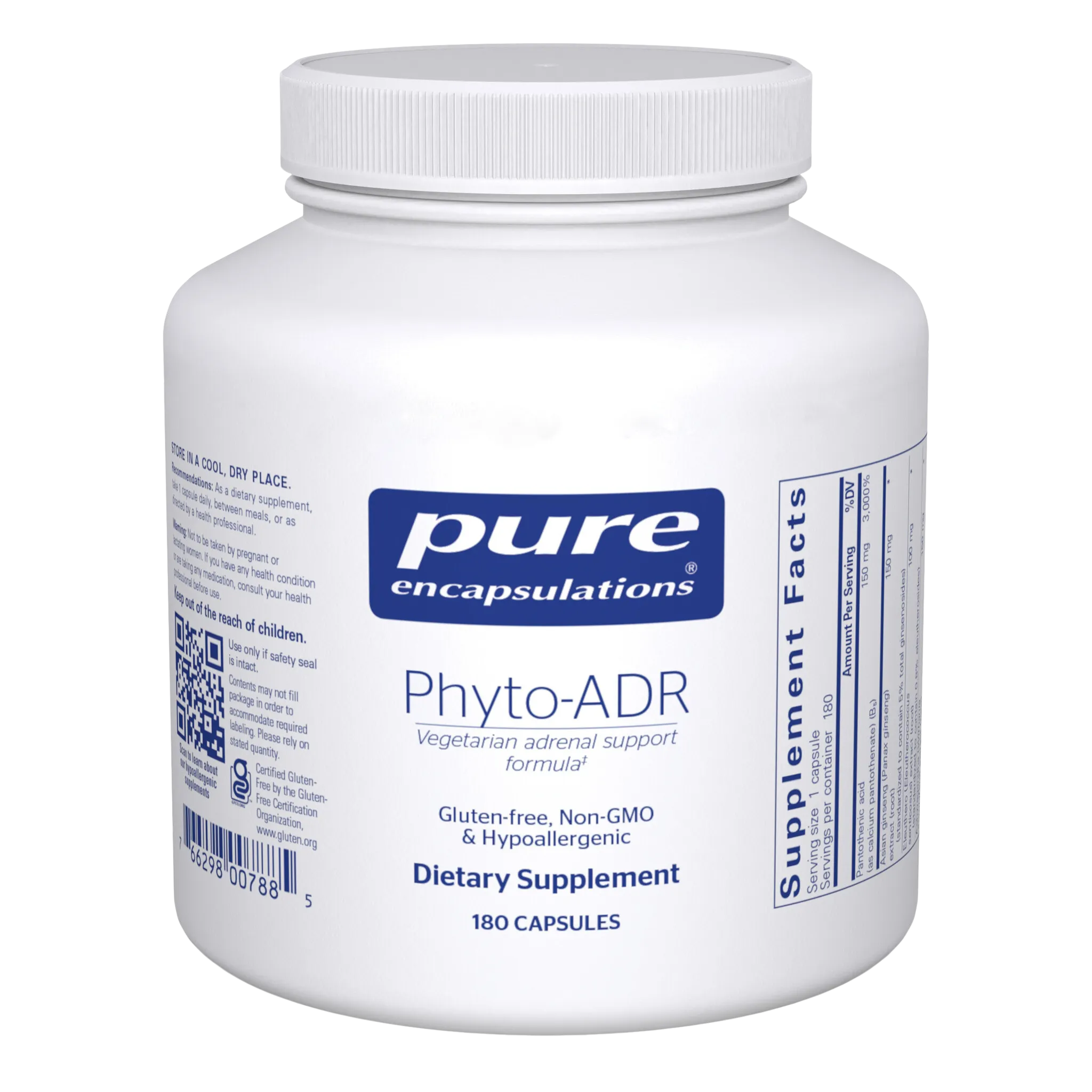
One of the primary systems affected by these invisible illnesses is the Hypothalamic-Pituitary-Adrenal (HPA) axis, the central command center for your body's stress response. When this axis is chronically activated, it can lead to a state of adrenal exhaustion and cellular energy depletion. This is where targeted nutritional and botanical support comes into play. Phyto-ADR by Pure Encapsulations is a comprehensive formula designed to support healthy adrenal gland function and promote a balanced stress response. By combining essential metabolic nutrients like pantothenic acid with a robust blend of extensively researched adaptogenic herbs—including Panax ginseng, Eleuthero, Ashwagandha, Rhodiola, and Astragalus—this formulation aims to restore neuroendocrine homeostasis. In this comprehensive guide, we will explore the intricate biochemistry of the HPA axis, how complex chronic illnesses disrupt it, and how the specific ingredients in Phyto-ADR work at the molecular level to support your energy reserves and overall well-being.
What is Phyto-ADR?
The HPA Axis and the Body's Stress Response System
To truly understand how Phyto-ADR works, we must first explore the natural function of the Hypothalamic-Pituitary-Adrenal (HPA) axis in a healthy body. The HPA axis is a complex, tightly regulated neuroendocrine feedback loop that serves as the body's primary stress response system. When you encounter a stressor—whether it is physical, emotional, or biological, such as a viral infection—the hypothalamus in your brain releases corticotropin-releasing hormone (CRH). This hormone travels a short distance to the pituitary gland, signaling it to release adrenocorticotropic hormone (ACTH) into the bloodstream. ACTH then travels to the adrenal glands, which sit atop your kidneys, prompting them to synthesize and release glucocorticoids, the most prominent being cortisol. Cortisol is essential for life; it mobilizes glucose for immediate energy, modulates the immune system, and helps maintain blood pressure.
In a healthy, acute stress scenario, this system operates with a built-in negative feedback loop. Once the stressor has passed, elevated levels of circulating cortisol bind to glucocorticoid receptors in the hypothalamus and pituitary gland. This binding signals the brain to stop producing CRH and ACTH, effectively turning off the stress response and allowing the body to return to a state of rest and repair (homeostasis). However, this intricate system requires a massive amount of cellular energy and specific nutritional building blocks to function optimally. The adrenal glands, in particular, are highly metabolically active and demand continuous supplies of vitamins and cofactors to synthesize steroid hormones from cholesterol. When these nutrients are depleted, or when the stressor is unrelenting, the entire HPA axis can begin to falter, leading to profound systemic dysfunction.
The Role of Adaptogens in Restoring Homeostasis
Phyto-ADR relies heavily on a class of botanical compounds known as adaptogens. In the realm of botanical medicine and pharmacology, an adaptogen is defined as a substance that enhances the body's state of non-specific resistance to stress, helping it to adapt and maintain physiological homeostasis. Unlike stimulants, such as caffeine, which force the central nervous system into a state of artificial arousal and often lead to a subsequent crash, adaptogens work by modulating the body's stress response systems at a fundamental, molecular level. They act as metabolic regulators, smoothing out the peaks and valleys of cortisol secretion. If cortisol is too high due to acute anxiety or a hyperactive immune response, adaptogens can help downregulate its production. Conversely, if cortisol is too low due to adrenal exhaustion, they can support the pathways necessary for its optimal synthesis.
The mechanism by which adaptogens achieve this balancing act is often attributed to a biological concept called hormesis. Hormesis is a biphasic dose-response phenomenon where a low dose of a mild stressor provokes a beneficial, adaptive response in the body, ultimately increasing cellular resilience to more severe stress. Many adaptogenic compounds, such as the rosavins in Rhodiola or the ginsenosides in Panax ginseng, act as mild stress-mimetics. They gently trigger cellular defense mechanisms, such as the upregulation of heat shock proteins (HSPs) and the activation of antioxidant pathways. This mild stimulation trains the cellular machinery to become more robust and efficient, much like how physical exercise (a mild stressor) builds stronger muscles. By continuously conditioning the HPA axis, adaptogens help the body respond to real stressors with greater efficiency and less collateral damage.
The Biochemical Foundation of Adrenal Support
Phyto-ADR is not just a random assortment of herbs; it is a carefully constructed formula that targets multiple points along the HPA axis and cellular energy pathways. At its core is pantothenic acid (Vitamin B5), an essential water-soluble vitamin that serves as the direct biochemical precursor to Coenzyme A (CoA). Coenzyme A is a master metabolic molecule required for the synthesis of all steroid hormones in the adrenal cortex, as well as for the production of ATP (cellular energy) within the mitochondria. Without adequate Vitamin B5, the adrenal glands simply lack the raw materials necessary to produce cortisol, regardless of how strongly the brain signals them to do so. This nutritional foundation is critical for ensuring that the adrenal glands have the metabolic capacity to respond to the adaptogenic herbs in the formula.
Building upon this nutritional base, Phyto-ADR incorporates five highly researched adaptogenic extracts: Panax ginseng, Eleuthero, Ashwagandha, Rhodiola rosea, and Astragalus. Each of these botanicals brings a unique mechanism of action to the formula. While Rhodiola targets the hypothalamus to modulate the initial release of CRH, Ashwagandha acts on the central nervous system to provide a GABA-mimetic calming effect. Meanwhile, Panax ginseng and Eleuthero work at the cellular level to improve glucocorticoid receptor sensitivity and protect against stress-induced mitochondrial dysfunction. Finally, Astragalus provides profound immunomodulatory support, helping to shield the neuroendocrine system from the damaging effects of chronic inflammation. Together, these ingredients create a synergistic effect, providing comprehensive support for the entire stress response network. You can learn more about how specific adaptogens function in our guide, Can Adaptogens Support Energy Levels for Long COVID and ME/CFS Patients?.
How Long COVID and ME/CFS Impact the HPA Axis
Post-Viral Neuroinflammation and Hypothalamic Dysfunction
In complex chronic conditions like Long COVID, ME/CFS, and mast cell activation syndrome (MCAS), the HPA axis is subjected to relentless, multi-systemic stress. The pathophysiology of these illnesses often begins with a severe viral infection or an environmental trigger that sets off a cascade of chronic immune dysregulation. In Long COVID, for instance, research suggests that viral persistence—fragments of the SARS-CoV-2 virus remaining in tissue reservoirs—can continuously provoke the immune system. This constant provocation leads to the chronic overproduction of pro-inflammatory cytokines, such as Interleukin-6 (IL-6) and Tumor Necrosis Factor-alpha (TNF-α). These inflammatory molecules are not confined to the periphery; they can cross the blood-brain barrier and trigger neuroinflammation, directly impacting the delicate structures of the brain, including the hypothalamus.
When the hypothalamus is bathed in a chronic inflammatory soup, its ability to accurately sense and respond to the body's needs becomes severely compromised. Neuroinflammation disrupts the precise signaling required for the release of corticotropin-releasing hormone (CRH). Instead of a healthy, rhythmic release of CRH that follows a natural circadian pattern (high in the morning, low at night), the hypothalamus may begin to fire erratically or become blunted. This neuroendocrine disruption is a primary driver of the profound sleep disturbances, unrefreshing sleep, and morning exhaustion that are hallmark symptoms of ME/CFS and Long COVID. The brain's central pacemaker for energy and arousal is essentially knocked offline by the ongoing immune battle, leaving patients feeling perpetually drained and biologically out of sync.
The Vicious Cycle of Cortisol Resistance and Adrenal Burnout
As the neuroinflammatory state persists, the HPA axis enters a vicious cycle of dysfunction known as glucocorticoid resistance. Initially, in response to the chronic stress of illness, the adrenal glands may pump out high levels of cortisol in an attempt to quell the systemic inflammation. However, when cells are exposed to elevated cortisol for prolonged periods, they protect themselves by downregulating their glucocorticoid receptors. This means that even though there is plenty of cortisol in the bloodstream, the cells can no longer "hear" its anti-inflammatory signal. In response to this perceived lack of cortisol action, the brain screams louder, sending more ACTH to the adrenal glands, demanding even more cortisol production. This creates a state of immense metabolic strain on the adrenal cortex.
Over time, this relentless demand can lead to a state of adrenal exhaustion or HPA axis blunting, a phenomenon frequently observed in advanced stages of ME/CFS. The adrenal glands, depleted of essential cofactors like Vitamin B5 and Vitamin C, simply cannot keep up with the chronic demand. Consequently, patients may develop hypocortisolism—abnormally low levels of circulating cortisol. Without adequate cortisol to modulate the immune system and mobilize glucose for cellular energy, the body becomes incredibly vulnerable to even minor stressors. This is a critical component of post-exertional malaise (PEM); when a patient attempts physical or cognitive exertion, their depleted HPA axis cannot mount the necessary metabolic response, leading to a severe, debilitating crash that can last for days or weeks.
Dysautonomia and the Chronic "Fight or Flight" State
The impact of these chronic illnesses on the stress response system is further complicated by the presence of dysautonomia, particularly Postural Orthostatic Tachycardia Syndrome (POTS), which is highly prevalent in the Long COVID and ME/CFS communities. Dysautonomia involves the dysfunction of the autonomic nervous system, which controls involuntary bodily functions like heart rate, blood pressure, and digestion. In POTS, the sympathetic nervous system—the "fight or flight" branch—is often chronically hyperactive. Just standing up can trigger a massive release of norepinephrine and epinephrine (adrenaline), causing the heart to race and inducing a state of physiological panic.
This constant sympathetic overdrive places an enormous secondary burden on the adrenal glands. The adrenal medulla is forced to continuously secrete catecholamines to maintain blood pressure and vascular tone, while the adrenal cortex is simultaneously struggling to manage the cortisol demands of systemic inflammation. This dual-axis exhaustion leaves the patient with virtually no physiological reserves. It is a state of being "tired and wired"—profoundly exhausted at a cellular level, yet physically agitated, anxious, and unable to achieve restorative rest. Breaking this cycle requires interventions that can calm the central nervous system, modulate the immune response, and provide the adrenal glands with the precise biochemical support they need to recover. You can explore more about how specific nutrients support this recovery in our article, Can Adrenal Complex Support Energy Levels and Stress Response in Long COVID and ME/CFS?.
Phyto-ADR: Supporting Adrenal Function and Energy Production
Pantothenic Acid (B5) and the Synthesis of Coenzyme A
The foundation of Phyto-ADR's mechanism of action lies in its inclusion of 150 mg of pantothenic acid (Vitamin B5), provided as calcium pantothenate. At the molecular level, Vitamin B5 is the absolute prerequisite for the synthesis of Coenzyme A (CoA). CoA is a master metabolic hub molecule that sits at the crossroads of cellular energy production and hormone synthesis. Within the mitochondria of adrenal cortex cells, CoA is heavily involved in acetylation reactions. Specifically, it is required to convert circulating cholesterol into pregnenolone, a process mediated by the crucial CYP11A1 enzyme. Pregnenolone is the "mother hormone" from which all other steroid hormones, including cortisol, DHEA, and aldosterone, are derived. Without sufficient Vitamin B5 to synthesize CoA, the adrenal glands experience a biochemical bottleneck, rendering them unable to produce the cortisol needed to manage systemic inflammation and stress.
Furthermore, Coenzyme A is indispensable for the Krebs cycle (citric acid cycle), the primary engine of ATP production within the mitochondria. By facilitating the formation of Acetyl-CoA, Vitamin B5 ensures that carbohydrates, fats, and proteins can be efficiently converted into usable cellular energy. In conditions like ME/CFS and Long COVID, where mitochondrial dysfunction and severe energy deficits are prominent, ensuring an adequate supply of Vitamin B5 is critical. It provides the adrenal glands with both the structural building blocks for hormone synthesis and the metabolic energy required to carry out that synthesis, effectively helping to protect the glands from depleting their reserves during periods of chronic, unrelenting stress.
Rhodiola Rosea and the Suppression of Hypothalamic CRH
Rhodiola rosea is a potent adaptogen that acts directly on the central nervous system to modulate the very beginning of the HPA axis cascade. The primary bioactive compounds in Rhodiola, particularly salidroside and rosavins, have been shown to exert profound neuroprotective and stress-modulating effects. At the cellular level, salidroside intervenes by significantly reducing the expression of c-Fos in the paraventricular nucleus (PVN) of the hypothalamus. c-Fos is a marker of neuronal activation that is directly tied to the secretion of corticotropin-releasing hormone (CRH). By suppressing c-Fos expression, Rhodiola effectively blunts the initial neurological trigger for the stress response, helping to keep the hypothalamus from over-signaling the pituitary and adrenal glands.
Additionally, Rhodiola plays a crucial role in reversing glucocorticoid resistance. Under chronic stress, cells lose sensitivity to cortisol, prompting the HPA axis to overproduce the hormone. Research indicates that Rhodiola modulates stress-activated protein kinases, specifically the c-Jun N-terminal kinase (JNK) pathway. This modulation helps restore the sensitivity of glucocorticoid receptors, allowing the body's natural negative feedback loop to successfully signal the HPA axis to power down. By calming the hypothalamus and restoring receptor sensitivity, Rhodiola helps mitigate the erratic cortisol spikes and subsequent crashes that drive the profound exhaustion seen in post-viral syndromes. For a deeper dive into this specific herb, read Can Rhodiola Rosea Combat Brain Fog and Fatigue in Long COVID and ME/CFS?.
Ashwagandha's GABA-Mimetic Calming Effect
Ashwagandha (Withania somnifera) is renowned in Ayurvedic medicine for its ability to promote resilience and calm the nervous system. The active constituents responsible for these effects are steroidal lactones known as withanolides. In the context of chronic illness and dysautonomia, where the sympathetic nervous system is locked in a hyperactive "fight or flight" state, Ashwagandha acts as a powerful central nervous system modulator. Withanolides exert a GABA-mimetic effect, meaning they bind to and activate Gamma-aminobutyric acid (GABA) receptors in the brain. GABA is the body's primary inhibitory neurotransmitter; its activation slows down hyperactive neuronal firing, inducing a state of physiological calm and shifting the autonomic nervous system toward the parasympathetic ("rest and digest") state.
By enhancing GABAergic activity, Ashwagandha directly counteracts the neurological hyperarousal that leads to non-restorative sleep and constant anxiety in Long COVID and ME/CFS patients. Furthermore, clinical studies have demonstrated that standardized Ashwagandha extracts can significantly lower serum cortisol levels and reduce circulating DHEA-S, an adrenal androgen associated with chronic stress. By dampening the central nervous system triggers and directly modulating adrenal output, Ashwagandha helps preserve vital metabolic energy that would otherwise be wasted on maintaining a state of chronic physiological panic.
Panax Ginseng and Glucocorticoid Receptor Sensitivity
Panax ginseng, also known as Asian ginseng, is a premier adaptogen that targets cellular metabolism and HPA axis regulation through its unique active compounds called ginsenosides (such as Rb1, Rg1, and Rg3). One of the most critical mechanisms of ginsenosides is their ability to unblock glucocorticoid receptors during periods of chronic stress. When the body is subjected to prolonged stress, a chaperone protein known as FKBP51 binds to glucocorticoid receptors, physically restraining them and preventing them from entering the cell nucleus to shut off the inflammatory response. Ginsenosides have been shown to inhibit this FKBP51-receptor interaction, freeing the receptors and facilitating their nuclear translocation. This action profoundly heightens the sensitivity of the glucocorticoid response, reinforcing the negative feedback loop that tells the brain to halt CRH and ACTH production.
Beyond HPA axis regulation, Panax ginseng is a powerful mitochondrial protectant. Ginsenosides promote ATPase activities and regulate the PI3K/AKT/mTOR signaling pathways, which are essential for cellular energy homeostasis and repair. Recent studies have even highlighted that ginsenoside Rg1 can downregulate Epidermal Growth Factor Receptor (EGFR) pathways, which are implicated in the metabolic disturbances and fatigue-like behaviors seen in chronic fatigue models. By restoring receptor sensitivity and boosting mitochondrial ATP output, Panax ginseng directly targets the cellular energy deficits that cause post-exertional malaise. You can explore this further in Can Panax Ginseng Support Energy Levels and Stress Response for Long COVID and ME/CFS?.
Eleuthero and Astragalus for Cellular Protection
Rounding out the Phyto-ADR formula are Eleuthero (Eleutherococcus senticosus) and Astragalus (Astragalus membranaceus), both of which provide profound cellular protection against stress-induced damage. Eleuthero contains eleutherosides that act as mild stress-mimetics, actively upregulating the production of Neuropeptide Y (NPY) and Heat Shock Protein 72 (Hsp72). NPY is a crucial neurotransmitter that regulates HPA axis activity and energy homeostasis, while Hsp72 acts as a molecular chaperone that repairs damaged proteins and signals the HPA axis to stand down, helping to buffer against adrenal exhaustion during prolonged physical or cognitive exertion.
Astragalus, on the other hand, is a master immunomodulator that protects the neuroendocrine system from the ravages of chronic inflammation. Its primary bioactive, Astragaloside IV, has been shown to suppress neuroinflammation via the PPARγ/NF-κB/NLRP3 inflammasome axis. By reducing neurotoxic cytokines like TNF-α and IL-1β in the brain, Astragalus halts the degradation of the hippocampus and preserves the neurological hardware required to maintain the HPA negative feedback loop. Together, Eleuthero and Astragalus ensure that the adrenal glands and the brain are shielded from the inflammatory and oxidative fallout of chronic post-viral illness.

Symptoms Phyto-ADR May Help Manage
Targeting the Core Symptoms of HPA Axis Dysregulation
Because Phyto-ADR targets the foundational neuroendocrine pathways that govern energy production, stress response, and immune modulation, it can help manage a wide array of systemic symptoms associated with complex chronic illnesses. By restoring HPA axis homeostasis and supporting mitochondrial ATP output, this comprehensive adaptogenic formula addresses the root physiological drivers of post-viral exhaustion.
Profound Fatigue and Post-Exertional Malaise (PEM): By providing pantothenic acid for Coenzyme A synthesis and utilizing Panax ginseng to boost mitochondrial ATPase activity, Phyto-ADR supports the cellular energy reserves required to buffer against severe crashes following physical or cognitive exertion.
Brain Fog and Cognitive Dysfunction: Neuroinflammation and erratic cortisol levels disrupt cognitive processing. Rhodiola and Astragalus help suppress microglial activation and reduce neurotoxic cytokines in the brain, promoting mental clarity and improved focus.
Unrefreshing Sleep and Insomnia: Hyperarousal of the central nervous system prevents restorative sleep. Ashwagandha's GABA-mimetic withanolides help calm the nervous system, shifting the body out of a sympathetic "fight or flight" state and facilitating deeper, more restorative sleep architecture.
Stress Intolerance and Emotional Lability: When the adrenal glands are depleted, even minor stressors can cause physiological panic. Eleuthero and Rhodiola act as stress-mimetics, buffering circulating cortisol and restoring glucocorticoid receptor sensitivity, allowing the body to handle daily stressors with greater resilience.
Orthostatic Intolerance and Dysautonomia Symptoms: While not a direct intervention for POTS, supporting the adrenal glands helps mitigate the secondary exhaustion caused by the constant overproduction of adrenaline and noradrenaline, stabilizing the overall autonomic stress burden.
Practical Considerations: Forms, Dosing, and Absorption
Understanding the Phyto-ADR Formulation
When incorporating a complex botanical formula like Phyto-ADR into your management protocol, understanding its formulation and bioavailability is crucial. Pure Encapsulations designed this supplement using standardized extracts, which is vital for clinical efficacy. Standardization ensures that each capsule contains a guaranteed, consistent percentage of the active biochemical compounds—such as the withanolides in Ashwagandha or the rosavins in Rhodiola—rather than just raw, unmeasured root powder. This guarantees that you are receiving the specific molecular triggers necessary to modulate the HPA axis. Furthermore, the formula is delivered in vegetarian capsules and is free from unnecessary binders, fillers, and common allergens, which is particularly important for patients with mast cell activation syndrome (MCAS) or severe chemical sensitivities who often react to excipients in lower-quality supplements.
The inclusion of 150 mg of pantothenic acid (Vitamin B5) alongside the herbal extracts is a highly strategic formulation choice. Botanicals alone can signal the adrenal glands to optimize their function, but without the raw nutritional building blocks, the glands cannot execute those signals. By providing the direct precursor to Coenzyme A, Phyto-ADR ensures that the metabolic machinery is fully fueled and ready to respond to the adaptogenic modulation provided by the ginseng, eleuthero, and rhodiola.
Optimal Timing for HPA Axis Support
The timing of adaptogen supplementation is critical, as you want to align the intervention with your body's natural circadian rhythms. In a healthy individual, cortisol levels follow a distinct diurnal curve: they peak sharply in the first 30 to 45 minutes after waking (known as the Cortisol Awakening Response, or CAR) to provide energy and alertness, and then gradually decline throughout the day, reaching their lowest point at midnight to allow for sleep. Because Phyto-ADR contains stimulating adaptogens like Panax ginseng and Rhodiola, which are designed to support energy reserves and modulate this morning cortisol peak, it is generally recommended to take this supplement in the morning or early afternoon. Taking it too late in the day could inadvertently stimulate the HPA axis when it should be winding down, potentially exacerbating the insomnia and delayed sleep phase issues commonly seen in ME/CFS and Long COVID.
Potential Interactions and Contraindications
While adaptogens are generally well-tolerated, they exert powerful physiological effects and must be used with care, particularly in complex chronic illness. Because Astragalus and Ashwagandha are potent immunomodulators, patients with autoimmune conditions (such as rheumatoid arthritis or lupus) should consult their healthcare provider before use, as these herbs can sometimes stimulate immune activity in unpredictable ways. Additionally, Ashwagandha and Panax ginseng have been shown to lower blood glucose levels. For patients with dysautonomia who already struggle with reactive hypoglycemia, this blood sugar drop can mimic anxiety or trigger a sympathetic nervous system flare. Finally, pregnant or lactating women should not take this formula, and it should be used cautiously in individuals taking immunosuppressants, sedatives, or medications that heavily alter blood pressure or blood sugar. Always discuss new supplements with your medical team to ensure they fit safely into your specific pharmacological landscape.

Follow the Science: Clinical Evidence for Adaptogens
Recent Trials on Astragalus and Post-COVID Fatigue
The clinical evidence supporting the use of adaptogens for post-viral syndromes has expanded significantly in recent years, particularly in response to the Long COVID crisis. A landmark triple-blind, randomized, placebo-controlled clinical trial published in BMJ Supportive & Palliative Care in 2024 investigated the efficacy of Astragalus root extract on post-COVID-19 chronic fatigue. The study involved 64 medical professionals diagnosed with post-viral fatigue who were given either 500 mg of Astragalus extract twice daily or a placebo for one month. The results were striking: the prevalence of chronic fatigue in the Astragalus intervention group plummeted to just 13.8% by the end of the trial, compared to a staggering 72.2% in the placebo control group. This highly statistically significant finding (p=0.0001) underscores the profound ability of Astragalus to modulate post-viral immune dysfunction and restore systemic energy levels.
Ashwagandha in the APRIL Long COVID Trial
Ashwagandha is also at the forefront of modern clinical research for complex chronic fatigue. Recognizing its potent anti-inflammatory and cortisol-modulating properties, researchers in the UK initiated the APRIL Trial (Ashwagandha for Post-COVID-19 Recovery). This massive randomized, double-blind, placebo-controlled superiority trial aims to enroll over 2,000 UK adults suffering from Long COVID. Participants receive 1,000 mg of Ashwagandha root extract daily for three months, with researchers meticulously tracking improvements in the Post-COVID-19 Functional Status Scale (PCFSS), fatigue severity, and cognitive function. This trial builds upon robust existing data, such as a 2019 study in Medicine (Baltimore), which demonstrated that 240 mg/day of Ashwagandha extract led to a remarkable 23% drop in morning cortisol levels and significant reductions in DHEA-S, proving its efficacy in downregulating a hyperactive HPA axis.
Rhodiola and Ginseng in ME/CFS and Burnout Studies
The synergistic effects of Rhodiola and Ginseng have been extensively documented in studies focusing on severe burnout and ME/CFS models. A pivotal Swedish double-blind, placebo-controlled study involving patients with stress-related fatigue syndrome utilized 576 mg/day of a standardized Rhodiola extract. The researchers found that the Rhodiola group exhibited a significantly decreased Cortisol Awakening Response (CAR) and scored substantially better on cognitive and burnout scales compared to the placebo group. Furthermore, recent pharmacological network studies, such as a 2023 paper in Frontiers in Pharmacology, demonstrated that Ginsenoside Rg1 successfully reversed fatigue-like behaviors in chronic fatigue models by modulating EGFR-linked pathways and restoring crucial metabolic biomarkers like taurine and mannose 6-phosphate. These studies validate the mechanistic inclusion of these specific adaptogens in formulas designed to combat profound, multi-systemic exhaustion.
The Path Forward
Validating the Reality of Post-Viral Exhaustion
Living with the crushing fatigue of Long COVID, ME/CFS, or dysautonomia is an incredibly isolating experience. It is vital to recognize that your exhaustion is not a lack of willpower, nor is it simply a matter of being "deconditioned." The profound lack of energy you experience is the result of measurable, physiological dysfunctions within your mitochondria, your immune system, and your HPA axis. Your body is fighting a complex biological battle at the cellular level, and the resulting depletion of your adrenal reserves is a very real, scientifically validated phenomenon. Acknowledging the biological reality of your symptoms is the first and most crucial step toward finding effective, compassionate management strategies.
Integrating Adaptogens into a Comprehensive Pacing Strategy
While a comprehensive, science-backed formula like Phyto-ADR can provide essential biochemical support to a struggling neuroendocrine system, it is important to view supplements as one piece of a much larger puzzle. Adaptogens are not a quick fix for complex chronic illness, nor are they a substitute for radical rest. They should never be used as a tool to "push through" fatigue or ignore your body's warning signs, as doing so will inevitably lead to severe post-exertional malaise (PEM). Instead, adaptogens should be integrated into a strict pacing protocol. By using these botanicals to slowly raise your physiological baseline and stabilize your cortisol rhythms, you can create a safer, more resilient foundation from which to manage your daily energy envelope. You can learn more about managing your energy reserves in our guide, Can Magnesium Citrate Help Manage Fatigue in Long COVID and ME/CFS?.
Next Steps in Your Healing Journey
Navigating the complexities of adrenal support and HPA axis regulation requires patience, self-compassion, and personalized medical guidance. If you are struggling with the debilitating fatigue and autonomic dysfunction associated with Long COVID or ME/CFS, targeted adaptogenic support may offer a pathway toward greater physiological stability. Always consult with your healthcare provider or a specialist who understands the nuances of complex chronic illness before introducing new supplements into your regimen. Together, you can build a comprehensive management plan that honors your body's limits while actively supporting its incredible capacity for healing.