Can Adrenal Complex Support Energy Levels and Stress Response in Long COVID and ME/CFS?
March 5, 2026
Adrenal ComplexLong COVIDME/CFS
Share:
Disclaimer: The information provided here is for educational purposes only and is not intended as medical advice. It should not be used to diagnose, treat, cure, or prevent any medical condition. Instead, use it as a starting point for discussion with your healthcare provider. Always consult with a qualified healthcare provider before starting any new medication, supplement, device, or making changes to your health regimen.
Months or even years after recovering from an initial viral infection, many individuals find themselves fighting a daily, exhausting battle against debilitating symptoms. For those living with Long COVID, myalgic encephalomyelitis/chronic fatigue syndrome (ME/CFS), and dysautonomia, the profound fatigue, brain fog, and unpredictable "crashes" can feel entirely overwhelming. When standard blood tests come back "normal" and conventional medicine offers few answers, it is easy to feel dismissed. However, emerging scientific research is painting a very clear, validating picture: these symptoms are not in your head. They are deeply rooted in measurable physiological disruptions, particularly within the body's central stress response system.
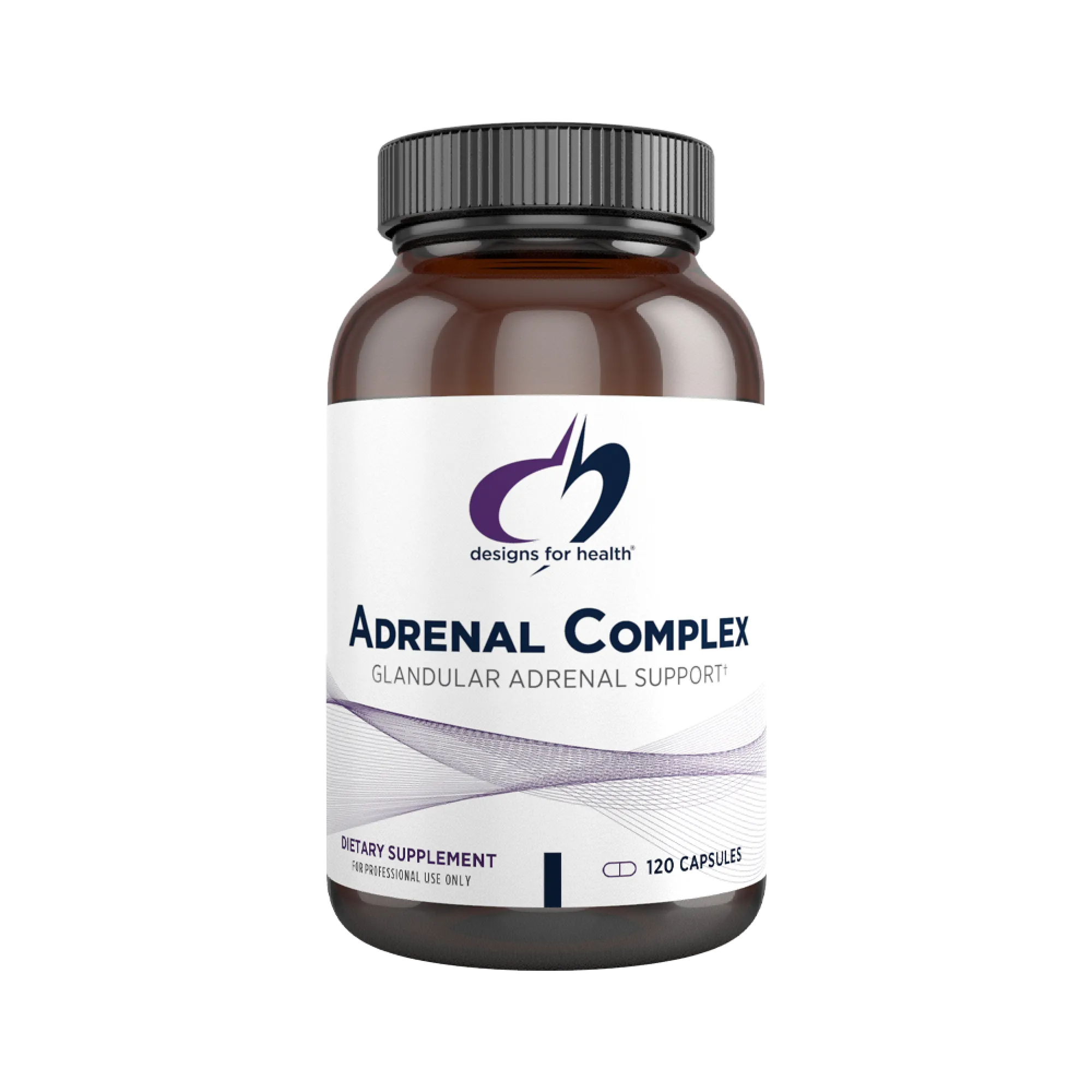
One of the most critical systems impacted by complex chronic illness is the Hypothalamic-Pituitary-Adrenal (HPA) axis. When this intricate neuroendocrine network becomes dysregulated, the body loses its ability to produce and manage essential hormones like cortisol and catecholamines, leaving you feeling entirely depleted. Addressing this profound exhaustion requires a comprehensive approach that targets the root biochemical pathways. This is where targeted nutritional support comes into play. In this article, we will explore the science behind Adrenal Complex by Designs for Health, examining how its specific blend of vitamins, amino acids, and glandular extracts may help support healthy cortisol metabolism, promote catecholamine production, and rebuild the foundation of your cellular energy.
TL;DR
Adrenal Complex provides glandulars, vitamins, and amino acids to support the HPA axis.
Chronic conditions like Long COVID may cause central hypocortisolism and adrenal depletion.
Nutrients like Vitamin C and B5 may help manage fatigue and stress intolerance.
Always consult a healthcare provider before starting new supplements, especially with medications.
What is Adrenal Complex?
The Anatomy of the Stress Response and the HPA Axis
To understand how Adrenal Complex works, we must first understand the natural function of the adrenal glands and the intricate communication network they belong to: the Hypothalamic-Pituitary-Adrenal (HPA) axis. The adrenal glands are two small, triangular organs that sit directly on top of your kidneys. Despite their small size, they are absolute powerhouses of endocrine function, responsible for producing hormones that regulate your metabolism, immune system, blood pressure, and response to stress. The HPA axis is the command center for this operation. When your brain perceives a stressor—whether it is a physical threat, a viral infection, or emotional trauma—the hypothalamus releases corticotropin-releasing hormone (CRH). This signals the pituitary gland to release adrenocorticotropic hormone (ACTH), which travels through the bloodstream to the adrenal glands, commanding them to produce stress hormones.
The adrenal glands are divided into two main sections, each with distinct biochemical responsibilities. The outer layer, the adrenal cortex, is responsible for synthesizing corticosteroids, most notably cortisol. Cortisol is often vilified as the "stress hormone," but in a healthy body, it is entirely essential for life. It regulates the sleep-wake cycle, manages systemic inflammation, and controls how your body uses carbohydrates, fats, and proteins for energy. The inner layer, the adrenal medulla, produces catecholamines, which include epinephrine (adrenaline), norepinephrine, and dopamine. These neurotransmitters drive the immediate "fight-or-flight" response, increasing heart rate, dilating airways, and sharpening cognitive focus to help you navigate acute challenges.
In a healthy, resilient system, the HPA axis operates on a flawless negative feedback loop. Once the stressful event has passed, the elevated levels of cortisol signal the hypothalamus and pituitary to stop producing CRH and ACTH. The adrenal glands power down, and the body returns to a state of calm homeostasis. However, when the body is subjected to relentless, chronic stress—such as a prolonged viral infection, severe systemic inflammation, or ongoing emotional trauma—this allostatic load becomes too much to bear. The continuous demand for cortisol and catecholamines can overwhelm the adrenal glands' capacity to synthesize these vital molecules, leading to profound neuroendocrine depletion and a breakdown of the entire HPA axis feedback loop.
The Role of Glandular Therapy in Functional Medicine
Adrenal Complex is fundamentally built upon the principles of glandular therapy, a historical and foundational practice within functional and integrative medicine. This supplement contains freeze-dried, bovine-sourced Whole Adrenal Glandular and Adrenal Cortex Glandular extracts. The philosophy behind glandular therapy is often summarized as "like supports like." The premise is that by consuming the specific glandular tissue of a healthy animal, you are providing your own body with the exact tissue-specific proteins, enzymes, lipids, and nutritional building blocks required to repair and support that specific organ.
While mainstream endocrinology relies heavily on synthetic hormones to treat absolute organ failure (such as Addison's disease), functional medicine utilizes glandular extracts to support organs that are functioning suboptimally or are under immense stress. The glandular extracts in Adrenal Complex are not intended to replace your body's natural hormone production. Instead, they are designed to supply a concentrated source of the raw materials that your adrenal glands desperately need when they are working overtime. By providing these foundational building blocks, the goal is to gently nourish the adrenal tissue, supporting its natural capacity to synthesize cortisol and catecholamines without overriding the body's delicate HPA axis feedback mechanisms.
Essential Co-Factors: Vitamins and Amino Acids
Beyond the glandular extracts, Adrenal Complex is fortified with a highly specific spectrum of vitamins and amino acids that act as essential enzymatic co-factors in the stress response. These include high doses of Vitamin C, Pantothenic Acid (Vitamin B5), activated forms of Riboflavin (B2) and Vitamin B6, and the amino acid N-Acetyl-L-Tyrosine. In the complex biochemical factories of your cells, enzymes are the workers that build hormones and neurotransmitters. However, these enzymes cannot do their jobs without specific vitamins and minerals acting as their "tools."
During periods of intense or prolonged stress, the metabolic rate of the adrenal glands skyrockets. As the glands churn out massive quantities of cortisol and adrenaline to keep you functioning, they rapidly burn through their cellular stores of these essential vitamins and amino acids. If these nutrients are not adequately replenished through diet or supplementation, the enzymatic assembly lines grind to a halt. The inclusion of these specific co-factors in Adrenal Complex is designed to ensure that the adrenal glands have an uninterrupted supply of the exact molecular tools they need to maintain healthy cortisol metabolism and normal catecholamine production, thereby supporting overall energy levels and stress resilience.
How Long COVID and ME/CFS Impact the HPA Axis
The Shift to Central Hypocortisolism
For decades, patients with complex chronic illnesses have reported symptoms that perfectly mirror profound adrenal depletion: crushing fatigue, inability to handle stress, orthostatic intolerance, and severe post-exertional malaise (PEM). Recently, groundbreaking research has finally begun to uncover exactly how conditions like Long COVID and ME/CFS physically damage the HPA axis. The defining feature that is emerging from the literature is a shift toward central hypocortisolism. This means that circulating levels of cortisol are abnormally low, but not because the adrenal glands themselves have failed or died. Instead, the dysfunction is "central"—meaning the brain (the hypothalamus and pituitary) has stopped sending the correct chemical signals (CRH and ACTH) to command the adrenal glands to produce cortisol.
If you are wondering What Causes Long COVID?, profound neuroendocrine suppression is often discussed as a massive piece of the puzzle. Without adequate cortisol, the body loses its primary anti-inflammatory brake, allowing systemic inflammation to run rampant and leaving the patient feeling entirely drained of energy.
Neuroinflammation and the "Wrecked" Hypothalamus
The question then becomes: why does the brain stop signaling the adrenal glands? The answer lies in severe, chronic neuroinflammation. During a severe viral infection, the immune system releases a storm of pro-inflammatory cytokines, such as Interleukin-6 (IL-6) and Tumor Necrosis Factor-alpha (TNF-α). In conditions like Long COVID and ME/CFS, this inflammatory response fails to shut off. These inflammatory molecules can cross the blood-brain barrier, activating the brain's resident immune cells, known as microglia. When microglia become chronically activated, they bathe the delicate structures of the brain—including the hypothalamus—in inflammatory neurotoxins, fundamentally altering how these structures function.
The physical toll of this neuroinflammation is staggering. At the 2025 IACFS/ME Conference, researchers from the University of Amsterdam presented unprecedented autopsy data from severe ME/CFS patients. Because these patients had chronically low systemic cortisol, researchers expected to see their hypothalami working overtime, producing massive amounts of CRH to try and stimulate the adrenal glands. Shockingly, they found the exact opposite: an almost complete absence of CRH-producing neurons in the hypothalamus. The chronic illness had effectively destroyed the very neurons responsible for initiating the stress response. This profound physical damage perfectly illustrates why patients experience such debilitating symptoms and highlights the deep physiological links when asking Can Long COVID Trigger ME/CFS? Unraveling the Connection.
The Vicious Cycle of Adrenal Burnout and Dysautonomia
This HPA axis dysfunction does not exist in a vacuum; it creates a vicious cycle that exacerbates other hallmark features of chronic illness, particularly dysautonomia. The autonomic nervous system, which controls involuntary functions like heart rate and blood pressure, is intimately connected to the HPA axis via the vagus nerve. The vagus nerve is supposed to send calming, parasympathetic signals to the hypothalamus to help shut down the stress response once a threat has passed. However, in conditions like Postural Orthostatic Tachycardia Syndrome (POTS) and Long COVID, vagal tone is often severely diminished.
Without the calming influence of the vagus nerve, and with a broken HPA axis feedback loop, the body becomes trapped in a state of chronic "allostatic load." During the initial stages of illness, the adrenal glands may pump out massive amounts of cortisol and catecholamines to fight the infection and suppress the cytokine storm. Over time, this relentless demand causes the glucocorticoid receptors in the brain to become desensitized, eventually leading to the blunted, hypocortisolic state we see in chronic Long COVID. This lack of cortisol allows latent viruses, such as the Epstein-Barr Virus (EBV), to reactivate, further driving the immune exhaustion and perpetuating the cycle of debilitating fatigue and systemic dysfunction.
Adrenal Complex: Supporting the HPA Axis and Energy Production
Vitamin C and the Cortisol Buffer System
To combat the profound depletion of the HPA axis, Adrenal Complex utilizes multiple targeted biochemical pathways. The first is heavily reliant on Vitamin C (Ascorbic Acid). While most people associate Vitamin C strictly with immune defense, it is actually a non-negotiable requirement for adrenal function. The adrenal cortex and medulla contain some of the highest concentrations of Vitamin C of any tissue in the human body. At a molecular level, Vitamin C acts as an essential enzymatic cofactor for 11β-hydroxylase, the specific enzyme responsible for the final step of converting 11-deoxycortisol into active cortisol. Without adequate Vitamin C, this enzymatic assembly line halts, and the adrenal glands physically cannot synthesize cortisol.
Furthermore, the intense metabolic process of synthesizing steroid hormones generates massive amounts of reactive oxygen species (ROS)—dangerous free radicals that can damage cellular structures. Vitamin C serves as a potent antioxidant, neutralizing these free radicals and protecting the delicate lipid membranes of the adrenal cells from oxidative destruction. Crucially, Vitamin C also acts as a vital "buffer" for the HPA axis. Clinical research demonstrates that when the brain triggers a stress response, the adrenal glands secrete Vitamin C into the bloodstream alongside cortisol. This coordinated release helps buffer runaway cortisol surges, effectively putting the brakes on the stress response and helping the nervous system return to a state of calm homeostasis.
Pantothenic Acid (B5), Coenzyme A, and Steroidogenesis
The second major therapeutic angle of Adrenal Complex is its massive dose of Pantothenic Acid (Vitamin B5), often referred to in clinical nutrition as the "anti-stress vitamin." The biological bridge connecting Vitamin B5 to adrenal health is a molecule called Coenzyme A (CoA). When you consume Vitamin B5, your body rapidly converts it into CoA, which is arguably one of the most important metabolic molecules in human biology. CoA is heavily involved in the Krebs cycle (or citric acid cycle) within your mitochondria, where it facilitates the conversion of carbohydrates, fats, and proteins into usable cellular energy known as adenosine triphosphate (ATP).
Beyond basic energy production, CoA is the absolute prerequisite for steroidogenesis—the creation of steroid hormones. CoA initiates the complex biochemical synthesis of cholesterol. Because cholesterol is the foundational building block from which all steroid hormones are made (including cortisol, aldosterone, and DHEA), a steady, abundant supply of Vitamin B5 is required to keep the adrenal glands functioning. During periods of chronic stress or illness, the adrenal cortex drastically increases its demand for cholesterol to synthesize cortisol. By providing 250 mg of Pantothenic Acid, Adrenal Complex ensures that the body has the raw materials necessary to generate Coenzyme A, synthesize cholesterol, and maintain healthy cortisol production without depleting the body's reserves.
N-Acetyl-L-Tyrosine and Catecholamine Synthesis
While Vitamin C and B5 primarily support the adrenal cortex and cortisol production, Adrenal Complex also targets the adrenal medulla and the central nervous system using N-Acetyl-L-Tyrosine (NALT). NALT is an acetylated derivative of the amino acid L-tyrosine. Once ingested, the body processes NALT to remove the acetyl group, yielding free L-tyrosine. This amino acid is the direct, foundational precursor required to synthesize the body's primary catecholamines: dopamine, norepinephrine, and epinephrine.
The synthesis pathway is highly specific: L-tyrosine is converted into L-DOPA by the rate-limiting enzyme tyrosine hydroxylase. L-DOPA is then converted into dopamine (which drives motivation and executive function), which is subsequently synthesized into norepinephrine (driving alertness) and finally epinephrine (adrenaline). Under normal, resting conditions, the body produces enough of these neurotransmitters. However, under the acute, relentless stress of chronic illness, the brain's catecholamine neurons fire so rapidly that they burn through dopamine and norepinephrine faster than the body can replace them. By supplementing with a precursor like N-Acetyl-L-Tyrosine, Adrenal Complex acts as a biochemical buffer, providing the raw materials needed to replenish these depleted neurotransmitter stores, thereby supporting cognitive focus and helping to manage stress-induced neurological burnout.
Activated B-Vitamins and Cellular Energy
Finally, Adrenal Complex supports the broader metabolic needs of the stress response by including a comprehensive spectrum of B-vitamins, specifically Riboflavin (Vitamin B-2) and Vitamin B-6. Crucially, these are included in their pre-activated, phosphorylated forms: Riboflavin-5-Phosphate and Pyridoxal-5-Phosphate (P-5-P). In order for standard B-vitamins to be used by the body, they must first be converted into these active coenzyme forms by the liver. In patients with complex chronic illnesses, metabolic dysfunction, or genetic variations (like MTHFR mutations), this enzymatic conversion process is often sluggish or impaired.
By providing the pre-activated forms, Adrenal Complex bypasses this metabolic bottleneck, ensuring immediate bioavailability. Riboflavin-5-Phosphate is essential for the electron transport chain within the mitochondria, directly driving the production of ATP to combat severe cellular fatigue. Pyridoxal-5-Phosphate is a mandatory co-factor for over 100 enzymatic reactions, including the synthesis of GABA (the brain's primary calming neurotransmitter) and the conversion of L-DOPA to dopamine. Together, these activated B-vitamins ensure that the cellular machinery required for both energy production and neurotransmitter balance is fully supported.

Symptoms Adrenal Complex May Help Manage
Core Symptoms Addressed by Adrenal Support
Because the HPA axis is deeply interconnected with nearly every system in the body, supporting adrenal function can have widespread, systemic benefits. While Adrenal Complex is not a cure for any disease, its specific blend of nutrients and glandulars targets the biochemical pathways that drive many of the most debilitating symptoms of chronic illness. Here are the specific symptoms this formulation may help manage:
Profound Fatigue and Low Energy: By supplying massive doses of Pantothenic Acid (B5) to drive Coenzyme A production, and activated Riboflavin to support the mitochondrial electron transport chain, this supplement helps restore the fundamental biochemical pathways required for cellular ATP production, directly combating deep, unyielding exhaustion.
Brain Fog and Cognitive Dysfunction: The inclusion of N-Acetyl-L-Tyrosine provides the direct amino acid precursors needed to synthesize dopamine and norepinephrine. Replenishing these depleted catecholamines supports executive function, working memory, and mental clarity, especially during periods of high cognitive load or stress.
Stress Intolerance and "Crashes": Vitamin C acts as a vital buffer for the HPA axis, helping to buffer massive, unregulated surges of cortisol. By stabilizing the body's hormonal response to physical and emotional stressors, it helps manage the severe physiological swings that often trigger post-exertional malaise (PEM) and debilitating "crashes."
Orthostatic Intolerance and Dizziness: The adrenal medulla relies on tyrosine and Vitamin C to synthesize epinephrine and norepinephrine. These catecholamines are absolutely essential for signaling blood vessels to constrict upon standing, a process that is often severely impaired in patients with dysautonomia and POTS.
Unrefreshing Sleep and "Tired but Wired" Sensations: When the HPA axis is dysregulated, cortisol levels often spike at night instead of in the morning, leading to severe insomnia. By providing the raw materials (glandulars and B-vitamins) needed to support healthy, normalized cortisol metabolism, this supplement helps restore the natural diurnal rhythm, allowing for deeper, more restorative sleep architecture.
Immune Dysregulation and Chronic Inflammation: Cortisol is the body's primary endogenous anti-inflammatory agent. By supporting the adrenal glands' ability to produce and regulate cortisol appropriately, and by providing potent antioxidant protection via Vitamin C, this formula helps manage the runaway systemic inflammation that characterizes many post-viral syndromes.
Practical Considerations: Forms, Dosing, and Absorption
Understanding the Formulation and Bioavailability
When incorporating a specialized supplement like Adrenal Complex into your protocol, understanding its formulation and how your body absorbs it is crucial for maximizing its benefits. This product utilizes freeze-dried bovine glandular extracts (Whole Adrenal and Adrenal Cortex). The freeze-drying (lyophilization) process is critical because it preserves the delicate tissue proteins, enzymes, and lipid structures without using high heat or harsh chemical solvents, ensuring that the "raw materials" remain biologically intact and recognizable to the human body. Furthermore, Designs for Health sources these glandulars from certified BSE-free cattle to ensure strict safety and purity standards.
The bioavailability of the synthetic nutrients is also highly optimized. As mentioned, the B-vitamins (Riboflavin and B6) are provided in their phosphorylated, active coenzyme forms, allowing them to bypass liver conversion and enter cellular metabolism immediately. The amino acid N-Acetyl-L-Tyrosine (NALT) is utilized because the acetylation process makes the molecule highly water-soluble compared to standard free-form L-tyrosine. While the body must still cleave the acetyl group off in the kidneys or liver to utilize the tyrosine, this high solubility allows it to be easily formulated alongside the dense glandular tissues and water-soluble B-vitamins without compromising the capsule's integrity or absorption profile in the gastrointestinal tract.
Optimal Timing for the Cortisol Awakening Response
The timing of your dosage is incredibly important when dealing with adrenal support, as you want to mimic and support the body's natural circadian rhythms. In a healthy endocrine system, cortisol levels follow a specific daily curve known as the Cortisol Awakening Response (CAR). Cortisol should be at its absolute highest roughly 30 to 45 minutes after you wake up in the morning, providing the energy and alertness needed to start the day. It should then gradually taper off throughout the afternoon, reaching its lowest point at midnight to allow for deep sleep.
Because Adrenal Complex is designed to support energy levels and catecholamine production, functional medicine practitioners typically recommend taking the 2 capsule daily dosage early in the day. A common protocol is to take one capsule with breakfast and the second capsule with lunch. Taking this supplement late in the afternoon or evening is generally discouraged, as the influx of tyrosine and B-vitamins could stimulate dopamine and norepinephrine production, inadvertently keeping you awake and disrupting your delicate sleep architecture. Always take the capsules with meals to enhance the absorption of the glandular lipids and help avoid mild gastrointestinal upset.
Safety, Contraindications, and Potential Interactions
While Adrenal Complex is formulated to be highly tolerable and is free from common allergens like gluten, dairy, and soy, there are important safety considerations. First, because it contains actual bovine (cow) adrenal tissue and utilizes a bovine gelatin capsule, it is strictly non-vegan and non-vegetarian. Additionally, individuals who are highly sensitive to stimulants or those with severe anxiety may find the inclusion of N-Acetyl-L-Tyrosine too stimulating, as it directly fuels the production of excitatory neurotransmitters. If you experience jitteriness or a racing heart, you may need to reduce the dosage or discontinue use.
Crucially, this supplement actively influences hormone and neurotransmitter synthesis, meaning it can interact with certain prescription medications. If you are taking psychiatric medications—particularly Monoamine Oxidase Inhibitors (MAOIs) or Selective Serotonin Reuptake Inhibitors (SSRIs)—you must consult your doctor before taking tyrosine, as it can dangerously alter neurotransmitter balance. Similarly, those on blood pressure medications or synthetic corticosteroids (like prednisone) should exercise extreme caution. As always, if you are navigating complex symptoms and wondering How Does a Doctor Diagnose Long COVID?, it is imperative to work closely with a qualified healthcare provider who can evaluate your specific endocrine status before introducing glandular therapy.

Follow the Science
Clinical Evidence on Vitamin C and Stress
The scientific literature provides robust support for the individual nutrients found in Adrenal Complex, particularly regarding their ability to modulate the HPA axis. The role of Vitamin C in buffering the stress response is exceptionally well-documented. In a landmark 2002 study published in Psychopharmacology, researchers subjected 120 healthy adults to the Trier Social Stress Test, a rigorous psychological stressor involving public speaking and mental arithmetic. The participants who were pre-treated with high-dose Vitamin C exhibited less systolic and diastolic blood pressure increases and subjective stress responses compared to the placebo group. Furthermore, they had faster salivary cortisol recovery, though they did not have a smaller overall cortisol response.
More recent clinical data continues to validate these findings on the role of Vitamin C in supporting normalized adrenal hormone levels.
Research on Pantothenic Acid and Adrenal Function
The connection between Pantothenic Acid (Vitamin B5) and adrenal steroidogenesis is equally deeply rooted in biochemical research. Because B5 is the direct precursor to Coenzyme A, its impact on hormone production is profound.
This aligns with decades of historical nutritional research demonstrating that severe Vitamin B5 deficiency rapidly impairs adrenal cortex function, leading to a reduced ability to produce life-sustaining corticosteroids. While severe deficiency is rare in modern diets, the intense metabolic demands of chronic illness can rapidly deplete cellular stores of Coenzyme A. This robust biochemical evidence forms the foundation for why functional medicine practitioners utilize high-dose Pantothenic Acid protocols to support patients experiencing severe HPA axis dysfunction and stress intolerance.
The Evolving Science of Post-Infection HPA Dysfunction
Finally, our understanding of why the adrenal glands need this support is rapidly evolving, driven by intensive research into post-acute infection syndromes (PAIS). The comprehensive reviews on Long COVID and ME/CFS consistently highlight the HPA axis as a central casualty of chronic systemic inflammation and neuroinflammation. The discovery of profound central hypocortisolism in these patient populations validates the physical reality of their exhaustion. While targeted supplements like Adrenal Complex provide the critical raw materials needed to support cortisol metabolism and catecholamine synthesis, ongoing clinical trials are essential to fully unravel the complex mechanisms of viral reactivation, microglial activation, and neuroendocrine damage that lie at the root of these debilitating conditions.
The Path Forward
Validating the Chronic Illness Experience
Living with a complex chronic illness like Long COVID, ME/CFS, or dysautonomia is an incredibly isolating and frustrating experience. When your body refuses to produce the energy required for basic daily tasks, and when the medical system repeatedly tells you your labs are "normal," it is easy to lose hope. If you are struggling to figure out How Can You Live with Long-Term COVID, the most important first step is validation. Your profound fatigue, your brain fog, and your inability to handle stress are not signs of psychological weakness or deconditioning. As the emerging science on HPA axis dysfunction and central hypocortisolism clearly shows, your symptoms are rooted in measurable, physical neuroendocrine damage. Your body is fighting a massive internal battle, and your adrenal system is simply depleted from the effort.
A Comprehensive Approach to Healing
While the physiological reality of these conditions is daunting, understanding the mechanisms of your illness provides a clear roadmap for management. Supplements like Adrenal Complex offer a targeted, science-backed way to provide your exhausted HPA axis with the specific vitamins, amino acids, and glandular raw materials it needs to support healthy cortisol metabolism and catecholamine production. However, no supplement is a magic cure. True healing requires a comprehensive, compassionate approach. This means combining targeted nutritional support with radical pacing to prevent post-exertional malaise, nervous system regulation techniques to improve vagal tone, and working closely with a medical team that truly understands post-infection syndromes. By supporting your biology at the cellular level, you can begin to rebuild your resilience and improve your quality of life.
Disclaimer: This blog is for educational purposes only and is not intended as medical advice. Always consult with a qualified healthcare provider before starting any new supplement, especially if you have a diagnosed medical condition, are taking prescription medications, or are pregnant or nursing.