Can L-Citrulline and CranLoad Support Healthy Blood Flow in Long COVID and POTS?
March 5, 2026
Nitric Oxide UltraL-citrullineLong COVID
Share:
Disclaimer: The information provided here is for educational purposes only and is not intended as medical advice. It should not be used to diagnose, treat, cure, or prevent any medical condition. Instead, use it as a starting point for discussion with your healthcare provider. Always consult with a qualified healthcare provider before starting any new medication, supplement, device, or making changes to your health regimen.
Months or even years after recovering from an initial SARS-CoV-2 infection, millions of people continue to fight debilitating, invisible symptoms. The profound exhaustion, the inability to stand without a racing heart, and the crushing brain fog that define Long COVID and myalgic encephalomyelitis/chronic fatigue syndrome (ME/CFS) can leave patients feeling entirely disconnected from their former lives. For many, the search for answers leads to a complex web of autonomic nervous system dysfunction and cardiovascular abnormalities. But what if a significant portion of these debilitating symptoms stems from a microscopic failure within the blood vessels themselves? Emerging research increasingly points to the vascular endothelium—the delicate inner lining of our arteries and capillaries—as ground zero for the persistent damage seen in these complex chronic conditions.
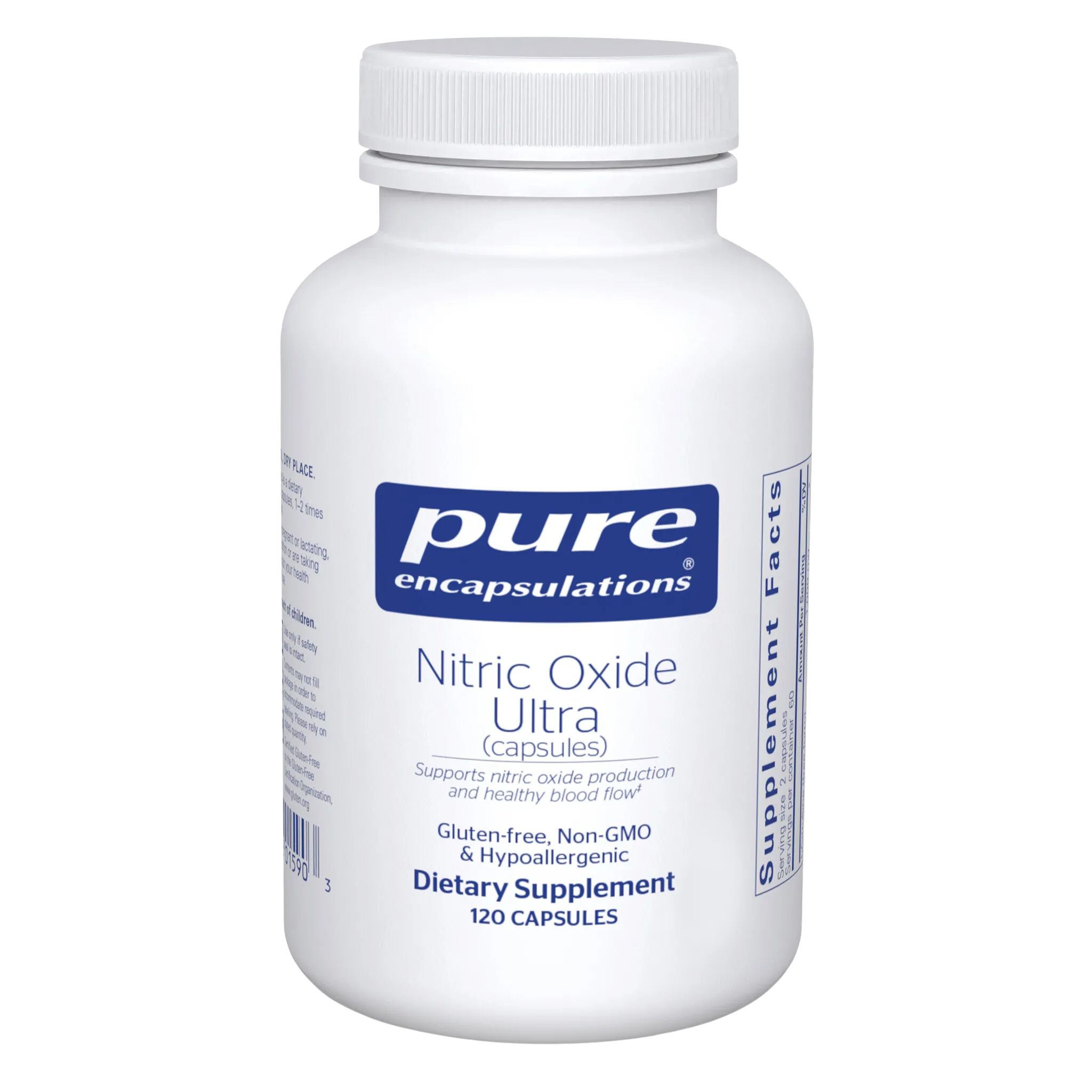
When the endothelium is damaged by viral infection or chronic inflammation, it loses its ability to produce a vital molecule called nitric oxide. Without adequate nitric oxide, blood vessels cannot dilate properly, tissues are starved of oxygen, and the body becomes trapped in a vicious cycle of oxidative stress and metabolic failure. This is where targeted nutritional support becomes a crucial component of a comprehensive management strategy. Nitric oxide precursors, specifically formulated to bypass damaged metabolic pathways, offer a promising avenue for restoring healthy blood flow. In this comprehensive guide, we will explore the deep science behind Nitric Oxide Ultra, examining how its unique blend of L-citrulline and CranLoad works at the cellular level to support endothelial function, combat vascular inflammation, and help patients reclaim their quality of life.
What is Nitric Oxide Ultra?
The Role of Nitric Oxide in the Vascular System
Nitric oxide (NO) is a vital, naturally occurring gas molecule that acts as a primary signaling mechanism within the cardiovascular system. Produced by the thin layer of cells lining our blood vessels—the endothelium—nitric oxide is responsible for vasodilation, the physiological process by which blood vessels relax and widen. This widening is absolutely crucial for regulating systemic blood pressure, ensuring adequate oxygen and nutrient delivery to deep tissues, and maintaining overall vascular health. In a healthy, optimally functioning body, the continuous production of nitric oxide prevents the abnormal clumping of platelets, thereby actively inhibiting the formation of dangerous blood clots. Furthermore, nitric oxide acts as a powerful anti-inflammatory agent within the bloodstream, preventing white blood cells from adhering to the vascular walls and triggering systemic inflammatory cascades. When this delicate system is functioning correctly, the autonomic nervous system can effortlessly adjust blood flow to meet the metabolic demands of various organs, particularly the brain and skeletal muscles during physical or cognitive exertion.
However, nitric oxide is a highly unstable molecule with a half-life of only a few seconds, meaning it must be constantly synthesized by the body on demand. The endothelium is highly sensitive to environmental and biological stressors, and its ability to produce nitric oxide can be rapidly compromised by viral infections, chronic stress, or high levels of systemic inflammation. When nitric oxide production falls, the blood vessels become stiff, narrow, and unresponsive, a condition clinically referred to as endothelial dysfunction. This dysfunction is widely considered by cardiologists to be the very first step in the progression of cardiovascular disease, arterial stiffness, and hypertension. For patients managing complex chronic illnesses, this localized vascular failure translates into widespread systemic symptoms, as the brain, heart, and muscles are chronically deprived of the oxygen-rich blood they require to generate cellular energy and clear metabolic waste.
L-Citrulline and the Arginine-NO Pathway
To produce nitric oxide, the endothelial cells rely on a highly specific biochemical pathway driven by an enzyme called endothelial nitric oxide synthase (eNOS). This complex enzyme uses the amino acid L-arginine as its direct substrate to generate nitric oxide, leaving behind another non-essential amino acid, L-citrulline, as a metabolic byproduct. However, the human body is remarkably efficient and utilizes a recycling mechanism known as the citrulline-NO cycle to maintain a steady supply of fuel for this critical reaction. Through the action of two specific intracellular enzymes—argininosuccinate synthase (ASS) and argininosuccinate lyase (ASL)—the leftover L-citrulline is rapidly converted back into fresh L-arginine. This continuous, closed-loop cycle ensures that the eNOS enzyme always has the necessary substrate to produce nitric oxide, even during times of extreme physiological stress or nutrient deprivation.
Supplementing with L-citrulline, the primary active ingredient in Nitric Oxide Ultra, provides the body with an abundant, highly bioavailable precursor to feed this exact cycle. By flooding the vascular system with free-form L-citrulline, the body can naturally and safely elevate its plasma L-arginine levels, thereby driving a robust and sustained production of nitric oxide. Unlike direct L-arginine supplementation, which is fraught with absorption issues, L-citrulline acts as a slow-release reservoir. As the kidneys continuously process the circulating L-citrulline, they release a steady stream of L-arginine into the blood, ensuring that the endothelium has round-the-clock support. This sustained elevation is critical for patients whose baseline nitric oxide production has been severely compromised by chronic illness, providing the foundational building blocks necessary to begin repairing damaged vascular pathways and restoring healthy blood flow to oxygen-starved tissues.
CranLoad and the Power of Polyphenols
While amino acids provide the essential raw materials for nitric oxide production, the enzymes responsible for this process require intense protection and stimulation to function optimally in a diseased state. This is where CranLoad, a proprietary, patented blend of cranberry (Vaccinium macrocarpon) and grape seed (Vitis vinifera) extracts, plays a pivotal and synergistic role. Developed through an extensive, multi-year research program at the Institute of Nutrition and Functional Foods (INAF) at Laval University in Quebec, Canada, CranLoad is exceptionally rich in specific bioactive compounds known as A-type and B-type proanthocyanidins. These powerful, plant-derived polyphenols act as targeted antioxidants within the vascular system, actively neutralizing reactive oxygen species (ROS) that would otherwise destroy delicate nitric oxide molecules before they could exert their vasodilatory effects. By shielding the newly produced nitric oxide from oxidative degradation, CranLoad significantly extends the functional lifespan of the molecule within the bloodstream.
Beyond their potent antioxidant capacity, these specific polyphenols actively upregulate the activity of the eNOS enzyme itself, essentially signaling the endothelium to increase its baseline production of nitric oxide. This dual action—protecting existing nitric oxide from destruction while simultaneously stimulating the production of more—makes CranLoad a highly synergistic partner to L-citrulline. The clinical combination of these two ingredients creates a comprehensive approach to vascular support: L-citrulline provides the necessary fuel, while CranLoad ensures the metabolic machinery is running efficiently and the final product is protected. This targeted formulation is specifically designed to support healthy flow-mediated dilation, the physiological mechanism that allows blood vessels to widen and adapt to the body's ever-changing demands for oxygen and energy.
How Long COVID and Dysautonomia Impact Endothelial Function
Viral Endotheliitis and ACE2 Downregulation
In the context of complex chronic illnesses like Long COVID, the vascular system often becomes ground zero for profound and lasting physiological dysfunction. The initial SARS-CoV-2 infection is not merely a respiratory event; modern medical consensus increasingly views it as fundamentally a vascular disease. The virus gains entry into human host cells by binding to the ACE2 receptor, a specific protein that is abundantly expressed on the surface of endothelial cells throughout the entire cardiovascular system. Under normal, healthy circumstances, the ACE2 receptor plays a highly protective vascular role by activating the eNOS pathway to produce healthy levels of nitric oxide. However, when the viral spike protein binds to these receptors, it causes a severe downregulation and internalization of ACE2 activity, effectively crippling the endothelium's ability to generate nitric oxide. This catastrophic loss of nitric oxide triggers a cascade of vascular inflammation, often referred to by researchers as 'viral endotheliitis.'
During this state of viral endotheliitis, the blood vessels become stiff, highly inflamed, and completely unable to dilate properly in response to the body's needs. The endothelial barrier, which normally prevents fluid and inflammatory markers from leaking into surrounding tissues, becomes highly permeable and compromised. This widespread endothelial dysfunction is increasingly recognized as a primary driver of the debilitating, multi-system symptoms experienced by Long COVID patients. Because the blood vessels are unable to widen to deliver oxygen, patients experience a profound, suffocating fatigue that does not improve with rest. If you want to understand more about how this viral trigger initiates long-term illness, you can read our detailed exploration of whether Can Long COVID Trigger ME/CFS? Unraveling the Connection. The chronic lack of nitric oxide leaves the entire cardiovascular system in a state of high resistance, forcing the heart to work significantly harder just to maintain basic circulation.
Oxidative Stress and the Peroxynitrite Trap
The depletion of nitric oxide in chronic illness is further exacerbated by a massive, uncontrolled surge in oxidative stress, creating a vicious biochemical cycle that is particularly relevant for patients with myalgic encephalomyelitis/chronic fatigue syndrome (ME/CFS). In these conditions, chronic immune activation and severe mitochondrial dysfunction lead to the overproduction of a highly reactive free radical called superoxide. When superoxide encounters whatever small amounts of nitric oxide are left circulating in the bloodstream, the two molecules violently combine to form peroxynitrite. Peroxynitrite is an exceptionally damaging, toxic oxidant that aggressively attacks cell membranes, damages cellular DNA, and actively destroys the mitochondria—the microscopic powerhouses responsible for generating cellular energy. This destructive process not only robs the body of its remaining nitric oxide but actively uses it to create a weapon that further damages the vascular system.
Furthermore, high levels of systemic oxidative stress cause the crucial eNOS enzyme to become 'uncoupled.' Instead of producing healthy nitric oxide to open blood vessels, the damaged, uncoupled eNOS enzyme actually begins producing even more superoxide, rapidly feeding the peroxynitrite trap. This biochemical disaster deprives the deep tissues of oxygen and drives the profound, crushing fatigue and post-exertional malaise (PEM) that characterize ME/CFS and Long COVID. The mitochondria, poisoned by peroxynitrite, are unable to produce adenosine triphosphate (ATP), leading to total cellular exhaustion after even minor physical or cognitive exertion. For more information on supporting this cellular energy crisis, consider reading Can Mitochondria-ATP Support Energy Levels for Long COVID and ME/CFS Patients?. Breaking this peroxynitrite trap requires aggressive antioxidant support and a massive influx of nitric oxide precursors to force the eNOS enzyme back into a coupled, healthy state.
Microclots, Hypoperfusion, and Autonomic Dysfunction
Without the protective, vasodilatory, and anti-thrombotic effects of nitric oxide, the cardiovascular system descends into a state of chronic hypoperfusion—meaning the tissues and organs are constantly starved of adequate blood flow. In Long COVID, this lack of nitric oxide contributes heavily to a hypercoagulable state, leading to the formation of microscopic, amyloid-like blood clots. These 'microclots' physically block the tiny capillaries responsible for delivering oxygen to the skeletal muscles and the brain, trapping inflammatory cytokines within the tissues. Simultaneously, this severe vascular impairment wreaks havoc on the autonomic nervous system, heavily contributing to conditions like Postural Orthostatic Tachycardia Syndrome (POTS) and general dysautonomia. The brain, sensing that it is not receiving enough oxygenated blood, triggers massive surges of adrenaline to force the heart to pump harder and faster.
In POTS, the blood vessels in the lower extremities fail to constrict properly upon standing due to profound autonomic neuropathy and endothelial damage. This causes blood to pool painfully in the legs and abdomen, further depriving the brain of oxygen and triggering severe lightheadedness, pre-syncope, and a racing heart rate. The chronic lack of nitric oxide disrupts the delicate balance between the sympathetic (fight-or-flight) and parasympathetic (rest-and-digest) branches of the nervous system. Patients are left trapped in a state of autonomic hyperarousal, experiencing severe brain fog, exercise intolerance, and a complete inability to regulate their own heart rate. Restoring nitric oxide pathways is therefore not just about improving blood flow; it is about providing the autonomic nervous system with the signaling molecules it needs to regain control and stabilize the body's response to gravity and exertion.
Nitric Oxide Ultra: Supporting Vascular Health and Blood Flow
Re-coupling eNOS and Restoring Nitric Oxide
Supplementing with the targeted ingredients in Nitric Oxide Ultra offers a precise, mechanistic approach to repairing the damaged vascular pathways seen in complex chronic illness. The primary biological goal of this formulation is to provide the body with the exact substrates needed to 're-couple' the dysfunctional eNOS enzyme and restore healthy, sustainable nitric oxide production. By delivering a clinical dose of 1000 mg of free-form L-citrulline, the supplement floods the vascular endothelium with the raw materials required to drive the citrulline-NO cycle forward. As the intracellular levels of L-citrulline rise, the body efficiently and continuously converts it into L-arginine. This fresh supply of L-arginine then binds to the eNOS enzyme, shifting its function away from producing damaging superoxide and back toward generating protective, vasodilatory nitric oxide.
This restoration of the NO pathway is a critical, foundational step in breaking the vicious cycle of oxidative stress and peroxynitrite formation that plagues patients with ME/CFS and Long COVID. As nitric oxide levels begin to normalize within the bloodstream, the blood vessels regain their lost elasticity and their ability to dilate on command. This reduces systemic vascular resistance, lowers the burden on an overworked heart, and allows for the proper, efficient delivery of oxygen and vital nutrients to starving tissues. Furthermore, the newly restored nitric oxide acts as a potent signaling molecule to calm the hyperactive sympathetic nervous system, helping to reduce the inappropriate adrenaline surges that drive the tachycardia and anxiety-like symptoms often seen in severe dysautonomia. For patients looking to support other pathways of detoxification alongside vascular health, exploring Can NAC (N-Acetyl-l-Cysteine) Support Detoxification and Respiratory Health in Long COVID and ME/CFS? can provide additional insights into managing oxidative stress.
Bypassing the Arginine Paradox
A common, highly relevant question regarding nitric oxide support is why one should supplement with L-citrulline rather than taking L-arginine directly, especially since L-arginine is the actual molecule used by the eNOS enzyme. The answer lies in a well-documented pharmacological phenomenon known in medical literature as the 'L-arginine paradox.' When L-arginine is consumed orally as a supplement, it is subject to heavy, aggressive 'first-pass metabolism' in the intestines and the liver. An enzyme called arginase rapidly breaks down the vast majority of the ingested L-arginine into urea and ornithine before it ever has a chance to reach the systemic circulation. Consequently, oral L-arginine supplementation is notoriously inefficient at raising blood arginine levels, often requiring massive, stomach-upsetting doses to achieve even a mild clinical effect.
L-citrulline, however, completely bypasses this hepatic first-pass metabolism. It is easily and rapidly absorbed through the intestinal wall, enters the bloodstream completely intact, and travels directly to the kidneys. In the kidneys, L-citrulline is continuously, efficiently, and safely converted into L-arginine. Clinical pharmacokinetic research clearly demonstrates that supplementing with L-citrulline actually increases plasma L-arginine levels significantly more—and for a much longer duration—than taking an equivalent dose of direct L-arginine. This makes L-citrulline the vastly superior choice for providing sustained, all-day support for the vascular endothelium, ensuring that the body has a constant reservoir of fuel to produce nitric oxide exactly when and where it is needed most.
Enhancing Flow-Mediated Dilation (FMD) with CranLoad
While L-citrulline provides the essential biological fuel for nitric oxide production, the inclusion of 382 mg of the CranLoad proprietary blend provides the necessary enzymatic stimulation to maximize actual blood flow. The primary clinical metric used by cardiologists and researchers to assess endothelial health is Flow-Mediated Dilation (FMD), which measures the physical ability of a blood vessel (typically the brachial artery) to widen in response to an increase in blood flow. In patients with Long COVID and dysautonomia, studies show FMD is often severely impaired, reflecting a stiff, unresponsive vascular system that cannot adapt to physical exertion. The specific proanthocyanidins and polyphenols found in the cranberry and grape seed extracts of CranLoad have been clinically proven to significantly enhance this exact metric.
These bioactive compounds stimulate the endothelium to release more nitric oxide, resulting in a measurable, physical widening of the arteries. By combining the substrate-loading power of L-citrulline with the enzymatic stimulation of CranLoad, Nitric Oxide Ultra provides a comprehensive, dual-action approach to restoring healthy flow-mediated dilation. This synergy is crucial for patients dealing with exercise intolerance, as the enhanced FMD allows the cardiovascular system to rapidly deliver oxygen to skeletal muscles the moment physical activity begins, rather than lagging behind and triggering an anaerobic, lactic-acid-producing state. This improved systemic circulation directly reduces the burden on the cardiovascular system and helps mitigate the severe exhaustion associated with chronic hypoperfusion.
Clearing Ammonia and Metabolic Waste
Beyond its vital role in vasodilation, L-citrulline plays a critical, yet often overlooked, role in cellular detoxification and energy metabolism, which is highly relevant for patients battling severe fatigue and post-exertional malaise. During periods of physical or cognitive exertion, the human body naturally produces ammonia as a toxic metabolic byproduct. In healthy individuals, this ammonia is quickly cleared by the liver, but in patients with ME/CFS or Long COVID, metabolic clearance is often severely impaired due to poor blood flow and mitochondrial dysfunction. The accumulation of ammonia in the blood facilitates the rapid production of lactic acid and actively hinders the mitochondria's ability to produce adenosine triphosphate (ATP), the primary currency of cellular energy. This toxic buildup is a major driver of the 'heavy, leaden' feeling in the limbs reported by many patients.
L-citrulline is a central, indispensable component of the body's urea cycle, the biological pathway explicitly responsible for detoxifying ammonia and removing it from the system via urine. By accelerating the clearance of ammonia and significantly reducing lactic acid buildup in the tissues, L-citrulline helps to delay the onset of muscular exhaustion. It actively improves the efficiency of mitochondrial ATP production by removing the metabolic roadblocks that hinder cellular respiration. For patients with ME/CFS, this enhanced waste clearance may significantly reduce the severity and duration of the 'crashes' associated with post-exertional malaise, allowing for a slightly wider energy envelope and improved daily functioning. If you are struggling with the timeline of your exhaustion, you might find comfort in reading How Long Does COVID Fatigue Normally Last?.

Symptoms Nitric Oxide Ultra May Help Manage
Targeting Complex Chronic Symptoms
The synergistic combination of L-citrulline and CranLoad in Nitric Oxide Ultra targets the foundational vascular and metabolic dysfunctions that drive many of the most debilitating symptoms of complex chronic illness. By restoring nitric oxide production, enhancing flow-mediated dilation, and supporting the rapid clearance of metabolic waste, this formulation may offer targeted, mechanistic relief for several overlapping clinical presentations.
Brain Fog and Cognitive Impairment: Chronic hypoperfusion deprives the brain of the oxygen and glucose it desperately needs to function optimally. By enhancing nitric oxide-mediated vasodilation, L-citrulline and CranLoad help to widen cerebral blood vessels, improving cerebral blood flow and potentially alleviating the severe cognitive dysfunction, memory loss, and lack of focus commonly referred to as brain fog.
Post-Exertional Malaise (PEM) and Severe Fatigue: PEM is driven by mitochondrial failure, oxidative stress, and the toxic accumulation of metabolic byproducts like ammonia and lactic acid. L-citrulline actively drives the urea cycle to detoxify ammonia, while the restoration of nitric oxide helps deliver crucial oxygen to the muscles, thereby supporting mitochondrial ATP production and reducing the severity of exertion-triggered crashes.
Cold Extremities and Blood Pooling: Patients with dysautonomia and POTS frequently experience poor peripheral circulation, leading to freezing hands and feet, as well as painful blood pooling in the lower extremities (acrocyanosis). The targeted vascular support provided by CranLoad's polyphenols helps to improve endothelial elasticity and responsiveness, encouraging healthier, more normalized blood flow throughout the peripheral capillary beds.
Exercise Intolerance and Tachycardia: In conditions like POTS, the heart races to compensate for poor vascular constriction and low blood volume. By balancing autonomic tone and improving the efficiency of oxygen delivery to the tissues, the nitric oxide precursors in this supplement may help lower the excessive sympathetic drive, reducing inappropriate heart rate spikes and improving overall tolerance to upright activity.
Muscle Pain and Lactic Acid Burn: The microclots and endothelial inflammation seen in Long COVID prevent muscles from clearing waste products efficiently, leading to chronic, heavy, aching muscle pain. The enhanced flow-mediated dilation supported by Nitric Oxide Ultra helps to flush out trapped lactic acid and inflammatory cytokines, providing relief from the deep muscular aches associated with chronic hypoperfusion.
Practical Considerations: Forms, Dosing, and Absorption
Bioavailability of L-Citrulline vs. L-Arginine
When selecting a nutritional supplement to support nitric oxide pathways, understanding the pharmacokinetics and bioavailability of the specific ingredients is absolutely paramount. As previously discussed, Nitric Oxide Ultra utilizes free-form L-citrulline rather than L-arginine to completely bypass the heavy first-pass metabolism in the liver and intestines. This free-form version of L-citrulline is highly stable and easily absorbed across the intestinal lumen without the need for complex digestive breakdown or enzymatic cleavage. Once it enters the bloodstream, it provides a slow, sustained, and highly controlled release of L-arginine as the kidneys process it, ensuring a steady elevation of plasma arginine levels throughout the entire day.
This sustained conversion is far superior to the rapid, transient spikes—and subsequent, often symptomatic crashes—that are frequently seen with direct L-arginine supplementation. Direct L-arginine can also cause significant gastrointestinal distress, including severe cramping and diarrhea, because the unabsorbed amino acid draws water into the intestines. L-citrulline, by contrast, is exceptionally well-tolerated by the gut, making it the preferred choice for providing continuous, all-day support for the vascular endothelium without exacerbating the gastrointestinal sensitivities often present in patients with dysautonomia or ME/CFS.
Optimal Dosing and Timing Strategies
The suggested use for Nitric Oxide Ultra is to take 2 capsules, 1 to 2 times daily, ideally between meals. Taking free-form amino acids like L-citrulline away from food is generally recommended by clinical nutritionists to prevent competition for absorption with other dietary proteins and amino acids in the gastrointestinal tract. A daily dose of 2 to 4 capsules provides between 1000 mg and 2000 mg of L-citrulline, alongside 382 mg to 764 mg of the CranLoad proprietary blend. For patients dealing with severe dysautonomia, POTS, or ME/CFS, it is often wise to start with a much lower dose—such as 1 capsule daily—and gradually titrate upward over several weeks to carefully assess individual tolerance, particularly regarding any changes in baseline blood pressure.
Because the active polyphenols in CranLoad have been clinically shown to peak in the bloodstream approximately 60 minutes after ingestion, timing your dosage can be a strategic tool. Many patients find it highly beneficial to take their dose about an hour before planned physical exertion, cognitive tasks, or physical therapy sessions to maximize flow-mediated dilation precisely when the body's demand for oxygen is highest. Additionally, pairing this supplement with a high-quality antioxidant, such as Vitamin C or CoQ10, can provide further protection for the newly synthesized nitric oxide. You can learn more about complementary mitochondrial support by reading Can CoQ10 Support Energy Levels for Long COVID and ME/CFS Patients?.
Safety Profile and Critical Contraindications
While L-citrulline and fruit-derived polyphenols are generally recognized as safe and exceptionally well-tolerated, their potent, direct effect on the cardiovascular system necessitates careful consideration, particularly for patients managing complex, multi-system chronic illnesses. The most common side effect is mild gastrointestinal upset, which can usually be entirely mitigated by adjusting the dosage downward or taking the supplement with a very small, carbohydrate-only snack. However, because nitric oxide is a powerful vasodilator, this supplement will naturally lower blood pressure. Therefore, patients with baseline hypotension (low blood pressure)—a very common feature in some specific subtypes of dysautonomia and ME/CFS—must monitor their blood pressure closely to ensure it does not drop to symptomatic levels, which could exacerbate dizziness, lightheadedness, or fainting spells.
Crucially, Nitric Oxide Ultra must never be taken in combination with prescription phosphodiesterase type 5 (PDE5) inhibitors (such as Viagra, Cialis, or Levitra) or any nitrate-based medications (such as nitroglycerin or isosorbide) used for angina or heart disease. Combining these specific prescription medications with potent nitric oxide precursors creates an additive, synergistic effect that can cause a sudden, severe, and potentially life-threatening drop in blood pressure (hypotension). Additionally, patients taking prescription antihypertensive drugs (blood pressure lowering medications) or blood thinners should exercise extreme caution. Always consult with a knowledgeable, dysautonomia-literate healthcare provider before introducing a nitric oxide supplement to ensure it is safely integrated with your existing medical regimen.

Follow the Science
Clinical Trials on L-Citrulline and Vascular Health
The therapeutic potential of L-citrulline for improving endothelial function is supported by a robust and growing body of rigorous clinical literature. A comprehensive systematic review and meta-analysis of 8 randomized controlled trials involving middle-aged and older adults demonstrated that L-citrulline supplementation significantly improved flow-mediated dilation (FMD) by a weighted mean difference of 1.81%. Furthermore, the pooled data from these trials showed a highly significant reduction in parameters of arterial stiffness, marking a direct, measurable improvement in the elasticity and overall health of the blood vessels. This data strongly suggests that L-citrulline does not merely mask symptoms but actively repairs the structural integrity of the vascular wall.
Another 2022 randomized, double-blind trial evaluated the specific effects of L-citrulline on postmenopausal women suffering from hypertension and endothelial dysfunction. The researchers found that L-citrulline supplementation dramatically increased serum L-arginine levels and significantly improved FMD, while also moderately lowering resting aortic diastolic blood pressure. The L-citrulline group experienced an FMD improvement of 1.4% compared to a slight decrease in the placebo group. These studies validate the mechanistic claims that L-citrulline effectively bypasses the arginine paradox to deliver measurable, systemic vascular benefits, making it a highly evidence-based intervention for cardiovascular support.
The Laval University CranLoad Studies
The specific CranLoad proprietary blend featured in Nitric Oxide Ultra has been the subject of highly targeted clinical research, most notably a landmark study published in the journal Sports in 2013 by leading researchers at Laval University. In a rigorous, randomized cross-over pilot study, elite athletes consumed either a beverage containing the CranLoad polyphenol blend or a matched placebo. The researchers observed a statistically significant increase in flow-mediated dilation compared to the placebo, with the vascular widening observable within just 30 minutes and peaking at a remarkable 2.8% increase in brachial artery diameter at the 60-minute mark.
The researchers explicitly noted that this rapid, 2.8% expansion in FMD is highly significant, as it mirrors or even exceeds the vasodilatory effects typically seen with massive, often intolerable doses of direct L-arginine administration. A secondary trial conducted within the exact same study found that athletes consuming the cranberry and grape seed extract had significantly lower plasma lactate levels both before and after a grueling 3-kilometer time trial. This crucial finding suggests that the enhanced blood flow actively improved the metabolic clearance of exhaustion-inducing waste products, a mechanism that is incredibly relevant for patients battling the metabolic failures of ME/CFS and Long COVID.
Emerging Research in Long COVID and ME/CFS
The vital connection between endothelial dysfunction, severe nitric oxide depletion, and chronic illness is rapidly becoming a central focal point of modern medical research. Recent studies have highlighted that patients with Long COVID and ME/CFS exhibit severe impairments in flow-mediated dilation, mirroring the extensive vascular damage typically seen in established cardiovascular diseases. A study analyzed by the Global Virus Network demonstrated that a staggering 44% of Long COVID patients suffer from reduced myocardial flow reserve, indicating ongoing, localized endothelial dysfunction within the heart itself. Furthermore, recent research on Long-COVID POTS confirms widespread autonomic dysfunction and sympathetic hyperactivity linked to vascular impairment.
To combat this widespread vascular damage, researchers are actively investigating the clinical use of nitric oxide precursors. For instance, the LINCOLN survey evaluated patients suffering from severe Long COVID and found that supplementing with a combination of L-arginine (the direct downstream product of L-citrulline) and Vitamin C significantly improved Long COVID symptoms. The intervention notably reduced persistent fatigue by shifting the vascular equilibrium away from a dangerous pro-coagulant state and back toward healthy blood flow. These emerging, peer-reviewed findings strongly support the scientific rationale for utilizing targeted nitric oxide support, like Nitric Oxide Ultra, to address the root vascular causes of complex chronic illness.
The Path Forward
A Comprehensive Approach to Vascular Healing
Living with the profound, crushing fatigue, severe brain fog, and unpredictable autonomic instability of Long COVID, ME/CFS, or dysautonomia can be an incredibly isolating and deeply frustrating experience. When your blood vessels are actively struggling to deliver the basic oxygen and nutrients your body needs to survive, even the smallest daily tasks—like taking a shower or standing to cook a meal—can feel like insurmountable mountains. It is entirely valid to feel overwhelmed by the sheer complexity of these invisible illnesses and the lack of straightforward answers from the traditional medical establishment. However, the rapidly emerging science surrounding endothelial dysfunction offers a tangible, biological explanation for your debilitating symptoms—and more importantly, a targeted, evidence-based pathway for intervention.
By focusing on repairing the damaged vascular endothelium and restoring the body's natural production of nitric oxide, you are directly addressing one of the foundational, root-cause mechanisms driving your illness. Supplements like Nitric Oxide Ultra provide the specific, highly bioavailable biochemical tools needed to support this complex healing process. By helping to widen stiff blood vessels, clear toxic metabolic waste like ammonia, and dramatically improve the delivery of life-sustaining oxygen to your starving brain and muscles, this targeted intervention can help you begin to rebuild your physiological foundation.
Integrating Supplementation with Pacing
While targeted vascular support is a powerful and necessary tool, it is absolutely essential to remember that supplements are just one piece of a comprehensive, multidisciplinary management strategy. Restoring deep endothelial health takes significant time, and L-citrulline is not a magic cure-all that will instantly erase the need for careful, deliberate energy management. To achieve the best possible clinical outcomes, nitric oxide support must be combined with rigorous daily symptom tracking, aggressive, proactive rest, and strict adherence to pacing protocols to avoid triggering severe post-exertional malaise.
As your blood flow slowly improves and your tissues receive more oxygen, you may notice a subtle, gradual increase in your daily energy envelope. However, it is absolutely crucial not to immediately push your body to its newly expanded limits, as this can trigger a relapse. Always work closely with a compassionate, dysautonomia-literate healthcare provider to tailor your supplement regimen to your specific, individual needs, monitor your blood pressure regularly, and ensure that your treatment plan is safely and effectively integrated with any existing medications or therapies.