Can Niacitol (No-Flush Niacin) Support Vascular Health and Energy in Long COVID?
March 6, 2026
NiacitolVitamin B3Long COVID
Share:
Disclaimer: The information provided here is for educational purposes only and is not intended as medical advice. It should not be used to diagnose, treat, cure, or prevent any medical condition. Instead, use it as a starting point for discussion with your healthcare provider. Always consult with a qualified healthcare provider before starting any new medication, supplement, device, or making changes to your health regimen.
Months or even years after recovering from an initial viral infection, many individuals find themselves battling a bewildering and unpredictable array of symptoms. From profound, crushing exhaustion that worsens after minor exertion, to a racing heart upon standing, to cognitive impairment so severe it feels like thinking through wet concrete, the reality of living with complex chronic conditions is often isolating and terrifying. If you are navigating the turbulent waters of Long COVID, myalgic encephalomyelitis/chronic fatigue syndrome (ME/CFS), or dysautonomia, you are likely intimately familiar with the frustration of normal lab results that completely fail to capture the severity of your daily lived experience.
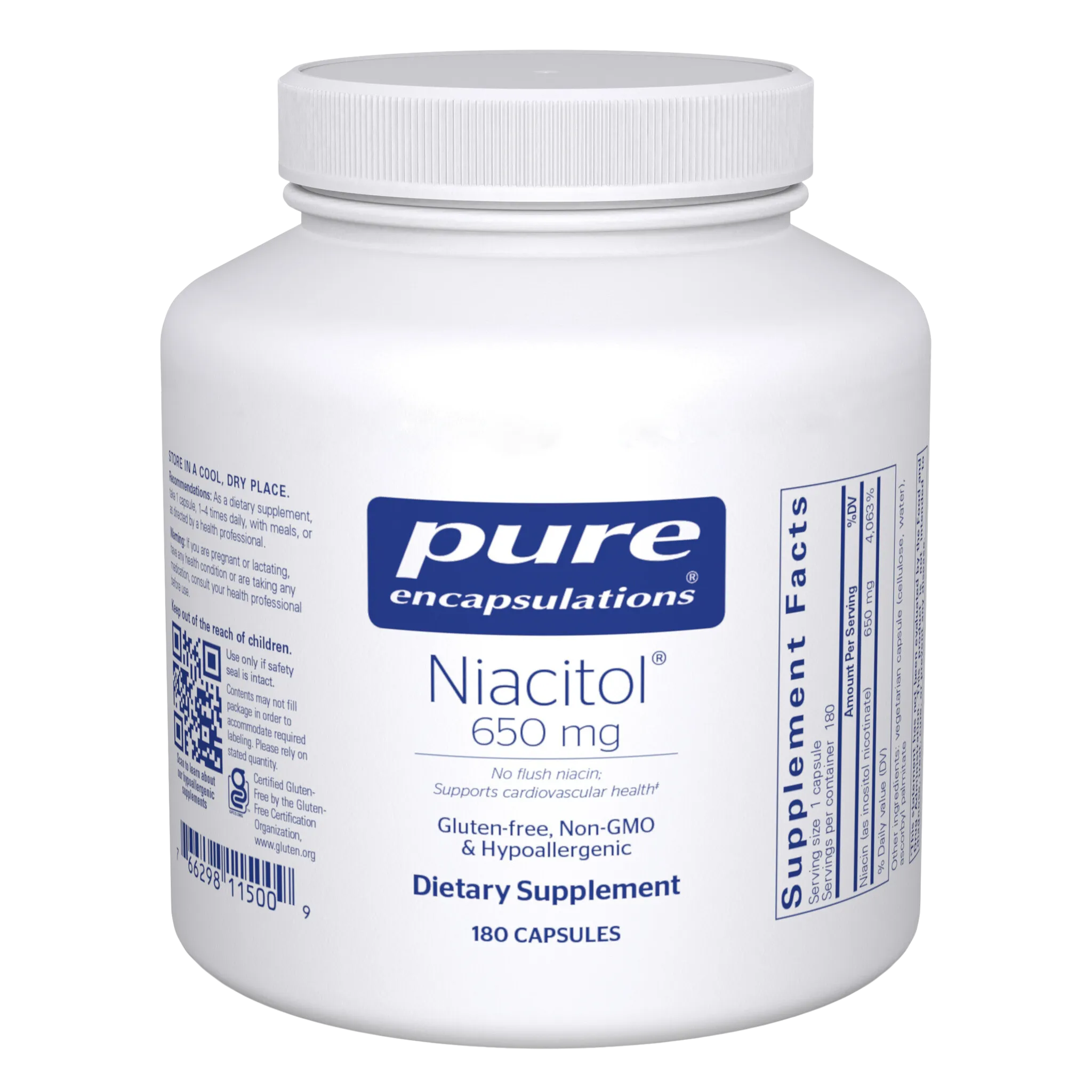
In recent years, the scientific and medical communities have begun to unravel the underlying biological mechanisms driving these invisible illnesses. A significant portion of this research points toward two critical, interconnected failures within the body: widespread damage to the blood vessels (endothelial dysfunction) and a catastrophic breakdown in cellular energy production (mitochondrial dysfunction). As researchers search for ways to repair these systems, attention has increasingly turned toward foundational biochemical pathways, specifically the role of Vitamin B3 and its derivatives. Niacitol® (no-flush niacin) 650 mg by pure encapsulations offers a unique, highly tolerable approach to supporting these vital pathways, providing gentle cardiovascular and metabolic support without the uncomfortable side effects traditionally associated with niacin therapy.
What is Niacitol (No-Flush Niacin)?
The Essential Role of Vitamin B3 and NAD+ in the Human Body
To understand the potential benefits of any Vitamin B3 supplement, we must first examine its natural, indispensable role in a healthy human body. Niacin, also known as Vitamin B3, is an essential, water-soluble nutrient that the body cannot synthesize in sufficient quantities on its own, meaning it must be acquired through diet or supplementation. At a molecular level, the primary biological purpose of niacin is to serve as a foundational building block for the synthesis of Nicotinamide Adenine Dinucleotide (NAD+) and its phosphorylated form, NADP+. These coenzymes are absolutely critical for life, participating in over 400 distinct enzymatic reactions across every single cell in the human body, making them some of the most versatile and important molecules in human biology.
The most vital of these reactions occur within the mitochondria, the microscopic powerhouses responsible for generating cellular energy. Within the inner membrane of every mitochondrion lies the electron transport chain (ETC), a highly complex series of four protein structures (Complex I through IV) that execute a process known as oxidative phosphorylation. NAD+ acts as a molecular shuttle in this process. In its reduced form, NADH, it carries high-energy electrons derived from the metabolism of carbohydrates, fats, and proteins directly to Complex I (NADH dehydrogenase). As these electrons are passed down the chain, their energy is used to pump protons across the mitochondrial membrane, creating a powerful electrochemical gradient. Finally, this gradient drives ATP synthase, the molecular turbine that generates adenosine triphosphate (ATP)—the universal energy currency that powers everything from muscle contractions to complex cognitive thought. Without an adequate supply of Vitamin B3 to synthesize NAD+, this entire energy factory slows down, leading to profound cellular energy deficits.
The Unique Biochemistry of Inositol Nicotinate
While the biochemical importance of Vitamin B3 is undisputed, the physical experience of taking standard niacin supplements can be highly unpleasant. Immediate-release nicotinic acid is notorious for causing the "niacin flush"—a harmless but intensely uncomfortable reaction characterized by red, warm, itchy, and tingling skin. This occurs because a rapid influx of nicotinic acid binds to specific receptors (HCAR2) in the skin, triggering a massive release of vasodilating prostaglandins (specifically D2 and E2). To circumvent this issue, the supplement industry developed inositol nicotinate (frequently referred to in scientific literature as inositol hexanicotinate or IHN), which is the active ingredient in Niacitol.
Inositol nicotinate is a specialized chemical compound created by covalently bonding six individual molecules of nicotinic acid to a single, central molecule of inositol. This unique structure fundamentally changes how the body processes the supplement. Rather than being immediately absorbed as free nicotinic acid, the inositol nicotinate molecule acts as a prodrug. Upon ingestion, it is absorbed largely intact through the gastrointestinal tract. Once in the bloodstream and liver, specialized enzymes called esterases must slowly cleave the ester bonds, gradually breaking the compound apart to release the free nicotinic acid and inositol over an extended period. This slow, sustained hydrolysis is the precise mechanism that prevents the massive spike in blood levels required to trigger the prostaglandin-induced flush.
The Synergistic Role of the Inositol Molecule
The central molecule in this compound, inositol, is not merely a structural placeholder; it is a biologically active and highly significant compound in its own right. Inositol is a type of carbocyclic sugar that is abundant in the brain and other mammalian tissues. It plays a crucial structural role as a primary component of cell membranes, specifically in the form of phosphatidylinositol. Beyond its structural importance, inositol is deeply involved in cellular signaling pathways, acting as a secondary messenger for various neurotransmitters, including serotonin and dopamine, which are essential for mood regulation and cognitive function.
Furthermore, inositol plays a well-documented role in metabolic health, particularly in modulating insulin sensitivity and supporting healthy blood sugar regulation. When the ester bonds of Niacitol are slowly hydrolyzed in the body, the patient receives not only a gentle, sustained release of Vitamin B3 but also a steady supply of inositol. This dual-action delivery makes it an intriguing option for individuals dealing with the complex, multi-system metabolic disruptions often seen in post-viral syndromes. For a deeper understanding of how systemic metabolic stress impacts recovery, you can read more about Diabetes and Long COVID: A Pandemic Within a Pandemic.
How Chronic Illness Impacts the Endothelium and Energy Pathways
Viral Infection and the Destruction of the Endothelium
To grasp why a cardiovascular and metabolic support supplement like Niacitol is relevant to conditions like Long COVID, ME/CFS, and dysautonomia, we must examine the specific pathophysiology of these illnesses. Extensive research has demonstrated that SARS-CoV-2 is not merely a respiratory virus, but a profoundly vascular one. The virus gains entry into human cells by binding to the ACE2 receptor, which is heavily expressed on the endothelial cells—the delicate, single-cell-thick lining of our entire cardiovascular system. This binding and subsequent viral replication cause severe damage and inflammation to the vascular lining, a condition known as endotheliitis.
In a healthy state, endothelial cells are responsible for producing nitric oxide (NO) via the enzyme endothelial nitric oxide synthase (eNOS). Nitric oxide is a vital signaling molecule that tells the smooth muscles surrounding the blood vessels to relax, ensuring proper vasodilation and healthy blood flow. However, when the endothelium is damaged by viral infection and chronic inflammation, eNOS function plummets. Without sufficient nitric oxide, the blood vessels inappropriately constrict. This constriction, combined with a hyperactive immune response, leads to the formation of amyloid fibrin microclots. These microscopic clots lodge in the tiny capillaries, blocking blood flow and starving tissues, muscles, and the brain of oxygen—a state known as cellular hypoxia, which drives the debilitating brain fog and muscle fatigue characteristic of Long COVID.
The Kynurenine Pathway and the Devastating "NAD+ Steal"
Simultaneously, the chronic immune activation seen in these conditions wreaks havoc on the body's energy production pathways. In a healthy individual, the essential amino acid tryptophan is primarily used to synthesize the neurotransmitter serotonin, while a smaller portion is routed through the de novo synthesis pathway to create NAD+. However, in the presence of chronic viral infections or severe immune dysregulation, inflammatory cytokines—particularly Interferon-gamma (IFN-γ)—heavily upregulate an enzyme known as indoleamine 2,3-dioxygenase 1 (IDO1). This upregulation creates a catastrophic metabolic trap.
The hyperactive IDO1 enzyme forcefully shunts tryptophan away from serotonin and NAD+ production, forcing it down what is known as the kynurenine pathway. Instead of producing vital cellular energy, the body begins accumulating neurotoxic downstream metabolites, such as quinolinic acid and 3-hydroxykynurenine. This phenomenon, frequently referred to in recent post-viral research literature as the "NAD+ steal," leaves patients in a state of localized, secondary pellagra. The mitochondria are entirely starved of the NAD+ they need to run the electron transport chain, resulting in a profound inability to generate ATP. This biochemical energy failure is a primary driver of post-exertional malaise (PEM), where even minor physical or cognitive exertion leads to a devastating crash. You can learn more about the intricate relationship between these conditions in our article, Can Long COVID Trigger ME/CFS? Unraveling the Connection.
Brainstem Hypoperfusion and Autonomic Nervous System Misfiring
The combination of endothelial dysfunction, microclotting, and metabolic failure inevitably impacts the autonomic nervous system (ANS), leading to dysautonomia, most commonly manifesting as Postural Orthostatic Tachycardia Syndrome (POTS). The ANS acts as the body's automatic control center, regulating heart rate, blood pressure, digestion, and temperature. It relies on a constant, rich supply of oxygenated blood to the brainstem to function correctly. When microclots and constricted blood vessels restrict this vital blood flow—a condition known as brainstem hypoperfusion—the brain essentially panics.
Sensing a lack of oxygen, the brainstem triggers the sympathetic nervous system (the "fight-or-flight" response) into overdrive. It forces the heart to beat rapidly and aggressively in a desperate attempt to pump more blood upward against gravity, resulting in the severe tachycardia and palpitations patients experience simply by standing up. Furthermore, the vagus nerve, which controls the parasympathetic "rest and digest" system, often becomes inflamed and dysfunctional, leaving the patient trapped in a state of perpetual sympathetic hyperarousal. This autonomic instability further exacerbates the cellular energy crisis, creating a vicious, self-perpetuating cycle of illness.
Niacitol: Supporting Cardiovascular and Mitochondrial Function
Bypassing the Metabolic Trap to Restore Cellular Energy
When the body is trapped in the vicious cycle of chronic inflammation and the kynurenine pathway is actively stealing tryptophan, relying on normal dietary intake to maintain energy levels becomes biologically impossible. This is where targeted supplementation with Vitamin B3 precursors like Niacitol becomes a critical intervention. By providing a direct, external source of nicotinic acid, supplementation allows the body to bypass the broken de novo synthesis pathway entirely. Instead, the body can utilize the NAD+ salvage pathway, a highly efficient biochemical recycling system driven by the enzyme NAMPT (nicotinamide phosphoribosyltransferase).
As the inositol nicotinate in Niacitol is slowly hydrolyzed in the bloodstream, it provides a steady, gentle trickle of free nicotinic acid that feeds directly into this salvage pathway. This gradually helps to replenish the cellular pools of NAD+. With NAD+ restored, the mitochondrial electron transport chain can resume its normal function, accepting electrons and pumping protons to drive ATP synthase. By addressing this fundamental biochemical bottleneck, patients may begin to rebuild their cellular energy reserves, potentially raising their threshold for exertion and mitigating the severity of post-exertional malaise (PEM). For more information on supporting these energy pathways, consider exploring Can R-Lipoic Acid Support Energy Levels and Metabolism in Long COVID and ME/CFS?.
Gentle Vasodilation and Endothelial Repair
Beyond energy production, Vitamin B3 plays a profound role in supporting cardiovascular health and repairing the damaged endothelium. Nicotinic acid is well-documented in cardiovascular research for its ability to support the function of endothelial nitric oxide synthase (eNOS). By encouraging the production of nitric oxide, niacin helps to relax the smooth muscle cells lining the blood vessels, acting as a vasodilator. This is particularly crucial for patients suffering from the microvascular constriction and cellular hypoxia associated with Long COVID and ME/CFS.
While immediate-release prescription niacin acts as a very potent, aggressive vasodilator (often causing an uncomfortable flush), Niacitol offers a much milder, sustained effect. Because the free nicotinic acid is released slowly over many hours, it provides gentle, continuous support to the microcirculation without overwhelming a sensitive, dysregulated autonomic nervous system. This steady vasodilation can help improve blood flow to the extremities, alleviating symptoms like cold hands and feet, and more importantly, helping to restore oxygen delivery to the brainstem to calm autonomic misfiring.
Modulating Neuro-Immune Inflammation and Lipid Profiles
The benefits of Vitamin B3 extend into the realm of immune modulation and lipid metabolism. Nicotinic acid interacts with specific G-protein-coupled receptors, particularly HCAR2 (also known as GPR109A), which are expressed not only on fat cells but also on various immune cells, including macrophages and dendritic cells. Activation of these receptors has been shown to exert potent anti-inflammatory effects, helping to downregulate the production of pro-inflammatory cytokines that drive systemic neuro-immune inflammation. This mechanism is particularly relevant for patients dealing with concurrent Mast Cell Activation Syndrome (MCAS), as stabilizing these immune pathways can help reduce systemic reactivity.
Furthermore, while the slow-release nature of inositol nicotinate makes it less aggressive than prescription niacin for altering lipid profiles, it still provides foundational nutritional support for healthy cholesterol and triglyceride metabolism. Chronic viral infections and the resulting metabolic stress often lead to dyslipidemia—an imbalance of lipids in the blood. By supporting the biochemical pathways involved in lipid processing, Niacitol can be a valuable component of a broader strategy to maintain cardiovascular wellness. For further insights into managing metabolic health post-infection, you can read Can Diaxinol Support Blood Sugar and Metabolic Health in Long COVID and ME/CFS?.

Symptoms Niacitol May Help Manage
Targeting Energy and Cognitive Deficits
Because Niacitol addresses foundational cellular mechanisms—specifically NAD+ production and microvascular blood flow—it has the potential to help manage a wide array of complex, interconnected symptoms.
Debilitating Fatigue and Post-Exertional Malaise (PEM): By supplying the essential raw materials needed for NAD+ synthesis, Niacitol directly supports the mitochondrial electron transport chain. Restoring ATP production at the cellular level helps address the root biochemical cause of profound exhaustion, potentially raising the patient's energy envelope and reducing the frequency and severity of crashes following minor physical or mental exertion.
Brain Fog and Cognitive Dysfunction: The human brain is incredibly energy-demanding, consuming roughly 20% of the body's total ATP despite accounting for only 2% of its mass. By supporting NAD+ levels and encouraging gentle vasodilation to improve cerebral blood flow, Niacitol helps deliver crucial oxygen and metabolic fuel to starved neurons, potentially alleviating the heavy, confused sensation of brain fog and improving executive function.
Addressing Vascular and Autonomic Instability
The cardiovascular and vasodilatory properties of Vitamin B3 make it particularly relevant for the physical symptoms associated with endothelial damage and dysautonomia.
Cold Extremities and Poor Peripheral Circulation: Endothelial dysfunction and microclotting often result in severe peripheral vasoconstriction, leading to Raynaud's-like symptoms where the hands and feet become painfully cold or discolored. The gentle, sustained nitric oxide support provided by Niacitol helps relax these peripheral vessels, improving microcirculation and warming the extremities.
Palpitations, Tachycardia, and Autonomic Misfiring: In conditions like POTS, the heart races to compensate for poor blood return and brainstem hypoperfusion. By supporting overall vascular health, improving venous return, and ensuring better oxygen delivery to the autonomic control centers in the brainstem, Niacitol may help reduce the compensatory sympathetic overdrive that causes a racing heart upon standing.
Metabolic Imbalances and Dyslipidemia: Chronic inflammation often disrupts normal lipid processing, leading to elevated triglycerides and imbalanced cholesterol levels. While not a replacement for targeted pharmaceutical lipid therapies, the sustained release of nicotinic acid and inositol provides foundational nutritional support for the enzymatic pathways responsible for maintaining healthy lipid metabolism and overall cardiovascular wellness.
Practical Considerations: Forms, Dosing, and Absorption
The Pharmacokinetics of Inositol Nicotinate
When considering Vitamin B3 supplementation, understanding the profound differences in pharmacokinetics—how the body absorbs, distributes, metabolizes, and excretes the compound—is essential. Standard, immediate-release nicotinic acid is highly bioavailable and rapidly absorbed through the gastrointestinal tract. A single oral dose can cause blood plasma levels to spike dramatically within 30 to 60 minutes. It is this rapid, massive influx that overwhelms the HCAR2 receptors in the skin, triggering the intense prostaglandin release responsible for the "niacin flush." While therapeutically potent, this flush is often so uncomfortable that patient compliance is notoriously low.
Niacitol, utilizing inositol nicotinate, offers a completely different pharmacokinetic profile. Clinical studies have demonstrated that approximately 70% of an oral dose of inositol nicotinate is absorbed intact through the gut wall. Once in the systemic circulation, the compound relies on esterase enzymes in the blood and liver to slowly hydrolyze (break apart) the ester bonds, gradually releasing free nicotinic acid and inositol. Because this enzymatic cleavage is an inherently slow process, the peak plasma levels of free nicotinic acid remain exceptionally low—often taking 6 to 12 hours to reach a peak that is a fraction of the concentration seen with immediate-release forms. This slow, sustained release is the exact mechanism that makes Niacitol "flush-free" and exceptionally well-tolerated.
Balancing Efficacy with Hepatic Safety
This slow-release mechanism is a double-edged sword that must be understood in a clinical context. On one hand, the low peak plasma levels mean that inositol nicotinate is generally considered less effective than high-dose prescription nicotinic acid for aggressive, pharmaceutical-level lipid modification (such as drastically lowering severe LDL cholesterol). The blood concentrations simply do not reach the threshold required to forcefully alter those specific hepatic lipid pathways. However, for the purposes of supporting NAD+ synthesis, providing gentle microvascular support, and ensuring daily Vitamin B3 nutritional requirements are met, this slow, steady trickle is highly effective and far more comfortable for the patient.
Crucially, this specific formulation bypasses a significant safety concern associated with other forms of delayed-release niacin. Traditional wax-matrix or sustained-release nicotinic acid supplements, designed to slowly release the vitamin over many hours, carry a well-documented risk of hepatotoxicity (liver damage) and can severely impair glucose tolerance. This occurs because the liver is subjected to a constant, high-level processing burden. Because inositol nicotinate hydrolyzes so slowly and never produces high active concentrations in the liver, it avoids these severe hepatic risks, making it a much safer option for long-term, daily use in complex chronic illness populations whose detoxification pathways may already be burdened.
Optimal Dosing Strategies and Contraindications
The suggested use for Niacitol® 650 mg is typically 1 capsule, taken 1 to 4 times daily, or as directed by a healthcare professional. Because the goal is to provide a sustained, gentle supply of Vitamin B3 throughout the day to support continuous NAD+ synthesis, dividing the dose (e.g., one capsule in the morning and one in the afternoon) is often more effective than taking a large single dose. It is highly recommended to take Niacitol with meals. Consuming the supplement alongside food helps to further smooth out the absorption curve, stimulates the release of digestive enzymes that aid in hydrolysis, and minimizes the risk of any mild gastrointestinal upset.
While inositol nicotinate boasts an excellent safety profile, certain precautions remain necessary. Patients with a history of liver disease, severe gout (as niacin can compete with uric acid for excretion in the kidneys), or active peptic ulcer disease should exercise caution and consult their provider before initiating therapy. Additionally, because niacin can have mild blood-pressure-lowering effects due to its vasodilatory properties, patients currently taking antihypertensive medications or those with severe, unmanaged orthostatic hypotension should monitor their blood pressure closely when starting the supplement to ensure it does not exacerbate dizziness upon standing.

Follow the Science
Clinical Evidence for NAD+ Precursors in Post-Viral Illness
The scientific investigation into Vitamin B3 derivatives and NAD+ depletion has accelerated dramatically in the wake of the COVID-19 pandemic. Researchers have established a clear link between viral infection, endothelial damage, and metabolic collapse. A pivotal 2023 study provided compelling in vitro evidence of this mechanism. Researchers exposed Human Aortic Endothelial Cells (HAECs) to the blood plasma of COVID-19 patients and observed a staggering 30% reduction in cellular NAD+ levels, alongside severely impaired nitric oxide production. Crucially, when the researchers co-incubated these damaged cells with Vitamin B3 precursors, it entirely abolished the viral-induced reductions in nitric oxide and prevented oxidative stress, effectively reversing the endothelial dysfunction at a cellular level.
This cellular research is now being translated into human clinical trials. A recent randomized, double-blind, placebo-controlled clinical trial conducted by researchers at Massachusetts General Hospital (published in EClinicalMedicine, 2025) investigated the use of high-dose NAD+ precursors in 58 non-hospitalized Long COVID patients. The study found that patients receiving the B3 supplementation demonstrated statistically significant improvements in systemic NAD+ levels, notable enhancements in cognitive function, and a faster overall trajectory of symptom recovery compared to the placebo group. These findings strongly validate the therapeutic approach of targeting the NAD+ salvage pathway to combat post-viral fatigue and brain fog.
The Nuanced Debate on Lipid Management and Bioavailability
While the evidence for NAD+ support is robust, the scientific consensus regarding the use of inositol nicotinate specifically for cardiovascular lipid management is highly nuanced. Because aggressive lipid modification requires high peak levels of free nicotinic acid to bind to hepatic receptors, "no-flush" inositol hexanicotinate preparations are considered unproven for treating severe dyslipidemia.
This was further corroborated by a rigorous 6-week randomized, double-blind, placebo-controlled trial conducted by Keenan et al. at the University of Minnesota. The study compared 1,500 mg/day of wax-matrix extended-release nicotinic acid against 1,500 mg/day of inositol nicotinate. While the true nicotinic acid group saw significant improvements in total cholesterol, LDL, and HDL, the inositol nicotinate group showed no significant lipid improvements compared to the placebo. Therefore, the scientific consensus maintains that while Niacitol is an excellent, safe vehicle for general Vitamin B3 nutritional support and NAD+ synthesis, patients requiring aggressive pharmaceutical intervention for high cholesterol should seek alternative, evidence-based therapies under medical supervision.
Validating Peripheral Endothelial Dysfunction in ME/CFS
The relevance of supporting the vascular endothelium in chronic fatigue conditions has been firmly established by recent cardiovascular research. A pivotal study published in the European Journal of Heart Failure (Scherbakov et al.) investigated peripheral endothelial function in patients with ME/CFS. The researchers found that a staggering 51% of ME/CFS patients exhibited diminished reactive hyperaemia index (a measure of endothelial function), compared to only 20% in healthy controls. Furthermore, this severe endothelial dysfunction was directly correlated with more severe disease symptoms, including profound fatigue and immune-related manifestations.
Similarly, comprehensive reviews on autonomic nervous system disorders, such as the 2025 review by Blitshteyn, emphasize that dysautonomia—including POTS and orthostatic hypotension—is a frequent, under-recognized comorbidity of systemic inflammatory diseases. The review highlights that repairing the underlying vascular and metabolic damage is a critical component of a stepped treatment approach. By utilizing gentle, sustained-release compounds like Niacitol to support endothelial nitric oxide production and cellular energy, patients and practitioners can target the physiological roots of these complex, overlapping syndromes.
The Path Forward
Validating the Reality of Complex Chronic Illness
Living with conditions like Long COVID, ME/CFS, and dysautonomia is an exhausting, full-time job that demands immense resilience. The profound fatigue, the unpredictable autonomic crashes, and the heavy cognitive dysfunction are not manifestations of anxiety or deconditioning; they are the direct result of measurable, physiological breakdowns in your body's vascular and metabolic systems. Validating this reality is the first and most crucial step toward healing. Finding the right combination of supportive therapies requires immense patience, a willingness to experiment gently, and a deep understanding of your own unique biology.
It is important to approach supplementation with realistic expectations. Niacitol is not a magic bullet or a standalone cure for complex post-viral syndromes. Rather, it is a foundational, supportive tool. By providing a gentle, flush-free, and sustained source of Vitamin B3, it offers vital raw materials to support the cellular engines (mitochondria) and blood vessels that are under constant siege from chronic neuro-immune inflammation. It is one piece of a much larger, comprehensive management puzzle.
The Importance of Pacing and Synergistic Support
Even the most scientifically backed supplements cannot override the fundamental laws of cellular energy. Supplementation must always be paired with aggressive, disciplined pacing and meticulous symptom tracking. You cannot out-supplement a crash. Utilizing tools like a heart rate monitor to stay within your specific energy envelope is just as critical as supporting your mitochondria chemically. When you combine strict pacing with targeted metabolic support, you create an environment where your cells finally have the opportunity to repair rather than constantly fighting to survive.
Furthermore, complex chronic illnesses rarely respond to monotherapy. Consider discussing synergistic support with your healthcare provider. Combining Niacitol with other targeted mitochondrial and endothelial supports—such as CoQ10, D-Ribose, or natural fibrinolytics—can often yield significantly better results by addressing multiple broken pathways simultaneously. For more insights into building a comprehensive, multi-system protocol, explore our article on Metformin: Long COVID Risk Reduction and Diabetes Management.
Next Steps for Your Health Journey
If you are struggling with the profound exhaustion of post-exertional malaise, the heavy confusion of brain fog, or the physical signs of poor peripheral circulation, supporting your NAD+ pathways and cardiovascular system is a logical, science-backed step. By choosing a highly tolerable, no-flush formulation, you can provide your body with essential metabolic support without adding unnecessary stress to your autonomic nervous system.
to see if this gentle form of Vitamin B3 is the right addition to your recovery toolkit. As always, because complex chronic conditions involve delicate, multi-system interactions, please consult with a dysautonomia-literate healthcare provider before starting any new supplement regimen to ensure it aligns safely with your individual medical needs and current medications.