Can Diaxinol Support Blood Sugar and Metabolic Health in Long COVID and ME/CFS?
March 6, 2026
DiaxinolLong COVIDME/CFS
Share:
Disclaimer: The information provided here is for educational purposes only and is not intended as medical advice. It should not be used to diagnose, treat, cure, or prevent any medical condition. Instead, use it as a starting point for discussion with your healthcare provider. Always consult with a qualified healthcare provider before starting any new medication, supplement, device, or making changes to your health regimen.
Months or even years after an acute viral infection, many patients find themselves battling a bewildering array of debilitating symptoms, from crushing fatigue to unpredictable heart rates. While conditions like Long COVID, myalgic encephalomyelitis/chronic fatigue syndrome (ME/CFS), and dysautonomia are often viewed through the lens of immune dysfunction or neurological impairment, an undeniable metabolic component lies at the core of these illnesses. The profound exhaustion and post-exertional crashes experienced by patients are not merely a lack of sleep; they are the result of cellular energy failure and systemic metabolic dysregulation.
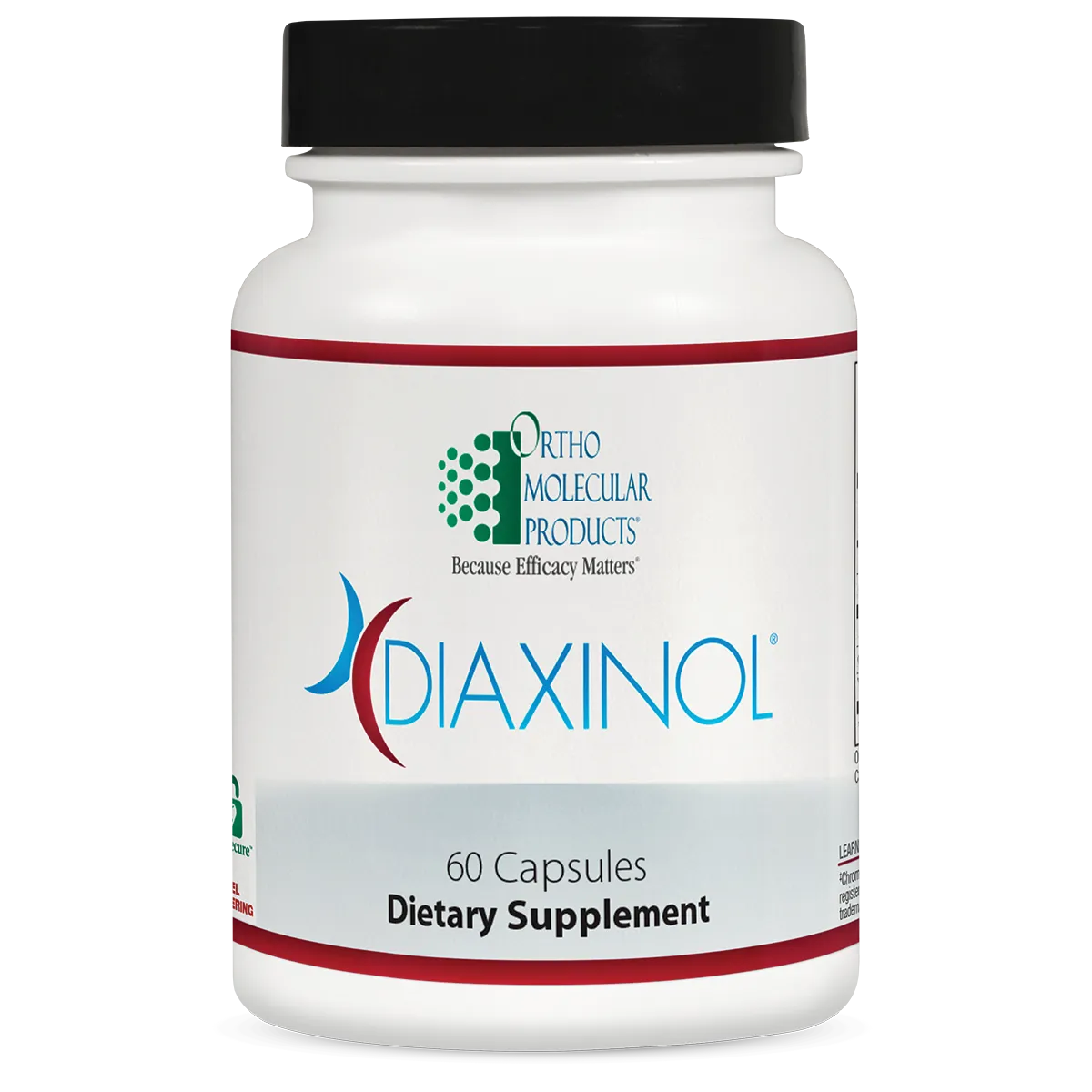
In the search for answers, medical researchers are increasingly focusing on how chronic illness disrupts blood sugar regulation, insulin sensitivity, and mitochondrial function. When the body loses its ability to efficiently convert glucose into usable energy, every system—from the brain to the autonomic nervous system—suffers. Diaxinol®, a targeted metabolic formula by Ortho Molecular, offers a synergistic blend of natural extracts and micronutrients designed to restore this delicate balance. By enhancing cellular signaling and supporting healthy blood glucose levels, Diaxinol targets the foundational metabolic pathways that are so often compromised in complex chronic conditions.
TL;DR
Metabolic dysfunction and insulin resistance are key drivers of symptoms in Long COVID, ME/CFS, and POTS.
Diaxinol is a targeted supplement that may help support healthy blood sugar levels and cellular energy production.
Ingredients like alpha lipoic acid and chromium support mitochondrial function and insulin sensitivity.
Always consult your healthcare provider before starting new supplements, especially if you have blood sugar issues.
What is Diaxinol?
The Core of Metabolic Homeostasis
Maintaining healthy blood sugar, or glucose, levels is a foundational pillar of human health, yet it is a highly complex process that requires multiple metabolic factors working at optimal capacity. In a healthy body, this delicate balance is primarily orchestrated by a specialized region in the pancreas known as the Islets of Langerhans. This region contains various types of cells that constantly monitor the bloodstream and secrete hormones to maintain homeostasis. When blood glucose levels fall—often due to physical stress, exertion, or extended periods without food—the alpha cells within the Islets of Langerhans secrete glucagon. Glucagon is a critical hormone that travels to the liver and skeletal muscles, triggering the release of stored glucose, known as glycogen, back into the bloodstream to ensure the brain and body have a continuous fuel supply.
Conversely, when blood sugar levels become elevated after consuming a meal, the beta cells in the Islets of Langerhans spring into action by secreting the hormone insulin. Insulin acts as a biochemical key, binding to specific receptors on the surface of liver cells, muscle cells, and fat cells. This binding action signals the cells to open their glucose transporters, allowing them to pull glucose out of the bloodstream and into the intracellular space where it can be utilized for immediate energy production or stored for later use. This continuous, dynamic interplay between glucagon and insulin ensures that the body's cells are never starved of energy and that the bloodstream is never overwhelmed by toxic levels of circulating sugar.
The Synergy of Diaxinol's Ingredients
However, maintaining this delicate metabolic balance has become increasingly difficult in the modern world, and it is especially challenging for individuals battling complex chronic illnesses. Sedentary lifestyles, highly processed diets lacking in essential micronutrients, genetic predispositions, and the profound physiological stress of chronic disease all conspire to disrupt these cellular signaling pathways. When cells stop responding efficiently to insulin—a state known as insulin resistance—the pancreas is forced to pump out ever-increasing amounts of the hormone, leading to a cascade of metabolic dysfunction, systemic inflammation, and profound energy deficits.
Diaxinol® by Ortho Molecular is a targeted, synergistic nutritional formula designed specifically to promote balanced blood sugar levels and restore metabolic homeostasis. Rather than relying on a single mechanism of action, Diaxinol combines a precise blend of natural botanical extracts, essential trace minerals, and high-dose vitamins to address blood sugar regulation from multiple physiological angles. By enhancing cellular signaling at the receptor level, supporting the enzymatic reactions required for glucose metabolism, and protecting the mitochondria from oxidative stress, Diaxinol provides comprehensive support for the body's energy production systems.
Cellular Signaling and Glucose Transport
At the molecular level, the ingredients in Diaxinol work to repair and optimize the communication pathways between insulin and the body's cells. For glucose to successfully enter a cell, a complex cascade of intracellular events must occur, beginning with the autophosphorylation of the insulin receptor and culminating in the translocation of GLUT4 transport proteins to the cell membrane. Micronutrients such as chromium and biotin, alongside potent compounds like alpha lipoic acid and vanadyl sulfate, act as essential cofactors and insulin mimetics in these pathways.
By ensuring these enzymatic reactions and cellular signaling systems are functioning at optimal capacity, Diaxinol helps to lower fasting blood glucose, prevent exaggerated insulin spikes, and ensure that the food we consume is efficiently converted into usable cellular energy. For patients navigating the complex metabolic disruptions associated with post-viral syndromes, supporting these foundational metabolic pathways is a critical step toward reclaiming their health and vitality.
How Chronic Illness Impacts Blood Sugar and Metabolism
The Metabolic Shift in Long COVID and ME/CFS
The pathophysiology of Long COVID and ME/CFS is deeply intertwined with profound metabolic dysfunction. Recent medical research highlights that acute viral infections can trigger lasting biological abnormalities, including endothelial dysfunction, mitochondrial impairment, and a pro-inflammatory gut microbiome. These factors actively drive the body into a state of chronic neuroinflammation and metabolic torpor. When mitochondria—the powerhouses of the cells—are damaged by viral persistence or oxidative stress, they lose their ability to efficiently process glucose and fatty acids into adenosine triphosphate (ATP), the raw currency of cellular energy.
This bioenergetic failure forces the body to rely on less efficient, anaerobic pathways for energy production, leading to the rapid accumulation of lactic acid and the debilitating symptom known as post-exertional malaise (PEM). Furthermore, the systemic inflammation seen in these conditions directly interferes with insulin signaling. Inflammatory cytokines block the insulin receptors on muscle and liver cells, creating a state of acquired insulin resistance. This means that even if a patient's diet is perfect, their cells are effectively starving because they cannot properly absorb the glucose circulating in their bloodstream. You can learn more about the interconnected nature of these symptoms in our guide on What Causes Long COVID?.
Dysautonomia, POTS, and Reactive Hypoglycemia
For patients living with dysautonomia and Postural Orthostatic Tachycardia Syndrome (POTS), blood sugar dysregulation presents a unique and severe set of challenges. The autonomic nervous system (ANS) plays a critical role in glucose homeostasis, and when it dysfunctions, metabolism is directly impacted. Many POTS patients exist in a state of chronic sympathetic nervous system overactivation—a perpetual "fight or flight" response. This elevated sympathetic tone triggers the liver to continuously release glucose and impairs the muscles' ability to uptake it, forcing the pancreas to secrete excess insulin.
This dynamic frequently leads to reactive hypoglycemia, a hallmark trigger for POTS flares. When a patient with underlying insulin resistance consumes carbohydrates, their body releases an exaggerated surge of insulin. Hours later, this causes blood sugar levels to plummet. To correct this dangerous drop, the body dumps massive amounts of adrenaline and norepinephrine into the bloodstream, severely worsening tachycardia, dizziness, tremors, and brain fog. Addressing this metabolic root cause is essential for stabilizing the autonomic nervous system.
The Vicious Cycle of Inflammation and Insulin Resistance
The relationship between chronic illness and metabolic dysfunction is a vicious, self-perpetuating cycle. Recent studies suggest that virus-induced endothelial cell senescence creates a highly pro-inflammatory and pro-oxidant environment within the blood vessels. This endothelial damage not only impairs tissue perfusion—starving the brain and muscles of oxygen—but also exacerbates systemic insulin resistance.
As insulin resistance worsens, circulating blood glucose levels rise, which in turn causes further oxidative damage to the delicate endothelial lining of the blood vessels. This metabolic deterioration makes it incredibly difficult for patients to heal from the initial viral insult. Breaking this cycle requires targeted interventions that can simultaneously reduce oxidative stress, repair mitochondrial function, and restore cellular sensitivity to insulin. For a deeper dive into this topic, explore our article on Diabetes and Long COVID: A Pandemic Within a Pandemic.
Diaxinol: Supporting Metabolic Function and Cellular Energy
Alpha Lipoic Acid and Mitochondrial Repair
Alpha Lipoic Acid (ALA), provided at 400 mg in Diaxinol, is a remarkably potent antioxidant and a non-negotiable enzymatic cofactor for cellular energy production. Within the mitochondria, ALA is essential for the function of the Pyruvate Dehydrogenase Complex (PDC) and the Alpha-Ketoglutarate Dehydrogenase Complex (KDC). These enzymes are the gatekeepers of the Krebs cycle; they are responsible for breaking down glucose and fatty acids so the mitochondria can synthesize ATP. By unblocking these enzymatic pathways, ALA directly combats the bioenergetic failure that drives chronic fatigue.
Furthermore, ALA is unique among antioxidants because it is both water- and fat-soluble. This allows it to easily penetrate cellular membranes, cross the blood-brain barrier, and enter the lipid-rich myelin sheaths of nerves. It actively neutralizes harmful free radicals, reduces mitochondrial oxidative stress, and recycles other critical antioxidants like CoQ10 and glutathione. By repairing mitochondrial damage at the cellular level, ALA helps restore the body's capacity to generate sustained energy without triggering post-exertional crashes.
Chromium Polynicotinate and Insulin Sensitivity
Chromium is an essential trace mineral required for normal carbohydrate and lipid metabolism, and Diaxinol utilizes a highly bioavailable form known as O-polynicotinate (800 mcg). Chromium forms the active core of the "Glucose Tolerance Factor" (GTF) in the body. Its primary physiological role is to bind directly to insulin receptors on the surface of cells, dramatically amplifying their sensitivity to insulin. By making the body's natural insulin more effective, chromium ensures that glucose is swiftly and efficiently ushered out of the bloodstream and into the cells.
This mechanism is particularly crucial for patients with dysautonomia and POTS. By repairing cellular insulin sensitivity, chromium prevents the exaggerated, post-meal insulin spikes that lead to reactive hypoglycemia. Smoothing out the daily blood sugar curve prevents the massive adrenaline surges that trigger tachycardia and autonomic nervous system flares, providing a profound stabilizing effect on the patient's daily symptom burden.
Cinnamon Extract and Vanadyl Sulfate as Insulin Mimetics
Diaxinol also features 150 mg of Cinnamon Bark Extract (Cinnulin®) and 50 mg of Vanadyl Sulfate Hydrate, both of which act as powerful insulin mimetics. Cinnulin PF is a standardized, water-soluble extract that contains bioactive double-linked procyanidin type-A polymers. These compounds essentially mimic the effects of insulin by triggering the autophosphorylation of the insulin receptor and increasing the expression of GLUT4 glucose transporters, allowing glucose to cross plasma membranes more efficiently.
Vanadyl sulfate complements this action by competitively inhibiting Protein Tyrosine Phosphatases (PTPs), specifically PTP-1B. PTP-1B acts as a negative regulator that turns off the insulin signal. By inhibiting this enzyme, vanadyl sulfate prolongs and enhances the insulin signaling cascade, activating the PI3K/Akt pathway to stimulate glycogen synthesis.
Biotin's Role in Glucokinase Activation
Finally, Diaxinol includes a high pharmacological dose of Biotin USP (3000 mcg). While commonly known for cosmetic benefits, biotin is an essential coenzyme for profound metabolic regulation. It strongly stimulates the transcription and activity of glucokinase in the liver and pancreas. Glucokinase functions as the body's primary "glucose sensor"; when activated by biotin, it boosts hepatic glycogen synthesis and enhances glycolysis, effectively pulling excess sugar out of circulation.
If you are interested in other metabolic interventions, you can read our comprehensive guide on Metformin: Long COVID Risk Reduction and Diabetes Management.

Symptoms Diaxinol May Help Manage
Energy and Neurological Symptoms
Because Diaxinol targets the foundational mechanisms of cellular energy production and nervous system stability, it can help manage a wide array of symptoms associated with complex chronic illnesses:
Severe Fatigue and PEM: By providing Alpha Lipoic Acid to unblock the Krebs cycle and support mitochondrial ATP production, Diaxinol helps combat the crushing, heavy-limbed exhaustion and delayed post-exertional crashes that define Long COVID and ME/CFS.
Brain Fog and Cognitive Impairment: The brain is a highly metabolically active organ that requires a constant, stable supply of glucose. By improving insulin sensitivity and stabilizing blood sugar levels, Diaxinol helps ensure the brain receives the fuel it needs, reducing cognitive fatigue and neuroinflammation.
Neuropathy and Nerve Pain: Because of its unique lipid solubility, the Alpha Lipoic Acid in Diaxinol easily penetrates nerve tissues. It is widely recognized for its ability to reduce oxidative damage in peripheral nerves, alleviating the burning, tingling, and pain associated with small fiber neuropathy.
Autonomic and Metabolic Symptoms
In addition to energy production, Diaxinol's impact on insulin signaling provides targeted relief for autonomic and metabolic dysregulation:
Reactive Hypoglycemia and POTS Flares: By utilizing Chromium and Cinnamon extract to repair insulin sensitivity, Diaxinol prevents the exaggerated insulin spikes that cause post-meal blood sugar crashes. This prevents the subsequent adrenaline dumps that trigger severe tachycardia, dizziness, and tremors in POTS patients.
Sugar Cravings and Weight Fluctuations: Insulin resistance often traps patients in a cycle of intense carbohydrate cravings and metabolic weight gain. By restoring cellular communication and optimizing how the body handles carbohydrates, Diaxinol helps stabilize appetite and supports healthy metabolic function.
Systemic Inflammation: The bioactive compounds in Cinnulin PF and the antioxidant capacity of ALA work synergistically to suppress pro-inflammatory signaling pathways, reducing the overall inflammatory burden that drives chronic illness symptoms.
To learn more about managing the daily realities of these symptoms, explore our article on How Can You Live with Long-Term COVID.
Practical Considerations: Forms, Dosing, and Absorption
Bioavailability of Diaxinol's Key Extracts
When selecting a metabolic supplement, bioavailability—the amount of a substance that actually enters circulation and has an active effect—is paramount. Diaxinol is formulated with highly bioavailable, patented extracts to ensure maximum clinical efficacy. For instance, inorganic chromium is notoriously poorly absorbed by the human body. However, Diaxinol utilizes chromium O-polynicotinate, a specific formulation where chromium is bound to niacin (Vitamin B3). Animal studies indicate that this polynicotinate form is absorbed and retained up to 311% better than standard chromium picolinate.
Similarly, the type of cinnamon used in supplementation matters immensely. Whole cassia cinnamon powder, commonly found in grocery stores, contains high levels of coumarin, a fat-soluble compound that can be toxic to the liver in large doses. Diaxinol utilizes Cinnulin®, a standardized, water-soluble extract. Because coumarin is fat-soluble, this water extraction process removes the toxic compound while concentrating the bioactive procyanidin polymers, making it exceptionally safe for long-term, daily consumption.
Optimal Timing and Dietary Synergy
Because Diaxinol is designed to modulate insulin signaling and glucose transport, timing is an important consideration. The suggested use is 2 capsules per day, or as recommended by your healthcare professional. For optimal results in preventing postprandial (after-eating) blood sugar spikes and reactive hypoglycemia, it is generally best to take Diaxinol with your largest meals of the day. Taking it alongside carbohydrates allows the insulin mimetics (like vanadyl sulfate and cinnamon extract) to actively assist in ushering that glucose into your cells.
Furthermore, Diaxinol works synergistically with dietary strategies commonly employed by POTS and ME/CFS patients. Standard dysautonomia management often includes eating small, low-carbohydrate meals to reduce the blood pooling in the digestive tract that triggers orthostatic intolerance. Diaxinol enhances this strategy by optimizing how your body handles whatever carbohydrates are consumed, ensuring maximum energy extraction with minimal autonomic disruption.
Important Safety Caveats and Lab Test Interferences
While Diaxinol is formulated with natural ingredients, there are critical safety caveats patients must be aware of. Because Diaxinol actively lowers blood glucose by ushering it into cells, it can cause hypoglycemia (low blood sugar) if taken without food, or if combined with prescription oral diabetic or glucose-lowering medications. Patients who already struggle with fainting or severe blood sugar drops must monitor their levels carefully and consult a physician before starting this supplement.
Additionally, the U.S. Food and Drug Administration (FDA) has issued strict warnings regarding high-dose biotin (Vitamin B7) interfering with in vitro diagnostic lab tests. Many clinical blood tests rely on a "streptavidin-biotin" interaction to measure biomarkers. High levels of biotin in the blood can saturate the testing reagents, leading to wildly inaccurate results—such as falsely elevated thyroid hormones or falsely depressed cardiac troponin levels. Patients taking Diaxinol should halt supplementation at least 72 hours before undergoing routine or specialized blood work to ensure accurate lab results.

Follow the Science
Clinical Evidence for Alpha Lipoic Acid in Post-Viral Fatigue
The scientific evidence supporting the ingredients in Diaxinol for post-viral syndromes and metabolic dysfunction is robust and growing.
The Impact of Chromium and Cinnamon on Insulin Resistance
Research also heavily supports the use of chromium and cinnamon for addressing the metabolic roots of dysautonomia.
To combat this, water-soluble cinnamon extracts like Cinnulin PF have been extensively studied. A widely cited meta-analysis reviewing clinical trials found that cinnamon intake resulted in a statistically significant lowering of fasting blood glucose by an average of 0.84 mmol/L in people with Type 2 Diabetes mellitus. The study concluded that the short-term use of cinnamon on glycaemic control looks promising.
Vanadyl Sulfate and Biotin in Metabolic Research
The insulin-mimetic properties of vanadyl sulfate have been documented in rigorous clinical clamp studies. In trials involving moderately obese patients with metabolic dysfunction, treatment with oral vanadyl sulfate for 3 weeks increased the glucose infusion rate required to maintain euglycemia by approximately 82%. This improvement was driven by augmented peripheral glucose disposal and enhanced suppression of hepatic glucose output, proving that vanadyl sulfate actively repairs insulin signaling pathways in humans.
You can read more about how clinicians evaluate these complex conditions in our post on How Does a Doctor Diagnose Long COVID?.
The Path Forward
Validating the Metabolic Reality of Chronic Illness
Living with Long COVID, ME/CFS, dysautonomia, or MCAS is a profoundly challenging experience, often made worse by a medical system that fails to recognize the complex, interconnected nature of these conditions. If you are experiencing debilitating fatigue, unpredictable heart rates, and severe post-exertional crashes, it is vital to know that your symptoms are not in your head. They are the result of measurable, physiological disruptions in your body's cellular energy production and metabolic signaling pathways. Validating this metabolic reality is the first step toward reclaiming your quality of life.
Integrating Diaxinol into Your Management Strategy
While there is no single miracle cure for complex chronic illness, targeted nutritional interventions like Diaxinol can play a crucial role in a comprehensive management strategy. By repairing mitochondrial function, restoring insulin sensitivity, and stabilizing blood sugar levels, Diaxinol addresses the root bioenergetic failures that drive your symptoms. However, supplements are most effective when combined with careful pacing, symptom tracking, and a tailored dietary approach.
Always consult with your healthcare provider before introducing a new supplement, especially one that actively modulates blood sugar and cellular metabolism. By working collaboratively with a knowledgeable medical team, you can build a personalized toolkit that supports your body's innate capacity for healing and homeostasis.