Can R-Lipoic Acid Support Energy Levels and Metabolism in Long COVID and ME/CFS?
March 5, 2026
R-Lipoic AcidLong COVIDME/CFS
Share:
Disclaimer: The information provided here is for educational purposes only and is not intended as medical advice. It should not be used to diagnose, treat, cure, or prevent any medical condition. Instead, use it as a starting point for discussion with your healthcare provider. Always consult with a qualified healthcare provider before starting any new medication, supplement, device, or making changes to your health regimen.
Living with complex chronic conditions like Long COVID, myalgic encephalomyelitis/chronic fatigue syndrome (ME/CFS), and dysautonomia often feels like running a marathon with a constantly draining battery. You might find yourself struggling to complete basic daily tasks, battling severe brain fog, or experiencing unpredictable heart rates and nerve pain. When your body's fundamental ability to generate cellular energy is compromised, the downstream effects impact nearly every system, leaving you searching for validating answers and targeted support. For many patients, the journey involves navigating a maze of symptoms while wondering How Does a Doctor Diagnose Long COVID? when standard blood tests often return normal results.
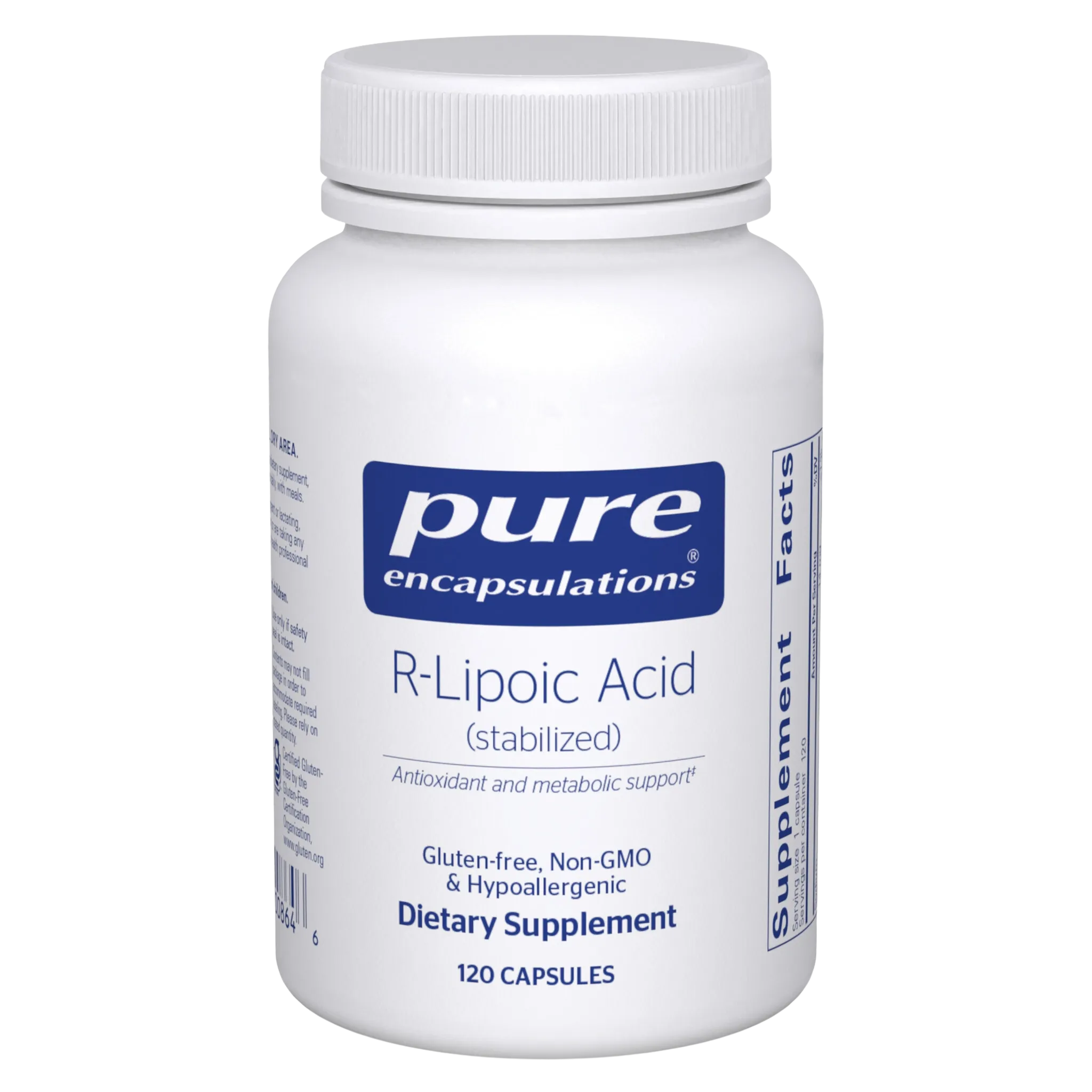
One compound that has garnered significant attention in the realm of mitochondrial health and metabolic recovery is R-lipoic acid. Unlike standard over-the-counter antioxidants, this naturally occurring molecule operates deep within your cells, acting as a critical spark plug for energy production and a powerful shield against oxidative damage. In this comprehensive guide, we will explore the intricate biochemistry of stabilized R-lipoic acid, how it addresses the root mechanisms of post-viral fatigue, and why choosing the right bioavailable form is absolutely essential for clinical efficacy.
What is R-Lipoic Acid?
The Body's Natural Enantiomer
Alpha-lipoic acid (ALA) is a naturally occurring organosulfur compound synthesized in small amounts by plants, animals, and humans. However, in nature and within your own cells, this molecule exists exclusively as R-lipoic acid (the "R" enantiomer). Standard, commercially available alpha-lipoic acid supplements are typically a synthetic, 50/50 racemic mixture of both the natural R-isomer and the biologically inactive S-isomer. According to research from the Linus Pauling Institute, your cellular machinery, specifically the enzymes inside your mitochondria, only recognize and utilize the natural R-lipoic acid form. This specific molecular shape allows it to bind perfectly to the intricate enzymatic complexes responsible for converting the food you eat into usable cellular energy.
The distinction between these two forms is not merely a matter of chemical trivia; it has profound implications for biological activity and therapeutic efficacy. The S-isomer, which is a byproduct of chemical manufacturing, cannot be utilized by human enzymes and may even competitively inhibit the absorption and utilization of the active R-isomer. Therefore, when patients with severe energy-limiting conditions attempt to use standard racemic ALA, they are effectively receiving only half the active dose, while simultaneously burdening their digestive system with an unusable synthetic compound. Focusing exclusively on the stabilized R-lipoic acid form ensures that every milligram ingested is biologically active and ready to support mitochondrial repair.
The Mitochondrial Spark Plug
At the molecular level, R-lipoic acid is an absolute requirement for the function of the mitochondria, the powerhouses of your cells. It serves as an essential, covalently bound cofactor for several critical multienzyme complexes, most notably the Pyruvate Dehydrogenase Complex (PDC) and the Alpha-Ketoglutarate Dehydrogenase Complex (KDC). These enzymes act as the gatekeepers of the Krebs cycle (also known as the citric acid cycle). The PDC bridges glycolysis—the initial breakdown of glucose—with the Krebs cycle, while the KDC catalyzes a downstream step that keeps the cycle turning. Without sufficient R-lipoic acid, these enzymatic bottlenecks stall, preventing the efficient breakdown of nutrients into the electron carriers NADH and FADH2, which are necessary to fuel the electron transport chain and synthesize adenosine triphosphate (ATP).
Furthermore, R-lipoic acid acts as a powerful cellular signaling agent that promotes mitochondrial biogenesis, the process by which cells grow new, healthy mitochondria. It achieves this by activating the AMP-activated protein kinase (AMPK) pathway, which acts as a master energy sensor within the cell. When AMPK is activated, it signals the cell to produce more mitochondria to meet energy demands, while also supporting nuclear transcription factors like PGC-1α. This dual action—optimizing existing enzymatic function while stimulating the creation of new mitochondria—makes R-lipoic acid a foundational nutrient for anyone looking to rebuild their cellular energy capacity from the ground up.
The Antioxidant of Antioxidants
Beyond its metabolic duties, R-lipoic acid is uniquely equipped to handle cellular stress due to its dual solubility; it is both water-soluble and fat-soluble. This rare characteristic allows it to travel freely throughout the entire cell, crossing lipid membranes and entering the aqueous cytoplasm to neutralize highly reactive oxygen species (ROS) and free radicals. The massive generation of ATP within mitochondria naturally produces highly reactive oxygen species, which can cause severe oxidative damage to cellular lipids, proteins, and DNA if left unchecked. R-lipoic acid acts as a premier defense mechanism, directly scavenging destructive molecules like superoxide and hydroxyl radicals before they can damage delicate cellular machinery.
Furthermore, R-lipoic acid is famously referred to as the "antioxidant of antioxidants" because of its ability to regenerate other depleted cellular defenders. When antioxidants like Vitamin C, Vitamin E, and CoQ10 neutralize a free radical, they become oxidized and inactive. R-lipoic acid, and its reduced active form dihydrolipoic acid (DHLA), directly recycle these molecules back into their active states. It also enhances the cellular uptake of cysteine, the rate-limiting amino acid required to produce glutathione, the body's master intracellular antioxidant. By regenerating this entire antioxidant network, R-lipoic acid provides a comprehensive shield against the systemic oxidative stress that drives many chronic illness symptoms.
How Chronic Illness Impacts Cellular Energy and Metabolism
Viral Damage to Mitochondria in Long COVID
In the wake of a SARS-CoV-2 infection, many patients develop profound, lingering symptoms, prompting the question: What Causes Long COVID?. Emerging research points heavily toward severe mitochondrial dysfunction and persistent metabolic alterations. The virus can directly hijack mitochondrial machinery, altering the cell's ability to produce ATP and shifting metabolism away from efficient aerobic respiration toward less efficient glycolysis. This energy failure is a primary driver of the debilitating fatigue and post-exertional malaise (PEM) experienced by patients. When the mitochondria cannot meet the energy demands of the brain, muscles, and organs, the entire system crashes, leading to the profound exhaustion that characterizes post-viral syndromes.
A recent 2023 review in the International Journal of Molecular Sciences synthesized evidence showing that Long COVID and ME/CFS are post-stressor syndromes driven by a failure to resolve acute immune responses, leading to chronic systemic inflammation and mitochondrial defects. The persistent viral presence or viral debris continues to trigger the immune system, creating an ongoing state of cellular alarm. In this state, the body prioritizes immune defense over normal cellular energy production, leading to a systemic energy deficit. This explains why patients often feel as though their "batteries" are completely drained, even after minimal physical or cognitive exertion.
Oxidative Stress and the Vicious Cycle
Conditions like Long COVID and ME/CFS are characterized by a vicious cycle of chronic inflammation and oxidative stress. As the immune system remains hyperactive, it generates excessive amounts of free radicals and reactive nitrogen species, such as peroxynitrite. This rampant oxidative stress directly damages mitochondrial DNA and the delicate lipid membranes of the mitochondria. Furthermore, excess nitric oxide can bind to mitochondrial enzymes in a damaging process known as S-nitrosylation, effectively suffocating the cell's ability to breathe and produce energy. This creates a destructive feedback loop: damaged mitochondria produce less energy and more free radicals, which in turn causes further mitochondrial damage and systemic inflammation, deepening the severity of the illness.
The depletion of endogenous antioxidants further exacerbates this vicious cycle. As the body desperately tries to neutralize the flood of reactive oxygen species, it rapidly burns through its stores of glutathione, Vitamin C, and CoQ10. Without these critical defenders, the mitochondria are left vulnerable to ongoing oxidative attacks. This is why simply resting is often not enough to recover from post-viral fatigue; the cellular machinery itself is damaged and lacks the necessary raw materials to repair the oxidative damage and restart efficient ATP production. Breaking this cycle requires targeted interventions that can simultaneously neutralize free radicals and restore mitochondrial enzyme function.
Neuropathy and Endothelial Dysfunction in Dysautonomia
The systemic energy crisis and oxidative damage seen in these conditions frequently extend to the nervous and cardiovascular systems, manifesting as dysautonomia and postural orthostatic tachycardia syndrome (POTS). Oxidative stress heavily damages the small-fiber nerves that regulate the autonomic nervous system and control blood vessel constriction. This damage leads to endothelial dysfunction, where the blood vessels fail to dilate and constrict properly in response to positional changes, resulting in blood pooling, rapid heart rates, and orthostatic intolerance. Additionally, the metabolic disruptions seen in post-viral states can impair glucose utilization, creating a scenario where nerve cells are simultaneously starved of energy and battered by free radicals.
When the small autonomic nerves are damaged, the body loses its ability to seamlessly regulate heart rate, blood pressure, and digestion. Patients may experience severe dizziness upon standing, debilitating brain fog due to reduced cerebral blood flow, and unpredictable gastrointestinal issues. The chronic inflammation also sensitizes peripheral pain receptors, leading to the burning, tingling, and numbness characteristic of neuropathic pain. Addressing these complex dysautonomia symptoms requires therapies that can cross the blood-brain barrier, penetrate nerve tissues, and directly repair the oxidative damage inflicted upon the delicate small-fiber nerves.
R-Lipoic Acid: Supporting Cellular Energy and Nerve Health
Driving the Krebs Cycle and ATP Production
Supplementing with stabilized R-lipoic acid directly addresses the mitochondrial bottlenecks created by chronic illness. By providing an abundance of this essential cofactor, R-lipoic acid helps restore the function of the Pyruvate Dehydrogenase Complex (PDC) and the Alpha-Ketoglutarate Dehydrogenase Complex (KDC). This restoration allows the stalled Krebs cycle to resume turning efficiently, maximizing the production of NADH and FADH2. These electron carriers then feed into the electron transport chain, creating the necessary proton gradient for ATP synthase to generate massive amounts of cellular energy. By repairing this fundamental metabolic pathway, R-lipoic acid helps lift the cellular energy ceiling, potentially reducing the frequency and severity of post-exertional crashes.
Furthermore, research published in the National Library of Medicine demonstrates that alpha-lipoic acid specifically protects these vital enzymes from damage caused by nitrosative and oxidative stress. By preventing excess nitric oxide from binding to and disabling the PDC and KDC, R-lipoic acid ensures that the cellular machinery remains operational even in the presence of chronic inflammation. This dual mechanism—acting as an essential fuel source while simultaneously shielding the engine from damage—makes R-lipoic acid a uniquely powerful intervention for post-viral fatigue and metabolic dysfunction.
Restoring Glucose Metabolism and Insulin Sensitivity
R-lipoic acid plays a profound role in regulating healthy glucose metabolism, which is particularly relevant given the complex relationship between Diabetes and Long COVID: A Pandemic Within a Pandemic. R-lipoic acid activates AMP-activated protein kinase (AMPK), a master cellular energy sensor in skeletal muscles and fat cells. This activation stimulates the translocation of the GLUT-4 glucose transporter to the cellular membrane, allowing the body to efficiently clear glucose from the bloodstream, even in states of insulin resistance. By improving insulin sensitivity and enhancing mitochondrial glucose oxidation, R-lipoic acid ensures that cells have a steady supply of fuel to convert into ATP.
This metabolic support is crucial for patients experiencing energy crashes and blood sugar dysregulation. When cells cannot efficiently absorb glucose, they are starved of energy, leading to profound fatigue and cognitive sluggishness. By facilitating the uptake of glucose into skeletal muscles, R-lipoic acid helps stabilize energy levels throughout the day and mitigates the inflammatory damage caused by chronically elevated blood sugar. This mechanism of action makes it a valuable complementary therapy for those exploring metabolic interventions like Metformin: Long COVID Risk Reduction and Diabetes Management.
Protecting Peripheral Nerves and Small Fibers
One of the most well-documented therapeutic applications of R-lipoic acid is its ability to protect and repair damaged peripheral nerves. Because it is highly lipophilic (fat-soluble), R-lipoic acid easily crosses the blood-brain barrier and penetrates the myelin sheaths of peripheral nerves. Once inside, it neutralizes the reactive oxygen species that cause nerve ischemia (lack of blood flow) and promotes the sprouting of new neurites for nerve regeneration. For patients dealing with the small-fiber neuropathy often associated with dysautonomia and POTS, R-lipoic acid helps improve endoneurial blood flow and restores the integrity of the autonomic nerves that regulate vascular tone.
This targeted nerve support can lead to significant reductions in neuropathic pain, burning sensations, and orthostatic symptoms. By repairing the small autonomic nerves that control blood vessel constriction and improving endothelial nitric oxide production, R-lipoic acid helps stabilize vascular tone. This can potentially reduce the rapid heart rate and dizziness experienced upon standing, offering a pharmacological approach to managing dysautonomia that directly addresses the underlying nerve damage rather than merely suppressing symptoms.

Symptoms Stabilized R-Lipoic Acid May Help Manage
Targeted Symptom Relief
When cellular energy production is restored and oxidative stress is neutralized, many downstream symptoms of complex chronic illness can improve. Stabilized R-lipoic acid specifically targets the following areas:
Debilitating Fatigue and PEM: By acting as a required cofactor for the Krebs cycle enzymes, R-lipoic acid directly increases mitochondrial ATP production, providing the raw cellular energy needed to combat profound exhaustion and raise the threshold for post-exertional malaise.
Brain Fog and Cognitive Dysfunction: Because it easily crosses the blood-brain barrier, R-lipoic acid reduces neuroinflammation and oxidative stress in the brain, while also improving glucose uptake in neurons, which can help clear cognitive sluggishness and improve focus.
Neuropathic Pain and Tingling: R-lipoic acid improves blood flow to damaged peripheral nerves and neutralizes the free radicals causing nerve ischemia, which can significantly reduce the burning, tingling, and numbness associated with small-fiber neuropathy.
Orthostatic Intolerance and POTS: By repairing the small autonomic nerves that control blood vessel constriction and improving endothelial nitric oxide production, R-lipoic acid helps stabilize vascular tone, potentially reducing the rapid heart rate and dizziness experienced upon standing.
Blood Sugar Dysregulation: Through the activation of the AMPK pathway and the mobilization of GLUT-4 transporters, R-lipoic acid improves insulin sensitivity and helps skeletal muscles efficiently absorb and utilize circulating glucose, preventing energy crashes associated with blood sugar spikes.
Exercise Intolerance: By enhancing mitochondrial biogenesis and improving the efficiency of aerobic respiration, R-lipoic acid helps muscles generate energy without rapidly resorting to lactic acid-producing glycolysis, thereby improving overall physical stamina.
Practical Considerations: Forms, Dosing, and Absorption
The Bioavailability Problem of Pure R-ALA
When considering supplementation, understanding the pharmacokinetics of different lipoic acid forms is absolutely critical. While pure, unstabilized R-lipoic acid (often labeled simply as R-ALA) is the biologically active enantiomer, it suffers from terrible aqueous solubility and is highly sensitive to stomach acid. When unstabilized R-ALA enters the acidic environment of the stomach, it rapidly polymerizes, binding to itself to form a sticky, gummy substance that the body cannot absorb. Consequently, taking standard, unstabilized R-ALA yields incredibly low plasma blood levels, making it largely ineffective as an oral therapeutic agent for severe chronic illness.
Interestingly, standard racemic alpha-lipoic acid (the 50/50 mixture) is generally more bioavailable than unstabilized pure R-ALA because the inactive S-isomer appears to prevent the R-isomer from polymerizing in the stomach. However, this means patients must take much higher doses of racemic ALA to achieve therapeutic levels of the active R-isomer, which can lead to gastrointestinal distress and places an unnecessary burden on the body to process the synthetic S-isomer. To truly harness the power of R-lipoic acid, a more advanced delivery system is required.
Why Sodium R-Lipoate is the Superior Form
To solve this profound stability issue, researchers chemically bonded R-lipoic acid to a sodium salt, creating sodium R-lipoate (Na-R-ALA). This stabilization process completely transforms the molecule's bioavailability. The sodium salt prevents the molecules from polymerizing and makes the compound highly water-soluble. When ingested, sodium R-lipoate rapidly dissolves and reconverts to free R-lipoic acid in the stomach, where it is absorbed at an exceptionally high rate and speed, allowing it to easily achieve therapeutic blood levels.
A landmark 2007 pharmacokinetic study published in the Alternative Medicine Review directly compared 600 mg of unstabilized pure R-alpha lipoic acid to 600 mg of sodium R-lipoate in human subjects. The results were staggering: sodium R-lipoate achieved peak blood plasma concentrations up to 25.86 times higher than unstabilized R-ALA. Furthermore, the total bioavailability (the total amount of the compound absorbed into the bloodstream over time) was roughly 3.3 times higher for the sodium-stabilized form. This means that a much smaller dose of sodium R-lipoate can deliver vastly more active compound to your cells than a massive dose of standard ALA.
Dosing, Timing, and Safety Precautions
Because sodium R-lipoate is dramatically more bioavailable, therapeutic results can be achieved at lower doses compared to standard racemic ALA. A typical starting dose ranges from 100 mg to 300 mg daily. Crucially, lipoic acid absorption is highly competitive; taking it with food dramatically decreases its bioavailability. For optimal absorption, it must be taken on a completely empty stomach, either 30 minutes before a meal or two hours after eating. Taking it with a high-fat meal can reduce peak plasma concentrations by up to 30%, so strict adherence to empty-stomach dosing is essential for clinical efficacy.
While generally very safe and well-tolerated, R-lipoic acid can actively lower blood sugar levels due to its insulin-sensitizing effects. Patients with diabetes or hypoglycemia should carefully monitor their glucose levels, as their medication dosages may need to be adjusted by their healthcare provider. Additionally, it may slightly increase bleeding risks when taken alongside anticoagulant medications. The most commonly reported side effect is mild gastrointestinal upset or nausea, which can often be mitigated by starting with a lower dose and gradually titrating up as tolerated. Always consult with a healthcare professional before initiating a new supplement regimen.

Follow the Science
Clinical Trials in Post-Viral Syndromes
The scientific evidence supporting lipoic acid for complex chronic conditions is rapidly expanding, particularly as researchers investigate How Can You Live with Long-Term COVID. A recent prospective observational study published in Clinical and Experimental Medicine evaluated the combination of CoQ10 and alpha-lipoic acid in 174 Long COVID patients who met the diagnostic criteria for ME/CFS. The researchers found that the treatment group experienced a significantly higher rate of "complete response" (at least a 50% reduction in fatigue severity) compared to the untreated control group.
Furthermore, the study revealed that treatment failure was observed in only 9.5% of the treated patients, compared to nearly 26% of the control group. This highlights the profound impact of targeted mitochondrial therapy on post-viral fatigue. By simultaneously addressing energy production deficits and neutralizing the rampant oxidative stress caused by the persistent immune response, the combination of CoQ10 and lipoic acid provides a comprehensive approach to restoring cellular homeostasis in patients battling severe post-exertional malaise.
Evidence in Neuropathy and Dysautonomia
Lipoic acid has a long, well-documented history of successfully treating peripheral and autonomic neuropathy. Gold-standard multicenter clinical trials, such as the ALADIN and SYDNEY trials, have consistently demonstrated that daily administration of lipoic acid yields rapid, statistically significant reductions in neuropathic pain, burning, and numbness. A critical appraisal of these trials confirmed that lipoic acid significantly improves median motor, peroneal motor, and sensory nerve conduction velocities, validating its role as a premier neuroprotective agent.
In the realm of dysautonomia, a clinical study examining the use of R-lipoic acid for chronic neurogenic orthostatic hypotension found it to be a highly effective therapy. In patients who responded positively, their drastic blood pressure drops upon standing were completely normalized. Pre-treatment, their blood pressure dropped by an average of -28/-6 mm Hg when moving from sitting to standing; post-treatment with R-ALA, this normalized to 0/+2 mm Hg. Unlike traditional pharmaceutical medications for orthostatic intolerance, R-lipoic acid improved sympathetic tone and upright blood pressure without causing dangerous supine hypertension.
Metabolic and Weight Management Studies
The metabolic benefits of R-lipoic acid are also supported by robust clinical data. A 24-week, randomized, double-blind, placebo-controlled trial conducted by Oregon State University and published in the Journal of Nutrition evaluated 600 mg/day of pure R-lipoic acid in overweight adults. The study revealed that participants taking R-lipoic acid experienced a 4.8% reduction in body weight and an 8.6% reduction in total body fat, alongside a 22% increase in protective antioxidant gene expression.
Furthermore, glucose clamp analysis in diabetic patients has shown that lipoic acid administration can improve the insulin sensitivity index by up to 63%, bringing glucose disposal rates up to levels comparable to healthy controls. This profound ability to enhance glucose utilization independently of insulin signaling makes R-lipoic acid an invaluable tool for patients struggling with the metabolic dysregulation that frequently accompanies post-viral syndromes and chronic fatigue.
The Path Forward
A Piece of the Chronic Illness Puzzle
Navigating the complexities of Long COVID, ME/CFS, and dysautonomia can be an incredibly isolating and frustrating experience, especially when you are constantly asking, Can Long COVID Trigger ME/CFS? Unraveling the Connection. It is vital to remember that your symptoms are real, rooted in profound physiological disruptions, and not just "in your head." While stabilized R-lipoic acid is a powerful tool for restoring mitochondrial function, neutralizing oxidative stress, and supporting nerve health, it is not a standalone cure. It is most effective when integrated into a comprehensive, multidisciplinary management strategy that includes aggressive resting, strict pacing, symptom tracking, and ongoing medical supervision.
Rebuilding cellular energy and repairing metabolic pathways takes time, patience, and a deep commitment to listening to your body's signals. By choosing a highly bioavailable, stabilized form of R-lipoic acid, you are providing your cells with the precise molecular tools they need to begin the repair process. The journey to recovery is rarely linear, but targeted nutritional interventions can help lift the cellular energy ceiling, providing you with more functional hours in the day and a greater capacity to engage in rehabilitative therapies.
Empowering Your Recovery Journey
Always work closely with a knowledgeable healthcare provider who understands the nuances of complex chronic illness to tailor your supplement regimen, monitor for potential interactions, and adjust dosages based on your unique physiological responses. With the right support and targeted interventions, improving your quality of life and regaining a sense of stability is entirely possible. By addressing the root causes of cellular energy failure and oxidative damage, you can take an active role in managing your symptoms and supporting your body's innate healing capacity.
Sources
Lipoic Acid - Linus Pauling Institute, Oregon State University
Mitochondrial Dysfunction in Myalgic Encephalomyelitis/Chronic Fatigue Syndrome
Alpha-Lipoic Acid Supplementation Protects Enzymes from Damage by Nitrosative and Oxidative Stress
Critical Appraisal of ALA in Diabetic Polyneuropathy (ALADIN, SYDNEY, NATHAN trial analysis)
Persistent immune dysregulation and metabolic alterations following SARS-CoV-2 infection