Can Milk Thistle Support Liver Detoxification and Mast Cell Health in Long COVID and ME/CFS?
March 6, 2026
Milk ThistleLong COVIDME/CFS
Share:
Disclaimer: The information provided here is for educational purposes only and is not intended as medical advice. It should not be used to diagnose, treat, cure, or prevent any medical condition. Instead, use it as a starting point for discussion with your healthcare provider. Always consult with a qualified healthcare provider before starting any new medication, supplement, device, or making changes to your health regimen.
The journey through complex chronic illnesses like Long COVID, myalgic encephalomyelitis/chronic fatigue syndrome (ME/CFS), and mast cell activation syndrome (MCAS) often feels like navigating a maze without a map. Patients frequently present with a dizzying array of symptoms—debilitating brain fog, severe post-exertional malaise (PEM), unpredictable allergic flares, and profound gastrointestinal distress. Behind these seemingly disconnected symptoms lies a common thread: systemic inflammation, severe oxidative stress, and a heavy metabolic burden placed on the body's detoxification systems. When the body is locked in a state of chronic immune activation, the liver, our primary organ for filtering toxins and managing metabolic waste, can quickly become overwhelmed.
For centuries, traditional medicine has turned to botanical allies to support liver health, but modern pharmacological research is now uncovering the profound cellular mechanisms behind these ancient remedies. Milk Thistle, and its highly active extract silymarin, has emerged as far more than just a simple liver tonic. Recent scientific investigations reveal that silymarin acts as a potent modulator of genetic pathways, a powerful antioxidant synthesizer, and a remarkable stabilizer of hyper-reactive immune cells. For individuals battling the complex web of post-viral syndromes and immune dysregulation, understanding how this botanical compound interacts with cellular biology offers a new perspective on managing chronic symptoms and supporting the body's innate healing processes.
TL;DR
Milk thistle (silymarin) supports liver health and detoxification, crucial for managing complex chronic illnesses.
It acts as a potent antioxidant and anti-inflammatory by modulating Nrf2 and NF-κB pathways.
Research suggests silymarin helps stabilize mast cells, offering potential relief for MCAS symptoms.
Choose phytosome formulations with sunflower lecithin for significantly higher absorption and bioavailability.
What is Milk Thistle?
The Botanical Origins and Active Compounds
Milk Thistle (Silybum marianum) is a striking, flowering herb native to the Mediterranean region, easily recognized by its vibrant purple flowers and the milky white veins running through its prickly leaves. For over two millennia, herbalists and traditional healers have utilized the seeds of this plant to help manage various disorders of the liver and gallbladder. However, it wasn't until the mid-20th century that scientists isolated the plant's primary active constituent: a complex of flavonolignans collectively known as silymarin. This complex is predominantly composed of three distinct molecules—silibinin, silychristin, and silydianin—with silibinin being the most abundant and biologically active component.
In a healthy body, silymarin functions as a highly sophisticated cellular protectant. Rather than acting as a simple, single-target drug, silymarin exerts its effects through a multi-targeted mechanism of action. It is deeply integrated into the body's natural detoxification processes, primarily by promoting the healthy flow of bile. Bile is a digestive fluid produced by the liver that not only aids in the breakdown of dietary fats but also serves as a critical vehicle for transporting metabolic waste, heavy metals, and neutralized toxins out of the body via the digestive tract. By stimulating RNA polymerase I, an enzyme responsible for synthesizing ribosomal RNA, silymarin actually accelerates protein synthesis within liver cells (hepatocytes), actively promoting the repair and regeneration of damaged hepatic tissue.
The Cellular Mechanisms: Nrf2 and NF-κB
To truly appreciate how milk thistle works, we must look at the molecular level, specifically at two master genetic switches: the Nrf2 pathway and the NF-κB pathway. The Nuclear factor erythroid 2-related factor 2 (Nrf2) pathway is the body's primary defense mechanism against oxidative stress. Under normal, unstressed conditions, the Nrf2 protein is anchored in the cellular fluid (cytoplasm) by a repressor protein called Keap1, which marks it for continuous degradation. Research demonstrates that silymarin physically disrupts this Keap1-Nrf2 interaction. This disruption frees Nrf2, allowing it to travel into the cell's nucleus where it binds to Antioxidant Response Elements (AREs) in our DNA. This binding triggers a massive, systemic production of the body's own endogenous antioxidant enzymes, fundamentally shifting the cell into a highly protected state.
Conversely, silymarin acts as a powerful brake on the Nuclear factor-kappa B (NF-κB) pathway, which is the master regulator of inflammation. When a cell is exposed to toxins, viruses, or stress, NF-κB normally travels to the nucleus to trigger the release of inflammatory cytokines. Silymarin helps prevent this by blocking the degradation of IκBα, a protein that acts like a straitjacket, keeping NF-κB locked in the cytoplasm. By keeping the straitjacket intact, silymarin effectively silences the alarm bells of chronic inflammation. This dual action—upregulating antioxidant defenses while simultaneously downregulating inflammatory signaling—makes silymarin a uniquely powerful tool for maintaining cellular homeostasis.
How Chronic Illness Impacts Liver and Cellular Health
Viral Persistence and the Hepatic Burden
In complex chronic illnesses, the body's natural homeostatic mechanisms are severely disrupted, leading to cascading failures across multiple organ systems. In the case of Long COVID, researchers increasingly point to viral persistence—the lingering presence of SARS-CoV-2 viral reservoirs or spike proteins in tissues long after the acute infection has passed. This continuous viral presence keeps the immune system locked in a state of high alert, driving autoimmunity and immune dysregulation. The liver bears a massive burden in this scenario. As the immune system constantly battles these lingering viral fragments, it generates immense amounts of cellular debris and metabolic waste. The liver's detoxification pathways, particularly the cytochrome P450 enzymes in Phase I detox and the conjugation pathways in Phase II, can become bottlenecked, leading to a buildup of toxins that further exacerbates systemic inflammation.
Furthermore, the SARS-CoV-2 spike protein has been shown to cause direct damage to the endothelial cells lining our blood vessels. This endothelial dysfunction contributes to the formation of microclots, which impair oxygen delivery to tissues. When the liver is chronically inflamed and overwhelmed by the demand to clear these microclots and viral debris, its ability to produce healthy, flowing bile is compromised. This sluggish bile flow not only impairs digestion and nutrient absorption but also impairs the efficient excretion of fat-soluble toxins, creating a vicious cycle of toxicity and immune hyper-reactivity.
Oxidative Stress and Glutathione Depletion in ME/CFS
For individuals living with ME/CFS, the core of the illness often lies within the mitochondria, the energy-producing powerhouses of the cells. In a healthy state, mitochondria produce adenosine triphosphate (ATP) efficiently. However, when Long COVID triggers ME/CFS, these mitochondrial pathways become severely dysfunctional. As mitochondria struggle to produce energy, they "leak" excessive amounts of reactive oxygen species (ROS), leading to profound intracellular oxidative stress. To neutralize these free radicals, the body relies heavily on glutathione, often referred to as the master antioxidant. In ME/CFS, the continuous demand for ROS neutralization rapidly depletes the body's glutathione reserves.
When glutathione is depleted, a catastrophic energy crash occurs, clinically recognized as post-exertional malaise (PEM). The liver is the primary site of glutathione synthesis in the body. If the liver is already burdened by chronic inflammation or poor bile flow, its capacity to manufacture and distribute glutathione to energy-starved tissues like the brain and muscles is severely compromised. This glutathione depletion allows oxidative stress to damage cellular membranes and mitochondrial DNA, further driving the debilitating fatigue and exercise intolerance that define ME/CFS.
Mast Cell Activation Syndrome (MCAS) and Histamine Overload
Mast Cell Activation Syndrome (MCAS) frequently co-occurs with Long COVID, ME/CFS, and dysautonomia. Mast cells are immune sentinels located in tissues throughout the body. In MCAS, these cells become hyper-reactive, inappropriately degranulating and releasing a flood of inflammatory mediators, including histamine, into the bloodstream. This massive histamine release causes unpredictable symptoms ranging from severe hives and flushing to gastrointestinal pain and sudden drops in blood pressure (often triggering reflex tachycardia in POTS patients).
The connection between MCAS and the liver is critically important but often overlooked. Once histamine is released into the bloodstream, it must be broken down and cleared from the body. A primary enzyme responsible for degrading intracellular histamine is Histamine N-methyltransferase (HNMT), which is heavily concentrated in the liver. If the liver is inflamed, congested, or depleted of essential cofactors due to chronic illness, its ability to produce HNMT and clear systemic histamine drops dramatically. This leads to a state of "histamine overload," where even minor triggers can cause severe, prolonged allergic reactions because the body simply cannot clear the inflammatory chemicals fast enough.
Milk Thistle: Supporting Detoxification, Immunity, and Mast Cells
Activating the Nrf2 Antioxidant Pathway and Boosting Glutathione
Supplementing with highly bioavailable milk thistle offers a profound, multi-pronged approach to supporting the body through the ravages of chronic illness. At the forefront of its therapeutic action is its ability to aggressively combat oxidative stress by activating the Nrf2 signaling pathway. By forcing the Nrf2 protein into the cellular nucleus, silymarin acts as a master switch that turns on the genetic blueprints for the body's most powerful antioxidant enzymes. This includes upregulating the production of Superoxide Dismutase (SOD), Catalase (CAT), and Glutathione Peroxidase (GPx). More importantly, silymarin directly stimulates the synthesis of fresh intracellular glutathione. For patients with ME/CFS experiencing severe mitochondrial dysfunction, restoring glutathione levels is essential for protecting the mitochondria from self-destruction and slowly rebuilding cellular energy capacity.
This antioxidant mechanism is not just about neutralizing free radicals; it is about restoring the fundamental redox balance of the cell. In the context of Long COVID, where the spike protein induces severe oxidative damage to the vascular endothelium, silymarin's ability to boost these endogenous antioxidants provides a vital shield. By reducing the oxidative burden on the blood vessels, silymarin helps to mitigate the endothelial inflammation that drives micro-clotting and poor tissue oxygenation, working synergistically with other vascular supports like acerola vitamin C and bioflavonoids.
Suppressing NF-κB and Systemic Inflammation
Beyond its antioxidant prowess, silymarin is a formidable anti-inflammatory agent. By inhibiting the degradation of IκBα and keeping the NF-κB pathway locked down, silymarin halts the transcription of highly destructive pro-inflammatory cytokines. Specifically, research shows that silymarin significantly downregulates the production of Tumor Necrosis Factor-alpha (TNF-α), Interleukin-1 beta (IL-1β), and Interleukin-6 (IL-6). These are the exact cytokines that are chronically elevated in patients with Long COVID and ME/CFS, driving symptoms like deep muscle aches, joint pain, and the pervasive "flu-like" feeling that accompanies a PEM crash.
Furthermore, silymarin influences the behavior of immune cells within the liver, known as Kupffer cells. Studies indicate that silymarin can drive these macrophages away from a highly aggressive, pro-inflammatory "M1" state toward a tissue-repairing "M2" state. This macrophage polarization is critical for cooling down the systemic immune response. By shifting the immune system from attack mode to repair mode, silymarin helps to reduce the collateral damage inflicted on healthy tissues during the prolonged immune battles characteristic of post-viral syndromes.
Stabilizing Mast Cells and Reducing Histamine
One of the most exciting and clinically relevant discoveries regarding silymarin is its profound ability to act as a natural mast cell stabilizer. For patients struggling with MCAS, finding agents that help prevent mast cell degranulation is paramount. Research on human mast cells (HMC-1) has demonstrated that silibinin (the primary compound in silymarin) helps inhibit the production of pro-inflammatory cytokines. Additional research shows it helps protect the cell membrane from rupturing by suppressing antigen-stimulated calcium uptake into mast cells while simultaneously increasing intracellular levels of cyclic AMP (cAMP). This specific modulation of calcium and cAMP effectively shuts down the secretory response of the mast cell, helping to stop the release of histamine before it even begins.
In animal models of anaphylaxis, silibinin was shown to dose-dependently reduce histamine release. This makes milk thistle an incredibly valuable tool in the MCAS toolkit, often used alongside pharmaceutical stabilizers like Ketotifen or natural blends like Aller-Essentials. Moreover, by protecting the liver and enhancing bile flow, silymarin indirectly supports the body's ability to manufacture the HNMT enzyme, thereby improving the downstream clearance of any histamine that does manage to escape into the bloodstream. This dual action—stabilizing the mast cell at the source and supporting histamine degradation in the liver—provides comprehensive support for histamine intolerance.
Symptoms Milk Thistle May Help Manage
Targeting Systemic and Neurological Symptoms
Because silymarin modulates fundamental cellular pathways like Nrf2 and NF-κB, its benefits extend far beyond simple liver support. By addressing the root causes of oxidative stress and immune hyper-reactivity, milk thistle may help manage a variety of debilitating symptoms associated with complex chronic illnesses:
Severe Brain Fog and Cognitive Dysfunction: By reducing systemic inflammation and lowering levels of circulating cytokines like IL-6 and TNF-α, silymarin helps mitigate neuroinflammation. Furthermore, protecting the liver ensures that metabolic toxins (like ammonia) are efficiently cleared before they can cross the blood-brain barrier and impair cognitive function.
Post-Exertional Malaise (PEM) and Fatigue: By directly stimulating the synthesis of intracellular glutathione, silymarin provides critical antioxidant protection to struggling mitochondria. This helps preserve cellular ATP production and may raise the threshold at which a patient experiences an energy crash following physical or cognitive exertion.
Allergic Flares, Hives, and Flushing: Through its potent mast cell stabilizing properties, silibinin modulates calcium uptake and cAMP levels within mast cells, helping to prevent the explosive degranulation of histamine and other inflammatory mediators that drive severe MCAS reactions.
Gastrointestinal Distress and Bloating: By promoting healthy bile flow (a cholagogue effect), milk thistle supports the proper breakdown of dietary fats and the efficient excretion of waste products. This can alleviate sluggish digestion, reduce bloating, and support a healthier gut microbiome by helping to reduce the stagnation of toxins in the digestive tract.
Chemical and Histamine Intolerance: By protecting hepatocytes and supporting Phase I and Phase II liver detoxification pathways, silymarin ensures that the liver has the capacity to produce enzymes like HNMT, which are necessary for breaking down systemic histamine and environmental chemicals.
Practical Considerations: Forms, Dosing, and Absorption
The Bioavailability Challenge
While the biochemical mechanisms of silymarin are incredibly robust, utilizing it effectively in a clinical setting presents a significant challenge: poor bioavailability. In its raw, standard extract form, silymarin is highly lipophilic (fat-soluble) but has exceptionally poor water solubility. When consumed orally as a standard powder or generic capsule, it struggles to dissolve in the water-rich environment of the gastrointestinal tract. Furthermore, its molecular structure makes it difficult to cross the lipid membranes of the intestinal walls. Pharmacokinetic studies indicate that the absolute oral bioavailability of standard silybin can be as low as 0.45%. This means that if you take a standard, cheap milk thistle supplement, over 99% of the active compounds may be excreted without ever reaching your bloodstream or liver.
To overcome this massive hurdle, the nutraceutical industry has developed advanced delivery systems. If you are dealing with a severe chronic illness, relying on standard milk thistle extracts is often insufficient. To achieve the therapeutic blood levels necessary to stabilize mast cells or downregulate neuroinflammation, the silymarin must be bound to a carrier that can shuttle it across the intestinal barrier.
The Power of Sunflower Lecithin and Phytosomes
The most effective solution to the bioavailability problem is the integration of phospholipids, specifically sunflower lecithin. Lecithin is a natural source of phosphatidylcholine, a primary building block of human cell membranes. When silymarin is combined with sunflower lecithin, it forms a complex known as a Phytosome. In a phytosome, the silymarin molecules are chemically bound to the phospholipids. Because the phospholipid acts as a chaperone that is both water-soluble (on the outside) and fat-soluble (on the inside), it easily navigates the digestive tract and seamlessly merges with the cellular membranes of the intestines, pulling the silymarin payload directly into the bloodstream.
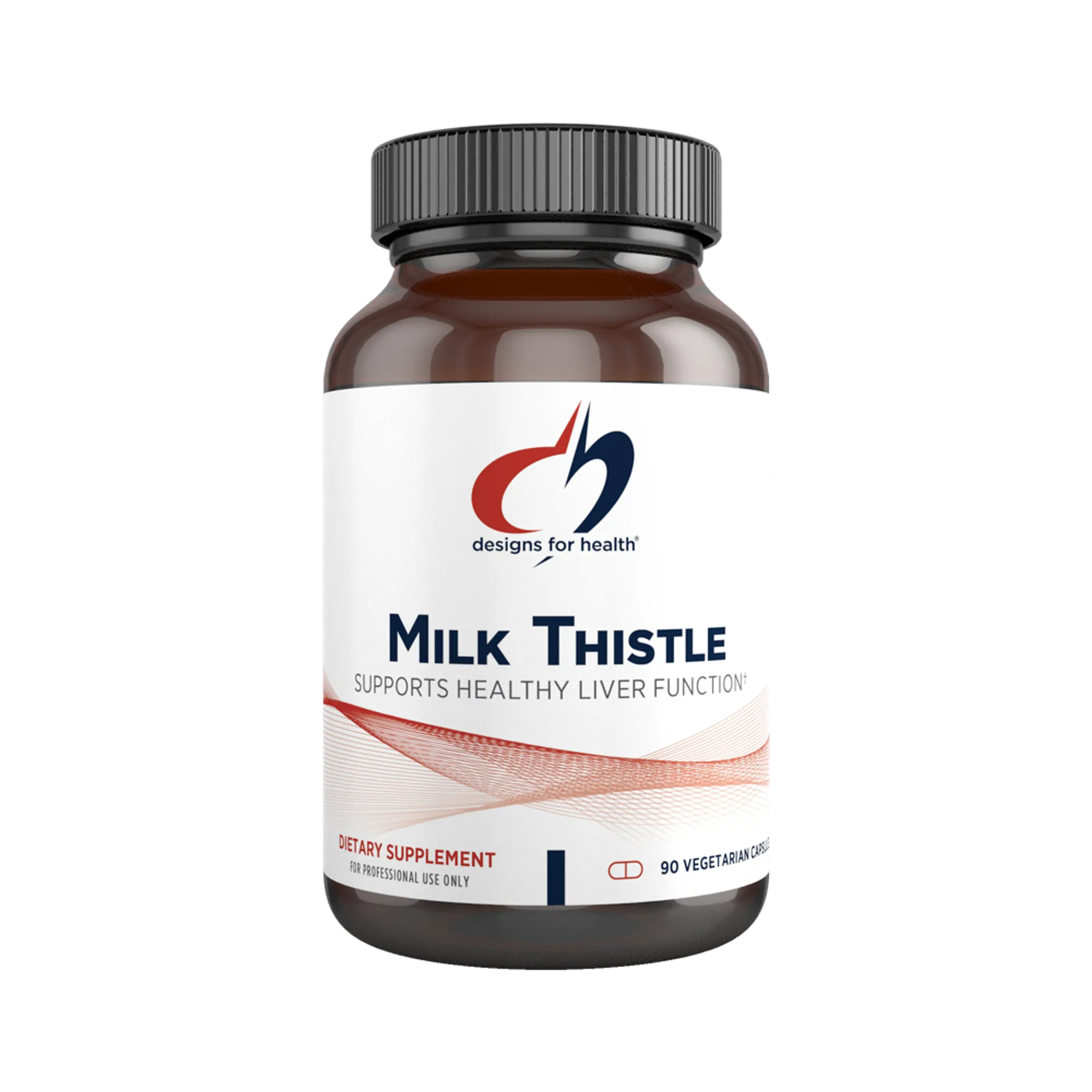
The clinical data supporting this technology is staggering. Human crossover studies have demonstrated that a silybin-phosphatidylcholine complex achieves a 9.6-fold higher bioavailability compared to conventional silymarin tablets. Other advanced lipid formulations have shown up to a 15-fold increase in peak blood concentrations. Furthermore, sunflower lecithin is highly preferred over soy lecithin, as it is non-GMO and avoids the allergenic triggers that can cause severe reactions in patients with MCAS. By choosing a product like Designs for Health's Milk Thistle, which explicitly includes sunflower lecithin, patients ensure they are actually absorbing the therapeutic compounds they are paying for.
Dosing Strategies and Safety Considerations
For general liver support and antioxidant maintenance, a standard dose of highly bioavailable milk thistle is typically around 140 mg to 200 mg per day. However, in functional medicine protocols targeting post-viral recovery, Long COVID, or severe MCAS, practitioners may recommend higher doses, sometimes ranging from 400 mg to 800 mg daily, divided into multiple doses to maintain consistent blood levels. Because silymarin is fat-soluble, it is highly recommended to take the supplement alongside a meal containing healthy fats (like avocado, olive oil, or nuts) to further stimulate bile release and maximize intestinal absorption.
While milk thistle is generally considered very safe and well-tolerated, there are important safety considerations. Because silymarin actively modulates liver function, it can interact with the Cytochrome P450 enzyme system—the same system responsible for metabolizing many pharmaceutical drugs. Silymarin may slow down the clearance of certain medications, potentially increasing their levels in the blood. Therefore, patients taking prescription medications, especially blood thinners, anti-anxiety medications, or statins, must consult their healthcare provider before initiating high-dose milk thistle therapy. Additionally, while rare, individuals with severe allergies to plants in the ragweed family (Asteraceae) should use caution, though the purified silymarin extract generally lacks the allergenic proteins found in the raw pollen.
Follow the Science
Clinical Evidence in Post-Viral and Liver Health
The scientific community has increasingly turned its attention to silymarin's potential in managing the severe inflammatory cascades associated with viral infections. During the height of the pandemic, researchers initiated clinical trials (such as NCT04394208) to investigate oral silymarin as an adjunctive therapy for COVID-19 pneumonia. The rationale was deeply rooted in silymarin's documented ability to inhibit the p38 MAPK pathway, a critical driver of the hyper-inflammatory "cytokine storms" seen in severe infections. Furthermore, recent in silico (computer modeling) studies from 2023 have demonstrated that silymarin compounds exhibit a remarkable ability to bind directly to human ACE2 receptors, potentially inhibiting viral entry and mitigating the downstream endothelial damage caused by circulating spike proteins.
Beyond acute viral infections, the National Center for Complementary and Integrative Health (NCCIH) funded a major metabolomic study that uncovered a fascinating "two-phase" process by which silymarin protects cells. The researchers found that silymarin initially induces a mild, beneficial cellular stress (activating pathways like ATF-4 and AMPK), which then triggers a highly sustained, long-term suppression of inflammatory gene signaling. This sustained anti-inflammatory state is exactly what is required to help patients break the cycle of chronic neuroimmune activation seen in ME/CFS and Long COVID.
Research on Mast Cell Stabilization
The evidence supporting silymarin as a mast cell stabilizer is particularly compelling for the MCAS community. In a pivotal study published in Immunopharmacology and Immunotoxicology, researchers investigated the effects of silibinin on human mast cells (HMC-1). The study concluded that silibinin significantly decreased the production of pro-inflammatory cytokines by shutting down the NF-κB signaling pathway and halting the secretion of TNF-α, IL-6, and IL-8. The researchers explicitly noted its profound anti-allergic effect, positioning it as a viable therapeutic agent for mast cell-derived inflammatory diseases.
Supporting these in vitro findings, animal models of severe anaphylaxis have shown that oral administration of silibinin can significantly reduce histamine release from peritoneal mast cells in a dose-dependent manner. By modulating intracellular calcium and cAMP, silymarin effectively disarms the mast cell's explosive degranulation mechanism, offering a scientifically validated, natural approach to managing the unpredictable and severe allergic flares that characterize MCAS.
Bioavailability and Pharmacokinetic Trials
The scientific literature clearly delineates the difference between standard milk thistle and phospholipid-bound formulations. A landmark human crossover study published in the European Journal of Drug Metabolism and Pharmacokinetics compared a silybin-phosphatidylcholine complex to standard silymarin tablets in healthy volunteers. The pharmacokinetic analysis revealed a 9.6-fold increase in total absorption (Area Under the Curve) for the phospholipid complex. This data underscores the absolute necessity of choosing formulations that utilize advanced delivery systems, like sunflower lecithin, to ensure the active compounds actually reach the systemic circulation to exert their therapeutic effects on the liver, mitochondria, and mast cells.
The Path Forward
Integrating Milk Thistle into Your Protocol
Living with conditions like Long COVID, ME/CFS, and MCAS requires immense resilience. The path to managing these complex, overlapping syndromes is rarely linear, and there is no single "magic pill" that will instantly resolve symptoms. However, by understanding the deep, cellular mechanisms of your illness—from mitochondrial glutathione depletion to mast cell hyper-reactivity—you can begin to build a targeted, scientifically grounded management protocol. Milk Thistle, particularly when formulated with sunflower lecithin for maximum absorption, represents a powerful, multi-faceted tool in this protocol. By supporting the liver's heavy detoxification burden, activating the Nrf2 antioxidant defenses, and stabilizing erratic mast cells, silymarin addresses several core pathophysiological drivers of chronic illness simultaneously.
A Comprehensive Approach to Healing
It is crucial to remember that supplements are just one piece of a comprehensive, holistic management strategy. To truly support your body's recovery, milk thistle should be integrated alongside aggressive pacing to prevent PEM crashes, meticulous symptom tracking to identify MCAS triggers, and ongoing guidance from a medical professional who understands the nuances of complex chronic illness. Because silymarin can interact with liver enzymes and affect the metabolism of other medications, always consult your healthcare provider before adding it to your regimen. By combining targeted nutraceuticals with compassionate, specialized medical care, you can take meaningful steps toward reducing inflammation, restoring cellular energy, and improving your overall quality of life.