Can MegalgG2000 Support Gut Barrier Function and Immune Balance in Long COVID and ME/CFS?
March 6, 2026
MegalgG2000Long COVIDGut Health
Share:
Disclaimer: The information provided here is for educational purposes only and is not intended as medical advice. It should not be used to diagnose, treat, cure, or prevent any medical condition. Instead, use it as a starting point for discussion with your healthcare provider. Always consult with a qualified healthcare provider before starting any new medication, supplement, device, or making changes to your health regimen.
Months or even years after a viral infection, many individuals with complex chronic conditions find themselves battling a relentless array of symptoms that seem to originate from everywhere at once. Whether you are living with Long COVID, myalgic encephalomyelitis/chronic fatigue syndrome (ME/CFS), dysautonomia, or mast cell activation syndrome (MCAS), you may have noticed that your digestive system is in a constant state of turmoil. This is not a coincidence. Emerging research continues to highlight the profound connection between the gut microbiome, intestinal barrier integrity, and systemic immune dysfunction. When the gut barrier is compromised, it acts as an open door for toxins and inflammatory triggers to flood the bloodstream, perpetuating a vicious cycle of immune exhaustion and neurological symptoms.
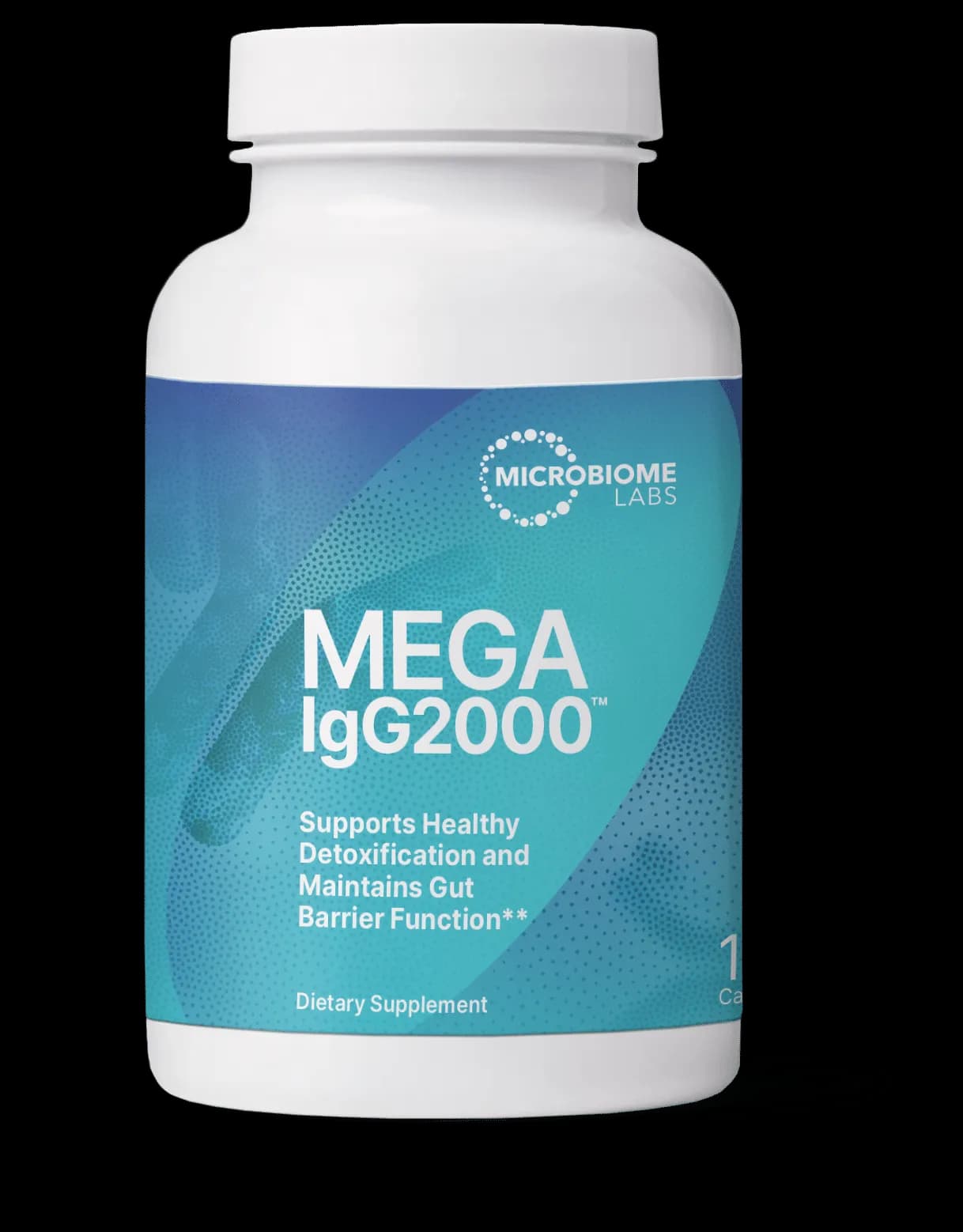
For many patients, standard dietary changes and probiotics are simply not enough to calm this systemic storm. This is where targeted therapeutic interventions like MegalgG2000 come into play. MegalgG2000 is a highly specialized, dairy-free immunoglobulin concentrate designed to act as a biological sponge within the gastrointestinal tract. By binding to harmful bacterial endotoxins and neutralizing them before they can trigger an immune response, this unique supplement supports the body's natural ability to repair the gut lining and restore immune homeostasis. In this comprehensive guide, we will explore the intricate science behind MegalgG2000, how it interrupts the cycle of chronic inflammation, and why it may be a crucial tool for those navigating the complexities of post-viral illness and immune dysregulation.
TL;DR
MegalgG2000 is a dairy-free immunoglobulin supplement that binds gut toxins to support intestinal barrier repair.
It works locally in the digestive tract without systemic absorption, offering safe support for sensitive immune systems.
By neutralizing inflammatory triggers, it may help manage chronic symptoms like brain fog, fatigue, and GI distress.
While safe for dairy intolerances, it is contraindicated for individuals with a diagnosed alpha-gal allergy.
What is MegalgG2000?
The Power of Serum-Derived Bovine Immunoglobulins (SBI)
MegalgG2000 is a specialized dietary supplement that features ImmunoLin®, a highly concentrated form of serum-derived bovine immunoglobulin (SBI). To understand what this means, we first need to look at the role of immunoglobulins, which are essentially antibodies. In a healthy immune system, antibodies are Y-shaped proteins produced by plasma cells that act as the body's primary defense mechanism against foreign invaders, such as pathogenic bacteria, viruses, and environmental toxins. They work by identifying and binding to specific antigens (the unique molecular signatures of these invaders), effectively neutralizing them or tagging them for destruction by other immune cells. MegalgG2000 harnesses this biological mechanism by delivering a massive, concentrated dose of these protective proteins directly to the gastrointestinal tract.
Unlike many standard immune supplements that attempt to stimulate or upregulate the body's own immune response—which can be counterproductive or even dangerous for individuals with hyperactive immune systems or autoimmune tendencies—SBI works passively. It contains over 90% pure protein, of which more than 50% consists of active immunoglobulins. When consumed, these immunoglobulins survive the harsh, acidic environment of the stomach and travel intact into the intestines. Once there, they act as a localized defense force, binding to problematic microbes and toxins in the gut lumen so that the body's own immune system does not have to expend energy fighting them. This localized action is a cornerstone of how MegalgG2000 supports immune tolerance without causing systemic overstimulation.
The Role of Immunoglobulin G (IgG) in the Body
The primary active component within MegalgG2000 is Immunoglobulin G (IgG), which makes up the vast majority of the antibody content in the supplement. In human biology, IgG is the most abundant type of antibody found in blood circulation, representing about 75% of serum antibodies. It plays a critical role in controlling infections of body tissues by binding to many kinds of pathogens, including viruses, bacteria, and fungi. IgG antibodies are highly specific and possess a unique structural region known as the Fab (fragment antigen-binding) region, which acts like a lock that perfectly fits the "key" of a specific microbial antigen. By providing an exogenous (outside) source of IgG, MegalgG2000 supplements the gut's natural defense mechanisms, which are often depleted or overwhelmed in states of chronic illness.
In addition to IgG, MegalgG2000 contains smaller but physiologically significant amounts of Immunoglobulin M (IgM) and Immunoglobulin A (IgA). IgA is naturally the most prevalent antibody found in the mucosal linings of the human body, particularly in the respiratory and gastrointestinal tracts. It serves as the first line of defense in the gut, stopping pathogens from attaching to and penetrating the epithelial cells that line the intestines. However, in conditions like Long COVID and ME/CFS, mucosal immunity is frequently compromised, leading to a localized deficiency in secretory IgA. By introducing a robust complex of IgG, IgM, and IgA, MegalgG2000 helps to artificially restore this mucosal shield, providing immediate support to a vulnerable digestive system.
A Dairy-Free Alternative to Colostrum
Historically, patients seeking immunoglobulin support for gut health have turned to bovine colostrum, which is the first milk produced by cows immediately after giving birth. While colostrum is rich in antibodies and growth factors, it presents a significant problem for many individuals with complex chronic illnesses: it is a dairy product. Patients with mast cell activation syndrome (MCAS), severe dysautonomia, or severe gut dysbiosis frequently suffer from intolerances or outright allergies to dairy proteins like casein and whey, as well as the milk sugar lactose. Consuming colostrum can inadvertently trigger mast cell degranulation, histamine release, and severe gastrointestinal distress, completely negating the intended benefits of the supplement.
MegalgG2000 solves this critical issue by utilizing a serum-derived extraction process rather than a milk-derived one. The immunoglobulins in ImmunoLin® are carefully isolated from bovine blood serum, completely bypassing the mammary glands. As a result, MegalgG2000 is 100% dairy-free, lactose-free, casein-free, and whey-free. This makes it an exceptionally safe and highly tolerated option for highly sensitive patient populations who desperately need mucosal immune support but cannot tolerate traditional colostrum products. It is important to note, however, that because it is derived from bovine serum, it is contraindicated for individuals with a diagnosed alpha-gal allergy (a severe allergy to mammalian meat).
How Chronic Illness Impacts the Gut Barrier and Immune System
Viral Persistence and Gut Dysbiosis in Long COVID
To understand why MegalgG2000 is so highly regarded in the management of complex chronic illnesses, we must first examine how conditions like Long COVID, ME/CFS, and dysautonomia physically damage the gastrointestinal system. The human gut is home to trillions of microorganisms, collectively known as the gut microbiome, which play an essential role in digesting food, producing neurotransmitters, and regulating the immune system. In a healthy state, there is a delicate balance between beneficial, anti-inflammatory bacteria and potentially harmful, pro-inflammatory microbes. However, acute viral infections—such as the SARS-CoV-2 virus responsible for COVID-19—can completely decimate this balance, leading to a state of profound gut dysbiosis. Research has consistently shown that Long COVID patients suffer from a severe depletion of beneficial, short-chain fatty acid-producing bacteria, alongside an overgrowth of opportunistic pathogens.
Furthermore, evidence strongly suggests that the SARS-CoV-2 virus can persist in the gastrointestinal tract long after the acute respiratory infection has resolved. Viral RNA and viral proteins have been discovered in the stool and intestinal biopsies of Long COVID patients months or even years post-infection. This viral persistence acts as a constant, low-grade irritant to the gut-associated lymphoid tissue (GALT), which houses roughly 70% of the body's entire immune system. The immune cells in the gut remain locked in a perpetual state of high alert, churning out inflammatory cytokines in a futile attempt to clear the lingering viral fragments. This localized immune hyperactivation is a primary driver of the systemic autoimmunity and immune dysregulation seen in Long COVID.
The Threat of Lipopolysaccharides (LPS) and Endotoxemia
When the gut microbiome shifts toward a state of dysbiosis, one of the most dangerous consequences is the over-proliferation of Gram-negative bacteria. The outer cellular membranes of these bacteria contain a highly toxic molecule known as lipopolysaccharide (LPS), also referred to as an endotoxin. In a healthy gut, small amounts of LPS are safely contained within the intestinal lumen and are eventually excreted in the stool. However, when Gram-negative bacteria overgrow and subsequently die off, they release massive quantities of LPS into the gut environment. LPS is highly immunogenic, meaning it provokes an aggressive and violent response from the human immune system.
When LPS binds to specific receptors—namely Toll-like receptor 4 (TLR4)—on the surface of immune cells like macrophages and dendritic cells, it triggers an intracellular signaling cascade that results in the massive release of pro-inflammatory cytokines, including Interleukin-6 (IL-6), Interleukin-8 (IL-8), and Tumor Necrosis Factor-alpha (TNF-α). This localized cytokine storm physically damages the delicate epithelial cells that line the intestines. Over time, this chronic inflammation degrades the tight junction proteins (such as zonulin and occludin) that act as the "glue" holding the intestinal cells together. As these tight junctions break apart, the gut barrier loses its structural integrity, leading to a condition clinically known as increased intestinal permeability, or "leaky gut."
Leaky Gut, Systemic Inflammation, and the Brain-Gut Axis
Once the intestinal barrier becomes permeable, the localized gut problem rapidly transforms into a systemic crisis. The massive load of LPS endotoxins, undigested food particles, and lingering viral fragments are no longer safely contained within the digestive tract; instead, they leak directly into the systemic bloodstream. This phenomenon, known as metabolic endotoxemia, forces the systemic immune system to mount a massive, body-wide inflammatory response. The constant presence of LPS in the blood acts as a continuous trigger for mast cells, exacerbating the erratic allergic responses and histamine dumps characteristic of mast cell activation syndrome (MCAS).
Crucially, this systemic inflammation does not spare the nervous system. Inflammatory cytokines and circulating LPS can travel through the bloodstream and cross the blood-brain barrier, or they can signal the brain directly via the vagus nerve. Once inside the central nervous system, these inflammatory mediators activate microglial cells—the brain's resident immune cells. When microglia become chronically activated, they produce neuroinflammation, which manifests clinically as severe brain fog, cognitive impairment, sensory overload, and the profound, crushing fatigue that defines ME/CFS and Long COVID. In essence, the neuroimmune exhaustion experienced by many patients often originates from a breached barrier in the gut, highlighting the critical need for interventions that can address the leak at its source.
MegalgG2000: Supporting Gut Barrier Integrity and Detoxification
The Mechanism of Steric and Immune Exclusion
MegalgG2000 addresses the root cause of leaky gut and endotoxemia through a fascinating and highly effective biological mechanism known as "steric and immune exclusion." When a patient takes MegalgG2000, the concentrated immunoglobulins travel to the small and large intestines. Because these bovine antibodies are structurally very similar to human antibodies, they possess the innate ability to recognize and bind to a wide variety of microbial-associated molecular patterns (MAMPs) present in the human gut. The Fab regions of the IgG antibodies in the supplement act like molecular handcuffs, physically latching onto circulating toxins, viral fragments, and pathogenic bacteria floating in the intestinal lumen.
Once the IgG antibodies bind to these targets, they form massive, bulky structures known as antigen-antibody complexes. This is where the concept of "steric hindrance" comes into play. These newly formed complexes are physically too large and molecularly too cumbersome to slip through the damaged tight junctions of a leaky gut. By artificially increasing the physical size of the toxins, MegalgG2000 effectively traps them within the confines of the intestinal tract. They are blocked from translocating across the epithelial barrier and entering the bloodstream. Instead of wreaking havoc on the systemic immune system, these neutralized antigen-antibody complexes are safely and harmlessly excreted from the body via normal bowel movements.
Neutralizing LPS and Halting the Cytokine Cascade
One of the most clinically significant actions of MegalgG2000 is its profound affinity for binding to lipopolysaccharides (LPS). In vitro studies have demonstrated that serum-derived bovine immunoglobulins directly bind to LPS and its toxic core component, Lipid A, in a highly dose-dependent manner. By neutralizing LPS before it can interact with the gut lining, MegalgG2000 blocks the endotoxin from docking with the TLR4 receptors on the gut's immune cells. This effectively cuts off the inflammatory signal at the source. Without the constant stimulation from LPS, the macrophages and dendritic cells in the gut-associated lymphoid tissue (GALT) stop producing excessive amounts of destructive cytokines like IL-6, IL-8, and TNF-α.
This cessation of localized inflammation is a game-changer for patients with hyperactive immune systems. By acting as a biological sponge that soaks up the inflammatory triggers, MegalgG2000 takes the immense burden off the patient's own immune system. The body no longer has to expend massive amounts of cellular energy fighting a constant influx of gut-derived toxins. This conservation of immune energy is particularly vital for individuals with ME/CFS and Long COVID, who suffer from severe mitochondrial dysfunction and energy depletion. By lowering the overall inflammatory load, MegalgG2000 helps to quiet the systemic immune response, potentially reducing the frequency and severity of post-exertional malaise (PEM) crashes.
Restoring Tight Junctions and Promoting Microbiome Balance
The ultimate goal of neutralizing LPS and halting the cytokine cascade is to allow the gut barrier the opportunity to repair itself. The intestinal epithelial cells are incredibly resilient and have a rapid turnover rate, but they cannot repair themselves if they are constantly being bombarded by inflammatory cytokines. By providing a protective shield of immunoglobulins that sweeps away the damaging toxins, MegalgG2000 creates a calm, non-inflammatory environment in the gut lumen. This physiological "rest period" allows the enterocytes (gut lining cells) to shift their cellular energy away from defensive survival mechanisms and toward structural repair. They begin to upregulate the production of tight junction proteins like zonulin, occludin, and claudin, effectively "closing the gates" and sealing the leaky gut.
Beyond physical barrier repair, MegalgG2000 also exerts a positive modulating effect on the gut microbiome itself. Recent ex vivo microbiome studies have shown that the introduction of serum-derived bovine immunoglobulins actively promotes the growth of beneficial, commensal bacteria. Furthermore, it stimulates the microbiome to increase the production of short-chain fatty acids (SCFAs) such as acetate, propionate, and butyrate. Butyrate, in particular, is the primary fuel source for the cells lining the colon and possesses potent, independent anti-inflammatory properties. By fostering an environment that supports SCFA production, MegalgG2000 initiates a positive feedback loop of gut repair, immune tolerance, and systemic detoxification.

Symptoms MegalgG2000 May Help Manage
Because the gut microbiome and intestinal barrier dictate so much of our systemic immune and neurological health, the benefits of MegalgG2000 extend far beyond basic digestion. By neutralizing toxins at the source, this targeted immunoglobulin therapy may help manage a wide array of debilitating symptoms associated with complex chronic illnesses:
Chronic Diarrhea and Loose Stools: By lowering localized inflammation and repairing the mucosal lining, MegalgG2000 helps normalize bowel motility and improve water absorption in the colon, making it highly effective for managing diarrhea-predominant irritable bowel syndrome (IBS-D).
Abdominal Pain and Bloating: The neutralization of bacterial endotoxins reduces the production of excessive intestinal gases and calms the hypersensitive visceral nerves in the gut, alleviating cramping and severe bloating.
Brain Fog and Cognitive Impairment: By stopping LPS and inflammatory cytokines from leaking into the bloodstream and crossing the blood-brain barrier, MegalgG2000 helps reduce the microglial activation and neuroinflammation that drive severe post-viral brain fog.
Systemic Fatigue and Energy Crashes: Chronic immune activation is a massive drain on cellular energy (ATP). By acting as a passive defense system that binds toxins, MegalgG2000 conserves the body's immune energy, potentially raising the baseline threshold for fatigue and reducing the severity of post-exertional malaise (PEM).
MCAS Triggers and Histamine Reactions: A leaky gut constantly floods the bloodstream with antigens that trigger mast cell degranulation. By sealing the gut barrier, MegalgG2000 significantly reduces the overall antigenic load, which can help stabilize mast cells and lower systemic histamine levels, complementing therapies like Ketotifen.
Food Sensitivities and Intolerances: As the tight junctions of the intestinal barrier are repaired, large, undigested food proteins are no longer able to slip into the bloodstream to trigger erratic immune responses, gradually helping patients expand their tolerated diets.
Practical Considerations: Forms, Dosing, and Absorption
Bioavailability and Localized Action in the Gut
When discussing the bioavailability of MegalgG2000, it is crucial to understand that this supplement is fundamentally different from traditional vitamins or minerals. The goal of MegalgG2000 is not to be absorbed into the bloodstream. In fact, pharmacokinetic studies evaluating human consumption of SBI have confirmed that while the body naturally digests some of the protein into amino acids, there is zero systemic absorption of intact bovine IgG into the human blood plasma. Instead, the immunoglobulins are designed to survive the acidic environment of the stomach and remain active within the gastrointestinal lumen.
This localized action is exactly what makes MegalgG2000 so safe and effective. Because the large antibody proteins do not cross the intestinal barrier into systemic circulation, they do not provoke an immune response or cause systemic side effects. They perform their job—binding to and neutralizing toxins—entirely within the confines of the digestive tract. The resulting antigen-antibody complexes are then safely passed through the colon and excreted in the stool. This mechanism ensures that the therapeutic action is targeted exactly where it is needed most: the damaged mucosal lining of the gut.
Optimal Dosing Strategies and Timing
The dosing of MegalgG2000 can vary significantly depending on the severity of the patient's gastrointestinal and immune symptoms. For general immune support and maintenance of a healthy gut barrier, the standard suggested use is 4 capsules per day, which provides roughly 2 grams of the serum-derived immunoglobulin concentrate (yielding 900 mg of pure IgG). However, in clinical settings managing severe leaky gut, HIV-associated enteropathy, or refractory IBS-D, practitioners often utilize higher therapeutic doses. Clinical trials have frequently employed doses ranging from 5 grams to 10 grams per day to achieve rapid neutralization of LPS and significant symptom reduction. Always consult with your healthcare provider to determine the most appropriate dose for your specific clinical presentation.
Timing is also an important consideration for maximizing the efficacy of MegalgG2000. It is generally recommended to take the capsules away from meals—ideally 30 to 60 minutes before eating or a couple of hours after. Taking the immunoglobulins on an empty stomach ensures that they are not unnecessarily binding to food proteins, allowing them to prioritize binding to bacterial endotoxins, viral fragments, and inflammatory markers in the gut lumen. Additionally, patients are advised to drink plenty of water when taking the capsules to help facilitate the movement of the immunoglobulins throughout the digestive tract.
Safety Profile, Tolerability, and Contraindications
MegalgG2000 boasts an exceptionally strong safety profile. The active ingredient, ImmunoLin®, has been granted Generally Recognized as Safe (GRAS) status by the FDA and has been utilized in over 40 human clinical trials with no severe adverse effects reported. Because it works locally and is not absorbed systemically, it does not interact with systemic medications or suppress the body's natural immune function. Some highly sensitive individuals may experience mild, transient gastrointestinal adjustments during the first few days of use, such as mild constipation or changes in stool consistency, as the gut microbiome begins to shift and toxins are bound for excretion. These effects are typically short-lived and resolve as the gut barrier repairs itself.
The most critical contraindication for MegalgG2000 relates to its source material. Because it is a serum-derived bovine product, it is strictly contraindicated for individuals who have a diagnosed alpha-gal allergy (a severe, tick-borne allergy to mammalian meat and byproducts) or a known severe allergy to beef. However, as emphasized earlier, the serum extraction process ensures that the final product is entirely devoid of milk proteins. Therefore, it remains a highly safe and effective option for individuals with lactose intolerance or severe allergies to dairy proteins like casein and whey.

Follow the Science
Clinical Evidence in Post-Viral and Enteropathy Models
The scientific foundation supporting the use of serum-derived bovine immunoglobulins (SBI) is robust, particularly in the context of viral-induced gut damage and systemic inflammation. One of the most compelling pieces of evidence comes from the PICNIC Study (NCT04682041), which evaluated the impact of SBI on patients with COVID-19. The hypothesis was that neutralizing gut-derived antigens would decrease the production of Interleukin-6 (IL-6) and stop the post-viral cytokine storm. The study highlighted that by binding to viral fragments and bacterial toxins in the gut, SBI effectively reduces the systemic spread of inflammatory mediators, allowing the immune system to reset and potentially mitigating the long-term gut dysbiosis associated with Long COVID.
Further evidence of SBI's ability to support severe intestinal permeability is found in clinical trials involving HIV-associated enteropathy, a condition characterized by profound, virus-induced damage to the gut lining. A 24-week randomized, double-blind study by Utay et al. (2019) evaluated the effects of SBI on patients with this condition. The clinical data revealed highly significant decreases in structural biomarkers of gut permeability and damage. Specifically, patients taking SBI showed a marked reduction in circulating zonulin (a protein that modulates tight junction permeability) and Intestinal Fatty Acid Binding Protein (I-FABP, a marker of intestinal epithelial cell damage). This in vivo human data definitively proves that oral SBI directly supports gut barrier integrity and lowers systemic inflammation.
In Vitro and Ex Vivo Studies on Barrier Function
The precise molecular mechanisms by which MegalgG2000 operates have been elegantly demonstrated in controlled laboratory settings. A foundational in vitro study by Detzel et al. (2015) published in PLOS One utilized a co-culture model mimicking a damaged, leaky intestinal barrier with immune cells placed on the opposite side. The researchers proved that SBI binds directly to LPS and Lipid A in a dose-dependent manner. When SBI was introduced, it successfully blocked LPS from translocating across the damaged barrier, resulting in the complete inhibition of inflammatory cytokine production (IL-8 and TNF-α) by the immune cells. This provided undeniable proof of the "steric exclusion" mechanism.
More recently, a 2024 ex vivo human microbiome study published in MDPI utilized predictive SIFR® technology combined with human host cells to investigate SBI's impact across 24 human adult microbiomes. The findings were striking: at human equivalent doses, SBI significantly promoted gut barrier integrity, performing more profoundly than standard dietary proteins, especially when the cells were subjected to LPS-induced inflammation. The study confirmed that SBI specifically lowered inflammatory markers while simultaneously boosting the microbiome's production of beneficial short-chain fatty acids, further validating its dual role as both a toxin binder and a microbiome modulator.
Real-World Applications for Irritable Bowel Syndrome
Beyond post-viral applications, SBI has a long and highly successful track record in the clinical management of severe gastrointestinal disorders. Numerous trials have focused on its efficacy in managing diarrhea-predominant irritable bowel syndrome (IBS-D). A foundational randomized, double-blind, placebo-controlled study demonstrated that patients taking SBI experienced statistically significant decreases in the number of days per week they suffered from abdominal pain, flatulence, urgency, loose stools, and bloating compared to those taking a placebo. These real-world clinical outcomes underscore the profound therapeutic potential of localized immunoglobulin therapy in supporting normal digestive function and improving patient quality of life.
The Path Forward
Integrating Gut Health into Complex Chronic Illness Care
Navigating the daily realities of Long COVID, ME/CFS, dysautonomia, and MCAS is an incredibly complex and often exhausting journey. When your body feels like it is constantly reacting to invisible threats, and your energy reserves are perpetually depleted, finding effective management strategies can feel overwhelming. It is vital to recognize that the severe gastrointestinal symptoms, profound brain fog, and systemic fatigue you are experiencing are not simply "in your head"—they are deeply rooted in physiological disruptions, particularly the breakdown of the gut barrier and the ensuing cascade of systemic inflammation. Validating this gut-immune connection is the first step toward reclaiming your health.
A Validating Approach to Recovery
While there is no single miracle fix for post-viral syndromes, targeted interventions like MegalgG2000 offer a scientifically grounded, highly specific mechanism for addressing one of the core drivers of systemic illness. By acting as a biological sponge that neutralizes harmful endotoxins and allows the gut lining to repair itself, MegalgG2000 provides a crucial layer of passive immune support. It takes the burden off your exhausted immune system, creating the physiological space necessary for your body to shift from a state of chronic alarm to a state of repair and recovery.
Next Steps
MegalgG2000 is most effective when integrated into a comprehensive, individualized care plan that includes pacing, nervous system regulation, proper diagnostic evaluation, and targeted nutritional support. If you are struggling with chronic digestive issues, suspected leaky gut, or systemic immune hyperreactivity, this dairy-free immunoglobulin concentrate may be a valuable addition to your protocol. Always consult with your healthcare provider before introducing new supplements to ensure they align with your specific medical needs and overall treatment strategy.