Can Grape Seed Extract Support Vascular Health and Manage Inflammation in Long COVID and POTS?
March 6, 2026
Grape Seed ExtractLong COVIDDysautonomia
Share:
Disclaimer: The information provided here is for educational purposes only and is not intended as medical advice. It should not be used to diagnose, treat, cure, or prevent any medical condition. Instead, use it as a starting point for discussion with your healthcare provider. Always consult with a qualified healthcare provider before starting any new medication, supplement, device, or making changes to your health regimen.
Months or even years after a viral infection, many individuals find themselves battling a complex web of debilitating symptoms—crushing fatigue, unpredictable allergic reactions, severe brain fog, and a racing heart upon standing. For patients navigating the realities of Long COVID, myalgic encephalomyelitis/chronic fatigue syndrome (ME/CFS), mast cell activation syndrome (MCAS), and dysautonomia, finding treatments that address the root cause of these interconnected issues can feel like an impossible puzzle. While modern medicine often treats these conditions in silos, emerging research points to a common physiological thread: profound endothelial (blood vessel) dysfunction, chronic oxidative stress, and an immune system stuck in overdrive.
In the search for targeted, science-backed interventions, functional medicine practitioners are increasingly turning to powerful botanical compounds that can intervene at the cellular level. One such intervention is Grape Seed Extract (GSE), a potent natural derivative packed with specialized antioxidants known as oligomeric proanthocyanidins (OPCs). Far from being a simple, generic vitamin, high-quality Grape Seed Extract acts as a sophisticated biological modulator. By repairing the delicate lining of the blood vessels, stabilizing hyper-reactive mast cells, and actively crossing the blood-brain barrier to quiet neuroinflammation, GSE offers a multi-targeted approach to supporting the body's recovery from complex chronic illness.
TL;DR
Grape Seed Extract supports vascular health by promoting nitric oxide production and repairing endothelial damage.
GSE acts as a natural mast cell stabilizer, helping manage unpredictable allergic reactions and histamine overload.
Potent antioxidants in GSE cross the blood-brain barrier to help reduce neuroinflammation and brain fog.
Look for highly bioavailable phytosome formulations to ensure maximum absorption and clinical benefit.
What is Grape Seed Extract?
Grape Seed Extract (GSE) is a highly concentrated natural derivative extracted from the seeds of grapes, specifically Vitis vinifera. In the realm of botanical medicine and clinical nutrition, GSE is celebrated not just for its general health benefits, but for its incredibly dense concentration of bioactive compounds known as oligomeric proanthocyanidins (OPCs). OPCs belong to a broader class of plant-based polyphenols called flavanols, which are synthesized by plants to protect themselves against environmental stressors, UV radiation, and microbial attacks. When consumed by humans, these complex molecular structures act as some of the most potent natural antioxidants discovered to date, heavily influencing our cellular defense mechanisms. Unlike synthetic antioxidants, OPCs have a high affinity for collagen and elastin, meaning they naturally gravitate toward and protect the structural proteins that make up our blood vessels, skin, and connective tissues. This targeted affinity is what makes them so uniquely suited for addressing vascular pathologies.
At the molecular level, OPCs possess a unique chemical structure characterized by multiple hydroxyl groups that allow them to easily donate hydrogen atoms. This structural feature is what makes them exceptionally efficient at neutralizing reactive oxygen species (ROS), which are unstable molecules that can cause profound damage to cellular DNA, proteins, and lipid membranes. Research indicates that Grape Seed Extract supplementation significantly improves flow-mediated dilation, blood pressure, and heart rate, demonstrating its protective effects on the vascular system. By intercepting these destructive molecules before they can trigger chain reactions of oxidative damage, OPCs preserve the structural integrity of tissues throughout the entire body, from the delicate blood vessels in the eyes to the dense connective tissues of the skin and joints.
Beyond acting as direct scavengers of free radicals, the OPCs found in Grape Seed Extract actively communicate with the body's own internal defense systems. The human body maintains a sophisticated endogenous antioxidant network, relying on specialized enzymes to continuously detoxify harmful metabolic byproducts. GSE has been shown to upregulate the genetic expression and enzymatic activity of crucial defenders like Superoxide Dismutase (SOD), Catalase (CAT), and Glutathione Peroxidase (GSH-Px). By stimulating these internal pathways, GSE essentially trains the body to become more resilient against daily oxidative stressors, rather than just temporarily masking the damage. This deep cellular support is essential for patients whose internal defense systems have been depleted by chronic illness.
This upregulation of endogenous antioxidants is particularly critical for protecting lipid-rich structures, such as cell membranes and low-density lipoproteins (LDL). When lipids are exposed to unchecked oxidative stress, they undergo lipid peroxidation, a destructive process that creates toxic byproducts like malondialdehyde (MDA) and drives systemic inflammation. Studies have demonstrated that Grape Seed Extract significantly lowers MDA levels, indicating a profound halt to lipid peroxidation. This protective mechanism is foundational for maintaining healthy cellular communication and preventing the premature aging and degradation of tissues across all bodily systems.
One of the most vital functions of Grape Seed Extract in a healthy body is its interaction with the endothelium, the ultra-thin layer of cells that lines the inside of every blood vessel. The endothelium is not just a passive barrier; it is a highly active metabolic organ responsible for regulating blood pressure, preventing abnormal clotting, and controlling the passage of immune cells into tissues. A primary way the endothelium manages these complex tasks is by producing nitric oxide (NO), a short-lived signaling molecule that tells the surrounding smooth muscle cells to relax, thereby dilating the blood vessel and improving blood flow. Without adequate nitric oxide, blood vessels become stiff, narrow, and prone to plaque buildup.
OPCs have a profound, well-documented ability to support this delicate endothelial function. They interact with specific cellular signaling pathways that stimulate the enzymes responsible for manufacturing nitric oxide, ensuring that blood vessels remain flexible and responsive to the body's changing oxygen demands. Furthermore, by neutralizing the oxidative stress that typically destroys nitric oxide before it can do its job, GSE extends the lifespan and bioavailability of this crucial molecule. This dual action—stimulating production while preventing destruction—makes Grape Seed Extract a cornerstone nutrient for maintaining optimal cardiovascular and microvascular health.
How Long COVID and Dysautonomia Impact Vascular and Immune Health
In complex chronic illnesses like Long COVID, the delicate balance of the vascular system is severely disrupted, leading to a state of profound endothelial dysfunction. The initial SARS-CoV-2 infection directly targets the endothelial cells lining the blood vessels, utilizing the ACE2 receptors to gain entry and trigger widespread vascular inflammation. Even long after the acute infection has cleared, research suggests that persistent viral antigens and lingering immune dysregulation continue to damage the endothelium. This ongoing assault strips the blood vessels of their ability to produce adequate nitric oxide, leading to stiff, narrowed capillaries that struggle to deliver oxygen and essential nutrients to deep tissues.
This persistent vascular damage creates a highly pro-thrombotic environment, meaning the blood is unusually prone to clotting. Pioneering researchers, such as Scientist Resia Pretorius, have identified the presence of microscopic, fibrinolysis-resistant blood clots—often referred to as microclots—in the circulation of Long COVID and ME/CFS patients. These microclots trap inflammatory molecules and physically block the microscopic capillaries, creating localized areas of cellular hypoxia (oxygen starvation). This functional hypoxia is a primary driver of the debilitating, heavy fatigue and severe post-exertional malaise (PEM) that patients experience, as their mitochondria simply cannot generate energy without adequate oxygen delivery. When the mitochondria are starved of oxygen, the electron transport chain breaks down, halting the production of adenosine triphosphate (ATP) and forcing the body to rely on inefficient anaerobic metabolism. This rapid shift to anaerobic energy production creates a massive buildup of lactic acid and further oxidative stress, perpetuating the cycle of fatigue and cellular damage.
The consequences of endothelial dysfunction extend far beyond the body's muscles; they profoundly impact the central nervous system, driving the severe cognitive impairments often described as "brain fog." When the blood-brain barrier—a specialized network of endothelial cells designed to protect the brain—becomes damaged by chronic oxidative stress, it becomes "leaky." This increased permeability allows systemic inflammatory cytokines, toxins, and rogue immune cells to infiltrate the delicate neural environment. You can learn more about how gut health influences this systemic inflammation in our guide on Can Gut-Brain Reset Help Manage Long COVID and ME/CFS Symptoms?.
Once these inflammatory triggers breach the brain, they activate microglia, the resident immune cells of the central nervous system. In conditions like ME/CFS and Long COVID, these microglial cells become stuck in a hyper-reactive, pro-inflammatory "M1" state. Instead of performing their normal cellular cleanup duties, they continuously pump out neurotoxins and inflammatory mediators like IL-1β and TNF-α. This chronic neuroinflammation disrupts normal neurotransmitter signaling, lowers the pain threshold (leading to widespread body pain), and heavily contributes to the sensory overload and profound cognitive fatigue that define these complex neuroimmune conditions.
Intertwined with vascular damage and neuroinflammation is the frequent development or exacerbation of mast cell activation syndrome (MCAS). Mast cells are specialized immune cells situated at the boundaries between our bodies and the outside world, including the skin, respiratory tract, and the lining of the blood vessels. In a healthy system, they release chemical mediators like histamine only when necessary to fight off a pathogen or heal an injury. However, in the setting of Long COVID, What is Dysautonomia?, and ME/CFS, the constant barrage of viral fragments, oxidative stress, and inflammatory cytokines leaves these mast cells incredibly unstable and hyper-reactive.
When mast cells lose their stability, they begin to degranulate inappropriately, flooding the surrounding tissues and bloodstream with massive amounts of histamine, heparin, and other inflammatory chemicals. This histamine overload triggers a cascade of systemic symptoms, including sudden drops in blood pressure, severe gastrointestinal distress, unprovoked allergic flushing, and intense brain fog. Furthermore, the histamine released by mast cells directly causes blood vessels to become even more permeable, worsening the leakiness of the endothelium and feeding right back into the cycle of vascular dysfunction and neuroinflammation.
Grape Seed Extract: Supporting Endothelial Function and Mast Cell Stability
Grape Seed Extract offers a highly targeted, mechanistic approach to repairing the vascular damage seen in Long COVID and dysautonomia. At the cellular level, the OPCs in GSE directly interact with the endothelial cells to stimulate the Phosphoinositide 3-kinase (PI3K)/Akt signaling pathway. In vitro studies demonstrate that when this pathway is activated, the Akt protein kinase phosphorylates Endothelial Nitric Oxide Synthase (eNOS) at a specific residue (Ser1177). This precise biochemical action rapidly ramps up the production of nitric oxide, forcing constricted, dysfunctional blood vessels to dilate and allowing oxygen-rich blood to finally reach starved tissues.
Crucially, GSE doesn't just increase nitric oxide production; it protects the machinery that makes it. In environments of high oxidative stress—a hallmark of ME/CFS—nitric oxide can react with superoxide radicals to form peroxynitrite, a highly toxic molecule that damages the endothelium and causes eNOS to "uncouple." When eNOS uncouples, it stops making beneficial nitric oxide and instead produces even more damaging superoxide. This creates a dangerous feedback loop where the very enzyme designed to protect the blood vessel begins to actively destroy it. The potent antioxidant capacity of OPCs scavenges these initial superoxide radicals, preventing the formation of peroxynitrite and keeping the eNOS enzyme safely coupled and functioning optimally. By preserving the structural integrity of the eNOS enzyme, Grape Seed Extract ensures a steady, reliable production of nitric oxide even in the face of systemic inflammation.
This restoration of endothelial function is particularly vital for patients managing What is Postural Orthostatic Tachycardia Syndrome (POTS)?. In POTS, the blood vessels in the lower extremities fail to constrict properly upon standing, leading to blood pooling and a compensatory racing heart rate. By restoring healthy nitric oxide signaling and repairing the oxidative damage to the autonomic nerves that control these blood vessels, GSE helps re-establish proper vascular tone. This allows the circulatory system to adapt more efficiently to postural changes, potentially reducing the severity of orthostatic dizziness and tachycardia.
For patients battling the unpredictable and systemic symptoms of MCAS, Grape Seed Extract serves as a powerful, natural mast cell stabilizer. Research has uncovered that OPCs directly interfere with the complex intracellular signaling pathways required for a mast cell to degranulate. Specifically, preclinical studies show that GSE inhibits the influx of calcium into the mast cell while simultaneously elevating intracellular cyclic AMP (cAMP) levels. This specific biochemical combination acts like a lock on the mast cell's doors, keeping inflammatory mediators like histamine, serotonin, and bradykinin safely trapped inside.
Furthermore, GSE actively downregulates the expression of Immunoglobulin E (IgE) receptors (FcεRI) on the surface of mast cells. In allergic and MCAS responses, these receptors act as the triggers that initiate the degranulation process when they encounter an offending antigen. By reducing the number and sensitivity of these receptors, Grape Seed Extract effectively raises the threshold required to trigger a reaction, making the immune system less hyper-reactive to environmental triggers, foods, and stress. This mechanism aligns closely with the goals of pharmaceutical interventions, which you can read more about in our article on Ketotifen: Unveiling Relief for the Hidden Battles of MCAS, Long COVID, ME/CFS, and Dysautonomia.
By halting the release of histamine at the source, GSE helps break the cycle of vascular permeability and systemic inflammation. Unlike many first-generation pharmaceutical antihistamines that simply block histamine from binding to its receptors (often causing severe drowsiness and brain fog in the process), Grape Seed Extract prevents the histamine from being released in the first place. This makes it an incredibly valuable tool for patients seeking to manage their MCAS symptoms without adding to their daily cognitive fatigue.
To address the debilitating brain fog and sensory hypersensitivity of chronic illness, Grape Seed Extract exerts profound neuroprotective effects by directly targeting neuroinflammation. The OPCs in GSE have a low enough molecular weight and high enough polarity to successfully cross the blood-brain barrier. Once inside the central nervous system, research indicates they actively suppress the activation of microglia and astrocytes, the glial cells responsible for driving brain inflammation. By downregulating inflammatory markers like OX-42 and GFAP, GSE helps shift these cells out of their toxic, hyper-reactive state.
At the genetic level, Grape Seed Extract achieves this calming effect by inhibiting the NF-κB (Nuclear Factor kappa-light-chain-enhancer of activated B cells) signaling pathway. NF-κB is a master protein complex that controls the transcription of DNA, cytokine production, and cell survival. When activated by viral fragments or oxidative stress, it commands the cell to produce massive amounts of pro-inflammatory cytokines like IL-6 and TNF-α. By blocking the NF-κB pathway, OPCs effectively silence the genetic alarms driving chronic neuroinflammation, allowing the nervous system to begin the slow process of healing and restoring normal cognitive function.
Symptoms Grape Seed Extract May Help Manage
Because Grape Seed Extract operates at the foundational levels of vascular health, oxidative stress, and immune stability, its benefits can ripple outward to alleviate a wide variety of systemic symptoms. While it is not a cure for complex neuroimmune conditions, integrating a high-quality OPC supplement into a broader management protocol can provide targeted support for some of the most frustrating daily challenges faced by patients.
By addressing the root mechanisms of endothelial dysfunction and mast cell hyperactivity, GSE helps to restore a more balanced physiological state. The following are specific symptoms that the mechanisms of Grape Seed Extract are uniquely positioned to help manage:
Brain Fog and Cognitive Fatigue: By improving endothelial function and increasing nitric oxide production, GSE helps restore healthy microcirculation to the brain. This combats the cerebral hypoperfusion (lack of blood flow) that starves neurons of oxygen, while its ability to cross the blood-brain barrier directly suppresses the microglial activation driving cognitive dysfunction.
Orthostatic Intolerance and Dizziness: For patients with POTS and dysautonomia, the inability of blood vessels to constrict properly leads to blood pooling and dizziness upon standing. GSE supports the autonomic nerves and regulates the eNOS pathway, helping to restore the vascular tone necessary to maintain stable blood pressure during postural changes.
Unpredictable Allergic Flushing and Hives: As a natural mast cell stabilizer, the OPCs in Grape Seed Extract inhibit the intracellular calcium influx required for mast cell degranulation. This prevents the massive, inappropriate release of histamine that causes sudden skin flushing, dermatographia, and unexplained rashes common in MCAS.
Post-Exertional Malaise (PEM) and Heavy Fatigue: PEM is heavily driven by mitochondrial dysfunction and severe oxidative stress following minor exertion. By acting as a potent free-radical scavenger and upregulating endogenous antioxidants like Glutathione Peroxidase, GSE helps protect mitochondria from oxidative damage, supporting more stable cellular energy production. You can explore other energy-supporting strategies in our guide, Can CoQ10 Support Energy Levels for Long COVID and ME/CFS Patients?.
Easy Bruising and Capillary Fragility: Chronic inflammation and connective tissue disorders (like EDS, often comorbid with POTS) can lead to weak, easily ruptured capillaries. GSE enhances the cross-linkage of collagen in blood vessel walls and decreases capillary permeability, significantly reducing the frequency and severity of unexplained bruising and swelling.
It is important to recognize that these symptoms rarely exist in isolation. The brain fog of Long COVID is intimately connected to the vascular pooling of POTS, which is frequently exacerbated by the histamine release of MCAS. By utilizing a supplement like Grape Seed Extract that addresses the underlying oxidative stress and endothelial damage linking these conditions, patients can often experience a broad, systemic improvement in their overall quality of life.
Practical Considerations: Forms, Dosing, and Absorption
While the biochemical potential of Grape Seed Extract is immense, its clinical effectiveness has historically been limited by a significant hurdle: poor oral bioavailability. Standard grape seed extracts contain high levels of water-soluble OPCs. However, these molecules possess poor lipophilicity, meaning they struggle to cross the lipid-rich (fat-based) cell membranes of the human gastrointestinal tract. As a result, when patients take standard, unformulated GSE powders or capsules, a large percentage of the active compounds are simply excreted without ever reaching the systemic circulation or the inflamed tissues that need them most.
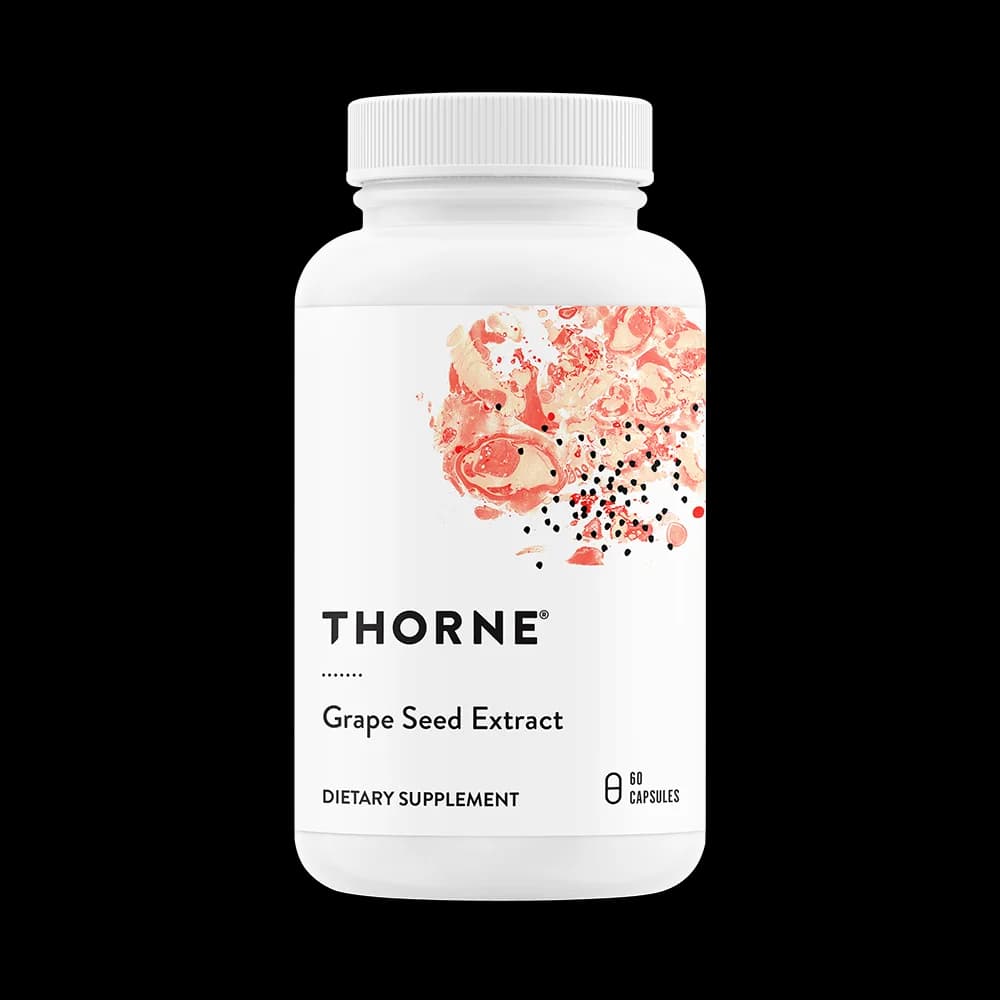
To overcome this biological barrier, Thorne's Grape Seed Extract utilizes advanced, patented Leucoselect Phytosome® technology. This specialized formulation complexes the standardized grape seed extract with phospholipids (specifically phosphatidylcholine derived from soy) at a precise 1:2.6 weight-to-weight ratio. The phospholipid essentially wraps around the active botanical compound, creating an amphiphilic complex—a molecule with both a water-soluble head and a fat-soluble tail. Clinical pharmacokinetic studies demonstrate that this phytosome structure allows the extract to easily transition from the watery environment of the gut into the lipid membranes of the intestinal cells, drastically increasing the systemic absorption and circulating levels of the active OPC metabolites.
It is important to note for patients with severe food allergies or MCAS that while the phosphatidylcholine used in the Leucoselect Phytosome is derived from soy, the extraction process isolates the specific lipid molecules. The final phosphatidylcholine complex contains absolutely no soy protein, which is the component that typically triggers allergic immune responses. There are no other soy-based ingredients in the formula, making it generally well-tolerated even by highly sensitive individuals.
Finding the right dosage of Grape Seed Extract requires a personalized approach, especially for patients with hyper-reactive nervous systems. In clinical trials evaluating the antioxidant and vascular benefits of Leucoselect Phytosome, standard dosages typically range from 150 mg to 300 mg per day. Thorne's Grape Seed Extract provides 100 mg of the phytosome complex per capsule. The suggested use is generally one capsule taken two to three times daily, providing a steady stream of OPCs to maintain constant antioxidant protection and mast cell stability throughout the day.
Because OPCs have a relatively short half-life in the bloodstream, dividing the dose (e.g., morning, afternoon, and evening) is often more effective than taking a single large dose once a day. For patients with ME/CFS or Long COVID who are incredibly sensitive to new supplements, it is always recommended to start with the lowest possible dose—perhaps just one capsule a day—and slowly titrate up over several weeks. This "low and slow" approach allows the body to adjust to the changes in vascular tone and nitric oxide production without triggering a flare in symptoms.
While Grape Seed Extract is widely considered safe and well-tolerated, its potent effects on the vascular system mean it must be used with caution in certain populations. Because OPCs naturally improve blood flow, inhibit platelet aggregation, and act as mild blood thinners, GSE can interact with prescription anticoagulant medications (such as Warfarin or Plavix). Combining these therapies can increase the risk of excessive bleeding or bruising, so patients on blood thinners must consult their prescribing physician before introducing GSE to their regimen.
Additionally, because Grape Seed Extract actively promotes vasodilation and can lower blood pressure, patients with dysautonomia or POTS need to monitor their symptoms carefully. While improving vascular tone is generally beneficial for POTS, patients who already suffer from severe baseline hypotension (low blood pressure) or those taking prescription beta-blockers or other anti-hypertensive medications might experience an unwanted drop in blood pressure. As always, supplements should be integrated under the guidance of a healthcare practitioner who understands the nuances of complex chronic illness.
Follow the Science
The cardiovascular and endothelial benefits of Grape Seed Extract are supported by a robust body of clinical literature. A comprehensive 2021 systematic review and meta-analysis published in Antioxidants evaluated multiple controlled trials and found that long-term GSE supplementation significantly lowered diastolic blood pressure and resting heart rate. In a specific 12-week randomized, double-blind, placebo-controlled trial on middle-aged adults with prehypertension, high-dose GSE administration resulted in a remarkable 13 mmHg decrease in mean systolic blood pressure, proving its potent ability to induce vasodilation and relieve vascular resistance.
Furthermore, human trials utilizing Flow-Mediated Dilation (FMD)—the gold-standard ultrasound measurement for assessing endothelial function—have validated the acute physiological effects of grape polyphenols. A meta-analysis published in PLOS One demonstrated that endothelial function was significantly improved in adults within just 30 to 120 minutes of ingesting grape seed polyphenols. This rapid improvement in FMD highlights how quickly OPCs can activate the eNOS pathway and restore nitric oxide bioavailability to constricted blood vessels. You can read more about similar vascular-supporting nutrients in our blog, Can Acerola Vitamin C and Bioflavonoids Support Immune and Vascular Health in Long COVID?.
In the realm of immunology and mast cell research, foundational in vitro studies provide a clear mechanistic basis for GSE's use in MCAS protocols. A widely cited study investigating the RBL-2H3 mast cell line demonstrated that pretreating the cells with GSE significantly reduced the IgE-mediated release of histamine and β-hexosaminidase. By blocking the intracellular calcium influx required for degranulation, GSE effectively stabilized the mast cell membranes against allergic triggers.
Regarding neuroinflammation, animal models of central nervous system sensitization have yielded incredibly promising results. In a study observing chronic pain and microglial activation, subjects treated with GSE showed heavily repressed levels of OX-42 (a marker for reactive microglia) and GFAP (a marker for reactive astrocytes). The researchers concluded that GSE acts directly on the central nervous system to suppress glial cell activation, offering a potential therapeutic pathway for the severe brain fog and neuro-fatigue seen in ME/CFS and Long COVID.
The intersection of Grape Seed Extract and neurocognitive health is an area of active and exciting investigation. A systematic review of preclinical evidence noted that proanthocyanidins exert significant neuroprotective effects in models of Alzheimer's disease by reducing neuroinflammation and oxidative stress. While larger, double-blind placebo-controlled trials specifically on Long COVID and ME/CFS cohorts are still needed, the existing data on GSE's ability to repair endothelial damage and quell neuroinflammation makes it a highly rational therapeutic candidate.
Furthermore, ongoing research into the gut-brain axis highlights GSE's dual role as both an antioxidant and a prebiotic. By strengthening intestinal tight junctions and increasing the expression of proteins like Occludin, GSE helps heal the "leaky gut" that plagues so many chronic illness patients. This reduction in intestinal permeability prevents endotoxins from leaking into the bloodstream, thereby lowering the overall systemic inflammatory burden that the immune system must constantly fight.
The Path Forward
Living with the unpredictable and often debilitating symptoms of Long COVID, ME/CFS, dysautonomia, and MCAS is a profound daily challenge. When your blood vessels struggle to deliver oxygen, your mast cells are hyper-reactive, and your nervous system is inflamed, finding stability can feel like an uphill battle. It is completely valid to feel frustrated by the complexity of these invisible illnesses. However, understanding the underlying mechanisms—like endothelial dysfunction and oxidative stress—empowers you to make targeted, science-backed decisions about your management strategies.
Grape Seed Extract, particularly in its highly bioavailable phytosome form, offers a gentle yet powerful tool for addressing these root dysfunctions. By supporting healthy blood flow, acting as a natural mast cell stabilizer, and neutralizing the free radicals that drive neuroinflammation, GSE can be a valuable addition to your healing toolkit. Remember, no single supplement is a cure-all. GSE works best when integrated into a comprehensive, holistic protocol that includes aggressive rest, nervous system regulation, strict symptom pacing, and the guidance of a knowledgeable medical team.
If you are looking to support your vascular health, manage unpredictable allergic responses, and protect your cells from oxidative damage, Thorne's Grape Seed Extract provides a clinically researched, highly absorbable option. Always consult with your healthcare provider before starting any new supplement, especially if you are taking blood pressure medications or blood thinners, to ensure it safely aligns with your unique medical needs.
Sources
Grape seed extract proanthocyanidins attenuate oxidative stress and endothelial dysfunction
Effects of grape seed extract on lipid peroxidation and antioxidant status
Dietary grape seed polyphenols repress neuron and glia activation
Phase I clinical trial of Leucoselect Phytosome bioavailability
Systematic review and meta-analysis of grape seed extract on blood pressure
Meta-analysis of grape polyphenols and Flow-Mediated Dilation (FMD)
Research progress on the immunomodulatory effects of grape seed extract