Can Buffered Vitamin C Support Immune and Energy Recovery in Long COVID and MCAS?
March 5, 2026
Buffered Vitamin CLong COVIDMCAS
Share:
Disclaimer: The information provided here is for educational purposes only and is not intended as medical advice. It should not be used to diagnose, treat, cure, or prevent any medical condition. Instead, use it as a starting point for discussion with your healthcare provider. Always consult with a qualified healthcare provider before starting any new medication, supplement, device, or making changes to your health regimen.
Months or even years after recovering from an acute viral infection, many individuals find themselves battling a complex web of debilitating symptoms. Conditions like Long COVID, myalgic encephalomyelitis/chronic fatigue syndrome (ME/CFS), dysautonomia, and mast cell activation syndrome (MCAS) often leave patients searching for answers to unexplainable fatigue, brain fog, and unpredictable allergic reactions. When the body is trapped in a state of chronic inflammation and immune dysregulation, foundational nutrients are rapidly depleted, leaving cellular engines struggling to keep up with the demand for repair and defense.
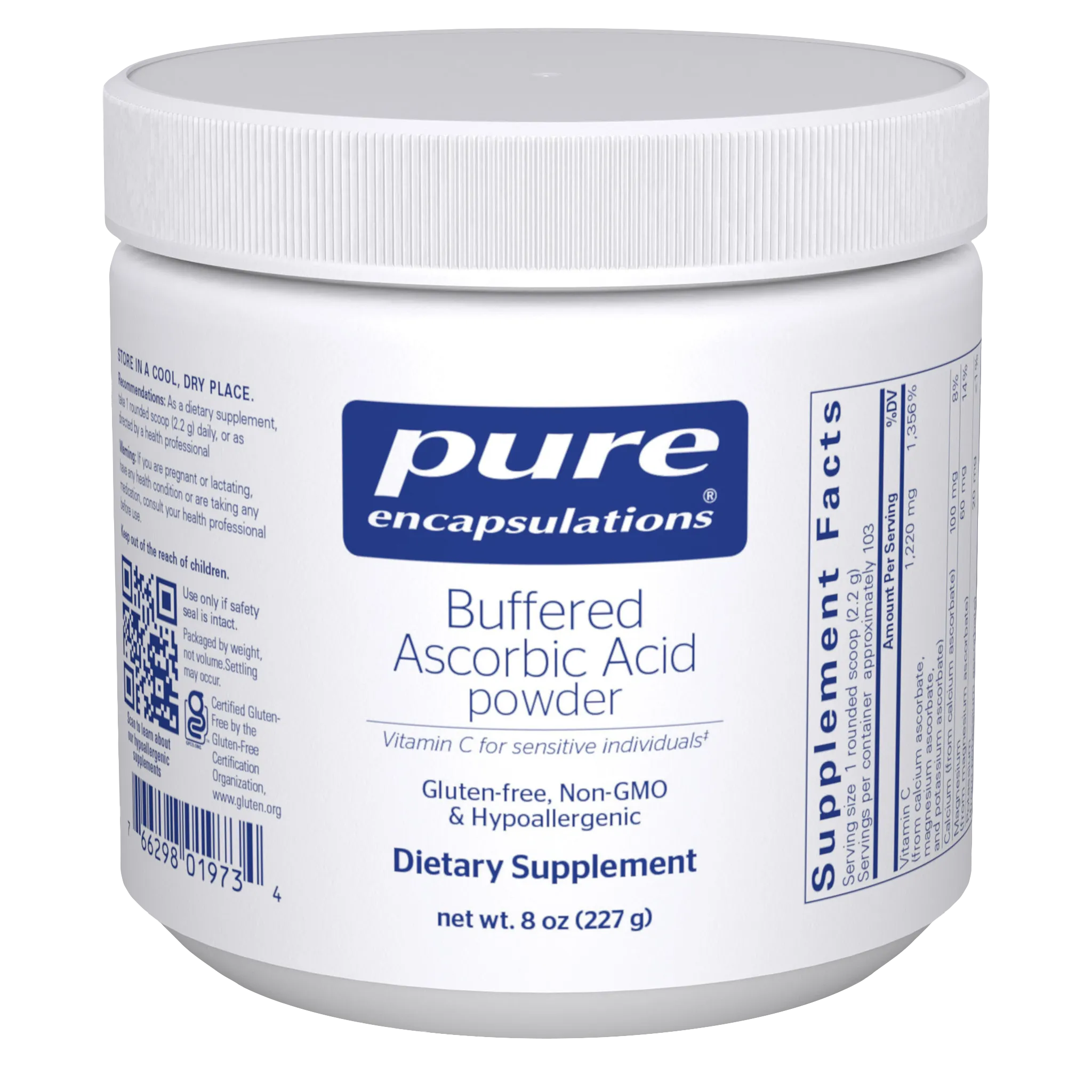
One of the most critical molecules in this daily battle for homeostasis is vitamin C. While commonly associated with fighting the common cold, the biochemical reality of vitamin C goes far beyond basic immune support. It is a potent physiological antioxidant, a mandatory cofactor for cellular energy production, and a natural mast cell stabilizer. However, for patients with sensitive gastrointestinal tracts or hyper-reactive immune systems, standard vitamin C supplements can cause severe stomach upset. This is where Buffered Ascorbic Acid Powder steps in, offering the profound systemic benefits of vitamin C in a gentle, pH-neutral form that respects the sensitive biology of chronic illness patients.
TL;DR
Buffered vitamin C offers gentle, pH-neutral antioxidant support without causing gastrointestinal distress.
It supports vascular health by neutralizing oxidative stress and preserving essential nitric oxide levels.
Vitamin C acts as a natural mast cell stabilizer, helping to manage histamine and allergic reactions.
It aids cellular energy production, which may help manage fatigue and post-exertional malaise in chronic illness.
What is Buffered Vitamin C (Ascorbic Acid)?
The Essential Role of Ascorbic Acid in Human Biochemistry
Vitamin C, scientifically known as L-ascorbic acid, is an essential, water-soluble micronutrient. Unlike most mammals, humans lack the specific enzyme (L-gulonolactone oxidase) required to synthesize vitamin C endogenously, making us entirely dependent on dietary intake or supplementation to meet our physiological needs. At the molecular level, ascorbic acid functions primarily through its remarkable oxidation-reduction (redox) potential. It is a highly effective electron donor, meaning it readily gives up its own electrons to stabilize other volatile molecules in the body. This electron-donating capacity allows it to act as a mandatory enzymatic cofactor for a wide variety of biochemical reactions, including the synthesis of neurotransmitters, the regulation of gene expression, and the formation of structural proteins.
One of the most vital enzymatic roles of vitamin C is in the synthesis of mature collagen. Ascorbic acid donates electrons to keep essential metal ions, such as iron and copper, in their active, reduced states. Specifically, it is required for the activity of prolyl and lysyl hydroxylases, enzymes that add hydroxyl groups to the amino acids proline and lysine on procollagen molecules. This hydroxylation process is absolutely mandatory for the triple-helix formation of mature collagen, which forms the structural scaffolding for our skin, blood vessels, gut lining, and connective tissues. Without adequate vitamin C, this structural integrity breaks down, leading to the vascular fragility and poor wound healing historically associated with scurvy.
The Power of Mineral Ascorbates for Digestive Comfort
Standard vitamin C supplements are typically formulated as pure ascorbic acid. As the name implies, this molecule is inherently acidic, with a pH ranging from 2.0 to 3.0. For healthy individuals, this acidity is rarely an issue. However, for patients dealing with chronic illnesses, gut dysbiosis, gastritis, or conditions like MCAS, introducing a highly acidic compound into the digestive tract can trigger severe gastrointestinal distress, including heartburn, acid reflux, stomach cramps, and nausea. This acidity can become a significant barrier to achieving the therapeutic doses of vitamin C required to combat systemic oxidative stress.
Buffered vitamin C solves this problem through clever chemistry. By binding the ascorbic acid molecule to alkaline minerals—such as calcium, magnesium, and potassium—the acidity is neutralized. This process creates mineral salts of ascorbic acid, known as mineral ascorbates. The resulting compound is pH-neutral (closer to 7.0), making it significantly gentler on the gastric mucosa. When ingested, the stomach acid easily separates the mineral from the ascorbate, allowing the body to absorb the exact same active vitamin C molecule without the harsh, localized irritation caused by pure ascorbic acid. This makes buffered ascorbic acid powder an ideal choice for sensitive individuals who need high-dose antioxidant support.
The Primary Water-Soluble Antioxidant
Beyond its enzymatic duties, vitamin C serves as the body's premier non-enzymatic, water-soluble antioxidant. It circulates freely in blood plasma and intracellular fluids, where it actively protects indispensable structural molecules—including proteins, lipids, carbohydrates, and nucleic acids (DNA/RNA)—from oxidative damage. It achieves this by rapidly neutralizing reactive oxygen species (ROS) and reactive nitrogen species (RNS) that are generated during normal cellular metabolism or as a byproduct of immune responses to viral infections. By sacrificing its own electrons to these free radicals, vitamin C helps stop them from tearing electrons away from healthy cellular structures.
Furthermore, vitamin C acts as an antioxidant recycler. It works synergistically with other critical antioxidants in the body, most notably vitamin E (alpha-tocopherol) and intracellular glutathione. When vitamin E neutralizes a lipid-soluble free radical in a cell membrane, it becomes oxidized and loses its antioxidant capacity. Vitamin C steps in to donate an electron to the oxidized vitamin E, regenerating it and sending it back to the front lines to continue protecting cellular membranes. This cooperative antioxidant network is essential for maintaining cellular health, particularly in the brain and nervous system, which are highly susceptible to oxidative damage.
How Complex Chronic Illness Impacts Oxidative Stress and Immunity
The Vicious Cycle of Oxidative Stress in Long COVID and ME/CFS
To understand why vitamin C is so critical for complex chronic conditions, we must first examine the underlying pathophysiology of diseases like Long COVID and ME/CFS. A growing body of medical research indicates that a profound state of chronic oxidative stress and redox imbalance is a central driver of these illnesses. When the body encounters a severe viral pathogen like SARS-CoV-2, the immune system launches a massive inflammatory response, generating high levels of reactive oxygen species (ROS) to destroy the virus. In a healthy recovery, this oxidative burst subsides once the threat is cleared. However, in Long COVID and ME/CFS, this inflammatory response fails to shut off, leading to a continuous, unchecked overproduction of free radicals.
This relentless oxidative stress rapidly depletes the body's natural antioxidant reserves, including vitamin C, vitamin E, and glutathione. A 2021 study published in PNAS demonstrated that patients with ME/CFS and Long COVID suffer from severe systemic redox imbalance, with significantly reduced levels of small molecule antioxidants. When ROS outnumber the available antioxidants, they begin to damage healthy tissues, impair mitochondrial function, and trigger widespread cellular apoptosis (programmed cell death). This mitochondrial impairment directly translates to the debilitating fatigue and post-exertional malaise (PEM) that define these conditions, as the cells simply cannot generate enough ATP (energy) to meet the body's demands.
Endothelial Dysfunction and Microvascular Damage
One of the most devastating consequences of chronic oxidative stress is its impact on the endothelium—the delicate inner lining of our blood vessels. The endothelium is responsible for regulating blood flow, vascular tone, and the delivery of oxygen and nutrients to tissues. It does this primarily by producing nitric oxide (NO), a molecule that signals blood vessels to dilate. However, in states of high oxidative stress, reactive oxygen species rapidly destroy nitric oxide before it can do its job. This leads to a condition known as endothelial dysfunction, which is now recognized as a hallmark of Long COVID, ME/CFS, and dysautonomia.
When endothelial cells are damaged and nitric oxide is depleted, blood vessels constrict and become inflamed. This creates an environment prone to microthrombosis, or the formation of microscopic blood clots, which further obstruct capillary blood flow. The resulting tissue hypoxia (lack of oxygen) is a major contributor to the severe brain fog, muscle pain, and exercise intolerance experienced by patients. Furthermore, this vascular inflammation disrupts the autonomic nervous system, exacerbating the rapid heart rates and blood pressure fluctuations seen in Postural Orthostatic Tachycardia Syndrome (POTS) and other forms of dysautonomia.
Mast Cell Hyper-Reactivity and Histamine Overload
In parallel with oxidative stress and vascular damage, many patients with Long COVID and ME/CFS develop secondary mast cell activation syndrome (MCAS). Mast cells are the sentinels of the innate immune system, stationed in tissues throughout the body, particularly at environmental interfaces like the skin, gut, and respiratory tract. When triggered by a pathogen, allergen, or stressor, they degranulate, releasing a cascade of inflammatory mediators, including histamine, cytokines, and prostaglandins. In MCAS, these mast cells become hyper-reactive, degranulating inappropriately in response to everyday stimuli like food, temperature changes, or even physical exertion.
This constant release of histamine creates a state of systemic inflammation that drives a wide array of unpredictable symptoms, from hives and gastrointestinal distress to tachycardia and neurological impairment. Crucially, the oxidative stress generated by chronic viral infections directly sensitizes mast cells, making them even more prone to degranulation. Furthermore, the chronic inflammation can impair the body's ability to produce diamine oxidase (DAO), the primary enzyme responsible for breaking down dietary and systemic histamine. This creates a perfect storm of excessive histamine release and impaired histamine clearance, leaving patients trapped in a cycle of relentless allergic-type reactions.
Buffered Vitamin C: Supporting Immune Function, Energy, and Mast Cells
Restoring Endothelial Function and Vascular Health
Supplementing with buffered vitamin C provides a direct, mechanistic intervention against the vascular damage seen in Long COVID and ME/CFS. As a potent electron donor, ascorbic acid rapidly scavenges the reactive oxygen species that are destroying nitric oxide in the bloodstream. By neutralizing these free radicals, vitamin C protects the endothelium from oxidative damage and preserves the bioavailability of nitric oxide. This restoration of nitric oxide signaling allows blood vessels to properly dilate, improving microvascular blood flow and enhancing the delivery of oxygen to oxygen-starved tissues in the brain and muscles.
Furthermore, vitamin C supports the structural repair of the damaged endothelium. Because it is an obligatory cofactor for the prolyl and lysyl hydroxylase enzymes, it is essential for the synthesis of new collagen. This collagen is required to rebuild and maintain the integrity of the vascular walls, reducing the "leakiness" of the blood vessels that often contributes to systemic inflammation and fluid pooling in dysautonomia patients. By combining antioxidant protection with structural repair, vitamin C acts as a foundational support for vascular health.
Stabilizing Mast Cells and Supporting Histamine Degradation
For patients battling MCAS and histamine intolerance, vitamin C offers a two-pronged approach to symptom management. First, ascorbic acid acts as a natural mast cell stabilizer. Research indicates that adequate intracellular levels of vitamin C reduce the tendency of mast cells to degranulate under stimulatory conditions, thereby limiting the initial release of histamine into the tissues. By lowering systemic oxidative stress, vitamin C also removes one of the primary upstream triggers that cause mast cells to become hyper-reactive in the first place.
Second, vitamin C plays a critical role in the degradation of circulating histamine. It provides essential enzymatic support for diamine oxidase (DAO), the enzyme responsible for breaking down histamine in the gut and bloodstream. Vitamin C not only increases natural DAO activity but also acts as an antioxidant shield, protecting the DAO enzyme from oxidative damage so it can function more efficiently. Clinical data shows that supplementing with vitamin C can significantly decrease blood serum histamine levels, helping to reduce histamine accumulation and the triggering of severe allergic cascades.
Fueling Cellular Energy Through Carnitine Synthesis
The profound, crushing fatigue experienced by Long COVID and ME/CFS patients is often rooted in mitochondrial dysfunction. Vitamin C plays a surprisingly direct role in cellular energy production through its involvement in carnitine synthesis. L-carnitine is a molecule responsible for transporting long-chain fatty acids across the inner mitochondrial membrane, where they are burned for ATP energy via beta-oxidation. The human body synthesizes carnitine from the amino acid lysine, a process that requires two specific iron-dependent enzymes: epsilon-N-trimethyllysine hydroxylase and gamma-butyrobetaine hydroxylase.
Vitamin C is the obligatory electron donor that keeps the iron atoms within these enzymes in their active, reduced state. Without adequate vitamin C, these enzymes cannot function, and endogenous carnitine production grinds to a halt. When carnitine levels drop, fatty acids cannot enter the mitochondria, leading to severely impaired fat metabolism and a dramatic drop in cellular energy production. In fact, biochemical studies have shown that profound physical fatigue and muscle weakness are the earliest clinical signs of systemic vitamin C deficiency, occurring long before the structural breakdown of collagen becomes apparent. By supporting carnitine synthesis, buffered vitamin C helps keep the cellular engines fueled.
Enhancing Innate and Adaptive Immune Responses
Finally, vitamin C is a cornerstone of a healthy, balanced immune response. White blood cells, particularly neutrophils and lymphocytes, actively accumulate vitamin C against a concentration gradient, resulting in intracellular levels that are 50 to 100 times higher than those found in blood plasma. In the innate immune system, vitamin C stimulates neutrophil chemotaxis—the ability of immune cells to rapidly migrate to the site of an infection. When these neutrophils release toxic ROS to kill trapped pathogens (the "oxidative burst"), their high internal vitamin C concentration acts as a shield, protecting the immune cells from self-inflicted oxidative damage.
In the adaptive immune system, vitamin C enhances the differentiation and proliferation of B-cells and T-cells, largely through its epigenetic gene-regulating effects. It acts as a cofactor for ten-eleven translocation (TET) enzymes, which remove methyl groups from DNA and heavily influence immune cell gene expression. Importantly, vitamin C also enhances the proliferation of Regulatory T-cells (Tregs), which are responsible for modulating the immune response and helping to mitigate the hyper-inflammatory "cytokine storms" often seen in severe autoimmune and post-viral conditions.

Symptoms Buffered Vitamin C May Help Manage
While buffered vitamin C is not a cure for complex chronic illnesses, its ability to target oxidative stress, support vascular health, and stabilize mast cells makes it a valuable tool for managing a variety of debilitating symptoms. Patients incorporating mineral ascorbates into their protocol often report improvements in the following areas:
Post-Exertional Malaise (PEM) and Fatigue: By acting as a mandatory cofactor for carnitine synthesis, vitamin C ensures that long-chain fatty acids can enter the mitochondria to be burned for ATP energy. This supports cellular metabolism and may help raise the threshold for exertion-triggered crashes.
Brain Fog and Cognitive Impairment: By neutralizing reactive oxygen species in the bloodstream, vitamin C protects the endothelium and preserves nitric oxide bioavailability. This helps keep blood vessels dilated, improving microvascular blood flow and oxygen delivery to the brain.
Allergic Reactions and MCAS Flares: Vitamin C acts as a natural mast cell stabilizer, reducing the inappropriate release of inflammatory mediators. It also supports the DAO enzyme, accelerating the breakdown and clearance of circulating histamine to reduce hives, flushing, and gastrointestinal distress.
Orthostatic Intolerance and Tachycardia: By supporting collagen synthesis, vitamin C helps repair and maintain the structural integrity of blood vessel walls. This can reduce vascular "leakiness" and improve the blood vessels' ability to constrict upon standing, supporting autonomic stability in dysautonomia patients.
Joint and Muscle Pain: The potent antioxidant properties of ascorbic acid help neutralize systemic inflammation that settles in the joints and soft tissues. Additionally, its role in collagen formation supports the repair of connective tissues that may be damaged by chronic inflammatory processes.
Frequent Infections and Immune Vulnerability: By enhancing neutrophil chemotaxis and protecting white blood cells from oxidative self-damage during phagocytosis, vitamin C bolsters the innate immune system's ability to efficiently clear opportunistic pathogens without triggering excessive collateral inflammation.
Practical Considerations: Forms, Dosing, and Absorption
Ascorbic Acid vs. Buffered Mineral Ascorbates
When selecting a vitamin C supplement, the choice between standard ascorbic acid and buffered mineral ascorbates comes down to gastrointestinal tolerance. Both forms deliver the exact same active ascorbate molecule to your bloodstream. However, standard ascorbic acid is highly acidic (pH 2.0-3.0), which can cause severe heartburn, acid reflux, and stomach cramping in sensitive individuals, particularly those with MCAS or gut dysbiosis. Buffered vitamin C, created by binding ascorbic acid to minerals like calcium, magnesium, and potassium, neutralizes this acidity. The resulting mineral ascorbate is pH-neutral, allowing patients to take therapeutic doses without irritating the gastric mucosa.
Bioavailability and the "Bowel Tolerance" Threshold
A common misconception is that buffered vitamin C is vastly superior in its absorption. However, authoritative bodies, including the Linus Pauling Institute at Oregon State University, state that the bioavailability of ascorbic acid and mineral ascorbates is virtually identical. Both forms are actively transported across the intestinal wall by sodium-dependent vitamin C transporters (SVCT1). At moderate doses (up to 200 mg), absorption is nearly 100%. However, as the dose increases above 1,000 mg, the absorption rate drops to less than 50%, and the unmetabolized excess is flushed out.
This leads to the concept of "bowel tolerance." While buffered vitamin C helps avoid acid-related stomach aches, any form of oral vitamin C will cause osmotic diarrhea if you take more than your intestinal transporters can absorb. The unabsorbed vitamin C reaches the lower intestine and pulls in water, resulting in loose stools. Patients are often advised to slowly titrate their dose upward until they reach bowel tolerance, and then back down slightly to find their optimal daily limit. Because vitamin C is water-soluble and rapidly excreted, dividing the daily dose into smaller amounts taken throughout the day (e.g., 500 mg every few hours) significantly improves overall absorption and maintains steady blood plasma levels.
The Mineral Load Consideration
While buffered vitamin C is excellent for the stomach, it introduces a new variable: the accompanying minerals. When taking high doses of mineral ascorbates, you are also ingesting significant amounts of calcium, magnesium, or potassium. For example, 1,000 mg of calcium ascorbate contains roughly 100 mg of elemental calcium. Patients taking massive "mega-doses" (e.g., 5-10 grams per day) must calculate their total mineral intake to avoid exceeding daily upper limits, which could potentially increase the risk of kidney stones or disrupt electrolyte balances. A blended buffered powder that utilizes a mix of calcium, magnesium, and potassium ascorbates helps distribute this mineral load more safely than a single-mineral ascorbate.
Synergistic Pairings and Timing
To maximize the therapeutic benefits of buffered vitamin C, it is often paired with complementary supplements. For MCAS management, combining vitamin C with natural flavonoids like quercetin or luteolin provides enhanced mast cell stabilization. Additionally, vitamin B6 acts synergistically with ascorbic acid to support the synthesis of the DAO enzyme, further improving histamine clearance. Because vitamin C can enhance the absorption of non-heme iron, it is beneficial to take it alongside iron-rich meals if you are prone to anemia, though patients with iron overload conditions (hemochromatosis) should exercise caution. Finally, because vitamin C can have a mild stimulating effect on cellular energy production, some patients prefer to take their final dose before late afternoon to avoid potential sleep disruptions.

Follow the Science
Intestinal Metabolism in Type 2 Diabetes Mellitus
While the clinical application of vitamin C for post-viral syndromes has gained traction, it is important to accurately track emerging research in this field to support evidence-based recommendations.
The patients in the diabetes study received either probiotics, GLP-1 receptor agonists, or a combination to assess metabolic improvements over time. The results highlighted the role of gut microbiota and short-chain fatty acids in managing Type 2 Diabetes Mellitus, demonstrating significant metabolic changes rather than evaluating endothelial recovery or symptom severity in Long COVID.
Intravenous and Oral Interventions for Histamine and MCAS
The scientific literature also strongly supports the use of vitamin C for managing histamine overload and mast cell hyper-reactivity. A pivotal 2013 study by Hagel et al., published in the Journal of International Medical Research, investigated the effects of intravenous (IV) vitamin C on serum histamine concentrations. The researchers demonstrated that high-dose vitamin C infusions significantly decreased circulating histamine levels in both allergic and non-allergic patients, proving its direct role in histamine degradation.
Furthermore, a 2018 interim subgroup analysis of a long-term observational study by Vollbracht et al. investigated intravenous vitamin C in the treatment of allergies. The analysis highlighted that restoring optimal vitamin C levels may help reduce allergy-related symptoms by acting as a natural mast cell stabilizer and supporting the DAO enzyme pathway. While IV therapy provides rapid, pharmacological plasma levels, consistent oral supplementation with highly tolerable buffered forms remains a cornerstone of long-term MCAS management protocols.
CD8 T-Cell Dysfunction and Antioxidant Therapy in ME/CFS
Recent research has also illuminated the profound immune dysregulation shared by Long COVID and ME/CFS, and how antioxidant therapies might intervene. An internal research paper analyzing immune biomarkers identified a pronounced CD8 T-cell dysfunction in both patient populations. Magnet-enriched CD8 T-cells from these patients produced markedly less interferon-gamma (IFN-γ) and tumor necrosis factor-alpha (TNF-α) after stimulation, indicating a severely exhausted adaptive immune response.
In a retrospective case series detailed in the same paper, patients receiving a multi-ingredient antioxidant and anti-pathogen agent showed parallel increases in CD8 cytokine production and a mean 54% reduction in self-reported symptom severity over 3 to 15 months. While this specific therapy was nebulized, the underlying principle remains clear: aggressive antioxidant intervention, such as high-dose vitamin C, is critical for reducing the oxidative burden on exhausted immune cells, allowing them to regain their functional capacity and properly regulate the body's defenses against latent viral reactivations.
The Path Forward
Living with the unpredictable and exhausting symptoms of Long COVID, ME/CFS, dysautonomia, or MCAS can feel like a relentless uphill battle. When your body is trapped in a cycle of oxidative stress and immune hyper-reactivity, even basic daily functions can become overwhelming. It is important to validate that these symptoms are not in your head—they are the result of complex, measurable biochemical disruptions, from endothelial damage to impaired carnitine synthesis.
While there is no single miracle cure for these intricate conditions, targeted nutritional support can help rebuild your body's foundational defenses. Buffered vitamin C offers a gentle, highly tolerable way to deliver potent antioxidant protection, stabilize hyper-reactive mast cells, and support the cellular energy pathways that have been compromised by chronic illness. By neutralizing the acidity of standard ascorbic acid, mineral ascorbates ensure that even the most sensitive digestive systems can access these critical therapeutic benefits.
Supplements are most effective when integrated into a comprehensive, patient-centric management strategy. This includes strict pacing to avoid post-exertional crashes, careful symptom tracking, and working closely with a medical team that understands the nuances of post-viral and autonomic syndromes. Always consult with your healthcare provider before introducing high-dose vitamin C, especially if you have a history of kidney stones or are managing specific mineral restrictions. With the right tools and compassionate care, it is possible to lower the inflammatory burden and improve your daily quality of life.