Can Berberine Support Metabolic Health and Energy in Long COVID and ME/CFS?
March 6, 2026
BerberineLong COVIDMetabolic Health
Share:
Disclaimer: The information provided here is for educational purposes only and is not intended as medical advice. It should not be used to diagnose, treat, cure, or prevent any medical condition. Instead, use it as a starting point for discussion with your healthcare provider. Always consult with a qualified healthcare provider before starting any new medication, supplement, device, or making changes to your health regimen.
Months or even years after recovering from an initial viral infection, many individuals find themselves battling a relentless array of debilitating symptoms. Conditions like Long COVID, myalgic encephalomyelitis/chronic fatigue syndrome (ME/CFS), and dysautonomia often leave patients navigating a complex maze of severe fatigue, cognitive dysfunction, and unpredictable metabolic shifts. As researchers delve deeper into the pathophysiology of these invisible illnesses, a common thread has emerged: profound metabolic dysfunction, mitochondrial exhaustion, and chronic vascular inflammation. For patients frustrated by a lack of definitive medical answers, understanding how to support the body's foundational energy systems is a critical step toward reclaiming their quality of life.
In the search for science-backed management strategies, natural compounds with robust clinical profiles are gaining significant attention. Berberine, a botanical extract with a long history in traditional medicine, has recently stepped into the spotlight of modern metabolic research. Often compared to frontline pharmaceutical interventions, berberine exerts powerful effects on cellular energy production, insulin sensitivity, and endothelial health. However, traditional berberine supplements have historically been plagued by poor absorption and gastrointestinal side effects. Berberine UltraSorb by Pure Encapsulations addresses these challenges head-on, utilizing advanced phytosome technology to deliver enhanced bioavailability. In this comprehensive guide, we will explore the intricate biochemistry of berberine, its relevance to post-viral syndromes, and how it may support your journey toward metabolic recovery.
TL;DR
Berberine supports cellular energy and metabolic function, which may help manage fatigue in post-viral syndromes.
It promotes vascular health by protecting the endothelial lining and reducing systemic inflammation.
Berberine UltraSorb uses advanced phytosome technology to improve absorption and reduce gastrointestinal side effects.
Always consult a healthcare provider before starting berberine due to potential interactions with medications.
What is Berberine UltraSorb?
The Origins and Biochemistry of Berberine
Berberine is a bioactive isoquinoline alkaloid extracted from several traditional plants, including Berberis vulgaris (barberry), Coptis chinensis (goldthread), and Hydrastis canadensis (goldenseal). Historically utilized in traditional Chinese and Ayurvedic medicine for its antimicrobial and gastrointestinal properties, modern scientific research has identified it as a powerful regulator of human metabolism. In the context of complex chronic illnesses like Long COVID and myalgic encephalomyelitis/chronic fatigue syndrome (ME/CFS), berberine has garnered significant attention for its ability to modulate cellular energy production and reduce systemic inflammation. Berberine UltraSorb utilizes a highly specialized form of this compound, designed to overcome the historical limitations of poor intestinal absorption. By understanding its profound effects on cellular biochemistry, we can begin to see why this botanical extract is often compared to frontline metabolic medications.
The primary mechanism of action for berberine revolves around the activation of AMP-activated protein kinase (AMPK), an enzyme universally recognized as the body’s "metabolic master switch." AMPK is a cellular energy sensor that regulates energy homeostasis throughout the body. When cellular energy is low, AMPK is activated to turn on ATP-generating pathways, such as fatty acid oxidation and glycolysis, while simultaneously turning off ATP-consuming pathways like lipid and protein synthesis. Berberine triggers this process through a highly specific biochemical cascade that begins deep within the mitochondria, the powerhouses of our cells. By interacting directly with these cellular engines, berberine forces the body to become more metabolically efficient, a crucial benefit for those suffering from severe fatigue.
Mitochondrial Complex I and Energy Sensing
Berberine accumulates in the mitochondria of cells and partially inhibits respiratory chain complex I, a crucial component of the electron transport chain. By temporarily suppressing this mitochondrial function, berberine causes a transient drop in the production of cellular ATP (energy). This naturally elevates the ratio of AMP (adenosine monophosphate) to ATP within the cell. The elevated AMP/ATP ratio is the physiological trigger that phosphorylates and activates the AMPKα1 subunit. Once AMPK is activated, it initiates a series of downstream effects that drastically improve glycemic control and cellular energy dynamics, pulling glucose out of the bloodstream and into the cells independent of insulin action. Berberine's cellular impact also extends to drug metabolism, as detailed in research showing it inhibits cytochrome P450 enzymes.
Beyond its effects on blood sugar, berberine exerts profound influence over lipid metabolism and gut health. AMPK activation phosphorylates and inhibits the enzyme Acetyl-CoA Carboxylase (ACC), which reduces levels of malonyl-CoA. This reduction disinhibits Carnitine Palmitoyltransferase-1 (CPT-1), allowing free fatty acids to enter the mitochondria to be burned for energy rather than stored as fat. Additionally, berberine alters the expression of LDL receptors in the liver, enhancing the body's ability to clear cholesterol from the bloodstream. These multi-targeted effects make berberine a uniquely comprehensive tool for supporting overall cardiometabolic health, particularly in patients whose metabolic systems have been disrupted by chronic illness.
Beyond Blood Sugar: Lipid and Gut Health
Furthermore, berberine has a significant impact on the gut microbiome, a critical component of systemic health that is often compromised in conditions like mast cell activation syndrome (MCAS) and dysautonomia. Berberine promotes the growth of beneficial bacteria that produce short-chain fatty acids (SCFAs), such as butyrate. These SCFAs are essential for maintaining the integrity of the intestinal lining, reducing gut-based inflammation, and modulating the systemic immune response. By fostering a healthier microbiome, berberine helps to address the "leaky gut" phenomenon that frequently exacerbates chronic inflammatory conditions, providing a foundational layer of support for the body's metabolic and immune systems.
How Long COVID and ME/CFS Impact Metabolic Function
Viral-Induced Endothelial Dysfunction
To understand why a metabolic regulator like berberine is relevant for post-viral syndromes, we must examine the pathophysiology of these conditions. Long COVID and ME/CFS are increasingly understood as conditions driven by chronic immune dysregulation, leading to sustained damage to the vascular system and profound metabolic dysfunction. When the body is subjected to a severe viral infection like SARS-CoV-2, the immune system's inflammatory response can inadvertently damage the very tissues it is trying to protect. This systemic inflammation disrupts the delicate balance of glucose and lipid metabolism, often leading to a state of acquired insulin resistance. For many patients, this metabolic shift exacerbates their debilitating symptoms, creating a vicious cycle of energy depletion and cellular stress. You can learn more about this connection in our article on Diabetes and Long COVID: A Pandemic Within a Pandemic.
A hallmark of Long COVID is the presence of viral-induced endothelial dysfunction, often referred to as endotheliitis. SARS-CoV-2 binds to ACE2 receptors on the endothelial cells that line our blood vessels, triggering localized inflammation and oxidative stress. This vascular damage impairs blood flow, promotes microvascular clot formation, and compromises the delivery of oxygen and nutrients to tissues throughout the body. As the endothelial lining becomes dysfunctional, it loses its ability to produce adequate nitric oxide, a crucial molecule for blood vessel dilation. This widespread vascular impairment is a primary driver of the severe fatigue, brain fog, and post-exertional malaise (PEM) experienced by patients, as their cells are literally starved of the resources needed to generate energy.
Mitochondrial Exhaustion and Metabolic Inflexibility
Compounding this vascular damage is the profound mitochondrial exhaustion seen in both Long COVID and ME/CFS. Research indicates that these conditions are characterized by mitochondrial inefficiency and metabolic inflexibility, meaning the cells struggle to seamlessly switch between burning glucose and fats for fuel. The chronic inflammatory state depletes cellular antioxidant reserves, leading to the accumulation of reactive oxygen species (ROS) that further damage mitochondrial DNA and cellular membranes. As the mitochondria falter, the body's overall ATP production plummets, leaving patients with a drastically reduced energy envelope. This metabolic gridlock explains why even minor physical or cognitive exertion can trigger severe crashes, as the cells simply cannot meet the increased energy demand.
Recent studies, including research on post-viral biomarkers, highlight the profound immune and cellular exhaustion present in these conditions. The breakdown of the blood-brain barrier (BBB) due to endothelial dysfunction allows peripheral inflammatory cytokines to cross into the brain, triggering neuroinflammation. Once inside, these inflammatory markers chronically activate microglia and astrocytes, the brain's resident immune cells. This prolonged neuroinflammatory state is responsible for the neuropsychiatric symptoms of Long COVID, including cognitive dysfunction, mood disorders, and autonomic nervous system dysregulation. The continuous loop of systemic inflammation, metabolic impairment, and neurological stress creates a complex web of pathology that requires multi-targeted therapeutic interventions to unravel.
Neuroinflammation and the Vicious Cycle
The interplay between metabolic dysfunction and immune dysregulation creates a self-perpetuating cycle of illness. Insulin resistance, a common feature in post-viral syndromes, further exacerbates endothelial dysfunction by increasing oxidative stress and promoting a pro-thrombotic state. This, in turn, worsens tissue hypoxia and mitochondrial impairment, leading to even greater fatigue and metabolic instability. Breaking this cycle requires interventions that can simultaneously address cellular energy production, vascular health, and systemic inflammation. This is where compounds that act on foundational metabolic pathways, such as AMPK activators, offer significant therapeutic promise for patients navigating the complexities of Long COVID and ME/CFS.
Berberine UltraSorb: Supporting Metabolic and Endothelial Health
Restoring Cellular Energy via AMPK
Berberine UltraSorb offers a multi-targeted pharmacological approach to addressing the complex web of metabolic and vascular dysfunction seen in chronic illness. By acting as a potent activator of AMPK, berberine helps to restore cellular energy efficiency and metabolic flexibility. When AMPK is stimulated, it promotes the translocation of GLUT4 transporters to the cell membrane in skeletal muscle and adipose tissue. This action pulls glucose out of the bloodstream and into the cells, providing an immediate source of fuel for exhausted tissues. Furthermore, berberine suppresses the liver's natural production of glucose (gluconeogenesis), which is a major driver of elevated fasting blood sugar in individuals with insulin resistance. This mechanism is similar to the action of certain prescription medications, as discussed in our guide on Metformin: Long COVID Risk Reduction and Diabetes Management.
In addition to improving glucose uptake, berberine's activation of AMPK enhances mitochondrial biogenesis and promotes fatty acid oxidation. This helps to restore the metabolic reserve in exhausted endothelial cells, allowing them to generate ATP more efficiently. By stimulating Uncoupling Protein 2 (UCP-2), berberine also helps dissipate excess metabolic energy as heat, further preventing the accumulation of oxidative stress within the mitochondria. This restoration of cellular energy dynamics is crucial for patients experiencing severe fatigue and PEM, as it directly addresses the underlying mitochondrial inefficiency that characterizes ME/CFS and Long COVID.
Protecting the Endothelial Lining
Berberine also acts as a powerful protective agent for the vascular system, addressing the microvascular damage and endothelial dysfunction prevalent in post-viral syndromes. It helps preserve endothelial function by enhancing nitric oxide bioavailability, lowering reactive oxygen species, and preventing vascular aging. By downregulating the NF-κB inflammatory signaling pathway, berberine reduces the localized inflammation that makes endothelial tissue "sticky" and permissive to the microclot formation frequently observed in Long COVID patients. This improvement in vascular health ensures better blood flow and oxygen delivery to tissues, which is essential for alleviating the systemic symptoms of dysautonomia and chronic fatigue.
The anti-fibrotic properties of berberine further support its role in vascular and pulmonary health. In conditions like Long COVID, chronic inflammation can lead to tissue scarring and fibrosis, particularly in the lungs and blood vessels. Berberine has been shown to inhibit the activation of fibroblasts by modulating the STAT3 pathway and reducing the expression of specific chemokines. This helps to mitigate the progressive tissue damage that exacerbates systemic hypoxia, providing a protective effect that extends beyond basic metabolic regulation. For patients seeking comprehensive metabolic support, exploring related options like Diaxinol can also be beneficial.
Targeting Neuroinflammation and Mast Cells
Beyond its vascular and metabolic benefits, berberine exerts direct neuroprotective effects by targeting neuroinflammation and mast cell hyperactivity. It has been shown to strongly attenuate NLRP3 inflammasome expression by inhibiting the TLR4/Myd88/NF-κB signaling pathway, drastically lowering the output of neurotoxic pro-inflammatory cytokines like IL-1β, IL-6, and TNF-α. Additionally, berberine's immunomodulatory effects help suppress hyperactive mast cells in the brain, reducing the release of histamine and tryptase that contribute to brain fog and cognitive dysfunction. By reducing systemic oxidative stress and downregulating matrix metalloproteinases, berberine also helps restore the structural integrity of the blood-brain barrier, starving the neuroinflammatory cycle of its fuel.

Symptoms Berberine May Help Manage
Cognitive and Neurological Symptoms
Because berberine targets foundational metabolic and inflammatory pathways, it may help manage a wide range of symptoms associated with complex chronic conditions. By improving cellular energy production and reducing neuroinflammation, patients may experience relief across multiple bodily systems. Here are some of the key symptoms berberine may help support:
Brain Fog and Cognitive Dysfunction: By suppressing the NLRP3 inflammasome and reducing neurotoxic cytokines, berberine helps calm the neuroinflammation that drives cognitive impairment, improving mental clarity and focus.
Severe Fatigue and Post-Exertional Malaise (PEM): Through the activation of AMPK and the enhancement of mitochondrial biogenesis, berberine supports more efficient ATP production, helping to expand the cellular energy envelope and reduce the severity of crashes.
Autonomic Dysregulation: By protecting the endothelial lining and improving nitric oxide bioavailability, berberine supports healthier blood flow and vascular tone, which may help stabilize the unpredictable heart rate and blood pressure fluctuations seen in dysautonomia and POTS.
Metabolic and Physical Symptoms
In addition to neurological and energetic support, berberine's profound impact on glucose and lipid metabolism can address the physical manifestations of metabolic syndrome that often accompany chronic illness.
Blood Sugar Instability: By promoting the translocation of GLUT4 transporters and inhibiting hepatic gluconeogenesis, berberine helps stabilize fasting and postprandial blood glucose levels, reducing the energy crashes associated with insulin resistance.
Unexplained Weight Changes: Berberine's ability to inhibit lipogenesis and promote fatty acid oxidation can support healthy weight management, particularly for patients struggling with metabolic shifts post-infection.
Gastrointestinal Distress: By modulating the gut microbiome and promoting the growth of beneficial, SCFA-producing bacteria, berberine can help soothe intestinal inflammation and support healthier digestion, a common issue for those with MCAS.
Elevated Cholesterol and Lipids: Berberine increases the expression of LDL receptors in the liver, enhancing the clearance of cholesterol from the bloodstream and supporting overall cardiovascular health.
Practical Considerations: Forms, Dosing, and Absorption
The Bioavailability Challenge of Standard Berberine
While the clinical benefits of berberine are well-documented, traditional berberine supplements face a significant hurdle: exceptionally poor oral bioavailability. Standard berberine extracts have less than a 1% natural absorption rate in the human gastrointestinal tract. To achieve therapeutic blood levels, patients typically need to consume high daily doses, often ranging from 1,000 to 1,500 mg. Unfortunately, these high doses frequently lead to uncomfortable gastrointestinal side effects, including cramping, diarrhea, nausea, and constipation. For patients with complex chronic illnesses who already struggle with sensitive digestive systems or MCAS, these side effects can make traditional berberine intolerable.
How Berbevis® Phytosome Technology Works
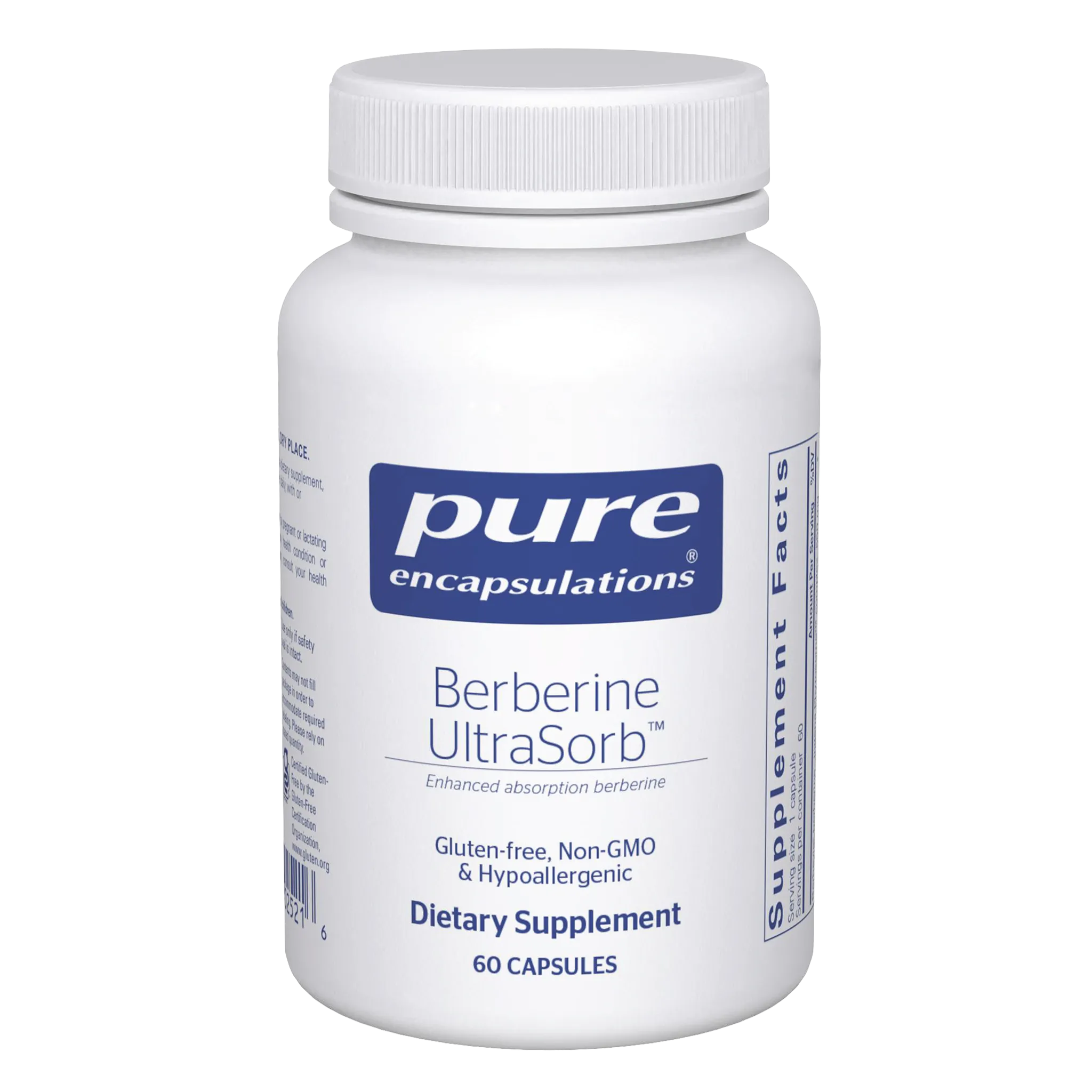
Berberine UltraSorb overcomes these limitations by utilizing Berbevis®, an innovative ingredient developed by Indena that employs proprietary Phytosome™ technology. This advanced formulation encapsulates Berberis aristata root extract into a specialized matrix designed to mimic the body's natural cellular structures. The Phytosome matrix includes sunflower lecithin (phospholipids) that wrap the berberine in fats easily recognized by cell membranes, ferrying the active compounds directly into the bloodstream. Additionally, pea proteins are included to optimize absorption within the GI tract, while grape seed extract acts as a powerful antioxidant to protect the intestinal mucosa from irritation. This sophisticated delivery system vastly improves long-term tolerability.
Dosing, Timing, and Safety Considerations
According to pharmacokinetic studies, Berbevis® improves berberine bioavailability by nearly 10 times on a molar basis compared to standard extracts. Because of this enhanced absorption, Berberine UltraSorb achieves stronger systemic results at significantly lower doses. The suggested use is typically 1 capsule (550 mg), taken 1-2 times daily, with or between meals. Taking it alongside a meal can further aid in mitigating any mild digestive upset and aligns its glucose-lowering effects with the body's natural post-meal blood sugar rise. However, because berberine is a highly bioactive compound, there are critical safety considerations to keep in mind.
Berberine is a potent inhibitor of the Cytochrome P450 (CYP450) enzyme system in the liver, specifically CYP3A4, CYP2D6, and CYP2C9. These enzymes are responsible for metabolizing a vast array of clinical drugs. By inhibiting these pathways, berberine can significantly slow down the breakdown of medications, leading to dangerously high drug concentrations in the bloodstream. It is crucial to consult your healthcare provider before starting berberine, especially if you are taking statins, blood thinners (like warfarin or DOACs), immunosuppressants, or prescription blood pressure medications. Additionally, combining berberine with prescription diabetes medications can increase the risk of severe hypoglycemia. It is contraindicated for pregnant or breastfeeding women.

Follow the Science
Clinical Trials on Berbevis® and Metabolic Health
The scientific literature surrounding berberine is extensive, but recent clinical trials focusing specifically on the Berbevis® Phytosome formulation have provided compelling evidence of its enhanced efficacy. A 2023 randomized, double-blind, placebo-controlled trial published in the European Review for Medical and Pharmacological Sciences evaluated the effects of Berbevis in overweight subjects with impaired fasting blood glucose. Participants taking 550 mg of Berbevis twice daily for 60 days experienced a remarkable 49% reduction in insulin resistance, as measured by the HOMA index. The active group also demonstrated significant reductions in total cholesterol, triglycerides, and visceral adipose tissue compared to the placebo group, highlighting its profound impact on metabolic syndrome.
Further research has explored the benefits of Berbevis® in populations dealing with complex hormonal and metabolic overlaps. A multi-centric, controlled trial published in Frontiers investigated its use in women with Polycystic Ovary Syndrome (PCOS), a condition characterized by severe insulin resistance. Subjects taking 1,100 mg per day for 90 days showed significant improvements in insulin sensitivity, androgen levels, and systemic inflammation. These findings underscore berberine's ability to act as a multi-target therapeutic agent, addressing the root causes of metabolic dysfunction rather than merely suppressing symptoms. For patients exploring metabolic support, comparing these effects with supplements like R-Lipoic Acid can provide a broader perspective on cellular energy management.
Berberine's Potential in Post-Viral Recovery
In the context of post-viral syndromes, researchers are increasingly focused on berberine's ability to mitigate endothelial dysfunction and neuroinflammation. Emerging literature, such as studies on viral-induced endothelial senescence, highlights how viral infections lead to endothelial dysfunction and a proinflammatory state, providing a rationale for therapies that target vascular health. By restoring nitric oxide bioavailability and protecting the blood-brain barrier, berberine directly targets the vascular and neurological damage inflicted by chronic viral persistence. While large-scale human trials specifically on Long COVID cohorts are still needed, the existing data on berberine's anti-inflammatory and metabolic properties provides a strong mechanistic rationale for its use.
Bioavailability Studies
The superiority of the Phytosome delivery system is backed by robust pharmacokinetic data. A 2021 human study published in Evidence-Based Complementary and Alternative Medicine directly compared Berbevis® to unformulated berberine chloride. The researchers found that the Phytosome matrix increased the Area Under the Curve (AUC)—a measure of total drug exposure over time—by 9.6 times. This breakthrough in bioavailability ensures that patients receive clinical-grade metabolic support without the need for massive, gut-irritating doses, making Berberine UltraSorb a highly practical option for long-term management of chronic metabolic and vascular symptoms.
The Path Forward
A Piece of the Complex Puzzle
Living with a complex chronic condition like Long COVID, ME/CFS, or dysautonomia is an exhausting journey, often marked by unpredictable symptoms and a frustrating lack of clear medical guidance. It is entirely valid to feel overwhelmed by the sheer number of systems in your body that seem to be malfunctioning simultaneously. While no single supplement can offer a miraculous cure for these intricate illnesses, targeted nutritional support can play a vital role in restoring foundational cellular function. By addressing the root causes of metabolic inflexibility, mitochondrial exhaustion, and vascular inflammation, you can begin to rebuild your body's energy reserves and improve your overall resilience.
Integrating Berberine into Your Protocol
Berberine UltraSorb represents a scientifically advanced approach to metabolic support, offering the profound benefits of AMPK activation without the historical drawbacks of poor absorption and GI distress. However, it is important to remember that supplements are just one piece of a comprehensive management strategy. Pacing, symptom tracking, stress reduction, and tailored medical care are all essential components of navigating chronic illness. Because berberine has significant interactions with various medications, it is imperative that you consult with your healthcare provider before adding it to your regimen to ensure it aligns safely with your current treatment plan.