Can Benfotiamine Support Energy and Nerve Health in Long COVID and ME/CFS?
March 6, 2026
BenfotiamineLong COVIDME/CFS
Share:
Disclaimer: The information provided here is for educational purposes only and is not intended as medical advice. It should not be used to diagnose, treat, cure, or prevent any medical condition. Instead, use it as a starting point for discussion with your healthcare provider. Always consult with a qualified healthcare provider before starting any new medication, supplement, device, or making changes to your health regimen.
Months or even years after a viral infection, many individuals find themselves trapped in a cycle of debilitating fatigue, brain fog, and unpredictable autonomic symptoms. If you are living with Long COVID, myalgic encephalomyelitis/chronic fatigue syndrome (ME/CFS), or dysautonomia, you already know that these conditions are not simply "tiredness." They represent profound, systemic disruptions in how your cells produce energy, how your blood vessels function, and how your nervous system communicates. The search for validating, science-backed management strategies is often a long and frustrating journey.
One of the most heavily researched areas in complex chronic illness is metabolic dysfunction—specifically, the body's inability to efficiently convert glucose into usable cellular energy (ATP). When this fundamental process breaks down, it creates a cascade of oxidative stress, nerve damage, and systemic inflammation. This is where BenfoMax (benfotiamine), a highly specialized and bioavailable form of vitamin B1 (thiamine), enters the clinical conversation. By bypassing the strict absorption limits of standard thiamine, benfotiamine delivers targeted support to the mitochondria, the peripheral nerves, and the vascular endothelium. In this comprehensive guide, we will explore the intricate biochemistry of benfotiamine, its role in preventing the formation of toxic advanced glycation end-products (AGEs), and how it may support individuals navigating the complex landscape of post-viral and metabolic syndromes.
TL;DR
Benfotiamine is a highly absorbable vitamin B1 derivative that supports cellular energy and metabolic function.
Research suggests it may help manage fatigue, brain fog, and nerve pain in complex chronic illnesses.
It works by blocking toxic metabolic byproducts, protecting blood vessels, and reducing neuroinflammation.
Always consult your healthcare provider to determine the right dosage and necessary co-factors like magnesium.
What is Benfotiamine?
The Evolution of Vitamin B1 and Cellular Energetics
Thiamine, commonly known as Vitamin B1, is an essential, naturally occurring water-soluble vitamin that acts as a critical coenzyme in human metabolism. In a healthy body, thiamine is required to operate several rate-limiting enzymes within the mitochondria, most notably the pyruvate dehydrogenase complex and alpha-ketoglutarate dehydrogenase. These enzymes act as the vital gatekeepers of the Krebs cycle (citric acid cycle), responsible for converting the carbohydrates, fats, and proteins you consume into adenosine triphosphate (ATP), the universal energy currency of your cells. Without adequate intracellular thiamine, the mitochondria cannot efficiently process glucose.
When this metabolic bottleneck occurs, the cell is forced to abandon efficient aerobic respiration and rely on inefficient, anaerobic glycolysis. This backup system yields very little ATP and produces toxic byproducts like lactic acid, leading to rapid cellular exhaustion. Furthermore, the brain and the nervous system are the most metabolically active tissues in the body, consuming roughly 20% of the body's total energy despite making up only 2% of its weight. Because of this massive energy demand, neurological tissues are exquisitely sensitive to even minor disruptions in thiamine availability and ATP production.
Bypassing the Intestinal Absorption Bottleneck
While standard thiamine is vital for basic survival and preventing severe deficiency diseases like beriberi, it has a major pharmacological limitation: it is highly water-soluble. Because of this, its absorption in the small intestine relies entirely on specialized, active transport proteins known as ThTR-1 and ThTR-2. These transporters have a strict and very low saturation point. If you take a high oral dose of standard thiamine hydrochloride, absorption rapidly plateaus at roughly 5 to 10 milligrams; the vast majority of the remaining dose is simply left unabsorbed in the gut and excreted in the urine. This active transport bottleneck makes standard thiamine highly inefficient for achieving the high therapeutic blood and tissue levels required to repair damaged metabolic pathways.
Benfotiamine (S-benzoylthiamine-O-monophosphate) was developed specifically to solve this exact physiological problem. It is a synthetic, lipid-soluble (fat-soluble) derivative of thiamine. By adding a lipophilic benzoyl group to the thiamine molecule, scientists created a compound that completely bypasses the restrictive active transport system of the intestines. Instead, benfotiamine is absorbed efficiently through the intestinal wall via passive diffusion. Once it enters the bloodstream and crosses into the cells, it is rapidly cleaved by enzymes and converted into the active coenzyme form of Vitamin B1, known as thiamine diphosphate (ThDP) or thiamine pyrophosphate (TPP). This unique delivery mechanism allows benfotiamine to achieve plasma and intracellular thiamine concentrations that are exponentially higher than what is possible with standard water-soluble supplements.
The Transketolase Pathway and Glucose Metabolism
Once inside the cell, the primary and most thoroughly researched mechanism of benfotiamine is its ability to aggressively activate an enzyme called transketolase. Transketolase is a crucial component of the pentose phosphate pathway (PPP), a metabolic shunt that runs parallel to standard glycolysis. When cells are exposed to high levels of glucose, viral infection, or metabolic stress, toxic glycolytic intermediate metabolites—specifically glyceraldehyde-3-phosphate (GA3P) and fructose-6-phosphate (F6P)—begin to accumulate inside the cell like a metabolic traffic jam.
This accumulation is highly destructive, as these metabolites are the primary building blocks for advanced glycation end-products (AGEs) and other inflammatory compounds. By providing massive amounts of the ThDP coenzyme, benfotiamine supercharges transketolase activity. The activated transketolase enzyme acts as a metabolic release valve, rapidly clearing out the toxic backlog of GA3P and F6P by converting them into harmless pentose-5-phosphates and erythrose-4-phosphate. This elegant biochemical redirection not only restores healthy glucose metabolism but also preemptively starves the pathways that cause vascular and neurological damage.
How Chronic Illness Impacts Cellular Energy and Nerves
The "Pseudohypoxia" Phenomenon and Autonomic Failure
To understand why benfotiamine is relevant to conditions like Long COVID and ME/CFS, we must look at the pioneering research surrounding thiamine metabolism and the autonomic nervous system. According to the extensive clinical work of researchers like Dr. Derrick Lonsdale, thiamine dysfunction leads to a state of cellular "pseudohypoxia." Even when there is plenty of oxygen circulating in the blood, a lack of active intracellular thiamine prevents the mitochondria from utilizing that oxygen to make ATP. The cells essentially behave as if they are suffocating, triggering a cascade of emergency metabolic responses.
The autonomic nervous system—the control center in the lower brain that manages automatic functions like heart rate, blood pressure, and digestion—is incredibly energy-hungry and highly sensitive to this pseudohypoxia. When autonomic nerves are deprived of ATP due to thiamine dysfunction, they begin to misfire, leading to the profound dysautonomia and postural orthostatic tachycardia syndrome (POTS) frequently seen in post-viral patients. The debilitating fatigue, post-exertional malaise (PEM), and brain fog that characterize these conditions are not merely psychological; they are the direct clinical manifestations of this cellular energy crisis. For a deeper understanding of how viral infections trigger these overlapping syndromes, you can explore our detailed guide on Can Long COVID Trigger ME/CFS? Unraveling the Connection.
Endothelial Dysfunction and Microvascular Damage
Another devastating consequence of disrupted glucose metabolism and chronic inflammation is endothelial dysfunction. The endothelium is the delicate, single-cell layer that lines the inside of all your blood vessels. In a healthy state, it regulates blood flow, prevents clotting, and controls the passage of nutrients into tissues. However, in conditions like Long COVID and metabolic syndrome, the endothelium is subjected to relentless oxidative stress and viral damage. When glucose metabolism stalls, the resulting accumulation of intracellular sugars leads to the massive production of Advanced Glycation End-products (AGEs).
AGEs are toxic, sticky compounds formed when sugars abnormally bind to proteins and lipids. They embed themselves in the endothelial lining, causing the blood vessels to become stiff, inflamed, and leaky. This vascular damage impairs oxygen delivery to the muscles and brain, exacerbating the crushing fatigue of ME/CFS. Furthermore, damaged endothelium is a primary driver of the pathological fibrinaloid microclots observed in Long COVID, which further choke off capillary blood flow. The intersection of metabolic health and post-viral vascular damage is a critical area of study, as discussed in our article on Diabetes and Long COVID: A Pandemic Within a Pandemic.
Inflammation and the NF-κB Pathway
Chronic illness is inherently an inflammatory state. At the molecular level, one of the master regulators of this inflammation is a protein complex known as Nuclear Factor kappa B (NF-κB). Under normal circumstances, NF-κB remains dormant in the cellular cytoplasm. However, when a cell is exposed to viral fragments, oxidative stress, or high levels of AGEs, NF-κB is activated. It translocates into the cell nucleus, where it binds to DNA and triggers the massive transcription of pro-inflammatory cytokines, chemokines, and adhesion molecules.
In the central nervous system, this pathway is particularly destructive. Microglia, the resident immune cells of the brain, rely heavily on NF-κB signaling. When microglia become chronically activated by post-viral neuroinflammation, they continuously pump out inflammatory cytokines like TNF-alpha and Interleukin-6 (IL-6). This persistent neuroinflammation is widely considered to be the primary biological driver of the severe cognitive impairment, memory loss, and "brain fog" reported by Long COVID and ME/CFS patients. Breaking this cycle of NF-κB activation is essential for restoring both neurological and systemic health.
Benfotiamine: Supporting Metabolism and Neurological Function
Activating Transketolase to Prevent AGE Formation
Benfotiamine's most celebrated mechanism of action is its ability to halt the formation of Advanced Glycation End-products (AGEs) before they can damage tissues. As previously mentioned, benfotiamine achieves this by hyper-activating the transketolase enzyme. A landmark study published in the journal Nature Medicine by Hammes et al. demonstrated that benfotiamine administration in endothelial cells increased transketolase activity by an astonishing four-fold. By aggressively clearing out the toxic precursors glyceraldehyde-3-phosphate and fructose-6-phosphate, benfotiamine effectively starves the AGE-formation pathway of its raw materials.
Furthermore, this same transketolase activation simultaneously inhibits two other major pathways of metabolic damage: the hexosamine pathway and the diacylglycerol (DAG)-Protein Kinase C (PKC) pathway. It is important to note that benfotiamine is a preventative agent; it does not directly break down existing AGEs, but it powerfully prevents new ones from forming. This metabolic redirection allows the endothelium and peripheral nerves the metabolic breathing room they need to begin the slow process of repair and regeneration.
Suppressing NF-κB and Neuroinflammation
Beyond its metabolic effects, benfotiamine acts as a potent anti-inflammatory agent by directly intercepting the NF-κB signaling cascade. Research indicates that benfotiamine prevents the translocation of NF-κB into the cell nucleus by suppressing the phosphorylation of upstream signaling kinases, including Mitogen-Activated Protein Kinases (MAPKs) and Protein Kinase B (Akt). By trapping NF-κB outside the nucleus, benfotiamine effectively silences the cell's inflammatory alarm system, preventing the downstream release of damaging cytokines.
This mechanism is particularly profound in the context of neuroinflammation. A 2015 study published in the European Review for Medical and Pharmacological Sciences evaluated murine BV-2 microglial cells that were stimulated with bacterial endotoxins to simulate a severe immune response. Treatment with benfotiamine successfully prevented NF-κB translocation and halted the production of neurotoxic compounds, including nitric oxide (NO), inducible nitric oxide synthase (iNOS), TNF-alpha, and Interleukin-6 (IL-6). Astonishingly, benfotiamine actually increased the production of the anti-inflammatory cytokine IL-10. By soothing hyperactive microglia, benfotiamine offers a targeted mechanistic approach to alleviating the neurocognitive symptoms of post-viral syndromes.
Activating the Nrf2 Antioxidant Defense System
In addition to blocking inflammation, benfotiamine actively promotes cellular defense mechanisms by stimulating the Nrf2/ARE pathway. Nuclear factor erythroid 2-related factor 2 (Nrf2) is a transcription factor that regulates the expression of intrinsic antioxidant proteins that protect against oxidative damage triggered by injury and inflammation. When activated by benfotiamine, Nrf2 binds to the Antioxidant Response Element (ARE) in the DNA, upregulating the production of powerful cellular antioxidants like Heme Oxygenase-1 (HO-1).
This upregulation of intrinsic antioxidants is critical for patients with ME/CFS and Long COVID, whose cells are often drowning in reactive oxygen species (ROS) due to mitochondrial dysfunction. By boosting the cell's own antioxidant machinery, benfotiamine helps protect the delicate mitochondrial membranes and mitochondrial DNA from oxidative destruction. This multi-targeted approach—enhancing energy production, blocking AGEs, suppressing NF-κB, and boosting Nrf2—makes benfotiamine a uniquely comprehensive therapeutic tool. To learn about other compounds that support these metabolic pathways, read our guide on Can R-Lipoic Acid Support Energy Levels and Metabolism in Long COVID and ME/CFS?.

Symptoms Benfotiamine May Help Manage
Neurological and Cognitive Symptoms
Based on its mechanisms of action and clinical data, benfotiamine may offer targeted support for several debilitating neurological symptoms:
Brain Fog and Cognitive Impairment: By suppressing microglial activation and reducing neuroinflammation via the NF-κB pathway, benfotiamine may help clear the severe cognitive dysfunction, memory lapses, and lack of focus commonly reported in Long COVID.
Peripheral Neuropathy and Nerve Pain: Benfotiamine has been extensively studied for its ability to repair damaged peripheral nerves. By preventing the accumulation of toxic AGEs in the nerve tissue and improving local microvascular blood flow, it can help alleviate the burning, tingling, and numbness associated with small fiber neuropathy.
Sensory Sensitivities: Because thiamine is essential for the proper synthesis of neurotransmitters and the maintenance of the myelin sheath (the protective coating around nerves), restoring intracellular thiamine levels may help calm a hyper-reactive central nervous system, reducing severe sensitivities to light, sound, and touch.
Systemic and Autonomic Symptoms
In addition to neurological support, benfotiamine targets the systemic metabolic dysfunctions that drive post-viral exhaustion:
Profound Fatigue and Post-Exertional Malaise (PEM): By hyper-activating transketolase and forcing open enzymatic bottlenecks in the mitochondria, benfotiamine helps cells transition back to efficient aerobic ATP production, potentially raising the baseline energy envelope and reducing the severity of post-exertional crashes.
Dysautonomia and POTS: The autonomic nervous system requires massive amounts of ATP to regulate heart rate and blood pressure continuously. By resolving cellular "pseudohypoxia" in the vagus nerve and autonomic control centers, benfotiamine may help stabilize erratic heart rates and improve orthostatic intolerance.
Endothelial Dysfunction and Poor Circulation: By blocking the diacylglycerol-PKC pathway and preventing AGE-induced vascular stiffness, benfotiamine supports healthy flow-mediated dilation, improving capillary blood flow and oxygen delivery to oxygen-starved muscles and tissues.
Practical Considerations: Forms, Dosing, and Absorption
Pharmacokinetics and Bioavailability Data
The clinical superiority of benfotiamine over standard thiamine is heavily supported by robust pharmacokinetic data. Because benfotiamine utilizes passive lipid diffusion rather than easily saturated active transport proteins, it achieves vastly higher systemic exposure. A pivotal randomized, crossover study published in the Journal of Clinical Pharmacology evaluated healthy volunteers given either 300 mg of benfotiamine or standard thiamine hydrochloride.
The results were striking. The maximum plasma concentration (Cmax) for benfotiamine was approximately 8-fold higher than that of standard thiamine. Furthermore, the total systemic exposure over 24 hours (Area Under the Curve, or AUC) was nearly 10-fold higher. Most importantly for chronic illness patients, the study found that the relative bioavailability of the active coenzyme (ThDP) inside the red blood cells was nearly 400% higher with benfotiamine. This proves that benfotiamine doesn't just float in the bloodstream; it successfully penetrates the cell membrane where it is desperately needed to activate transketolase.
Optimal Dosing and The "Paradoxical Reaction"
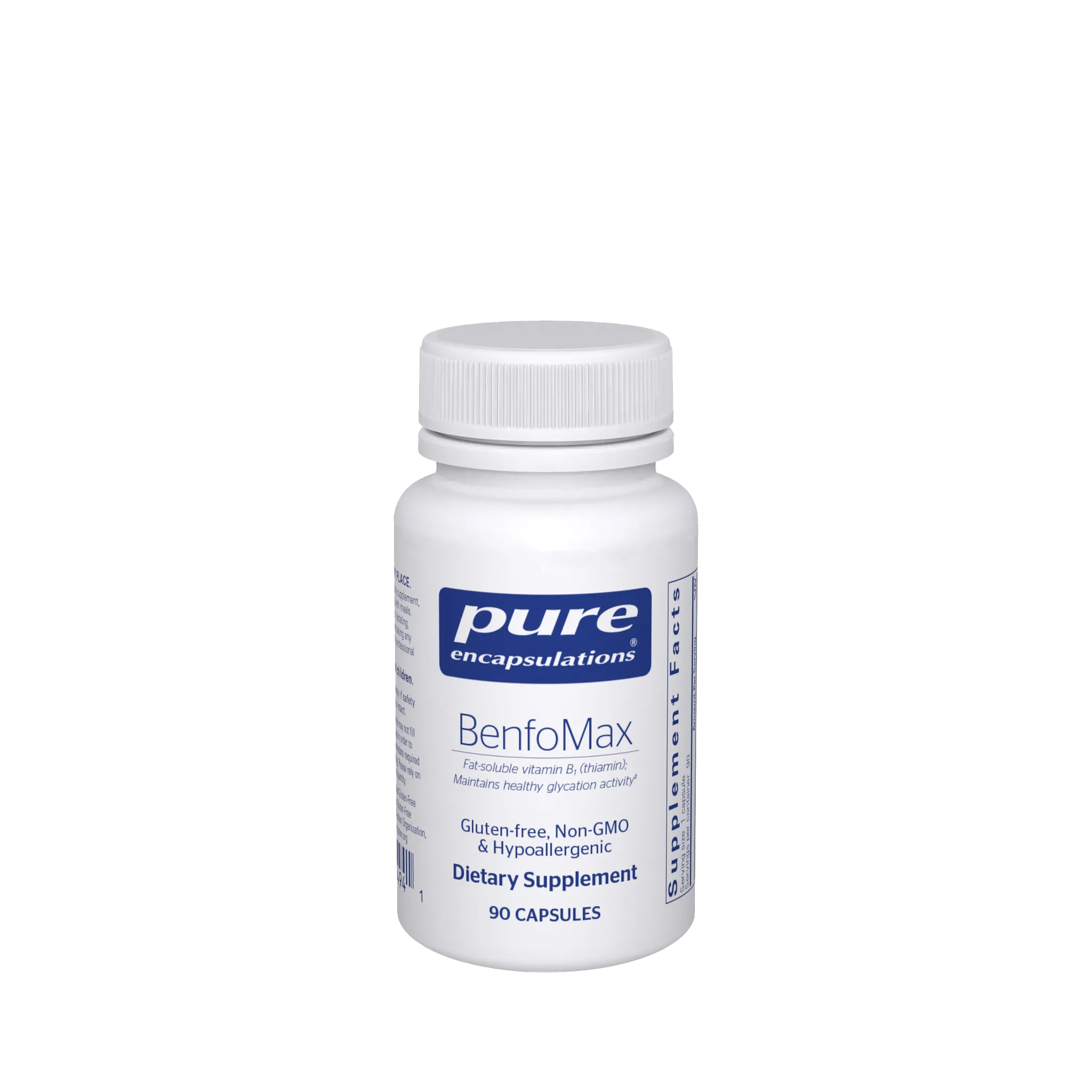
In clinical trials for neuropathy and metabolic support, the standard dosage of benfotiamine typically ranges from 200 mg to 600 mg per day, often divided into multiple doses taken with meals to maximize lipid absorption. However, in emerging protocols for severe dysautonomia and Long COVID, practitioners sometimes titrate the dosage significantly higher, occasionally reaching up to 1,200 mg daily under strict medical supervision. BenfoMax provides 200 mg of benfoPure® benfotiamine per capsule, making it easy to adjust dosing based on your provider's recommendations.
When initiating high-dose thiamine therapy, it is crucial for patients to be aware of the "paradoxical reaction." As the dormant cellular metabolic machinery "wakes up" and begins processing backlog metabolites, some patients experience a temporary worsening of symptoms—such as increased fatigue, heart palpitations, or insomnia—for the first few weeks. This is a documented phenomenon in thiamine deficiency treatment. Slowly titrating the dose upward can help mitigate this uncomfortable adjustment period.
Safety, Co-factors, and Interactions
Benfotiamine is generally regarded as highly safe and well-tolerated. In a tightly controlled 2021 Phase I trial studying Single and Multiple Ascending Doses, benfotiamine was deemed safe at doses up to 1,200 mg per day, with adverse event rates identical to the placebo group. However, thiamine metabolism does not occur in a vacuum; it requires specific co-factors to function safely. Medical protocols almost universally pair benfotiamine with magnesium (which is essential for thiamine to bind to its target enzymes), potassium, and a comprehensive B-complex vitamin to prevent the depletion of other necessary nutrients.
While benfotiamine has very few drug interactions, caution should be exercised. It may enhance the effects of certain neuromuscular blocking agents used during anesthesia, and there are noted potential interactions with specific chemotherapy drugs like fluorouracil (5-FU). Additionally, because benfotiamine improves glucose metabolism, patients taking blood sugar-lowering medications should monitor their levels closely to avoid hypoglycemia. For more information on managing metabolic medications, see our article on Metformin: Long COVID Risk Reduction and Diabetes Management. Always consult your healthcare provider before starting a new supplement regimen.

Follow the Science
Clinical Trials on Diabetic Neuropathy
Benfotiamine has a long and established history in supporting the management of diabetic sensorimotor polyneuropathy (DSPN). Numerous short-term, double-blind randomized controlled trials have demonstrated that benfotiamine (often at doses of 300 to 600 mg/day) significantly alleviates neuropathic pain and improves Neuropathy Symptom Scores (NSS) over 3 to 12 weeks. Its ability to rapidly raise intracellular thiamine levels makes it a widely used option to help manage nerve pain in many European countries.
Interestingly, while research suggests it may help with symptom relief, its ability to reverse long-term structural nerve damage is still being evaluated. The recent BOND Study, a 12-month phase II trial published in BMJ Open Diabetes Research & Care, investigated whether 600 mg/day of benfotiamine could physically regenerate corneal nerve fibers in diabetic patients. While the study failed to show statistically significant structural regeneration compared to placebo over the 12-month period, the benfotiamine group still showed a strong trend toward improved symptom scores, confirming its role as a powerful tool for managing the daily discomfort of neuropathy.
Emerging Data in Long COVID and ME/CFS
The application of benfotiamine in post-viral syndromes is a rapidly expanding field of research. A massive 2024 cross-sectional survey of over 3,900 patients with Long COVID and ME/CFS evaluated the efficacy of over 150 different treatments. The study found that benfotiamine was among the very few treatments that showed distinct, statistically significant differences in generating favorable patient-reported outcomes, particularly in reducing fatigue and autonomic instability.
Furthermore, clinical case reports are beginning to document profound recoveries using targeted metabolic therapies. A recent case series published by the European Society of Medicine tracked Long COVID patients who experienced significant improvements in neurocognitive "brain fog" within one month of taking a proprietary formulation of benfotiamine and methylcobalamin. Similarly, surveys conducted by patient advocacy groups like Health Rising have shown that over 65% of ME/CFS patients utilizing high-dose thiamine protocols report "large improvements" in their baseline fatigue and post-exertional malaise.
Endothelial Function and Vascular Health
Benfotiamine has also shown remarkable success in acute scenarios where the vascular endothelium is subjected to sudden metabolic stress. A randomized, single-blind cross-over trial investigated whether benfotiamine could prevent the sudden vascular dysfunction that occurs after eating a meal extremely high in advanced glycation end-products.
Patients were given a high dose of benfotiamine (1,050 mg/day) for three days prior to the meal. The researchers found that this short-term pretreatment successfully prevented the postprandial increase in serum AGE levels and completely protected the patients from acute endothelial dysfunction. While long-term studies on systemic endothelial biomarkers have yielded mixed results, these acute studies prove that benfotiamine is highly capable of shielding the blood vessels from immediate metabolic and inflammatory insults. For more on supporting metabolic health, consider reading about Can Diaxinol Support Blood Sugar and Metabolic Health in Long COVID and ME/CFS?.
The Path Forward
Integrating Benfotiamine into Your Protocol
Navigating complex chronic conditions like Long COVID, ME/CFS, and dysautonomia requires a multifaceted and highly individualized approach. While benfotiamine offers a powerful, scientifically backed mechanism for supporting mitochondrial energy production, preventing AGE formation, and soothing neuroinflammation, it is not a standalone cure. It is most effective when integrated into a comprehensive management strategy that includes aggressive pacing, strict symptom tracking, nervous system regulation, and the management of co-occurring conditions like MCAS and POTS.
When incorporating a potent metabolic activator like benfotiamine into your routine, it is essential to start "low and slow." Work closely with a dysautonomia-literate healthcare provider to monitor your response, manage the potential for paradoxical reactions, and ensure you are taking the necessary co-factors like magnesium and a balanced B-complex. Healing the cellular machinery takes time, patience, and careful observation of your body's unique metabolic signals.
A Validating Approach to Chronic Illness
If you are struggling with the invisible, debilitating symptoms of post-viral illness, please know that your experience is valid. The crushing fatigue, the cognitive fog, and the erratic heart rates are not in your head—they are rooted in measurable, physiological disruptions at the cellular level. At RTHM, we are committed to translating the latest metabolic and vascular research into actionable, compassionate care. By understanding the profound impact of cellular energetics and utilizing targeted tools like highly bioavailable benfotiamine, we can begin to rebuild the foundation of your health and work toward a more stable, energized future. Always consult your healthcare provider before beginning any new supplement regimen.
Sources
Clinical Trials and Medical Literature
Patient-Reported Treatment Outcomes in ME/CFS and Long COVID
Effect of Benfotiamine on Advanced Glycation Endproducts and Markers of Endothelial Dysfunction
Safety, Tolerability and Pharmacokinetics of Single and Multiple Ascending Doses of Benfotiamine
Pharmacokinetic and Mechanistic Studies
Benfotiamine Attenuates Inflammatory Response in LPS Stimulated BV-2 Microglia
Therapeutic potential of benfotiamine and its molecular targets
Peripheral endothelial dysfunction in myalgic encephalomyelitis/chronic fatigue syndrome
A Unifying Hypothesis of the Pathophysiology of Myalgic Encephalomyelitis/Chronic Fatigue Syndrome