Can Free-Form Amino Acids Support Energy and Brain Fog in Long COVID and ME/CFS?
March 5, 2026
Amino RepleteLong COVIDME/CFS
Share:
Disclaimer: The information provided here is for educational purposes only and is not intended as medical advice. It should not be used to diagnose, treat, cure, or prevent any medical condition. Instead, use it as a starting point for discussion with your healthcare provider. Always consult with a qualified healthcare provider before starting any new medication, supplement, device, or making changes to your health regimen.
Imagine waking up after a full night of sleep, only to feel as though you have just run a marathon while breathing through a straw. For individuals living with Long COVID, myalgic encephalomyelitis/chronic fatigue syndrome (ME/CFS), dysautonomia, and mast cell activation syndrome (MCAS), this profound, debilitating exhaustion is a daily reality. This is not simply being "tired"; it is a complex, systemic energy crisis rooted deep within the body's cellular machinery. When the fundamental biochemical pathways that generate energy and synthesize neurotransmitters become disrupted by viral persistence or chronic inflammation, the resulting symptoms—crushing fatigue, severe brain fog, and post-exertional malaise (PEM)—can completely alter a person's quality of life.
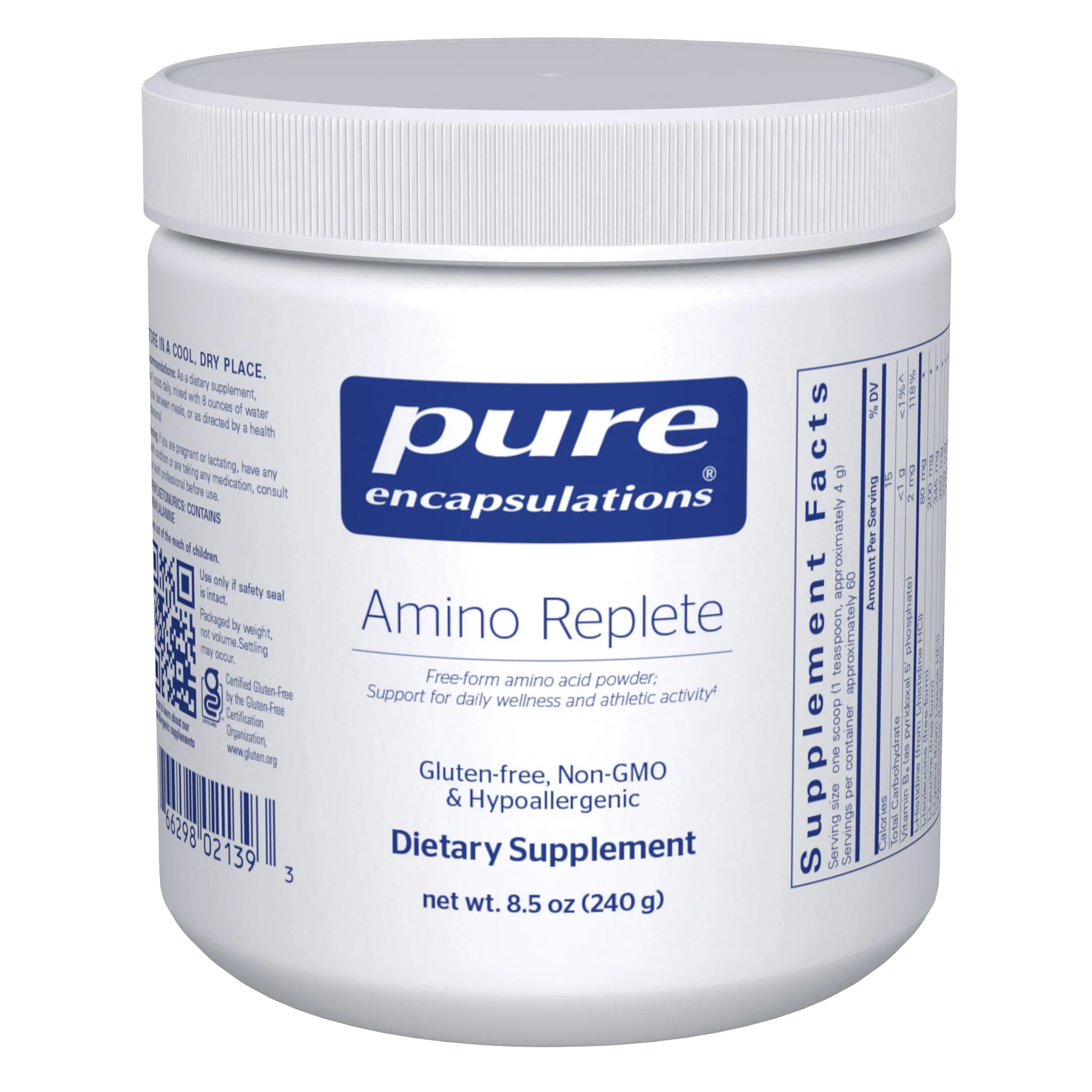
In the search for validating, science-backed management strategies, medical researchers are increasingly looking at the foundational building blocks of human biology: amino acids. These vital molecules do far more than just build muscle; they are the direct fuel for our mitochondria, the precursors to our brain's chemical messengers, and the primary defenders of our immune system. Amino Replete by Pure Encapsulations is a comprehensive free-form amino acid powder designed to deliver these critical nutrients in a highly bioavailable format. By providing the exact molecular substrates the body needs to bypass metabolic roadblocks, this targeted supplementation aims to support protein synthesis, enhance mitochondrial energy production, and promote healthy neurotransmitter function for those navigating the complexities of chronic invisible illness.
TL;DR
Amino acids are essential building blocks that support cellular energy, immune function, and neurotransmitter synthesis.
Chronic illnesses like Long COVID and ME/CFS disrupt amino acid metabolism, driving fatigue and brain fog.
Free-form amino acid supplements offer rapid absorption, bypassing compromised digestive systems for immediate metabolic support.
Targeted amino acids may help manage post-exertional malaise, cognitive dysfunction, and immune dysregulation.
What is Amino Replete?
The Fundamental Building Blocks of Human Biochemistry
To understand the profound impact of Amino Replete, we must first look at the role of amino acids at the molecular level. Amino acids are organic compounds composed of nitrogen, carbon, hydrogen, and oxygen, along with a variable side chain group. They are universally recognized as the fundamental building blocks of proteins, which make up the structural framework of our cells, tissues, and organs. However, their role extends far beyond structural integrity. Amino acids are dynamic metabolic controllers; they act as the raw materials for synthesizing enzymes, hormones, and neurotransmitters. In a healthy body, these molecules are in a constant state of flux, being broken down and reassembled to meet the immediate physiological demands of the nervous, immune, and cardiovascular systems.
There are twenty standard amino acids required for human health, categorized into essential and non-essential groups. Essential amino acids cannot be synthesized by the body and must be obtained entirely through diet or supplementation. Non-essential amino acids can typically be synthesized internally, but during periods of severe metabolic stress, chronic infection, or prolonged inflammation, the body's demand for them can drastically outpace its ability to produce them. In these states, they become "conditionally essential." Amino Replete provides a comprehensive blend of both essential and conditionally essential amino acids, meticulously formulated in the specific ratios found naturally in high biological value (BV) protein sources, ensuring optimal utilization by the body's cellular machinery.
The Unique Advantage of Free-Form Delivery
When you consume intact dietary protein—such as a piece of chicken or a whey protein shake—your body must undergo a complex, energy-intensive digestive process. The stomach releases hydrochloric acid and pepsin to begin denaturing the complex, folded protein structures. As the partially digested proteins move into the small intestine, pancreatic enzymes further cleave them into smaller polypeptide chains, dipeptides, and eventually single amino acids. For individuals with chronic illnesses like Long COVID or ME/CFS, who often suffer from gastrointestinal dysmotility, reduced stomach acid, or compromised gut linings, this digestive burden can be overwhelming, leading to malabsorption and systemic nutrient deficiencies.
This is where the "free-form" aspect of Amino Replete becomes clinically significant. Free-form amino acids are single, unbound molecules that have already been separated from complex protein structures. Because they are essentially "pre-digested," they completely bypass the stomach's and pancreas's enzymatic breakdown processes. Upon entering the small intestine, they are rapidly absorbed through specific active transport channels directly into the bloodstream. Clinical research on amino acid pharmacokinetics demonstrates that free-form powders yield significantly faster absorption kinetics and higher peak bioavailability in blood plasma compared to intact proteins. This rapid influx provides immediate metabolic support without taxing an already compromised digestive system.
A Masterclass in Targeted Ingredients
The formulation of Amino Replete is a masterclass in targeted biochemical support, featuring a precise blend of 15 distinct amino acids alongside a crucial vitamin cofactor. The inclusion of Vitamin B6 (as pyridoxal 5' phosphate, or P5P) is a critical design choice. P5P is the active, coenzyme form of Vitamin B6, meaning it does not require conversion by the liver. It serves as an essential cofactor for over 140 enzymatic reactions in the body, specifically the transamination and decarboxylation processes required to convert amino acids into neurotransmitters like serotonin and dopamine. Without adequate P5P, even the most abundant supply of amino acids cannot be properly utilized by the nervous system.
The formula heavily features the Branched-Chain Amino Acids (BCAAs)—L-Leucine, L-Isoleucine, and L-Valine. Unlike other amino acids that are metabolized in the liver, BCAAs are oxidized directly in skeletal muscle and the brain, serving as a rapid, alternative fuel source for mitochondrial ATP production. Alongside the BCAAs are the neuro-precursors: L-Tyrosine, L-Tryptophan, and L-Phenylalanine, which provide the exact molecular scaffolding needed to synthesize catecholamines (dopamine, norepinephrine) and indolamines (serotonin, melatonin). This targeted combination addresses both the physical energy deficits and the cognitive dysfunction that so frequently plague patients with complex chronic conditions.
To round out the systemic support, Amino Replete includes a robust profile of immune and structural amino acids. L-Glutamine is provided in a high dose (439 mg) to fuel immune cell proliferation and support the integrity of the intestinal mucosal barrier. L-Arginine serves as the primary precursor for nitric oxide synthesis, a crucial molecule for regulating vascular tone and healthy blood flow—a common issue in dysautonomia and POTS. Meanwhile, Glycine and L-Serine act as vital neuromodulators and necessary components for the synthesis of glutathione, the body's master intracellular antioxidant. Together, this comprehensive matrix provides the raw materials necessary for holistic cellular repair.
How Long COVID and ME/CFS Impact Amino Acid Metabolism
Viral Hijacking and the Glutamine Drain
To comprehend why amino acid supplementation is so vital, we must examine how conditions like Long COVID and ME/CFS fundamentally alter cellular metabolism. When a virus such as SARS-CoV-2 infects a host, it cannot replicate on its own; it must hijack the host cell's metabolic machinery to build viral particles. To achieve this, the virus triggers a process called "glutaminolysis," drastically increasing the host cell's consumption of the amino acid glutamine. The virus forces the conversion of glutamine into alpha-ketoglutarate to feed the tricarboxylic acid (TCA) cycle, generating the massive amounts of ATP, nucleotides, and lipids required for viral assembly. This parasitic hijacking rapidly depletes the body's systemic glutamine stores.
This glutamine drain has devastating downstream consequences for the immune system. Glutamine is the primary metabolic fuel for lymphocytes and macrophages, and it is a mandatory precursor for the synthesis of glutathione (GSH), the cell's master antioxidant. As glutamine levels plummet, glutathione production halts, plunging the cellular environment into a state of severe oxidative stress. Recent clinical investigations into severe COVID-19 have revealed that pre-existing glutamine deficiency is a profound predisposition to severe viral outcomes, leading to exaggerated inflammatory cytokine release and widespread tissue damage. This vicious cycle of viral replication and antioxidant depletion leaves patients trapped in a state of chronic, systemic inflammation long after the acute infection has cleared.
The Tryptophan Steal and Serotonin Depletion
Beyond immune exhaustion, chronic illness wreaks havoc on the brain's delicate neurochemical balance, particularly regarding the essential amino acid tryptophan. Under healthy conditions, tryptophan is absorbed from the diet and converted into serotonin, a critical neurotransmitter for mood regulation, memory consolidation, and gut motility. However, a landmark October 2023 study published in the journal Cell by researchers at Penn Medicine uncovered a unified mechanism for Long COVID brain fog involving a profound disruption of this pathway. The researchers discovered that lingering viral fragments in the gut trigger persistent, interferon-driven inflammation, which actively suppresses the intestinal transporters required to absorb dietary tryptophan.
Furthermore, the systemic inflammation seen in ME/CFS and Long COVID activates an enzyme called indoleamine 2,3-dioxygenase (IDO). The IDO enzyme acts as a metabolic switch, forcefully shunting whatever little tryptophan is available away from serotonin synthesis and down the "kynurenine pathway." Instead of producing feel-good serotonin, the body begins churning out neurotoxic metabolites like quinolinic acid. Quinolinic acid overstimulates NMDA receptors in the brain, causing severe neuroinflammation and excitotoxicity. This "tryptophan steal" results in a catastrophic drop in peripheral serotonin, which disconnects vagus nerve signaling to the hippocampus, directly manifesting as the severe memory loss and cognitive brain fog that patients experience daily.
Dopamine Dysfunction and the Loss of Executive Function
The neurochemical disruption extends equally to the catecholamine pathways, specifically involving the amino acid tyrosine. Tyrosine is the foundational building block for dopamine, the neurotransmitter responsible for executive function, motivation, motor coordination, and sustained mental effort. For tyrosine to become dopamine, it must be converted by a rate-limiting enzyme known as tyrosine hydroxylase. In states of chronic neuroinflammation, pro-inflammatory cytokines such as Interleukin-6 (IL-6) and Tumor Necrosis Factor-alpha (TNF-α) actively suppress the expression and activity of tyrosine hydroxylase. Even if a patient consumes adequate protein, this inflammatory blockade prevents the brain from efficiently synthesizing dopamine.
This biochemical dopamine deficit is a primary driver of the profound, crushing lethargy and loss of motivation seen in ME/CFS and Long COVID. The brain's basal ganglia, which rely heavily on dopamine signaling to initiate physical movement and cognitive tasks, are essentially starved of their primary chemical messenger. When patients describe feeling as though their limbs are made of lead, or that initiating a simple task feels like climbing a mountain, this is not a psychological lack of willpower; it is a measurable, physiological failure of tyrosine metabolism and dopamine synthesis induced by chronic systemic inflammation. Understanding this complex pathophysiology is crucial, and you can learn more about how Long COVID can trigger ME/CFS in our detailed clinical guides.
Amino Replete: Supporting Cellular Energy and Cognitive Function
BCAAs and the Direct Fueling of the Citric Acid Cycle
Amino Replete is specifically engineered to bypass these metabolic roadblocks and deliver targeted support directly to the cellular machinery. The inclusion of the Branched-Chain Amino Acids (BCAAs)—L-Leucine, L-Isoleucine, and L-Valine—is particularly crucial for combating the severe energy deficits of ME/CFS and Long COVID. Inside the mitochondrial matrix, BCAAs undergo transamination by the enzyme BCAT, followed by oxidative decarboxylation by the BCKDH complex. This intricate enzymatic process converts leucine directly into Acetyl-CoA, while valine is converted into Succinyl-CoA. These molecules are vital intermediates that feed directly into the tricarboxylic acid (TCA) cycle, also known as the Krebs cycle.
By feeding directly into the TCA cycle, BCAAs bypass the traditional, often dysfunctional glycolysis pathways, providing a rapid and highly efficient alternative source of ATP generation. Furthermore, BCAAs act as powerful signaling molecules that stimulate the creation of entirely new mitochondria, a process known as mitochondrial biogenesis. A breakthrough October 2025 study published in Nature Cell Biology revealed that leucine specifically prevents the degradation of outer mitochondrial membrane proteins by downregulating a quality-control protein called SEL1L. By stabilizing these surface proteins, leucine allows mitochondria to function much more efficiently, rapidly boosting cellular energy production and maximizing power output during times of metabolic stress.
Restoring the Glutamine-Glutathione Axis for Immune Defense
To counteract the viral hijacking and oxidative stress detailed earlier, Amino Replete provides a substantial 439 mg dose of free-form L-Glutamine per serving. By supplying exogenous glutamine, the supplement provides the exact substrate the body needs to rebuild its depleted glutathione stores. When glutamine is abundant, it is converted into glutamate, which then combines with cysteine and the included free-form Glycine to synthesize fresh glutathione. This rapid replenishment of the body's master antioxidant shifts the intracellular environment from a damaging, pro-oxidant state back to a balanced, healthy cellular redox state.
Restoring the glutamine-glutathione axis is paramount for immune recovery. Adequate intracellular glutathione protects fragile mitochondrial membranes from reactive oxygen species (ROS) damage and is fundamentally required for optimal T-cell proliferation. Furthermore, balanced glutathione levels help fine-tune the innate immune response, promoting healthy macrophage polarization and preventing the exaggerated, hyper-inflammatory cytokine release that drives so many systemic symptoms. By supporting this axis, Amino Replete helps quiet the chronic immune alarm state, allowing the body to redirect its energy resources toward cellular repair and recovery. Supporting cellular energy is a multi-faceted approach, often involving other targeted therapies, as discussed in our guide on whether CoQ10 can support energy levels.
Providing the Precursors for Neurotransmitter Synthesis
To address the debilitating brain fog and cognitive dysfunction, Amino Replete delivers the precise molecular precursors needed to bypass the inflammatory blockades in the brain. By providing free-form L-Tyrosine and L-Tryptophan, the formula floods the systemic circulation with the raw materials required for neurotransmitter synthesis. Because these amino acids are in their free form, they rapidly cross the blood-brain barrier, increasing the substrate concentration available to the rate-limiting enzymes. This mass-action effect can help push the biochemical equilibrium forward, encouraging the synthesis of dopamine and serotonin even in the presence of inflammatory cytokines.
The inclusion of Vitamin B6 as P5P is the linchpin of this neuro-supportive strategy. P5P acts as the mandatory spark plug for the aromatic L-amino acid decarboxylase enzyme, which is responsible for the final conversion steps of both L-DOPA into dopamine and 5-HTP into serotonin. By ensuring that this critical cofactor is abundantly available in its active form, Amino Replete maximizes the brain's ability to convert the provided amino acids into functional, mood-elevating, and cognition-enhancing neurotransmitters. This targeted neurochemical support is vital for lifting the heavy veil of brain fog and restoring a sense of mental clarity and motivation.

Symptoms Amino Replete May Help Manage
Targeted Symptom Support
Because amino acids are involved in virtually every metabolic and neurological process in the body, the comprehensive blend in Amino Replete targets a wide array of interconnected symptoms experienced by patients with complex chronic illnesses. Here is a breakdown of the specific symptoms this formulation may help manage:
Debilitating Fatigue and Post-Exertional Malaise (PEM): By providing BCAAs (Leucine, Isoleucine, Valine) that feed directly into the mitochondrial TCA cycle, the supplement offers an alternative, highly efficient source of ATP generation. This helps bypass dysfunctional metabolic pathways, potentially raising the patient's energy envelope and reducing the severity of post-exertional crashes.
Cognitive Dysfunction and Brain Fog: The inclusion of L-Tyrosine and L-Tryptophan, paired with the active P5P form of Vitamin B6, provides the necessary precursors to synthesize dopamine and serotonin. Overcoming these neurochemical deficits can help restore executive function, improve memory consolidation, and lift the heavy mental fatigue associated with brain fog.
Immune Dysregulation and Frequent Infections: High-dose L-Glutamine and Glycine provide the essential building blocks to replenish intracellular glutathione levels. This master antioxidant neutralizes the oxidative stress that drives chronic inflammation, while simultaneously fueling the proliferation of healthy T-cells and macrophages to support a balanced immune response.
Mood Disturbances and Loss of Motivation: Chronic illness often induces a state of physiological depression due to the inflammatory suppression of catecholamine synthesis. By flooding the system with dopamine precursors (Tyrosine and Phenylalanine), Amino Replete supports the basal ganglia's function, helping to restore a sense of drive, motivation, and positive mood.
Muscle Weakness and Poor Recovery: The essential amino acids in the formula, particularly the BCAAs, are potent stimulators of the mTORC1 pathway, which governs muscle protein synthesis. This helps combat the muscle wasting and profound physical weakness that often accompanies prolonged periods of bedbound rest or severe energy limitation.
Vascular Dysfunction and Poor Blood Flow: L-Arginine serves as the direct precursor to nitric oxide, a critical signaling molecule that tells blood vessels to relax and dilate. Supporting nitric oxide production can help improve endothelial function and systemic blood flow, which is often impaired in patients dealing with dysautonomia and POTS.
The Interconnected Nature of Chronic Symptoms
It is crucial to recognize that the symptoms of Long COVID, ME/CFS, and dysautonomia do not exist in isolation; they are deeply interconnected manifestations of systemic metabolic failure. The profound fatigue exacerbates the brain fog, the immune dysregulation drives the neuroinflammation, and the vascular dysfunction limits the delivery of oxygen to struggling mitochondria. By providing a comprehensive, full-spectrum amino acid blend, Amino Replete attempts to address multiple failure points simultaneously.
Rather than playing "whack-a-mole" with individual symptoms using isolated supplements, providing the body with its fundamental building blocks allows the cellular machinery to prioritize repair where it is needed most. Whether the body uses the supplied L-Glutamine to heal a permeable gut lining, fuel a macrophage, or build glutathione, the systemic availability of these free-form nutrients ensures that no critical pathway is left starved of its necessary substrates. For a deeper understanding of how these systemic issues overlap, you can explore our resources on whether a gut-brain reset can help manage Long COVID symptoms.
Practical Considerations: Forms, Dosing, and Absorption
Maximizing Bioavailability and Absorption
To achieve the maximum clinical benefit from Amino Replete, understanding the pharmacokinetics of free-form amino acids is essential. Because these molecules are unbound and do not require enzymatic digestion, they are absorbed rapidly through specific active transport channels in the small intestine. However, these transport channels have a limited capacity and can become saturated. If you consume free-form amino acids alongside a heavy meal containing intact dietary proteins, the resulting influx of peptides can compete for these transporters, significantly slowing down absorption and blunting the rapid spike in blood plasma levels that makes free-form supplementation so effective.
For this reason, it is highly recommended to take Amino Replete on an empty stomach, typically 30 to 60 minutes before a meal, or at least two hours after eating. Mixing the powder (approximately 4 grams per scoop) into 8 ounces of water or a light, non-protein juice ensures rapid gastric emptying. Staying adequately hydrated is also crucial, as the transport of amino acids across the intestinal lumen is a sodium-dependent process that requires proper fluid balance. By optimizing the timing and delivery method, you ensure that the delicate neuro-precursors and BCAAs reach the systemic circulation swiftly and efficiently.
Optimal Timing and Dosing Strategies
The timing of your amino acid supplementation can be tailored to support your specific symptom profile and daily energy envelope. For patients struggling with severe morning fatigue and sleep inertia, taking Amino Replete first thing in the morning upon waking can provide a rapid influx of TCA cycle intermediates (BCAAs) and dopamine precursors (Tyrosine) to help kickstart mitochondrial energy production and cognitive alertness. This early morning dose can help clear the initial wave of brain fog and provide the metabolic momentum needed to begin the day.
Alternatively, for those who experience predictable afternoon crashes or severe post-exertional malaise (PEM) following cognitive or physical effort, strategically timing the dose 30 minutes prior to the anticipated exertion can be highly beneficial. This "pre-loading" strategy ensures that the blood plasma is rich with circulating amino acids precisely when the cellular demand for ATP and neurotransmitters peaks, potentially raising the threshold for a crash. It is important to start with the suggested use of one serving daily and monitor your body's response, adjusting the timing to best fit your unique metabolic rhythm.
Safety, Contraindications, and Potential Interactions
While free-form amino acids are generally recognized as safe and are naturally occurring compounds, their concentrated delivery requires careful consideration, particularly for patients with complex chronic illnesses or those on multiple prescription medications. Because Amino Replete contains L-Tryptophan and L-Tyrosine, which directly influence serotonin and dopamine levels, patients taking Selective Serotonin Reuptake Inhibitors (SSRIs), Monoamine Oxidase Inhibitors (MAOIs), or medications for Parkinson's disease must exercise caution. Combining high doses of these precursors with reuptake inhibitors can theoretically increase the risk of serotonin syndrome or excessive catecholamine stimulation.
Additionally, individuals with severe hepatic (liver) or renal (kidney) impairment should consult their physician before introducing high-dose amino acid supplements, as the metabolism and excretion of nitrogenous waste products rely heavily on these organs. It is also worth noting that while L-Arginine supports healthy blood flow, it can occasionally trigger viral replication in individuals prone to frequent Herpes Simplex Virus (HSV) outbreaks, as the virus utilizes arginine for replication. Always consult with a knowledgeable healthcare provider or your RTHM medical team before integrating Amino Replete into your management protocol to ensure it aligns safely with your specific clinical picture.
Follow the Science
Clinical Trials on Amino Acids and Post-Viral Fatigue
The clinical landscape surrounding amino acid supplementation for post-viral syndromes is rapidly evolving, with several major trials highlighting their therapeutic potential. One of the most promising investigations is the AXA1125 clinical trial conducted by the University of Oxford. This Phase 2a randomized, double-blind, placebo-controlled trial tested a proprietary blend of five amino acids (Leucine, Isoleucine, Valine, Arginine, and Glutamine) combined with N-acetylcysteine on 41 patients suffering from severe Long COVID fatigue. The researchers hypothesized that this specific combination would simultaneously improve mitochondrial function, support the citric acid cycle, and replenish glutathione to reduce systemic inflammation.
The results of the Oxford trial were highly encouraging. After four weeks of supplementation, patients taking the amino acid blend showed a statistically significant reduction in both physical and cognitive fatigue compared to the placebo group, as measured by the Chalder Fatigue Questionnaire. Furthermore, participants demonstrated improved mitochondrial health markers and walked significantly further in a 6-minute walk test. This trial provides robust, placebo-controlled evidence that targeted, multi-ingredient amino acid therapy can directly mitigate the profound energy deficits associated with post-viral syndromes.
Breakthroughs in Neurotransmitter and Brain Fog Research
Our understanding of how chronic illness drives cognitive dysfunction has been revolutionized by recent discoveries regarding amino acid metabolism. The landmark study published in Cell by Penn Medicine provided the first unified mechanism for Long COVID brain fog, explicitly linking viral-induced gut inflammation to the malabsorption of dietary tryptophan. By demonstrating that this tryptophan depletion leads directly to a loss of peripheral serotonin and a subsequent disconnect in vagus nerve signaling to the brain, researchers validated the profound neurological symptoms reported by millions of patients. This research underscores the critical importance of utilizing highly bioavailable, free-form precursors to bypass compromised gastrointestinal absorption.
Parallel research into ME/CFS has further illuminated the "metabolic trap" of the kynurenine pathway. Comprehensive models of ME/CFS pathophysiology show that chronic innate inflammation forces the IDO enzyme to shunt tryptophan away from serotonin production, generating neurotoxic metabolites instead. Similarly, studies have documented the inflammatory suppression of tyrosine hydroxylase, starving the brain of dopamine. These findings highlight that brain fog and loss of motivation are not psychological constructs, but rather the direct result of measurable, inflammation-driven disruptions in amino acid synthesis, providing a clear rationale for targeted precursor supplementation.
The Glutamine and Immune Connection in Viral Infections
The critical interplay between amino acids and immune function has been a major focus of recent virology research. Clinical investigations into the pathogenesis of SARS-CoV-2 have consistently shown that the virus forcibly upregulates host cell glutaminolysis to fuel its own replication. This parasitic hijacking rapidly depletes intracellular glutamine stores, leading to a catastrophic drop in glutathione production and severe oxidative stress. Researchers have identified that pre-existing glutamine deficiency is a strong predictor of severe viral outcomes and prolonged post-viral inflammation.
Furthermore, recent studies identifying CD8 T-cell dysfunction in both ME/CFS and Long COVID patients emphasize the need for robust antioxidant support. The research indicates that immune cells in these patients are functionally exhausted and produce markedly fewer protective cytokines when stimulated. By supplementing with high-dose glutamine and glycine, the fundamental building blocks of glutathione, therapies aim to restore the cellular redox balance, protect fragile immune cells from oxidative damage, and support the recovery of a functional, balanced immune response. For more information on antioxidant support, see our guide on whether NAC can support detoxification and respiratory health.
The Path Forward
Validating the Invisible Struggle
Living with a complex, energy-limiting chronic illness is an incredibly isolating experience. When routine blood panels return "normal" and traditional medical advice suggests simply "pushing through" the fatigue, it is easy to feel dismissed and invalidated. But the crushing exhaustion, the heavy brain fog, and the unpredictable post-exertional crashes you experience are not in your head. As the rapidly expanding body of scientific research proves, these symptoms are rooted in profound, measurable disruptions to your body's fundamental biochemical pathways. The viral hijacking of your amino acid metabolism, the inflammatory blockade of your neurotransmitters, and the oxidative stress damaging your mitochondria are very real, physiological battles happening at the cellular level every single day.
A Comprehensive Approach to Healing
While the science behind free-form amino acid supplementation is highly promising, it is important to remember that there is no single "magic pill" for conditions as complex as Long COVID, ME/CFS, or dysautonomia. Amino Replete is designed to be a powerful tool within a broader, comprehensive management strategy. Rebuilding cellular energy and restoring neurochemical balance requires a multi-faceted approach that includes aggressive rest, meticulous symptom tracking, and strict adherence to pacing to ensure you do not exceed your fragile energy envelope. Providing your body with the right molecular building blocks is a crucial step, but it must be paired with an environment that allows those building blocks to be used for repair rather than constant crisis management.
Taking the Next Step
Navigating the path to recovery is a marathon, not a sprint, and finding the right combination of supportive therapies takes time, patience, and expert guidance. By understanding the deep biochemical mechanisms driving your symptoms, you are empowering yourself to make informed decisions about your health. If you are struggling with profound fatigue, cognitive dysfunction, or immune dysregulation, targeted amino acid support may provide the essential substrates your body desperately needs to begin the healing process.
Disclaimer: The information provided in this blog is for educational purposes only and is not intended as a substitute for professional medical advice, diagnosis, or treatment. Always consult your healthcare provider before starting any new supplement regimen, especially if you have complex chronic conditions or are taking prescription medications.
Sources
University of Oxford: AXA1125 Clinical Trial on Amino Acids and Long COVID Fatigue
Cell (Penn Medicine): Serotonin Reduction and Tryptophan Malabsorption in Long COVID
Nature Cell Biology: Leucine Enhances Mitochondrial Energy Production
Brain, Behavior, & Immunity: CD8 T-cell dysfunction in ME/CFS and Long COVID
International Journal of Molecular Sciences: Towards a Better Understanding of ME/CFS and Long COVID
The Journal of Nutrition: Free-Form Amino Acids vs Intact Protein Absorption Kinetics