Can Zinc Citrate Support Immune Recovery in Long COVID and ME/CFS?
March 5, 2026
Zinc CitrateLong COVIDME/CFS
Share:
Disclaimer: The information provided here is for educational purposes only and is not intended as medical advice. It should not be used to diagnose, treat, cure, or prevent any medical condition. Instead, use it as a starting point for discussion with your healthcare provider. Always consult with a qualified healthcare provider before starting any new medication, supplement, device, or making changes to your health regimen.
In the wake of the COVID-19 pandemic, millions of individuals have found themselves navigating the complex, unpredictable, and often debilitating terrain of post-viral chronic illness. If you are living with Long COVID, myalgic encephalomyelitis/chronic fatigue syndrome (ME/CFS), mast cell activation syndrome (MCAS), or dysautonomia, you are likely intimately familiar with the frustration of lingering symptoms. From profound post-exertional malaise (PEM) and brain fog to sudden allergic reactions and racing heart rates, these conditions reflect a profound disruption in the body’s foundational systems. As researchers dive deeper into the root causes of these post-viral cascades, one critical piece of the puzzle continues to emerge: the profound impact of trace mineral depletion, specifically zinc.
Zinc is not merely a background nutrient; it is widely recognized by immunologists as the "gatekeeper" of the human immune system. During an acute viral infection, the body rapidly consumes its zinc stores to mount a defense. However, if these stores are not adequately replenished, the resulting deficiency can trap the body in a vicious cycle of chronic inflammation, immune dysregulation, and oxidative stress. In this comprehensive guide, we will explore the intricate biochemistry of zinc citrate, a highly bioavailable form of this essential mineral. We will delve into how viral infections deplete zinc, how this depletion fuels the symptoms of Long COVID and ME/CFS, and how targeted supplementation may help stabilize mast cells, regulate immune responses, and support your journey toward recovery.
What is Zinc Citrate?
The Essential Trace Mineral and "Gatekeeper" of Immunity
Zinc is the second most abundant trace metal in the human body, surpassed only by iron. It is a fundamental structural component required for the integrity of over 2,000 transcription factors and serves as a vital catalytic cofactor for more than 300 different enzymatic reactions. In a healthy body, zinc is involved in almost every major physiological process, from DNA synthesis and cell division to tissue repair and metabolic function. However, its most critical and heavily researched role lies within the immune system, where it acts as a central regulator of both innate and adaptive immunity. Without adequate zinc, the immune system cannot properly identify pathogens, nor can it effectively stand down once a threat has been neutralized, leading to the chronic inflammation seen in many autoimmune and immune dysregulation conditions.
At the molecular level, zinc is a strict structural requirement for the formation of "zinc finger" proteins. These specialized transcription factors bind directly to DNA to govern the gene expression necessary for the development, differentiation, and survival of immune cells. For example, zinc is required for the activation of PU.1, a transcription factor essential for myelopoiesis (the creation of white blood cells in the bone marrow). Furthermore, zinc acts as a cofactor for thymulin, a hormone produced by the thymus gland that drives the maturation of T-cells. A deficiency in zinc leads to rapid thymic atrophy and shifts the delicate balance of T-helper cells away from a protective antiviral state (Th1) and toward a hyper-reactive, allergy-prone state (Th2).
Intracellular Signaling and "Zinc Waves"
Beyond its classical role as a structural building block, modern biochemistry has revealed that free intracellular zinc acts as a highly dynamic "second messenger," functioning much like calcium in cellular signaling. When immune cells are exposed to extracellular stimuli—such as binding to cytokines, growth factors, or recognizing a pathogen via Toll-like receptors (TLRs)—the cell triggers a rapid, transient release of free zinc from intracellular storage compartments like the endoplasmic reticulum. These rapid fluctuations are known in the scientific community as "zinc waves" or early zinc signaling.
These zinc waves occur within minutes of a stimulus and are responsible for transducing outside signals into actionable biological responses within the cell. One of the primary ways zinc exerts this control is by directly targeting and inhibiting Protein Tyrosine Phosphatases (PTPs), such as the CD45 enzyme. By binding to the catalytic center of these phosphatases, zinc prevents them from dephosphorylating target proteins. This targeted inhibition effectively prolongs the protein tyrosine phosphorylation signals that are absolutely essential for sustained, effective immune cell activation. In essence, zinc waves ensure that the immune system's communication lines remain open and active during an active threat.
The Thymus and Immune Regeneration
Recent groundbreaking research has further illuminated zinc's role in rebuilding a damaged immune system. A 2022 animal-model study conducted by immunologists at the Fred Hutchinson Cancer Research Center mapped the exact mechanisms by which zinc regenerates the thymus after severe damage (such as radiation or severe viral assault). The researchers discovered that as developing T-cells mature in the thymus, they naturally accumulate high concentrations of intracellular zinc. If a damaging event causes these T-cells to die, they burst, releasing a massive "flood" of zinc into the surrounding extracellular space.
This sudden spike in extracellular zinc is detected by a specific receptor known as the GPR39 receptor, located on neighboring cells. The activation of GPR39 triggers the release of a regenerative molecule called BMP4, which acts as a powerful signal forcing the thymus to rebuild and regenerate the immune system from scratch. This discovery highlights that zinc is not just necessary for daily immune maintenance; it is the fundamental biochemical trigger required for profound immune system repair following a catastrophic biological event, such as a severe acute viral infection.
The Citrate Advantage
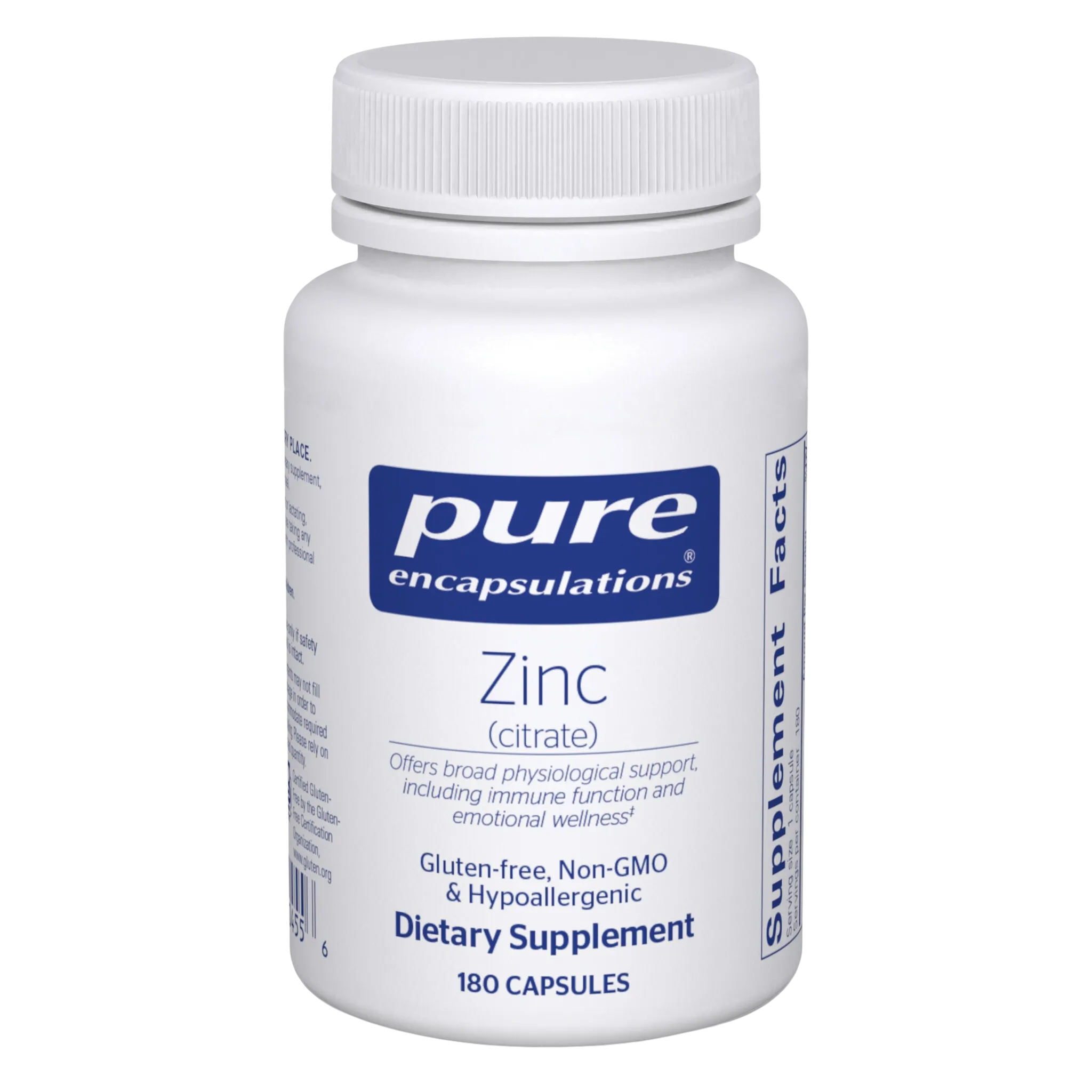
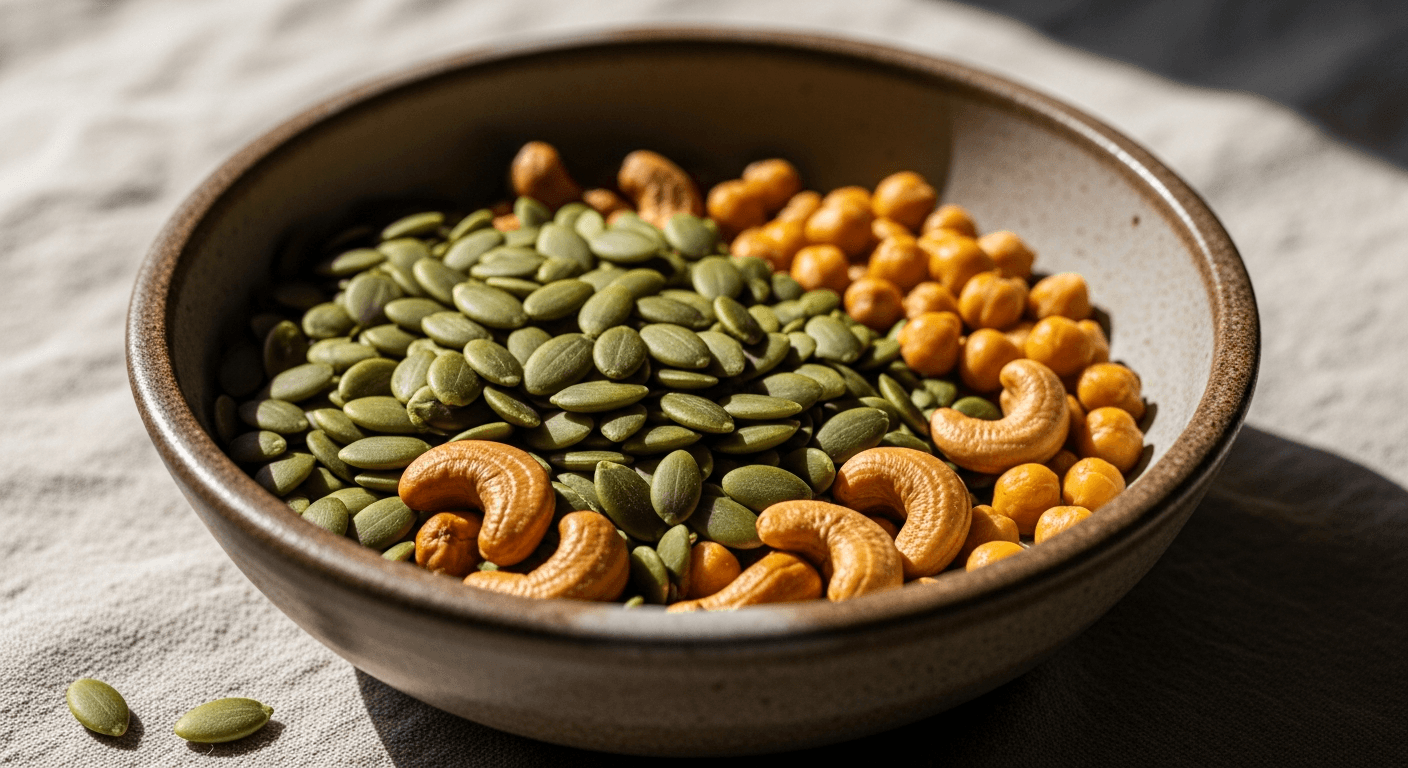
While zinc is naturally found in foods like oysters, beef, and pumpkin seeds, achieving therapeutic levels often requires supplementation, especially when the body is in a state of chronic depletion. Zinc citrate is an organic zinc salt created by combining zinc with citric acid. This specific chemical formulation is highly valued in clinical nutrition because it offers exceptional bioavailability—meaning it is easily absorbed across the intestinal lining and utilized by the cells. Unlike cheaper, inorganic forms of zinc (such as zinc oxide) which rely heavily on strong stomach acid to be broken down, zinc citrate is highly soluble and well-tolerated by the gastrointestinal tract, making it an ideal choice for individuals with sensitive digestion or chronic illness.
How Long COVID and ME/CFS Impact Zinc Levels
Viral Depletion and the Acute Infection Toll
To understand what causes Long COVID and ME/CFS, we must first look at the acute phase of the triggering viral infection. When a virus like SARS-CoV-2 or Epstein-Barr Virus (EBV) enters the body, the immune system immediately ramps up its demand for zinc. Zinc is utilized rapidly to inhibit viral replication, modulate the inflammatory response, and produce targeted antibodies. Because the body does not have a massive, specialized storage system for zinc (unlike iron or fat-soluble vitamins), an acute, severe infection can rapidly deplete circulating zinc levels. If the patient entered the infection with suboptimal zinc levels—a common occurrence due to modern diets and chronic stress—this depletion becomes profound.
This acute drop in zinc leaves the body vulnerable in the aftermath of the infection. Without adequate zinc to act as a "brake" on the immune system, the inflammatory response fails to resolve properly. This failure to clear the inflammatory state is a hallmark of post-viral syndromes. The immune system remains locked in a state of hyper-vigilance, continuously producing pro-inflammatory cytokines that damage host tissues, disrupt the blood-brain barrier, and exhaust cellular energy reserves.
Persistent Inflammation and Fibrinogen in Long COVID
In the context of Long COVID, researchers have identified a clear and concerning link between zinc deficiency and persistent systemic inflammation. A December 2023 study published in the Journal of Trace Elements in Medicine and Biology analyzed cohorts of Long COVID patients and found that 27.3% exhibited clinical zinc deficiency. Crucially, the researchers noted that patients with zinc deficiency had significantly higher levels of fibrinogen compared to those with sufficient zinc. Fibrinogen is a protein essential for blood clotting, and chronically elevated levels are a primary driver of the microclots and vascular inflammation frequently observed in Long COVID.
When zinc is depleted, the body loses one of its primary antioxidant defenses, allowing oxidative stress to run rampant. This oxidative stress damages the endothelial cells lining the blood vessels, triggering a continuous clotting cascade. The resulting microclots impair oxygen delivery to tissues, directly contributing to the profound fatigue, muscle pain, and cognitive dysfunction (brain fog) that Long COVID patients experience. This is why addressing trace mineral deficiencies is often considered alongside therapies like A.I. enzymes for managing microclots. Furthermore, a 2024 retrospective study utilizing the TriNetX database found that Long COVID patients with preexisting zinc deficiency had statistically higher rates of long-term hospitalization, underscoring the mineral's critical protective role.
ME/CFS, T-Cell Exhaustion, and Oxidative Stress
Myalgic encephalomyelitis/chronic fatigue syndrome (ME/CFS) is a complex, multi-system disease characterized by debilitating fatigue, post-exertional malaise (PEM), and profound immune dysfunction. Foundational research by immunologists, including studies led by Dr. Michael Maes, has consistently demonstrated that serum zinc levels are significantly lower in ME/CFS patients compared to healthy controls. More importantly, this research revealed a direct, negative correlation between serum zinc levels and the severity of the illness—meaning the lower the patient's zinc levels, the more severe their subjective experience of fatigue, cognitive impairment, and recurrent infections.
In ME/CFS, low zinc strongly correlates with defective early T-cell activation pathways. Studies have shown that zinc-deficient ME/CFS patients exhibit a marked decrease in the expression of CD69+ activation markers on CD3+ and CD8+ T-cells. This indicates a state of "immune exhaustion," where the T-cells are unable to mount an effective defense against latent pathogens. This exhaustion allows opportunistic viruses, such as Epstein-Barr Virus (EBV) or Human Herpesvirus 6 (HHV-6), to reactivate, driving a continuous cycle of neuro-inflammation and mitochondrial dysfunction. Because zinc is a potent antioxidant, its absence also allows unchecked oxidative stress to damage delicate lipid membranes and mitochondrial structures, severely impairing the body's ability to produce cellular energy (ATP).
The Vagus Nerve and Dysautonomia Connection
Dysautonomia, particularly Postural Orthostatic Tachycardia Syndrome (POTS), is a frequent comorbid condition in both Long COVID and ME/CFS. It involves the malfunction of the autonomic nervous system, which controls involuntary functions like heart rate, blood pressure, and digestion. The vagus nerve serves as the main highway of the parasympathetic ("rest and digest") nervous system, and its dysfunction is central to the pathology of dysautonomia.
When zinc is depleted due to chronic post-viral inflammation, vagal tone is impaired. This impairment contributes to the gastrointestinal dysmotility, nausea, and erratic heart rates characteristic of POTS. Furthermore, patients with dysautonomia often suffer from comorbid digestive issues, such as irritable bowel syndrome (IBS) or Mast Cell Activation Syndrome (MCAS), which further inhibit the absorption of dietary nutrients. This creates a vicious cycle: post-viral inflammation depletes zinc, the resulting deficiency damages the vagus nerve and gut lining, and the damaged gut is then unable to absorb the zinc needed for repair. Breaking this cycle often requires highly bioavailable, easily absorbed supplements like zinc citrate.
Zinc Citrate: Supporting Immune Function and Mast Cell Stabilization
Stabilizing Mast Cells and Calcium Antagonism
Mast Cell Activation Syndrome (MCAS) is a condition where mast cells—the immune system's first responders—become hypersensitive and inappropriately release massive amounts of inflammatory mediators, including histamine, into the body. This inappropriate degranulation triggers a cascade of systemic symptoms, ranging from hives and flushing to severe brain fog, tachycardia, and gastrointestinal distress. Zinc plays a highly complex, dual role in mast cell biology, acting as a potent mast cell stabilizer when present in optimal physiological concentrations. For patients utilizing medications like Ketotifen for MCAS management, understanding zinc's role in the background is crucial for comprehensive care.
At the cellular level, mast cell degranulation is heavily dependent on the rapid influx of calcium ions (Ca2+) into the cell. A landmark in vitro study by Marone et al. (1986) demonstrated that zinc acts as a direct, competitive antagonist to calcium. The researchers found that pre-incubating human basophils and lung mast cells with physiological concentrations of zinc chloride caused a dose-related inhibition of histamine and peptide leukotriene release. By blocking the calcium channels, zinc physically prevents the mast cell from executing the degranulation process. More recent research utilizing zinc oxide nanoparticles has confirmed that zinc markedly inhibits IgE-dependent histamine release, solidifying its role as a foundational anti-allergic mineral.
The "Zinc Paradox" and Histamine Degradation
While supplemental zinc acts as a brake against mast cell over-activation, an underlying baseline of intracellular zinc is absolutely mandatory for basic mast cell survival and function. This is often referred to as the "zinc paradox." Intracellular zinc is required for the physical translocation of histamine granules to the cell's plasma membrane. However, when a patient is clinically deficient in zinc, the body attempts to compensate by increasing the differentiation of mast cells in the bone marrow, resulting in an abnormally high number of hyper-reactive, histamine-filled cells. Therefore, correcting a zinc deficiency is essential for calming the overall hyper-vigilance of the immune system.
Once histamine is released into the bloodstream, it must be broken down to prevent systemic toxicity. The primary enzyme responsible for degrading extracellular histamine is Diamine Oxidase (DAO). While DAO is a copper-dependent enzyme, zinc plays a vital supportive role in stabilizing its structure. It is critical to note, however, that zinc and copper compete for absorption in the digestive tract. Therefore, while zinc is necessary for mast cell stabilization, taking excessively high doses of zinc without balancing copper can inadvertently suppress DAO activity, potentially worsening histamine intolerance. This delicate balance highlights the need for targeted, moderate dosing of highly absorbable forms like zinc citrate.
Regulating the NF-κB Pathway and Cytokine Storms
Chronic inflammation in Long COVID and ME/CFS is largely driven by the continuous activation of the NF-κB (Nuclear Factor kappa-light-chain-enhancer of activated B cells) signaling pathway. NF-κB is a master transcription factor that controls the expression of numerous pro-inflammatory cytokines, including Interleukin-6 (IL-6) and Tumor Necrosis Factor-alpha (TNF-α). During a severe viral infection, the overactivation of this pathway can lead to a dangerous "cytokine storm," causing widespread tissue damage and vascular dysfunction.
Zinc acts as a crucial anti-inflammatory "brake" on the NF-κB pathway. It achieves this by upregulating the expression of A20, a specialized zinc-finger protein. A20 functions as a negative regulator of NF-κB, essentially telling the immune system to power down and stop producing inflammatory cytokines once the acute threat has passed. By supporting the production of A20, zinc citrate supplementation helps to cool the chronic, smoldering inflammation that drives the debilitating symptoms of post-viral syndromes, protecting delicate tissues from ongoing oxidative damage.
Restoring T-Cell and Natural Killer (NK) Cell Function
In addition to calming overactive mast cells and inflammatory pathways, zinc is required to restore the function of the immune cells responsible for clearing latent infections. Natural Killer (NK) cells are a critical component of the innate immune system, tasked with identifying and destroying virally infected cells. Zinc is required for NK cells to properly recognize MHC-I molecules on target cells and to form the lytic machinery (such as perforin) used to destroy them. Severe zinc deficiency drastically reduces NK cell cytotoxicity, allowing reactivated viruses like EBV to thrive unchecked.
Furthermore, zinc is central to the maturation and activation of adaptive immune cells, specifically T-cells and B-cells. Clinical studies have shown that supplementing zinc in deficient individuals significantly increases the percentage of CD4+ and CD8+ T-cells, reversing the immune exhaustion seen in ME/CFS. By providing the structural components needed for thymulin activity and zinc-finger transcription factors, zinc citrate helps to rebuild a robust, balanced, and highly targeted immune response, moving the body out of a state of chronic vulnerability and toward active recovery.
Symptoms Zinc May Help Manage
Targeted Relief for Complex Chronic Illness
Because zinc is involved in hundreds of enzymatic pathways and acts as a master regulator of the immune system, correcting a deficiency can have wide-ranging effects on the body. For individuals managing the complex, overlapping symptoms of Long COVID, ME/CFS, dysautonomia, and MCAS, zinc citrate supplementation may provide targeted support for several debilitating issues. While supplements are not a cure, restoring optimal zinc levels is a foundational step in calming neuro-inflammation and supporting cellular repair.
Here are specific symptoms that zinc citrate may help manage, based on its biochemical mechanisms of action:
Chronic Fatigue and Post-Exertional Malaise (PEM): By acting as a potent antioxidant, zinc protects delicate mitochondrial membranes from oxidative stress, supporting more efficient cellular energy (ATP) production. Furthermore, by downregulating the NF-κB pathway, zinc reduces the systemic inflammation that drains energy reserves and exacerbates PEM.
Brain Fog and Cognitive Dysfunction: Zinc is highly concentrated in the brain, particularly in the hippocampus, where it regulates synaptic plasticity and neurotransmitter release. By reducing neuro-inflammation and supporting the integrity of the blood-brain barrier, zinc may help alleviate the cognitive clouding, memory issues, and lack of focus common in post-viral syndromes.
Histamine Intolerance and Allergic Reactions: As a calcium channel antagonist, zinc physically stabilizes mast cells, preventing the inappropriate degranulation and release of histamine. This can help reduce the frequency and severity of MCAS flares, including flushing, hives, sudden tachycardia, and gastrointestinal distress.
Loss of Taste (Dysgeusia) and Smell (Dysosmia): Zinc is a critical component of gustin, a salivary enzyme essential for the growth and maintenance of taste buds. Clinical studies on Long COVID patients have shown that zinc supplementation can significantly accelerate the recovery of altered or lost senses of taste and smell following a SARS-CoV-2 infection.
Hair Loss (Telogen Effluvium): Post-viral hair loss is a distressing symptom driven by physiological stress and nutrient depletion. Zinc plays a fundamental role in collagen formation, cellular division, and healthy tissue development, making it essential for the recovery and growth of hair follicles.
Frequent or Lingering Infections: By supporting the maturation of T-cells via the thymus and enhancing the pathogen-killing capabilities of Natural Killer (NK) cells, zinc helps reverse the state of "immune exhaustion" seen in ME/CFS, reducing susceptibility to secondary bacterial infections or viral reactivations.
It is important to remember that these symptoms are often interconnected. For example, reducing systemic inflammation (via NF-κB regulation) not only improves fatigue but also lowers the baseline reactivity of mast cells. By addressing the root-level mineral deficiency, zinc citrate provides a multi-system approach to symptom management.
Practical Considerations: Forms, Dosing, and Absorption
Bioavailability: Zinc Citrate vs. Other Forms
When choosing a zinc supplement, the chemical form dictates how well the mineral will be absorbed across the intestinal wall and utilized by your cells. This concept, known as bioavailability, is especially critical for patients with dysautonomia or MCAS, who often suffer from gastrointestinal dysmotility or malabsorption. Zinc citrate is highly regarded in clinical settings because it offers an excellent balance of high absorption, high elemental zinc content, and gentle tolerability.
A benchmark randomized, double-blind crossover trial conducted at ETH Zurich utilized advanced double-isotope tracer methods to measure the exact absorption rates of different zinc forms in humans. The researchers found that zinc citrate is absorbed at a highly favorable rate of 61.3% when taken without food. This absorption rate is virtually identical to zinc gluconate (60.9%), the standard benchmark for bioavailable zinc. However, zinc citrate contains significantly more elemental zinc per milligram (approx. 31–34%) than gluconate, allowing for smaller, easier-to-swallow capsules. Crucially, the study demonstrated that zinc citrate vastly outperforms cheap, inorganic forms like zinc oxide, which only absorbed at 49.9% on average—with some subjects absorbing almost zero zinc from the oxide form due to low stomach acid.
The Crucial Zinc-Copper Balance
One of the most important practical considerations when supplementing with zinc is its antagonistic relationship with copper. Zinc and copper compete for the same absorption pathways in the small intestine, specifically binding to a transport protein called metallothionein. When you consume high doses of zinc over an extended period, the body upregulates metallothionein production in the gut. This protein binds aggressively to copper, trapping it in the intestinal cells and preventing it from entering the bloodstream, eventually leading to a secondary copper deficiency.
Copper deficiency can have severe neurological and immunological consequences, including neuropathy, anemia, and a worsening of histamine intolerance. As mentioned earlier, the Diamine Oxidase (DAO) enzyme, which breaks down extracellular histamine, is entirely dependent on copper to function. If an MCAS patient takes excessive zinc without monitoring their copper levels, they may inadvertently suppress their DAO activity, leading to a severe flare in histamine symptoms. For this reason, long-term zinc supplementation (especially at doses exceeding 30-40 mg daily) should ideally be paired with a trace amount of copper, or monitored closely by a healthcare provider through intracellular blood panels.
Timing, Phytates, and Digestive Synergies
To maximize the absorption of zinc citrate, timing and dietary pairings are essential. The most significant dietary inhibitors of zinc absorption are phytates (phytic acid), which are naturally occurring compounds found in whole grains, legumes, nuts, and seeds. Phytates bind tightly to zinc in the digestive tract, forming insoluble complexes that the body cannot absorb. To avoid this, it is highly recommended to take your zinc supplement at least 30 minutes before a meal, or two hours after eating a meal heavy in phytates.
Conversely, certain nutrients can actively enhance zinc uptake. Consuming zinc alongside animal proteins or Vitamin C-rich foods can improve its bioavailability. However, zinc should not be taken simultaneously with high-dose iron, calcium, or magnesium supplements, as these heavy minerals will compete for the same cellular transport channels. Finally, while zinc citrate is generally well-tolerated and lacks the harsh metallic taste of zinc sulfate, taking zinc on a completely empty stomach can occasionally cause mild, transient nausea in sensitive individuals. If this occurs, taking the capsule with a small, low-phytate snack (like a piece of fruit or a small amount of meat) can mitigate the discomfort without severely impacting absorption.

Follow the Science
The VIZIR Trial and COVID-19 Recovery
The clinical efficacy of zinc in managing viral infections and their post-acute sequelae has been the subject of intense scientific scrutiny, particularly following the COVID-19 pandemic. Recent high-quality randomized controlled trials (RCTs) have provided compelling evidence for zinc's role in reducing disease severity and accelerating recovery. A standout study is the VIZIR Trial, published in Clinical Infectious Diseases in January 2023. This double-blind, randomized, placebo-controlled multicenter trial evaluated 470 adult patients testing positive for COVID-19.
Patients in the treatment arm received 25 mg of elemental zinc twice daily (50 mg/day total) for 15 days. The findings were highly significant: the zinc group experienced a profound reduction in 30-day mortality (6.5% compared to 9.2% in the placebo group) and a significantly lower rate of ICU admissions (5.2% vs. 11.3%). Furthermore, for outpatients managing the infection at home, targeted zinc supplementation decreased the overall duration of their acute symptoms by nearly two full days. This trial strongly supports the biochemical theory that zinc acts as a critical "brake" on viral replication and systemic inflammation during the acute phase of illness.
Spanish Hospitalized Trial and Disease Progression
Further supporting these findings is a 2024 randomized, open-label clinical trial conducted by the Hospital del Mar Research Institute in Spain. This study focused on 71 hospitalized patients with confirmed, severe COVID-19 infections. The treatment group received 90 mg/day of oral zinc in addition to the standard of care (SoC) for 14 days. The results demonstrated a stark contrast in disease progression between the two groups.
Disease progression, defined as the need for ICU admission or resulting in death, occurred in only 5.7% of the patients receiving zinc, compared to a staggering 23.5% in the standard of care group. Moreover, the mean clinical recovery time for the zinc group was nearly cut in half, dropping from 13.1 days (SoC) to just 7.4 days. These robust clinical outcomes highlight zinc's potent ability to modulate the NF-κB pathway, prevent cytokine storms, and protect endothelial tissues from the catastrophic oxidative stress that drives severe viral outcomes and sets the stage for Long COVID.
Cochrane Reviews and Broad Viral Defense
Beyond COVID-19, zinc's broad antiviral properties have been validated across numerous respiratory pathogens. A highly respected Cochrane Database Systematic Review published in May 2024 analyzed 34 distinct studies encompassing the prevention and treatment of the common cold, which is frequently caused by rhinoviruses and endemic coronaviruses. The comprehensive review concluded that while prophylactic zinc has little effect on preventing the initial onset of a cold, initiating zinc supplementation shortly after symptom onset significantly reduces the total duration of the illness by approximately two days.
Similarly, a 2023 systematic review published in BMJ Open analyzed 28 RCTs focusing on acute viral respiratory tract infections in adults. The researchers found clinically important reductions in day-3 symptom severity among patients treated with zinc. Together, these meta-analyses and recent clinical trials solidify zinc's position not merely as a general wellness supplement, but as a targeted, evidence-based intervention capable of modulating the immune response, reducing inflammatory damage, and accelerating recovery from the viral triggers known to precipitate ME/CFS and dysautonomia.
The Path Forward
Validating the Post-Viral Experience
Living with conditions like Long COVID, ME/CFS, MCAS, or dysautonomia is an incredibly complex and often isolating experience. The unpredictable nature of these illnesses—where a seemingly "good" day can be followed by a severe crash or an unexpected allergic flare—can leave you feeling disconnected from your own body. It is vital to recognize that your symptoms are not in your head; they are the result of profound, measurable disruptions in your body’s biochemistry, immune signaling, and autonomic nervous system. The exhaustion you feel is a biological reality driven by cellular energy deficits and persistent neuro-inflammation. Validating this reality is the first, crucial step toward reclaiming your quality of life.
A Comprehensive Approach to Healing
While the science behind zinc citrate is compelling, it is important to approach supplementation with realistic expectations. Zinc is not a standalone cure for post-viral syndromes. Instead, it is a foundational tool—a critical puzzle piece that helps stabilize mast cells, regulate inflammatory pathways, and provide your immune system with the raw materials it needs to repair damaged tissues. True management of complex chronic illness requires a comprehensive, multi-disciplinary strategy.
This holistic approach should include meticulous symptom tracking to identify your unique MCAS triggers, strict pacing to avoid pushing into post-exertional malaise (PEM), and exploring complementary therapies like Aller-Essentials for immune dysregulation. By combining targeted nutritional support with nervous system regulation and expert medical guidance, you can begin to break the vicious cycles of inflammation and depletion, slowly rebuilding your body's resilience from the cellular level up.
Next Steps
If you are considering adding zinc citrate to your regimen, it is imperative to do so under the guidance of a healthcare provider who understands the nuances of complex chronic illness. They can help you determine the optimal dosage, monitor your intracellular mineral levels (especially your zinc-to-copper ratio), and ensure there are no contraindications with your current medications. With patience, careful management, and science-backed support, it is possible to navigate the challenges of post-viral illness and move toward a more stable, energized future.