Can Zinc Picolinate Support Immune Function and Manage Symptoms in Long COVID and ME/CFS?
March 5, 2026
Zinc PicolinateImmune SupportLong COVID
Share:
Disclaimer: The information provided here is for educational purposes only and is not intended as medical advice. It should not be used to diagnose, treat, cure, or prevent any medical condition. Instead, use it as a starting point for discussion with your healthcare provider. Always consult with a qualified healthcare provider before starting any new medication, supplement, device, or making changes to your health regimen.
Months after recovering from the initial SARS-CoV-2 infection, many people still fight debilitating symptoms with what we call Long COVID. For individuals living with complex, chronic conditions like Long COVID, myalgic encephalomyelitis/chronic fatigue syndrome (ME/CFS), dysautonomia, and mast cell activation syndrome (MCAS), the search for validating, science-backed management strategies can feel like an exhausting uphill battle. You might be dealing with unpredictable crashes, severe brain fog, lingering loss of taste or smell, or sudden allergic flares that seem to have no clear trigger. It is a profoundly frustrating reality, especially when standard blood tests often return "normal" results, leaving you without actionable answers and questioning your own lived experience. The toll of these invisible illnesses is immense, affecting every facet of daily life from cognitive function to basic physical mobility.
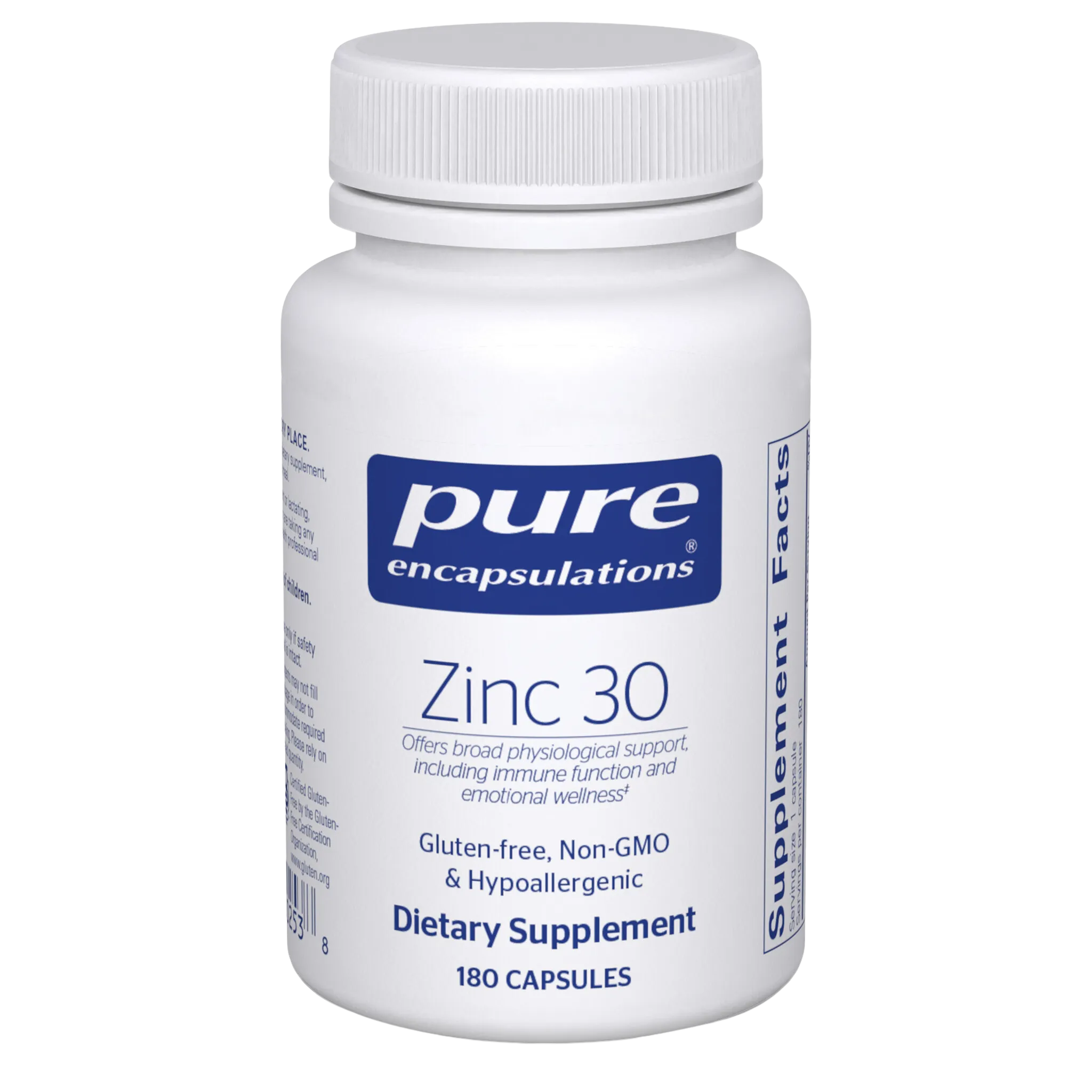
In the wake of the pandemic, a significant area of clinical focus has turned toward the profound impact of trace minerals on immune regulation and cellular repair. Among these, zinc has emerged as a critical focal point for researchers and functional medicine practitioners alike. Zinc is far more than just a common cold remedy; it is a fundamental biological modulator that governs over 300 enzymatic reactions, stabilizes hyperactive mast cells, and dictates the body's inflammatory response at a molecular level. When viral infections or chronic inflammatory states deplete the body's zinc reserves, it can trigger a cascade of multi-system dysfunction that perpetuates the cycle of chronic illness. In this comprehensive guide, we will explore the intricate mechanisms of Zinc 30, a highly bioavailable zinc picolinate supplement, and examine how restoring this essential mineral may support immune function, enhance nutrient utilization, and improve the quality of life for those navigating complex chronic conditions.
TL;DR
Zinc picolinate is a highly bioavailable supplement that may support immune function and cellular repair.
Chronic conditions like Long COVID and ME/CFS can deplete zinc, potentially worsening fatigue and inflammation.
Zinc acts as a mast cell stabilizer, which may help manage MCAS and histamine intolerance.
Long-term zinc use requires monitoring to avoid copper deficiency; always consult a healthcare provider.
What is Zinc Picolinate?
The Essential Role of Zinc in the Human Body
Zinc is a critical micronutrient and an essential trace element that plays a fundamental role in maintaining human health, particularly within the architecture of the immune system. Unlike some minerals that the body can store in large reserves for future use, zinc requires regular daily intake to maintain optimal levels, as there is no specialized cellular storage system for it. At the molecular level, zinc acts as a profound immunomodulator for both the innate and adaptive immune systems. It ensures the normal development, maturation, and function of natural killer (NK) cells, neutrophils, and macrophages, which serve as the body's first line of defense against invading pathogens. Furthermore, zinc is required to maintain the structural integrity of the respiratory and mucosal epithelium, regulating the tight junction proteins that act as a physical barrier, which may help keep viruses and environmental toxins from entering sensitive tissues and the bloodstream.
Beyond its structural role, zinc acts as a vital "second messenger" in immune cells, participating in complex intracellular signaling pathways that dictate how the body responds to threats. It is essential for the activation of T-cells via the T-cell receptor and the interleukin (IL)-2 pathway, which orchestrates the body's targeted, specific response to viral infections. By inhibiting specific enzymes known as caspases (specifically caspases 3, 6, and 9) and increasing the Bcl-2/Bax ratio, zinc protects these crucial immune cells from programmed cell death, known as apoptosis. This protective mechanism helps maintain high levels of virus-fighting T-lymphocytes circulating in the bloodstream. When zinc levels drop, the immune system becomes severely compromised, marked by thymic atrophy, a low white blood cell count (lymphopenia), and defective T- and B-lymphocyte responses, leaving the body highly vulnerable to prolonged infections, opportunistic pathogens, and chronic systemic inflammation.
Enzymatic Reactions and Cellular Metabolism
The influence of zinc extends far beyond the immune system; it is a constituent of over two dozen crucial enzymes involved in digestion, metabolism, and cellular repair. One of the most important of these is carbonic anhydrase, an enzyme that is absolutely vital to tissue respiration and the regulation of the body's delicate acid-base balance. Carbonic anhydrase facilitates the rapid conversion of carbon dioxide and water into carbonic acid, protons, and bicarbonate ions, a process that allows the blood to carry toxic carbon dioxide away from tissues and safely transport it to the lungs for exhalation. Without adequate zinc to synthesize this enzyme, cellular respiration becomes highly inefficient, which can directly contribute to the profound sense of physical exhaustion, air hunger, and metabolic dysfunction frequently seen in complex chronic illnesses like ME/CFS and dysautonomia.
In addition to respiration, zinc is essential for the healthy storage and metabolism of carbohydrates, as well as the absorption and function of B vitamins. Studies suggest that zinc plays a direct, regulatory role in insulin signaling and glucose utilization, helping cells efficiently convert the food we eat into usable adenosine triphosphate (ATP) energy inside the mitochondria. Furthermore, zinc plays a fundamental role in collagen formation and healthy tissue development. Collagen is the primary structural protein that makes up our connective tissues, blood vessels, joints, and skin. Research demonstrates that zinc is required for the specific enzymatic processes that synthesize and cross-link collagen fibers, making it vital for wound healing, maintaining vascular integrity, and supporting healthy prostatic and reproductive function throughout the lifespan.
Zinc Picolinate: The Bioavailability Advantage
When it comes to clinical supplementation, not all forms of zinc are created equal, and bioavailability—the proportion of a nutrient that successfully enters the systemic circulation and is able to have an active biological effect—varies wildly between different chemical compounds. Zinc 30 utilizes zinc picolinate, a highly bioavailable chelated form of the mineral. In this specific form, elemental zinc is molecularly bound to picolinic acid, a natural derivative of the amino acid tryptophan that is naturally produced in the body to facilitate the absorption and transportation of certain minerals across cell membranes. By binding zinc to picolinic acid, the mineral is essentially "pre-packaged" for more efficient cellular uptake, allowing it to bypass some of the common absorptive barriers and competitive inhibitors found in the highly acidic environment of the human gastrointestinal tract.
The superiority of zinc picolinate for long-term tissue retention has been well-documented in clinical literature. In a benchmark randomized, double-blind crossover trial, researchers compared the absorption of zinc picolinate, zinc citrate, and zinc gluconate in healthy human volunteers over a four-week period. The study found that zinc picolinate was the only form that significantly increased zinc levels in hair, urine, and red blood cells (erythrocytes) compared to a placebo. The changes observed with zinc citrate and zinc gluconate were not significantly different from the placebo after four weeks, leading researchers to conclude that zinc picolinate provides superior systemic absorption and deep cellular incorporation. This makes it a highly effective and reliable choice for individuals looking to correct stubborn intracellular deficiencies and maintain healthy zinc levels over time.
How Long COVID, ME/CFS, and MCAS Impact Zinc Levels
Viral Infections and the "Zinc Drain"
The onset of Long COVID is often preceded by a severe acute viral infection that places an immense, unprecedented metabolic demand on the body's nutritional reserves. During an acute infection like COVID-19, the host body strategically limits the amount of free zinc circulating in the bloodstream—a highly evolved defense mechanism known as "nutritional immunity." The body intentionally sequesters zinc in the liver and redistributes it to localized immune cells in an attempt to starve the invading viral pathogens of the micronutrients they desperately need to replicate. While this is an effective short-term survival strategy for fighting off the initial virus, it can lead to a state of profound systemic hypozincemia (low serum zinc) if the infection is prolonged, or if the individual's baseline zinc levels were already suboptimal prior to getting sick.
This viral-induced "zinc drain" can have lasting, devastating consequences that extend far beyond the acute phase of the illness. A 2023 study published in the Journal of Clinical Medicine detected hypozincemia in over 20% of patients suffering from Long COVID months after their initial infection. Strikingly, general fatigue—the hallmark symptom of post-viral syndromes—was the single most frequent complaint among Long COVID patients exhibiting these low zinc levels. When the body fails to restore its zinc reserves after the virus has been cleared, the immune system remains in a compromised, highly dysregulated state. This ongoing deficiency can contribute directly to the persistent autoimmunity and immune dysregulation in Long COVID, preventing the body from returning to a state of healthy homeostasis and leaving patients trapped in an endless cycle of chronic inflammation and exhaustion.
Oxidative Stress and Immune Dysregulation in ME/CFS
The relationship between altered zinc metabolism and myalgic encephalomyelitis/chronic fatigue syndrome (ME/CFS) is an area of significant scientific interest, particularly as researchers continue to explore how Long COVID can trigger ME/CFS. ME/CFS is a complex, multisystem disease characterized by debilitating fatigue, post-exertional malaise (PEM), and severe oxidative and nitrosative stress (O&NS). Zinc is a potent, natural antioxidant, and depleted zinc levels severely reduce the body's ability to combat the cellular damage caused by lipid peroxidation and circulating free radicals. This unchecked oxidative stress can severely damage mitochondria, the powerhouses of the cells, directly contributing to the profound energy deficits, muscle pain, and neurological crashes experienced during a severe PEM episode.
Furthermore, the chronic low-grade inflammation seen in ME/CFS directly interferes with how the body utilizes whatever zinc is actually available in the diet. Zinc deficiency is often driven by pro-inflammatory cytokines, such as IL-1β and IL-6, which are frequently elevated in ME/CFS patients. These inflammatory cytokines cause zinc to be sequestered in the liver by a heavy-metal binding protein called metallothionein. Thus, the "zinc deficiency" seen in ME/CFS blood samples often reflects an active, ongoing immune response that is inappropriately redistributing zinc out of the bloodstream, perpetuating a vicious cycle of fatigue, brain fog, and immune dysfunction.
The Mast Cell Connection in MCAS
Mast cell activation syndrome (MCAS) is a condition where mast cells—the "first responders" of the immune system—become hyper-reactive, inappropriately releasing massive amounts of histamine and other inflammatory mediators in response to harmless environmental or dietary triggers. Emerging research indicates that systemic zinc deficiency plays a profound, foundational role in driving this mast cell instability. In a healthy body, zinc is strictly required to regulate the development, maturation, and proliferation of mast cells in the bone marrow. Furthermore, the mast cells formed during states of zinc deficiency contain an unusually high number of specific histamine-filled granules, making the patient significantly more reactive and prone to severe allergic cascades.
This creates a highly volatile, unpredictable internal environment for individuals dealing with MCAS, dysautonomia, and Long COVID. Zinc deficiency also skews the entire immune system toward a Th2-dominant state, which is heavily associated with allergic responses and the overproduction of IgE antibodies. Because IgE antibodies are the primary trigger that binds to specific receptors (FcεRI) on mast cells to induce degranulation, elevated IgE levels keep mast cells in a constant state of high alert. Without adequate zinc to rebalance the Th1/Th2 immune ratio and downregulate this allergic cascade, patients are left highly vulnerable to unpredictable, debilitating flares that can affect the skin (hives, flushing), gastrointestinal tract (cramping, diarrhea), and cardiovascular system (tachycardia, blood pressure drops).
Zinc 30: Supporting Immune Function and Cellular Repair
Direct Antiviral and Immunomodulatory Mechanisms
Supplementing with a highly bioavailable form of zinc, such as the zinc picolinate found in Zinc 30, can help restore the disrupted biochemical pathways that drive chronic illness symptoms. At the cellular level, free zinc ions ($Zn^{2+}$) possess strong, direct antiviral properties that actively interfere with a virus's ability to infect host cells and replicate. Extensive in vitro research has demonstrated that zinc inhibits coronavirus and arterivirus RNA polymerase activity, and that zinc ionophores block the replication of these viruses in cell culture.
The most thoroughly documented antiviral mechanism of zinc is its ability to directly inhibit RNA-dependent RNA polymerase (RdRp), the core replication enzyme that RNA viruses rely on entirely to synthesize their viral RNA and multiply. By binding to and altering the proteolytic processing of this enzyme, zinc effectively halts the viral replication cycle in its tracks, preventing the virus from spreading further. However, because intracellular free zinc is naturally kept at very low levels by the body, achieving concentrations high enough to inhibit enzymes like RdRp often requires the presence of a zinc ionophore—a compound (like quercetin, EGCG, or certain bioflavonoids) that actively transports zinc cations across the lipid cell membrane. This is why zinc is often utilized synergistically alongside other targeted supplements to maximize its intracellular antiviral efficacy.
Mast Cell Stabilization and Histamine Reduction
For patients battling the unpredictable, systemic flares of MCAS, zinc acts as a potent, multi-targeted mast cell stabilizer. Extracellular zinc stabilizes mast cell membranes by modulating specific cation channels, primarily the TRPM7 channels, which are highly permeable to zinc ions. By regulating the influx of calcium—a necessary physiological step for the mast cell to break open and degranulate—zinc effectively helps reduce the explosive release of histamine and inflammatory cytokines into the surrounding tissues.
Beyond direct membrane stabilization, zinc provides crucial enzymatic support for the breakdown and clearance of circulating histamine. Zinc is a vital supportive mineral for the synthesis and function of Diamine Oxidase (DAO), the primary enzyme responsible for degrading extracellular histamine in the gut and bloodstream. By enhancing DAO activity, zinc helps clear excess dietary and cellular histamine before it can trigger systemic symptoms like tachycardia, flushing, and severe gastrointestinal distress. Furthermore, zinc supplementation enhances a protein called A20, which acts as a powerful brake on the NF-κB inflammatory pathway, directly reducing the downstream production of delayed inflammatory mediators like IL-6 and TNF-alpha. This multi-tiered approach makes zinc an excellent complementary therapy to medications like Ketotifen for comprehensive, long-term mast cell management.
Restoring Enzymatic Function and Tissue Development
The benefits of zinc supplementation extend heavily to the repair and maintenance of physical tissues that are often damaged by chronic viral infections and prolonged systemic inflammation. Zinc plays a fundamental, non-negotiable role in the enzymatic processes required for collagen formation and cross-linking. Collagen is essential for maintaining the structural integrity of the vascular system, which is frequently compromised in conditions like Long COVID and dysautonomia due to widespread endothelial dysfunction and microvascular inflammation. By supporting healthy collagen synthesis, zinc aids in the repair of damaged blood vessels, reduces vascular permeability, and promotes overall cardiovascular health, a healing process that can be further supported by combining it with Acerola Vitamin C and Bioflavonoids.
Additionally, zinc contributes significantly to healthy carbohydrate metabolism and nutrient utilization throughout the body. Chronic illness places a massive, unrelenting strain on the body's metabolic pathways, often leading to acquired insulin resistance and poor cellular energy production. Zinc supports insulin signaling and the efficient absorption of B vitamins, which are critical cofactors in the mitochondrial production of ATP. By ensuring that the body can properly metabolize carbohydrates and utilize essential nutrients from the diet, zinc supplementation helps address the fundamental metabolic dysfunctions that contribute to the severe, unrelenting fatigue and brain fog experienced by patients with ME/CFS and Long COVID.
Symptoms Zinc Picolinate May Help Manage
Immune and Inflammatory Symptoms
Frequent Infections and Impaired Immunity: By supporting the development, maturation, and function of natural killer cells, neutrophils, and T-lymphocytes, zinc may help support a compromised immune system, significantly reducing susceptibility to secondary bacterial and viral infections that often plague chronically ill patients.
Allergic Flares and Histamine Intolerance: Zinc stabilizes hyper-reactive mast cells via TRPM7 channel modulation and supports the DAO enzyme in breaking down excess dietary and systemic histamine, helping to mitigate the severity and frequency of unpredictable MCAS flares.
Post-COVID Hair Loss (Alopecia): Hypozincemia is a known, primary driver of telogen effluvium (severe stress-induced hair loss) following a viral infection. Supplementing with bioavailable zinc supports the critical enzymatic reactions required for healthy hair follicle metabolism, cell division, and tissue development.
Neurological and Metabolic Symptoms
Chronic Fatigue and Post-Exertional Malaise (PEM): By acting as a potent antioxidant that neutralizes damaging free radicals and supporting healthy carbohydrate metabolism for mitochondrial ATP production, zinc may help alleviate the profound cellular exhaustion and delayed recovery seen in ME/CFS crashes.
Loss of Taste and Smell (Hyposmia/Hypogeusia): Zinc is a critical structural component of gustin, a salivary protein strictly required for the growth, maintenance, and maturation of taste buds. Replenishing zinc levels has been clinically shown to support the regeneration of olfactory and gustatory nerve tissues post-infection.
Joint Pain and Poor Wound Healing: Zinc's fundamental role in collagen formation and its ability to inhibit the NF-κB inflammatory pathway make it highly beneficial for reducing systemic joint inflammation, repairing damaged connective tissues, and accelerating the healing of skin lesions or rashes.
Practical Considerations: Forms, Dosing, and Absorption
Why Zinc Picolinate Outperforms Other Forms
Navigating the supplement aisle can be an overwhelming experience, as zinc is available in numerous chemical forms, each with vastly different absorption profiles and tolerability. Inorganic salts like zinc sulfate and zinc oxide are commonly found in cheaper, mass-market supplements, but they are notorious for their poor bioavailability. Zinc oxide, in particular, is highly insoluble in water and has consistently proven in clinical trials to be the least bioavailable form of oral zinc. Furthermore, zinc sulfate frequently causes significant gastrointestinal distress, including severe nausea, vomiting, and stomach cramping, making it an exceptionally poor choice for patients who already suffer from the digestive sensitivities, leaky gut, and nausea common in MCAS and dysautonomia.
In stark contrast, the zinc picolinate found in Zinc 30 is a highly bioavailable, chelated organic compound that is exceptionally well-tolerated by the human digestive tract. The landmark Barrie study demonstrated definitively that zinc picolinate provides superior long-term tissue retention compared to both zinc citrate and zinc gluconate. Because the elemental zinc is bound to picolinic acid—a natural transport molecule derived from tryptophan—it efficiently crosses the intestinal barrier and is readily incorporated into red blood cells, hair, and urine. For patients dealing with chronic malabsorption issues, gut dysbiosis, or systemic inflammation, choosing a highly bioavailable form like zinc picolinate is absolutely crucial for ensuring the mineral actually reaches the intracellular environment where it is desperately needed.
Dosage Guidelines and the Copper Connection
Zinc 30 provides 30 mg of elemental zinc per capsule, a dosage that falls well within the therapeutic range for supporting immune function, stabilizing mast cells, and correcting mild to moderate deficiencies. However, it is absolutely critical to understand the safety considerations surrounding long-term, high-dose zinc supplementation. The U.S. National Institutes of Health (NIH) has set the Tolerable Upper Intake Level (UL) for zinc at 40 mg per day for adults. Consistently exceeding this amount, or taking doses like 30 mg daily for extended periods (months to years) without medical supervision, carries a significant and well-documented safety risk.
Zinc and copper compete directly for absorption in the gastrointestinal tract. When high doses of zinc are consumed over many months, it induces the intestinal cells (enterocytes) to synthesize a heavy-metal-binding protein called metallothionein. Metallothionein has a much higher affinity for copper than it does for zinc, effectively trapping copper inside the intestinal cells and preventing it from entering the bloodstream. Over time, this competitive inhibition severely depletes the body's systemic copper stores, which can lead to severe anemia, neutropenia (low white blood cells), and irreversible neurological damage. If you are taking zinc long-term, functional medicine practitioners generally recommend maintaining a physiological zinc-to-copper ratio of approximately 10:1 to 15:1, often necessitating low-dose copper supplementation to help avoid this dangerous, silent imbalance.
Timing, Absorption Tips, and Interactions
To maximize the absorption and efficacy of your zinc supplement, timing and dietary pairings are key factors to consider. It is generally recommended to take zinc with a meal to prevent the mild nausea or stomach upset that can sometimes occur when taking concentrated minerals on an empty stomach. However, you should be highly mindful of the specific foods you consume alongside it. Foods high in phytates—such as whole grains, legumes, beans, and certain nuts—can bind tightly to zinc in the digestive tract, forming insoluble complexes that significantly inhibit its absorption. If your diet is heavily plant-based, you may need to separate your zinc supplementation from your highest-fiber meals to ensure optimal systemic uptake.
Furthermore, zinc can interact competitively with other mineral supplements and alter the absorption of certain pharmaceutical medications. You should avoid taking zinc at the exact same time as high-dose iron or calcium supplements, as these heavy minerals compete for the exact same absorptive pathways in the gut lining. Zinc can also severely interfere with the absorption of certain antibiotics, particularly tetracyclines and fluoroquinolones, rendering them less effective, as well as penicillamine, a medication used for rheumatoid arthritis. Always separate the intake of zinc and these specific medications by at least two to four hours, and consult with your prescribing physician or pharmacist to ensure there are no dangerous contraindications with your current medical regimen.

Follow the Science
Clinical Trials on Zinc and Long COVID
The scientific community has actively investigated the efficacy of zinc supplementation in addressing the persistent, debilitating symptoms of Long COVID. A 2023 retrospective study published in the Journal of Clinical Medicine Research rigorously analyzed the symptom profiles of post-COVID patients 12 weeks after their initial acute infection. The researchers specifically investigated the efficacy of targeted zinc therapy on persisting symptoms and found highly significant clinical improvements. Patients who used zinc showed statistically significant improvements in post-COVID hair loss at 4, 8, and 12 weeks compared to the untreated control group. Furthermore, the profound, life-altering fatigue experienced by these patients improved in all cases treated with zinc at the 8-week mark, demonstrating its powerful potential as a targeted symptomatic therapy for post-viral exhaustion.
Additional research has highlighted zinc's critical role in recovering sensory functions lost to the virus, a symptom that deeply impacts quality of life.
Evidence for Zinc in ME/CFS and Fatigue
In the realm of myalgic encephalomyelitis/chronic fatigue syndrome (ME/CFS), clinical trials have explored zinc's ability to mitigate severe physical exhaustion, lower oxidative stress, and improve overall quality of life. A 16-week, randomized, double-blind, placebo-controlled trial published in the journal Antioxidants investigated the synergistic effects of zinc and melatonin in 50 diagnosed ME/CFS patients. The participants were randomly assigned to receive either a daily oral combination of zinc and melatonin or a placebo. The results demonstrated that the group receiving the zinc combination therapy experienced a highly significant reduction in the perception of physical fatigue and a marked, measurable improvement in the physical component of their health-related quality of life compared to the placebo group.
Interestingly, the researchers in this trial noted that the baseline serum zinc levels in these specific ME/CFS patients were actually within normal laboratory limits, and their blood zinc concentrations did not significantly change over the course of the 16-week study. This critical, nuanced finding suggests that highly bioavailable zinc supplementation may exert beneficial anti-inflammatory, antioxidant, or neuroplastic effects even in the absolute absence of a frank, detectable clinical deficiency. By lowering the systemic burden of oxidative stress and modulating the hyperactive immune response, zinc provides foundational systemic support that helps ME/CFS patients better manage their energy envelopes and reduce the severity of their daily symptoms.
Mast Cell Stabilization Research
The clinical application of zinc for mast cell activation syndrome (MCAS) and severe allergic diseases is supported by a robust and growing body of in vitro and in vivo research.
This comprehensive body of evidence underscores why functional medicine practitioners increasingly view highly absorbable zinc picolinate as a foundational, non-negotiable component of comprehensive mast cell stabilization protocols, working synergistically with other therapies to calm a hyper-reactive immune system.
The Path Forward
Integrating Zinc into Your Management Plan
Living with Long COVID, ME/CFS, dysautonomia, or MCAS requires immense physical and emotional resilience, and it is entirely valid to feel overwhelmed by the sheer complexity of managing these interconnected, invisible conditions. While the scientific evidence supporting the use of highly bioavailable zinc picolinate is compelling and hopeful, it is important to remember that no single supplement is a magic bullet or a standalone cure. Zinc 30 should be viewed as one highly valuable piece of a much larger, comprehensive management strategy. True stabilization often requires a multi-faceted approach that includes meticulous symptom tracking, aggressive pacing to avoid post-exertional malaise, dietary modifications to manage your overall histamine load, and targeted nervous system regulation techniques.
As you integrate new supplements into your daily routine, patience and self-compassion are essential. Correcting deep intracellular mineral deficits and rebalancing a profoundly dysregulated immune system takes time. While some patients may notice improvements in acute symptoms like allergic flares, hair loss, or brain fog within a few weeks, repairing damaged vascular tissues, restoring enzymatic function, and rebuilding long-term immune resilience can take several months of consistent, dedicated support. Listen closely to your body, track your physiological responses carefully, and celebrate the small, incremental victories along the way as you work toward reclaiming your baseline health and improving your daily function.
A Collaborative Approach to Chronic Illness
Because trace minerals like zinc interact intimately with other nutrients—particularly copper—and can significantly influence the efficacy of certain medications, supplementation should never be done in isolation or without proper oversight. We strongly encourage you to work collaboratively with a knowledgeable, validating healthcare provider who truly understands the nuances of complex chronic illness. A specialist can help you diagnose Long COVID accurately, order the appropriate lab tests to check your serum zinc, copper, and ceruloplasmin levels, and tailor a personalized dosing schedule that is both safe and effective for your unique biochemical needs.
At RTHM, we are deeply committed to providing you with the science-backed tools, clinical guidance, and compassionate care necessary to navigate the complexities of post-viral syndromes and immune dysregulation. If you and your healthcare provider determine that targeted immune support is the right next step for you, Explore Zinc 30 to learn more about how this highly absorbable, vegetarian, and non-GMO formula can support your journey toward better health, stabilized mast cells, and an improved quality of life.