Can Vessel Forte™ Support Circulation and Blood Pooling in POTS and Long COVID?
March 6, 2026
Vessel ForteLong COVIDDysautonomia
Share:
Disclaimer: The information provided here is for educational purposes only and is not intended as medical advice. It should not be used to diagnose, treat, cure, or prevent any medical condition. Instead, use it as a starting point for discussion with your healthcare provider. Always consult with a qualified healthcare provider before starting any new medication, supplement, device, or making changes to your health regimen.
For individuals living with complex chronic illnesses, the simple act of standing up can sometimes feel like running a marathon. Months or even years after an initial viral infection, many people find themselves fighting a daily battle against debilitating symptoms like severe brain fog, profound fatigue, and a racing heart. But what is happening beneath the surface to cause these exhausting physical reactions? Increasingly, medical researchers and clinicians are pointing to the vascular system—specifically, the health of our blood vessels, the integrity of our capillary walls, and the complex mechanisms that govern blood flow and circulation. When the vascular system is compromised, the entire body struggles to maintain equilibrium.
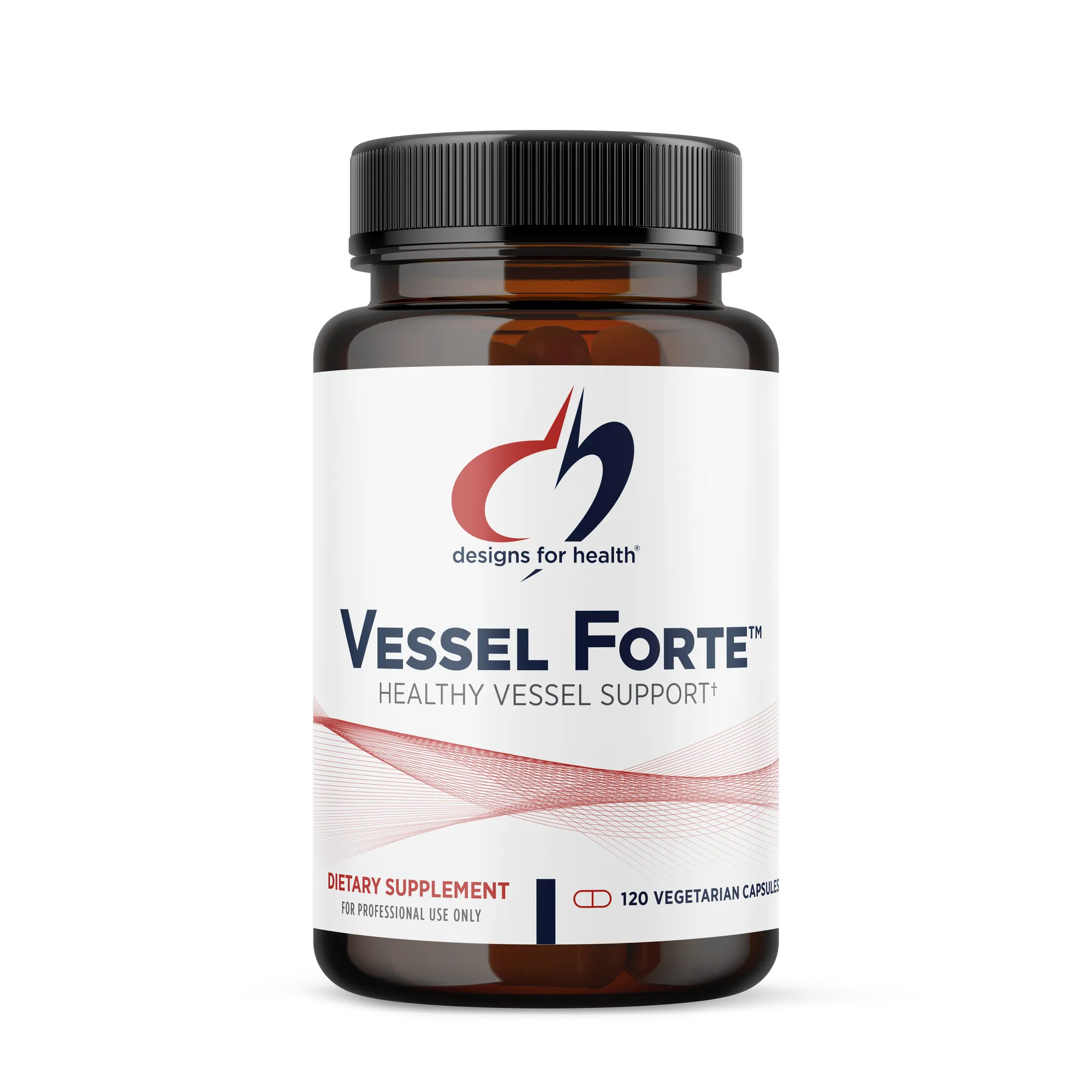
In the wake of the COVID-19 pandemic, a new understanding of post-viral illness has emerged, highlighting the profound impact of endothelial dysfunction, chronic inflammation, and autonomic nervous system failure. Conditions like Long COVID, myalgic encephalomyelitis/chronic fatigue syndrome (ME/CFS), mast cell activation syndrome (MCAS), and dysautonomia are deeply intertwined with how our blood vessels function. This is where targeted nutritional support becomes a vital piece of the management puzzle. Vessel Forte™ by Designs for Health is a specialized supplement formulated to support healthy blood vessel strength, elasticity, and circulation. By combining potent botanical extracts with high-dose Vitamin C, this synergistic blend targets the root physiological mechanisms of vascular dysfunction, offering a science-backed approach to managing the complex symptoms of chronic illness.
TL;DR
Vessel Forte™ combines botanical extracts and Vitamin C to support healthy blood vessels and circulation.
Ingredients like Diosmin and Quercetin may help manage blood pooling and stabilize mast cells.
This targeted support may aid individuals managing symptoms of Long COVID, POTS, and MCAS.
Always consult your healthcare provider before starting new supplements, especially if taking blood thinners.
What is Vessel Forte™?
The Foundation of Vascular Health
To understand how Vessel Forte™ works, it is essential to first understand the natural function of the vascular system in a healthy body. The human circulatory system is a vast, intricate network of arteries, veins, and microscopic capillaries responsible for delivering oxygen and essential nutrients to every cell while simultaneously removing metabolic waste products. At the core of this system is the endothelium, a remarkably thin, single-cell layer that lines the entire interior surface of our blood vessels. Far from being just a passive biological pipe, the endothelium is a highly active, dynamic organ. It continuously secretes chemical signals, such as nitric oxide, which instruct the smooth muscles surrounding the blood vessels to either constrict (tighten) or dilate (widen). This delicate, moment-to-moment regulation is what maintains healthy blood pressure and ensures that blood successfully flows against gravity back up to the heart and brain.
In addition to regulating blood flow, the vascular system must maintain structural integrity and strict barrier control. Capillaries, the smallest blood vessels, are the sites where the actual exchange of oxygen, nutrients, and fluids occurs between the blood and the surrounding tissues. In a healthy state, the capillary walls are semi-permeable, allowing only specific molecules to pass through while keeping larger proteins and excess fluid safely contained within the bloodstream. This barrier function is heavily dependent on the structural strength of the blood vessel walls, which are reinforced by a matrix of collagen and elastin fibers. When this structural integrity is compromised, or when the endothelial cells become inflamed and dysfunctional, the entire circulatory system begins to falter, leading to systemic downstream effects.
The Synergistic Botanical Matrix
Vessel Forte™ is meticulously designed to address these complex vascular requirements through a synergistic blend of extensively researched botanical extracts and essential nutrients. The formula is anchored by a significant 900 mg dose of Diosmin (as DiosVein®), a naturally occurring flavonoid derived from sweet oranges. Diosmin is widely recognized in the medical community as a potent venotonic agent—a substance that improves the tone and contractility of veins. Alongside Diosmin, the supplement features 300 mg of Quercetin, a powerful plant polyphenol renowned for its ability to modulate the immune response, stabilize mast cells, and protect endothelial tissue from oxidative stress. Together, these flavonoids form the first line of defense against vascular inflammation and poor venous return.
Complementing the flavonoid base are three highly standardized botanical extracts: Gotu Kola (Centella asiatica), Horse Chestnut (Aesculus hippocastanum), and Grape Seed Extract (Vitis vinifera). Gotu Kola, standardized to contain 10% triterpenes, is celebrated for its ability to promote microcirculation and support the healthy synthesis of collagen within the venules. Horse Chestnut extract, standardized to 20% aescin, specifically targets capillary hyperpermeability, helping to "seal" leaky blood vessels and prevent the exudation of fluids into surrounding tissues. Finally, Grape Seed Extract, rich in oligomeric proanthocyanidins (OPCs), provides robust antioxidant protection and actively stimulates the production of endothelial nitric oxide. This multi-targeted botanical matrix ensures that every aspect of vascular health—from large vein contractility to microscopic capillary integrity—is comprehensively supported.
Vitamin C and Structural Integrity
The final, crucial component of the Vessel Forte™ formula is a high-potency 1000 mg dose of Vitamin C (as Ascorbic Acid). While Vitamin C is most commonly associated with immune system support, its role in vascular health is absolutely indispensable. At the molecular level, Vitamin C acts as an essential cofactor for the enzymes prolyl hydroxylase and lysyl hydroxylase. These enzymes are responsible for cross-linking collagen fibers, a biochemical process that gives blood vessels their tensile strength and elasticity. Without adequate Vitamin C, the collagen matrix weakens, leading to fragile, easily ruptured blood vessels and impaired healing.
Furthermore, Vitamin C is a potent water-soluble antioxidant that circulates directly within the bloodstream. It actively scavenges reactive oxygen species (ROS) and neutralizes free radicals before they can damage the delicate endothelial lining. Interestingly, Vitamin C also plays a vital role in recycling other antioxidants, such as Vitamin E and various flavonoids, restoring them to their active states. By including a substantial dose of Vitamin C, Vessel Forte™ not only provides direct structural support for the blood vessels but also amplifies the efficacy and longevity of the botanical extracts within the formula, creating a truly synergistic environment for vascular repair and maintenance.
How Dysautonomia, Long COVID, and MCAS Impact Vascular Health
Endothelial Dysfunction and Microclotting in Long COVID
To fully appreciate the clinical relevance of Vessel Forte™, we must examine how chronic illnesses systematically dismantle vascular health. In the context of Long COVID, researchers have identified endothelial dysfunction and neuroinflammation as primary drivers of persistent symptoms. When the SARS-CoV-2 virus enters the body, its spike protein binds directly to ACE2 receptors, which are densely populated on the surface of endothelial cells lining the blood vessels. This binding triggers a cascade of severe oxidative stress and localized inflammation, a condition known as endotheliitis. The damaged endothelium loses its ability to properly regulate vasodilation, leading to restricted blood flow and cellular hypoxia (oxygen starvation) in vital tissues, including the brain and skeletal muscles.
This endothelial damage also triggers a hyper-coagulable, or pro-thrombotic, state. Recent clinical investigations have revealed that many Long COVID patients suffer from the persistent presence of amyloid-like fibrinaloid microclots in their bloodstream. Because the endothelial lining is inflamed and dysfunctional, the body's natural mechanisms for breaking down these clots are impaired. These microclots physically obstruct the microscopic capillaries, severely restricting the delivery of oxygen and nutrients to the tissues. This profound disruption of microcirculation is a key physiological reason why patients experience post-exertional malaise (PEM), debilitating muscle fatigue, and severe cognitive impairment, commonly referred to as brain fog.
Venous Pooling and Autonomic Failure in POTS
Vascular dysfunction is equally central to the pathophysiology of dysautonomia and its most common manifestation, Postural Orthostatic Tachycardia Syndrome (POTS). In a healthy individual, the simple act of standing up prompts the autonomic nervous system to release norepinephrine, a neurotransmitter that signals the blood vessels in the lower extremities to constrict. This crucial vasoconstriction fights the pull of gravity, ensuring that blood is efficiently pumped back up to the heart and brain. However, in patients with POTS, this autonomic signaling is disrupted, or the peripheral blood vessels fail to respond adequately to the signals.
As a result of this failure to constrict, blood pools heavily in the veins of the legs, abdomen, and pelvis—a phenomenon known as venous pooling or dependent acrocyanosis. Because a significant volume of blood is trapped in the lower body, the brain senses a dangerous drop in blood pressure and oxygen delivery. In a desperate attempt to compensate and force blood upward, the brain commands the heart to beat rapidly, resulting in the hallmark tachycardia (rapid heart rate) associated with POTS. Over time, this chronic venous distension stretches the vein walls, exacerbating structural venous insufficiency and creating a vicious cycle of autonomic overcompensation, dizziness, and profound orthostatic intolerance.
The MCAS Connection to Capillary Leakage
The vascular complications of Long COVID and dysautonomia are frequently compounded by a concurrent condition known as mast cell activation syndrome (MCAS). Mast cells are specialized immune cells situated in connective tissues, particularly near blood vessels. They act as the body's alarm system, releasing a flood of chemical mediators—including histamine, heparin, and inflammatory cytokines like IL-6 and TNF-α—in response to perceived threats. In MCAS, these cells become hypersensitive and activate inappropriately, leading to a chronic, systemic inflammatory state that heavily impacts the vascular system. You can learn more about this complex immune response in our comprehensive guide on managing MCAS and Long COVID.
When mast cells constantly degranulate and release histamine near the blood vessels, it causes the endothelial cells to contract and pull apart from one another. This drastically increases capillary permeability, essentially causing the blood vessels to become "leaky." Fluid and proteins seep out of the bloodstream and into the surrounding tissues, leading to dependent edema (swelling in the legs and feet), painful tissue inflammation, and a further reduction in the circulating blood volume available to reach the brain. This histamine-driven capillary leakage acts as a force multiplier for POTS and Long COVID symptoms, making the restoration of vascular integrity an absolute priority for symptom management and recovery.
Vessel Forte™: Supporting Vascular Integrity and Circulation
Diosmin: Chemical Compression for Venous Tone
Vessel Forte™ addresses the complex vascular deficits of chronic illness through multiple targeted mechanisms of action, beginning with its high concentration of Diosmin. For patients with POTS and dysautonomia who struggle with severe blood pooling, Diosmin acts as a highly effective botanical intervention, often described by clinicians as a form of "chemical compression." At the cellular level, Diosmin directly interacts with the sympathetic nervous system's signaling pathways. It works by inhibiting the enzymatic breakdown of norepinephrine at the receptor sites on the vein walls. By prolonging the active life of norepinephrine, Diosmin significantly enhances and sustains venous vasoconstriction, increasing the physical tension of the vein walls.
This increased venous tone physically squeezes pooled blood out of the lower extremities and pushes it back up toward the heart, directly counteracting the orthostatic pooling that triggers POTS tachycardia. Furthermore, clinical research on Diosmin demonstrates its potent anti-inflammatory properties within the vascular tissue. Chronic venous pooling stretches and damages the endothelium, prompting white blood cells (leukocytes) to migrate into the tissue and cause painful inflammation. Diosmin actively inhibits the expression of endothelial adhesion molecules (such as ICAM-1 and VCAM-1), preventing this leukocyte migration and drastically reducing the heavy, aching leg pain frequently reported by dysautonomia patients at the end of the day.
Quercetin: Mast Cell Stabilization and Endothelial Defense
The inclusion of Quercetin in the Vessel Forte™ formula provides a critical mechanism for addressing the immune-driven vascular damage seen in Long COVID and MCAS. Quercetin is a potent mast cell stabilizer, meaning it works upstream of standard antihistamines. Instead of merely blocking histamine receptors after the chemical has been released, quercetin prevents mast cells from degranulating in the first place. It achieves this by inhibiting the MRGPRX2 receptor and suppressing the MyD88/IKK/NF-κB signaling pathways within the mast cell, effectively shutting down the abnormal release of histamine, inflammatory cytokines, and calcium ions that drive systemic inflammation.
Beyond mast cell stabilization, Quercetin offers profound direct protection to the endothelial cells. In the presence of viral spike proteins or chronic inflammation, endothelial cells experience severe endoplasmic reticulum (ER) stress, which triggers the TXNIP/NLRP3 inflammasome pathway—a cellular self-destruct sequence that leads to endothelial cell death. Quercetin actively suppresses this inflammasome pathway, reduces the production of reactive oxygen species (ROS), and restores mitochondrial membrane potential within the blood vessels. By shielding the endothelium from inflammatory apoptosis (cell death), Quercetin helps preserve the structural integrity of the vascular network, which is essential for overcoming the microvascular complications of Long COVID.
Horse Chestnut and Gotu Kola: Sealing Leaky Capillaries
To combat the capillary hyperpermeability and tissue edema caused by MCAS and endothelial dysfunction, Vessel Forte™ leverages the synergistic effects of Horse Chestnut and Gotu Kola. The active compound in Horse Chestnut, aescin, functions as a powerful biological sealant for leaking capillaries. It works by maintaining the normal expression of platelet endothelial cell-adhesion molecule-1 (PECAM-1), which acts like the mortar between the endothelial cell "bricks." Additionally, research on aescin shows that it strongly inhibits hyaluronidase and elastase, the destructive enzymes that break down the structural matrix of capillary walls. By halting enzymatic degradation, aescin significantly reduces the exudation of fluids into the tissues, effectively helping to manage dependent edema and swelling.
Simultaneously, the active triterpenes in Gotu Kola (such as asiaticoside and madecassoside) focus on restoring microcirculation and promoting tissue repair. Gotu Kola specifically modulates the synthesis of collagen within the walls of venules, improving their structural elasticity and preventing irregular fibrotic scarring. By tightening the endothelial barrier and suppressing the overproduction of reactive oxygen species in the microcapillaries, Gotu Kola helps reopen blocked circulatory pathways. This restoration of microcirculation is vital for delivering oxygen to starved muscle and brain tissues, directly addressing the physiological roots of post-exertional malaise and cognitive fatigue.
Grape Seed Extract: Nitric Oxide Production and Vasodilation
The final mechanistic pillar of Vessel Forte™ is provided by Grape Seed Extract (GSE) and its high concentration of oligomeric proanthocyanidins (OPCs). While Diosmin and aescin focus on venous tone and capillary sealing, GSE focuses on arterial health and vasodilation through the regulation of nitric oxide (NO). Research on antioxidants suggests that compounds like OPCs may help upregulate and activate endothelial nitric oxide synthase (eNOS), the specific enzyme responsible for manufacturing NO in the blood vessels. Nitric oxide is the crucial signaling molecule that tells the smooth muscles of the arteries to relax, allowing for healthy, unimpeded blood flow.
However, in states of chronic illness, high levels of oxidative stress rapidly degrade nitric oxide before it can perform its vasodilatory function. The OPCs in Grape Seed Extract act as exceptionally potent antioxidants, scavenging these free radicals and shielding the newly synthesized nitric oxide from destruction. This dual action—stimulating NO production while simultaneously protecting it from oxidative degradation—ensures high NO bioavailability in the bloodstream. This leads to improved flow-mediated dilation (FMD), reduced arterial stiffness, and enhanced systemic circulation, providing comprehensive cardiovascular support for patients navigating the complexities of autonomic and vascular dysfunction.
Symptoms Vessel Forte™ May Help Manage
Targeting Autonomic and Vascular Dysfunction
Because Vessel Forte™ addresses the foundational mechanisms of vascular health—improving venous return, sealing leaky capillaries, stabilizing mast cells, and reducing endothelial inflammation—it can have a profound impact on a wide array of symptoms associated with complex chronic illnesses. By shifting the body away from a state of hypovolemia (low blood volume) and poor circulation, this synergistic botanical blend helps restore physiological equilibrium.
Specific Symptom Relief
Based on its targeted mechanisms of action, Vessel Forte™ may help manage the following specific symptoms:
Blood Pooling (Acrocyanosis): By utilizing Diosmin to prolong norepinephrine signaling and increase venous tone, the supplement acts as "chemical compression," physically pushing pooled blood out of the legs and abdomen and back toward the heart.
Orthostatic Tachycardia: By improving venous return and increasing the volume of blood reaching the brain upon standing, the supplement helps reduce the autonomic nervous system's need to trigger a compensatory, rapid heart rate (the hallmark symptom of POTS).
Dependent Edema and Swelling: The aescin in Horse Chestnut extract inhibits the enzymes that degrade capillary walls, effectively "sealing" leaky blood vessels and preventing fluid from seeping into the tissues of the lower extremities.
Brain Fog and Cognitive Fatigue: By restoring microcirculation through Gotu Kola and enhancing nitric oxide production via Grape Seed Extract, the formula improves the delivery of oxygen and essential nutrients to cerebral tissues, combating neurovascular starvation.
Heavy, Aching Legs: Diosmin and Quercetin work synergistically to inhibit the migration of inflammatory leukocytes into stretched vein walls, drastically reducing the painful, heavy sensation in the legs caused by chronic venous distension.
Histamine-Driven Inflammation: Quercetin acts as a potent mast cell stabilizer, preventing the degranulation and release of histamine and inflammatory cytokines that exacerbate capillary leakage and systemic MCAS symptoms.
Post-Exertional Malaise (PEM): By addressing endothelial dysfunction and helping to reduce microvascular blockages that lead to cellular hypoxia, the botanical matrix helps improve overall tissue oxygenation, supporting better energy production and recovery after exertion.
Practical Considerations: Forms, Dosing, and Absorption
Maximizing Bioavailability and Absorption
When incorporating a complex botanical supplement like Vessel Forte™ into a management protocol, understanding its bioavailability and absorption dynamics is crucial for achieving optimal clinical outcomes. Many plant-based flavonoids, particularly Diosmin and Quercetin, naturally possess poor water solubility and low intestinal absorption rates in their raw forms. To overcome this biological hurdle, high-quality formulations often utilize advanced manufacturing techniques. For instance, the Diosmin used in this formula (DiosVein®) is highly purified and often subjected to micronization—a process that drastically reduces the particle size of the compound. This increased surface area allows the digestive tract to absorb the flavonoid much more efficiently, ensuring that therapeutic concentrations reach the bloodstream.
Furthermore, the specific combination of ingredients in Vessel Forte™ creates a synergistic absorption environment. The inclusion of a high 1000 mg dose of Vitamin C (Ascorbic Acid) does more than just support collagen synthesis; it actively enhances the bioavailability of the accompanying botanical extracts. Vitamin C helps to stabilize Quercetin and Grape Seed Extract in the acidic environment of the stomach, preventing their premature degradation. Additionally, because Vitamin C recycles oxidized flavonoids back into their active antioxidant states, it effectively extends the half-life and therapeutic window of the entire botanical matrix once it enters systemic circulation. For more information on how synergistic nutrients support absorption, you can explore our guide on Vitamin C and Bioflavonoids.
Optimal Dosing Strategies
The suggested use for Vessel Forte™ is typically 4 capsules per day, or as directed by a healthcare practitioner. Because the formula contains potent, active botanical extracts, it is generally recommended to divide this dosage throughout the day—for example, taking two capsules in the morning and two capsules in the early afternoon or evening. Dividing the dose helps maintain a steady, consistent concentration of venotonic agents and mast cell stabilizers in the bloodstream, providing continuous support for venous tone and endothelial protection against the constant pull of gravity.
To further optimize absorption and minimize the potential for mild gastrointestinal upset, it is highly advisable to take the capsules alongside a meal. The presence of dietary fats can assist in the absorption of the lipophilic (fat-soluble) components of the botanical extracts, particularly the triterpenes found in Gotu Kola and the aescin in Horse Chestnut. Patients utilizing this supplement for chronic venous pooling or POTS generally report noticing initial improvements in leg heaviness and swelling within 2 to 4 weeks, though maximum vascular remodeling and endothelial repair may require 3 to 6 months of consistent supplementation.
Safety Profile and Potential Interactions
While the ingredients in Vessel Forte™ are extensively researched and generally well-tolerated, their potent effects on the vascular system require careful consideration regarding safety and potential drug interactions. Because Grape Seed Extract, Gotu Kola, and Quercetin all actively improve circulation, enhance nitric oxide production, and exhibit mild natural anti-platelet (blood-thinning) properties, this supplement should be used with extreme caution by individuals taking prescription anticoagulants (such as warfarin or Eliquis) or antiplatelet medications. Combining these agents could theoretically increase the risk of prolonged bleeding times or bruising.
Additionally, high doses of Grape Seed Extract and Quercetin have been shown in some studies to bind to non-heme iron in the digestive tract, potentially reducing iron absorption. Patients with a history of iron deficiency anemia, or those who are actively taking iron supplements, should separate their dosage of Vessel Forte™ from their iron supplements by at least two hours. As with any comprehensive nutritional intervention, it is imperative to consult with a dysautonomia-literate healthcare provider before initiating supplementation, especially for pregnant women or those managing complex, overlapping chronic conditions.

Follow the Science
Clinical Evidence for Horse Chestnut and Edema
The individual components of Vessel Forte™ are supported by a robust body of peer-reviewed clinical literature, particularly regarding their efficacy in managing vascular dysfunction and venous insufficiency. One of the most thoroughly researched botanical interventions in vascular medicine is Horse Chestnut Seed Extract (HCSE) and its active compound, aescin. A landmark, comprehensive Cochrane Database Systematic Review analyzed multiple randomized, double-blind, placebo-controlled trials involving patients with chronic venous insufficiency (CVI). The meta-analysis concluded that HCSE provides a statistically significant, objective reduction in leg volume and edema.
Specifically, the clinical data revealed that patients taking standardized doses of aescin experienced an average leg volume reduction of 43.8 mL, an outcome that was statistically equivalent to the 46.7 mL reduction achieved by patients wearing uncomfortable, medical-grade Class II compression stockings. Furthermore, the trials noted a Weighted Mean Difference of 42.4 mm improvement on a standard Visual Analogue Scale for leg pain and heaviness compared to the placebo group. This data firmly establishes aescin as a highly effective, evidence-based alternative or adjunct to physical compression therapy for managing dependent blood pooling and capillary leakage.
Gotu Kola's Impact on Long COVID Recovery
In the rapidly evolving field of Long COVID research, Gotu Kola (Centella asiatica) has emerged as a highly promising intervention for restoring microcirculation and healing endothelial damage. A pivotal 2021/2022 clinical trial published in Minerva Medica evaluated the effects of a standardized Gotu Kola extract (Centellicum®) combined with pine bark extract on patients suffering from post-COVID-19 lung disease and severe systemic symptoms. The researchers specifically targeted the endothelial inflammation and fibrotic scarring caused by the SARS-CoV-2 virus.
The results were striking. Patients receiving the botanical intervention experienced significant, rapid improvements in severe fatigue, dyspnea (shortness of breath), and muscular pain within just four weeks of starting the protocol. High-resolution CT scans demonstrated that the Gotu Kola combination actively controlled tissue edema and attenuated the progression of lung damage into permanent fibrosis. Furthermore, patients exhibited a drastic reduction in systemic oxidative stress markers and scored significantly higher on functional performance scales compared to the control group, validating Gotu Kola's ability to repair microvascular damage and improve tissue oxygenation in post-viral syndromes.
Grape Seed Extract and Cardiovascular Metrics
The cardiovascular benefits of Grape Seed Extract (GSE) and its oligomeric proanthocyanidins (OPCs) are equally well-documented, particularly regarding their ability to enhance nitric oxide production and regulate blood pressure. A rigorous 12-week randomized, double-blind, placebo-controlled trial published by Odai et al. investigated the effects of GSE on middle-aged adults with prehypertension and vascular stiffness. The study utilized precise, objective measurements to assess endothelial function and arterial health.
The findings demonstrated that a high dose of GSE (400 mg/day) produced profound cardiovascular improvements. Participants in the treatment group experienced a mean decrease in Systolic Blood Pressure of 13 mmHg, and a decrease in Diastolic Blood Pressure of approximately 6 mmHg. Beyond simple blood pressure reduction, the researchers utilized non-invasive ultrasound techniques to measure vascular elasticity, finding that the GSE group experienced significant reductions in arterial stiffness and improvements in flow-mediated dilation (FMD). This clinical data confirms that the OPCs in Grape Seed Extract successfully survive the digestive process, enter the bloodstream, and actively stimulate the endothelial production of nitric oxide, providing powerful, systemic vascular support.
The Path Forward
Validating the Invisible Struggle
Living with the vascular and autonomic dysfunctions of Long COVID, POTS, and MCAS is an exhausting, often invisible struggle. When your body cannot properly regulate blood flow, every system is compromised, leading to a cascade of debilitating symptoms that are frequently misunderstood by the general medical community. The profound fatigue, the terrifying heart palpitations upon standing, and the heavy, aching sensation of blood pooling in your legs are not just in your head—they are the direct physiological results of endothelial damage, capillary leakage, and autonomic failure. Acknowledging the deep, structural reality of these mechanisms is the first, crucial step toward reclaiming your quality of life.
A Comprehensive Approach to Healing
While the science behind botanical venotonics is highly promising, it is important to remember that no single supplement is a cure-all for complex chronic illness. Vessel Forte™ is designed to be a powerful tool within a broader, comprehensive management strategy. Restoring vascular health requires a multi-faceted approach that includes aggressive pacing to prevent post-exertional malaise, the strategic use of physical compression garments, adequate hydration and sodium intake to expand blood volume, and targeted therapies to calm mast cell activation. By combining these lifestyle modifications with the targeted, cellular-level support of Diosmin, Quercetin, and botanical extracts, you can begin to break the vicious cycle of vascular inflammation and autonomic overcompensation.
Explore Your Options
If you are struggling with the debilitating effects of blood pooling, orthostatic intolerance, or post-viral vascular dysfunction, targeted nutritional support may help you build a stronger foundation for recovery. Always consult with your dysautonomia-literate healthcare provider to ensure that new supplements fit safely into your specific medical protocol.
Sources
Quercetin Attenuates MRGPRX2-Mediated Mast Cell Degranulation
Escin: a review of its anti-edematous, anti-inflammatory, and venotonic properties
Effects of Grape Seed Proanthocyanidin Extract on Vascular Endothelial Function
Horse chestnut seed extract for chronic venous insufficiency (Cochrane Review)
Minerva Medica: Pycnogenol and Centella asiatica in Post-COVID-19 Lung Disease
Grape Seed Extract Mitigates Hypertension in Middle-Aged Japanese Adults