Can SeroPlus Support Serotonin Production and Clear Brain Fog in Long COVID and ME/CFS?
March 5, 2026
SeroPlus5-HTPLong COVID
Share:
Disclaimer: The information provided here is for educational purposes only and is not intended as medical advice. It should not be used to diagnose, treat, cure, or prevent any medical condition. Instead, use it as a starting point for discussion with your healthcare provider. Always consult with a qualified healthcare provider before starting any new medication, supplement, device, or making changes to your health regimen.
For many individuals living with Long COVID, myalgic encephalomyelitis/chronic fatigue syndrome (ME/CFS), and dysautonomia, the cognitive and emotional toll of the illness can be just as debilitating as the physical symptoms. You might find yourself struggling to recall simple words, feeling a profound sense of emotional blunting, or experiencing sudden waves of anxiety that seem to come from nowhere. This cluster of symptoms, often broadly categorized as "brain fog" or mood dysregulation, is frequently dismissed by medical professionals as mere secondary depression or anxiety caused by the stress of being chronically ill. However, groundbreaking new research has revealed a very different, highly physiological reality: these symptoms are often the direct result of severe neurotransmitter depletion, specifically a profound lack of serotonin in the brain and peripheral nervous system.
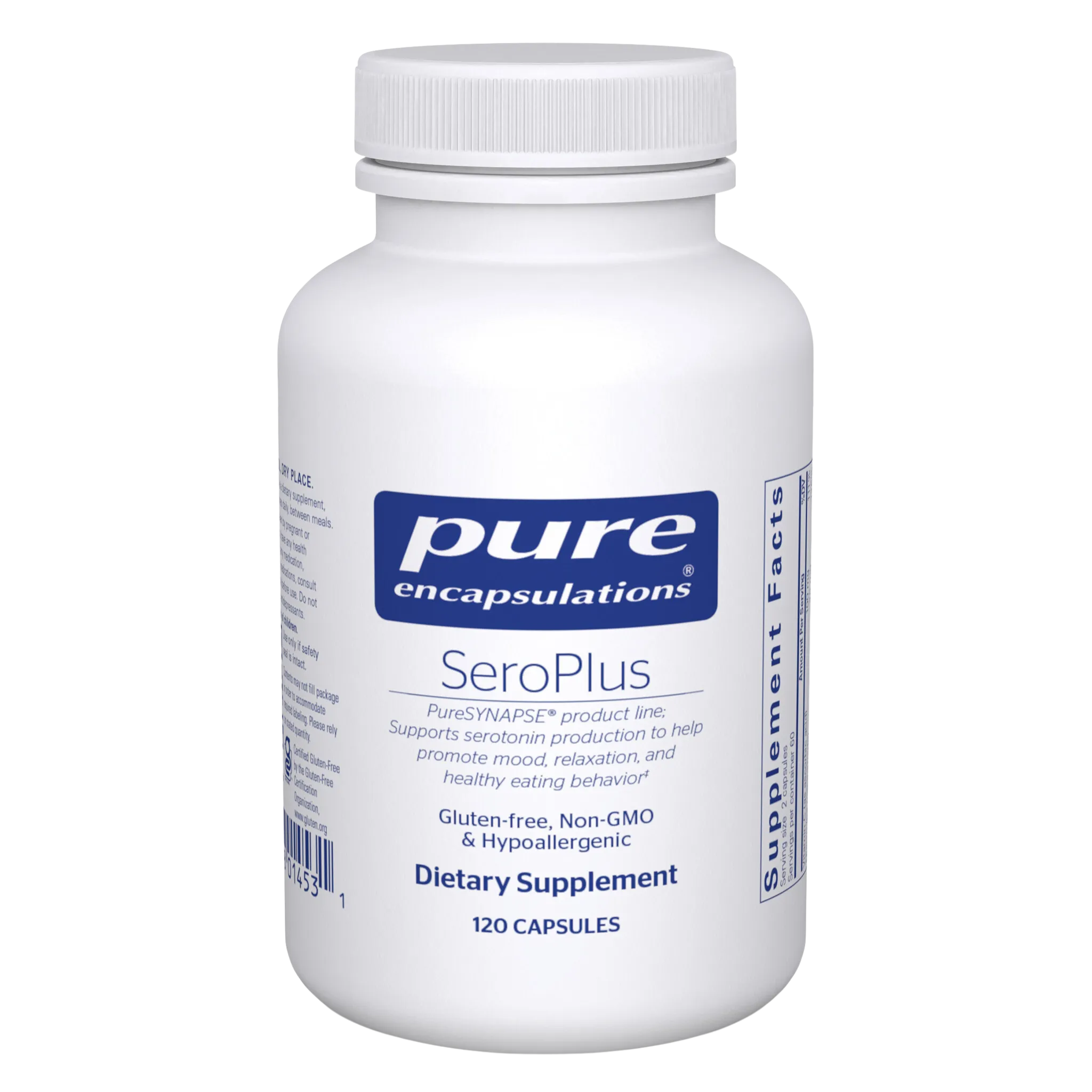
In the wake of viral infections like SARS-CoV-2, the body's metabolic pathways can become fundamentally rewired by chronic inflammation. The raw materials your body normally uses to create serotonin are instead hijacked to produce inflammatory molecules, leaving your brain starved of the neurotransmitters it needs to regulate mood, memory, sleep, and autonomic function. This is where targeted nutritional support becomes a critical piece of the management puzzle. SeroPlus, a comprehensive formula by Pure Encapsulations, is designed to address this exact physiological bottleneck. By providing the direct precursor 5-HTP alongside essential cofactors like inositol, taurine, activated vitamin B6, and folate, SeroPlus aims to bypass these inflammatory roadblocks and restore healthy serotonin synthesis. In this article, we will explore the intricate biochemistry of serotonin depletion in complex chronic illnesses and examine how the specific ingredients in SeroPlus work at a cellular level to support cognitive clarity and emotional well-being.
TL;DR
Chronic inflammation from Long COVID and ME/CFS can deplete serotonin, driving brain fog and mood changes.
SeroPlus provides 5-HTP to bypass inflammatory roadblocks and directly support healthy serotonin production.
Ingredients like inositol and active vitamin B6 help amplify serotonin signals and support cognitive clarity.
Always consult your doctor before starting 5-HTP, especially if taking SSRIs or other antidepressants.
What is SeroPlus and the Serotonergic System?
To understand how a supplement like SeroPlus functions, we must first examine the natural lifecycle of serotonin within a healthy human body. Serotonin, scientifically known as 5-hydroxytryptamine (5-HT), is a vital neurotransmitter that acts as a chemical messenger between nerve cells. While it is most famous for its role in the brain—where it regulates mood, anxiety, memory, and sleep architecture—the vast majority of the body's serotonin (about 90%) is actually produced and stored in the gastrointestinal tract. In the gut, serotonin regulates intestinal movements, while in the bloodstream, it is stored in platelets and plays a crucial role in blood clotting and wound healing. Because serotonin cannot cross the blood-brain barrier, the brain must manufacture its own supply entirely from scratch using raw materials obtained through our diet.
The biological assembly line for serotonin begins with L-tryptophan, an essential amino acid found in protein-rich foods. In a healthy system, L-tryptophan enters the central nervous system and undergoes a highly regulated, two-step conversion process. First, an enzyme called tryptophan hydroxylase (TPH) converts L-tryptophan into 5-hydroxytryptophan (5-HTP). This initial conversion is known as the "rate-limiting step," meaning it is the slowest and most tightly controlled part of the process, heavily dependent on the presence of specific vitamin and mineral cofactors. Once 5-HTP is created, a second enzyme called aromatic L-amino acid decarboxylase (AADC) rapidly removes a carboxyl group from the 5-HTP molecule, transforming it into active serotonin. This newly synthesized serotonin is then packaged into tiny vesicles at the end of the neuron, waiting to be released into the synaptic cleft to pass signals to the next cell.
Creating serotonin is only half the battle; the neurotransmitter must also successfully bind to and activate the receiving neuron. This is where inositol, a key ingredient in SeroPlus, enters the picture. Inositol is a type of sugar alcohol that serves as a fundamental structural component of cell membranes. When serotonin crosses the synaptic cleft and binds to specific receptors on the postsynaptic neuron—particularly the 5-HT2 family of receptors—it doesn't just flip a simple switch. Instead, it triggers a complex internal cellular cascade known as the phosphatidylinositol (PI) cycle. Inositol is the essential building block for a membrane lipid called PIP2 (phosphatidylinositol 4,5-bisphosphate).
When serotonin activates the receptor, an enzyme cleaves this PIP2 molecule into two crucial secondary messengers: IP3 (inositol 1,4,5-trisphosphate) and DAG (diacylglycerol). IP3 travels deep into the cell to release stored calcium, while DAG activates specific protein kinases that carry out the neuron's ultimate physiological response. If the cell membrane lacks sufficient inositol, this internal signaling cascade becomes blunted, leading to receptor desensitization. In this state, even if there is plenty of serotonin floating in the synapse, the receiving neuron fails to "hear" the message clearly. By providing a robust supply of myo-inositol, SeroPlus ensures that the intracellular signal transduction pathways remain highly sensitive and responsive to whatever serotonin is available.
The third major pillar of the SeroPlus formula is taurine, an abundant amino sulfonic acid with potent neuroprotective and neuromodulatory properties. While taurine is often recognized for its role in cardiovascular health and cellular hydration, it plays a deeply synergistic role in neurotransmitter balance. Taurine acts as a powerful agonist for GABA (gamma-aminobutyric acid) receptors, which are the primary inhibitory, or "calming," receptors in the central nervous system. By promoting GABAergic activity, taurine helps to quiet the neurological overstimulation and hyper-excitability that often accompany chronic illness and systemic inflammation.
Beyond its calming effects, taurine directly interacts with the serotonergic system. Research indicates that taurine modulates the release of serotonin into the synaptic cleft and influences the activity of 5-HT1A receptors, which are heavily involved in anxiety regulation and mood stabilization. Furthermore, taurine is a potent antioxidant within the brain. It helps to neutralize reactive oxygen species and protects delicate neural tissues from oxidative stress. This protective mechanism is vital because the enzymes responsible for synthesizing serotonin are highly vulnerable to oxidative damage. By maintaining a healthy, low-inflammation environment in the brain, taurine ensures that the delicate machinery of neurotransmitter production can operate without interference.
How Long COVID and ME/CFS Impact Serotonin Production
To understand why supplements like SeroPlus are so relevant for complex chronic conditions, we must examine how these illnesses fundamentally disrupt the body's normal metabolic pathways. In conditions like Long COVID and ME/CFS, the immune system remains in a state of chronic, low-grade activation. This persistent immune response triggers the release of pro-inflammatory cytokines, particularly interferons and Interleukin-6. These inflammatory signaling molecules have a profound and devastating effect on how the body processes the amino acid L-tryptophan, leading to a phenomenon known as the tryptophan-kynurenine shunt.
Under normal conditions, a small portion of dietary tryptophan is used to make serotonin, while the rest is sent down the kynurenine pathway to produce NAD+, a vital molecule for cellular energy. However, in the presence of chronic inflammation, an enzyme called IDO1 (indoleamine 2,3-dioxygenase) becomes massively upregulated. This hyperactive IDO1 enzyme aggressively "steals" almost all available L-tryptophan, shunting it away from the serotonin assembly line and forcing it down the kynurenine pathway. As a result, the brain is completely starved of the raw materials needed to produce serotonin. This mechanism is a primary driver of the profound Long COVID and Mental Health struggles, including severe depression and emotional blunting, experienced by so many patients.
The consequences of the tryptophan-kynurenine shunt extend far beyond mere serotonin depletion. When massive amounts of tryptophan are forced down this alternative pathway, it leads to a toxic buildup of downstream kynurenine metabolites, most notably a compound called quinolinic acid. Quinolinic acid is highly neurotoxic; it easily crosses the blood-brain barrier and acts as a potent agonist at NMDA (N-methyl-D-aspartate) receptors in the brain. Overactivation of these receptors causes a massive influx of calcium into the neurons, leading to a state of severe excitotoxicity and oxidative stress.
This excitotoxic damage is a leading physiological explanation for the severe cognitive dysfunction seen in these conditions. When patients ask What Is “Brain Fog” and Cognitive Dysfunction in Long COVID?, the accumulation of quinolinic acid in the brain is a major part of the answer. The brain is simultaneously starved of the calming, regulating presence of serotonin and bombarded by the neurotoxic, overstimulating effects of quinolinic acid. This dual-pronged neurological assault perfectly perfectly explains the paradoxical combination of profound physical exhaustion and wired, anxious, "tired-but-wired" cognitive states that define ME/CFS and Long COVID.
Recent landmark research has further illuminated how viral infections specifically orchestrate this systemic serotonin crash. A pivotal 2023 study published in the journal Cell discovered that remnants of SARS-CoV-2 viral RNA often linger in the gastrointestinal tract long after the acute infection has passed. This persistent viral reservoir triggers continuous inflammation in the gut lining, which drastically reduces the expression of intestinal amino acid transporters. Consequently, the gut loses its ability to properly absorb dietary tryptophan in the first place, cutting off the serotonin supply chain at its very source.
Furthermore, this peripheral serotonin depletion has a direct, measurable impact on the autonomic nervous system. Serotonin is heavily utilized by the vagus nerve, the primary superhighway connecting the gut to the brain. The Cell study demonstrated that when peripheral serotonin levels plummet, vagus nerve signaling is severely dampened. This impaired signaling reduces activity in the hippocampus, the brain's memory center, directly correlating with the severity of memory loss and brain fog in Long COVID patients. Additionally, because serotonin is normally stored in blood platelets, the hypercoagulability and microclots often seen in Long COVID further deplete the body's circulating serotonin reserves, creating a vicious cycle of neurological and autonomic dysfunction.
SeroPlus: Supporting Serotonin Synthesis and Receptor Function
Given the severe metabolic roadblocks created by chronic inflammation, simply eating more tryptophan-rich foods or taking standard L-tryptophan supplements is often ineffective for patients with Long COVID or ME/CFS. Because the IDO1 enzyme remains hyperactive, any newly introduced L-tryptophan will likely just be shunted into the kynurenine pathway, generating more neurotoxic quinolinic acid rather than restoring serotonin. This is where the primary ingredient in SeroPlus, 5-HTP (5-hydroxytryptophan), becomes a critical therapeutic tool. SeroPlus provides 100 mg of 5-HTP per serving, offering a direct biochemical bypass around the inflammatory blockade.
Because 5-HTP is already one step further along the metabolic pathway, it completely bypasses the disrupted tryptophan hydroxylase enzyme and the IDO1 kynurenine shunt. When you ingest 5-HTP, it easily crosses the blood-brain barrier and is immediately available for conversion into active serotonin by the AADC enzyme. Research has demonstrated that oral administration of 5-HTP effectively amplifies brain serotonin synthesis and may help alleviate cognitive dysfunction in models of severe systemic inflammation. By providing the exact precursor needed, SeroPlus allows the brain to restart serotonin production without inadvertently fueling neurotoxic pathways, making it a highly targeted approach for those wondering Can 5-HTP Lift the Brain Fog and Sleep Disturbances of Long COVID?.
While 5-HTP provides the raw material to build serotonin, SeroPlus also includes 500 mg of myo-inositol to ensure that the newly synthesized serotonin can effectively communicate with the brain's neural networks. In chronic illness, prolonged neurotransmitter depletion can cause the receiving postsynaptic receptors to become desensitized or down-regulated. Even if 5-HTP successfully restores serotonin levels in the synapse, the receiving neurons might still struggle to process the signal if their internal transduction machinery is compromised.
Inositol acts directly on this intracellular machinery. By replenishing the cellular pool of PIP2 (phosphatidylinositol 4,5-bisphosphate), inositol ensures that when serotonin binds to the 5-HT2 receptors, the resulting signal is strong, clear, and capable of triggering the necessary calcium release and protein kinase activation inside the cell. Scientific literature suggests that inositol supplementation may help support mood regulation and anxiety by addressing this receptor desensitization. In the context of SeroPlus, inositol acts as a signal amplifier, maximizing the clinical benefit of every molecule of serotonin produced by the 5-HTP.
The conversion of 5-HTP into serotonin, and the subsequent regulation of that serotonin, relies entirely on specific vitamin and mineral cofactors. SeroPlus is meticulously formulated with these exact cofactors in their most bioavailable, activated forms. Vitamin B6, provided as 6.7 mg of pyridoxal 5' phosphate (P5P), is arguably the most critical. P5P is the direct, active coenzyme required by the AADC enzyme to convert 5-HTP into serotonin. Without sufficient active B6, the 5-HTP cannot make the final transition into active neurotransmitters, rendering the supplementation ineffective.
Additionally, SeroPlus includes 833 mcg of folate (as Metafolin® L-5-MTHF) and 100 mg of vitamin C. These two nutrients are essential for the recycling of a molecule called BH4 (tetrahydrobiopterin). BH4 is a mandatory cofactor for the synthesis of multiple neurotransmitters, including dopamine and serotonin, and is rapidly depleted by the oxidative stress seen in Long COVID and ME/CFS. Finally, the inclusion of 100 mg of magnesium (as di-magnesium malate) and 10 mg of zinc provides structural support for the neurotransmitter receptors themselves. Magnesium, in particular, acts as a natural blocker of the NMDA receptor, directly protecting the brain from the excitotoxic damage caused by the quinolinic acid buildup discussed earlier.
Symptoms SeroPlus May Help Manage
Because the SeroPlus formula addresses multiple failure points in the serotonergic system—from raw material synthesis to receptor sensitization and cofactor support—it has the potential to alleviate a wide range of neurological and autonomic symptoms associated with complex chronic illnesses. By restoring serotonin levels and dampening neuroinflammation, patients may experience improvements in several debilitating areas.
Brain Fog and Cognitive Dysfunction: By bypassing the kynurenine shunt and reducing the buildup of neurotoxic quinolinic acid, SeroPlus helps protect the brain from excitotoxicity. The restoration of serotonin also improves vagus nerve signaling to the hippocampus, which can enhance memory recall, focus, and overall cognitive clarity.
Mood Dysregulation and Anxiety: Serotonin is the brain's primary mood stabilizer. By providing 5-HTP to actively synthesize new serotonin, and inositol to amplify its signal at the receptor level, SeroPlus can help lift the profound emotional blunting, sudden anxiety spikes, and depressive symptoms that frequently accompany chronic neuroinflammation.
Sleep Disturbances and Insomnia: Serotonin is the direct biochemical precursor to melatonin, the hormone that regulates our circadian rhythms and sleep-wake cycles. By restoring the serotonin pool, SeroPlus provides the necessary substrate for the pineal gland to produce adequate melatonin, promoting deeper, more restorative sleep and helping to regulate inverted sleep schedules.
Fatigue and Post-Exertional Malaise (PEM): While not a direct stimulant, restoring neurotransmitter balance can alleviate "central fatigue"—the profound neurological exhaustion that originates in the brain rather than the muscles. Furthermore, by providing NAD+ supporting cofactors like niacinamide, the formula supports overall cellular energy production, which is crucial for managing Can Free-Form Amino Acids Support Energy and Brain Fog in Long COVID and ME/CFS?.
Gastrointestinal Motility Issues: Since 90% of the body's serotonin is used in the gut to regulate peristalsis (the wave-like muscle contractions that move food through the digestive tract), restoring systemic serotonin levels can help alleviate the severe constipation, bloating, and gastroparesis-like symptoms frequently seen in dysautonomia and Long COVID patients.
Practical Considerations: Forms, Dosing, and Absorption
When evaluating a complex neurotransmitter support formula like SeroPlus, the specific forms of the ingredients are just as important as the ingredients themselves. Many over-the-counter supplements use cheap, inactive forms of vitamins that the body must convert before they can be used—a conversion process that is often impaired in patients with chronic illness or specific genetic mutations (like MTHFR). SeroPlus utilizes highly bioavailable, pre-activated forms to ensure immediate cellular utilization.
For example, the vitamin B6 in SeroPlus is provided as pyridoxal 5' phosphate (P5P). This is the active, coenzyme form of B6 that the AADC enzyme requires immediately to convert 5-HTP into serotonin. If standard pyridoxine HCl were used, the liver would have to convert it to P5P first, a process that requires energy and optimal liver function. Similarly, the folate is provided as Metafolin® L-5-MTHF, the naturally occurring, universally metabolized form of folate. This allows individuals with MTHFR gene mutations—who cannot properly process synthetic folic acid—to fully absorb and utilize the nutrient for critical methylation and neurotransmitter synthesis pathways.
To maximize the efficacy of SeroPlus, proper timing and administration are crucial. The manufacturer suggests taking 2 capsules, 1-2 times daily. Because amino acids compete for transport across the blood-brain barrier, it is generally recommended to take 5-HTP-containing supplements between meals or on an empty stomach. If taken with a heavy, protein-rich meal, the 5-HTP must compete with other large neutral amino acids (like leucine or valine) for the specific transporter proteins that carry them into the brain, potentially reducing the amount of 5-HTP that actually reaches the central nervous system.
It is also important to note that because serotonin regulates gut motility, introducing 5-HTP can sometimes cause temporary gastrointestinal side effects, such as mild nausea, heartburn, or a feeling of fullness. If you experience these symptoms when taking SeroPlus on an empty stomach, you may try taking it with a very small, carbohydrate-only snack (like a few crackers), which can stimulate an insulin response that actually helps clear competing amino acids from the bloodstream, further facilitating 5-HTP absorption into the brain.
While SeroPlus provides natural precursors, it exerts a powerful physiological effect on brain chemistry and must be used with caution, particularly regarding drug interactions. SeroPlus must not be used concurrently with prescription antidepressants, including SSRIs (Selective Serotonin Reuptake Inhibitors), SNRIs, MAOIs, or tricyclic antidepressants. Because SSRIs trap existing serotonin in the synapse, and 5-HTP actively creates new serotonin, combining the two can lead to a dangerous over-accumulation of the neurotransmitter.
This over-accumulation can trigger Serotonin Syndrome, a potentially life-threatening condition characterized by confusion, rapid heart rate, high blood pressure, dilated pupils, muscle rigidity, and heavy sweating. Additionally, SeroPlus should not be taken by pregnant or lactating women. Always consult with a knowledgeable healthcare provider before introducing a direct neurotransmitter precursor into your regimen, especially if you are currently managing complex autonomic dysfunction or are taking medications that affect central nervous system activity.
Follow the Science
The scientific understanding of serotonin's role in post-viral syndromes took a massive leap forward in late 2023. A landmark study published in the journal Cell by researchers at the University of Pennsylvania provided the definitive mechanistic link between viral persistence, inflammation, and cognitive dysfunction. The researchers analyzed the metabolomics of Long COVID patients and discovered a profound, systemic depletion of circulating serotonin. They mapped out exactly how lingering viral RNA in the gut triggers type I interferon-driven inflammation, which subsequently blocks dietary tryptophan absorption and hyperactivates the enzymes that degrade whatever serotonin remains.
Crucially, this study proved mathematically that this peripheral serotonin depletion directly dampens vagus nerve signaling. By measuring brain activity, the researchers showed that this loss of vagal input directly reduced hippocampal responses, perfectly correlating with the severity of memory impairment and neurocognitive symptoms reported by the patients. This research validated what many patients have felt for years: the "brain fog" is not psychological; it is a measurable, physiological consequence of neurotransmitter starvation driven by chronic immune activation.
The specific ingredients in SeroPlus have been extensively studied for their ability to bypass these metabolic roadblocks. Research on 5-HTP biosynthesis and physiology confirms that unlike L-tryptophan, 5-HTP easily crosses the blood-brain barrier and is not subject to the rate-limiting control of the tryptophan hydroxylase enzyme, which is often suppressed by chronic stress and inflammation. Furthermore, a recent 2023 study utilizing animal models of sepsis-associated encephalopathy demonstrated that moderate doses of 5-HTP successfully helped alleviate severe cognitive dysfunction by directly activating 5-HT1A receptors in the brain.
Similarly, the clinical efficacy of high-dose inositol in modifying serotonergic signaling is well documented. Mechanistic reviews of inositol's action in the central nervous system highlight its critical role in the phosphatidylinositol cycle. By addressing the desensitization of 5-HT2 receptors, inositol has been suggested in research to help support mood and manage symptoms of obsessive-compulsive disorder, panic, and depression, acting as a powerful signal amplifier that complements the direct serotonin synthesis driven by 5-HTP.
The relevance of these pathways extends deeply into ME/CFS research as well. A comprehensive review of ME/CFS and Long COVID pathophysiology highlights the "tryptophan trap" hypothesis. This research suggests that genetic mutations in the IDO2 enzyme, combined with chronic neuroinflammation, cause a severe dysregulation of the kynurenine pathway in ME/CFS patients. This dysregulation not only starves the body of serotonin but also depletes NAD+ (crucial for mitochondrial energy) and generates neurotoxic metabolites. By providing 5-HTP, SeroPlus offers a scientifically grounded method to restore serotonin without feeding this dysfunctional and toxic kynurenine shunt, addressing a core metabolic failure point in these complex diseases.
The Path Forward
Living with the cognitive and emotional burden of Long COVID, ME/CFS, or dysautonomia is an incredibly heavy lift. The profound fatigue, the sudden loss of memory, and the unpredictable mood swings can make you feel disconnected from your own mind and body. It is crucial to understand that these symptoms are not a personal failing or a sign of weakness; they are the direct result of complex, systemic metabolic disruptions, such as the tryptophan-kynurenine shunt and severe serotonin depletion. Validating the physiological reality of your symptoms is the first step toward reclaiming your quality of life.
While there is no single miracle cure for these intricate conditions, targeted nutritional support can be a powerful tool in your management arsenal. By bypassing inflammatory roadblocks with 5-HTP, amplifying cellular signals with inositol, and providing the exact activated cofactors your brain needs, SeroPlus offers a scientifically grounded approach to restoring neurotransmitter balance. However, supplements are most effective when integrated into a comprehensive care plan that includes aggressive pacing, nervous system regulation, and ongoing medical supervision. Always work closely with a healthcare provider who understands the nuances of post-viral illness to ensure that any new intervention is safe and appropriate for your unique biochemical needs.