Can Saw Palmetto and Nettle Root Manage Prostate and Urinary Symptoms in Long COVID and Dysautonomia?
March 6, 2026
Saw PalmettoMen's HealthLong COVID
Share:
Disclaimer: The information provided here is for educational purposes only and is not intended as medical advice. It should not be used to diagnose, treat, cure, or prevent any medical condition. Instead, use it as a starting point for discussion with your healthcare provider. Always consult with a qualified healthcare provider before starting any new medication, supplement, device, or making changes to your health regimen.
Months after the acute phase of a SARS-CoV-2 infection has passed, many men find themselves fighting a new, unexpected, and deeply frustrating battle: debilitating urinary and pelvic symptoms. You might have survived the initial respiratory illness, only to discover that you are now waking up four or five times a night to use the bathroom, struggling with urinary hesitancy, or experiencing unexplained pelvic pain. For men navigating complex chronic conditions like Long COVID, dysautonomia, and mast cell activation syndrome (MCAS), these lower urinary tract symptoms (LUTS) are not just a nuisance—they are a severe disruption to sleep, recovery, and overall quality of life.
Historically, medical professionals have viewed prostate enlargement and urinary dysfunction as isolated issues of aging. However, emerging post-viral research paints a very different picture. We now understand that the genitourinary system is profoundly vulnerable to systemic immune dysregulation, autonomic nervous system dysfunction, and chronic inflammation. When the body is locked in a state of hyper-reactivity, the prostate and bladder often become collateral damage. In this comprehensive guide, we will explore the intricate biological connections between post-viral illness and men's health, and examine how targeted botanical interventions—specifically the combination of saw palmetto, nettle root, pygeum, and pumpkin seed oil—may help support hormonal balance, soothe inflammation, and maintain healthy urinary function.
TL;DR
Long COVID and dysautonomia can trigger or worsen urinary symptoms and prostate inflammation in men.
Viral infection and mast cell activation may accelerate benign prostatic hyperplasia (BPH) and pelvic pain.
Botanicals like saw palmetto and nettle root may help support hormone balance and prostate health.
Pumpkin seed oil and pygeum offer targeted support for urinary flow and bladder stability.
What is Saw Palmetto Plus w/Nettle Root?
A Synergistic Approach to Men's Health
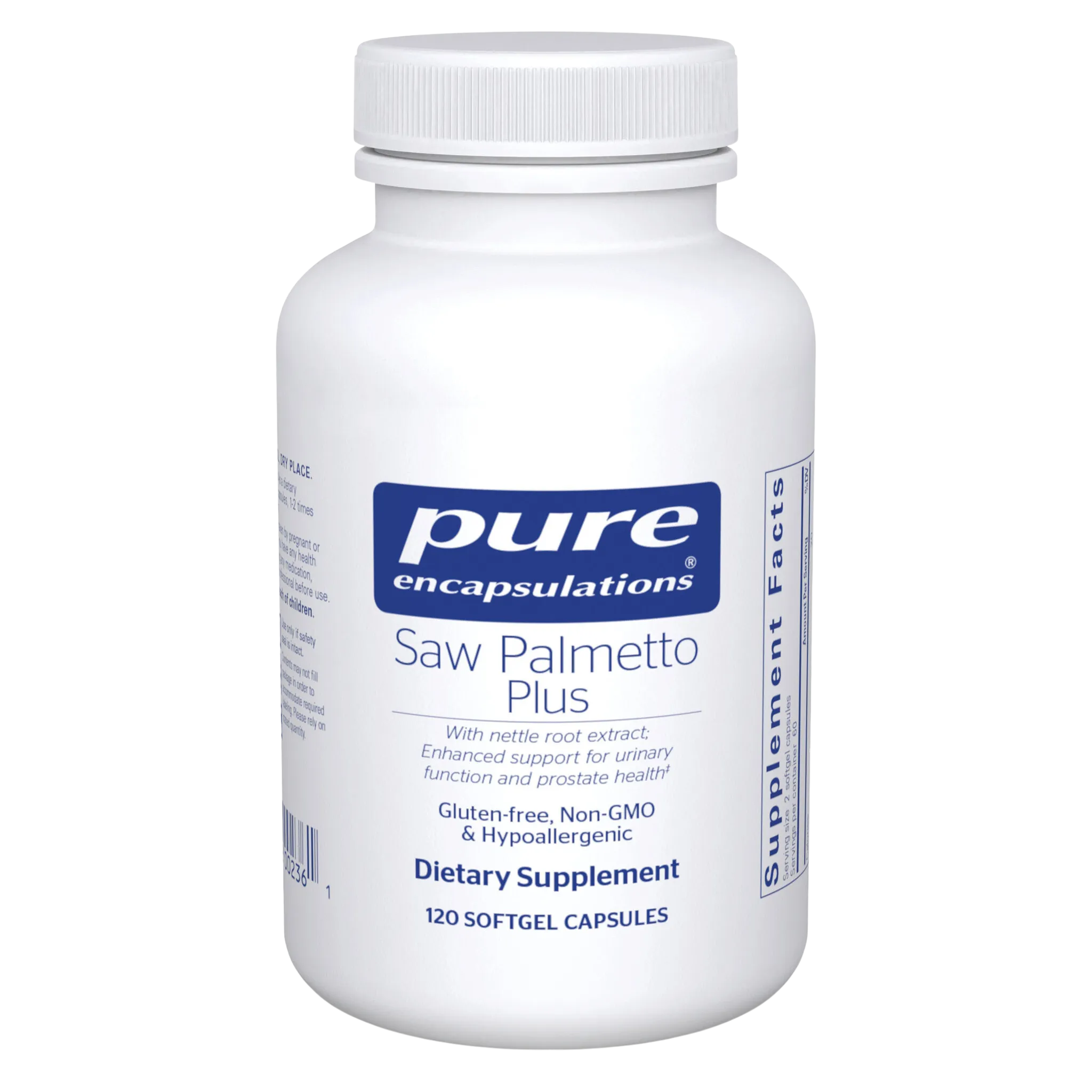
Saw Palmetto Plus w/Nettle Root by Pure Encapsulations is a comprehensive, multi-botanical formula specifically designed to support prostate health, maintain healthy hormone metabolism, and promote optimal urinary flow. Rather than relying on a single mechanism of action, this formulation combines four of the most extensively researched phytotherapeutic agents in urology: saw palmetto extract, stinging nettle root, pygeum bark, and pumpkin seed oil, alongside a supportive dose of vitamin E. In a healthy male body, the prostate gland—a walnut-sized organ surrounding the urethra—relies on a delicate balance of androgens (male sex hormones), localized growth factors, and inflammatory mediators to maintain its normal size and function.
When this delicate biochemical environment is disrupted by aging, oxidative stress, or systemic illness, the prostate can undergo abnormal cellular proliferation, leading to Benign Prostatic Hyperplasia (BPH). This enlargement physically squeezes the urethra, restricting urine flow and causing the bladder muscle to overwork. The ingredients in this formula are carefully selected to intervene at multiple points in this pathological cascade. By utilizing standardized extracts that guarantee a high concentration of active lipid and sterol compounds, the supplement provides broad-spectrum support against the hormonal and inflammatory drivers of prostate dysfunction.
The Core Ingredients and Their Natural Roles
The foundation of this formula is saw palmetto (Serenoa repens), a dwarf palm tree native to the southeastern United States. The therapeutic power of saw palmetto lies in its lipidosterolic extract, which is rich in specific free fatty acids (such as lauric, oleic, and myristic acids) and phytosterols. In a healthy endocrine system, the enzyme 5-alpha-reductase (5-AR) converts testosterone into dihydrotestosterone (DHT), a highly potent androgen. While DHT is crucial for male development, an overabundance of DHT in the prostate tissue stimulates excessive cellular growth. Saw palmetto's lipid fraction naturally modulates this enzyme, helping to keep localized DHT levels in check without drastically suppressing systemic testosterone.
Working in synergy with saw palmetto is nettle root (Urtica dioica). While the leaves of the stinging nettle plant are often used for allergies, the root is packed with unique bioactive compounds, including lignans and polysaccharides, that specifically target the prostate. Nettle root naturally interacts with Sex Hormone-Binding Globulin (SHBG), a protein that transports sex hormones through the bloodstream. By modulating how hormones bind to SHBG, nettle root helps maintain a healthy balance of free and bound androgens. Additionally, the formula includes pygeum (Pygeum africanum), an extract from the bark of the African plum tree known for its ability to regulate localized growth factors and support bladder muscle tone, and pumpkin seed oil (Cucurbita pepo), which provides essential fatty acids, zinc, and specialized delta-7-sterols that further support healthy testosterone metabolism and soothe urinary tract tissues.
How Long COVID and Dysautonomia Impact Prostate and Urinary Function
Viral Tropism and Direct Prostate Inflammation
To understand why men with Long COVID frequently develop sudden or worsening urinary symptoms, we must look at how the SARS-CoV-2 virus interacts with human tissue at a cellular level. The virus gains entry into our cells by binding to Angiotensin-Converting Enzyme 2 (ACE2) receptors. While the lungs and cardiovascular system are well-known targets, the genitourinary tract—specifically the bladder urothelium, kidneys, testes, and prostate gland—possesses an exceptionally high density of ACE2 receptors. When exploring What Causes Long COVID?, researchers emphasize that this direct viral tropism allows the virus to infiltrate the prostate, triggering a localized immune response and a massive release of inflammatory cytokines.
This localized "cytokine storm" causes acute inflammation and swelling of the prostate gland. For men who already had mild, asymptomatic Benign Prostatic Hyperplasia (BPH), this sudden viral-induced swelling can acutely choke the urethra, transforming a minor issue into severe urinary retention and hesitancy. Furthermore, a 2023 study published in the Journal of Internal Medicine analyzing nearly 18,000 men found that those who contracted COVID-19 had a staggering, statistically significant increase in severe prostate complications, including a dramatically higher risk of acute urinary retention and the need for prostate-shrinking medications. The virus effectively accelerates the inflammatory pathways that drive prostate enlargement.
Dysautonomia and the Neurogenic Bladder
Beyond direct viral infection of the prostate, the neurological consequences of post-viral illness play a massive role in urinary dysfunction. An estimated two-thirds of Long COVID patients develop dysautonomia, a malfunction of the Autonomic Nervous System (ANS). The ANS controls all involuntary bodily processes, including heart rate, blood pressure, digestion, and crucially, bladder function. Normal urination requires precise, subconscious coordination: the sympathetic nervous system must relax the bladder wall to store urine and contract the sphincter to hold it in, while the parasympathetic nervous system must contract the bladder muscle (detrusor) and relax the sphincter to allow voiding.
When a patient develops post-viral autonomic neuropathy, this delicate neurological choreography breaks down. The resulting condition, often referred to as a neurogenic bladder, leads to erratic bladder contractions, sudden urinary urgency, and incomplete emptying. This explains why men recovering from viral illnesses often experience symptoms that mimic severe BPH, even if their prostate size hasn't drastically changed. The autonomic misfiring causes the bladder muscle to become hyperactive and hypersensitive. Understanding this neurological link is vital when learning how a doctor diagnoses Long COVID, as urological symptoms are frequently misdiagnosed as standard aging rather than recognized as a manifestation of systemic dysautonomia.
Mast Cell Activation and BPH Acceleration
The third pillar of post-viral prostate dysfunction involves Mast Cell Activation Syndrome (MCAS). Mast cells are the immune system's first responders, heavily populated in mucosal tissues, including the genitourinary tract. In Long COVID, these cells can become trapped in a hyper-reactive state, constantly degranulating and releasing inflammatory mediators like histamine, tryptase, and interleukins (specifically IL-6). Research published in the Journal of Urology has demonstrated that mast cell activation products are significantly elevated in men with Chronic Pelvic Pain Syndrome (CPPS) and non-bacterial prostatitis.
This chronic mast cell degranulation does more than just cause pelvic pain; it actively fuels prostate growth. A pivotal 2017 study in Oncotarget established that infiltrating mast cells enhance benign prostatic hyperplasia through IL-6 signaling pathways. When mast cells release IL-6 into the prostate, it signals the stromal and epithelial cells to rapidly proliferate and multiply. Therefore, the systemic immune dysregulation seen in Long COVID and MCAS provides the exact inflammatory fuel required to accelerate BPH, creating a vicious cycle of localized swelling, nerve irritation, and worsening lower urinary tract symptoms.
Saw Palmetto Plus: Supporting Prostate Health and Hormone Balance
Inhibiting 5-Alpha-Reductase and DHT Production
The primary mechanism by which Saw Palmetto Plus supports prostate health is through the targeted modulation of androgen metabolism. The prostate gland's growth is heavily dependent on dihydrotestosterone (DHT), which is synthesized from circulating testosterone by the enzyme 5-alpha-reductase (5-AR). In conditions of chronic inflammation or aging, 5-AR activity often increases, leading to an accumulation of intraprostatic DHT that drives cellular proliferation. The lipidosterolic extract of saw palmetto is rich in free fatty acids that act as competitive, non-competitive, and uncompetitive inhibitors of both Type 1 and Type 2 5-AR isoforms. By binding to the enzyme, saw palmetto prevents the localized conversion of testosterone to DHT, effectively removing the primary growth stimulus for BPH.
This anti-androgenic action is powerfully amplified by the inclusion of pumpkin seed oil. Pumpkin seeds contain specialized compounds known as delta-7-phytosterols. In vitro studies evaluating pumpkin seed extracts have shown that these delta-7-sterols not only inhibit 5-alpha-reductase but also competitively bind directly to the androgen receptors in the nuclei of prostate cells. This means that even if some DHT is produced, the phytosterols block it from attaching to the cellular receptors, preventing the signaling cascade that leads to tissue enlargement. Together, saw palmetto and pumpkin seed oil provide a dual-action blockade against DHT-driven prostate hypertrophy, which is crucial for men managing urinary symptoms in dysautonomia.
Modulating Hormone Binding and Aromatase Activity
While saw palmetto addresses DHT, nettle root (Urtica dioica) operates through entirely different, yet highly complementary, biochemical pathways. A significant driver of prostate enlargement is the alteration in the ratio of free testosterone to estrogen, a process heavily influenced by Sex Hormone-Binding Globulin (SHBG). As men age or experience chronic systemic stress, SHBG levels often rise, binding up free testosterone and altering the hormonal balance in favor of prostate proliferation. The polar lignans found in nettle root, specifically secoisolariciresinol, possess a high binding affinity for SHBG. They competitively bind to this globulin, displacing bound steroid hormones and preventing SHBG from attaching to human prostatic membrane receptors.
Furthermore, nettle root contains bioactive compounds that inhibit the aromatase enzyme. Aromatase is responsible for converting testosterone into estradiol (estrogen). In the context of the prostate, excess localized estrogen can sensitize the tissue to the effects of DHT, exacerbating BPH. By inhibiting aromatase gene expression and enzyme activity, nettle root helps maintain a healthier testosterone-to-estrogen ratio within the genitourinary tract. Additionally, the stinging nettle root lectin (UDA) directly inhibits the binding of Epidermal Growth Factor (EGF) to its receptors on the prostate, suppressing abnormal epithelial cell proliferation and metabolic dysfunction.
Calming Inflammation and Bladder Hypercontractility
The final therapeutic angle of this formula addresses the inflammatory and neurological components of urinary dysfunction, which are particularly relevant for patients with post-viral syndromes. Pygeum (Pygeum africanum) extract is renowned for its profound anti-inflammatory properties. It actively downregulates the 5-lipoxygenase (5-LOX) enzyme pathway, substantially decreasing the production of leukotrienes and other chemotactic inflammatory mediators that cause the prostate to swell and irritate surrounding nerves. This mechanism is vital for managing symptoms of sterile prostatitis often triggered by mast cell activation in Long COVID patients.
Beyond its anti-inflammatory effects, pygeum plays a unique role in modulating bladder function. In patients with dysautonomia, the detrusor muscle of the bladder often becomes hypersensitive and hypercontractile, leading to sudden urgency and frequent urination. Pygeum extract has been shown to reduce this age-related and neurogenic hypercontractility, helping to stabilize the bladder muscle. When combined with the anti-inflammatory and antioxidant support of vitamin E and the zinc provided by pumpkin seed oil, this comprehensive formula helps soothe the entire pelvic floor, making it an excellent consideration when exploring targeted nutrients for energy and prostate function.

Symptoms Saw Palmetto Plus May Help Manage
Targeted Relief for Lower Urinary Tract Symptoms
By addressing the root causes of prostate enlargement, hormonal imbalance, and localized inflammation, Saw Palmetto Plus w/Nettle Root may help manage a variety of distressing lower urinary tract symptoms (LUTS) commonly exacerbated by chronic illness and dysautonomia.
Nocturia (Frequent Nighttime Urination): By supporting healthy prostate tissue size and helping to stabilize bladder hypercontractility via pygeum extract, this formula helps increase bladder capacity and reduces the neurological urge to void, allowing for more uninterrupted, restorative sleep.
Urinary Hesitancy and Weak Stream: Saw palmetto and pumpkin seed oil inhibit DHT production, which helps reduce the physical bulk of the prostate gland. This may help relieve mechanical pressure on the prostatic urethra, making it easier to initiate urination and improving the peak flow rate (Qmax).
Incomplete Emptying (Urinary Retention): Inflammation from post-viral immune responses can cause acute retention. The anti-inflammatory properties of nettle root and pygeum may help soothe localized swelling, supporting the bladder to empty more fully and reducing the risk of post-void residual urine accumulation.
Sudden Urinary Urgency: Dysautonomia often causes the autonomic nerves controlling the bladder to misfire. The phytosterols and essential fatty acids in this blend help soothe the detrusor muscle, reducing the sudden, uncontrollable spasms associated with overactive bladder symptoms.
Pelvic Pain and Sterile Prostatitis: For men experiencing non-bacterial prostate inflammation driven by Mast Cell Activation Syndrome (MCAS), the downregulation of the 5-LOX inflammatory pathway by pygeum and the inhibition of IL-6 by nettle root can significantly reduce chronic pelvic and perineal discomfort.
Practical Considerations: Forms, Dosing, and Absorption
The Importance of Lipid-Based Absorption
When utilizing botanical extracts for prostate health, bioavailability is the most critical factor determining clinical success. The active, therapeutic compounds in saw palmetto (free fatty acids), pygeum (phytosterols like beta-sitosterol), and pumpkin seeds (delta-7-sterols) are highly lipophilic, meaning they are fat-soluble. If you consume dry, powdered forms of these herbs without a fat source, your digestive system will struggle to absorb them, and they will largely pass through your gastrointestinal tract unutilized. This is why the formulation of Saw Palmetto Plus is strategically designed: the inclusion of high-quality, fresh-pressed pumpkin seed oil acts as a natural lipid carrier, emulsifying the active sterols from the saw palmetto, pygeum, and nettle root to ensure maximum transit across the intestinal wall and into the bloodstream.
To further optimize absorption, it is highly recommended to take this supplement alongside a meal that contains healthy dietary fats, such as eggs, avocado, olive oil, or nuts. When you consume dietary fat, your gallbladder releases bile acids that naturally micellize (break down) the lipophilic compounds in the supplement, drastically increasing their bioavailability. Taking these concentrated herbal extracts on an empty stomach not only reduces their efficacy but can also lead to mild gastrointestinal distress, such as nausea, acid reflux, or the "seed burps" sometimes associated with pumpkin seed oil. Food acts as a necessary physical buffer and a metabolic activator.
Dosing Strategies and Timing
The suggested use for Saw Palmetto Plus w/Nettle Root is 2 capsules, 1 to 2 times daily. Because the active ingredients in this formula influence hormone metabolism and urinary frequency, the timing of your doses can be tailored to your specific symptoms. Your body's natural testosterone levels peak in the morning and gradually decline throughout the day. Taking a dose with your morning meal aligns perfectly with this natural endocrine rhythm, allowing the 5-alpha-reductase inhibitors to actively manage DHT production during peak hormone synthesis.
However, if your primary and most disruptive symptom is nocturia (waking up multiple times at night to urinate), taking your second dose with your evening meal is highly strategic. This ensures that the bladder-stabilizing effects of the pygeum and the anti-inflammatory properties of the nettle root are at peak concentration in your tissues while you sleep. It is also crucial to understand that phytotherapy works cumulatively, not instantly. Unlike pharmaceutical alpha-blockers that forcefully relax smooth muscle within hours, botanical sterols and fatty acids require consistent daily use for 6 to 8 weeks to build up in the prostate tissue and yield significant, structural improvements in urinary flow.
Safety Profile and Potential Interactions
One of the primary reasons patients and practitioners turn to multi-botanical formulas is their highly favorable safety profile compared to prescription 5-alpha-reductase inhibitors (like finasteride or dutasteride). While pharmaceutical 5-ARIs drastically suppress systemic blood DHT levels—often leading to severe sexual side effects such as erectile dysfunction, loss of libido, and gynecomastia—saw palmetto and nettle root primarily lower intraprostatic (localized) DHT levels. This targeted action allows men to manage their BPH symptoms without sacrificing their systemic hormonal health or sexual function.
Adverse effects are rare and generally limited to mild, transient gastrointestinal upset, which is easily mitigated by taking the capsules with food. However, because this formula actively modulates hormone pathways, it should not be taken by pregnant or lactating women (though this specific product is formulated for men's health). Additionally, patients currently taking prescription alpha-blockers, hormonal therapies, or undergoing treatment for prostate cancer should consult their healthcare provider before initiating this supplement, as the botanicals may have additive effects or alter the interpretation of Prostate-Specific Antigen (PSA) lab tests, though clinical trials indicate nettle root itself does not artificially mask PSA levels.

Follow the Science
Clinical Evidence for Saw Palmetto and Nettle Root
The clinical efficacy of these botanicals has been the subject of extensive, worldwide research. While some North American trials using non-standardized extracts have shown mixed results, European studies utilizing highly regulated, lipidosterolic extracts consistently demonstrate significant benefits. A landmark randomized international trial published in the journal Prostate compared a specific saw palmetto extract to the prescription drug finasteride in 1,098 patients. The study found that saw palmetto was just as effective as finasteride in improving subjective symptom scores and peak urinary flow, but with significantly fewer sexual side effects.
Similarly, nettle root has robust clinical backing. A major 6-month, randomized, double-blind, placebo-controlled crossover study involving 620 patients evaluated the impact of Urtica dioica on lower urinary tract symptoms. The results were striking: 81% of patients in the nettle root group reported improved symptoms compared to just 16% in the placebo group. The International Prostate Symptom Score (IPSS) dropped significantly from 19.8 to 11.8, and peak urinary flow rates improved by 8.2 mL/s, confirming the potent anti-inflammatory and hormone-modulating effects of the root extract.
Pygeum and Pumpkin Seed Oil in Urological Research
The inclusion of pygeum and pumpkin seed oil is heavily supported by meta-analyses and targeted clinical trials. A rigorous Cochrane Database systematic review analyzed 18 randomized controlled trials encompassing over 1,562 men with BPH. The data revealed that men using pygeum extract were more than twice as likely to report overall symptom improvement compared to a placebo, with a 19% reduction in nocturia and a 24% reduction in residual urine volume. This highlights pygeum's specific ability to reduce bladder hypercontractility and improve emptying efficiency.
Pumpkin seed oil has also demonstrated standalone efficacy. A 12-month, randomized, double-blind, placebo-controlled trial evaluated Korean men with symptomatic BPH. Men taking 320 mg/day of pumpkin seed oil showed a significant reduction in their IPSS and an improved Quality of Life (QoL) score after 3 months, with maximal urinary flow rates gradually improving by the 6-month mark. The study concluded that the delta-7-sterols in the oil effectively inhibit 5-alpha-reductase and block androgen receptors, validating its use as both a supportive agent and a lipid carrier for other botanicals.
Emerging Data on Post-Viral Urinary Symptoms
The intersection of post-viral illness and urology is a rapidly expanding field of study. As researchers investigate how Long COVID triggers ME/CFS and dysautonomia, they are uncovering the profound impact of systemic inflammation on the prostate. The 2023 Hong Kong Public Healthcare Study, which analyzed nearly 18,000 men, indicated that SARS-CoV-2 infection significantly increases the risk of acute urinary retention, clinical UTIs, and the need for BPH medications. Furthermore, immunological research published in Oncotarget confirms that infiltrating mast cells enhance BPH through IL-6 signaling. These modern findings perfectly contextualize why multi-botanical formulas that target both hormone metabolism and systemic inflammation are becoming essential tools for men recovering from complex chronic illnesses.
The Path Forward
Comprehensive Care for Complex Symptoms
Navigating the intersection of Long COVID, dysautonomia, and worsening urinary symptoms can feel incredibly isolating. When you are already battling systemic fatigue, brain fog, and autonomic dysfunction, the added burden of waking up multiple times a night to urinate or struggling with pelvic pain can severely hinder your ability to rest and recover. It is entirely valid to feel frustrated when these genitourinary symptoms are dismissed as "normal aging" rather than recognized as part of your broader post-viral inflammatory cascade. Understanding the deep biological connections between mast cell activation, viral tissue tropism, and prostate health is the first step toward reclaiming your quality of life.
While there is no single miracle cure for the complex web of symptoms associated with post-viral syndromes, targeted nutritional support can play a vital role in your management strategy. By combining the 5-alpha-reductase inhibiting power of saw palmetto and pumpkin seed oil with the hormone-balancing and anti-inflammatory properties of nettle root and pygeum, you can address prostate enlargement and bladder hypercontractility from multiple mechanistic angles. Supplements are most effective when utilized as part of a comprehensive, physician-guided protocol that includes pacing, nervous system regulation, and targeted immune support. Always consult your healthcare provider before starting any new supplement regimen to ensure it aligns safely with your individual medical needs and current medications.