Can Saw Palmetto Help Manage Urinary Symptoms in Dysautonomia and Long COVID?
March 5, 2026
Saw PalmettoDysautonomiaLong COVID
Share:
Disclaimer: The information provided here is for educational purposes only and is not intended as medical advice. It should not be used to diagnose, treat, cure, or prevent any medical condition. Instead, use it as a starting point for discussion with your healthcare provider. Always consult with a qualified healthcare provider before starting any new medication, supplement, device, or making changes to your health regimen.
Living with complex chronic conditions like Long COVID, myalgic encephalomyelitis/chronic fatigue syndrome (ME/CFS), and dysautonomia often means navigating a labyrinth of unpredictable and overlapping symptoms. While debilitating fatigue, brain fog, and post-exertional malaise (PEM) frequently dominate the clinical picture, many patients also silently struggle with secondary complications that severely impact their quality of life. Among these hidden battles are lower urinary tract symptoms (LUTS) and hormonal dysregulation. When the autonomic nervous system—the body's master control center for involuntary functions—goes awry, it can disrupt everything from heart rate to bladder control, leaving patients frustrated and searching for comprehensive relief.
Enter Saw Palmetto (Serenoa repens), a botanical extract with a rich history in traditional medicine and a robust profile in modern phytotherapy. While it is globally recognized as a gold-standard natural therapy for men's health, specifically for supporting prostate function and managing benign prostatic hyperplasia (BPH), its underlying mechanisms of action offer fascinating insights into autonomic and inflammatory modulation. By interacting directly with autonomic receptors, inhibiting key inflammatory enzymes, and balancing testosterone metabolism, Saw Palmetto addresses the functional root causes of urinary and endocrine distress. In this comprehensive guide, we will explore the deep biochemistry of Saw Palmetto, how it supports healthy urinary flow, and why its highly standardized fatty acids may be a valuable piece of the puzzle for those managing the complex web of chronic illness symptoms.
TL;DR
Saw Palmetto is a botanical extract that may help manage lower urinary tract symptoms (LUTS).
It supports autonomic balance by relaxing smooth muscle and calming bladder spasms.
The extract may help modulate hormonal health and support healthy prostate function.
Standardized extracts (85% fatty acids) are recommended for optimal absorption and efficacy.
What is Saw Palmetto?
Saw Palmetto, scientifically known as Serenoa repens, is a small, hardy palm tree endemic to the subtropical climate of the southeastern United States, particularly Florida. For centuries, the indigenous peoples of the Americas, notably the Seminole tribe, utilized the dark, nutrient-dense berries of this plant as a staple food source and a traditional remedy for a variety of urologic and reproductive ailments. The historical application of these berries laid the groundwork for what would eventually become one of the most extensively researched and widely utilized botanical medicines in the world. As modern science began to investigate the pharmacological properties of traditional remedies, Saw Palmetto quickly emerged as a subject of intense clinical interest.
The transition from traditional whole-berry consumption to modern phytotherapy marked a significant leap in clinical efficacy. Researchers discovered that the therapeutic power of Saw Palmetto does not reside in the water-soluble components of the fruit, but rather in its rich, lipophilic (fat-soluble) matrix. Today, in countries like France, Germany, and Austria, highly concentrated extracts of Saw Palmetto are not viewed merely as alternative supplements, but are prescribed as first-line, gold-standard options for managing lower urinary tract symptoms. This widespread medical acceptance is built upon decades of rigorous pharmacological profiling and clinical observation, which have demystified how the plant interacts with human physiology.
However, the efficacy of Saw Palmetto is entirely dependent on the extraction process. Because the active compounds are lipid-based, traditional methods like brewing teas or creating aqueous tinctures fail to extract the necessary therapeutic molecules. Modern, clinical-grade supplements utilize advanced techniques, such as supercritical carbon dioxide (CO2) or hexanic lipidosterolic extraction, to pull the dense fatty acids and sterols from the berries. These sophisticated extraction methods ensure that the final product contains the precise concentration of bioactive molecules required to interact with cellular receptors and enzymatic pathways, transforming a simple botanical into a potent modulator of urologic and endocrine health.
At the molecular level, the efficacy of Saw Palmetto is driven by a complex, synergistic blend of free fatty acids and phytosterols. The extract is exceptionally rich in specific medium- and long-chain fatty acids, including lauric acid, myristic acid, oleic acid, and linoleic acid. These fatty acids are not merely nutritional building blocks; they act as active pharmacological agents. Because they are highly lipophilic, they can easily cross cellular membranes and interact directly with intracellular enzymes and cytosolic receptors. This ability to penetrate the cell is crucial for their role in modulating hormonal metabolism and halting inflammatory cascades at their source.
Working in tandem with these fatty acids are phytosterols, plant-derived compounds that structurally resemble human cholesterol. The most prominent and well-researched phytosterol in Saw Palmetto is beta-sitosterol. In the human body, beta-sitosterol integrates into cell membranes, altering their fluidity and the function of membrane-bound proteins. Furthermore, it acts as a potent signaling molecule, capable of downregulating the expression of pro-inflammatory cytokines and helping to manage the infiltration of immune cells into delicate tissues. The structural similarity to cholesterol also allows beta-sitosterol to interact with steroid hormone pathways, contributing to the extract's overall endocrine-balancing effects.
The true power of Saw Palmetto lies in the synergy between these compounds. Isolated lauric acid or purified beta-sitosterol alone cannot replicate the clinical outcomes of the full-spectrum extract. The complex matrix of the standardized extract ensures a multi-targeted approach, simultaneously inhibiting destructive enzymes, blocking overactive autonomic receptors, and calming inflammatory signaling. This polypharmacological action is why high-quality Saw Palmetto extracts can achieve clinical results comparable to single-target synthetic pharmaceuticals, but often with a significantly more favorable safety and tolerability profile.
The primary and most thoroughly documented clinical application for Saw Palmetto is the management of Benign Prostatic Hyperplasia (BPH), a condition characterized by the non-cancerous enlargement of the prostate gland. As the prostate enlarges, it physically compresses the urethra, creating a mechanical obstruction that severely impedes urinary flow. However, the symptoms of BPH are not solely caused by physical bulk; they are heavily driven by functional hypertonia—excessive muscle tension—within the prostate and bladder neck, as well as localized chronic inflammation. Saw Palmetto addresses both the physical growth and the functional tension, making it a comprehensive foundational support for men's health.
This combination of physical obstruction and functional tension manifests as Lower Urinary Tract Symptoms (LUTS). LUTS is a broad clinical umbrella that encompasses both obstructive symptoms (such as a weak urinary stream, hesitancy, and incomplete emptying) and irritative symptoms (such as urinary frequency, sudden urgency, and nocturia, which is the need to wake multiple times at night to urinate). By relaxing the smooth muscle, reducing inflammation, and halting hormone-driven tissue growth, Saw Palmetto provides targeted relief across the entire spectrum of LUTS, significantly improving daily comfort and sleep quality.
Beyond its urologic benefits, Saw Palmetto serves as a crucial modulator of endocrine health. The prostate and the urinary tract are highly sensitive to hormonal fluctuations, particularly the metabolism of testosterone. By intervening in the enzymatic conversion of testosterone into its more potent, tissue-proliferating metabolite, Saw Palmetto helps maintain a balanced hormonal environment. This endocrine modulation is not only vital for supporting healthy prostate size but also has systemic implications, influencing everything from systemic inflammation to the health of hair follicles, highlighting the extract's broad-reaching physiological impact.
How Dysautonomia and Long COVID Impact Urinary and Autonomic Function
To understand how chronic illness impacts urinary function, we must first examine the intricate neurological control of the lower urinary tract. The bladder and its associated sphincter muscles are governed by the autonomic nervous system (ANS), the same system that regulates heart rate, digestion, and blood pressure. The ANS operates through a delicate, continuous balancing act between its two primary branches: the sympathetic nervous system (the "fight or flight" response) and the parasympathetic nervous system (the "rest and digest" response). Healthy urinary function requires these two branches to work in perfect, coordinated harmony, seamlessly switching between the storage and voiding phases of micturition.
During the storage phase, the sympathetic nervous system dominates. Sympathetic nerves release the neurotransmitter norepinephrine, which binds to alpha-1 adrenergic receptors located densely in the smooth muscle of the bladder neck and the prostate. When these receptors are activated, they cause the smooth muscle to contract and tighten, effectively sealing the urethra and allowing the bladder to fill without leaking. Conversely, during the voiding phase, the parasympathetic nervous system takes over. It releases acetylcholine, which binds to muscarinic receptors in the detrusor muscle (the main muscle of the bladder wall), causing it to contract and expel urine, while the sympathetic signals are simultaneously inhibited to allow the bladder neck to relax and open.
In conditions like dysautonomia, Postural Orthostatic Tachycardia Syndrome (POTS), and Long COVID, this delicate autonomic balance is severely disrupted. Patients often experience a state of chronic sympathetic overdrive, where the "fight or flight" system is constantly engaged. This autonomic hypertonia causes the alpha-1 receptors in the lower urinary tract to remain continuously activated, leading to a tight, unyielding bladder neck and prostate. This manifests clinically as severe hesitancy, a weak urinary stream, and the frustrating sensation of incomplete emptying. Simultaneously, erratic parasympathetic signaling can cause the detrusor muscle to spasm unpredictably, leading to sudden, intense urinary urgency and debilitating frequency, a condition often referred to as neurogenic bladder.
Beyond neurological dysfunction, chronic systemic inflammation is a hallmark of complex illnesses like Long COVID, ME/CFS, and Mast Cell Activation Syndrome (MCAS). When the immune system is continuously triggered—whether by viral persistence, autoimmune cross-reactivity, or environmental toxins—it initiates a cascade of inflammatory signaling throughout the body. If you are wondering What Causes Long COVID?, researchers increasingly point to this sustained, hyperactive immune response and the resulting widespread endothelial and tissue inflammation as primary drivers of the condition's debilitating symptoms.
At the cellular level, this inflammation is largely driven by the arachidonic acid cascade. When cell membranes are damaged or stressed, they release arachidonic acid, which is then metabolized by two highly destructive enzymes: cyclooxygenase-2 (COX-2) and 5-lipoxygenase (5-LOX). The COX-2 enzyme converts arachidonic acid into pro-inflammatory prostaglandins, which mediate pain, swelling, and fever. Simultaneously, the 5-LOX enzyme converts it into leukotrienes, powerful chemoattractants that draw more immune cells into the tissue, amplifying the inflammatory response and causing severe tissue irritation and smooth muscle constriction.
In the context of the lower urinary tract, the localized overproduction of prostaglandins and leukotrienes is disastrous. The prostate and bladder tissues become engorged, highly sensitive, and hyper-reactive. This chronic intraprostatic and bladder inflammation exacerbates every aspect of LUTS. The swollen tissues physically obstruct the urethra, while the inflammatory mediators directly irritate the nerve endings in the bladder wall, drastically lowering the threshold for urgency and pain. This creates a vicious cycle where inflammation drives autonomic dysfunction, and autonomic dysfunction further aggravates tissue stress and inflammation.
The profound physiological stress of living with a complex chronic illness inevitably takes a toll on the hypothalamic-pituitary-adrenal (HPA) axis, the body's central hormone command center. As the body struggles to maintain homeostasis in the face of constant autonomic and immune challenges, the production and metabolism of sex hormones, including testosterone, can become severely dysregulated. This hormonal imbalance is not merely a secondary side effect; it actively contributes to the perpetuation of symptoms and the overall disease burden, complicating the clinical picture for both patients and providers.
A critical player in this hormonal landscape is the enzyme 5-alpha-reductase (5-AR). This enzyme is responsible for converting circulating testosterone into dihydrotestosterone (DHT), an androgen that is exponentially more potent than testosterone itself. DHT binds to cellular androgen receptors with incredibly high affinity, initiating the transcription of growth factors like Epidermal Growth Factor (EGF) and Insulin-Like Growth Factor-1 (IGF-1). In the prostate, excess DHT drives the rapid, abnormal proliferation of epithelial cells, leading to physical enlargement and worsening urinary obstruction. Furthermore, high levels of localized DHT can act as a pro-inflammatory trigger, exacerbating the already heightened immune response in the pelvic region.
The consequences of excess DHT extend beyond the urinary tract. One of the most distressing secondary symptoms reported by patients recovering from severe viral infections or managing chronic physiological stress is profound hair loss, specifically androgenic alopecia and telogen effluvium. When DHT levels are elevated in the scalp, the hormone binds to receptors in the hair follicles, causing them to miniaturize, shorten their growth phase, and eventually shed the hair shaft. Understanding these interconnected pathways is crucial when evaluating What Are the Symptoms of Long COVID?, as the condition's impact on endocrine metabolism can manifest in surprising and distressing ways far removed from the initial infection.
Saw Palmetto: Supporting Urinary Flow and Hormonal Balance
Saw Palmetto's ability to alleviate lower urinary tract symptoms is deeply rooted in its capacity to act as a broad-spectrum autonomic neuromodulator. Unlike highly selective synthetic drugs that target a single receptor subtype, the complex matrix of free fatty acids in Saw Palmetto interacts with multiple receptor sites across both branches of the autonomic nervous system. In vitro studies have demonstrated that the lipophilic compounds in the extract, particularly oleic and lauric acids, non-competitively inhibit the binding of neurotransmitters to alpha-1 adrenergic receptors located in the smooth muscle of the prostate and bladder neck.
By antagonizing these alpha-1 receptors, Saw Palmetto effectively blocks the sympathetic "fight or flight" signals that cause the lower urinary tract to constrict. When norepinephrine is prevented from binding to its target, the intracellular calcium channels remain closed, and the smooth muscle is allowed to relax. This localized sympathetic blockade directly counteracts the autonomic hypertonia frequently seen in dysautonomia, opening the urethra, reducing hesitancy, and allowing for a stronger, more consistent peak urinary flow. It essentially mimics the mechanism of prescription alpha-blockers, but through a gentler, more balanced physiological pathway.
Simultaneously, Saw Palmetto exerts a calming influence on the parasympathetic nervous system. Pharmacological research indicates that the extract inhibits binding to muscarinic receptors (specifically subtypes M1 through M5) within the detrusor muscle of the bladder. By blocking acetylcholine from activating these receptors, Saw Palmetto attenuates the erratic, hyperactive bladder contractions that drive severe urinary urgency and frequency. This dual-action neural blockade—relaxing the obstructive tension of the prostate while simultaneously calming the irritative spasms of the bladder—provides comprehensive relief for the complex urologic symptoms that plague patients with autonomic dysfunction.
The most historically celebrated mechanism of Saw Palmetto is its potent ability to modulate testosterone metabolism through the inhibition of the 5-alpha-reductase (5-AR) enzyme. The human body utilizes two distinct isoenzymes of 5-AR: Type 1, which is predominantly found in the skin, liver, and sebaceous glands, and Type 2, which is highly concentrated in the prostate, seminal vesicles, and hair follicles. While prescription medications like finasteride competitively inhibit only the Type 2 isoenzyme, the free fatty acids in high-quality Saw Palmetto extracts act as non-competitive, dual inhibitors of both Type 1 and Type 2 5-AR, providing a more comprehensive blockade of DHT production.
The biochemical efficiency of this inhibition is remarkable. In vitro cell-free assays testing supercritical CO2 extracts of Saw Palmetto have demonstrated concentration-dependent inhibition of 5-AR Type II with an incredibly low IC50 (half-maximal inhibitory concentration) of 3.58 μg/mL. By severely restricting the conversion of testosterone to DHT, Saw Palmetto deprives the prostate cells of the potent androgenic stimulus required for abnormal growth and proliferation. This localized reduction in DHT halts the progression of physical prostate enlargement and reduces the hormonal triggers that exacerbate intraprostatic inflammation.
Crucially, Saw Palmetto achieves this endocrine modulation without causing the severe systemic disruptions associated with synthetic 5-AR inhibitors. Clinical studies have shown that while Saw Palmetto effectively lowers DHT levels within the target tissues (like the prostate and hair follicles), it does not significantly suppress systemic, circulating testosterone levels in the blood.
In addition to its autonomic and endocrine effects, Saw Palmetto is a formidable anti-inflammatory agent, specifically targeting the destructive arachidonic acid cascade. Recent molecular research has revealed that hexanic and lipidosterolic extracts of Serenoa repens actively inhibit both the cyclooxygenase-2 (COX-2) and 5-lipoxygenase (5-LOX) enzymes. By blocking these critical metabolic bottlenecks, the extract helps inhibit the biosynthesis of highly inflammatory prostaglandins and leukotrienes. This dual enzymatic inhibition acts like a molecular fire extinguisher, rapidly cooling the localized inflammation that irritates the bladder wall and causes the prostate tissue to swell and compress the urethra.
Beyond enzyme inhibition, the phytosterols in Saw Palmetto, particularly beta-sitosterol, exert profound effects on cellular signaling and immune cell behavior. The extract has been shown to suppress the expression of potent pro-inflammatory cytokines, including Interleukin-6 (IL-6), Tumor Necrosis Factor-alpha (TNF-α), and Monocyte Chemotactic Protein-1 (MCP-1). By downregulating these signaling molecules, Saw Palmetto effectively silences the alarm bells that draw macrophages and neutrophils into the pelvic tissues. This helps manage the infiltration of destructive immune cells, halting the cycle of oxidative stress and cellular damage that characterizes chronic urologic inflammation.
Furthermore, emerging research suggests that the medium-chain fatty acids in Saw Palmetto can alter the secretion of adipokines (such as visfatin and leptin) from visceral fat surrounding the pelvic organs. This adipokine modulation further reduces the inflammatory burden on the lower urinary tract. When patients explore What Drugs Are Used for COVID Long Haulers?, they often find a heavy reliance on systemic anti-inflammatories and immunosuppressants. Saw Palmetto offers a targeted, botanical alternative that addresses inflammation at the enzymatic and cytokine levels specifically within the urologic and reproductive systems, providing crucial support without broad systemic immunosuppression.

Symptoms Saw Palmetto May Help Manage
Urinary Frequency and Urgency: By acting as an antagonist to muscarinic receptors in the bladder, Saw Palmetto helps calm the parasympathetic overactivity that causes the detrusor muscle to spasm unpredictably. This neural modulation reduces the constant, sudden need to void, providing significant relief for those dealing with neurogenic bladder symptoms.
Weak Urinary Stream and Hesitancy: The extract's free fatty acids non-competitively bind to alpha-1 adrenergic receptors, blocking the sympathetic signals that cause the prostate and bladder neck to constrict. This smooth muscle relaxation opens the urethra, counteracting autonomic hypertonia and allowing for a stronger, more consistent, and effortless urinary flow.
Prostate Discomfort and Pelvic Inflammation: Through the direct inhibition of the COX-2 and 5-LOX enzymatic pathways, Saw Palmetto halts the production of inflammatory prostaglandins and leukotrienes. This targeted anti-inflammatory action soothes swollen, irritated tissues in the lower urinary tract, reducing localized pain and physical obstruction.
Nighttime Urination (Nocturia): By improving overall bladder capacity and reducing detrusor instability, the extract helps patients achieve longer stretches of uninterrupted sleep. Reducing nocturia is absolutely critical for patients with ME/CFS and Long COVID, as restorative sleep is foundational for cellular repair and helping to avoid post-exertional crashes.
Hormonally Driven Hair Loss: As a dual inhibitor of both Type 1 and Type 2 5-alpha-reductase, Saw Palmetto reduces the localized conversion of testosterone into DHT. By lowering DHT levels in the scalp, it removes the primary androgenic trigger that causes hair follicles to miniaturize and shed, helping to manage the telogen effluvium often seen after severe physiological stress.
Incomplete Bladder Emptying: By simultaneously relaxing the obstructive tension of the bladder neck (sympathetic blockade) and reducing the physical swelling of the prostate (anti-inflammatory and anti-androgenic effects), the extract ensures that the bladder can fully evacuate its contents, helping to reduce the risk of secondary urinary tract infections.
Practical Considerations: Forms, Dosing, and Absorption
When incorporating Saw Palmetto into a clinical management plan, understanding the vast differences in supplement quality is paramount. Not all Saw Palmetto products are created equal, and the market is flooded with ineffective formulations. Because the bioactive compounds—the free fatty acids and phytosterols—are highly lipophilic (fat-soluble), traditional herbal preparations like dried berry powders, crushed capsules, or aqueous teas are virtually devoid of therapeutic value. These crude preparations simply do not contain the necessary concentration of lipid molecules required to cross cellular membranes, inhibit the 5-alpha-reductase enzyme, or bind to autonomic receptors.
To achieve the clinical outcomes observed in major European trials, the extract must be rigorously standardized. The recognized gold standard for efficacy is a formulation standardized to contain at least 85% total fatty acids. This high concentration ensures that the supplement delivers a potent, consistent dose of lauric, oleic, and myristic acids, alongside crucial sterols like beta-sitosterol. When a product guarantees this 85% threshold, patients and providers can be confident that the extract possesses the biochemical density required to exert meaningful neuromodulatory and anti-inflammatory effects within the lower urinary tract.
Achieving this level of standardization requires advanced, clinical-grade extraction technologies. The most effective products utilize either supercritical carbon dioxide (CO2) extraction or hexanic lipidosterolic extraction. These sophisticated processes carefully pull the dense, therapeutic lipids from the Serenoa repens berries without degrading the delicate molecular structures through excessive heat or harsh chemical solvents. By preserving the natural, complex matrix of the plant's lipophilic compounds, these extraction methods yield a highly bioavailable, pharmacologically active supplement capable of delivering targeted urologic and endocrine support.
Decades of rigorous pharmacological research and large-scale clinical trials have established a clear consensus on the optimal dosage for Saw Palmetto extract. The clinically validated, therapeutic dose is 320 mg per day of a standardized (85% fatty acid) extract. This dosage has been consistently shown to provide the maximum inhibition of the 5-alpha-reductase enzyme and the most effective modulation of autonomic receptors without causing systemic toxicity. Depending on patient preference and gastrointestinal tolerance, this 320 mg dose can be taken as a single daily softgel or divided into two 160 mg doses taken morning and evening.
Because the active constituents of Saw Palmetto are entirely fat-soluble, the timing of the dose significantly impacts its bioavailability. To maximize intestinal absorption and ensure the therapeutic lipids efficiently enter the bloodstream, it is highly recommended to take the supplement alongside a meal that contains healthy dietary fats—such as avocados, olive oil, nuts, or fatty fish. Taking the extract on an empty stomach not only reduces its absorption rate but may also lead to mild gastrointestinal discomfort or nausea in sensitive individuals.
It is also crucial to manage expectations regarding the timeline for clinical efficacy. Saw Palmetto is not a fast-acting pharmaceutical that provides immediate symptom relief within hours. Because its mechanisms rely on the gradual accumulation of fatty acids in the prostate and bladder tissues, the downregulation of inflammatory cytokines, and the slow modulation of hormonal metabolism, it typically requires 4 to 8 weeks of consistent, daily use before patients notice a significant improvement in urinary flow, urgency, or nocturia. Consistency and patience are key to unlocking the full therapeutic potential of this botanical extract.
One of the most compelling reasons functional medicine practitioners and urologists favor high-quality Saw Palmetto is its exceptionally favorable safety and tolerability profile, especially when compared to standard pharmaceutical interventions. Prescription alpha-blockers (like Tamsulosin) frequently cause severe orthostatic hypotension (sudden drops in blood pressure upon standing)—a side effect that is absolutely disastrous for patients already battling dysautonomia or POTS. Furthermore, these drugs cause ejaculatory dysfunction in up to 18% of men. In stark contrast, clinical data shows that Saw Palmetto provides comparable urinary relief with a rate of ejaculatory dysfunction near 1%, and it does not exacerbate orthostatic intolerance, making it a much safer option for the chronic illness community.
While generally recognized as safe, Saw Palmetto can cause mild side effects in a small subset of users, most commonly minor gastrointestinal upset, headache, or fatigue. These effects are usually transient and can be largely mitigated by taking the supplement with a substantial meal. However, because of its potent anti-androgenic properties and its ability to modulate hormonal pathways, it carries strict contraindications. It must absolutely be avoided by pregnant or lactating women, as altering DHT levels during fetal development can cause severe abnormalities. Additionally, individuals with hormone-sensitive cancers should not use this product without explicit oncological clearance.
Finally, patients must be aware of potential drug interactions. Because Saw Palmetto has mild anti-platelet and anti-coagulant properties (likely due to its COX-2 inhibition), it should be used with caution by individuals taking prescription blood thinners (like Warfarin or Plavix) or high doses of NSAIDs, as it may slightly increase the risk of bleeding. It may also interact with hormone replacement therapies or oral contraceptives. As always, when dealing with complex conditions, it is vital to discuss any new supplement with your healthcare provider to ensure it safely integrates into your broader treatment protocol.

Follow the Science
The clinical efficacy of Saw Palmetto for managing lower urinary tract symptoms is supported by a massive body of international research, though the results heavily emphasize the need for standardized extracts. A landmark JAMA meta-analysis involving 18 randomized controlled trials and almost 3,000 men concluded that Saw Palmetto provides significant urologic support, promoting healthy urinary function and improving peak urine flow rates comparably to the prescription drug finasteride, but with a fraction of the adverse sexual side effects. This robust data set cemented the extract's reputation as a highly viable, evidence-based therapy for functional urologic distress.
The European clinical experience further validates these findings. Large-scale, double-blind trials utilizing the standardized hexanic lipidosterolic extract of Serenoa repens (marketed as Permixon) have consistently demonstrated its equivalence to pharmaceutical alpha-blockers. In head-to-head studies against drugs like Tamsulosin, patients taking 320 mg of the standardized extract experienced nearly identical improvements in their International Prostate Symptom Score (IPSS), significant reductions in nocturia, and marked increases in maximum urinary flow (Qmax). These studies confirm that when the correct molecular profile is administered, the botanical extract performs at a pharmaceutical level.
It is important to address the controversy found in some North American literature. Certain high-profile studies, such as the 2006 STEP trial and specific Cochrane reviews, reported that Saw Palmetto was no more effective than a placebo. However, leading pharmacologists and urologists have heavily criticized these trials for utilizing non-standardized, lower-quality extracts (such as ethanol extractions or basic berry powders) that lacked the necessary 85% concentration of free fatty acids. The scientific consensus remains clear: the clinical success of Saw Palmetto is inextricably linked to the lipophilic density of the specific extract used in the trial.
Beyond broad symptom scores, modern research has mapped the exact biochemical pathways through which Saw Palmetto exerts its effects. In vitro studies published in the Journal of Urology have clearly demonstrated the extract's ability to non-competitively inhibit specific binding to alpha-1 adrenoceptors and muscarinic receptors in the prostate and bladder. This definitive proof of autonomic receptor antagonism explains exactly how the extract relaxes smooth muscle and calms detrusor spasms, providing a clear mechanistic rationale for its use in patients experiencing autonomic hypertonia and neurogenic bladder symptoms.
Simultaneously, the anti-inflammatory mechanisms have been rigorously validated. Research published in the International Journal of Molecular Sciences details how lipidosterolic extracts actively suppress the COX-2 and 5-LOX pathways, significantly reducing the localized production of destructive prostaglandins and leukotrienes. Furthermore, studies on human prostate epithelial cells have shown that the extract downregulates the PI3K/Akt signaling pathway, suppressing growth factor-induced cellular proliferation and inducing apoptosis (programmed cell death) in hyperactive tissues. This dual action of halting inflammation and helping to manage abnormal tissue growth underscores the extract's profound impact on cellular health.
While large-scale, double-blind clinical trials specifically testing Saw Palmetto for dysautonomia, Long COVID, or ME/CFS are currently lacking, the established pharmacological mechanisms provide a compelling theoretical foundation. We know that these complex illnesses are driven by severe autonomic dysfunction, chronic systemic inflammation, and hormonal dysregulation. By proving that standardized Saw Palmetto extracts can directly antagonize overactive autonomic receptors, silence inflammatory enzyme cascades, and balance testosterone metabolism, the scientific literature strongly supports its targeted use for managing the secondary lower urinary tract and endocrine symptoms that so often accompany these debilitating systemic conditions.
The Path Forward
Living with a complex, multi-system illness requires navigating a daily obstacle course of unpredictable symptoms. When conditions like Long COVID or dysautonomia disrupt the autonomic nervous system, the resulting lower urinary tract symptoms—whether it's the exhaustion of waking five times a night to void, or the frustration of a hesitant, weak urinary stream—can severely degrade your quality of life. These symptoms are not merely inconvenient; they disrupt the deep, restorative sleep that is absolutely vital for cellular repair and helping to avoid post-exertional crashes. Validating these struggles is the first step toward finding effective, targeted relief.
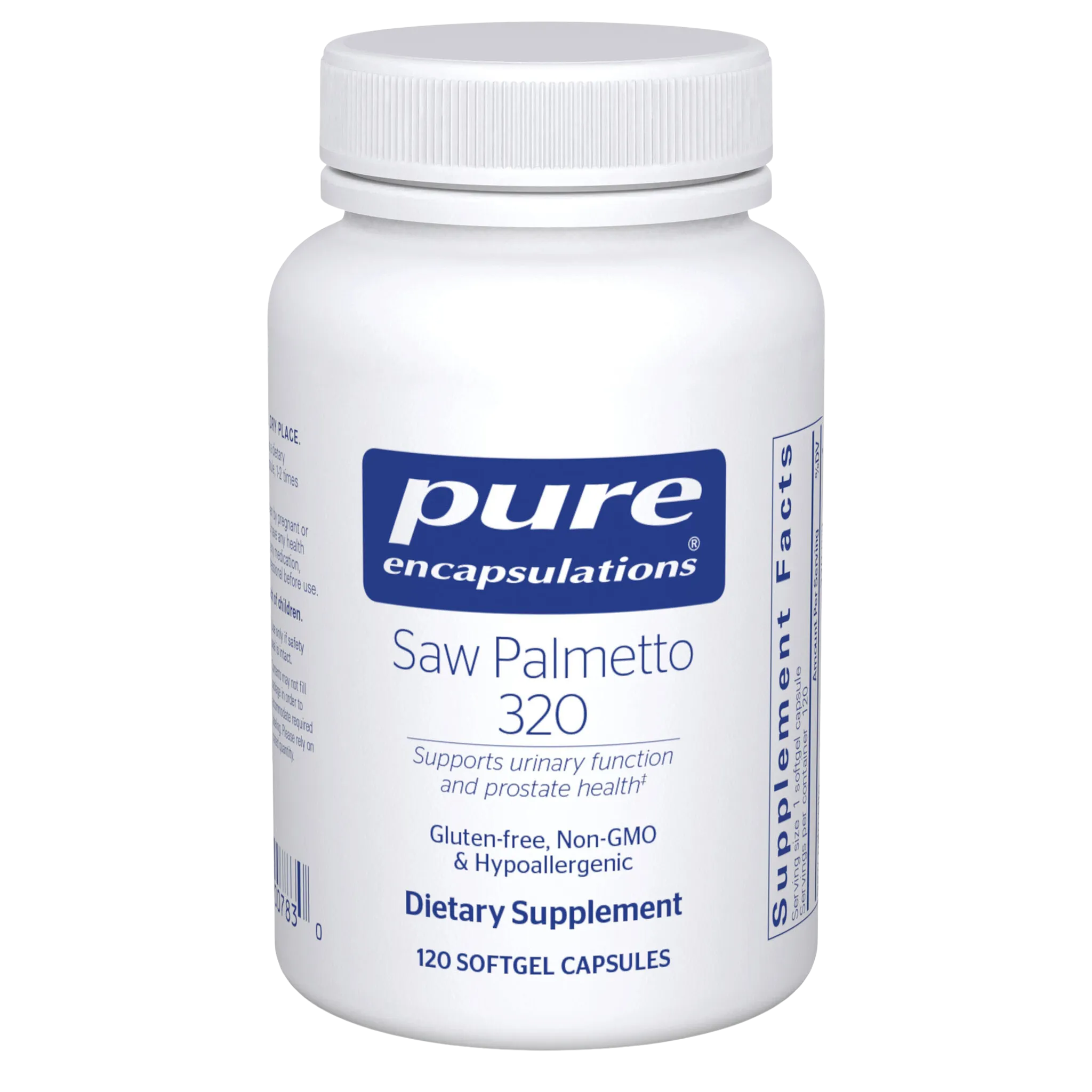
Saw Palmetto 320 offers a scientifically grounded, botanical approach to managing these specific urologic and endocrine challenges. By acting as a gentle autonomic neuromodulator, a potent inhibitor of inflammatory enzymes, and a balancer of testosterone metabolism, it addresses the functional root causes of urinary distress without the severe systemic side effects often associated with pharmaceutical alpha-blockers. However, it is essential to view this supplement as one specialized tool within a much broader, comprehensive management strategy. True healing requires a multifaceted approach that includes meticulous symptom tracking, aggressive pacing, dietary modifications to support systemic inflammation, and targeted therapies to calm the central nervous system.
Because chronic illnesses like ME/CFS and MCAS make the body highly sensitive and prone to paradoxical reactions, introducing any new supplement must be done with care and precision. Open, continuous communication with your healthcare provider is paramount. If you are wondering How Does a Doctor Diagnose Long COVID? or how to build a personalized treatment protocol, working with a specialist who understands the intricate web of autonomic and immune dysfunction is crucial. They can help you monitor your response to Saw Palmetto, ensure there are no contraindications with your current medications, and integrate it safely into your daily routine.
While the journey through chronic illness is undeniably arduous, understanding the deep biochemistry of your symptoms provides a roadmap for targeted intervention. By utilizing high-quality, standardized extracts that directly address autonomic hypertonia and localized inflammation, you can reclaim a measure of control over your body. Relief from debilitating urinary symptoms and hormonal imbalances is possible, paving the way for better sleep, reduced daily stress, and a stronger foundation for your overall recovery.
Sources
Memorial Sloan Kettering Cancer Center: Saw Palmetto Purported Benefits and Mechanisms
National Institutes of Health: Acute pancreatitis with saw palmetto use: a case report
Journal of Urology: In Vitro Binding of Serenoa Repens Extract to Autonomic Receptors
European Association of Urology Guidelines: Conservative and Pharmacological Management of LUTS
PubMed: Treatment of dysautonomia in extrapyramidal disorders