Can Reduced Glutathione Support Detoxification and Energy in Long COVID and ME/CFS?
March 5, 2026
Reduced GlutathioneLong COVIDME/CFS
Share:
Disclaimer: The information provided here is for educational purposes only and is not intended as medical advice. It should not be used to diagnose, treat, cure, or prevent any medical condition. Instead, use it as a starting point for discussion with your healthcare provider. Always consult with a qualified healthcare provider before starting any new medication, supplement, device, or making changes to your health regimen.
Months or even years after recovering from an initial viral infection, many individuals find themselves battling a complex web of debilitating symptoms. Conditions like Long COVID, myalgic encephalomyelitis/chronic fatigue syndrome (ME/CFS), mast cell activation syndrome (MCAS), and dysautonomia can completely upend a person's life, leaving them searching for answers in a medical system that often struggles to provide them. One of the most critical areas of emerging research in these chronic, post-viral illnesses revolves around cellular energy, systemic inflammation, and the body's ability to clear toxic byproducts. At the very center of this biochemical storm is a vital molecule known as glutathione.
Often referred to as the body's "master antioxidant," glutathione is essential for neutralizing the massive waves of oxidative stress that accompany chronic illness. When the body's reserves of this crucial compound are depleted—a phenomenon heavily documented in both Long COVID and ME/CFS—the resulting cellular damage can drive profound fatigue, brain fog, and immune dysfunction. In this comprehensive guide, we will explore the intricate mechanisms of Reduced Glutathione, how chronic illness disrupts its natural pathways, and what the latest clinical research says about its role in supporting detoxification, DNA repair, and overall cellular health.
What is Reduced Glutathione?
The Body's Master Antioxidant
Glutathione (GSH) is a highly potent, naturally occurring tripeptide composed of three amino acids: glutamate, cysteine, and glycine. It is synthesized primarily in the cytosol of mammalian cells, with the highest concentrations found in the liver. In a healthy body, glutathione acts as the ultimate biological shield, protecting delicate cellular architecture from the constant threat of highly reactive molecules known as free radicals or reactive oxygen species (ROS). These free radicals are natural byproducts of cellular metabolism, but when they accumulate, they cause severe oxidative stress, damaging lipids, proteins, and DNA.
The active functional component of glutathione is the thiol (-SH) group located on its cysteine residue. This sulfur-containing group allows glutathione to act as an electron donor. When a destructive free radical threatens a cell, reduced glutathione directly donates a reducing equivalent (an electron or hydrogen atom) to neutralize the threat. This direct scavenging neutralizes unstable radicals such as superoxide, hydroxyl radicals, and lipid peroxyl radicals before they can tear through the cellular membrane.
The Enzymatic Redox Cycle
Beyond direct scavenging, glutathione operates within a highly sophisticated enzymatic redox cycle. It works in tandem with an enzyme called glutathione peroxidase (GPx) to clear toxic peroxides from the cell. During this process, GPx uses reduced glutathione as a necessary cofactor to reduce dangerous hydrogen peroxide (H₂O₂) and lipid hydroperoxides into harmless water and alcohols. In doing so, two glutathione molecules donate their electrons and bind together via a disulfide bridge, transforming into oxidized glutathione (GSSG).
To maintain continuous antioxidant defenses, the cell must recycle this oxidized molecule. The enzyme glutathione reductase (GR), utilizing the coenzyme NADPH, steps in to break the disulfide bond, recycling GSSG back into the active, reduced GSH state. In healthy, resting cells, the ratio of reduced glutathione to oxidized glutathione is typically greater than 100:1. A drop in this critical ratio is the primary biomarker scientists use to measure advancing systemic oxidative stress.
Glutathione's Role in DNA Synthesis and Repair
Glutathione is not merely a passive shield; it is an active participant in maintaining genomic integrity. Before cellular enzymes can even reach a site of DNA damage, glutathione acts as a rapid, first-line chemical repair agent. Through a mechanism known as Hydrogen Transfer (HT), glutathione intercepts transient DNA radicals at astonishing speeds, preventing permanent DNA strand breaks or cross-linking from occurring before cell replication takes place.
Furthermore, glutathione is strictly required for the biochemical synthesis of DNA building blocks. It acts as the ultimate electron donor for the glutaredoxin system, which activates ribonucleotide reductase (RNR), the rate-limiting enzyme responsible for converting ribonucleotides into the deoxyribonucleotides (dNTPs) needed for DNA replication. Through a process called S-glutathionylation, glutathione also regulates major DNA repair proteins, such as the Ku70/Ku80 heterodimer used in Non-Homologous End Joining (NHEJ) to repair double-strand breaks. Without adequate reduced glutathione, a cell simply cannot repair its DNA or safely divide.
How Chronic Illness Impacts Glutathione Levels
The Viral Trigger and Oxidative Stress
The intersection of Long COVID, ME/CFS, and glutathione depletion is one of the most heavily researched areas in post-viral pathology today. What Causes Long COVID? While the exact mechanisms are complex, researchers agree that a severe viral infection like SARS-CoV-2 triggers a massive surge in reactive oxygen species (ROS) as the immune system fights the pathogen. This rapid explosion of oxidative stress quickly consumes the host's amino acids and antioxidant reserves, leading to a profound depletion of intracellular glutathione.
In conditions like Long COVID and ME/CFS, the body fails to return to homeostasis after the initial infection clears. Unchecked free radicals continuously damage cellular lipids and proteins, triggering a vicious cycle of systemic inflammation. When glutathione levels drop, the immune system effectively "loses its brakes," allowing for the overproduction of pro-inflammatory cytokines like Interleukin-6 (IL-6) and Tumor Necrosis Factor-alpha (TNF-α). This unchecked oxidative environment is heavily associated with the severe endothelial damage and microvascular blood clotting seen in Long COVID patients.
The Mitochondrial Doom Loop in ME/CFS
Mitochondria, the energy powerhouses of our cells, are both the greatest producers of free radicals and the structures most vulnerable to oxidative damage. In ME/CFS and Long COVID, a phenomenon often referred to as the "mitochondrial doom loop" occurs. Without adequate glutathione to neutralize ROS, superoxide radicals collide with and damage the mitochondria's inner membrane (specifically a lipid called cardiolipin) and the mitochondrial DNA itself.
This oxidative damage severely impairs the mitochondria's ability to produce adenosine triphosphate (ATP), the currency of cellular energy. Instead of efficient aerobic energy production, the cells are forced into an inefficient anaerobic state, producing excess lactate. Prominent neuroimaging studies by Dr. Dikoma Shungu have demonstrated that the brains of ME/CFS patients feature severe glutathione depletion alongside ventricular lactate levels that are 300% to 350% higher than in healthy controls. This cellular energy crisis directly manifests as the profound physical fatigue, "brain fog," and post-exertional malaise (PEM) that patients experience.
Mast Cell Degranulation and Autonomic Dysfunction
The depletion of glutathione also plays a critical role in the exacerbation of mast cell activation syndrome (MCAS) and dysautonomia, including postural orthostatic tachycardia syndrome (POTS). Oxidative stress is a well-documented trigger for mast cell degranulation. When ROS build up due to a lack of glutathione, they provoke mast cells into inappropriately releasing floods of inflammatory mediators like histamine and prostaglandins.
Furthermore, the systemic neuroinflammation driven by this oxidative stress directly impacts the autonomic nervous system. The erratic nerve signaling that causes the rapid heart rate and blood pressure swings in POTS is worsened by the lack of antioxidant protection in the central nervous system. This creates a cluster of overlapping symptoms, where Long COVID can trigger ME/CFS and exacerbate underlying mast cell and autonomic dysfunction, all fueled by a fundamental redox imbalance.
Reduced Glutathione: Supporting Detoxification and Cellular Repair
Phase 1 and Phase 2 Liver Detoxification
The liver is the body’s primary filtration engine, utilizing a highly complex, multi-phase detoxification system to process metabolic byproducts, environmental pollutants, and medications. Reduced glutathione is the most critical and rate-limiting nutrient in this entire process. During Phase 1 detoxification, a family of enzymes known as Cytochrome P450 (CYP450) modifies toxins through oxidation. While necessary, this phase transforms toxins into "reactive intermediate metabolites" that are frequently more toxic and volatile than the original substance, generating massive amounts of free radicals.
Glutathione acts as the frontline defense for liver cells (hepatocytes) during Phase 1, donating electrons to neutralize these dangerous free radicals. If glutathione is depleted, these reactive intermediates cause severe oxidative damage to the liver's cellular DNA and proteins. Once Phase 1 is complete, Phase 2 detoxification must rapidly process these intermediates. This phase involves a process called conjugation, governed by a superfamily of enzymes called Glutathione S-transferases (GSTs).
GST enzymes catalyze the chemical binding of glutathione's sulfur group directly to electrophilic toxins, including heavy metals, alcohol metabolites, and drug byproducts. This conjugation makes the toxins highly water-soluble, allowing the body to safely excrete them via urine or bile. When toxic exposure or chronic inflammation is too high, Phase 1 rapidly uses up the liver's glutathione reserves, causing Phase 2 to come to a screeching halt. Supplementing with reduced glutathione supports this critical bottleneck, ensuring toxins can be safely packaged and removed.
Restoring the Redox Balance and Mitochondrial Function
For patients with Long COVID and ME/CFS, restoring the intracellular ratio of reduced to oxidized glutathione is paramount for breaking the mitochondrial doom loop. By introducing exogenous reduced glutathione, the body gains the necessary reducing equivalents to neutralize the superoxide radicals that are actively damaging the mitochondrial inner membrane. This intervention helps protect cardiolipin and mitochondrial DNA from further oxidative destruction.
As the oxidative burden on the mitochondria is lifted, these organelles can begin to shift away from inefficient anaerobic glycolysis (which produces the brain-fog-inducing lactate) and back toward efficient aerobic ATP production. This cellular-level shift is why antioxidant support is a foundational strategy for those learning how to live with long-term COVID and manage debilitating post-exertional malaise.
Enhancing Immune Function and Mast Cell Stabilization
Beyond detoxification and energy, reduced glutathione plays a vital role in modulating the immune system. By neutralizing the reactive oxygen species that act as triggers for mast cell degranulation, glutathione helps stabilize these hyperactive immune cells, reducing the systemic flood of histamine and inflammatory cytokines. This stabilization is crucial for patients managing the unpredictable flares associated with MCAS.
Additionally, glutathione is essential for the proper function of lymphocytes and natural killer (NK) cells. Research has shown that adequate intracellular glutathione is required for the proliferation and cytotoxicity of these immune cells, ensuring the body can mount a measured, effective response to latent viral reactivations without tipping into a state of hyper-inflammatory autoimmune dysfunction.

Symptoms Reduced Glutathione May Help Manage
Targeting Multi-System Dysfunction
Because glutathione operates at the foundational cellular level, its depletion—and subsequent restoration—can impact a wide array of symptoms across multiple bodily systems. While it is not a cure for complex chronic illnesses, supporting the body's antioxidant defenses may help manage the following symptoms:
Profound Fatigue and PEM: By protecting mitochondrial membranes from oxidative damage, glutathione supports efficient aerobic ATP production, potentially reducing the severity of cellular energy crashes and post-exertional malaise.
Brain Fog and Cognitive Dysfunction: By neutralizing neuroinflammation and reducing the buildup of anaerobic lactate in the brain, glutathione helps support clearer cognitive function and neurological stability.
Chemical and Environmental Sensitivities: By supplying the liver with the necessary substrate for Phase 2 GST conjugation, glutathione enhances the body's ability to detoxify environmental pollutants, heavy metals, and metabolic byproducts that trigger sensitivity flares.
Mast Cell Flares (Hives, Flushing, GI Distress): By acting as a potent antioxidant, glutathione neutralizes the reactive oxygen species that provoke mast cells into degranulating, helping to stabilize the release of histamine and inflammatory cytokines.
Autonomic Instability (Tachycardia, Dizziness): By reducing systemic oxidative stress and supporting endothelial (blood vessel) health, glutathione assists in the regulation of cardiovascular markers and protects the central nervous system pathways that govern autonomic function.
Muscle Aches and Joint Pain: By downregulating the production of pro-inflammatory cytokines like IL-6 and TNF-alpha, glutathione helps mitigate the systemic inflammation that drives chronic musculoskeletal pain.
Practical Considerations: Forms, Dosing, and Absorption
The Bioavailability Challenge
Historically, the clinical use of oral glutathione has been heavily debated. Early research suggested that the tripeptide bonds of standard generic glutathione were rapidly degraded by peptidases and stomach acids in the gastrointestinal tract, leading to poor systemic bioavailability. Because of this, clinical settings often relied exclusively on intravenous (IV) glutathione or precursor amino acids to raise intracellular levels.
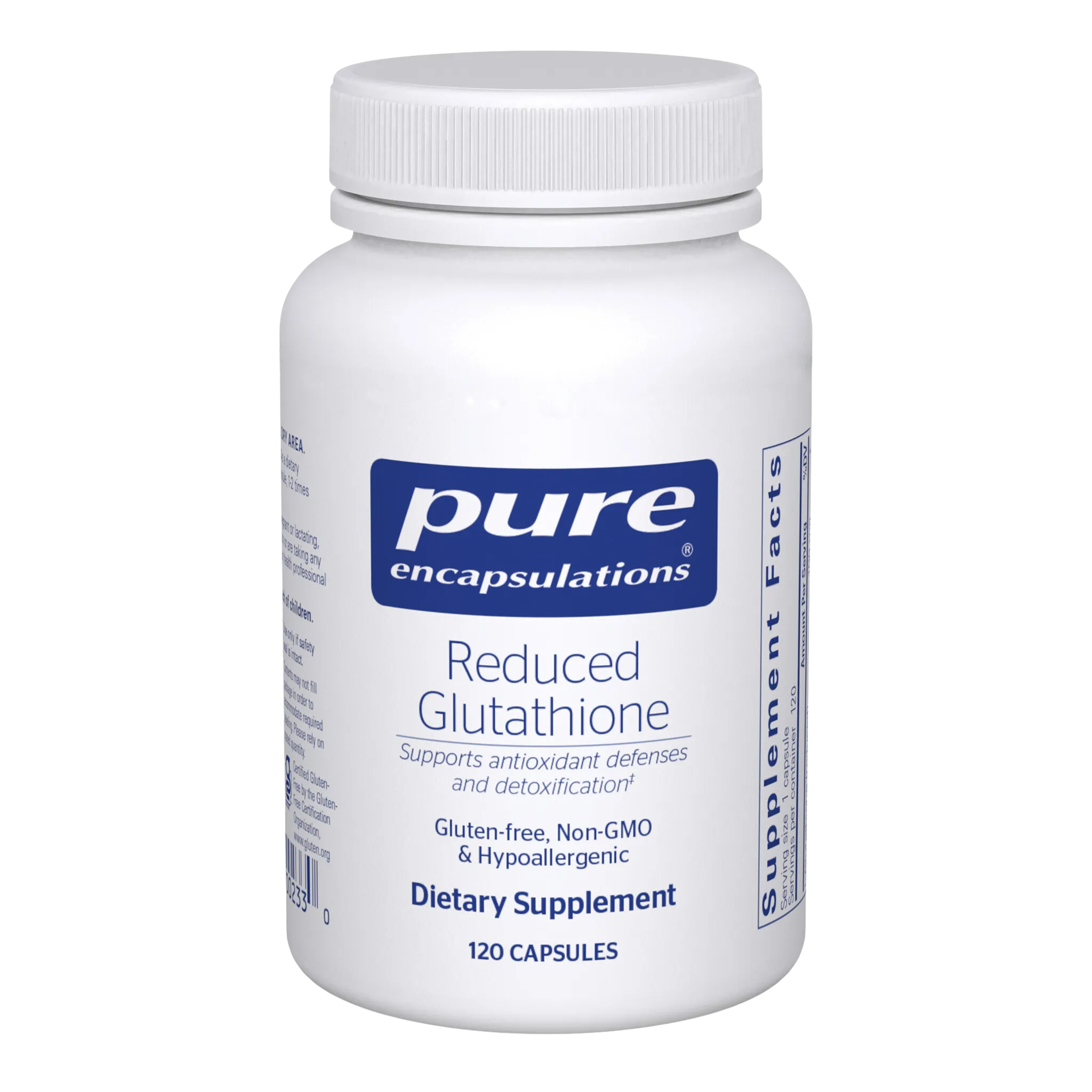
However, advancements in supplement manufacturing have changed this landscape. The Pure Encapsulations formula utilizes Setria® glutathione, a branded, patented form of reduced L-glutathione manufactured via a proprietary fermentation process. This highly pure, stable form has been clinically proven to survive the digestive tract in sufficient quantities to be transported across human intestinal epithelial cells and enter systemic circulation, effectively raising body stores of glutathione.
Optimal Forms, Dosing, and Timing
When considering supplementation, the form of glutathione is critical. The "reduced" form (GSH) is the active, antioxidant-ready state, whereas the "oxidized" form (GSSG) has already expended its electron and must be recycled by the body. Taking reduced glutathione ensures the body receives the molecule in its most bioavailable, therapeutic state.
The suggested use for this specific Setria® formulation is 1 capsule (100 mg) taken 1 to 2 times daily. To maximize absorption and prevent the amino acids from competing with dietary proteins for transport across the intestinal wall, it is highly recommended to take glutathione between meals on an empty stomach. Because glutathione levels naturally fluctuate based on oxidative stress and toxic exposure, consistent daily supplementation is often required to maintain elevated cellular stores.
Potential Interactions and Sulfur Sensitivity
While glutathione is generally recognized as safe and well-tolerated, there are important clinical caveats, particularly for the chronic illness community. Glutathione is a sulfur-containing compound. A notable subset of patients with MCAS or specific genetic variants (such as CBS gene mutations) have impaired transsulfuration pathways or severe sulfur sensitivities.
For these individuals, introducing supplemental sulfur donors like glutathione or N-Acetyl-l-Cysteine (NAC) can sometimes trigger paradoxical mast cell reactions, causing symptom flares, hives, or worsened tachycardia. If you have a known sulfur intolerance, it is crucial to work closely with a knowledgeable healthcare provider to determine if direct glutathione supplementation is appropriate, or if alternative antioxidant support strategies should be utilized.

Follow the Science
The Landmark Penn State Bioavailability Trial
The debate over oral glutathione's efficacy was largely settled by a landmark 6-month randomized, double-blind, placebo-controlled trial conducted at Penn State University. Published in the European Journal of Nutrition, this study evaluated the effects of daily oral Setria® glutathione (250 mg or 1,000 mg/day) on 54 healthy adults. The results were definitive: daily consumption successfully increased systemic body stores of glutathione.
At the 6-month mark, the high-dose group saw a 30–35% increase in mean glutathione levels within erythrocytes (red blood cells), plasma, and lymphocytes, and a massive 260% increase in buccal cells. Even the low-dose group saw a 17% to 29% increase in blood and erythrocytes. Furthermore, the high-dose group experienced a two-fold increase in Natural Killer (NK) cell immune cytotoxicity, proving that oral supplementation not only raises antioxidant levels but actively enhances immune defense mechanisms. Notably, one month after participants stopped taking the supplement, their levels began returning to baseline, indicating the need for continuous use.
Brain Imaging and Lactate Studies in ME/CFS
In the realm of chronic fatigue and neuroimmune conditions, research by Dr. Dikoma Shungu has been pivotal. Using advanced neuroimaging techniques, his team demonstrated that patients with ME/CFS have significantly depleted levels of cortical glutathione compared to healthy controls. This depletion correlates directly with elevated ventricular lactate levels, providing concrete biological evidence that the brains of these patients are trapped in a state of high oxidative stress and inefficient anaerobic metabolism.
This research validates the physical reality of "brain fog" and cognitive dysfunction, showing it is not a psychological symptom but a direct result of localized antioxidant depletion and cellular energy failure. It also underscores why replenishing glutathione—either directly or through precursors—is a primary therapeutic target for neuroinflammation.
Lymphocyte Bioenergetics and Sex-Specific Differences
Recent biomedical research continues to unravel the complex redox dynamics in post-viral illness. A 2024 study published in PNAS investigated the bioenergetics of peripheral blood lymphocytes in patients with ME/CFS and Long COVID. The researchers found major aberrations in ROS clearance pathways, noting that Long COVID patients showed significantly lower levels of mitochondrial superoxide dismutase 2 (SOD2), a highly protective enzyme.
Interestingly, the study also noted striking sex-based differences. Females with ME/CFS and Long COVID exhibited significantly higher total ROS levels that correlated with the hyperproliferation of T-cells, while males presented with pronounced mitochondrial lipid oxidative damage. These findings highlight the systemic, multi-faceted nature of oxidative stress in chronic illness and reinforce the critical need for broad-spectrum antioxidant support like glutathione to protect cellular architecture across diverse patient populations.
The Path Forward
A Comprehensive Approach to Healing
Living with a complex chronic condition like Long COVID, ME/CFS, or dysautonomia is an arduous journey. When your body is locked in a cycle of oxidative stress and cellular fatigue, even the simplest daily tasks can feel insurmountable. It is important to remember that these symptoms are not in your head—they are the result of measurable, physiological disruptions in your body's energy production, immune regulation, and detoxification pathways.
While no single supplement is a magic bullet, restoring your body's master antioxidant is a powerful step toward regaining cellular balance. Reduced glutathione provides the critical biochemical support your liver needs to clear toxic burdens, your mitochondria need to produce energy safely, and your immune system needs to stabilize. However, supplementation should always be part of a broader, comprehensive management strategy that includes aggressive pacing, nervous system regulation, and targeted medical care.
Validating Your Experience
If you are navigating the complexities of post-viral illness, know that your experience is valid, and the scientific community is rapidly uncovering the mechanisms behind your symptoms. What Drugs Are Used for COVID Long Haulers? While pharmaceutical options are still being researched, foundational cellular support remains a cornerstone of functional recovery. Always consult with a healthcare provider who understands complex chronic illness before starting any new supplement regimen, especially if you have known chemical or sulfur sensitivities.
Sources
Glutathione and immune function (Proceedings of the National Academy of Sciences)
Glutathione as a rapid, first-line chemical repair agent for DNA (Nucleic Acids Research)
Glutathione S-transferases and Phase 2 Detoxification (Toxicological Sciences)
Glutathione directly donates reducing equivalents to neutralize ROS (Antioxidants & Redox Signaling)
Setria Glutathione Research Guide and Clinical Data (Kyowa Hakko Bio Co. Ltd.)