Can Red Yeast Rice Support Vascular Health in Long COVID and ME/CFS?
March 6, 2026
Red Yeast RiceLong COVIDME/CFS
Share:
Disclaimer: The information provided here is for educational purposes only and is not intended as medical advice. It should not be used to diagnose, treat, cure, or prevent any medical condition. Instead, use it as a starting point for discussion with your healthcare provider. Always consult with a qualified healthcare provider before starting any new medication, supplement, device, or making changes to your health regimen.
Months or even years after a mild viral infection, many individuals find themselves battling a bewildering array of symptoms—racing heart rates upon standing, profound fatigue, cognitive impairment, and a sensation that their blood simply isn't flowing correctly. For those living with Long COVID, myalgic encephalomyelitis/chronic fatigue syndrome (ME/CFS), and dysautonomia, these invisible symptoms are not just frustrating; they are debilitating. Recent medical research has increasingly pointed to a common underlying culprit: the vascular system. Specifically, the delicate inner lining of our blood vessels, known as the endothelium, appears to sustain long-term damage and dysfunction in these post-viral syndromes.
As patients and practitioners search for ways to heal the vascular system and restore healthy blood flow, a traditional remedy has emerged at the forefront of modern clinical interest: Red Yeast Rice. Long known for its ability to support healthy cholesterol levels, this fermented compound contains naturally occurring statin-like molecules that offer far more than just lipid control. Through complex biochemical pathways, Red Yeast Rice may help reduce vascular inflammation, improve endothelial function, and support the autonomic nervous system. In this comprehensive guide, we will explore the deep science behind Red Yeast Rice, how it interacts with the damaged blood vessels in chronic illness, and why high-quality, carefully assayed formulations are critical for patient safety.
What is Red Yeast Rice?
The Ancient Art of Botanical Fermentation
Red Yeast Rice (RYR) is a traditional culinary and medicinal product that has been utilized for centuries in East Asian medicine to promote blood circulation and digestive health. It is created through a meticulous fermentation process where standard white rice is inoculated with specific strains of yeast, most notably Monascus purpureus. During this prolonged fermentation, the yeast consumes the starches in the rice and produces a rich, deep red pigment, alongside a complex matrix of bioactive secondary metabolites. This process transforms a simple carbohydrate into a potent medicinal compound.
The true therapeutic value of Red Yeast Rice lies not in the rice itself, but in the unique compounds generated by the yeast during fermentation. These compounds are collectively known as monacolins. To date, researchers have identified over a dozen different monacolins in high-quality RYR extracts. Alongside these monacolins, the fermentation process also yields beneficial sterols, isoflavones, monounsaturated fatty acids, and gamma-aminobutyric acid (GABA). This rich biochemical matrix works synergistically within the body, providing a broader spectrum of physiological support than isolated synthetic compounds.
For patients managing complex chronic conditions, the natural origin of these compounds is particularly relevant. The holistic matrix of Red Yeast Rice means that its active ingredients are delivered alongside naturally occurring cofactors that may assist in absorption and cellular utilization. However, the exact composition of these compounds depends heavily on the specific yeast strain used, the temperature and humidity during fermentation, and the strictness of the quality control processes—factors that become critically important when utilizing RYR for clinical purposes.
The Discovery of Monacolin K and HMG-CoA Reductase
Among the various monacolins produced during the fermentation of Red Yeast Rice, one specific molecule stands out for its profound impact on human biochemistry: monacolin K. In the late 1970s, researchers discovered that monacolin K is chemically and structurally identical to lovastatin, the very first prescription statin drug developed to lower cholesterol. This discovery bridged the gap between traditional herbal medicine and modern cardiovascular pharmacology, revealing exactly how this ancient remedy exerts its powerful effects on the human body.
At the molecular level, monacolin K acts as a competitive, reversible inhibitor of an enzyme called 3-hydroxy-3-methylglutaryl coenzyme A (HMG-CoA) reductase. This enzyme resides in the liver and acts as the master control switch—the rate-limiting step—in the mevalonate pathway, which is responsible for synthesizing cholesterol endogenously. By binding to HMG-CoA reductase, monacolin K prevents the conversion of HMG-CoA into mevalonate, effectively slowing down the liver's internal cholesterol production factory.
When the liver senses a drop in its internal cholesterol supply, it compensates by upregulating the expression of low-density lipoprotein (LDL) receptors on the surface of its cells. These receptors act like molecular vacuums, pulling circulating LDL cholesterol out of the bloodstream and into the liver for processing and excretion. Through this elegant feedback loop, monacolin K significantly reduces plasma levels of LDL cholesterol, total cholesterol, and apolipoprotein B, supporting a healthy cardiovascular profile.
The Pleiotropic Power of Red Yeast Rice
While the lipid-lowering capabilities of Red Yeast Rice are well-documented, its relevance to chronic illnesses like Long COVID and ME/CFS lies in what scientists call its pleiotropic effects. In pharmacology, pleiotropy refers to the ability of a single compound to produce multiple, seemingly unrelated physiological benefits beyond its primary mechanism of action. Because monacolin K inhibits the mevalonate pathway, it does much more than just lower cholesterol; it fundamentally alters cellular signaling cascades related to inflammation and blood vessel health.
By reducing the production of mevalonate, Red Yeast Rice also decreases the downstream synthesis of specific lipid molecules known as isoprenoids (such as farnesyl pyrophosphate and geranylgeranyl pyrophosphate). These isoprenoids normally act as molecular anchors that attach inflammatory signaling proteins to cell membranes. Without these anchors, pro-inflammatory pathways are blunted. This mechanism allows Red Yeast Rice to exert potent anti-inflammatory effects directly within the cardiovascular system, reducing the activation of immune cells within the blood vessel walls.
Furthermore, these pleiotropic actions directly support the health of the endothelium—the single layer of cells lining our blood vessels. By modulating these intracellular signaling proteins, monacolin K helps the endothelium maintain its structural integrity, resist oxidative stress, and properly regulate the constriction and dilation of blood vessels. For patients suffering from the vascular chaos of post-viral syndromes, these secondary, non-lipid-lowering effects of Red Yeast Rice are arguably its most valuable therapeutic asset.
How Long COVID and ME/CFS Impact Vascular Health
Endothelial Dysfunction in Post-Viral Syndromes
To understand why Red Yeast Rice is gaining traction in the chronic illness community, we must first examine the profound vascular damage that occurs in conditions like Long COVID and ME/CFS. The human cardiovascular system is lined with the endothelium, a highly active, dynamic organ composed of trillions of cells. The endothelium is responsible for regulating blood pressure, preventing inappropriate blood clotting, and controlling the passage of immune cells from the bloodstream into surrounding tissues. In a healthy body, the endothelium maintains a delicate balance between vasodilation (widening) and vasoconstriction (narrowing).
In post-viral syndromes, this delicate balance is shattered, leading to a state of chronic endothelial dysfunction. During an acute infection, such as with SARS-CoV-2, the virus can directly infect endothelial cells or trigger a massive inflammatory immune response that damages the vascular lining. Studies utilizing Flow-Mediated Dilation (FMD)—a clinical test that measures how well blood vessels expand in response to increased blood flow—have shown that post-COVID patients suffer from significantly impaired endothelial function long after the acute virus has cleared. The blood vessels become stiff, inflamed, and unable to dilate properly, restricting oxygen and nutrient delivery to tissues throughout the body.
This vascular impairment is not unique to Long COVID. Research into ME/CFS has also revealed profound peripheral endothelial dysfunction, with studies showing that over half of ME/CFS patients exhibit abnormal vascular reactivity. When the endothelium fails to deliver adequate blood flow to the brain and muscles, patients experience the hallmark symptoms of these conditions: crushing fatigue, profound brain fog, and post-exertional malaise (PEM), where even minor physical or cognitive exertion triggers a severe exacerbation of symptoms due to cellular hypoxia (lack of oxygen).
The eNOS Pathway and Autonomic Dysregulation
One of the primary ways the endothelium controls blood vessel dilation is through the production of a gas called nitric oxide (NO). This molecule is synthesized by an enzyme known as endothelial nitric oxide synthase (eNOS). In a healthy vascular system, eNOS continuously produces small amounts of nitric oxide, which signals the smooth muscles surrounding the blood vessels to relax, ensuring smooth and effortless blood flow. However, in the presence of chronic inflammation and high oxidative stress—hallmarks of Long COVID and ME/CFS—this pathway becomes severely corrupted.
Under conditions of high oxidative stress, the eNOS enzyme undergoes a destructive process called "uncoupling." Instead of producing beneficial nitric oxide, the uncoupled enzyme begins churning out superoxide, a highly reactive free radical that causes further damage to the blood vessel walls. Recent metabolic research into ME/CFS has highlighted this dysfunctional pathway, showing how the loss of nitric oxide leads to chronic vasoconstriction (narrowing of the blood vessels) in the brain and muscles, contributing to severe neuroinflammation and cognitive impairment.
This failure of the eNOS pathway is also deeply connected to dysautonomia and Postural Orthostatic Tachycardia Syndrome (POTS). When a healthy person stands up, the autonomic nervous system signals the blood vessels in the lower body to constrict, preventing gravity from pulling blood away from the brain. In POTS, endothelial dysfunction and impaired nitric oxide signaling cause this mechanism to fail. The blood vessels remain inappropriately dilated, leading to severe blood pooling in the legs and abdomen. To compensate for the lack of blood returning to the brain, the heart races uncontrollably, resulting in the severe tachycardia and dizziness that POTS patients experience daily.
Microclots, Hypercoagulability, and Systemic Inflammation
The consequences of endothelial dysfunction extend beyond poor blood flow; they also create a highly pro-thrombotic (clot-promoting) environment. A healthy endothelium secretes molecules that prevent blood platelets from sticking together. When the endothelium is damaged and inflamed, it loses this protective anti-coagulant shield. Instead, it begins expressing adhesion molecules that attract immune cells and platelets, creating a sticky, inflamed vascular surface that is primed for abnormal clotting.
This hypercoagulable state has been extensively documented in Long COVID. Pioneering research by scientists like Resia Pretorius has revealed the presence of persistent, amyloid-like "microclots" in the blood of Long COVID patients. These microscopic clots trap inflammatory molecules and physically block the tiny capillaries that feed oxygen to our tissues. This microvascular blockage creates a vicious cycle: the tissues become starved of oxygen, which triggers more inflammation, which in turn causes more endothelial damage and more clotting.
Furthermore, this systemic vascular inflammation frequently overlaps with mast cell activation syndrome (MCAS), another common comorbidity in post-viral illness. Mast cells reside in close proximity to blood vessels. When the endothelium is inflamed, it releases signals that can trigger mast cells to degranulate, releasing histamine and other inflammatory mediators directly into the bloodstream. This causes further vasodilation, vascular leakage, and systemic symptoms, highlighting the desperate need for therapies that can calm the inflamed vascular lining and restore endothelial integrity.
Red Yeast Rice: Supporting the Endothelium and Blood Flow
Inhibiting the Mevalonate Pathway and Rho/ROCK Signaling
Red Yeast Rice, through its active compound monacolin K, offers a compelling mechanistic intervention for the vascular chaos seen in post-viral syndromes. The primary mechanism of action—inhibiting the HMG-CoA reductase enzyme—triggers a cascade of beneficial downstream effects that directly target endothelial dysfunction. By blocking the conversion of HMG-CoA to mevalonate, monacolin K starves the mevalonate pathway of its foundational building blocks. While this reduces cholesterol synthesis, its most crucial impact for chronic illness patients is the reduction of isoprenoid molecules like geranylgeranyl pyrophosphate (GGPP).
GGPP is a critical lipid molecule required for the activation of a family of intracellular signaling proteins known as Rho GTPases. In the context of vascular health, the Rho/ROCK (Rho-associated protein kinase) signaling pathway is notorious for promoting vascular inflammation, stiffening blood vessels, and suppressing beneficial nitric oxide production. When the endothelium is under attack from viral remnants or chronic inflammation, the Rho/ROCK pathway goes into overdrive, driving the pathology of Long COVID and ME/CFS.
By depleting the cells of GGPP, monacolin K effectively disables the Rho/ROCK signaling pathway. This biochemical intervention is profound: it prevents the endothelial cells from expressing adhesion molecules that attract inflammatory immune cells, reduces the stiffness of the vascular walls, and halts the pro-inflammatory cascades that damage the blood vessel lining. In essence, Red Yeast Rice helps to chemically "cool down" the inflamed endothelium, providing a critical window for vascular repair.
Upregulating eNOS and Restoring Nitric Oxide
One of the most significant therapeutic benefits of disabling the Rho/ROCK pathway is the subsequent rescue of the endothelial nitric oxide synthase (eNOS) enzyme. The Rho/ROCK pathway naturally suppresses eNOS activity, leading to the dangerous drop in nitric oxide that drives the symptoms of dysautonomia, POTS, and ME/CFS. By inhibiting Rho/ROCK, the monacolin K in Red Yeast Rice acts as a powerful upregulator of eNOS expression and activity.
This upregulation fundamentally shifts the vascular environment. As eNOS function is restored, the endothelium begins to produce healthy, physiological levels of nitric oxide once again. This nitric oxide diffuses into the smooth muscle cells surrounding the blood vessels, signaling them to relax. This restoration of proper vasodilation is critical for overcoming the microvascular constriction that starves tissues of oxygen in post-viral syndromes. Improved nitric oxide bioavailability means better blood flow to the brain (reducing brain fog) and better perfusion to the muscles (alleviating the severe fatigue and heaviness associated with post-exertional malaise).
Furthermore, restoring eNOS function helps to correct the autonomic imbalances seen in POTS. While POTS involves inappropriate pooling of blood in the lower extremities, it is fundamentally a disease of erratic and dysfunctional vascular tone. By stabilizing nitric oxide production, Red Yeast Rice may help the blood vessels respond more appropriately to the signals of the autonomic nervous system, potentially reducing the severity of orthostatic intolerance and the compensatory tachycardia that occurs upon standing.
Modulating Systemic Inflammation and Oxidative Stress
Beyond its direct effects on vascular tone, Red Yeast Rice exerts powerful antioxidant and immunomodulatory actions that are highly relevant to the hyper-inflammatory state of Long COVID and MCAS. The endothelium is highly vulnerable to oxidative stress—the accumulation of reactive oxygen species (free radicals) that damage cellular structures. The complex matrix of compounds in Red Yeast Rice, including its natural pigments, sterols, and monacolins, work together to neutralize these free radicals and protect the vascular lining from oxidative damage.
Clinical studies have consistently demonstrated that monacolin K supplementation significantly reduces levels of high-sensitivity C-reactive protein (hs-CRP), a primary biomarker for systemic and vascular inflammation. By lowering hs-CRP, Red Yeast Rice indicates a systemic calming of the immune system's attack on the cardiovascular system. This reduction in vascular inflammation is crucial for breaking the cycle of microclot formation, as a calm, healthy endothelium is naturally anti-thrombotic and resists the abnormal platelet aggregation seen in Long COVID.
Additionally, the immunomodulatory effects of monacolin K may help stabilize the interactions between the endothelium and the surrounding immune cells, including mast cells. By reducing the expression of inflammatory cytokines and adhesion molecules on the endothelial surface, Red Yeast Rice helps to quiet the chemical cross-talk that drives systemic symptoms. This comprehensive approach—restoring nitric oxide, reducing oxidative stress, and blunting inflammation—makes Red Yeast Rice a multifaceted tool for supporting the complex vascular pathology of chronic post-viral illness.
Symptoms Red Yeast Rice May Help Manage
Cardiovascular and Autonomic Symptoms
By targeting endothelial dysfunction and supporting healthy nitric oxide production, Red Yeast Rice may help alleviate a variety of symptoms related to poor vascular tone and autonomic dysregulation:
Orthostatic Intolerance and Tachycardia: By supporting healthy endothelial function and vascular tone, RYR may help blood vessels respond more appropriately to gravity, potentially reducing the severe blood pooling and compensatory rapid heart rate seen in POTS and dysautonomia.
Cold Extremities and Poor Circulation: Restoring nitric oxide bioavailability promotes healthy vasodilation, improving blood flow to the hands and feet, which are often chronically cold or discolored in patients with microvascular dysfunction.
Blood Pressure Fluctuations: By improving the flexibility and responsiveness of the arterial walls, the pleiotropic effects of monacolin K can help stabilize erratic blood pressure swings associated with autonomic nervous system dysfunction.
Exercise Intolerance: Improved vascular dilation ensures that oxygen and nutrients are more efficiently delivered to muscle tissues during physical activity, potentially raising the threshold for exertion before symptoms flare.
Systemic and Inflammatory Symptoms
The anti-inflammatory and antioxidant properties of the monacolins in Red Yeast Rice also target the broader, systemic symptoms driven by chronic vascular inflammation:
Profound Fatigue and Heaviness: By addressing the microvascular constriction that starves tissues of oxygen (cellular hypoxia), RYR helps restore proper perfusion to muscles, potentially alleviating the crushing sensation of physical heaviness and deep fatigue.
Brain Fog and Cognitive Impairment: The brain is highly dependent on robust, uninterrupted blood flow. By reducing neurovascular inflammation and improving cerebral perfusion through eNOS upregulation, RYR may help clear the cognitive dysfunction and memory issues common in Long COVID.
Post-Exertional Malaise (PEM): While pacing remains the primary management tool, improving endothelial function may help mitigate the severe metabolic crashes associated with PEM by ensuring that cells receive adequate oxygen during and after minor exertion.
Systemic Inflammation: By significantly lowering inflammatory biomarkers like hs-CRP and blunting the Rho/ROCK pathway, RYR helps calm the systemic immune hyperactivation that drives widespread joint pain, muscle aches, and malaise.
Practical Considerations: Forms, Dosing, and Safety
The Bioavailability Advantage: Lactone vs. Hydroxy Acid
When considering Red Yeast Rice as a therapeutic intervention, understanding its bioavailability—how well the body absorbs and utilizes the active compounds—is crucial. The monacolin K in RYR exists in two distinct chemical forms: an inactive "lactone" form and an active "hydroxy acid" (open-ring) form. This distinction is the key to why natural Red Yeast Rice often performs differently than prescription statins in clinical settings.
Prescription lovastatin is administered purely in the inactive lactone form. It acts as a prodrug, meaning it has very poor oral bioavailability (less than 5%) because it must survive the digestive tract and undergo extensive "first-pass metabolism" in the liver. The liver must enzymatically convert the lactone form into the active hydroxy acid form before it can inhibit the HMG-CoA reductase enzyme. This heavy reliance on hepatic processing can strain the liver and lead to variable absorption rates among different patients.
In contrast, the natural fermentation process of Red Yeast Rice yields a mixture of both the lactone and the active hydroxy acid forms. Depending on the specific yeast strain and fermentation conditions, the active hydroxy acid form can represent up to 75% to 100% of the total monacolin K in a high-quality extract. Because this active form is already present, it does not require enzymatic conversion by the liver. As a result, the oral bioavailability of monacolin K from RYR is significantly higher, allowing patients to achieve profound clinical benefits at much lower absolute doses than would be required with a synthetic prescription.
The Hidden Danger of Citrinin Toxicity
While the natural matrix of Red Yeast Rice offers significant benefits, the fermentation process carries a severe, hidden risk if not strictly controlled: the production of citrinin. Citrinin is a toxic secondary metabolite, or mycotoxin, naturally produced by certain mold species, including Monascus, during poor or unregulated fermentation. This compound is highly nephrotoxic, meaning it causes direct, severe damage to the cellular structures of the kidneys, and has been shown to be hepatotoxic (liver-damaging) and potentially carcinogenic in animal models.
Because Red Yeast Rice is sold as a dietary supplement rather than a strictly regulated pharmaceutical in many countries, citrinin contamination is alarmingly common. Independent analyses of over-the-counter RYR products frequently reveal dangerous levels of this mycotoxin, even in products explicitly labeled as "citrinin-free." This lack of standardization poses a massive risk to patients with chronic illnesses, whose detoxification pathways and organ systems are often already under immense strain.
This is precisely why selecting a rigorously tested, practitioner-grade formulation is non-negotiable. Products like the Red Yeast Rice from Designs for Health are USDA-certified organic, grown in the U.S. under strictly controlled conditions, and, most importantly, are carefully assayed for every single batch to ensure undetectable levels of citrinin. This rigorous quality control guarantees that patients receive the vascular benefits of monacolin K without exposing their kidneys to toxic agricultural byproducts.
The Crucial CoQ10 Connection
A critical consideration when utilizing any mevalonate pathway inhibitor—whether a prescription statin or Red Yeast Rice—is its impact on cellular energy production. The mevalonate pathway is responsible not only for synthesizing cholesterol but also for producing Coenzyme Q10 (CoQ10). CoQ10 is an essential molecule required by the mitochondria (the powerhouses of the cell) to generate ATP, the energy currency of the body. By inhibiting this pathway, monacolin K inevitably reduces the body's natural production of CoQ10.
For patients with Long COVID and ME/CFS, who already suffer from profound mitochondrial dysfunction and severe fatigue, depleting CoQ10 can be disastrous. Statin-induced CoQ10 depletion can lead to muscle pain (myalgia), increased weakness, and a severe exacerbation of post-exertional malaise (PEM). Therefore, it is highly recommended—and often clinically necessary—to pair Red Yeast Rice supplementation with a high-quality, highly bioavailable CoQ10 supplement, preferably in the active ubiquinol form. This combination allows patients to harness the endothelial-healing benefits of monacolin K while protecting their vulnerable mitochondria from energy depletion.
CYP3A4 Interactions and Contraindications
Because monacolin K is chemically identical to lovastatin, it shares the same metabolic pathways and potential drug interactions. Monacolin K is primarily metabolized in the liver by an enzyme called cytochrome P450 3A4 (CYP3A4). Understanding this pathway is vital for patient safety, as many common substances can inhibit this enzyme, preventing the body from breaking down the monacolin K and leading to dangerously high blood levels of the compound.
Patients taking Red Yeast Rice must strictly avoid consuming grapefruit or grapefruit juice, as it is a potent inhibitor of the CYP3A4 enzyme. Combining the two can drastically spike monacolin K concentrations, vastly increasing the risk of severe muscle breakdown (rhabdomyolysis) and liver toxicity. Additionally, RYR should never be taken alongside prescription statins, certain macrolide antibiotics (like clarithromycin), specific antifungal medications, or calcium channel blockers without strict medical supervision. Due to its mechanism of action, Red Yeast Rice is also strictly contraindicated during pregnancy and breastfeeding.
Follow the Science
Clinical Evidence for Endothelial Repair
The scientific community has increasingly focused on the endothelium as a primary therapeutic target for post-viral syndromes, and the evidence supporting the use of statin-like compounds is growing. A pilot double-blind, placebo-controlled randomized clinical trial investigated a multi-drug "endothelial protocol" that included atorvastatin (a synthetic cousin to monacolin K) alongside L-arginine and other vascular-supporting agents in COVID-19 patients. The explicit goal was to utilize the statin's pleiotropic effects to trigger nitric oxide production and force vasodilation in damaged blood vessels.
While this specific acute-phase trial showed that multi-pathway endothelial damage requires long-term rehabilitation rather than short-term intervention, it validated the safety and mechanistic rationale of using HMG-CoA reductase inhibitors to target vascular health. Furthermore, in vitro studies have demonstrated that statins can successfully blunt bradykinin-induced vascular permeability and inhibit the activation of toll-like receptor 2 (TLR2) by the SARS-CoV-2 nucleocapsid protein, directly protecting the endothelial lining from viral-induced hyperinflammation.
Efficacy in Lipid Lowering and Inflammation
The clinical efficacy of Red Yeast Rice in its primary role—modulating lipids and systemic inflammation—is supported by robust, large-scale data. A comprehensive meta-analysis comprising 20 randomized controlled trials (RCTs) evaluated RYR doses containing between 4.8 to 24 mg of monacolin K. The researchers found that RYR decreased LDL cholesterol by an average of 1.02 mmol/L (39.4 mg/dL) compared to a placebo, a reduction comparable to moderate-intensity prescription statin therapy.
More importantly for the chronic illness community, these trials consistently demonstrate that daily consumption of high-quality RYR significantly lowers high-sensitivity C-reactive protein (hs-CRP). This systemic reduction in inflammatory biomarkers confirms that the monacolins in RYR are actively cooling the inflammatory cascades that drive endothelial dysfunction, microclotting, and the systemic symptoms of conditions like Long COVID and ME/CFS.
Navigating Statin Alternatives in Chronic Illness
Despite the clear vascular benefits, researchers urge a nuanced approach when applying these therapies to post-viral syndromes. A 2023 clinical review noted that while statins reduce the risk of severe acute COVID-19, their use in Long COVID and ME/CFS must be carefully monitored. Because statins can occasionally induce mitochondrial impairment in muscle tissue, they have the potential to exacerbate core post-viral symptoms like fatigue and myalgia in susceptible individuals if not properly managed.
This is why specialized research published in journals like Nutrients has begun exploring nutraceutical combinations in post-acute COVID-19 syndrome. Studies are specifically evaluating the therapeutic association of fermented red rice (monacolin K) combined with Coenzyme Q10. This combination therapy is designed to protect mitochondrial function while simultaneously restoring physical performance, grip strength, and flow-mediated dilation (endothelial function), offering a safer, more balanced approach to vascular rehabilitation in chronic illness.
The Path Forward
Validating Your Vascular Struggle
Living with Long COVID, ME/CFS, or dysautonomia often means battling symptoms that are entirely invisible to the outside world. When your blood vessels fail to dilate properly, or when microscopic clots restrict oxygen to your brain and muscles, the resulting fatigue, dizziness, and cognitive impairment are profoundly real and debilitating. It is vital to understand that these symptoms are not in your head; they are rooted in complex, measurable physiological dysfunctions within your cardiovascular system. The emerging science surrounding endothelial dysfunction provides not only validation for your experience but also clear, biological targets for therapeutic intervention.
Building a Comprehensive Strategy
While Red Yeast Rice offers a powerful, scientifically backed mechanism for supporting endothelial health, reducing vascular inflammation, and promoting healthy blood flow, it is not a standalone cure. Healing the vascular damage of post-viral syndromes requires a comprehensive, multi-layered approach. Red Yeast Rice should be viewed as one tool in a broader management strategy that includes aggressive pacing to prevent post-exertional malaise, targeted mitochondrial support (such as pairing RYR with CoQ10 or Gut-Brain Reset), and careful symptom tracking to understand your unique triggers.
Because of its potent statin-like effects, its impact on the mevalonate pathway, and its potential interactions with the CYP3A4 enzyme, Red Yeast Rice must be used with respect and caution. It is imperative that you consult with a knowledgeable healthcare provider before adding Red Yeast Rice to your regimen, especially if you are currently taking other medications, have a history of liver issues, or struggle with severe mitochondrial fatigue. A practitioner can help you monitor your liver enzymes, assess your CoQ10 needs, and ensure you are using a safe, citrinin-free formulation.
Next Steps in Your Journey
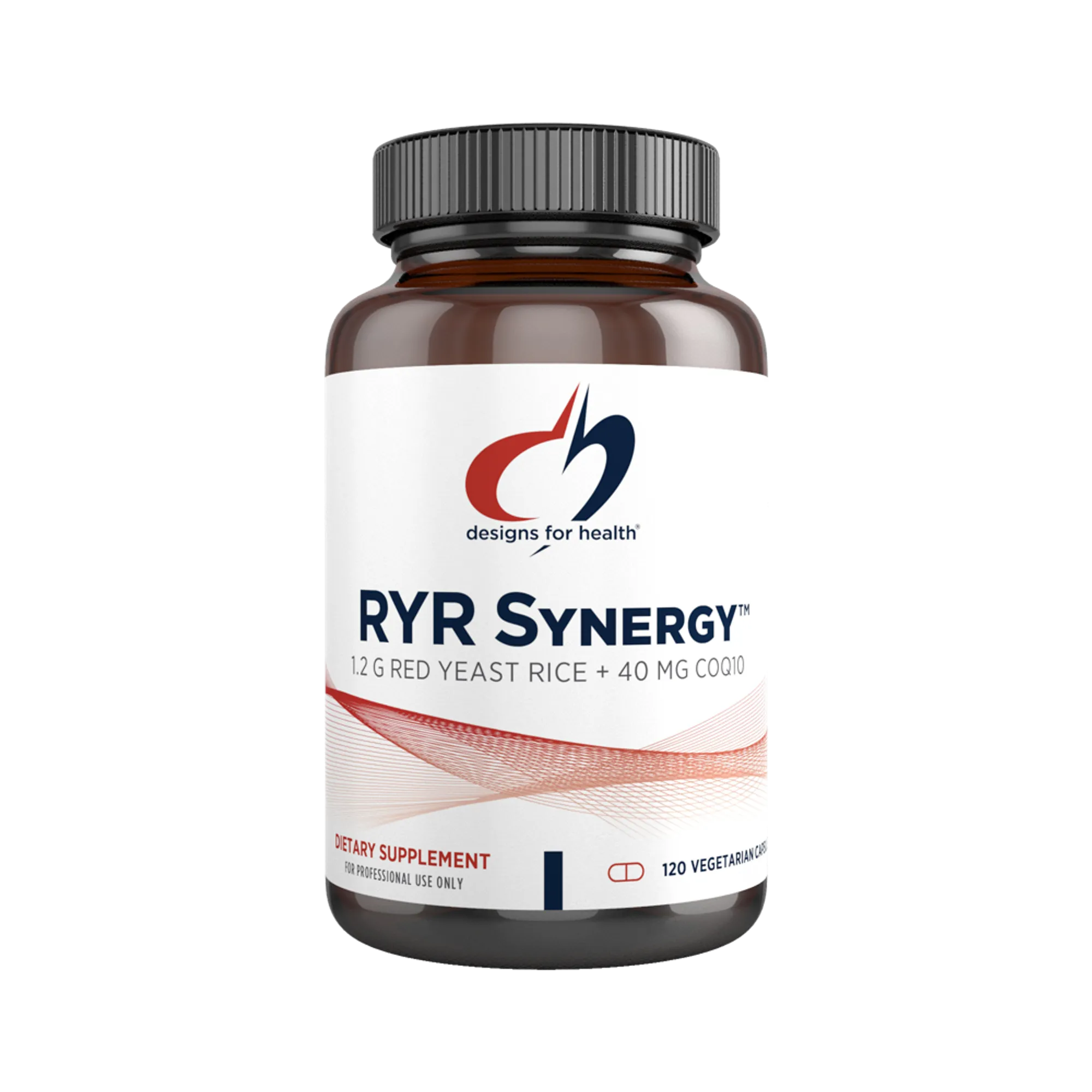
If you and your healthcare team determine that vascular support is a necessary step in your recovery, prioritizing a high-quality, rigorously tested supplement is essential. The Red Yeast Rice by Designs for Health offers a standardized dose of monacolins from a USDA-certified organic source, with the critical assurance of undetectable citrinin levels, providing a safe and reliable option for supporting your endothelial health.