Can CoQ10 Support Energy Levels and Vascular Health in Long COVID and POTS?
March 6, 2026
CoQ10Long COVIDME/CFS
Share:
Disclaimer: The information provided here is for educational purposes only and is not intended as medical advice. It should not be used to diagnose, treat, cure, or prevent any medical condition. Instead, use it as a starting point for discussion with your healthcare provider. Always consult with a qualified healthcare provider before starting any new medication, supplement, device, or making changes to your health regimen.
Months, and sometimes years, after a viral infection like SARS-CoV-2 or Epstein-Barr, many individuals find themselves trapped in a body that simply refuses to generate energy. The profound, unremitting exhaustion characteristic of Long COVID, myalgic encephalomyelitis/chronic fatigue syndrome (ME/CFS), and dysautonomia is not merely "tiredness." It is a fundamental cellular energy crisis. For patients living with these invisible, complex chronic conditions, the frustration of normal blood tests returning "fine" while they struggle to walk to the kitchen is a deeply validating sign that the dysfunction lies deeper—at the microscopic, mitochondrial level.
In the search for answers, researchers and clinicians have increasingly focused on the biochemical pathways that govern how our cells produce energy and manage oxidative stress. One of the most critical molecules in this equation is Coenzyme Q10 (CoQ10). While CoQ10 is widely known in the cardiovascular world, its role in neuroimmune and post-viral conditions is taking center stage. This article explores the deep science behind CoQ10, specifically focusing on how advanced formulations like Q-Evail® 200 overcome historical absorption challenges to deliver targeted support for mitochondrial health, endothelial function, and neurological recovery.
What is Coenzyme Q10 (Ubiquinone)?
The Spark Plug of the Cell: The Electron Transport Chain
Coenzyme Q10, scientifically known as ubiquinone (or in its reduced form, ubiquinol), is a fat-soluble, vitamin-like compound that is synthesized endogenously by the human body. The name "ubiquinone" is derived from the word "ubiquitous," reflecting the fact that this molecule is found in the lipid membranes of virtually every single cell in the human body. Tissues that have the highest metabolic and energy demands—specifically the heart, liver, kidneys, brain, and skeletal muscles—contain the highest native concentrations of CoQ10. At a molecular level, CoQ10's primary and most vital role is serving as an indispensable co-factor within the mitochondria, the microscopic powerhouses responsible for generating adenosine triphosphate (ATP), the body's primary energy currency.
To understand how CoQ10 works, we must look at the inner mitochondrial membrane, where a process called oxidative phosphorylation occurs via the electron transport chain (ETC). The ETC is a series of protein complexes (numbered I through V) that extract energy from the food we eat. CoQ10 functions as a highly mobile electron shuttle within this chain. It actively accepts electrons derived from the metabolism of fatty acids and carbohydrates from Complex I (NADH dehydrogenase) and Complex II (succinate dehydrogenase). Because CoQ10 is highly lipophilic (fat-loving), it can easily move through the lipid bilayer of the mitochondrial membrane, carrying these negatively charged electrons to Complex III (ubiquinone-cytochrome c reductase).
As CoQ10 continuously cycles between its oxidized state (ubiquinone) and its reduced state (ubiquinol), it facilitates the transfer of positively charged protons (H+) from the mitochondrial matrix into the intermembrane space. This transfer creates a vital electrochemical proton gradient. When these protons flow back into the mitochondria through Complex V (ATP synthase), the kinetic energy generated is used to convert adenosine diphosphate (ADP) into ATP. Without adequate levels of CoQ10 to shuttle these electrons, the entire assembly line slows down. The proton gradient weakens, ATP production plummets, and the cell experiences a severe energy deficit, which manifests systemically as profound physical and cognitive fatigue.
The Ultimate Lipid-Soluble Antioxidant
Beyond its critical role in bioenergetics, the reduced form of CoQ10 (ubiquinol) serves as one of the body's most powerful lipophilic antioxidants. While water-soluble antioxidants like Vitamin C protect the aqueous environments of the cell, CoQ10 resides natively within the cellular and mitochondrial membranes. This strategic positioning makes it exceptionally effective at inhibiting lipid peroxidation—a destructive process where free radicals steal electrons from the lipids in cell membranes, leading to membrane instability, cellular damage, and eventually apoptosis (programmed cell death). By directly scavenging reactive oxygen species (ROS), CoQ10 protects the structural integrity of the mitochondria themselves.
Furthermore, CoQ10 is uniquely capable of regenerating other essential antioxidants in the body. When Vitamin E (alpha-tocopherol) or Vitamin C neutralizes a free radical, they become oxidized and temporarily lose their antioxidant capabilities. CoQ10 can donate electrons to these oxidized vitamins, recycling them back into their active, free-radical-scavenging forms. This creates a synergistic antioxidant network that is crucial for managing the high levels of oxidative stress generated during normal cellular metabolism, and even more so during periods of illness or chronic inflammation.
Recent research into CoQ10's mechanisms has also revealed its role in modulating cellular signaling and gene expression. CoQ10 has been shown to activate the Sirt1/Nrf2 pathways. The Nrf2 pathway is essentially the master regulator of the body's natural antioxidant machinery; its activation upregulates the production of endogenous antioxidant enzymes like superoxide dismutase (SOD), catalase, and glutathione peroxidase. Simultaneously, CoQ10 exhibits anti-inflammatory effects by inhibiting the redox-sensitive NF-κB signaling pathway, thereby downregulating the expression of pro-inflammatory cytokines such as TNF-α, IL-6, and C-Reactive Protein (CRP).
Endogenous Production and the Mevalonate Pathway
While we can obtain small amounts of CoQ10 from dietary sources like organ meats, fatty fish, and certain vegetables, the vast majority of the CoQ10 our bodies need is synthesized internally. This endogenous production occurs via the mevalonate pathway, a complex, multi-step biochemical cascade that also produces cholesterol. The rate-limiting enzyme in this pathway is HMG-CoA reductase. Because the body's demand for CoQ10 is incredibly high, any disruption to this pathway can have immediate systemic consequences.
This shared biochemical pathway is the exact reason why statin medications—which are designed to lower cholesterol by inhibiting HMG-CoA reductase—inevitably deplete endogenous CoQ10 levels. Researchers heavily attribute the frequent side effects of statins, such as myopathy (muscle pain), cramps, and severe fatigue, to this medication-induced CoQ10 deficiency. Additionally, natural CoQ10 production peaks in our early twenties and steadily declines as we age, making supplementation increasingly relevant for older adults or those facing chronic, energy-depleting illnesses.
How Long COVID, ME/CFS, and Dysautonomia Impact Mitochondrial and Vascular Health
Viral Hijacking and the Oxidative Stress Cascade
In healthy individuals, the mitochondria efficiently balance energy production with the neutralization of metabolic exhaust (free radicals). However, in complex chronic conditions like Long COVID and myalgic encephalomyelitis/chronic fatigue syndrome (ME/CFS), this delicate balance is shattered. When a virus like SARS-CoV-2 enters the body, it can hijack cellular machinery to replicate, triggering a massive immune response. This prolonged immune activation leads to a state of chronic, low-grade systemic inflammation and a massive overproduction of Reactive Oxygen Species (ROS). The resulting oxidative stress overwhelms the body's native antioxidant defenses, including endogenous CoQ10.
Recent studies on post-viral fatigue syndromes highlight that this oxidative stress directly damages the mitochondrial lipid membranes. Because CoQ10 resides in these very membranes, the destruction of the lipid bilayer leads to a profound loss of CoQ10 and a physical uncoupling of the electron transport chain. A 2024 review by Mantle et al. detailed how this mitochondrial dysfunction is a core driver of post-viral fatigue, noting that patients frequently exhibit depleted systemic levels of CoQ10. This depletion correlates directly with the severity of their fatigue, cognitive symptoms, and muscle pain.
Endothelial Dysfunction in POTS and Dysautonomia
The impact of chronic illness extends far beyond the mitochondria, deeply affecting the vascular system. For patients asking What is Postural Orthostatic Tachycardia Syndrome (POTS)? or What is Dysautonomia?, understanding the role of the endothelium is crucial. The endothelium is the delicate inner lining of blood vessels responsible for releasing nitric oxide (NO), a signaling molecule that tells blood vessels to dilate or constrict. In dysautonomia, chronic sympathetic nervous system overactivation (excess adrenaline) and systemic inflammation damage this lining, leading to endothelial dysfunction.
A landmark 2021 study published in Hypertension by Chopoorian et al. evaluated endothelial function in POTS patients using Flow-Mediated Dilation (FMD), the gold standard ultrasound test for vascular health. The study found that POTS patients had a significantly reduced FMD (6.23%) compared to healthy controls (10.6%). Because the blood vessels cannot efficiently constrict to push blood back up to the heart and brain upon standing, patients experience severe blood pooling in the lower extremities, triggering the compensatory rapid heartbeat (tachycardia) and dizziness that define POTS.
The Vicious Cycle of Energy Depletion
The combination of mitochondrial impairment and endothelial dysfunction creates a vicious, self-perpetuating cycle. Because the blood vessels cannot deliver oxygen and nutrients efficiently (due to endothelial dysfunction), the already-damaged mitochondria are further starved of the raw materials they need to make ATP. As ATP levels drop, the cells lack the energy required to repair the oxidative damage, leading to even more mitochondrial decay.
This physiological gridlock is what patients experience as post-exertional malaise (PEM) or "crashes." When a patient with ME/CFS or Long COVID attempts physical or cognitive exertion, their demand for ATP exceeds their broken mitochondria's ability to supply it. The body is forced to rely on inefficient anaerobic metabolism, which generates lactic acid and further systemic stress, leading to a debilitating exacerbation of symptoms that can last for days or weeks. Addressing this requires interventions that can simultaneously repair the vascular lining and reignite mitochondrial energy production.
CoQ10: Supporting Cellular Energy, Vascular Tone, and Neurological Function
Restoring the Mitochondrial Proton Gradient
Supplementing with highly bioavailable CoQ10 aims to directly intervene in the vicious cycle of energy depletion by restoring the missing links in the electron transport chain. By flooding the mitochondrial membranes with exogenous CoQ10, the electron shuttling process between Complex I, II, and III can resume its normal pace. This restoration is critical for re-establishing the electrochemical proton gradient across the inner mitochondrial membrane. As the gradient strengthens, Complex V (ATP synthase) is once again able to efficiently convert ADP into ATP, providing the cellular energy required for basic physiological functions and tissue repair.
For patients with Long COVID and ME/CFS, this mechanistic restoration translates to a higher threshold for exertion. By improving the efficiency of aerobic respiration, CoQ10 helps delay the onset of anaerobic metabolism during daily activities. This means the cells produce less lactic acid and generate more sustainable energy, which is a fundamental step in managing post-exertional malaise (PEM) and reducing the frequency and severity of debilitating crashes.
Enhancing Nitric Oxide for Cardiovascular and Endothelial Support
CoQ10's therapeutic reach extends significantly into cardiovascular management, making it a vital tool for those managing POTS and dysautonomia. The primary mechanism here involves the protection and enhancement of nitric oxide (NO) bioavailability. In a state of high oxidative stress, free radicals rapidly degrade NO before it can signal the blood vessels to function properly. As a potent lipophilic antioxidant, CoQ10 neutralizes these free radicals, effectively shielding the NO molecules and allowing them to exert their vasodilatory and vasoconstrictive effects on the smooth muscle of the blood vessels.
Multiple meta-analyses have quantified these vascular benefits, showing that CoQ10 supplementation significantly increases Flow-Mediated Dilation (FMD) by an average of 1.45% to 1.70%. By restoring endothelial function, CoQ10 helps the vascular system respond more appropriately to positional changes (orthostatic stress). For a POTS patient, better vascular tone means reduced blood pooling in the legs, improved venous return to the heart, and a potential stabilization of the erratic heart rate spikes that occur upon standing.
Neuroprotection and Crossing the Blood-Brain Barrier
Brain fog, cognitive impairment, and neuro-fatigue are among the most distressing symptoms of complex chronic illnesses. The brain is an incredibly energy-demanding organ, consuming roughly 20% of the body's total ATP despite accounting for only 2% of its weight. When mitochondrial dysfunction strikes, the brain is disproportionately affected. Furthermore, systemic inflammation can lead to microglial activation—the immune cells of the brain—resulting in neuroinflammation that disrupts neurotransmitter signaling and cognitive processing.
CoQ10 is capable of crossing the blood-brain barrier, allowing it to exert its bioenergetic and antioxidant effects directly within the central nervous system. By supporting ATP production in neurons, CoQ10 helps clear the subjective experience of brain fog. Additionally, its ability to inhibit the NF-κB signaling pathway helps quiet the activation of microglia, reducing the neuro-inflammatory cascade. This dual action—boosting cerebral energy while dampening brain inflammation—makes CoQ10 a cornerstone in protocols aimed at restoring cognitive clarity and neurological health.

Symptoms CoQ10 May Help Manage
Based on its mechanisms of action—specifically its role in ATP generation, antioxidant defense, and endothelial repair—CoQ10 may help manage several debilitating symptoms associated with complex chronic conditions:
Profound Fatigue and Post-Exertional Malaise (PEM): By restoring the electron transport chain and boosting ATP production, CoQ10 helps provide the cellular energy needed to raise the baseline threshold for exertion, potentially reducing the severity of PEM crashes.
Orthostatic Intolerance and Blood Pooling: Through the protection of nitric oxide and the improvement of Flow-Mediated Dilation (FMD), CoQ10 supports healthy vascular tone. This helps blood vessels constrict properly upon standing, mitigating blood pooling and the resulting tachycardia seen in POTS.
Brain Fog and Cognitive Impairment: Because it can cross the blood-brain barrier, CoQ10 supports the massive energy demands of neurons while simultaneously reducing neuroinflammation, helping to clear cognitive sluggishness and improve focus.
Muscle Pain and Weakness (Myalgia): Skeletal muscles are highly dependent on mitochondrial ATP. By improving mitochondrial efficiency and reducing oxidative damage to muscle tissue, CoQ10 can help alleviate chronic muscle aches, particularly those exacerbated by statin use or viral infections.
Cardiovascular Stress and Palpitations: By supporting the energy needs of the myocardium (heart muscle) and protecting against the oxidation of LDL cholesterol, CoQ10 promotes overall cardiovascular resilience and healthy blood pressure regulation.
Practical Considerations: Forms, Dosing, and the Evail™ Advantage
The Bioavailability Challenge of Standard CoQ10
Despite its profound clinical potential, CoQ10 has historically been plagued by a major pharmacological hurdle: incredibly poor bioavailability. Because CoQ10 is a large, highly lipophilic (fat-loving) molecule with a high melting point, it does not dissolve in water. When standard dry powder forms of CoQ10 enter the aqueous environment of the gastrointestinal tract, the molecules tend to clump together and crystallize. These large crystals are extremely difficult for the intestinal walls to absorb, meaning that traditional CoQ10 supplements often pass through the digestive system with minimal uptake into the bloodstream.
To achieve therapeutic blood plasma levels—especially for conditions like Long COVID or ME/CFS where cellular depletion is severe—the CoQ10 must be kept in a solubilized, single-molecule state. Historically, manufacturers attempted to solve this by suspending CoQ10 in basic oils or using harsh synthetic emulsifiers, but these methods often yielded inconsistent absorption and gastrointestinal distress for sensitive patients.
How Quillaja Extract and MCT Oil Revolutionize Absorption
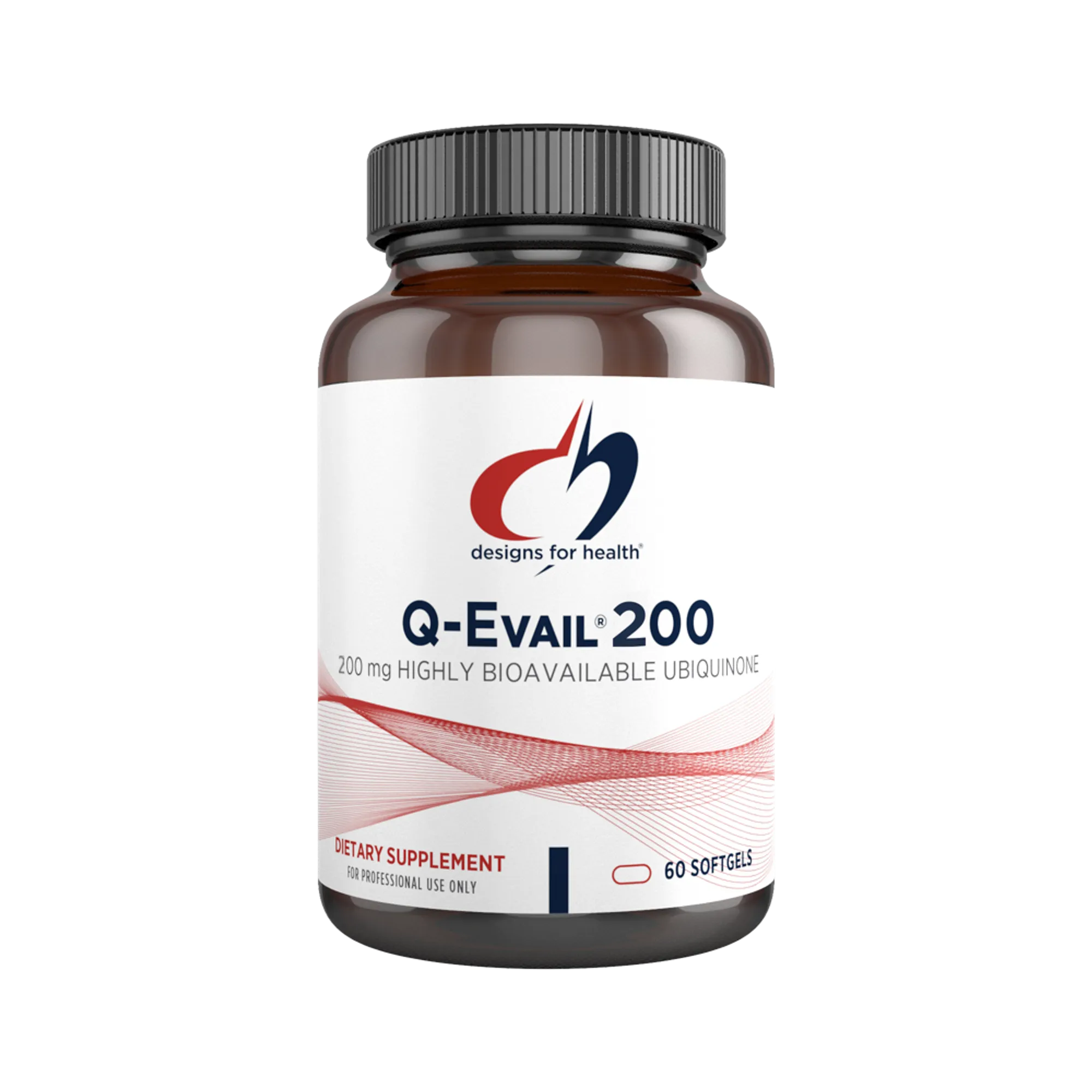
Advanced formulations like Q-Evail® 200 utilize a proprietary delivery system (Evail™ technology) designed specifically to overcome these absorption barriers. This system relies on the synergistic combination of Quillaja extract and Medium-Chain Triglycerides (MCTs). Quillaja extract, derived from the inner bark of the soapbark tree, is incredibly rich in natural saponins. In the digestive tract, these saponins act as a natural biological surfactant, breaking the CoQ10 down into stable nano-micelles and entirely preventing the molecules from crystallizing.
Once the Quillaja extract stabilizes the CoQ10, the MCT oil acts as the rapid-transit vehicle. Unlike long-chain dietary fats that require complex digestion and bile salts, MCTs are rapidly absorbed directly through the portal vein into the liver. By dissolving the nano-emulsified CoQ10 within this MCT lipid carrier, the formulation bypasses the standard restrictive nature of the intestinal wall. In-house clinical trials on this specific matrix have demonstrated that it makes the CoQ10 up to 390% more bioavailable than previous generations of highly-absorbed CoQ10 formulations, ensuring that the nutrient actually reaches the mitochondria where it is needed.
Clean Ingredients and Dosing Strategies
For patients managing conditions like mast cell activation syndrome (MCAS) or severe chemical sensitivities, the inactive ingredients in a supplement are just as important as the active ones. A major clinical benefit of the Evail™ technology is that it achieves superior absorption without the use of synthetic, potentially irritating emulsifiers like polysorbates (such as Tween 80), castor oil, or polyoxyethylated chemicals. This clean formulation makes it a highly tolerable option for patients with hyper-reactive immune systems or compromised gut health, a common overlap in those exploring gut-brain reset strategies.
Regarding dosage, clinical trials showing cardiovascular, endothelial, and bioenergetic benefits typically utilize dosages ranging from 100 mg to 400 mg per day. Q-Evail® 200 provides 200 mg of highly bioavailable ubiquinone per softgel. Because CoQ10 is fat-soluble, it is generally recommended to take it with a meal containing healthy fats to further optimize absorption, even when formulated with MCTs. Patients should note that CoQ10 can have a mild stimulating effect on cellular energy, so it is often best taken in the morning or early afternoon to avoid interfering with sleep architecture. As always, it is crucial to discuss dosing and potential interactions—particularly if you are on blood pressure medications or blood thinners—with your healthcare provider.
Follow the Science: Clinical Trials in Chronic Illness
Success in ME/CFS: The Castro-Marrero and Maes Studies
The clinical exploration of CoQ10 for post-viral and chronic fatigue syndromes has yielded compelling data, particularly when researchers focus on synergistic mitochondrial support. A foundational 2009 study by Dr. Michael Maes identified a significant deficiency of CoQ10 in patients with ME/CFS, directly linking this depletion to the severity of fatigue, autonomic dysfunction, and neurocognitive symptoms. This established the biological rationale for supplementation, proving that the exhaustion was rooted in measurable biochemical deficits rather than psychological factors.
Building on this, a rigorous 2021 randomized, double-blind, placebo-controlled trial by Castro-Marrero et al. investigated the effects of combining 200 mg of CoQ10 with 20 mg of NADH (another critical mitochondrial co-factor) in 207 patients with ME/CFS. Over the 12-week study, the treatment group showed a statistically significant reduction in cognitive fatigue perception and notable drops in their overall Fatigue Impact Scale (FIS-40) scores. Furthermore, patients receiving the supplement experienced significant improvements in physical functioning, bodily pain reduction, and sleep efficiency compared to the placebo group, highlighting the systemic benefits of restoring mitochondrial ATP production.
Long COVID Discoveries: The Barletta and Hansen Trials
As the Long COVID crisis emerged, researchers quickly drew parallels to ME/CFS and began testing CoQ10 protocols. The 2022 Barletta Trial, a prospective observational study involving 174 patients with chronic COVID syndrome, tested a combination of 200 mg of CoQ10 and 200 mg of Alpha-Lipoic Acid (ALA) daily for two months. The results were striking: a complete resolution of severe fatigue (measured by the Fatigue Severity Scale) was achieved by 53.5% of the treated patients, compared to only 3.5% in the untreated control group. The synergy between CoQ10 and ALA proved highly effective at neutralizing oxidative stress and rebooting cellular energy.
However, the science also highlights the complexity of these conditions. The 2023 Hansen Trial, a rigorous placebo-controlled crossover study in Denmark, tested high-dose CoQ10 (500 mg/day) as a monotherapy for 6 weeks in Long COVID patients. This study found no significant difference between the CoQ10 group and the placebo group. Researchers noted that this does not invalidate CoQ10, but rather underscores that Long COVID is a deeply heterogeneous condition. A single intervention may not be enough to reverse chronic multi-systemic dysfunction for all patients, emphasizing the need for comprehensive, multi-targeted treatment protocols and highly bioavailable delivery systems.
Cardiovascular and Endothelial Efficacy
In the realm of dysautonomia and POTS, the evidence for CoQ10 centers heavily on its ability to repair the vascular system. Multiple meta-analyses reviewing randomized controlled trials have confirmed that CoQ10 supplementation significantly increases Flow-Mediated Dilation (FMD), the primary marker of endothelial health. By directly increasing nitric oxide bioavailability and preventing the oxidation of LDL cholesterol, CoQ10 helps restore the blood vessels' ability to constrict and dilate properly. This robust cardiovascular data provides a strong clinical foundation for using CoQ10 to manage the orthostatic intolerance and blood pooling that plague dysautonomia patients.
The Path Forward
Validating the Invisible Struggle
Living with conditions like Long COVID, ME/CFS, and dysautonomia often means battling an invisible war. When your cells are fundamentally starved of energy, pushing through the fatigue is not only impossible—it can be actively harmful. Understanding the deep biochemical mechanisms behind your symptoms, from mitochondrial dysfunction to endothelial impairment, is a crucial step in validating your experience. Your exhaustion is not in your head; it is in your cells, and science is increasingly mapping out exactly where the breakdowns occur.
Building a Comprehensive Management Plan
While CoQ10 offers profound, science-backed support for cellular energy production, antioxidant defense, and vascular health, it is not a standalone cure. True recovery and symptom management require a comprehensive, integrative approach. Supplements like Q-Evail® 200 work best when combined with rigorous pacing to avoid PEM, nervous system regulation, dietary support, and personalized medical care. By utilizing highly bioavailable formulations that bypass traditional absorption barriers, you can ensure that your body is actually receiving the molecular tools it needs to begin the repair process.
If you are ready to support your mitochondrial health and explore the benefits of advanced CoQ10 delivery systems, discuss this option with your healthcare provider to ensure it fits safely into your broader treatment protocol.
Sources
Coenzyme Q10 mechanism of action and antioxidant properties (NIH)
CoQ10 modulation of cellular signaling and gene expression (Thorne Research)
Reduced Flow-Mediated Dilation in POTS Patients (Hypertension, 2021)
Quillaja Extract and MCT Oil Bioavailability Data (Health Squad)
Coenzyme Q10 deficiency in ME/CFS related to fatigue and autonomic symptoms (Maes et al., 2009)
The potential therapeutic approaches targeting gut health in ME/CFS (Translational Medicine, 2025)