Can CoQ10 Support Energy Levels and Heart Rate in Long COVID and POTS?
March 6, 2026
CoQ10Long COVIDME/CFS
Share:
Disclaimer: The information provided here is for educational purposes only and is not intended as medical advice. It should not be used to diagnose, treat, cure, or prevent any medical condition. Instead, use it as a starting point for discussion with your healthcare provider. Always consult with a qualified healthcare provider before starting any new medication, supplement, device, or making changes to your health regimen.
Months or even years after a viral infection, many individuals find themselves trapped in a body that feels fundamentally out of power. For those living with Long COVID, myalgic encephalomyelitis/chronic fatigue syndrome (ME/CFS), and dysautonomia, the exhaustion is not merely "tiredness"—it is a profound, cellular energy crisis. Simple tasks like standing up, walking to the kitchen, or reading a book can trigger a cascade of debilitating symptoms, from a racing heart to crushing post-exertional malaise (PEM). When the body's internal battery refuses to hold a charge, patients and researchers alike are forced to look deep inside the cell to find answers.
One of the most intensely studied molecules in this cellular energy crisis is Coenzyme Q10 (CoQ10). Naturally produced by the body, this vital compound is the biological spark plug that drives energy production in every single cell. However, emerging research suggests that chronic viral infections, systemic inflammation, and autonomic dysfunction can severely deplete our natural CoQ10 reserves, leaving the body running on empty. In this comprehensive guide, we will explore the intricate biochemistry of CoQ10, how chronic illness disrupts our mitochondrial powerhouses, and what the latest clinical trials reveal about using highly bioavailable CoQ10 to support energy levels, cardiovascular health, and neurological function. You can also learn more in our general CoQ10 supplement guide.
What is Coenzyme Q10 (CoQ10)?
The Foundation of Cellular Energy
Coenzyme Q10, scientifically known as ubiquinone, is a fat-soluble, vitamin-like molecule that is ubiquitous in the human body—hence its name. It is found in the lipid membranes of virtually every cell, with the highest concentrations located in organs that demand the most energy to function, such as the heart, liver, kidneys, and skeletal muscles. While we obtain small amounts of CoQ10 through our diet by consuming organ meats, fatty fish, and certain nuts, the vast majority is synthesized endogenously within our cells via the complex mevalonate pathway. This intricate biochemical pathway is the exact same route the body uses to produce cholesterol. This shared pathway explains why statin medications—which lower cholesterol by inhibiting the HMG-CoA reductase enzyme—frequently cause severe CoQ10 depletion, leading to the muscle pain and cramping frequently reported by patients on these drugs.
In a healthy, optimally functioning body, CoQ10 acts as a highly mobile, lipid-soluble electron carrier. It constantly shifts back and forth between its oxidized form (ubiquinone) and its reduced, active antioxidant form (ubiquinol) to facilitate life-sustaining biological reactions. This continuous cycling is known as a redox couple, and it is the fundamental mechanism that allows our cells to generate the massive amounts of energy required to sustain human life, regulate metabolic pathways, and protect delicate genetic material from degradation.
The Electron Transport Chain and ATP Production
The most critical biological role of CoQ10 takes place deep within the mitochondria, the microscopic "powerhouses" responsible for generating the energy required for survival. Within the inner mitochondrial membrane lies the Electron Transport Chain (ETC), a highly organized series of protein complexes that drive a process called oxidative phosphorylation. As the carbohydrates, fats, and proteins from the food we eat are broken down, they generate high-energy electrons. CoQ10 acts as a crucial, highly mobile shuttle bus for these electrons. It specifically accepts electrons from Complex I (NADH-ubiquinone oxidoreductase) and Complex II (succinate dehydrogenase) of the ETC. To function properly, a single CoQ10 molecule must oscillate through a precise redox cycle: starting as fully oxidized ubiquinone, accepting a single electron to become a highly reactive semiquinone radical, and finally accepting a second electron to become fully reduced ubiquinol. In a healthy individual, a single CoQ10 molecule may undergo this rapid, life-sustaining redox cycle up to 5,000 times per hour.
Once reduced to ubiquinol, the molecule physically shuttles these electrons through the dense lipid membrane to Complex III (cytochrome bc1 complex). As the electrons are passed along this chain, they release energy. The mitochondrial complexes harness this released energy to actively pump protons (hydrogen ions) from the mitochondrial matrix into the intermembrane space. This creates a massive electrochemical gradient across the membrane, often referred to in cellular biology as the "proton motive force." Finally, an incredible enzyme called ATP synthase uses the immense pressure of this proton gradient to drive the phosphorylation of adenosine diphosphate (ADP), converting it into adenosine triphosphate (ATP). ATP is the fundamental energy currency of the cell, powering everything from involuntary muscle contractions and heartbeats to complex cognitive processing. Without adequate CoQ10 to shuttle the electrons, the entire assembly line grinds to a halt, the proton gradient collapses, and ATP production plummets.
A Master Lipophilic Antioxidant
Beyond its primary role in ATP synthesis, CoQ10 serves as one of the body's most potent endogenous lipophilic (fat-soluble) antioxidants. The process of generating cellular energy is inherently messy and volatile; it naturally produces reactive oxygen species (ROS), which are highly unstable free radicals. If left unchecked, these free radicals cause massive oxidative stress, damaging cellular DNA, denaturing proteins, and destroying the delicate lipid membranes of the cell through a process called lipid peroxidation. In its reduced ubiquinol state, CoQ10 neutralizes these free radicals by donating electrons, effectively disarming them before they can cause structural damage to the cell.
Because it resides directly within the inner mitochondrial membrane where these free radicals are generated, CoQ10 acts as the first line of defense against oxidative damage. Furthermore, CoQ10 plays a vital role in regenerating other essential antioxidants, such as Vitamin E (alpha-tocopherol) and Vitamin C, back to their active states after they have been depleted by neutralizing free radicals. This continuous recycling mechanism ensures that the cell's antioxidant defense grid remains robust and capable of handling physiological stress. Recent research also shows that CoQ10 upregulates specific genes related to the body's antioxidant response, such as Sirt1 and Nrf-2, which increases the production of powerful cellular defense enzymes like superoxide dismutase (SOD).
How Chronic Illness Impacts Mitochondrial Function
The Viral Disruption in Long COVID
In the wake of the SARS-CoV-2 pandemic, researchers have uncovered profound metabolic disturbances in patients suffering from Long COVID. The virus does not merely cause acute respiratory distress; it actively hijacks the host's cellular machinery, leading to long-term mitochondrial dysfunction. Recent research has identified significant structural abnormalities in the mitochondria of Long COVID patients. These abnormalities include swollen mitochondria with disrupted cristae—the very folds within the inner membrane where the Electron Transport Chain and CoQ10 reside. This structural damage indicates a severe imbalance in mitochondrial fusion and fission processes, meaning the cells cannot efficiently clear out damaged, dead mitochondria or build healthy new ones to replace them.
Furthermore, clinical studies have detected reduced levels of circulating cell-free mitochondrial DNA (ccf-mtDNA) in these patients, a specific biomarker that points to impaired mitochondrial recycling and severe cellular distress. When the physical structure of the mitochondria is compromised by this viral-induced inflammation, the CoQ10 electron shuttle cannot operate efficiently. The electrons leak out, causing further oxidative damage, leading to a catastrophic drop in ATP production. This cellular energy failure is a primary driver of the profound, unyielding fatigue and brain fog that characterizes Long COVID, leaving patients feeling as though their internal batteries have been permanently damaged.
Metabolic Failure in ME/CFS
Myalgic encephalomyelitis/chronic fatigue syndrome (ME/CFS) is a complex neuroimmune disorder defined by debilitating post-exertional malaise (PEM), where even minor physical, emotional, or cognitive exertion triggers a severe exacerbation of symptoms. For decades, the root cause of this energy failure remained elusive, but modern science has firmly pointed to perturbed mitochondrial bioenergetics. Foundational research has demonstrated that ME/CFS patients frequently exhibit significantly lower levels of CoQ10 in their blood compared to healthy individuals. This documented CoQ10 deficiency strongly correlates with the severity of chronic fatigue, the presence of autonomic dysfunction, and the intensity of neurocognitive impairments.
Because ME/CFS involves low-grade systemic inflammation, microglial activation in the brain, and high levels of oxidative stress, the body rapidly burns through its available CoQ10 reserves in a desperate attempt to neutralize free radicals. This creates a devastating vicious cycle: the depletion of CoQ10 further impairs the Electron Transport Chain, which in turn causes more oxidative stress and even less ATP production. The immune system's constant, low-level activation drains whatever minimal ATP is produced, locking the patient in a state of perpetual energy starvation and making recovery from even minor exertion incredibly difficult.
Dysautonomia and the Energy Crisis
Dysautonomia, particularly postural orthostatic tachycardia syndrome (POTS), represents a profound dysfunction of the autonomic nervous system. In POTS, the body fails to properly constrict blood vessels when a person stands up, causing blood to pool heavily in the lower extremities and temporarily depriving the brain of essential oxygen. To compensate for this lack of cerebral blood flow, the cardiovascular system goes into overdrive, triggering an abnormal and rapid increase in heart rate. This systemic misfiring places an immense metabolic burden on both the heart muscle and the central nervous system.
The constant flood of stress hormones, such as adrenaline and noradrenaline, generates massive amounts of oxidative stress within the blood vessels, damaging the delicate endothelial lining. Because the heart muscle requires more ATP than almost any other organ to sustain this compensatory tachycardia, a localized energy crisis occurs. When mitochondrial function is already impaired by a post-viral syndrome and CoQ10 levels are insufficient, the heart struggles to maintain this rapid pace efficiently. This cellular strain leads to severe chest pain, palpitations, shortness of breath, and the profound physical exhaustion that POTS patients experience after simply standing for a few minutes.
CoQ10: Supporting Cellular Rescue and Autonomic Balance
Restoring the ATP Supply Chain
For patients battling complex chronic illnesses, supplementing with highly bioavailable CoQ10 aims to directly address the root metabolic dysfunction by restoring the ATP supply chain. By flooding the cellular environment with exogenous CoQ10, we can theoretically bridge the gap in the damaged Electron Transport Chain. When CoQ10 levels are replenished, Complex I and Complex II of the mitochondrial membrane suddenly have an adequate supply of electron carriers to shuttle energy to Complex III. This restoration of the redox cycle allows the proton motive force to rebuild, enabling ATP synthase to resume the efficient phosphorylation of ADP into ATP.
Clinical studies suggest that by artificially boosting the concentration of this vital cofactor, we can force the sluggish, damaged mitochondria to increase their overall energy output. This provides the raw cellular fuel necessary to overcome the crushing fatigue and post-exertional malaise seen in ME/CFS and Long COVID. Furthermore, CoQ10 has been shown to modulate pathways such as mTOR, which encourages the clearance of damaged, dysfunctional mitochondria through a process called mitophagy. By clearing out the dead cellular machinery and supporting the creation of new mitochondria, CoQ10 helps rebuild the cell's energy infrastructure from the ground up.
Quenching Oxidative Fire and Protecting the Endothelium
Beyond energy production, CoQ10 supplementation provides a massive influx of antioxidant support, which is critical for breaking the cycle of chronic inflammation. In conditions involving severe immune dysregulation, such as Long COVID and MCAS, the body is often trapped in a state of high oxidative stress, where reactive oxygen species (ROS) are constantly damaging cellular structures. CoQ10 acts as a biological fire extinguisher, neutralizing these volatile free radicals before they can cause lipid peroxidation in the cell membranes.
This antioxidant defense is particularly important for cardiovascular health and endothelial function. The endothelium—the delicate inner lining of our blood vessels—is highly susceptible to oxidative damage. By protecting these cells from free radicals, CoQ10 helps maintain proper vascular tone, flexibility, and nitric oxide production. For patients with POTS, improved endothelial function means the blood vessels may become more responsive and capable of proper constriction upon standing, potentially reducing the severity of blood pooling and the subsequent compensatory tachycardia that causes so much distress.
Stabilizing the Autonomic Nervous System
While CoQ10 is not a direct heart-rate-lowering medication like a beta-blocker or Ivabradine, its systemic benefits can indirectly help stabilize the autonomic nervous system. Research analyzing the effects of CoQ10 on autonomic function has shown that supplementation can augment autonomic tone, positively influencing both high-frequency and low-frequency heart rate variability (HRV) markers. By improving overall cardiovascular efficiency and reducing the oxidative burden on the heart muscle, CoQ10 helps the heart pump blood more effectively with each beat.
Consequently, the cardiovascular system does not have to work as frantically to maintain blood pressure when a POTS patient changes posture. Furthermore, by improving cellular energy in the brain and central nervous system, CoQ10 may help regulate the excessive release of catecholamines (stress hormones like adrenaline) that drive the hyperadrenergic spikes in heart rate. This comprehensive cellular support creates a more stable, resilient autonomic baseline, allowing patients to tolerate positional changes with less severe symptomatic fallout.
Symptoms CoQ10 May Help Manage
Targeted Symptom Relief for Chronic Illness
When mitochondrial function is restored and systemic oxidative stress is reduced, patients often experience improvements across a wide range of debilitating symptoms. Based on current clinical literature and patient reports, CoQ10 supplementation targets several key areas:
Profound Fatigue and Post-Exertional Malaise (PEM): By directly increasing the production of ATP within the mitochondria, CoQ10 provides the raw cellular energy needed to combat the heavy, leaden fatigue characteristic of ME/CFS and Long COVID. It helps raise the patient's overall energy envelope, potentially reducing the frequency, duration, and severity of PEM crashes after minimal physical or cognitive exertion.
Brain Fog and Cognitive Impairment: The brain consumes roughly 20% of the body's total energy despite accounting for only 2% of its weight. By restoring mitochondrial efficiency and protecting delicate neurons from oxidative damage, CoQ10 supports clearer cognitive processing, better short-term memory retention, and improved focus, helping to lift the dense fog that plagues many dysautonomia patients.
Tachycardia and Palpitations: For those with POTS, CoQ10 improves the mechanical efficiency of the heart muscle and protects the endothelial lining of the blood vessels. This improved cardiovascular function can indirectly lower the resting heart rate, reduce the severity of tachycardic spikes upon standing, and ease the sensation of a pounding heart.
Muscle Weakness and Aching: Because skeletal muscles are incredibly dense with mitochondria, cellular energy failure often manifests as profound muscle weakness, heaviness, and deep aching. CoQ10 helps clear the buildup of metabolic waste products and restores the energy required for sustained muscle contraction, which is why it is also widely used by cardiologists to combat statin-induced myopathy.
Exercise Intolerance: By mitigating exercise-induced oxidative stress and preventing the premature depletion of cellular ATP, CoQ10 can help patients slowly rebuild their physical stamina. It provides a buffer that allows for gentle reconditioning without immediately triggering a severe autonomic or inflammatory relapse.
Practical Considerations: Bioavailability, Forms, and Dosing
The Absorption Challenge: Crystals and Lipids
One of the most significant hurdles in clinical nutrition is that CoQ10 is notoriously difficult for the human body to absorb. CoQ10 is a highly lipophilic (fat-soluble) molecule with a very large molecular weight. When it is extracted, processed, and turned into a standard dry powder for cheap capsule supplements, the molecules bind tightly together, forming dense, impenetrable crystals. The human gastrointestinal tract cannot effectively break down or absorb these crystalline structures, meaning that standard dry-powder CoQ10 supplements have near-zero bioavailability.
To be absorbed through the intestinal wall and enter the bloodstream, CoQ10 must be kept in a melted, stable solution and paired with dietary fats. This is why taking a standard CoQ10 capsule on an empty stomach will yield almost no clinical benefit. The body simply excretes the expensive powder without ever utilizing it for mitochondrial energy production.
Evail™ Technology: MCTs and Quillaja Extract
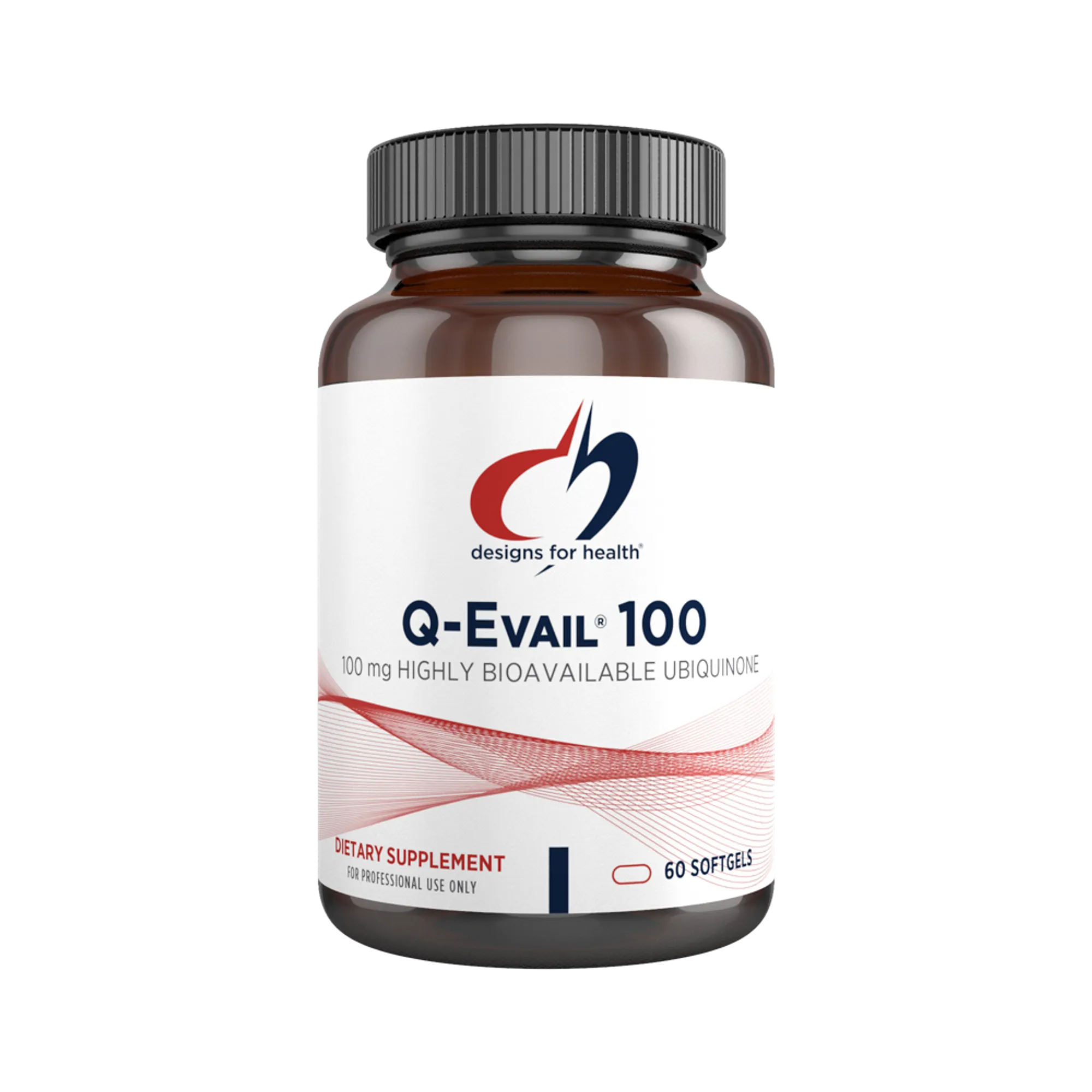
To overcome this massive absorption barrier, advanced formulations like Q-Evail® 100 utilize cutting-edge delivery systems. Instead of a dry powder, the CoQ10 is suspended in a lipid matrix using Medium-Chain Triglycerides (MCTs). MCT oil serves as an ideal fat-soluble carrier vehicle because it bypasses standard, sluggish digestion processes and is rapidly absorbed by the GI tract. However, even when suspended in oil, CoQ10 molecules can re-crystallize over time, rendering them useless.
To permanently prevent this crystallization, Q-Evail® employs a natural, food-grade emulsifier called Quillaja extract, derived from the bark of the Quillaja saponaria tree. Patent data and clinical formulation studies demonstrate that the saponins in Quillaja extract act as a powerful surfactant, reducing surface tension and creating a stable nanoemulsion. It disperses the fat-soluble CoQ10 into microscopic, water-soluble micelles in the stomach, drastically increasing the surface area of the nutrient and allowing it to easily cross the intestinal barrier. Crucially, this technology achieves superior, clinical-grade absorption without relying on synthetic, potentially irritating chemicals like polysorbate 80 or castor oil.
The Ubiquinone vs. Ubiquinol Debate
Patients researching CoQ10 are often bombarded with marketing claims insisting that ubiquinol (the reduced form) is vastly superior to ubiquinone (the oxidized form). While it is true that ubiquinol is the active antioxidant form circulating in the blood, clinical studies have demonstrated that the delivery system matters far more than the initial redox state of the molecule. When ubiquinone and ubiquinol are delivered in identical, highly optimized lipid-based carrier systems (like the Evail™ technology), there is no statistically significant difference in plasma CoQ10 absorption. The body naturally and rapidly converts highly absorbed ubiquinone into ubiquinol upon entering the bloodstream. Therefore, a highly bioavailable ubiquinone formulation will drastically outperform a poorly formulated ubiquinol supplement.
Dosing, Timing, and Safety
For patients managing complex chronic conditions, dysautonomia specialists and researchers typically recommend a dosage ranging from 100 mg to 400 mg per day, often divided into multiple doses to maintain steady blood levels. Q-Evail® 100 provides 100 mg per softgel, allowing for flexible, titrated dosing (e.g., one capsule two to three times a day). Because it is fat-soluble, it is always best taken with a meal containing healthy fats—like avocado, olive oil, or nuts—to further maximize absorption alongside the MCTs.
CoQ10 has an exceptional safety profile, with clinical trials showing no toxicity even at doses up to 1,200 mg per day. It is generally well-tolerated, with only rare reports of mild gastrointestinal upset. However, because it can mildly lower blood pressure, improve blood flow, and has a similar structure to Vitamin K, it can interact with certain medications, most notably blood thinners like warfarin (Coumadin). Patients on anticoagulant therapy or prescription antihypertensives should always consult their healthcare provider before initiating supplementation to ensure it does not interfere with their current medical regimen.
Follow the Science: Clinical Evidence
Long COVID: Monotherapy vs. Synergy
The potential of CoQ10 to resolve Long COVID fatigue has been the subject of rigorous recent clinical trials, yielding fascinating insights into how the supplement must be utilized for maximum efficacy. A major phase 2 trial in Denmark tested high-dose CoQ10 monotherapy, giving 121 Long COVID patients 500 mg per day of CoQ10 alone for six weeks. The results showed no statistically significant improvement in symptom scores compared to a placebo. Researchers hypothesized that intervening late in the disease process with a single supplement might not be enough to reverse entrenched mitochondrial damage.
However, a highly successful prospective observational study in Italy (the Requpero study) took a different approach. Researchers theorized that CoQ10 requires an "antioxidant booster" to overcome severe viral damage and oxidative stress. They treated 116 patients with a synergistic combination of CoQ10 and Alpha-Lipoic Acid (ALA) for two months. The results were striking: 53.5% of the treatment group achieved a complete response (defined as a greater than 50% reduction in baseline fatigue), compared to only 3.5% in the untreated control group. This suggests that while CoQ10 alone may struggle to reverse Long COVID, it becomes a powerful therapeutic tool when used in combination with other mitochondrial antioxidants.
ME/CFS and Post-Viral Fatigue
In the realm of ME/CFS, clinical evidence strongly supports the use of CoQ10 as a foundational metabolic therapy. An eight-week randomized, double-blind, placebo-controlled trial conducted in Spain evaluated 73 patients with ME/CFS. The treatment group received a daily combination of 200 mg of CoQ10 and 20 mg of NADH (another critical cofactor for ATP production). The researchers documented a significant decrease in subjective fatigue levels, alongside beneficial changes in objective biochemical markers of oxidative balance.
A follow-up analysis of this specific cohort also noted statistically significant improvements in sleep duration and habitual sleep efficiency, highlighting the systemic benefits of restoring cellular energy. Furthermore, the recent CoSeME phase 2 clinical trial investigated combining 400 mg of CoQ10 with selenium in ME/CFS patients, aiming to modulate redox status and reduce systemic inflammatory biomarkers like NT-proBNP and FGF-21. These trials continue to cement CoQ10's role in comprehensive post-viral recovery protocols.
Dysautonomia and POTS Research
The clinical literature surrounding CoQ10 and autonomic dysfunction is rapidly expanding. A 2025 study evaluating patients with ME/CFS and Long-COVID-induced POTS found that targeted mitochondrial support, including CoQ10, significantly improved core systemic symptoms like brain fog and post-exertional malaise. While lifestyle pacing and specific medications were still required to manage the strict orthostatic tachycardia, the overall functional capacity and quality of life of the patients improved drastically.
Additionally, comprehensive reviews of nutritional support for dysautonomia highlight that 100 mg to 300 mg per day of highly bioavailable CoQ10 effectively improves general muscle weakness and the severe morning fatigue commonly seen in POTS. Leading dysautonomia cardiologists frequently utilize CoQ10 as part of a foundational triad alongside Alpha-Lipoic Acid and L-Carnitine to restore mitochondrial health at the cellular level, offering a therapeutic avenue that addresses the root cause of the energy crisis rather than merely masking the symptoms.
The Path Forward
A Piece of the Puzzle
Living with Long COVID, ME/CFS, or dysautonomia is an exhausting, unpredictable journey. When your body's cellular batteries are constantly drained, it is easy to feel overwhelmed by the sheer physical effort required just to exist. It is crucial to validate that these symptoms are not in your head—they are the result of measurable, physiological disruptions in your mitochondrial function and autonomic nervous system. While highly bioavailable CoQ10 represents a powerful, science-backed tool for restoring cellular energy and quenching oxidative stress, it is not a standalone miracle cure. True recovery and symptom management require a comprehensive, multi-faceted approach.
Integrating a supplement like Q-Evail® 100 into your daily routine should be done alongside strict energy pacing, diligent symptom tracking, adequate hydration, and a balanced diet. You may also want to explore other foundational strategies, such as a Gut-Brain Reset, to address systemic inflammation from multiple angles. By addressing the energy crisis at the cellular level, you can begin to slowly expand your energy envelope and improve your overall quality of life.
Next Steps
As always, because complex chronic illnesses require highly individualized care, please consult with your primary healthcare provider or a dysautonomia specialist before adding any new supplement to your regimen, especially if you are currently taking prescription medications for heart rate or blood pressure. They can help you determine the optimal dosage and ensure it fits safely within your broader treatment plan.
Sources
Novel biomarkers of mitochondrial dysfunction in Long COVID patients
Compositions comprising quillaja extract and methods of preparations and use thereof (US Patent)
USANA Clinical Research Bulletin: Bioavailability of Ubiquinone versus Ubiquinol
ClinicalTrials.gov: Coenzyme Q10 as Treatment for Long Term COVID-19 (NCT04960215)