Can PyloGuard (Pylopass) Help Manage Gut Dysbiosis and H. pylori in Long COVID and MCAS?
March 6, 2026
PyloGuardPylopassLong COVID
Share:
Disclaimer: The information provided here is for educational purposes only and is not intended as medical advice. It should not be used to diagnose, treat, cure, or prevent any medical condition. Instead, use it as a starting point for discussion with your healthcare provider. Always consult with a qualified healthcare provider before starting any new medication, supplement, device, or making changes to your health regimen.
For individuals living with complex chronic conditions like Long COVID, myalgic encephalomyelitis/chronic fatigue syndrome (ME/CFS), dysautonomia, and mast cell activation syndrome (MCAS), the gastrointestinal tract often becomes a central battleground. Patients frequently report debilitating bloating, severe acid reflux, unpredictable food intolerances, and profound nausea that seem to trigger systemic flares of brain fog and fatigue. While these symptoms are sometimes dismissed as standard irritable bowel syndrome (IBS), emerging research points to a more insidious culprit: persistent gut dysbiosis and opportunistic pathogens like Helicobacter pylori (H. pylori). When the delicate ecosystem of the microbiome is disrupted by viral infections or chronic immune dysregulation, pathogens that normally exist quietly can overgrow, driving a relentless cycle of inflammation and immune hyperactivation.
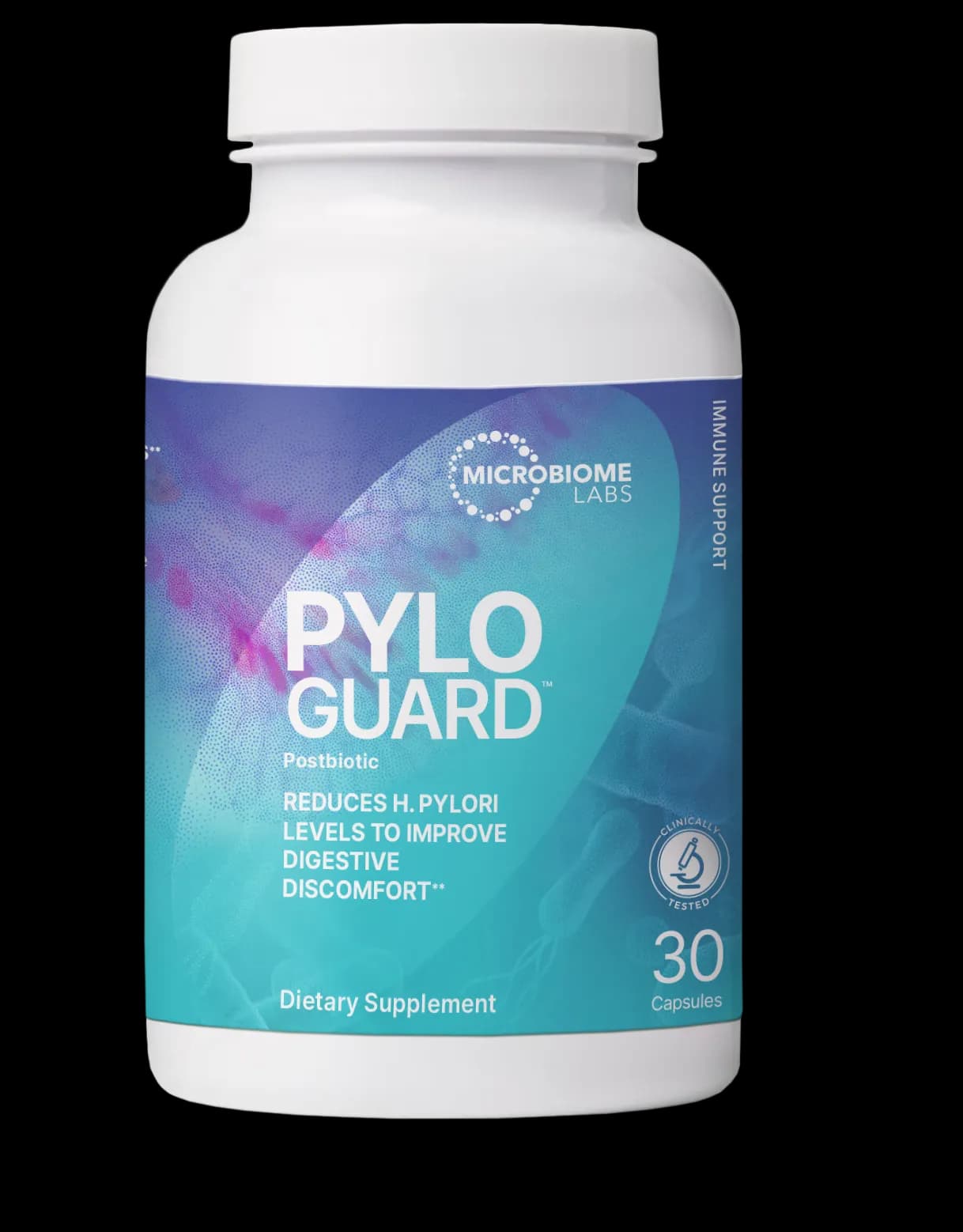
Addressing this dysbiosis is notoriously difficult, especially when traditional antibiotic treatments for H. pylori can further decimate the beneficial bacteria needed for recovery. This is where innovative, targeted interventions become crucial. PyloGuard, featuring a highly specialized bacterial strain known as Pylopass™ (Limosilactobacillus reuteri DSM 17648), offers a novel approach to managing H. pylori levels. Rather than acting as a broad-spectrum antimicrobial that wipes out the entire gut microbiome, PyloGuard works like a microscopic magnet, specifically binding to H. pylori and safely sweeping it out of the digestive tract. By reducing the pathogenic load without causing collateral damage, this targeted supplement provides a vital tool for patients seeking to restore their gut barrier, calm their mast cells, and regain control over their systemic symptoms.
What is PyloGuard and the Pylopass Strain?
The Evolution of Targeted Gut Support
To understand how PyloGuard functions, it is essential to first explore its primary active ingredient: Pylopass™, scientifically known as Limosilactobacillus reuteri DSM 17648. In a healthy human body, the gastrointestinal tract is home to trillions of microorganisms that work synergistically to digest food, produce essential neurotransmitters, and regulate the immune system. However, when an opportunistic bacterium like H. pylori takes hold in the stomach lining, it can cause chronic gastritis, disrupt stomach acid production, and create an environment hostile to beneficial microbes. Traditional medical approaches to eradicating H. pylori rely heavily on aggressive courses of multiple antibiotics, which, while often necessary, can cause profound collateral damage to the healthy microbiome. Researchers spent years screening over 700 wild-type bacterial strains to find a natural, targeted alternative that could manage H. pylori without this widespread disruption, eventually isolating the highly specific DSM 17648 strain.
What makes L. reuteri DSM 17648 uniquely effective is its precise biological engineering and evolutionary adaptation. Unlike standard probiotic strains that are designed to colonize the large intestine and produce lactic acid or short-chain fatty acids, this specific strain was selected purely for its physical surface characteristics. The cell wall of the DSM 17648 strain contains highly specialized adhesion molecules that act as a biological lock-and-key mechanism. These molecules are perfectly shaped to recognize and bind to the surface receptors of H. pylori bacteria residing in the harsh, highly acidic environment of the stomach. This targeted approach represents a significant evolution in microbiome management, shifting the focus from simply flooding the gut with beneficial bacteria to actively and specifically removing pathogenic burdens.
The Power of Postbiotics
One of the most fascinating and clinically relevant aspects of PyloGuard is that it is not actually a traditional living probiotic; rather, it is classified as a "postbiotic." Through a proprietary and highly controlled spray-drying process, the L. reuteri DSM 17648 cells are intentionally inactivated, meaning they are no longer alive or capable of reproduction. While this might seem counterintuitive to those accustomed to seeking out live probiotic cultures, this inactivation is precisely what gives PyloGuard its unique therapeutic power. Because the bacterial cells are already dead, they are incredibly stable and do not require refrigeration to maintain their efficacy. More importantly, their non-viable status allows them to survive the extreme acidity of the human stomach without being degraded or destroyed, a common failure point for many live probiotic supplements.
The postbiotic nature of PyloGuard also ensures a remarkable safety profile, particularly for immunocompromised patients or those with severe gut dysbiosis. Live probiotics, while generally safe, can sometimes cause unpredictable reactions, bacterial overgrowth, or histamine production in highly sensitive individuals, such as those with mast cell activation syndrome (MCAS). Because the cells in PyloGuard are inactivated, they cannot colonize the gut, ferment carbohydrates to produce gas, or trigger histamine release. They simply enter the stomach, perform their highly specific mechanical function, and exit the body. This makes the supplement an exceptionally clean, predictable, and well-tolerated intervention for patients whose systems are easily overwhelmed by complex biological supplements.
The Co-Aggregation Mechanism
The primary mechanism of action by which PyloGuard manages H. pylori is a fascinating physical process known as "co-aggregation." When a patient ingests a PyloGuard capsule, the inactivated L. reuteri DSM 17648 cells are released into the stomach cavity. As they mix with the gastric juices, their specialized surface adhesion molecules begin to act like microscopic Velcro. Whenever these postbiotic cells encounter an H. pylori bacterium, they instantly and irreversibly bind to its surface. This binding process is highly selective; the adhesion molecules ignore the beneficial commensal bacteria in the stomach and target only the H. pylori organisms. As more and more DSM 17648 cells bind to the H. pylori, they form large, tangled clusters or aggregates of bacteria.
This co-aggregation has a profound and immediate neutralizing effect on the H. pylori. Normally, H. pylori relies on its flagella (tail-like structures) to swim through the stomach acid and burrow into the protective mucosal lining of the stomach wall, where it causes inflammation and evades the immune system. However, once bound into these large aggregates by PyloGuard, the H. pylori bacteria are physically immobilized. They lose their motility and, crucially, their ability to adhere to the gastric mucosa. Unable to anchor themselves to the stomach wall, these heavy bacterial clusters are simply swept up in the normal digestive flow. They are safely flushed out of the stomach, travel through the intestinal tract, and are ultimately eliminated from the body via natural bowel movements, steadily reducing the overall pathogenic load.
How H. pylori and Dysbiosis Impact Long COVID and MCAS
The ACE2 Receptor and Viral Entry
The connection between H. pylori infection, gut dysbiosis, and the development of Long COVID is a rapidly expanding area of clinical research. When the SARS-CoV-2 virus enters the body, it relies on the ACE2 (angiotensin-converting enzyme 2) receptor to bind to and infect human cells. While these receptors are well-known for their presence in the respiratory tract, they are actually expressed in significantly higher concentrations throughout the gastrointestinal system. Recent studies have revealed a troubling synergy between H. pylori and the COVID-19 virus. Research indicates that an active H. pylori infection actively upregulates, or increases, the expression of ACE2 receptors in the gut lining. This artificially high concentration of receptors essentially rolls out the red carpet for SARS-CoV-2, facilitating greater viral entry into the enterocytes (intestinal cells).
This increased viral load in the gut has profound implications for patients who go on to develop Long COVID. The initial acute infection is often more severe, characterized by intense gastrointestinal symptoms such as severe abdominal pain, nausea, and diarrhea. Furthermore, the persistent presence of the virus in the gut reservoirs—often referred to as viral persistence—is a leading theory behind the ongoing immune dysregulation seen in Long COVID. By upregulating ACE2 receptors and damaging the mucosal barrier, H. pylori helps create a hospitable environment for this viral persistence. The resulting chronic inflammation disrupts the delicate balance of the microbiome, leading to a profound loss of beneficial, short-chain fatty acid-producing bacteria that are essential for regulating the immune system and maintaining the integrity of the gut-blood barrier.
Mast Cell Activation and Histamine Overload
For patients battling the overlapping complexities of Long COVID, ME/CFS, and MCAS, the presence of H. pylori can act as a massive, continuous trigger for systemic inflammation. Mast cells are key components of the immune system, stationed heavily throughout the gastrointestinal tract to guard against pathogens. When H. pylori colonizes the stomach lining, it causes chronic, low-grade gastritis. This perpetual state of localized inflammation keeps the surrounding mast cells in a state of high alert, causing them to degranulate and release massive amounts of histamine and inflammatory cytokines into the surrounding tissues. This localized histamine release can quickly spill over into the bloodstream, triggering systemic MCAS flares characterized by hives, unpredictable tachycardia, profound brain fog, and severe anxiety.
Compounding this issue is H. pylori's devastating effect on the body's natural histamine-clearing mechanisms. The human body relies on an enzyme called diamine oxidase (DAO), which is produced in the mucosal lining of the small intestine, to break down dietary and cellular histamine. The chronic inflammation and mucosal damage caused by H. pylori and subsequent gut dysbiosis actively impair the production and function of this vital DAO enzyme. With mast cells overproducing histamine and the gut unable to clear it, the patient's "histamine bucket" quickly overflows. This biochemical double-whammy explains why so many patients with chronic complex illnesses suddenly develop severe histamine intolerances and find themselves reacting to foods they previously tolerated without issue.
The Vagus Nerve and Autonomic Dysfunction
The impact of H. pylori and gut dysbiosis extends far beyond the digestive tract, deeply influencing the central and autonomic nervous systems through the gut-brain axis. The vagus nerve serves as the primary bidirectional superhighway between the gut and the brain, constantly transmitting data about the state of the microbiome and intestinal inflammation. When H. pylori damages the stomach lining and triggers dysbiosis, it sends continuous, high-intensity distress signals up the vagus nerve to the brainstem. This chronic neuroinflammatory signaling can severely dysregulate the autonomic nervous system, driving the development or exacerbation of dysautonomia and postural orthostatic tachycardia syndrome (POTS), conditions frequently seen in the Long COVID and ME/CFS populations.
Furthermore, this pathogen-driven dysbiosis profoundly disrupts the production and absorption of vital neurotransmitter precursors. For example, a healthy gut microbiome is responsible for metabolizing tryptophan, an essential amino acid that serves as the building block for both serotonin (crucial for mood and autonomic regulation) and melatonin (essential for restorative sleep). H. pylori infections and the overgrowth of pathogenic bacteria actively deplete the body's tryptophan stores. This microbial theft deprives the brain of the raw materials it needs to regulate the sleep-wake cycle and calm the nervous system, leading to the severe insomnia, nocturnal adrenaline surges, and unrefreshing sleep that are hallmark, debilitating symptoms of ME/CFS and Long COVID.
PyloGuard: Supporting Gut Restoration and Pathogen Removal
Targeted Removal Without Microbiome Disruption
When treating complex chronic illnesses like Long COVID and ME/CFS, the guiding medical principle must be to do no further harm to an already fragile system. This is where PyloGuard excels as a therapeutic intervention. Traditional eradication therapies for H. pylori typically involve a heavy regimen of proton pump inhibitors (PPIs) combined with two or more broad-spectrum antibiotics, such as clarithromycin and amoxicillin. While these treatments are often clinically necessary, they act like a biological wildfire, indiscriminately wiping out both the pathogenic H. pylori and the beneficial commensal bacteria that the immune system desperately needs to recover. This massive disruption can lead to severe antibiotic-associated diarrhea, yeast overgrowth, and a worsening of systemic dysbiosis that can take months or years to correct.
PyloGuard offers a radically different, highly targeted approach. Because the L. reuteri DSM 17648 strain utilizes a specific co-aggregation mechanism, it acts exclusively on the H. pylori bacteria. The adhesion molecules on the surface of the PyloGuard postbiotic cells are biologically blind to the beneficial Lactobacillus, Bifidobacterium, and other crucial keystone species that populate a healthy gut. By binding only to the target pathogen and facilitating its physical removal through the digestive tract, PyloGuard helps lower the H. pylori burden without causing any collateral damage to the surrounding microbiome. This precision allows patients to address a major source of gastrointestinal inflammation while simultaneously working to rebuild their beneficial flora, a dual approach that is essential for long-term recovery in post-viral syndromes.
Restoring the Gut Barrier and Reducing Inflammation
By effectively reducing the population of H. pylori in the stomach, PyloGuard plays a critical downstream role in restoring the integrity of the entire gastrointestinal barrier. H. pylori is notorious for producing urease and other toxic enzymes that degrade the protective mucous layer of the stomach and upper intestine. This degradation leads to increased intestinal permeability, commonly known as "leaky gut." When the gut barrier is compromised, lipopolysaccharides (LPS)—highly inflammatory endotoxins produced by bacteria—can leak out of the digestive tract and into the systemic bloodstream. Once in the blood, these LPS endotoxins bind to Toll-like receptor 4 (TLR4) on immune cells, triggering a massive cascade of systemic inflammation and neuroinflammation that drives the profound brain fog, joint pain, and severe fatigue seen in ME/CFS and Long COVID.
As PyloGuard sweeps the H. pylori out of the system, the constant chemical assault on the mucosal lining is halted. This cessation of localized trauma allows the body's natural healing mechanisms to begin repairing the tight junctions between the intestinal cells. As the gut barrier regains its integrity, the leakage of LPS endotoxins into the bloodstream is significantly reduced. This drop in systemic endotoxemia is a crucial step in calming the hyperactive immune response and stabilizing hyper-reactive mast cells. Furthermore, by removing the H. pylori burden, the stomach can begin to normalize its acid production, which is essential for the proper breakdown of proteins and the absorption of vital micronutrients like vitamin B12, iron, and magnesium—nutrients that are frequently severely depleted in chronic illness populations.
Synergistic Support with Standard Therapies
It is important to understand that PyloGuard is not necessarily a replacement for standard medical therapies, but rather a powerful synergistic tool that can significantly enhance their efficacy. The global rise in antibiotic resistance, particularly to clarithromycin and fluoroquinolones, has caused the success rates of traditional H. pylori eradication therapies to plummet in recent years. The bacteria are becoming increasingly adept at mutating and surviving the chemical assault of antibiotics. However, because PyloGuard relies on a physical mechanism of action—co-aggregation and mechanical flushing—rather than a chemical one, it is completely immune to bacterial antibiotic resistance. The H. pylori cannot mutate to avoid being physically bound by the DSM 17648 adhesion molecules.
When used as an adjunct to standard triple or quadruple antibiotic therapy, PyloGuard acts as a force multiplier. By physically binding and neutralizing a large portion of the H. pylori population, it significantly reduces the overall bacterial load that the antibiotics need to clear. This dual-pronged attack—chemical eradication combined with physical removal—has been shown in clinical trials to dramatically increase the overall success rate of the treatment. Furthermore, by providing a protective, soothing effect on the gastric mucosa, PyloGuard helps to mitigate the severe gastrointestinal side effects, such as nausea, cramping, and diarrhea, that frequently cause patients to prematurely abandon their antibiotic regimens. This makes the entire treatment process more tolerable and significantly more effective for patients already struggling with the heavy symptom burden of conditions like Long COVID and dysautonomia.
Symptoms PyloGuard May Help Manage
Gastrointestinal and Digestive Symptoms
By targeting H. pylori and supporting the restoration of the gastric mucosa, PyloGuard can help alleviate a wide range of localized digestive issues that frequently plague patients with chronic complex illnesses:
Severe Bloating and Distension: H. pylori alters stomach acid levels, leading to poor protein digestion and the fermentation of food by overgrown bacteria in the upper GI tract. By reducing the H. pylori load, PyloGuard helps normalize digestion, reducing the excessive gas production that causes painful bloating.
Acid Reflux and Heartburn: Chronic gastritis caused by H. pylori can disrupt the function of the lower esophageal sphincter and alter gastric emptying times. Managing the infection helps soothe the stomach lining and can significantly reduce the frequency and severity of acid reflux and burning sensations.
Nausea and Abdominal Pain: The localized inflammation and ulceration driven by H. pylori are primary causes of chronic nausea and sharp, gnawing abdominal pain. By physically removing the pathogen and halting the release of toxic bacterial enzymes, PyloGuard helps calm the inflamed mucosal tissues.
Antibiotic-Associated Diarrhea: When used alongside standard eradication therapies, PyloGuard has been clinically shown to protect the gut environment, drastically reducing the incidence of severe diarrhea, cramping, and dysbiosis typically caused by heavy antibiotic use.
Systemic and Immune-Mediated Symptoms
Because the gut microbiome is intimately connected to the immune and nervous systems, managing H. pylori with PyloGuard can have profound downstream effects on systemic symptoms:
Histamine Intolerance and MCAS Flares: H. pylori drives chronic mast cell degranulation in the gut and inhibits the DAO enzyme needed to clear histamine. By removing the pathogen, PyloGuard helps lower the overall histamine burden, potentially reducing systemic flares like hives, flushing, and unpredictable tachycardia.
Brain Fog and Cognitive Dysfunction: The systemic inflammation caused by "leaky gut" and the leakage of LPS endotoxins into the bloodstream drives severe neuroinflammation. By supporting gut barrier integrity through pathogen removal, PyloGuard helps reduce this endotoxemia, often leading to improvements in mental clarity and cognitive stamina.
Profound Fatigue and PEM: Chronic infections like H. pylori place a massive, continuous energy demand on the immune system, draining cellular ATP and exacerbating post-exertional malaise (PEM). Lowering this chronic infectious burden frees up vital cellular energy resources for systemic healing and daily function.
Sleep Disturbances: H. pylori and resulting dysbiosis deplete tryptophan, the precursor to melatonin and serotonin. By helping to restore a healthier microbial balance, PyloGuard supports the gut's ability to produce these vital neurotransmitters, potentially improving sleep architecture and autonomic regulation.
Practical Considerations: Forms, Dosing, and Absorption
Optimal Dosing and Administration
When integrating PyloGuard into a clinical protocol, understanding the optimal dosing and administration is crucial for achieving the best therapeutic outcomes. The standard, clinically evaluated dose for the active ingredient, Pylopass™ (L. reuteri DSM 17648), is 200 mg per day. This specific dosage delivers approximately 20 billion inactivated bacterial cells, which research has shown to be the optimal concentration for achieving maximum co-aggregation with H. pylori in the stomach. Microbiome Labs has formulated PyloGuard to perfectly match this clinical standard, providing exactly 200 mg of the patented Pylopass strain in each capsule. For general management and maintenance of H. pylori levels, the suggested use is one capsule per day for adults and children over the age of nine.
The timing of administration is a critical factor in PyloGuard's efficacy. Because the mechanism of action relies on the physical binding of the postbiotic cells to the H. pylori bacteria within the stomach cavity, the supplement must be present when the stomach is actively churning and mixing its contents. Therefore, it is highly recommended to take PyloGuard immediately before or during a solid meal, typically breakfast or dinner. Taking the capsule with a full glass of water (approximately 8 ounces) helps ensure that the inactivated cells are widely dispersed throughout the gastric juices, maximizing their opportunity to encounter and bind to the H. pylori organisms residing in the mucosal folds. Taking the supplement on a completely empty stomach without food or adequate water may result in the capsule passing too quickly through the stomach, reducing its binding efficiency.
Gastric Survivability and Local Action
A common concern with traditional probiotic supplements is their bioavailability and survivability—specifically, whether the live bacteria can survive the highly acidic environment of the stomach to reach the intestines. PyloGuard completely bypasses this issue due to its unique postbiotic nature. Because the L. reuteri DSM 17648 cells are already inactivated via a specialized spray-drying process, they are structurally highly stable and entirely impervious to degradation by stomach acid. They do not require specialized enteric coatings or delayed-release capsules to protect them. In fact, an enteric coating would be counterproductive, as PyloGuard needs to release its contents directly into the stomach, not the intestines, to perform its targeted action against H. pylori.
Furthermore, the concept of systemic bioavailability—how much of a substance is absorbed into the bloodstream—does not apply to PyloGuard. The supplement is designed to exert a purely localized, topical effect within the gastrointestinal tract. The inactivated cells are not absorbed through the intestinal wall, nor do they enter systemic circulation. They act as inert biological binders, sweeping through the stomach, locking onto their target pathogens, and exiting the body safely through natural elimination. This lack of systemic absorption is a significant advantage, as it eliminates the risk of systemic toxicity or off-target metabolic effects, making it an exceptionally clean intervention for patients with highly sensitive or reactive systems.
Safety Profile and Synergistic Use
The safety profile of PyloGuard is exceptionally robust, backed by extensive clinical trials and its self-affirmed "Generally Recognized as Safe" (GRAS) status in the United States. Because it does not colonize the gut, produce histamine, or disrupt the commensal microbiome, it is highly tolerated even by patients with severe dysautonomia, ME/CFS, or MCAS. There are no known negative drug interactions associated with L. reuteri DSM 17648. It does not interfere with the liver's cytochrome P450 enzyme pathways, meaning it will not alter the metabolism or efficacy of other medications or supplements a patient may be taking. It is non-GMO, gluten-free, and suitable for both vegetarians and vegans, making it accessible to patients with strict dietary restrictions.
Crucially, PyloGuard is designed to be highly synergistic with standard medical treatments. If a patient and their healthcare provider decide to pursue traditional antibiotic eradication therapy for H. pylori, PyloGuard can and should be used concurrently. In clinical settings, it is often dosed at 200 mg (one capsule) twice daily during the 14-day antibiotic course, and then continued for another 14 to 28 days post-antibiotics to help manage any residual bacterial load and soothe the gastric mucosa. This synergistic approach not only boosts the overall success rate of the eradication therapy but also provides vital protection against the debilitating gastrointestinal side effects that often accompany heavy antibiotic use, helping patients maintain their quality of life during treatment.

Follow the Science: Clinical Trials on Pylopass
Enhancing Eradication Rates in Clinical Trials
The clinical efficacy of the Pylopass™ strain (L. reuteri DSM 17648) is supported by a robust body of peer-reviewed scientific literature, particularly regarding its ability to enhance standard medical treatments. A major 2024 multicenter, randomized, double-blind, placebo-controlled trial published in Clinical and Translational Gastroenterology provided compelling evidence for its use as an adjuvant therapy. The study evaluated adults suffering from H. pylori-positive functional dyspepsia. Patients were given standard triple eradication therapy (a proton pump inhibitor plus two antibiotics) and were randomized to receive either 200 mg of Pylopass twice daily or a placebo for 14 days, followed by another 14 days of the supplement or placebo alone.
The results of this trial were highly significant. The group receiving the Pylopass postbiotic alongside their antibiotics achieved an eradication efficiency of 96.7%, compared to only 86.0% in the placebo group ($P = 0.039$). This nearly 11% increase in eradication success is a massive clinical achievement, especially given the rising global rates of antibiotic-resistant H. pylori strains that are causing traditional therapies to fail. The researchers concluded that the physical co-aggregation mechanism of the DSM 17648 strain provided a powerful synergistic effect, binding and neutralizing the bacteria to make the chemical antibiotics significantly more effective at clearing the infection from the gastric mucosa.
Standalone Efficacy and Symptom Reduction
Beyond its use alongside antibiotics, PyloGuard has also demonstrated significant efficacy as a standalone intervention for managing H. pylori levels and reducing associated symptoms. A 2018 single-blind clinical study published in BMC Nutrition investigated the prolonged use of the DSM 17648 strain without any concurrent antibiotic therapy. Subjects with confirmed H. pylori infections were given the standard dose of 20 billion inactivated cells per day for a period of 28 days. The researchers utilized the highly accurate ¹³C-urea breath test (¹³C-UBT) to measure the bacterial load in the stomach before and after the supplementation period.
After the 28-day protocol, the data revealed that 62.5% of the subjects experienced a measurable and significant reduction in their H. pylori bacterial load. Furthermore, the patients reported notable improvements in their daily quality of life. Using the standardized Gastrointestinal Symptom Rating Scale (GSRS), the researchers documented beneficial reductions in mild to moderate gastrointestinal symptoms, including bloating, indigestion, and abdominal discomfort. This study provides crucial validation for patients who may not be candidates for aggressive antibiotic therapy, demonstrating that a targeted, non-disruptive postbiotic can effectively manage the pathogenic burden and provide meaningful symptom relief.
Mitigating Treatment Side Effects
One of the most debilitating aspects of treating H. pylori is the severe side effects caused by the necessary antibiotic regimens, which often force patients to abandon their treatment prematurely. A 2023 randomized, double-blind, placebo-controlled trial published in Helicobacter specifically examined the ability of L. reuteri DSM 17648 to mitigate these treatment-induced adverse effects. Treatment-naive patients were given the postbiotic as an adjunct to their standard eradication therapy and monitored closely for gastrointestinal and systemic distress.
The findings highlighted the profound protective effect of the Pylopass strain. The group receiving the postbiotic showed significantly greater reductions in total abdominal pain, severe indigestion, and constipation compared to the placebo group. Most remarkably, the adjunct therapy completely neutralized specific, severe side effects: the incidence of drug-induced headaches dropped to 0% (compared to 15.6% in the placebo group), and severe drug-induced abdominal pain also dropped to 0% (compared to 13.3% in the placebo group). By protecting the gut barrier, reducing localized inflammation, and preventing the overgrowth of opportunistic pathogens during antibiotic use, PyloGuard proves to be an invaluable tool for ensuring patients can safely and comfortably complete their necessary medical treatments.
The Path Forward
A Validating Approach to Complex Gut Issues
Living with the overlapping complexities of Long COVID, ME/CFS, dysautonomia, and MCAS is an incredibly heavy burden. When severe gastrointestinal symptoms are added to the mix—unpredictable bloating, sudden food intolerances, and nausea that triggers systemic flares—it can feel as though your own body has become an unpredictable enemy. It is vital to understand that these gut symptoms are not merely "IBS" or a byproduct of anxiety; they are deeply rooted in physiological disruptions, driven by opportunistic pathogens like H. pylori and profound microbiome dysbiosis. Validating this gut-brain-immune connection is the first crucial step toward reclaiming your health and finding targeted, effective management strategies.
Integrating PyloGuard into Your Protocol
While there is no single miracle cure for complex chronic illness, targeted interventions like PyloGuard offer a scientifically backed, highly specific tool for addressing one of the major root causes of systemic inflammation. By utilizing the unique co-aggregation mechanism of the Pylopass™ strain, patients can actively manage their H. pylori burden without causing further devastation to their fragile microbiomes. Whether used as a standalone intervention to gently lower pathogenic loads and soothe the gastric mucosa, or utilized as a powerful adjunct to make standard antibiotic therapies more successful and tolerable, PyloGuard represents a sophisticated evolution in gut restoration.
As always, supplements are most effective when integrated into a comprehensive, personalized care plan that includes nervous system regulation, careful pacing, and dietary management tailored to your specific intolerances. If you are struggling with persistent gastrointestinal symptoms, severe histamine reactions, or suspect an underlying gut infection is driving your systemic flares, we encourage you to discuss functional stool testing and targeted postbiotic therapy with your medical team.
Disclaimer: The information provided in this blog is for educational purposes only and is not intended as a substitute for professional medical advice, diagnosis, or treatment. Always consult with a qualified healthcare provider before starting any new supplement, especially if you have a diagnosed medical condition, are taking prescription medications, or are undergoing treatment for an active infection.