Can PureGG 25B (Lactobacillus rhamnosus GG) Support Gut Health in Long COVID and ME/CFS?
March 5, 2026
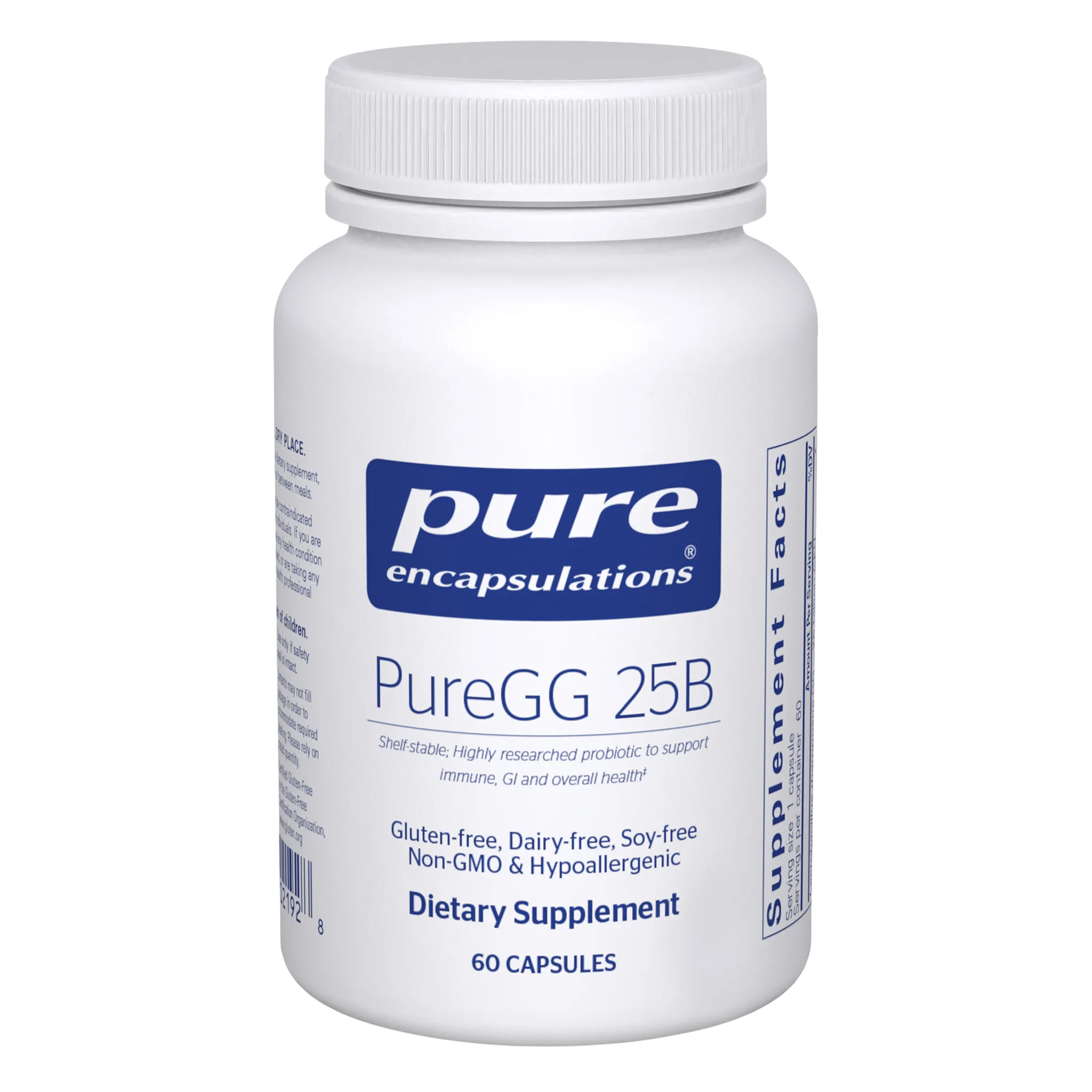
PureGG 25BLactobacillus rhamnosus GGLong COVID
Share:
Disclaimer: The information provided here is for educational purposes only and is not intended as medical advice. It should not be used to diagnose, treat, cure, or prevent any medical condition. Instead, use it as a starting point for discussion with your healthcare provider. Always consult with a qualified healthcare provider before starting any new medication, supplement, device, or making changes to your health regimen.
The human gastrointestinal tract is a complex ecosystem, teeming with trillions of microorganisms that dictate everything from our immune responses to our neurological function. Among this vast microbial landscape, Lactobacillus rhamnosus GG (often abbreviated as LGG) stands out as one of the most extensively studied and clinically validated probiotic strains in the world. Originally isolated in 1983 by scientists Sherwood Gorbach and Barry Goldin—whose last initials give the strain its "GG" designation—this specific bacterium is of human origin, meaning it is naturally adapted to survive and thrive within the human digestive system. Unlike generic, transient bacteria found in many fermented foods, LGG possesses unique structural adaptations that allow it to temporarily colonize the gut lining and exert profound physiological effects.
For individuals battling complex chronic conditions like Long COVID, myalgic encephalomyelitis/chronic fatigue syndrome (ME/CFS), mast cell activation syndrome (MCAS), and dysautonomia, understanding the precise molecular mechanisms of this strain is crucial. It is not merely a digestive aid; it is a potent biological modulator capable of interfacing directly with the host's immune and nervous systems. By fortifying the intestinal barrier, stabilizing hyper-reactive mast cells, and sending calming signals up the vagus nerve, targeted supplementation with high-potency formulations like PureGG 25B offers a scientifically grounded approach to managing the systemic symptoms of chronic illness.
What is Lactobacillus rhamnosus GG?
A Human-Origin Probiotic Strain
The human gastrointestinal tract is a complex ecosystem, teeming with trillions of microorganisms that dictate everything from our immune responses to our neurological function. Among this vast microbial landscape, Lactobacillus rhamnosus GG (often abbreviated as LGG) stands out as one of the most extensively studied and clinically validated probiotic strains in the world. Originally isolated in 1983 by scientists Sherwood Gorbach and Barry Goldin—whose last initials give the strain its "GG" designation—this specific bacterium is of human origin, meaning it is naturally adapted to survive and thrive within the human digestive system. Unlike generic, transient bacteria found in many fermented foods, LGG possesses unique structural adaptations that allow it to temporarily colonize the gut lining and exert profound physiological effects.
When discussing probiotics in a clinical context, strain specificity is paramount. The benefits associated with LGG are specific to the ATCC 53103 strain and cannot be generalized to other Lactobacillus species. One of the defining characteristics of LGG is the presence of unique surface appendages known as SpaCBA pili. These microscopic, hair-like structures act as grappling hooks, allowing the bacteria to firmly adhere to the intestinal mucosa. This strong adhesion ensures close contact with host epithelial cells, enabling LGG to effectively outcompete pathogenic bacteria for binding sites and essential nutrients, a process known as competitive exclusion.
The Gut Barrier and Tight Junctions
The intestinal barrier acts as the body's first line of defense, a highly selective gatekeeper that allows nutrients to absorb while blocking pathogens and toxins. LGG plays a critical role in strengthening this barrier through several distinct physiological processes. Primarily, it maintains and upregulates the expression of essential tight junction proteins, specifically Zonula Occludens-1 (ZO-1), Occludin (OCLN), and Claudin-1. By reinforcing these structural proteins, LGG actively counters barrier disruptions caused by inflammatory cytokines and bacterial endotoxins, effectively repairing the microscopic gaps associated with increased intestinal permeability, commonly known as "leaky gut."
Furthermore, LGG provides a robust physical defense by stimulating intestinal goblet cells to upregulate the expression of the MUC2 gene. This upregulation thickens the protective mucosal layer lining the gut, creating a physical barrier that prevents the adherence and translocation of enteropathogens. Studies have shown that this mucin stimulation is driven by the activation of the host's Epidermal Growth Factor Receptor (EGFR) and downstream PI3K/Akt signaling pathways. Additionally, LGG secretes specific functional proteins, notably p40 and p75, which prevent apoptosis (programmed cell death) in intestinal epithelial cells, promoting cellular survival and mucosal repair even in highly inflammatory environments.
Immune System Modulation
Beyond physical barrier fortification, LGG actively interacts with the gut-associated lymphoid tissue (GALT) to maintain immune homeostasis and prevent hyper-inflammation. It exerts a potent anti-inflammatory effect by downregulating the production of pro-inflammatory cytokines, such as Tumor Necrosis Factor-alpha (TNF-α), Interleukin-6 (IL-6), and Interferon-gamma (IFN-γ). Simultaneously, LGG upregulates the production of anti-inflammatory cytokines, most notably Interleukin-10 (IL-10) and Transforming Growth Factor-beta (TGF-β). This delicate recalibration of the cytokine profile helps to quiet the systemic immune overactivity that characterizes many post-viral and autoimmune conditions.
The precise molecular mechanisms behind this immune modulation are continuously being uncovered. A breakthrough 2025 study published in The Journal of Clinical Investigation revealed that live LGG induces IL-10 production in intestinal monocytes through the STING/TBK1/NF-κB signaling pathway. This creates a powerful, localized autocrine regulatory loop that significantly suppresses colonic inflammation. By interacting with Toll-Like Receptors (TLRs) and promoting the differentiation of Regulatory T cells (Tregs), LGG trains the adaptive immune system to maintain systemic tolerance, preventing it from overreacting to harmless environmental stimuli or the body's own tissues.
How Long COVID and Chronic Illness Impact the Gut
Viral Persistence and Microbiome Dysbiosis
In the wake of an acute SARS-CoV-2 infection, the body often experiences a seismic shift in its internal microbial balance, a phenomenon known as gut dysbiosis. Research has consistently demonstrated that COVID-19 heavily disrupts the gut microbiome, leading to a marked depletion of beneficial, immunomodulatory bacteria and a simultaneous overgrowth of pro-inflammatory opportunistic pathogens, such as those in the Proteobacteria phylum. This dysbiosis is not merely a temporary artifact of the acute infection; it often persists for months or even years, becoming a core driver of Long COVID pathophysiology. Recent omics studies have revealed that these persistent microbiome alterations are strongly associated with specific symptom clusters, independent of whether the virus itself remains detectable in the body.
The loss of keystone bacterial species deprives the gut of essential short-chain fatty acids (SCFAs) like butyrate, which are critical for maintaining the integrity of the intestinal lining and regulating local immune responses. Furthermore, a comprehensive analysis of stool microbiota in Long COVID patients identified significant reductions in bacterial diversity that correlate directly with the severity of constitutional symptoms, such as debilitating fatigue and post-exertional malaise (PEM). This persistent microbial imbalance creates a hostile environment within the gastrointestinal tract, where the normal symbiotic relationship between the host and its microbiome is replaced by a state of chronic, low-grade hostility.
The Leaky Gut and Systemic Inflammation Cycle
The consequences of this persistent dysbiosis extend far beyond the confines of the digestive tract, primarily due to the degradation of the intestinal epithelial barrier. In a healthy gut, tight junction proteins act as a highly selective gatekeeper. However, the chronic inflammation and lack of protective SCFAs seen in Long COVID and ME/CFS cause these tight junctions to break down, resulting in increased intestinal permeability. When the barrier is compromised, lipopolysaccharides (LPS)—toxic structural components of certain bacterial cell walls—leak into the systemic circulation. This process, known as metabolic endotoxemia, triggers a massive, systemic inflammatory cascade as the immune system reacts to the presence of these foreign molecules in the blood.
This systemic inflammation is a vicious cycle that exacerbates nearly every symptom associated with complex chronic illness. The circulating inflammatory cytokines, such as TNF-α and IL-6, can cross the blood-brain barrier, leading to profound neuroinflammation. This neuroinflammatory state is a primary driver of the severe cognitive impairment, commonly described as brain fog, and the unrefreshing sleep that plague patients with ME/CFS and Long COVID. Moreover, the constant immune activation demands massive amounts of adenosine triphosphate (ATP), the body's cellular energy currency, effectively stealing energy away from other essential bodily functions. Understanding the Gastrointestinal Symptoms Seen with Long COVID is the first step in recognizing how a compromised gut barrier directly translates into systemic energetic failure.
Autonomic Dysfunction and the Gut-Brain Axis
The impact of gut dysbiosis and intestinal permeability also profoundly affects the autonomic nervous system (ANS), creating a direct link to conditions like postural orthostatic tachycardia syndrome (POTS) and general dysautonomia. The gastrointestinal tract is governed by the enteric nervous system, which communicates bidirectionally with the central nervous system via the vagus nerve. This intricate network is known as the gut-brain axis. In a healthy state, signals from a balanced microbiome travel up the vagus nerve to promote parasympathetic "rest and digest" activity, keeping heart rate and blood pressure stable. However, in the presence of severe dysbiosis and localized gut inflammation, these signals become distorted.
The localized irritation sends stress signals to the brain, suppressing vagal tone and forcing the body into a state of sympathetic "fight-or-flight" overdrive. This sympathetic overdrive is the hallmark of dysautonomia, leading to the rapid heart rate, palpitations, and dizziness that patients experience upon standing. Furthermore, the impaired gut motility often seen in POTS—a condition known as gastroparesis—creates a stagnant environment in the digestive tract that actively encourages small intestinal bacterial overgrowth (SIBO). SIBO further exacerbates the localized inflammation and gas production, creating a self-perpetuating loop where autonomic dysfunction worsens gut health, and poor gut health further destabilizes the autonomic nervous system.
PureGG 25B: Supporting Gut Health and Symptom Management
Mast Cell Stabilization and Histamine Tolerance
For patients navigating the interconnected web of Long COVID, ME/CFS, and POTS, mast cell activation syndrome (MCAS) is a frequent and highly disruptive comorbidity. Mast cells are immune cells that release histamine and other inflammatory mediators in response to perceived threats. In MCAS, these cells become hyper-reactive, degranulating inappropriately and causing a cascade of allergic-type symptoms, ranging from hives and flushing to severe gastrointestinal distress and tachycardia. A major challenge in managing this condition is that many common probiotic strains, such as Lactobacillus casei or Lactobacillus bulgaricus, naturally produce the enzyme histidine decarboxylase. This enzyme converts the amino acid histidine into histamine within the gut, effectively adding to the body's overall histamine burden and triggering severe MCAS flares.
This is where Lactobacillus rhamnosus GG distinguishes itself as a uniquely therapeutic intervention. Unlike histamine-producing strains, LGG is widely recognized in clinical literature as a histamine-degrading and mast-cell-stabilizing probiotic. In vitro studies utilizing human mast cells have demonstrated that LGG directly interacts with these immune cells to calm their reactivity at a genetic level. Specifically, global microarray analysis revealed that exposure to LGG significantly downregulates the expression of genes encoding the high-affinity IgE receptor subunits (FCER1A and FCER1G). By suppressing these receptors, LGG makes mast cells fundamentally less sensitive to allergens and environmental triggers. Furthermore, the same study showed that LGG downregulates the histamine H4 receptor (HRH4), providing a profound, localized anti-histamine effect within the gastrointestinal tract.
Beyond downregulating reactive receptors, LGG actively promotes an anti-inflammatory environment that further stabilizes mast cells. It has been shown to upregulate the production of Interleukin-10 (IL-10), a potent anti-inflammatory cytokine that helps to rein in overactive immune responses. By simultaneously decreasing the sensitivity of mast cells and increasing the presence of calming immune signals, LGG helps to lower the overall histamine load in the body. Additionally, by fortifying the tight junctions of the intestinal barrier, LGG prevents food-derived histamines and other potential allergens from leaking into the systemic circulation. This multi-pronged approach makes PureGG 25B an invaluable tool for patients who need gut support but cannot tolerate standard, broad-spectrum probiotic formulations.
Vagus Nerve Stimulation and Autonomic Balance
The therapeutic potential of PureGG 25B extends far beyond the physical boundaries of the gut, reaching directly into the central nervous system via the gut-brain axis. As previously discussed, the vagus nerve serves as the primary communication highway between the enteric nervous system and the brain. In patients with dysautonomia and POTS, this pathway is often characterized by low vagal tone and unchecked sympathetic nervous system activity. Groundbreaking research has revealed that Lactobacillus rhamnosus has the remarkable ability to act as a biological neuromodulator. A landmark 2011 study published in the Proceedings of the National Academy of Sciences (PNAS) demonstrated that chronic ingestion of L. rhamnosus significantly increased the firing rate of vagal afferent neurons, effectively providing internal vagus nerve stimulation.
This vagal stimulation has profound downstream effects on neurochemistry and autonomic balance. The PNAS study found that the probiotic physically altered the expression of gamma-aminobutyric acid (GABA) receptors in the brain. GABA is the central nervous system's primary inhibitory neurotransmitter, responsible for calming neural activity, reducing anxiety, and promoting relaxation. By increasing GABAergic signaling, LGG helps to pull the nervous system out of its chronic fight-or-flight state, restoring a healthier parasympathetic balance. Crucially, the researchers proved that when the vagus nerve was severed, these neurochemical benefits completely vanished, confirming that the vagus nerve is the essential conduit for LGG's neurological effects. Many patients wonder, Can Gut-Brain Reset Help Manage Long COVID and ME/CFS Symptoms? — and targeting this vagal pathway is a key component of the answer.
Restoring Microbial Diversity and Immune Homeostasis
At its core, PureGG 25B is designed to restore order to a chaotic and dysbiotic gut microbiome. Delivering a potent dose of 25 billion CFUs per capsule, this supplement utilizes the principle of competitive exclusion to reshape the microbial landscape. LGG possesses unique surface appendages called SpaCBA pili, which act like microscopic grappling hooks. These pili allow the bacteria to firmly adhere to the intestinal mucosa, ensuring close contact with host cells and effectively outcompeting pathogenic, pro-inflammatory bacteria for binding sites and essential nutrients. By physically crowding out harmful microbes, LGG helps to decolonize the gut of the opportunistic pathogens that drive systemic inflammation in Long COVID and ME/CFS.
Furthermore, this robust colonization plays a critical role in training the adaptive immune system. The gut lining is heavily populated with immune cells, and LGG interacts with these cells to promote immune homeostasis. By inducing the expression of Transforming Growth Factor-beta (TGF-β) in intestinal epithelial cells, LGG promotes the differentiation of naive T cells into Regulatory T cells (Tregs). Tregs are the peacekeepers of the immune system; they are essential for maintaining systemic immune tolerance and preventing the hyper-inflammatory autoimmune responses often seen in post-viral syndromes. Through this intricate cross-talk with the gut-associated lymphoid tissue, PureGG 25B helps to recalibrate a dysfunctional immune system, shifting it away from chronic inflammation and toward a state of balanced, resilient defense.
Symptoms PureGG 25B May Help Manage
Gastrointestinal and Digestive Symptoms
Occasional Diarrhea and Loose Stools: By competitively excluding pathogenic bacteria and repairing the intestinal epithelial barrier, LGG helps to normalize bowel motility and reduce the frequency of diarrhea, particularly post-infectious or antibiotic-associated diarrhea.
Abdominal Discomfort and Bloating: LGG helps to balance the gut microbiome, reducing the overgrowth of gas-producing bacteria that contribute to severe bloating, cramping, and general abdominal pain.
Food Sensitivities and Leaky Gut: By upregulating tight junction proteins (ZO-1 and Occludin), LGG seals the microscopic gaps in the gut lining, preventing undigested food particles from entering the bloodstream and triggering systemic inflammatory reactions.
Neurological and Autonomic Symptoms
Brain Fog and Cognitive Impairment: By reducing systemic inflammation and preventing lipopolysaccharides (LPS) from crossing the blood-brain barrier, LGG helps mitigate the neuroinflammation that drives severe cognitive dysfunction and poor memory.
Tachycardia and Sympathetic Overdrive: Through direct stimulation of vagal afferent neurons, LGG increases parasympathetic tone and alters GABA expression in the brain, helping to calm the rapid heart rate and adrenaline surges associated with POTS and dysautonomia.
Sleep Disturbances: The modulation of neurotransmitters like GABA and serotonin via the gut-brain axis promotes a calmer central nervous system, which can translate into improved sleep architecture and a reduction in unrefreshing sleep.
Immunological and Allergic Symptoms
MCAS Flares and Histamine Intolerance: LGG is a histamine-degrading strain that actively downregulates IgE (FCER1A/FCER1G) and histamine H4 receptors on mast cells, making the body less reactive to environmental triggers and dietary histamines.
Respiratory Health Issues: Clinical trials have shown that LGG supports mucosal immunity across the gut-lung axis, helping to balance the immune response and support respiratory health, particularly in individuals prone to post-viral respiratory lingering symptoms.
Skin Conditions (Eczema and Rashes): By lowering the systemic histamine burden and promoting anti-inflammatory cytokine production (IL-10), LGG can help alleviate the severity of allergic skin manifestations often seen in MCAS.
Practical Considerations: Forms, Dosing, and Absorption
Gastric Acid Survival and Bioavailability
One of the most significant hurdles for any oral probiotic supplement is surviving the harsh, highly acidic environment of the human stomach. The gastric juices, which can reach a pH as low as 2.0, are designed to destroy incoming pathogens, but they also indiscriminately kill many beneficial probiotic strains before they can reach the intestines. Lactobacillus rhamnosus GG was specifically selected for its robust, natural resistance to this extreme acidity. In vitro studies utilizing simulated gastric juice have demonstrated that LGG maintains an exceptionally high survival rate over extended exposure periods compared to other generic Lactobacillus strains. This inherent resilience ensures that a clinically significant number of viable bacteria successfully navigate the stomach and reach their target destination in the lower gastrointestinal tract.
The mechanism behind this impressive survival is a fascinating display of cellular biology. Research indicates that LGG utilizes a specific internal mechanism known as the F0F1-ATPase pump to protect itself from acid-induced death. This pump actively expels protons (acid) out of the bacterial cell, maintaining a stable internal pH. Crucially, this pump is powered by adenosine triphosphate (ATP) generated through glycolysis, meaning the bacteria require metabolizable sugars to fuel this defense mechanism. Studies have shown that the presence of glucose can enhance LGG's survival rate in simulated gastric acid by up to a 6-log10 factor. Therefore, taking PureGG 25B alongside a meal that contains complex carbohydrates can theoretically optimize the bacteria's survival and subsequent bioavailability, ensuring maximum colonization in the gut.
Optimal Dosing and Timing
PureGG 25B delivers a highly concentrated dose of 25 billion colony-forming units (CFUs) per capsule. This specific potency aligns with the dosages frequently utilized in successful clinical trials targeting immune modulation and complex chronic conditions. For instance, clinical studies investigating the use of probiotics for ME/CFS have often employed doses ranging from 10 billion to 25 billion CFUs daily to achieve significant shifts in the microbiome and observable improvements in neurocognitive symptoms. The manufacturer suggests taking one capsule daily, either with or between meals. However, as noted above, taking the supplement with a meal may provide the necessary metabolic substrates to enhance gastric survival.
For patients with severe mast cell activation syndrome (MCAS) or extreme chemical sensitivities, functional medicine practitioners often recommend a modified dosing strategy. While LGG is a mast-cell-stabilizing strain, introducing 25 billion live bacteria into a highly reactive system can sometimes trigger a temporary "die-off" or Herxheimer reaction as the microbiome rapidly shifts. In these cases, a "low and slow" approach is advised. Patients may begin by opening the capsule and taking only a small fraction of the powder—sometimes just a sprinkle—gradually titrating the dose upward over several weeks. This microdosing technique allows the hyper-vigilant immune system to acclimate to the new beneficial bacteria without triggering an unnecessary flare of symptoms.
Strain Specificity, Purity, and Safety
When navigating the crowded probiotic market, strain specificity is of paramount importance. The therapeutic benefits discussed in this article—such as histamine degradation, vagus nerve stimulation, and tight junction repair—are specific to the Lactobacillus rhamnosus GG strain (ATCC 53103). Generic Lactobacillus supplements that do not specify the strain level may not possess these unique properties and could potentially contain histamine-producing variants that exacerbate symptoms. Pure Encapsulations' PureGG 25B guarantees the delivery of this exact, highly researched strain. Furthermore, the product is manufactured with strict hypoallergenic standards. It is grown on an allergen-free medium and is certified vegetarian, non-GMO, and completely free from common triggers like dairy, gluten, and soy, making it exceptionally safe for patients with severe food allergies and sensitivities.
While Lactobacillus rhamnosus GG is generally recognized as safe (GRAS) by the FDA and is well-tolerated by the vast majority of individuals, there are important contraindications to consider. Because it is a live organism, PureGG 25B is generally contraindicated for severely immunocompromised patients, such as those actively undergoing chemotherapy, individuals with HIV/AIDS, or those taking heavy biological immunosuppressants, unless strictly supervised by a physician. Additionally, patients with central venous catheters (CVCs) or severe, active structural damage to the intestinal lining (such as in severe short bowel syndrome) should avoid probiotics due to a rare but serious risk of bacterial translocation and bacteremia. Finally, it is important to note that concurrent use of oral antibiotics will destroy the probiotic bacteria; therefore, PureGG 25B should be taken at least two hours apart from any antibiotic medication.
Follow the Science
Clinical Trials in ME/CFS and Neurocognitive Symptoms
The clinical evidence supporting the use of specific probiotic strains for complex chronic illnesses is rapidly expanding. A notable 2018 open-label pilot study by Wallis et al. investigated the effects of targeting gut dysbiosis in patients with myalgic encephalomyelitis/chronic fatigue syndrome (ME/CFS). The researchers utilized a high-dose probiotic intervention that prominently featured Lactobacillus rhamnosus GG at a dose of 25 billion CFUs, alongside specific Bifidobacterium strains. The study yielded highly encouraging results, demonstrating that this targeted microbiome intervention led to statistically significant improvements in both sleep quality and neurocognitive symptoms. Patients reported noticeable reductions in brain fog, poor memory, and cognitive fatigue, highlighting the profound impact that gut-level interventions can have on central nervous system function in ME/CFS.
These findings are further supported by recent animal models exploring the gut-brain connection in chronic fatigue. Studies utilizing murine models of CFS and irritable bowel syndrome (IBS) found that administration of specific L. rhamnosus strains effectively alleviated physical fatigue, anxiety-like behaviors, and cognitive impairment, alongside a concurrent reduction in the expression of systemic pro-inflammatory cytokines, including TNF-α and IL-6, within the brain tissue. This data strongly reinforces the hypothesis that LGG mitigates neurocognitive symptoms by suppressing the systemic inflammatory pathways that originate in a dysbiotic gut and cross the blood-brain barrier.
Long COVID and Microbiome Restoration Research
In the context of post-viral syndromes, LGG has shown significant promise in both preventing and managing the long-term sequelae of SARS-CoV-2 infection. The PROTECT-EHC Clinical Trial conducted at Duke University provided compelling evidence for the prophylactic and therapeutic use of LGG. This randomized, double-blind, placebo-controlled trial evaluated the daily oral administration of LGG in individuals exposed to COVID-19. The results demonstrated that LGG supplementation not only prolonged the time to infection but also resulted in significantly fewer symptoms at day 28 compared to the placebo group (42.9% symptom development in the LGG group versus 26.4% in the placebo group). This suggests that LGG actively bolsters the host's initial immune response and helps prevent the severe viral dissemination that often leads to Long COVID.
Furthermore, recent omics research has solidified the causal role of gut microbiota in the susceptibility and severity of Long COVID. Studies analyzing the fecal microbiome of Long COVID patients consistently reveal a depletion of beneficial, immunomodulatory bacteria and an overgrowth of opportunistic pathogens. Clinical interventions utilizing LGG have been shown to cause substantial, positive structural changes in these dysbiotic microbial communities. By successfully colonizing the gut and competitively excluding antimicrobial-resistant pathogenic bacteria, LGG helps to extinguish the chronic, low-grade mucosal inflammation that acts as a primary driver of Long COVID's systemic symptoms, offering a targeted approach to microbiome restoration.
Mast Cell and Histamine Research
The specific interactions between LGG and the immune system's mast cells have been a subject of intense scientific scrutiny, providing a clear mechanistic rationale for its use in patients with mast cell activation syndrome (MCAS). A pivotal in vitro study utilized advanced global microarray analysis to observe the genetic changes in human peripheral-blood-derived mast cells when exposed to various probiotic strains. The researchers discovered that LGG uniquely and significantly suppressed the genes encoding the high-affinity IgE receptor subunits (FCER1A and FCER1G), as well as the histamine H4 receptor (HRH4). This genetic downregulation physically alters the mast cells, rendering them less reactive to allergens and significantly reducing their propensity to degranulate and release histamine.
Adding to this robust body of evidence, a breakthrough 2025 study published in The Journal of Clinical Investigation elucidated a novel anti-inflammatory pathway activated by live LGG. The researchers demonstrated that oral administration of LGG alleviated severe intestinal inflammation by inducing the production of Interleukin-10 (IL-10) in intestinal monocytes. Remarkably, this IL-10 production was driven by the activation of the STING/TBK1/NF-κB signaling pathway. This creates a powerful, localized autocrine regulatory loop that powerfully suppresses colonic inflammation and further stabilizes the hyper-reactive immune environment characteristic of MCAS and severe food intolerances. These precise, molecular-level findings confirm LGG's status as a premier therapeutic tool for managing complex, histamine-driven chronic illnesses.
The Path Forward
A Foundational Step in Chronic Illness Management
Living with complex chronic conditions like Long COVID, ME/CFS, dysautonomia, and MCAS is an incredibly challenging and often isolating experience. The unpredictable nature of the symptoms—ranging from debilitating fatigue and cognitive dysfunction to sudden autonomic flares and severe allergic reactions—can make everyday life feel like an insurmountable hurdle. It is important to validate that these symptoms are not in your head; they are the result of profound, systemic physiological disruptions, often rooted in a compromised gut-brain-immune axis. Addressing the health of your gastrointestinal microbiome is not a superficial wellness trend; it is a foundational, scientifically validated step in managing these complex illnesses. By targeting the gut, you are addressing a core source of systemic inflammation and autonomic instability.
While PureGG 25B offers a potent, targeted intervention for restoring microbial balance and stabilizing mast cells, it is crucial to maintain realistic expectations. Healing a deeply dysbiotic gut and calming a hyper-reactive nervous system is a marathon, not a sprint. Probiotics are biological modulators that require time to colonize, alter gene expression, and shift the overall microbial landscape. It may take several weeks or even months of consistent supplementation to observe significant improvements in neurocognitive or systemic symptoms. Patience, consistency, and a deep understanding of your body's unique responses are essential components of this healing journey.
Integrating Probiotics into Your Routine
To maximize the therapeutic benefits of PureGG 25B, it should be integrated into a comprehensive, multi-disciplinary management strategy. Probiotics work best when supported by a lifestyle that minimizes unnecessary physiological stress. This includes rigorous pacing to avoid post-exertional malaise (PEM), detailed symptom tracking to identify specific food or environmental triggers, and adopting an anti-inflammatory, low-histamine diet if indicated by your symptoms. For those looking to dive deeper into comprehensive gut healing protocols, exploring resources like Can A.C. Formula II Support Gut Health and Alleviate Long COVID Brain Fog? can provide additional strategies for addressing complex dysbiosis and supporting cognitive function.
Furthermore, understanding the broader context of how the microbiome influences systemic health can empower you to make informed decisions about your care. If you are struggling with the specific digestive challenges associated with post-viral syndromes, reviewing the Gastrointestinal Symptoms Seen with Long COVID can offer valuable insights into the mechanisms driving your discomfort. Additionally, exploring the concepts discussed in Can Gut-Brain Reset Help Manage Long COVID and ME/CFS Symptoms? can help you build a holistic protocol that addresses both the enteric and central nervous systems simultaneously.
Consulting Your Healthcare Provider
Because complex chronic illnesses present differently in every individual, there is no one-size-fits-all approach to supplementation. Before introducing PureGG 25B or any new therapeutic intervention into your regimen, it is imperative to consult with a qualified healthcare provider, particularly one well-versed in functional medicine or post-viral syndromes. They can help you determine the appropriate dosage, assess for potential drug interactions, and ensure that this specific probiotic strain aligns with your unique clinical presentation and overall treatment goals. Personalized medical guidance is the safest and most effective way to navigate the complexities of chronic illness recovery.
If you and your healthcare team determine that targeted microbiome support is the right next step for your health journey, high-quality, clinically validated formulations are essential. The right probiotic can be a powerful ally in your pursuit of better health and improved quality of life.