Can PureDefense w/NAC Support Immune and Respiratory Health in Long COVID and ME/CFS?
March 5, 2026
PureDefense w/NACImmune SupportLong COVID
Share:
Disclaimer: The information provided here is for educational purposes only and is not intended as medical advice. It should not be used to diagnose, treat, cure, or prevent any medical condition. Instead, use it as a starting point for discussion with your healthcare provider. Always consult with a qualified healthcare provider before starting any new medication, supplement, device, or making changes to your health regimen.
Months or even years after an initial viral infection, many individuals find themselves locked in a relentless battle with debilitating symptoms. Conditions like Long COVID, myalgic encephalomyelitis/chronic fatigue syndrome (ME/CFS), and mast cell activation syndrome (MCAS) often leave patients navigating a complex web of immune dysregulation, profound fatigue, and persistent respiratory challenges. When the body's natural defense mechanisms remain chronically activated or severely depleted, finding equilibrium can feel like an impossible task. Patients frequently ask how they can support their immune system without triggering further inflammation or exacerbating their daily symptom burden.
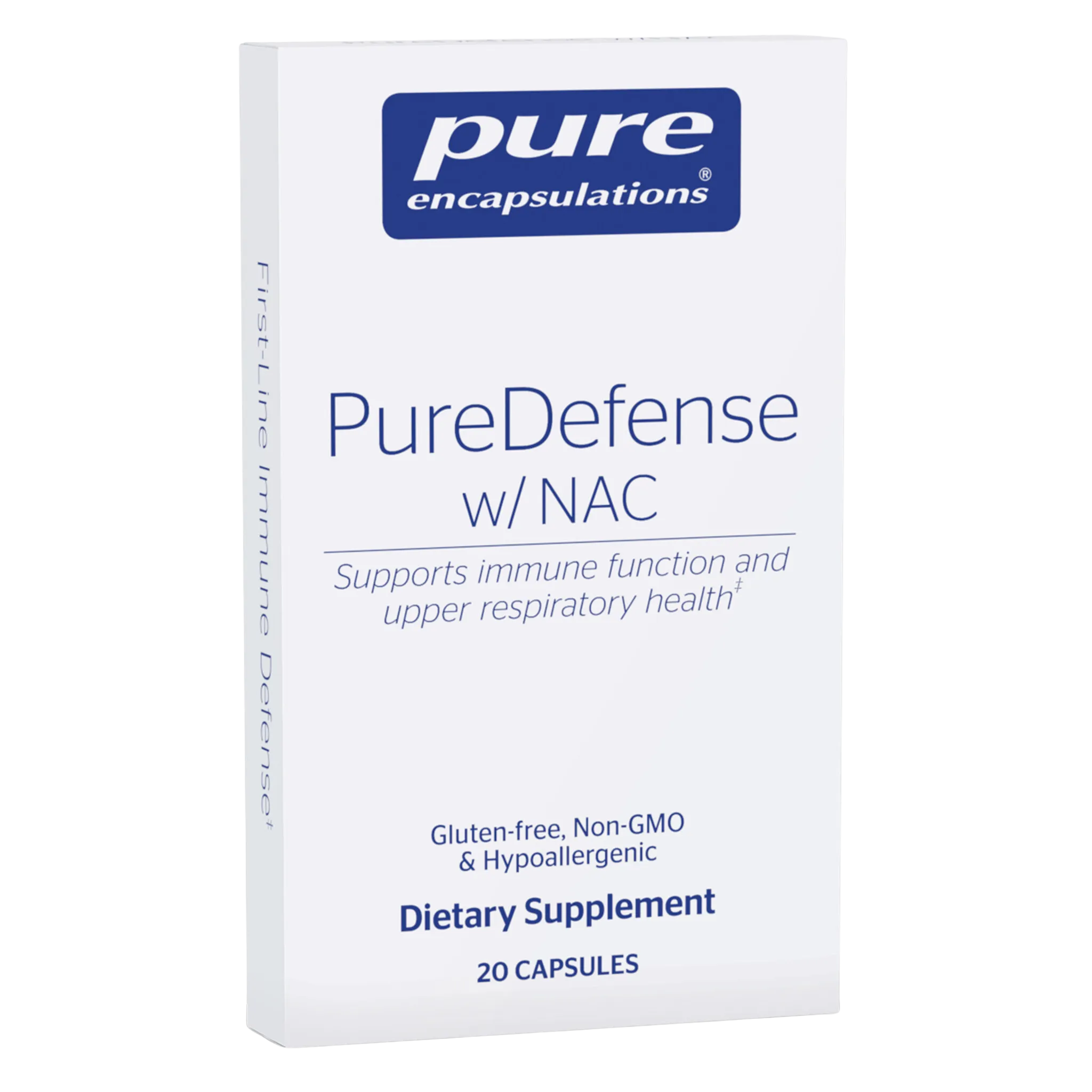
One area of intense clinical focus is the delicate balance between oxidative stress, immune cell exhaustion, and respiratory health. PureDefense w/NAC, formulated by Pure Encapsulations, is a comprehensive supplement designed to address these exact physiological intersections. By combining specialized bioactive fermentates, potent antioxidant precursors, and essential micronutrients, this formula aims to support both the innate and adaptive branches of the immune system. In this comprehensive guide, we will explore the intricate biochemistry of PureDefense w/NAC, examining how its key ingredients work at the cellular level to support immune resilience and respiratory function in the context of complex chronic illness.
What is PureDefense w/NAC?
The Synergy of Innate and Adaptive Immunity
To understand the clinical utility of PureDefense w/NAC, it is essential to first understand the dual nature of the human immune system. The immune response is broadly divided into two distinct but highly communicative branches: the innate immune system and the adaptive immune system. The innate immune system acts as the body's rapid-response team, providing immediate, non-specific defense against invading pathogens. This branch relies heavily on natural killer (NK) cells, macrophages, and physical barriers like the mucosal linings of the respiratory tract. When a threat is detected, innate immune cells react within hours, attempting to neutralize the pathogen before it can establish a foothold in the body.
Conversely, the adaptive immune system is highly specialized and takes longer to mobilize, often requiring days or weeks to mount a full response. This branch is driven by T cells and B cells, which are responsible for creating targeted antibodies and developing long-term immunological memory. In a healthy body, these two systems work in perfect harmony; the innate system holds off the initial attack while signaling the adaptive system to prepare a customized defense. PureDefense w/NAC is uniquely formulated to support both of these critical pathways simultaneously, ensuring that the body has the resources required for immediate defense and sustained immunological balance.
The Role of Key Botanicals and Fermentates
At the core of this formula is EpiCor®, a proprietary dried yeast fermentate derived from Saccharomyces cerevisiae (commonly known as baker's yeast). EpiCor is classified as a "postbiotic," meaning it is a complex mixture of non-living bioactive metabolites, including proteins, polyphenols, vitamins, amino acids, and immune-modulating polysaccharides like beta-glucans. Unlike traditional probiotics that introduce live bacteria into the gut, EpiCor provides the functional byproducts of fermentation directly to the body. These metabolites interact with immune receptors in the gastrointestinal tract, triggering a cascade of signals that rapidly activate natural killer cells and enhance the production of secretory IgA, a vital antibody found in mucosal linings.
Alongside EpiCor, the formula incorporates European elderberry (Sambucus nigra) extract and quercetin, two potent botanical compounds rich in bioflavonoids. Elderberry has been utilized for centuries for its acute immune-stimulating properties, primarily driven by its high concentration of anthocyanins. These compounds are known to bind to viral glycoproteins, physically interfering with a pathogen's ability to attach to host cells. Quercetin, a naturally occurring polyphenol, acts as a powerful immunomodulator and antioxidant. It is widely recognized in functional medicine for its ability to stabilize mast cell membranes, preventing the inappropriate release of inflammatory mediators like histamine and cytokines, which is particularly relevant for patients managing immune dysregulation in Long COVID.
Essential Micronutrients for Cellular Defense
The structural foundation of PureDefense w/NAC is built upon a matrix of essential micronutrients: Vitamin C, Vitamin D3, and Zinc. Vitamin C (ascorbic acid) is a premier water-soluble antioxidant that circulates throughout the bloodstream, scavenging reactive oxygen species (ROS) and protecting immune cells from the oxidative damage generated during an immune response. It is also a critical cofactor for the synthesis of collagen, which is necessary for maintaining the integrity of the vascular endothelium and respiratory tissues. Vitamin D3 (cholecalciferol) functions more like a hormone than a traditional vitamin, binding to specific receptors located on nearly all immune cells to regulate their activity and promote immunological tolerance.
Zinc, provided in this formula as highly bioavailable zinc citrate, is a trace mineral heavily involved in immune cell signaling, hormonal balance, and antiviral defense. Zinc is required for the optimal development and proliferation of white blood cells, and it plays a direct role in inhibiting viral replication within host cells. Finally, the inclusion of N-Acetyl-L-Cysteine (NAC) provides a critical amino acid derivative that serves as the rate-limiting precursor for the intracellular synthesis of glutathione, the body's master antioxidant. Together, these ingredients create a comprehensive network of support, addressing the complex metabolic and immunological demands placed on the body during periods of stress, travel, or chronic illness.
How Long COVID and ME/CFS Impact the Immune and Respiratory Systems
Viral Persistence and Chronic Immune Activation
In conditions like Long COVID and ME/CFS, the immune system often remains locked in a state of chronic, maladaptive activation long after the initial infectious trigger has passed. Emerging research suggests that this may be driven by viral persistence, where fragments of viral RNA or proteins remain sequestered in tissue reservoirs, continuously stimulating the immune system. This persistent antigenic exposure forces the immune system to constantly deploy resources, leading to a phenomenon known as T-cell exhaustion. Exhausted T-cells lose their ability to effectively clear pathogens and instead contribute to a smoldering state of systemic inflammation, releasing high levels of pro-inflammatory cytokines such as Interleukin-6 (IL-6) and Tumor Necrosis Factor-alpha (TNF-α).
This chronic immune activation severely disrupts the delicate balance of the innate immune system. Recent studies have identified profound dysfunction in natural killer (NK) cells among patients with both Long COVID and ME/CFS. Specifically, researchers have observed impaired activity in TRPM3 ion channels on NK cells, leading to disrupted calcium mobilization. This dysfunction prevents NK cells from properly identifying and eliminating threats, leaving patients highly vulnerable to secondary infections and viral reactivations (such as Epstein-Barr Virus). The continuous, ineffective immune response creates a massive energy drain on the body, contributing directly to the debilitating fatigue and post-exertional malaise (PEM) that define these complex conditions.
Oxidative Stress and the Glutathione Deficit
The relentless immune activity seen in Long COVID and ME/CFS generates an enormous amount of reactive oxygen species (ROS), leading to severe, systemic oxidative stress. Under normal circumstances, the body neutralizes these harmful free radicals using glutathione, an endogenous antioxidant produced within the cells. However, the sheer volume of oxidative stress in chronic illness rapidly depletes the body's glutathione reserves. Pioneering research utilizing magnetic resonance spectroscopy has revealed a robust 36% deficit of cortical glutathione in the brains of ME/CFS patients, alongside elevated lactate levels indicative of severe mitochondrial struggle.
When glutathione levels plummet, mitochondria—the energy-producing powerhouses of the cell—are left unprotected from oxidative damage. This mitochondrial dysfunction impairs the production of adenosine triphosphate (ATP), leading to profound cellular energy deficits. In the immune system, this manifests as an "energy sink," where immune cells attempt to ramp up glutathione production but become overwhelmed, depriving the rest of the body of vital energy. This vicious cycle of oxidative stress, glutathione depletion, and mitochondrial impairment is a central driver of the neurocognitive symptoms, often described as "brain fog," and the severe physical exhaustion experienced by patients.
Endothelial Damage and Respiratory Compromise
The systemic inflammation and oxidative stress characteristic of these conditions also wreak havoc on the vascular endothelium, the delicate inner lining of blood vessels. In Long COVID, the SARS-CoV-2 spike protein is known to directly damage endothelial cells, leading to a pro-thrombotic state characterized by the formation of microclots. These microscopic blood clots impede the efficient delivery of oxygen and nutrients to tissues throughout the body, including the brain and muscles. This microvascular dysfunction exacerbates cellular hypoxia (low oxygen levels), further driving mitochondrial impairment and fatigue.
The respiratory system is particularly vulnerable to this endothelial damage and chronic inflammation. Many Long COVID patients suffer from persistent shortness of breath, chronic cough, and reduced exercise tolerance, even in the absence of obvious lung pathology on standard imaging. The mucosal linings of the respiratory tract become inflamed and hyper-reactive, leading to the overproduction of thick, viscous mucus that is difficult to clear. Furthermore, the depletion of secretory IgA—the primary antibody defending the respiratory mucosa—leaves the lungs susceptible to ongoing irritation and secondary respiratory infections. Understanding what causes Long COVID requires looking deeply at these intersecting pathways of immune, vascular, and respiratory dysfunction.
PureDefense w/NAC: Supporting Immune Balance and Respiratory Function
EpiCor and Natural Killer (NK) Cell Activation
PureDefense w/NAC targets the complex pathophysiology of chronic immune dysregulation through multiple, synergistic mechanisms of action. The EpiCor fermentate plays a pivotal role in rapidly mobilizing the innate immune system. The complex beta-glucans and metabolites within EpiCor interact directly with Toll-like receptors (specifically TLR-2 and TLR-2/6) located on the surface of immune cells in the gut-associated lymphoid tissue (GALT). This interaction acts as a signaling mechanism, rapidly upregulating the expression of early activation markers like CD69 on natural killer cells within just one hour of consumption.
Once activated, these NK cells undergo a process called "tissue homing," where they migrate out of the bloodstream and into mucosal tissues, such as the respiratory and gastrointestinal linings, to actively patrol for pathogens. Furthermore, EpiCor has been clinically shown to significantly increase the production of secretory IgA (sIgA) in saliva and mucosal secretions. By bolstering sIgA levels, EpiCor helps restore the primary immunological barrier of the respiratory tract, providing crucial defense against airborne pathogens and reducing the overall burden on the systemic immune response. This targeted support for innate immunity is vital for patients whose natural defenses have been compromised by chronic illness.
NAC's Role in Glutathione Production and Mucus Clearance
N-Acetyl-L-Cysteine (NAC) is a cornerstone of this formula, providing profound support for both redox balance and respiratory mechanics. As a highly bioavailable prodrug, NAC supplies the body with cysteine, the rate-limiting amino acid required for the intracellular synthesis of glutathione. By directly replenishing glutathione stores, NAC helps break the vicious cycle of oxidative stress and mitochondrial dysfunction. It neutralizes the reactive oxygen species that damage cellular membranes and impair ATP production, thereby supporting cellular energy metabolism and protecting the brain from neuroinflammation.
In the respiratory system, NAC exerts a powerful, direct mucolytic effect. The molecule contains free thiol (-SH) groups that physically break the disulfide bonds cross-linking the glycoproteins in mucus. This action significantly reduces the viscosity and tenacity of respiratory secretions, making it much easier for the lungs to expel mucus and clear the airways. Additionally, NAC modulates the inflammatory response by inhibiting the activation of NF-κB, a protein complex that controls the transcription of pro-inflammatory cytokines. By dampening this inflammatory signaling, NAC helps soothe irritated respiratory tissues and supports healthy lung function, addressing the persistent shortness of breath often seen in Long COVID.
Quercetin as a Mast Cell Stabilizer
The inclusion of quercetin provides targeted support for patients dealing with hyper-reactive immune responses, particularly those with Mast Cell Activation Syndrome (MCAS). In MCAS, mast cells inappropriately degranulate, releasing a flood of histamine, tryptase, and inflammatory cytokines in response to minor triggers. Quercetin acts as a potent, natural mast cell stabilizer. It incorporates itself into the lipid bilayer of the mast cell membrane, altering its fluidity and making the cell significantly less prone to degranulation. Quercetin can effectively block the release of human mast cell cytokines, helping to calm the systemic inflammatory storms that drive MCAS flares.
Furthermore, quercetin exhibits significant antiviral and immunomodulatory properties. It has been shown to inhibit the NLRP3 inflammasome, a multiprotein complex responsible for the activation of highly inflammatory cytokines like IL-1β and IL-18. By suppressing inflammasome activation, quercetin helps mitigate the hyper-inflammatory state associated with viral persistence. When paired with Vitamin C, quercetin's efficacy is significantly enhanced; Vitamin C acts to recycle oxidized quercetin back into its active form, creating a synergistic loop of antioxidant protection and mast cell stabilization. Patients exploring options like Aller-Essentials often find quercetin to be a foundational component of their regimen.
The Synergistic Action of Vitamins C, D, and Zinc
The micronutrient trio of Vitamin C, Vitamin D3, and Zinc provides the essential cofactors required for optimal immune and respiratory function. Vitamin C acts as a primary electron donor, neutralizing free radicals in the aqueous environments of the body and protecting the delicate endothelial lining of blood vessels from oxidative damage. It also supports the chemotaxis (movement) and phagocytosis (pathogen-engulfing ability) of neutrophils and macrophages, ensuring that innate immune cells can effectively navigate to sites of infection.
Vitamin D3 plays a crucial role in preventing autoimmune reactions and maintaining immunological tolerance. It promotes the differentiation and activity of T-regulatory (Treg) cells, which are responsible for suppressing excessive immune responses and preventing the immune system from attacking the body's own tissues. Zinc complements this by regulating intracellular signaling pathways and inhibiting viral replication enzymes. Zinc is also essential for maintaining the integrity of the respiratory epithelium and modulating the release of pro-inflammatory cytokines. Together, these micronutrients ensure that the immune system is not only robustly activated when necessary but also appropriately regulated to prevent chronic, tissue-damaging inflammation.

Symptoms PureDefense w/NAC May Help Manage
Respiratory and Sinus Symptoms
The combination of mucolytic agents, mucosal immune support, and anti-inflammatory botanicals in PureDefense w/NAC targets several challenging respiratory and sinus symptoms:
Chronic Cough and Chest Congestion: NAC directly breaks down the disulfide bonds in thick respiratory mucus, reducing its viscosity and making it easier to expectorate, which helps clear persistent chest congestion.
Shortness of Breath (Dyspnea): By reducing oxidative stress in lung tissue and dampening localized inflammation via NF-κB inhibition, NAC and Vitamin C support healthier oxygen exchange in the alveoli.
Sinus Pressure and Nasal Congestion: Quercetin stabilizes mast cells in the nasal passages, reducing the histamine release that causes tissue swelling, while EpiCor supports the mucosal barrier with increased secretory IgA.
Frequent Upper Respiratory Infections: The rapid activation of natural killer cells by EpiCor provides a robust first-line defense against airborne viral and bacterial pathogens.
Fatigue and Post-Exertional Malaise (PEM)
While primarily an immune formula, the profound antioxidant properties of this supplement address the cellular energy deficits that drive debilitating fatigue:
Profound Cellular Fatigue: By supplying the rate-limiting precursor for glutathione synthesis, NAC helps protect mitochondria from oxidative damage, supporting more efficient ATP (energy) production.
Post-Exertional Malaise (PEM): The synergistic antioxidant action of Vitamin C, NAC, and quercetin helps neutralize the massive spike in reactive oxygen species (ROS) that occurs during physical or cognitive exertion in ME/CFS patients.
Brain Fog and Cognitive Impairment: Restoring glutathione levels in the brain helps mitigate neuroinflammation and oxidative stress, which are primary drivers of cognitive dysfunction and brain fog.
Immune Vulnerability and Frequent Infections
For patients whose immune systems are exhausted by chronic illness, this formula provides essential resources to rebuild resilience:
Susceptibility to Colds and Flu: EpiCor and Vitamin D3 prime the innate immune system, ensuring that macrophages and NK cells are prepared to respond rapidly to new viral exposures.
Histamine Intolerance and Allergic Flares: Quercetin acts as a natural mast cell stabilizer, helping to raise the threshold for degranulation and reducing the severity of allergic-type reactions.
Prolonged Recovery Times: Zinc and Vitamin C provide the essential enzymatic cofactors required for tissue repair and the resolution of the inflammatory response, helping patients recover more quickly from acute setbacks.
Practical Considerations: Forms, Dosing, and Absorption
Optimal Nutrient Forms and Bioavailability
The clinical efficacy of any supplement is heavily dependent on the bioavailability of its ingredients—how well the body can absorb and utilize the compounds. Pure Encapsulations is known for prioritizing highly bioavailable nutrient forms to ensure maximum cellular delivery. In PureDefense w/NAC, zinc is provided as zinc citrate. Zinc citrate has been shown in clinical pharmacokinetic studies to have significantly higher absorption rates compared to cheaper, poorly absorbed forms like zinc oxide, which often cause gastrointestinal distress and pass through the digestive tract unutilized.
Similarly, the Vitamin D in this formula is provided as cholecalciferol (Vitamin D3), which is the exact form synthesized by the human body in response to sunlight. Vitamin D3 is far more effective at raising and maintaining serum 25-hydroxyvitamin D levels than the plant-derived Vitamin D2 (ergocalciferol). The N-Acetyl-L-Cysteine (NAC) is provided in its free-form state, allowing for rapid absorption across the intestinal lining and efficient transport to the liver, where it is utilized for glutathione synthesis. Furthermore, the formula utilizes ascorbyl palmitate, a fat-soluble form of Vitamin C, which helps protect the integrity of the other ingredients and enhances cellular uptake across lipid membranes.
Dosing Strategies for the Travel Pack
The PureDefense w/NAC Travel Pack contains 20 vegetarian capsules housed in a convenient blister pack, specifically designed to protect the sensitive ingredients from moisture and oxidation while on the go. The standard suggested use for dietary supplementation is two capsules, twice daily, taken with meals. Taking the supplement with food is highly recommended, as the presence of dietary fats enhances the absorption of the fat-soluble Vitamin D3, and food helps buffer the stomach against potential mild nausea that can sometimes be caused by zinc or NAC on an empty stomach.
Because the travel pack provides a 5-day supply at the standard dosage, it is ideally suited for short-term, acute immune support. Patients often utilize this specific pack during periods of heightened exposure or stress, such as taking a commercial flight, attending large indoor gatherings, or during the onset of seasonal changes. For ongoing, daily immune maintenance, patients typically transition to the larger 120-capsule bottle. It is important to note that while EpiCor can activate NK cells within hours, the full benefits of glutathione restoration via NAC and immune modulation via Vitamin D may take several weeks of consistent use to become clinically apparent.
Potential Interactions and Contraindications
While the ingredients in PureDefense w/NAC are generally well-tolerated, their potent biological activity means they can interact with certain medications. The most critical interaction involves NAC and nitroglycerin (or other nitrate medications used for angina). Taking NAC alongside nitroglycerin is strictly contraindicated, as the combination can cause a severe, potentially dangerous drop in blood pressure (hypotension) and intense headaches. Patients utilizing nitrate medications must avoid this supplement.
Additionally, because elderberry acts as an immunostimulant, it is generally contraindicated for individuals taking immunosuppressant medications, such as those prescribed after organ transplants or for certain severe autoimmune conditions, as it may counteract the drug's intended effects. Zinc can competitively bind to certain classes of antibiotics (particularly tetracyclines and fluoroquinolones) in the digestive tract, severely reducing the absorption and efficacy of the medication. If taking these antibiotics, it is crucial to separate the supplement dosage by at least two to four hours. As always, pregnant or lactating individuals and those with complex chronic illnesses should consult their healthcare provider before introducing a new supplement.

Follow the Science
Clinical Trials on EpiCor and Respiratory Health
The clinical efficacy of EpiCor is supported by a robust portfolio of randomized, double-blind, placebo-controlled human trials. A landmark 12-week study published in Urologic Nursing (Moyad et al., 2008) evaluated 116 healthy subjects who had received the seasonal flu vaccine. Participants taking 500 mg of EpiCor daily experienced a 21% reduction in the incidence of cold and flu-like symptoms compared to the placebo group, and a 14% reduction in symptom duration when they did fall ill. A subsequent trial by the same research team in 2010 evaluated unvaccinated adults and found similarly significant reductions in the incidence of respiratory symptoms.
Beyond viral infections, EpiCor has demonstrated significant benefits for allergic respiratory responses. A 12-week trial published in Advances in Therapy (Moyad et al., 2009) evaluated 96 subjects with a history of seasonal allergic rhinitis. Participants supplementing with 500 mg of EpiCor experienced a statistically significant reduction in the severity of nasal congestion and rhinorrhea. The researchers noted that EpiCor helped balance the immune response by increasing protective secretory IgA while simultaneously reducing IgE, the primary antibody responsible for triggering allergic cascades. These trials underscore EpiCor's ability to modulate the immune system without overstimulating it.
Research on NAC in Chronic Illness and Viral Recovery
N-Acetyl-L-Cysteine has been extensively studied for decades, initially as a mucolytic agent and more recently as a targeted therapy for chronic, infection-associated illnesses. A highly cited randomized, double-blind trial (the De Flora study) involving predominantly older individuals demonstrated that long-term, daily administration of NAC significantly protected lung tissue, improved nasal function, and provided superior respiratory comfort throughout the winter months. The study highlighted NAC's ability to maintain redox balance in the face of seasonal viral challenges.
In the context of ME/CFS and Long COVID, NAC is currently the subject of intense clinical investigation. Research led by Dr. Dikoma Shungu at Weill Cornell Medicine utilized magnetic resonance spectroscopy to identify a severe glutathione deficit in the brains of ME/CFS patients. In a pilot study, administering 1800 mg/day of NAC successfully alleviated this brain glutathione deficit, normalized oxidative stress markers, and significantly improved clinical symptoms. Based on these profound findings, the NIH is currently funding a larger Phase 2 clinical trial (NCT04542161) at Cornell University to further evaluate the dose-response efficacy of NAC in restoring brain chemistry and alleviating the debilitating fatigue of ME/CFS.
Evidence for Micronutrients in Immune Dysregulation
The foundational micronutrients in PureDefense w/NAC are also backed by extensive clinical data regarding their role in managing post-viral syndromes. A recent 2026 open-label randomized controlled trial (Kodama et al.) evaluated patients who developed ME/CFS following Long COVID or vaccination. The study found that targeted Vitamin D supplementation in deficient patients led to a massive reduction in ME/CFS symptoms, with a significant portion of the intervention group improving so dramatically that they no longer met the diagnostic criteria for the disease.
Furthermore, systematic reviews and meta-analyses have consistently demonstrated the critical role of Vitamin C and Zinc in immune function. A 2022 randomized controlled trial published in Nutrients investigated the effects of L-arginine combined with Vitamin C in adults with Long COVID, finding significant improvements in physical performance, endothelial function, and a reduction in persistent fatigue. Similarly, clinical data indicates that zinc deficiency in Long COVID is statistically associated with elevated fibrinogen levels, a key driver of the microclots that impede oxygen delivery. Restoring these vital micronutrients is increasingly recognized as a foundational step in addressing the systemic dysregulation of complex chronic illness.
The Path Forward
A Comprehensive Approach to Immune Resilience
Navigating the complexities of Long COVID, ME/CFS, and MCAS requires immense patience, resilience, and a deeply nuanced approach to symptom management. The profound fatigue, unpredictable immune flares, and persistent respiratory challenges are not merely subjective experiences; they are the result of measurable, physiological disruptions in cellular energy production, redox balance, and immune regulation. Validating the biological reality of these symptoms is the first crucial step toward finding effective management strategies. PureDefense w/NAC offers a scientifically grounded, multi-targeted approach to supporting the body's innate defense mechanisms and restoring critical antioxidant pathways.
By providing the necessary precursors for glutathione production, stabilizing mast cells, and delivering highly bioavailable micronutrients, this formula helps address the systemic oxidative stress and immune exhaustion that drive chronic illness. Whether utilized for short-term protection during travel or as part of a broader protocol for respiratory and immune health, PureDefense w/NAC provides the cellular resources needed to help the body regain its equilibrium. For patients wondering how a doctor diagnoses Long COVID and develops a treatment plan, understanding the role of targeted nutritional support is often a key component of the conversation.
Integrating Supplements with Pacing and Medical Care
It is important to remember that while potent, high-quality supplements are vital tools, they are just one piece of a comprehensive management puzzle. True recovery and symptom stabilization require a holistic approach that includes rigorous physical and cognitive pacing, meticulous symptom tracking, and ongoing collaboration with a knowledgeable healthcare provider. Supplements cannot replace the necessity of radical rest or the targeted medical interventions often required for complex neuroimmune conditions.
Always consult with your treating physician before introducing any new supplement, particularly if you are managing severe MCAS, taking prescription medications, or navigating the intricate overlapping symptoms of post-viral syndromes. By combining targeted, science-backed nutritional support with compassionate medical care and lifestyle adaptations, patients can continue to build resilience and improve their overall quality of life.