Can PureBi•Ome™ Intensive Support Gut Health and Alleviate Long COVID Symptoms?
March 6, 2026
ProbioticsGut HealthLong COVID
Share:
Disclaimer: The information provided here is for educational purposes only and is not intended as medical advice. It should not be used to diagnose, treat, cure, or prevent any medical condition. Instead, use it as a starting point for discussion with your healthcare provider. Always consult with a qualified healthcare provider before starting any new medication, supplement, device, or making changes to your health regimen.
The gastrointestinal tract is often referred to as the body's "second brain," housing trillions of microorganisms that dictate everything from our immune responses to our neurological health. For individuals living with complex chronic conditions like Long COVID, myalgic encephalomyelitis/chronic fatigue syndrome (ME/CFS), and dysautonomia, the gut is frequently a site of profound dysfunction. Patients often experience a cascade of debilitating gastrointestinal symptoms, unpredictable bowel habits, and systemic inflammation that exacerbates fatigue and cognitive impairment. When the delicate balance of the gut microbiome is shattered by viral infections or chronic immune dysregulation, restoring order requires more than just a basic probiotic; it requires targeted, clinically validated microbial support.
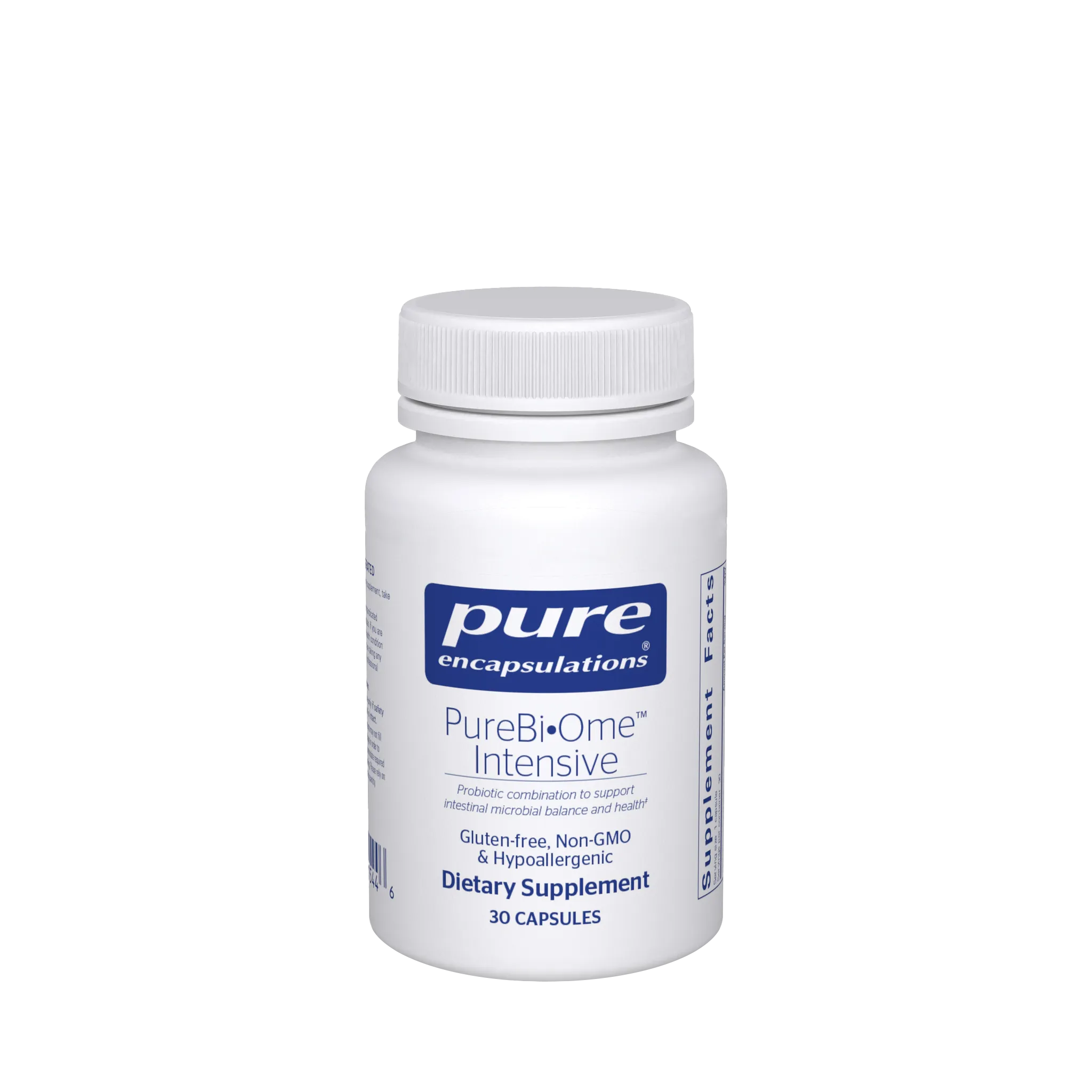
Enter PureBi•Ome™ Intensive, a high-potency probiotic formula designed to deliver comprehensive support for intestinal balance and gastrointestinal comfort. By combining a heavily researched, four-strain bacterial consortium with the unique, transient probiotic yeast Saccharomyces boulardii, this formulation addresses gut dysbiosis from multiple therapeutic angles. In this comprehensive guide, we will explore the intricate molecular mechanisms behind PureBi•Ome™ Intensive, examine how chronic illness disrupts the microbiome, and detail how targeted probiotic therapy can serve as a foundational pillar in managing the complex symptoms of Long COVID, ME/CFS, and related chronic conditions.
What is PureBi•Ome™ Intensive?
A High-Potency Probiotic Consortium
PureBi•Ome™ Intensive is an advanced, high-potency probiotic supplement formulated to restore and maintain a healthy intestinal microbial balance. In a healthy human body, the gastrointestinal tract is home to a diverse ecosystem of bacteria, fungi, and viruses that work symbiotically to digest food, synthesize essential vitamins, and train the immune system. This ecosystem is heavily reliant on "keystone" species—foundational microbes that create an environment conducive to the survival of other beneficial organisms. PureBi•Ome™ Intensive delivers 30 billion colony-forming units (CFU) per capsule, strategically divided between a proprietary bacterial blend and a specialized probiotic yeast. This dual-action approach is designed to not only repopulate the gut with beneficial bacteria but also to actively condition the intestinal environment, making it inhospitable to opportunistic pathogens.
The concept of a probiotic "consortium" is crucial to understanding how this supplement functions. Rather than relying on a single isolated strain, a consortium utilizes multiple strains that have been scientifically demonstrated to work synergistically. In the gut, different strains occupy different ecological niches. Some prefer the oxygen-depleted environment of the large intestine, while others thrive in the slightly more oxygenated upper gastrointestinal tract. By providing a diverse array of microbes, PureBi•Ome™ Intensive ensures comprehensive coverage across the entire length of the digestive system. These microbes engage in cross-feeding, a process where the metabolic byproducts of one strain serve as the primary food source for another, thereby amplifying their collective therapeutic impact on the host's metabolism and immune function.
The Power of the LAB4 Blend
At the core of PureBi•Ome™ Intensive is the LAB4 probiotic blend, which provides 25 billion CFU per capsule. The LAB4 consortium is one of the most extensively researched multi-strain probiotics in the world, consisting of four specific, proprietary strains of lactic acid bacteria: Lactobacillus acidophilus (NCIMB 30157), Lactobacillus acidophilus (NCIMB 30156), Bifidobacterium lactis (NCIMB 30172), and Bifidobacterium bifidum (NCIMB 30153). These specific strains were selected for their exceptional ability to adhere to the human intestinal mucosa, a critical factor that determines a probiotic's ability to colonize the gut and exert long-term benefits. When these bacteria adhere to the gut lining, they form a protective biofilm that physically blocks pathogenic bacteria from attaching to the epithelial cells, a mechanism known as competitive exclusion.
At the molecular level, the LAB4 strains are prolific producers of organic acids, primarily lactic acid and acetic acid. The production of these acids gently lowers the pH of the intestinal lumen, creating a slightly acidic environment. This pH shift is highly detrimental to the growth of many putrefactive and pathogenic bacteria, which typically prefer a more neutral or alkaline environment. Furthermore, the Bifidobacterium species in the LAB4 blend are key players in the fermentation of complex carbohydrates. Through complex enzymatic pathways, they break down indigestible dietary fibers into short-chain fatty acids (SCFAs), which are vital signaling molecules that regulate systemic inflammation, modulate the immune response, and serve as the primary energy source for the cells lining the colon.
The Unique Role of Saccharomyces boulardii
Complementing the LAB4 bacterial blend is 5 billion CFU of Saccharomyces boulardii, a non-pathogenic, transient probiotic yeast. Unlike bacterial probiotics, S. boulardii is a eukaryote, meaning its cellular structure is fundamentally different from the bacteria that make up the majority of the microbiome. This structural difference grants S. boulardii a unique and highly valuable property: it is completely naturally resistant to all antibacterial antibiotics. In a healthy gut, S. boulardii does not permanently colonize; instead, it acts as a transient visitor, exerting profound therapeutic effects as it passes through the gastrointestinal tract before being naturally eliminated within a few days of discontinuing supplementation.
The natural function of S. boulardii involves a multi-tiered defense system against gastrointestinal distress. It secretes a variety of specialized enzymes and proteins that directly neutralize bacterial toxins and modulate the host's immune response. Because of its relatively large physical size compared to bacteria, S. boulardii also acts as a physical decoy in the gut. Its cell wall is rich in mannose residues, which act like molecular magnets for certain pathogenic bacteria. Pathogens that would normally bind to the intestinal wall instead bind to the mannose on the surface of the yeast, effectively trapping them so they can be safely flushed out of the body during normal bowel movements. This combination of toxin neutralization and pathogen trapping makes S. boulardii an invaluable tool for maintaining intestinal balance.
How Chronic Illness Impacts the Gut Microbiome
The Loss of Keystone Bacteria in Long COVID and ME/CFS
To understand the value of PureBi•Ome™ Intensive, we must first examine how chronic illnesses like Long COVID and myalgic encephalomyelitis/chronic fatigue syndrome (ME/CFS) devastate the gut microbiome. Research has consistently demonstrated that the initial SARS-CoV-2 infection can trigger a profound and long-lasting disruption of the intestinal ecosystem, a state known as dysbiosis. Studies on the Long COVID microbiome reveal a severe depletion of keystone, short-chain fatty acid (SCFA)-producing bacteria, particularly Bifidobacterium species and Faecalibacterium prausnitzii. Simultaneously, there is an enrichment of pro-inflammatory, opportunistic taxa such as Ruminococcus gnavus and Bacteroides vulgatus. This microbial imbalance can persist for months or even years after the acute infection has resolved, driving a continuous cycle of systemic dysfunction.
A remarkably similar pattern of dysbiosis is observed in patients with ME/CFS. Recent landmark studies have provided robust evidence that ME/CFS is characterized by a significant decrease in gut microbial diversity and a specific deficiency in the capacity to synthesize butyrate, a critical SCFA. The loss of these beneficial bacteria disrupts the intricate cross-feeding networks within the gut, leading to a metabolic environment that favors inflammation and oxidative stress. For patients, this dysbiosis manifests not only as gastrointestinal symptoms seen with Long COVID but also as profound fatigue, post-exertional malaise (PEM), and neurocognitive impairments, illustrating the deep interconnectedness of the gut and the rest of the body.
Leaky Gut and Systemic Inflammation
The depletion of beneficial bacteria in chronic illness directly compromises the integrity of the intestinal barrier, leading to a condition commonly referred to as "leaky gut" or increased intestinal permeability. The epithelial cells lining the gut are normally held tightly together by protein structures called tight junctions. SCFAs, particularly butyrate produced by Bifidobacterium and other commensal microbes, are essential for maintaining the expression and assembly of these tight junction proteins. When SCFA production plummets due to dysbiosis, the tight junctions begin to degrade, creating microscopic gaps in the intestinal barrier. This physical breakdown allows the gut to become dangerously permeable.
Once the intestinal barrier is breached, a phenomenon known as bacterial translocation occurs. Endotoxins, such as lipopolysaccharides (LPS) from the cell walls of pathogenic bacteria, leak out of the gut lumen and enter the systemic bloodstream. The immune system recognizes these translocated endotoxins as a severe threat, triggering a massive, systemic inflammatory response. This constant influx of gut-derived toxins keeps the immune system in a state of chronic hyperactivation, driving the elevated levels of pro-inflammatory cytokines (like IL-6 and TNF-alpha) that are hallmark biomarkers in both Long COVID and ME/CFS. This chronic, low-grade endotoxemia is a primary driver of the systemic symptoms patients experience, turning a localized gut issue into a whole-body crisis.
The Gut-Brain Axis and Dysautonomia
The impact of gut dysbiosis extends far beyond the digestive tract, profoundly affecting the nervous system via the gut-brain axis. This bidirectional communication network relies heavily on the vagus nerve, which runs directly from the brainstem to the enteric nervous system of the gut. In conditions like postural orthostatic tachycardia syndrome (POTS) and other forms of dysautonomia, the autonomic nervous system is severely dysregulated. Emerging research indicates that systemic inflammation originating from a leaky gut can impair vagal tone, disrupting the nerve's ability to properly regulate heart rate, blood pressure, and gut motility.
Furthermore, the gut microbiome is responsible for synthesizing a significant portion of the body's neurotransmitters, including serotonin, dopamine, and GABA. When the microbiome is in a state of dysbiosis, the production of these critical neurochemicals is altered. Pathogenic bacteria can also produce neurotoxic metabolites, such as D-lactic acid, which can cross the blood-brain barrier and contribute to severe neuroinflammation. This toxic burden on the central nervous system is a major contributing factor to the debilitating "brain fog," cognitive dysfunction, and mood disturbances frequently reported by patients with complex chronic illnesses. Restoring the microbiome is therefore not just about improving digestion; it is a critical step in neurological rehabilitation.
PureBi•Ome™ Intensive: Supporting Gut Restoration and Immune Function
Luminal Defense and Toxin Degradation
PureBi•Ome™ Intensive supports the restoration of disrupted biological pathways through the targeted actions of its bacterial and yeast components. The Saccharomyces boulardii in this formula operates extensively within the intestinal lumen—the hollow space inside the gut where food is digested. One of its most remarkable mechanisms of action is its ability to directly degrade and neutralize bacterial toxins through the secretion of highly specific enzymes. For example, research demonstrates that S. boulardii secretes a specific 54 kDa serine protease that actively cleaves and destroys the toxins produced by Clostridium difficile, a dangerous opportunistic pathogen. It also produces a 63 kDa phosphatase that neutralizes the endotoxins of pathogenic E. coli.
By actively dismantling these harmful toxins before they can damage the intestinal lining or enter the bloodstream, S. boulardii provides a powerful shield against the systemic inflammation that drives chronic illness. Furthermore, the yeast engages in physical pathogen trapping. The outer surface of the S. boulardii cell wall is densely coated with mannose carbohydrates. Many pathogenic bacteria utilize mannose-specific adhesins (hair-like appendages) to latch onto the human intestinal wall. When S. boulardii is present, these pathogens mistakenly bind to the yeast instead of the human tissue. Once trapped, the pathogens are harmlessly swept out of the gastrointestinal tract, significantly reducing the microbial burden on the patient's immune system.
Mucosal Immunity and Anti-Inflammatory Pathways
Beyond the lumen, PureBi•Ome™ Intensive exerts profound effects on the mucosal immune system—the layer of immune tissue situated just beneath the gut lining. Both the LAB4 bacterial blend and S. boulardii actively modulate immune signaling to reduce chronic inflammation. S. boulardii has been shown to inhibit key pro-inflammatory cellular pathways, most notably the nuclear factor kappa B (NF-κB) and mitogen-activated protein kinase (MAPK) pathways. By blocking these signaling cascades within the intestinal epithelial cells, the yeast effectively shuts down the production of inflammatory cytokines like IL-8 and TNF-alpha, which are often chronically elevated in Long COVID and ME/CFS patients.
Simultaneously, the probiotic components stimulate the production of Secretory IgA (sIgA), the most abundant antibody in the mucosal immune system. sIgA acts as a first line of defense, binding to viruses and bacteria to prevent them from penetrating the gut barrier. Furthermore, the LAB4 blend, particularly the Lactobacillus acidophilus and Bifidobacterium strains, has been shown to promote the generation of regulatory T cells (Tregs) and increase the secretion of Interleukin-10 (IL-10), a potent anti-inflammatory cytokine. This immune modulation helps to calm the hyperactive immune responses seen in mast cell activation syndrome (MCAS) and autoimmune-leaning conditions, promoting a state of immune tolerance rather than constant reactivity.
Trophic Action and Enterocyte Healing
To repair the "leaky gut" that plagues so many chronic illness patients, the intestinal lining must physically heal and regenerate. PureBi•Ome™ Intensive supports this through what is known as "trophic action"—the stimulation of cellular growth and maturation. Saccharomyces boulardii actively secretes polyamines, specifically spermine and spermidine. These polyamines are essential organic compounds that act as powerful growth factors for enterocytes, the absorptive cells that line the intestines. By bathing the gut lining in these polyamines, the yeast accelerates the turnover and repair of damaged epithelial tissue, helping to rapidly seal the microscopic gaps in the intestinal barrier.
Additionally, S. boulardii enhances the expression of peroxisome proliferator-activated receptor-gamma (PPAR-γ) in the colon cells. PPAR-γ is a nuclear receptor protein that plays a critical role in reducing mucosal inflammation and maintaining the integrity of the tight junctions. By activating this receptor, the probiotic yeast provides a strong molecular signal that reinforces the structural integrity of the gut barrier, thereby halting the translocation of endotoxins into the bloodstream and cutting off the fuel supply for systemic inflammation.
Restoring Short-Chain Fatty Acid Production
Finally, the LAB4 consortium in PureBi•Ome™ Intensive addresses the critical metabolic deficiencies seen in dysbiosis by restoring the production of short-chain fatty acids (SCFAs). The Bifidobacterium lactis and Bifidobacterium bifidum strains are highly efficient at fermenting dietary fibers that the human body cannot digest. Through complex enzymatic cascades, these bacteria convert these fibers into SCFAs, primarily acetate, propionate, and butyrate. Butyrate is of paramount importance, as it provides up to 70% of the energy required by the colonocytes (colon cells) to function and maintain the gut barrier.
By repopulating the gut with these efficient SCFA producers, PureBi•Ome™ Intensive helps to correct the butyrate deficiency that is a hallmark of ME/CFS and Long COVID. The restoration of SCFA levels not only fuels the healing of the gut lining but also has profound systemic effects. SCFAs are absorbed into the bloodstream where they exert systemic anti-inflammatory effects, modulate the blood-brain barrier, and even influence mitochondrial function in distant tissues. This metabolic restoration is a vital step in addressing the profound fatigue and cellular energy deficits experienced by patients with complex chronic conditions.

Symptoms PureBi•Ome™ Intensive May Help Manage
Targeted Symptom Relief for Complex Conditions
By addressing gut dysbiosis, supporting mucosal immunity, and neutralizing harmful toxins, PureBi•Ome™ Intensive can help manage a wide array of symptoms associated with complex chronic illnesses. The synergistic action of the LAB4 consortium and Saccharomyces boulardii targets both localized gastrointestinal distress and systemic, inflammation-driven symptoms.
Occasional Diarrhea and Loose Stools: S. boulardii is clinically proven to lessen the occurrence of occasional diarrhea by neutralizing bacterial toxins, reducing mucosal inflammation, and restoring fluid absorption in the colon. It is particularly effective for antibiotic-associated diarrhea and diarrhea driven by viral-induced dysbiosis.
Abdominal Pain and GI Discomfort: The LAB4 bacterial strains help to normalize bowel function and reduce the visceral hypersensitivity often seen in irritable bowel syndrome (IBS) and Long COVID. By lowering intestinal inflammation and reducing gas-producing pathogenic bacteria, this blend supports overall GI comfort.
Brain Fog and Cognitive Dysfunction: By repairing the "leaky gut" barrier, this probiotic formula reduces the systemic translocation of endotoxins (LPS) and neurotoxic metabolites (like D-lactic acid) into the bloodstream. This decreases neuroinflammation across the gut-brain axis, potentially alleviating the cognitive impairments and brain fog associated with ME/CFS and Long COVID.
Systemic Fatigue and Post-Exertional Malaise (PEM): The Bifidobacterium strains restore the production of short-chain fatty acids (SCFAs), particularly butyrate. SCFAs help lower whole-body systemic inflammation and support cellular energy metabolism, which may help mitigate the severity of fatigue and crashes.
Immune Dysregulation and Susceptibility to Infection: By increasing the production of Secretory IgA (sIgA) and modulating anti-inflammatory cytokines like IL-10, PureBi•Ome™ Intensive strengthens the gut's first line of defense. This helps protect against opportunistic upper respiratory tract infections and supports a more balanced, less hyper-reactive immune system.
Food Sensitivities and Histamine Reactions: By promoting the healing of the intestinal epithelium and stabilizing the gut barrier, targeted probiotics can help reduce the inappropriate immune reactions to food proteins that often trigger mast cell activation syndrome (MCAS) flares.
Practical Considerations: Forms, Dosing, and Absorption
Survival Through the Gastric Environment
When utilizing a high-potency probiotic like PureBi•Ome™ Intensive, understanding the practical aspects of bioavailability and survivability is essential. For a probiotic to be effective, the live microorganisms must survive the harsh, highly acidic environment of the stomach and the bile salts in the upper small intestine to reach their target destination in the lower GI tract. The LAB4 consortium strains (Lactobacillus acidophilus and Bifidobacterium spp.) have been specifically selected for their robust tolerance to gastric acid and bile. This inherent resilience ensures that a significant percentage of the 25 billion CFU bacterial blend successfully reaches the intestines alive and metabolically active.
Similarly, Saccharomyces boulardii possesses a unique cellular architecture that makes it exceptionally hardy. As a yeast, its thick cell wall provides natural protection against the low pH of stomach acid. Furthermore, because S. boulardii is a fungus, it is completely unaffected by antibacterial antibiotics. This makes it an ideal supplement to take concurrently with antibiotic therapies to prevent the devastating wipeout of the gut microbiome that often leads to antibiotic-associated diarrhea and opportunistic infections like C. difficile. However, it is important to note that S. boulardii can be neutralized by systemic antifungal medications, so they should not be taken simultaneously.
Dosing and Timing Strategies
The suggested use for PureBi•Ome™ Intensive is one capsule daily, ideally taken with a meal. Taking probiotics with food, particularly a meal that contains some healthy fats and complex carbohydrates, helps to buffer stomach acid, temporarily raising the gastric pH and providing a safer passage for the microorganisms. The food also provides an immediate prebiotic substrate—essentially, a food source—for the bacteria once they reach the intestines, allowing them to rapidly begin fermentation and colonization. For patients with severe dysbiosis or those recovering from a major crash, a healthcare provider may recommend adjusting the dosage or frequency, but the standard 30 billion total CFU provides a potent daily intervention.
Because Saccharomyces boulardii is a transient probiotic, it does not permanently colonize the gut. It typically reaches its maximum steady-state concentration in the colon within three days of daily supplementation and is completely cleared from the system within two to five days after supplementation is stopped. Therefore, consistent daily dosing is required to maintain its therapeutic benefits, such as toxin neutralization and mucosal healing. If you miss a few days, the protective effects of the yeast will rapidly diminish, highlighting the importance of building this supplement into a reliable daily routine.
Refrigeration and Viability
A critical practical consideration for PureBi•Ome™ Intensive is its storage requirements. This formula requires refrigeration to maintain the viability of the live cultures. While the strains are robust enough to survive the human digestive tract, prolonged exposure to heat and high humidity during storage can cause the bacteria to prematurely activate and die off before they are consumed. Keeping the bottle tightly sealed in the refrigerator ensures that the microbes remain in a dormant, stable state, guaranteeing that you receive the full 30 billion CFU potency promised on the label through the expiration date. For patients traveling, keeping the supplement in a cool, insulated container is highly recommended.

Follow the Science
Clinical Efficacy of the LAB4 Consortium
The components of PureBi•Ome™ Intensive are backed by a robust portfolio of scientific literature, making it a highly evidence-based option for gut restoration. The LAB4 consortium is one of the most thoroughly investigated probiotic blends available. In a landmark double-blind, randomized, placebo-controlled trial published in Alimentary Pharmacology & Therapeutics, researchers evaluated the effects of the LAB4 blend on patients with diagnosed irritable bowel syndrome (IBS). Participants receiving 25 billion CFU per day for eight weeks experienced a significantly greater improvement in the IBS Symptom Severity Score compared to the placebo group. The probiotic group reported massive reductions in abdominal pain, enhanced satisfaction with bowel habits, and a substantial improvement in overall quality of life.
Furthermore, the LAB4 blend has demonstrated significant immune-modulating capabilities in clinical settings. The PROBINS study, a double-blind, placebo-controlled trial, investigated the blend's impact on upper respiratory tract infections (URTIs). The active group experienced a 33% reduction in the incidence of URTIs and a dramatic reduction in the duration of symptoms compared to the placebo. Ex vivo blood analysis from adult cohorts taking LAB4 has also shown altered cytokine production, notably a significant increase in the anti-inflammatory cytokine IL-10, confirming the blend's ability to positively modulate the immune system without overstimulating it—a crucial benefit for patients with autoimmune-leaning conditions.
Saccharomyces boulardii in Clinical Trials
The clinical evidence supporting Saccharomyces boulardii is equally impressive, particularly regarding its efficacy in managing diarrhea and restoring bowel health. A comprehensive meta-analysis published in the World Journal of Gastroenterology evaluated 31 randomized, placebo-controlled treatment arms involving over 5,000 patients. The analysis demonstrated that S. boulardii possessed significant therapeutic efficacy and safety in 84% of those trials, particularly in preventing antibiotic-associated diarrhea and traveler's diarrhea. By degrading toxins and stimulating anti-toxin immunoglobulins, it is also one of the few probiotics proven to prevent the recurrence of Clostridium difficile infections.
In another major systematic review and meta-analysis, researchers confirmed that S. boulardii significantly reduces the risk of antibiotic-associated diarrhea by over 50% across both adult and pediatric populations. The clinical data strongly supports its mechanism of action: by preserving tight cellular junctions and reducing intestinal permeability, the yeast stops bacteria and endotoxins from entering the bloodstream, directly addressing the "leaky gut" pathology that drives systemic inflammation.
Probiotics in Long COVID and ME/CFS Research
The application of targeted probiotics for post-viral syndromes is a rapidly expanding field of research. A landmark 2023 triple-blind, randomized, placebo-controlled clinical trial known as the SIM01 Trial evaluated 463 Long COVID patients. Patients given a synbiotic formula heavily featuring Bifidobacterium strains showed significantly higher rates of improvement across multiple symptoms—including fatigue, memory loss, difficulty concentrating, and gastrointestinal upset—compared to the placebo group after six months. This aligns with recent major studies on ME/CFS which confirm that restoring depleted Bifidobacterium and enhancing butyrate production are critical therapeutic targets for alleviating neurocognitive and physical fatigue in these complex patient populations.
The Path Forward
A Comprehensive Approach to Gut Healing
Living with the unpredictable and often debilitating gastrointestinal symptoms of Long COVID, ME/CFS, and dysautonomia can be an incredibly frustrating journey. The profound fatigue, brain fog, and systemic inflammation driven by a dysbiotic gut can make everyday tasks feel insurmountable. It is important to validate that these symptoms are not in your head; they are the result of measurable, physiological disruptions in your microbiome and immune system. While there is no single miracle cure for these complex conditions, targeted interventions like PureBi•Ome™ Intensive offer a scientifically grounded mechanism to begin repairing the damage. By neutralizing toxins, sealing the intestinal barrier, and repopulating keystone bacteria, this high-potency consortium addresses the root causes of gut-driven inflammation.
However, it is crucial to remember that microbiome restoration is just one piece of a comprehensive management strategy. Healing a severely disrupted gut requires a holistic approach. Supplements like PureBi•Ome™ Intensive work best when combined with careful symptom tracking, pacing to manage post-exertional malaise, and dietary modifications tailored to your specific sensitivities. You might also explore how a multi-strain probiotic can support immunity or how gut-brain reset strategies can further enhance your recovery protocol. Healing the gut is a marathon, not a sprint, and consistency is key to seeing long-term improvements in your systemic symptoms.
Partnering with Your Healthcare Provider
Because complex chronic illnesses often involve overlapping conditions like MCAS, POTS, and severe food intolerances, introducing any new supplement should be done thoughtfully. We strongly encourage you to consult with your healthcare provider before starting PureBi•Ome™ Intensive, especially if you are currently taking immunosuppressive medications, antifungal drugs, or have a severely compromised immune system. A knowledgeable provider can help you determine the optimal dosing strategy, monitor your progress, and integrate this powerful probiotic tool into your broader, individualized treatment plan.
Sources
Managing Gut Dysbiosis: Clinical Evidence and Perspectives on Saccharomyces boulardii CNCM I-745
Anti-inflammatory mechanisms of action of Saccharomyces boulardii
Systematic review and meta-analysis of Saccharomyces boulardii in adult patients
Saccharomyces boulardii CNCM I-745 Proven Mechanism of Action
Probiotics reduce the incidence of upper respiratory tract infections in children
Expert reaction to two studies on the gut microbiome and ME/CFS