Can Phosphatidylserine Lift the Brain Fog of Long COVID and ME/CFS?
March 6, 2026
PhosphatidylserineLong COVIDME/CFS
Share:
Disclaimer: The information provided here is for educational purposes only and is not intended as medical advice. It should not be used to diagnose, treat, cure, or prevent any medical condition. Instead, use it as a starting point for discussion with your healthcare provider. Always consult with a qualified healthcare provider before starting any new medication, supplement, device, or making changes to your health regimen.
Months or even years after recovering from an initial viral infection, many people find themselves fighting a daily battle against debilitating cognitive dysfunction. You might walk into a room and completely forget why you are there, struggle to find the right words during a simple conversation, or feel as though your brain is operating through a thick, impenetrable haze. This profound cognitive impairment, universally described by patients as “brain fog,” is a hallmark symptom of complex chronic conditions like Long COVID, myalgic encephalomyelitis/chronic fatigue syndrome (ME/CFS), and dysautonomia. It is not merely a psychological manifestation of being tired; it is a profound neurological and metabolic dysfunction that alters how your brain processes, stores, and retrieves information on a cellular level.
When standard blood tests return "normal" results, it can be incredibly frustrating to articulate just how severely this cognitive dysfunction impacts your daily life. However, emerging research into neuroinflammation, cellular membrane integrity, and immune dysregulation is finally shedding light on the biological mechanisms driving these symptoms. One of the most promising areas of focus is the role of specialized cellular lipids, particularly phosphatidylserine (PS). As a crucial structural component of brain cell membranes, phosphatidylserine plays a vital role in everything from neurotransmitter release to the regulation of the body's stress response. Understanding how this vital nutrient functions—and how chronic illness depletes it—offers a validating perspective on your symptoms and a potential pathway toward reclaiming cognitive clarity.
What is Phosphatidylserine?
The Architect of Cellular Membranes
To understand how phosphatidylserine functions, we must first look at the fundamental architecture of human cells. Every cell in your body is encased in a protective barrier known as the cell membrane, which is primarily composed of a double layer of lipids called the phospholipid bilayer. Phosphatidylserine is a naturally occurring, fat-soluble phospholipid that makes up a significant portion of this membrane. It is particularly abundant in the human brain, accounting for approximately 13% to 15% of the total phospholipid pool in the human cerebral cortex. In a healthy, homeostatic state, specialized enzymes known as "flippases" actively maintain phosphatidylserine almost exclusively on the inner layer (the cytoplasmic leaflet) of the cell membrane, facing the interior of the cell.
From this inner vantage point, phosphatidylserine acts as a critical structural architect. It dictates the fluidity, flexibility, and permeability of the neuronal membrane. This membrane fluidity is not just a structural feature; it is an absolute biological necessity. A fluid membrane allows membrane-bound proteins, ion channels, and receptors to glide, interact, and function optimally. When cell membranes become rigid—whether due to aging, oxidative stress, or chronic inflammation—these embedded proteins cannot change their shape to pass signals effectively. By maintaining this essential fluidity, phosphatidylserine ensures that brain cells can efficiently absorb nutrients, expel metabolic waste, and respond to external biochemical signals with precision.
The Synaptic Messenger
Beyond its structural role, phosphatidylserine is a master facilitator of cellular communication, particularly within the nervous system. While it is not a neurotransmitter itself, it is absolutely essential for the release, transport, and reception of neurotransmitters like acetylcholine, dopamine, and serotonin. When an electrical signal travels down a neuron, it reaches the synapse—the tiny gap between brain cells. To pass the message across this gap, the neuron must release neurotransmitters packaged in tiny bubbles called synaptic vesicles. Phosphatidylserine plays a pivotal role in a process called exocytosis, where it interacts with a specialized group of proteins known as the SNARE complex. This interaction allows the synaptic vesicles to fuse seamlessly with the cell membrane and spill their neurotransmitter cargo into the synapse.
This mechanism is particularly crucial for the cholinergic system, which relies on the neurotransmitter acetylcholine to govern learning, memory encoding, and executive function. Studies have shown that phosphatidylserine helps normalize the release of acetylcholine, effectively boosting the brain's capacity to form new memories and process complex information. Furthermore, phosphatidylserine provides a critical docking site for several key signal transduction pathways, including Protein Kinase C (PKC) and Akt. These enzymatic pathways are responsible for stimulating neuronal survival, promoting the growth of new neural connections (neurite outgrowth), and facilitating synaptogenesis—the creation of entirely new synapses. In essence, phosphatidylserine creates the optimal environment for the brain to wire and rewire itself.
The Cellular "Eat Me" Signal
Perhaps one of the most fascinating biological functions of phosphatidylserine is its role in cellular lifecycle management and immune signaling. When a cell becomes severely damaged, infected, or reaches the end of its natural lifespan, it undergoes a process of programmed cell death known as apoptosis. During apoptosis, the flippase enzymes that normally keep phosphatidylserine on the inside of the cell membrane are deactivated. Simultaneously, another group of enzymes called "scramblases" are activated, which rapidly flip phosphatidylserine molecules to the outer surface of the cell membrane. This structural inversion acts as a biological, highly specific "eat me" signal to the body's immune system.
When immune cells, particularly the brain's resident immune cells called microglia, detect phosphatidylserine on the outside of a cell, they recognize that the cell is damaged and needs to be cleared away safely. The microglia bind to the exposed phosphatidylserine using specialized receptors (such as TREM2 and TAM receptors) and safely engulf the cellular debris in a process called phagocytosis. Crucially, this specific interaction between microglia and phosphatidylserine triggers an active anti-inflammatory response. It signals to the immune system that the cleanup is happening in an orderly, controlled manner, preventing the release of toxic, pro-inflammatory chemicals that would otherwise damage surrounding healthy tissue. This delicate balance of signaling is vital for maintaining a healthy, inflammation-free central nervous system.
How Chronic Illness Impacts Brain Membranes and Neuroinflammation
The Viral Trigger and Thromboinflammation
In complex chronic illnesses like Long COVID, ME/CFS, and mast cell activation syndrome (MCAS), the delicate biological mechanisms governed by phosphatidylserine become profoundly disrupted. The initial trigger—often a severe viral infection like SARS-CoV-2 or the Epstein-Barr virus—sets off a cascade of systemic inflammation and immune dysregulation. One of the major pathological features of severe COVID-19 and subsequent Long COVID is chronic "thromboinflammation," a dangerous combination of microscopic blood clotting abnormalities and systemic immune activation. When the virus attacks the endothelial cells lining the blood vessels, it causes widespread cellular damage and oxidative stress, forcing cells into premature apoptosis.
This widespread cellular damage causes massive amounts of phosphatidylserine to flip to the outer layer of cell membranes throughout the body. A pivotal 2021 study by researchers at Ludwig-Maximilians-Universität München analyzed blood samples from COVID-19 patients and found abnormally high levels of phosphatidylserine-positive (PS+) platelet-derived microparticles bound to immune cells. The frequency of these PS+ immune cells strongly correlated with disease severity and, critically, remained elevated for months post-infection in Long COVID patients. The prolonged circulation of these PS+ microparticles sustains adverse inflammatory and prothrombotic effects, effectively tricking the immune system into a state of chronic exhaustion and continuous clotting, directly contributing to the debilitating fatigue and cardiovascular symptoms seen in these conditions.
Microglia Overdrive and Aberrant Synaptic Pruning
As systemic inflammation persists in Long COVID and ME/CFS, inflammatory cytokines can cross the blood-brain barrier, leading to profound neuroinflammation. This neuroinflammatory state causes the brain's immune cells, the microglia, to become hyperactive and aggressive. In a healthy brain, microglia use the phosphatidylserine "eat me" signal to clear away dead cells and gently prune unused synapses to optimize neural networks. However, in the neurotoxic environment of Long COVID, neurons become metabolically stressed and prematurely expose phosphatidylserine on their synapses, even when the neuron itself is not dead.
This premature exposure leads to a devastating phenomenon known as aberrant synaptic pruning. The hyperactive microglia, detecting the exposed phosphatidylserine, aggressively attack and strip away perfectly healthy, functioning synapses. This physical destruction of neural connections disrupts the brain's ability to transmit signals efficiently, directly resulting in the profound cognitive impairment, memory loss, and processing delays that patients experience as "brain fog." The brain is quite literally being structurally altered by its own confused immune system, making it incredibly difficult to concentrate, recall words, or process complex information.
HPA Axis Dysregulation and the Cortisol Trap
The impact of chronic illness extends beyond the brain and into the autonomic nervous system and the endocrine system. Patients with ME/CFS, dysautonomia, and Long COVID frequently suffer from severe dysregulation of the Hypothalamic-Pituitary-Adrenal (HPA) axis, the body's central stress response system. The constant physical stress of the illness, combined with the psychological toll of navigating a complex chronic condition, forces the HPA axis into a state of chronic over-activation. The adrenal glands continuously pump out cortisol, the primary "fight or flight" hormone, in an attempt to manage the systemic inflammation and stress.
Over time, this relentless demand leads to a paradoxical state often described as "adrenal fatigue" or HPA axis blunting, where the body is simultaneously wired with anxiety but profoundly exhausted. Elevated cortisol levels are highly neurotoxic; they physically damage the hippocampus, the brain's memory center, further exacerbating brain fog. Furthermore, chronic stress depletes the body's natural reserves of essential phospholipids, including phosphatidylserine, as the body rapidly consumes them in an attempt to repair damaged cell membranes. This creates a vicious cycle: the illness depletes phosphatidylserine, which weakens the cell membranes and exacerbates neuroinflammation, which in turn drives more HPA axis dysfunction and further depletes the body's resources.
Phosphatidylserine: Supporting Cognitive Function and Stress Resilience
Restoring Membrane Fluidity and Neurotransmitter Release
Supplementing with high-quality phosphatidylserine offers a targeted, mechanistic approach to interrupting the vicious cycles of neuroinflammation and cognitive dysfunction. At the most fundamental level, exogenous phosphatidylserine is readily absorbed into the bloodstream, crosses the blood-brain barrier, and is directly incorporated into the neuronal cell membranes. By replenishing the brain's depleted phospholipid pool, supplementation helps restore optimal membrane fluidity and permeability. This structural repair is the crucial first step in rehabilitating a brain suffering from post-viral cognitive impairment, as it re-establishes the foundation for healthy cellular signaling.
Once integrated into the membrane, phosphatidylserine actively supports the stabilization of the SNARE protein complex, which is essential for exocytosis. This directly enhances the brain's ability to release and utilize vital neurotransmitters that are often severely depleted in ME/CFS and Long COVID. By optimizing the release of acetylcholine, phosphatidylserine directly targets the mechanisms of memory formation and executive function, helping to lift the cognitive haze. Additionally, research indicates that phosphatidylserine helps prevent the oxidation of dopamine and serotonin, preserving these crucial mood-regulating neurotransmitters in the synapse for longer periods. This can provide significant relief for the secondary depression, anxiety, and mood lability that frequently accompany complex chronic illnesses.
Calming the Microglia and Resolving Neuroinflammation
Perhaps the most profound therapeutic angle of phosphatidylserine for Long COVID and ME/CFS lies in its ability to actively resolve neuroinflammation. As discussed, when microglia bind to phosphatidylserine, it triggers an anti-inflammatory cascade. By introducing supplemental phosphatidylserine into the central nervous system, we can leverage this biological pathway to signal the hyperactive microglia to "stand down." Studies have demonstrated that treating microglia with phosphatidylserine liposomes inhibits the inflammatory NF-κB pathway, which is the master genetic switch for inflammation in the body.
By inhibiting this pathway, phosphatidylserine significantly reduces the release of highly neurotoxic, pro-inflammatory cytokines, including Interleukin-1β (IL-1β), Interleukin-6 (IL-6), and Tumor Necrosis Factor-alpha (TNF-α). This targeted reduction in cytokine storms within the brain helps halt the aggressive, aberrant synaptic pruning that physically destroys neural networks. As the neuroinflammatory fire is quenched, the brain is finally given the metabolic breathing room it needs to initiate repair processes, stimulate neurite outgrowth, and begin rebuilding the synaptic connections that were lost to the illness. This mechanism positions phosphatidylserine not just as a symptom-masking agent, but as a foundational tool for neurological rehabilitation.
Modulating the HPA Axis and Blunting Cortisol
Beyond the brain, phosphatidylserine is widely recognized in clinical literature for its profound ability to modulate the HPA axis and blunt excessive cortisol responses. It does not simply suppress cortisol across the board; rather, it acts as a normalizing agent, altering Corticotropin-Releasing Factor (CRF) receptor interactions to reduce the over-activation of the HPA axis following a stressor. For patients with dysautonomia or ME/CFS who are locked in a dysfunctional "fight or flight" sympathetic nervous system state, this modulation is critical.
Clinical trials evaluating both physical and psychological stress have consistently shown that phosphatidylserine significantly blunts the release of adrenocorticotropic hormone (ACTH) and cortisol. By lowering the overall volume of cortisol secreted in response to daily stressors, phosphatidylserine helps protect the hippocampus from cortisol-induced neurotoxicity, further supporting memory and cognitive function. Additionally, by calming the HPA axis, it helps alleviate the "wired and tired" sensation, promoting a more restorative sleep architecture. Improved sleep quality is absolutely essential for patients managing post-exertional malaise (PEM), as it is during deep sleep that the brain's glymphatic system clears out metabolic waste and repairs cellular damage.

Symptoms Phosphatidylserine May Help Manage
Targeted Symptom Relief
Because phosphatidylserine operates at the foundational level of cellular membrane integrity and immune signaling, its benefits can cascade across multiple systems affected by complex chronic illness. While it is not a cure, clinical research and patient experiences suggest it may help manage the following specific symptoms:
Profound Brain Fog and Cognitive Dysfunction: By restoring neuronal membrane fluidity and optimizing the release of acetylcholine, phosphatidylserine directly supports the brain's ability to process information, recall words, and maintain focus during daily tasks.
Short-Term Memory Impairment: By protecting the hippocampus from cortisol-induced damage and halting aberrant synaptic pruning by microglia, it helps preserve and rebuild the neural networks required for encoding and retrieving short-term memories.
The "Wired and Tired" Sensation: By modulating the HPA axis and blunting excessive ACTH and cortisol spikes, it helps calm an overactive sympathetic nervous system, reducing the physical sensation of constant anxiety and nervous system overdrive.
Post-Exertional Malaise (PEM) Recovery: While pacing is the primary tool for managing PEM, phosphatidylserine's ability to blunt exercise-induced cortisol spikes and reduce systemic oxidative stress may help the body recover more efficiently from physical or cognitive exertion.
Mood Lability and Secondary Depression: By preventing the oxidation of dopamine and serotonin in the synaptic cleft, it helps stabilize neurotransmitter levels, providing a more stable foundation for emotional regulation and mood support.
Unrefreshing Sleep: By lowering evening cortisol levels and calming the HPA axis, phosphatidylserine can help facilitate the transition into deeper, more restorative phases of sleep, which are critical for neurological repair.
Practical Considerations: Forms, Dosing, and Absorption
Sunflower vs. Soy: The Hypoallergenic Advantage
When considering a phosphatidylserine supplement, one of the most important practical considerations is the source of the raw ingredient. Historically, phosphatidylserine was derived from bovine (cow) brain cortex, which showed excellent clinical results but fell out of favor due to the theoretical risk of transmitting prion diseases. Today, the industry has shifted entirely to plant-based sources, primarily soy lecithin and sunflower lecithin. From a strictly pharmacokinetic standpoint, both plant-derived forms are highly bioavailable, easily crossing the blood-brain barrier with blood serum levels peaking around 90 minutes post-ingestion.
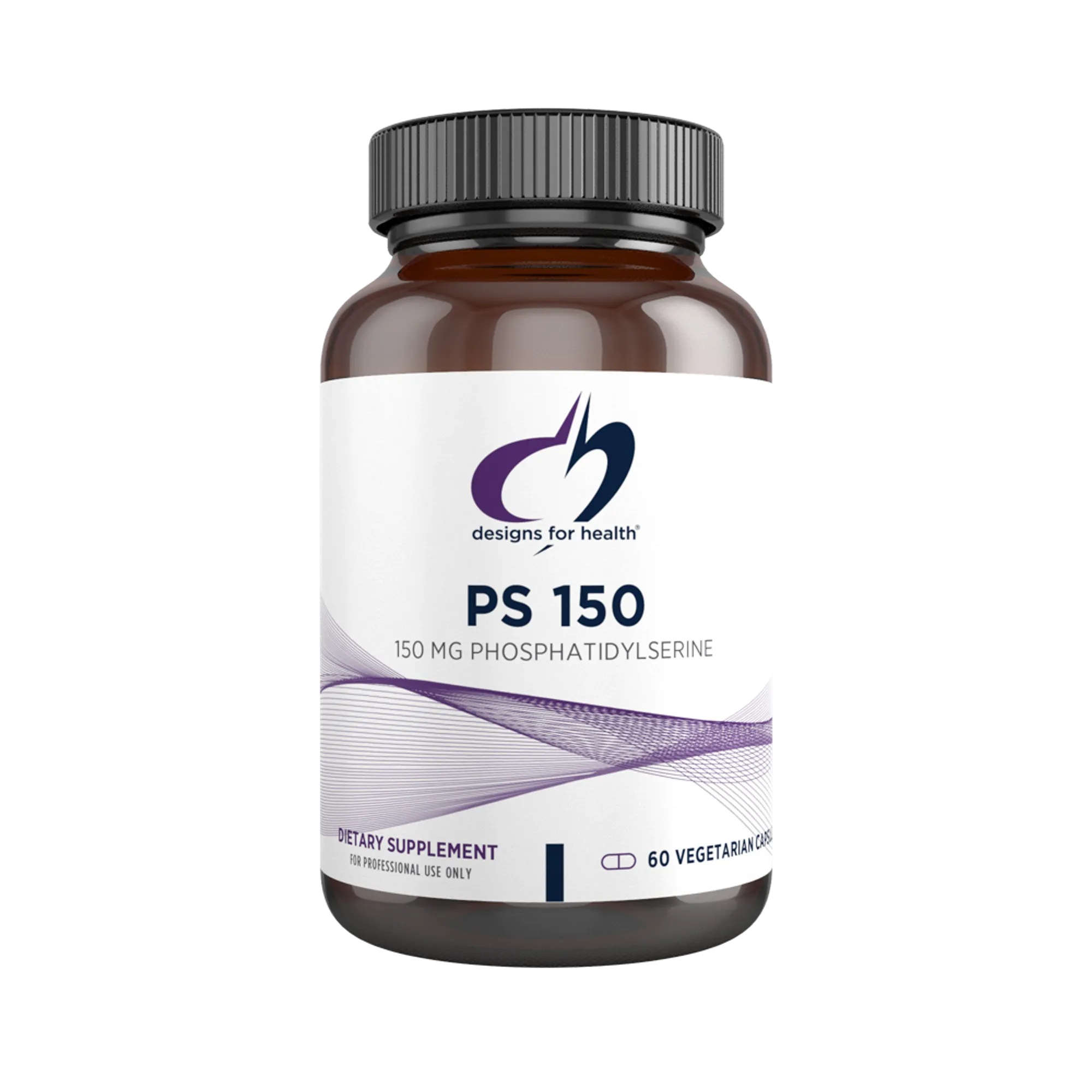
However, sunflower-derived phosphatidylserine (like PS 150) is widely considered the superior, premium choice for patients with complex chronic illnesses. Soy is one of the top eight most common food allergens, and many patients with Long COVID or MCAS develop severe new food sensitivities or histamine reactions. Sunflower phosphatidylserine is 100% soy-free and hypoallergenic, making it a much safer choice for reactive immune systems. Furthermore, the vast majority of commercial soy is genetically modified (GMO) and extracted using harsh chemical solvents like hexane. Sunflower lecithin is inherently non-GMO and is typically cold-pressed without synthetic chemicals, resulting in a cleaner, purer ingredient that avoids the phytoestrogens (isoflavones) naturally found in soy.
Evidence-Based Dosing Strategies
Clinical research indicates that the optimal dosage of phosphatidylserine depends heavily on the specific symptoms you are trying to target. For general cognitive support, memory enhancement, and the management of post-viral brain fog, the most commonly validated dosage across clinical trials is 100 mg to 300 mg per day. This is typically taken in divided doses to maintain consistent blood serum levels throughout the day. PS 150 delivers 150 mg per capsule, making it easy to tailor the dose to a standard 150 mg or 300 mg daily protocol depending on your practitioner's recommendation.
Interestingly, the dosing strategy changes when targeting severe HPA axis dysregulation and chronic stress. Studies evaluating the cortisol-blunting effects of phosphatidylserine for psychological and mental stress have found that a dose of 400 mg per day is highly effective at normalizing hyperresponsive ACTH and cortisol reactions. Conversely, sports science studies looking to blunt the massive cortisol spikes associated with intense physical exertion have utilized higher doses ranging from 600 mg to 800 mg per day. It is important to note that for psychological stress, higher doses (above 400 mg) sometimes showed diminishing returns, highlighting the importance of working with a healthcare provider to find your specific therapeutic window.
Absorption Tips and Safety Profile
Because phosphatidylserine is a fat-soluble phospholipid, its absorption is highly dependent on the presence of dietary fats in the digestive tract. To maximize bioavailability, it is strongly recommended to take your phosphatidylserine supplement alongside a meal or snack that contains healthy fats, such as avocado, olive oil, nuts, or fatty fish. Taking it on an empty stomach may significantly reduce the amount of the nutrient that successfully enters the bloodstream and reaches the brain.
Phosphatidylserine is generally recognized as safe (GRAS) by the FDA and is exceptionally well-tolerated in clinical trials, even with long-term use. The most commonly reported side effects are mild and transient, typically involving minor gastrointestinal discomfort such as nausea or indigestion, which can usually be mitigated by taking the supplement with food. However, because phosphatidylserine may have mild blood-thinning properties and can interact with certain medications (including anticholinergic drugs and blood thinners), it is crucial to consult with your healthcare provider before adding it to your regimen, especially if you are managing a complex condition like dysautonomia or Long COVID.

Follow the Science
Clinical Trials on Memory and Cognitive Function
The clinical efficacy of phosphatidylserine for cognitive enhancement is supported by decades of robust scientific literature. A comprehensive 2022 systematic review and meta-analysis analyzed nine clinical trials encompassing nearly 1,000 elderly participants experiencing cognitive decline. The researchers concluded that daily supplementation with 100 mg to 300 mg of phosphatidylserine yielded a statistically significant improvement in memory and cognitive function compared to a placebo (Standardized Mean Difference = 0.22, p<0.01). The data demonstrated that phosphatidylserine effectively ameliorates age-associated memory impairment without causing major adverse effects, validating its role as a foundational neuroprotective agent.
Furthermore, recent studies have explored its impact on younger populations facing cognitive challenges. A landmark double-blind, placebo-controlled trial evaluated children diagnosed with ADHD who were given 200 mg/day of plant-derived phosphatidylserine. The results were striking: short-term auditory memory scores increased by 16.7%, and inattention errors in visual stimuli tasks decreased by an impressive 93% compared to the placebo group. This data underscores phosphatidylserine's powerful ability to modulate the cholinergic system and improve executive function, attention, and working memory—the exact cognitive domains that are frequently compromised by the "brain fog" of Long COVID and ME/CFS.
Emerging Research in Long COVID and ME/CFS
As the medical community races to understand the pathophysiology of Long COVID, researchers are increasingly pointing toward phospholipid-based therapies as a viable intervention. In a compelling 2023 paper published in the Journal of Clinical Medicine, Dr. Francesco Menichetti proposed the use of phospholipid liposomes (rich in phosphatidylserine) as a targeted supportive therapy for Long COVID manifestations, specifically ME/CFS and brain fog. The hypothesis centers on the ability of these liposomes to cross the blood-brain barrier and directly correct the cerebral metabolic alterations, neuroinflammation, and neuroendocrine disorders driving the symptoms. Initial clinical observations noted in the paper showed significant promise in improving asthenia (abnormal physical weakness) and memory retention.
This clinical proposal aligns perfectly with the foundational LMU Munich study which identified elevated phosphatidylserine-positive microparticles as a primary driver of thromboinflammation and immune exhaustion in Long COVID. By understanding that the body's natural phosphatidylserine signaling has been hijacked by the virus, clinicians can use targeted supplementation to help restore cellular membrane integrity, calm hyperactive microglia, and halt the aberrant synaptic pruning that physically damages neural networks. While large-scale, double-blind trials specifically for Long COVID are still in the pipeline, the mechanistic overlap with existing neuroinflammation data is highly compelling.
Studies on Stress and Cortisol Reduction
The ability of phosphatidylserine to modulate the HPA axis and protect the body from chronic stress is equally well-documented. A pivotal randomized, placebo-controlled study published in the European Journal of Clinical Pharmacology evaluated chronically stressed men who supplemented with a complex containing 400 mg of phosphatidylserine. The researchers found that this specific dosage successfully normalized the subjects' hyperresponsive ACTH and salivary cortisol reactions to acute psychosocial stress. By blunting this hormonal cascade, phosphatidylserine effectively shielded the brain from the neurotoxic effects of prolonged cortisol exposure.
Similar results have been observed in sports science literature, where extreme physical exertion is used as a model for physiological stress. A study evaluating healthy males supplementing with 600 mg of phosphatidylserine per day found that following moderate-intensity exercise, the intervention group experienced a remarkable 39% reduction in peak cortisol levels compared to the placebo. Furthermore, the overall volume of cortisol secreted was 35% lower. For patients with ME/CFS and dysautonomia, whose bodies often react to minor physical exertion with massive, disproportionate stress responses, this cortisol-blunting mechanism offers a vital layer of metabolic protection.
The Path Forward
A Foundational Piece of the Puzzle
Living with the cognitive dysfunction, profound fatigue, and unpredictable stress responses of Long COVID, ME/CFS, or dysautonomia can feel incredibly isolating. When you cannot trust your own memory or struggle to articulate your thoughts, it is easy to feel disconnected from your own life. It is vital to remember that these symptoms are not a personal failing, nor are they simply "in your head." They are the result of profound, measurable biological disruptions—neuroinflammation, cellular membrane damage, and HPA axis dysregulation. Understanding the science behind these mechanisms is the first step toward validating your experience and finding targeted strategies for relief.
Phosphatidylserine represents a powerful, scientifically grounded tool for addressing these exact mechanisms. By restoring the structural integrity of your brain cells, optimizing neurotransmitter release, calming hyperactive microglia, and blunting toxic cortisol spikes, it targets the biological roots of brain fog and nervous system overdrive. While it is not a standalone cure, it serves as a foundational piece of the puzzle, providing your brain with the essential raw materials it needs to halt neuroinflammatory damage and begin the slow, steady process of neurological repair.
Navigating Recovery with Support
At RTHM, we understand that managing complex chronic illness requires a comprehensive, multi-layered approach. Supplements like PS 150 are most effective when integrated into a broader management strategy that includes strict energy pacing, symptom tracking, targeted dietary support, and personalized medical care. If you are struggling with post-viral cognitive impairment, we encourage you to learn more about managing brain fog in Long COVID and explore how amino acids can support energy production.
Always consult with your primary healthcare provider or a specialist before introducing new supplements into your regimen, especially to ensure they do not interact with your current medications or exacerbate underlying conditions. Recovery from neuroimmune conditions is rarely linear, but by utilizing targeted, evidence-based tools to support your cellular health, you can begin to clear the haze and reclaim your cognitive vitality.