Can Probiotic 123 Support Gut Health and Immune Function in Long COVID and ME/CFS?
March 5, 2026
Probiotic 123Long COVIDME/CFS
Share:
Disclaimer: The information provided here is for educational purposes only and is not intended as medical advice. It should not be used to diagnose, treat, cure, or prevent any medical condition. Instead, use it as a starting point for discussion with your healthcare provider. Always consult with a qualified healthcare provider before starting any new medication, supplement, device, or making changes to your health regimen.
In the wake of a viral infection, many patients find themselves battling a complex web of lingering symptoms that affect nearly every system in the body. For individuals living with Long COVID, myalgic encephalomyelitis/chronic fatigue syndrome (ME/CFS), dysautonomia, and mast cell activation syndrome (MCAS), the gastrointestinal tract often becomes a central battleground. Patients frequently report severe bloating, food intolerances, unpredictable bowel habits, and a profound exacerbation of systemic symptoms like brain fog and debilitating fatigue following meals. This localized distress is not merely a digestive issue; it is a reflection of profound physiological disruptions within the gut microbiome and the delicate intestinal barrier that separates our internal environment from the outside world. When this barrier fails, the resulting systemic inflammation can sustain chronic illness for months or even years.
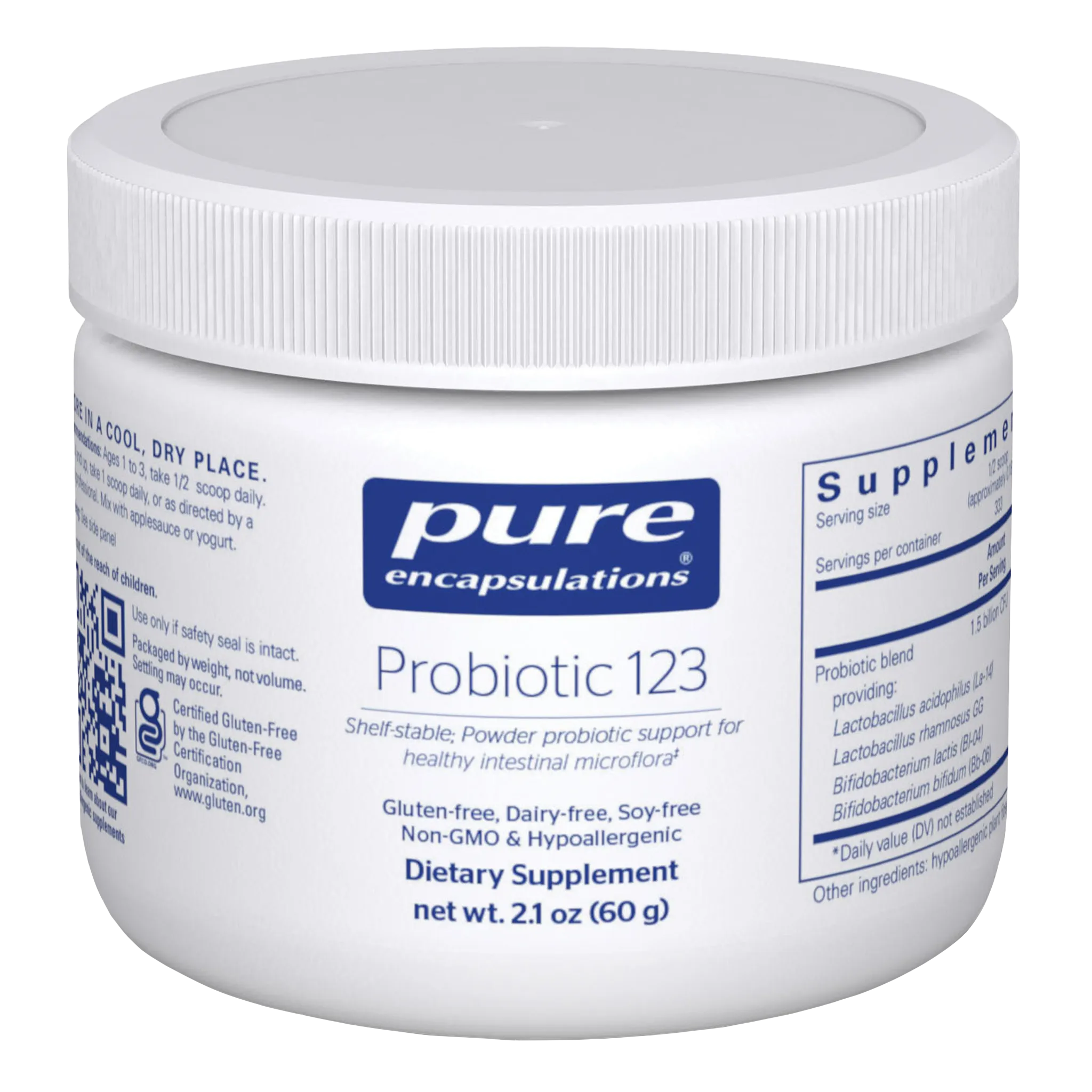
Addressing these foundational gut imbalances requires targeted, science-backed interventions that go beyond generic digestive aids or simple dietary changes. Probiotic 123 by Pure Encapsulations is a specialized, dairy-free, and soy-free probiotic powder designed to support a healthy balance of intestinal microflora in both children and adults. By delivering a precise, clinically researched blend of specific Lactobacillus and Bifidobacterium strains, this formulation aims to support the restoration of the mucosal lining of the gastrointestinal tract, promote robust barrier function, and maintain healthy immune system modulation. In this comprehensive guide, we will explore the intricate cellular mechanisms behind Probiotic 123 and examine how replenishing keystone bacterial species may offer vital support for those navigating the complexities of post-acute infection syndromes.
TL;DR
Probiotic 123 offers a targeted, hypoallergenic blend of strains to support gut microbiome balance.
Research suggests specific probiotics may help manage systemic inflammation and support intestinal barrier integrity.
Restoring keystone gut bacteria is a foundational step for patients navigating complex chronic conditions.
What is Probiotic 123?
The Foundation of a Healthy Gut Microbiome
The human gastrointestinal tract is home to trillions of microorganisms, collectively known as the gut microbiome, which play an indispensable role in maintaining overall physiological health. In a healthy state, this complex ecosystem operates in a delicate, mutually beneficial symbiosis with the human host. These microbes facilitate the digestion of complex carbohydrates, synthesize essential vitamins like Vitamin K and B-complex vitamins, and actively crowd out opportunistic, disease-causing pathogens. These beneficial microbes are not merely passive residents passing through the digestive tract; they actively communicate with the host's cellular machinery through the continuous secretion of metabolic byproducts, most notably short-chain fatty acids (SCFAs) such as butyrate, propionate, and acetate.
These short-chain fatty acids serve as the primary and preferred energy source for colonocytes, the specialized epithelial cells lining the colon. By providing this essential fuel, SCFAs ensure the structural integrity and optimal metabolic function of the intestinal lining. Furthermore, these metabolites exert profound anti-inflammatory effects locally within the gut and systemically as they enter the bloodstream. When this delicate microbial balance is disrupted—a pathological state known as dysbiosis—the downstream effects can ripple throughout the entire body. The loss of SCFA production deprives the gut lining of its energy, leading to cellular degradation, which in turn contributes to systemic inflammation, immune dysregulation, and the exacerbation of chronic disease states.
The Specific Strains in Probiotic 123
Probiotic 123 is meticulously formulated with a proprietary blend of four highly researched bacterial strains, delivering a potent 3 billion colony-forming units (CFU) per serving. The formulation includes Lactobacillus acidophilus (La-14) and Lactobacillus rhamnosus GG, two of the most extensively studied probiotic strains in modern clinical literature. These Lactobacillus species are renowned for their unique ability to colonize the small intestine, where they actively modulate local immune responses and secrete antimicrobial peptides called bacteriocins. These bacteriocins act as natural antibiotics, specifically targeting and inhibiting the growth of harmful, pro-inflammatory bacteria without damaging the beneficial flora.
Complementing these upper-GI specialists are Bifidobacterium lactis (Bl-04) and Bifidobacterium bifidum (Bb-06), keystone bacterial species that primarily reside and thrive in the oxygen-depleted environment of the large intestine. These Bifidobacterium strains are absolutely critical for fermenting dietary fibers that escape digestion higher up in the tract, converting them into the vital SCFAs discussed earlier. Beyond their metabolic roles, these specific strains are physically adept at adhering to the mucosal barrier, reinforcing the protective mucus layer against inflammatory stressors and helping to reduce the adherence of pathogenic microbes. Together, this four-strain blend provides comprehensive, full-tract support designed to restore ecological balance.
Beyond Digestion: The Gut-Immune Connection
To truly understand the profound systemic impact of Probiotic 123, it is essential to recognize a fundamental anatomical reality: approximately 70% of the entire human immune system resides directly within the gut. This localized, highly sophisticated immune network is known as gut-associated lymphoid tissue (GALT). The GALT constantly samples the intestinal environment, acting as a highly trained border patrol that must accurately distinguish between harmless food antigens, beneficial commensal bacteria, and dangerous viral or bacterial pathogens. The specific probiotic strains in Probiotic 123 act as crucial educators and modulators for this immune tissue, interacting directly with dendritic cells and macrophages embedded in the gut lining.
By engaging with these immune sentinels, the probiotics promote a state of immune tolerance, helping to manage the hyper-reactivity that drives autoimmune and allergic conditions. They foster a balanced Th1/Th2 immune response and actively stimulate the production of regulatory T cells (Tregs). Tregs are the "peacekeepers" of the immune system; they are essential for dampening excessive inflammatory attacks and resolving the chronic immune activation characteristic of complex conditions like Long COVID and MCAS. Therefore, supporting the gut microbiome is not just about improving digestion; it is a foundational strategy for recalibrating the entire systemic immune response.
How Long COVID and ME/CFS Impact the Gut Microbiome
The Loss of Keystone Species and Dysbiosis
In complex chronic conditions like Long COVID and myalgic encephalomyelitis/chronic fatigue syndrome (ME/CFS), the gut microbiome undergoes profound, sustained, and highly damaging alterations, including a steep decline in keystone bacterial species. This creates a dangerous ecological vacuum within the gut, allowing opportunistic, pro-inflammatory bacteria—often Gram-negative species that produce toxic byproducts—to overgrow and dominate the intestinal landscape.
As these protective keystone species decline, the overall production of short-chain fatty acids plummets dramatically. This deprives the intestinal lining of its primary energy source, compromising its ability to repair cellular damage and maintain its protective mucus layer. This dysbiotic state is not merely a temporary consequence of the initial viral infection; it becomes a self-perpetuating driver of chronic illness. The overgrowth of pathogenic bacteria fuels a continuous cycle of localized inflammation, which in turn makes the gut environment even more hostile to the re-establishment of beneficial species, locking the patient into a chronic state of microbial imbalance.
Intestinal Permeability and "Leaky Gut"
The depletion of beneficial bacteria directly and severely compromises the structural integrity of the intestinal epithelial barrier, leading to a pathological phenomenon commonly referred to clinically as increased intestinal permeability, or "leaky gut." The intestinal lining is composed of a single, fragile layer of epithelial cells. These cells are bound tightly together by complex, dynamic protein structures known as tight junctions—primarily composed of proteins like zonulin, occludin, and claudins. These tight junctions act as highly selective gates, dictating exactly what nutrients are allowed to pass from the gut lumen into the bloodstream while blocking toxins and undigested proteins. In Long COVID and ME/CFS, chronic inflammation, oxidative stress, and persistent viral reservoirs trigger the catastrophic breakdown of these tight junction proteins.
A clinical study investigating Long COVID revealed that patients frequently exhibit elevated HHV-6-IgG antibodies that correlate with evidence of leaky gut. Consequently, bacterial endotoxins—most notably lipopolysaccharides (LPS) from the cell walls of overgrown Gram-negative bacteria—freely translocate into the systemic circulation. This process, known as endotoxemia, triggers widespread neuroinflammation, profound physical fatigue, and the exacerbation of the complex gastrointestinal symptoms seen with Long COVID.
The Histamine and D-Lactate Dilemma in MCAS
For patients navigating the interconnected, highly sensitive web of Long COVID, ME/CFS, and mast cell activation syndrome (MCAS), selecting the right probiotic is fraught with hidden, potentially severe dangers. Many standard, commercial probiotic formulations sold over the counter contain bacterial strains that actively produce histamine or ferment dietary carbohydrates into D-lactic acid. In a healthy individual, these byproducts are easily cleared. However, in a patient with a compromised gut and impaired metabolic clearance, the accumulation of D-lactate can lead to D-lactic acidosis. This is a toxic metabolic state that perfectly mimics and severely exacerbates post-exertional malaise (PEM), slurred speech, and debilitating neurological brain fog.
Furthermore, introducing histamine-producing bacterial strains directly into the gut can trigger severe, cascading MCAS flares, leading to intense flushing, tachycardia, anxiety, and severe gastrointestinal distress. The specific strains utilized in Probiotic 123, particularly the Bifidobacterium species and Lactobacillus rhamnosus GG, are discussed in a guide for those with food sensitivities regarding their safety profile in these vulnerable populations. These specific strains do not significantly elevate histamine levels and produce near-zero D-lactic acid, offering a much safer, targeted pathway for microbiome restoration without triggering the very symptoms patients are desperately trying to manage.
Probiotic 123: Supporting Gut Barrier Integrity and Immune Function
Reinforcing Tight Junctions with Lactobacillus Strains
The Lactobacillus strains included in Probiotic 123 play a highly active, mechanistic role in supporting the structural repair associated with leaky gut. Lactobacillus acidophilus acts as a molecular architect for the intestinal barrier by directly interacting with the host's cellular machinery at the apical membrane.
This PI3K activation is crucial because it actively suppresses the NF-κB inflammatory cascade. By blocking NF-κB, the probiotic helps inhibit the activation of myosin light chain kinase (MLCK)—the exact destructive enzyme responsible for pulling tight junctions apart during states of high inflammation. Simultaneously, Lactobacillus rhamnosus GG provides complementary structural support. Recent research demonstrates that LGG can help mitigate the massive 50-67% drop in vital tight junction proteins, like ZO-1 and occludin, that is typically caused by exposure to inflammatory cytokines. By upregulating the expression of these structural proteins, the Lactobacillus strains effectively seal the barrier, halting the dangerous leakage of endotoxins into the bloodstream.
Bifidobacterium's Role in Immune Modulation
The Bifidobacterium components of Probiotic 123—specifically B. lactis Bl-04 and B. bifidum Bb-06—are incredibly potent modulators of the systemic immune response. These keystone strains engage directly with the gut-associated lymphoid tissue (GALT) to actively downregulate the production of highly pro-inflammatory cytokines, such as Interleukin-6 (IL-6) and the "master switch" cytokine, Tumor Necrosis Factor-alpha (TNF-α). These specific cytokines are the primary drivers of the chronic "cytokine storm" and systemic neuroinflammation seen in post-viral syndromes. By lowering their production at the source, the probiotics help cool the systemic inflammatory fire.
Furthermore, these species promote the proliferation of regulatory T cells (Tregs) via the p38 kinase signaling pathway. Tregs are essential for restoring immune tolerance and dampening the hyper-reactive, allergic-type immune responses that characterize conditions like MCAS, ensuring the immune system responds proportionally to environmental triggers.
Neutralizing Oxidative Stress and Viral Reservoirs
Beyond structural repair and immune modulation, the specific strains in Probiotic 123 offer targeted, cellular-level defense against the pathophysiological mechanisms of SARS-CoV-2. The virus is known to persist in the gastrointestinal tract for months or even years after the acute infection has passed, utilizing ACE2 receptors on intestinal cells to maintain a hidden viral reservoir that continuously triggers immune activation and symptom flares.
Additionally, Lactobacillus rhamnosus GG acts as a potent, localized antioxidant within the highly stressed gut environment. The SARS-CoV-2 spike protein acts as an enterotoxin, inducing massive amounts of reactive oxygen species (ROS) and lipid peroxidation that destroy intestinal cells. Clinical research shows that LGG effectively neutralizes this severe oxidative stress, acting similarly to powerful antioxidants like N-acetylcysteine (NAC). By scavenging these free radicals, LGG restores protective intracellular glutathione levels in the intestinal epithelium, mitigating ongoing cellular damage and supporting the complete eradication of the viral reservoir.

Symptoms Probiotic 123 May Help Manage
Targeted Relief for Complex Chronic Conditions
The systemic benefits of restoring the gut microbiome and sealing the intestinal barrier extend far beyond simple digestion. By addressing the root pathophysiological causes of intestinal permeability, endotoxemia, and immune dysregulation, Probiotic 123 targets several of the most debilitating symptoms associated with complex chronic illnesses.
Brain Fog and Cognitive Dysfunction: By supporting the tight junctions in the gut, Probiotic 123 actively helps reduce the translocation of lipopolysaccharides (LPS) into the bloodstream. This direct reduction in systemic endotoxemia lowers neuroinflammation, which studies strongly suggest is a primary, driving mechanism behind the severe cognitive impairment, memory loss, and processing delays commonly known as brain fog.
Post-Exertional Malaise (PEM) and Severe Fatigue: The Bifidobacterium strains in this formula are critical for producing short-chain fatty acids (SCFAs) like butyrate, which systemically support mitochondrial function and cellular energy metabolism. By simultaneously lowering circulating levels of IL-6 and TNF-α, these probiotics help reduce the massive systemic inflammatory burden that contributes to profound, unrefreshing fatigue and cellular exhaustion.
Gastrointestinal Distress and Dysmotility: The specific Lactobacillus and Bifidobacterium blend helps aggressively crowd out opportunistic, gas-producing pathogens that thrive in a dysbiotic gut environment. This competitive inhibition can significantly alleviate the severe bloating, unpredictable bowel habits, and abdominal pain frequently experienced by patients. For those dealing with severe dysbiosis, combining this with targeted antimicrobial support may be necessary; you can learn more about this approach in our guide, Can A.C. Formula II Support Gut Health and Alleviate Long COVID Brain Fog?.
Immune Hyper-Reactivity and Food Sensitivities: By promoting the proliferation of regulatory T cells (Tregs) and physically enhancing the mucosal barrier, Probiotic 123 helps restore lost immune tolerance. This is particularly beneficial for patients managing MCAS, as a stronger, less permeable barrier helps keep undigested food proteins and environmental toxins from leaking into the bloodstream and triggering systemic mast cell degranulation.
Susceptibility to Secondary Infections: By supporting a balanced immune response in the gut-associated lymphoid tissue, Probiotic 123 may help enhance baseline immunity, protecting vulnerable, chronically ill patients from secondary upper respiratory tract infections, which are notorious for triggering severe, prolonged symptom crashes.
Practical Considerations: Forms, Dosing, and Absorption
The Advantage of a Hypoallergenic Powder Formulation
For patients battling complex chronic conditions, the delivery method, excipient profile, and purity of a supplement are just as critical as the active ingredients themselves. Probiotic 123 is intentionally formulated as a highly bioavailable, hypoallergenic powder. This makes it an ideal, accessible choice for individuals who experience difficulty swallowing pills (dysphagia) or who suffer from severe gastrointestinal motility issues, such as gastroparesis, where capsules may sit undigested in the stomach. Crucially, the formula is entirely dairy-free and soy-free, completely eliminating common, highly reactive allergens that frequently trigger severe inflammatory responses in patients with mast cell activation syndrome (MCAS) and heightened post-viral food sensitivities.
To ensure maximum potency, Pure Encapsulations utilizes a specialized, hypoallergenic plant fiber (cellulose) base designed to strictly control moisture and minimize water activity (Aw) within the bottle. This meticulous formulation strategy is vital because moisture is the enemy of freeze-dried probiotics; by keeping the environment dry, the base protects the delicate probiotic organisms from premature degradation. This ensures that the maximum number of live, viable bacteria survive the journey from the manufacturing facility to your home, and ultimately, into your lower intestines where they exert their therapeutic effects.
Optimal Dosing and Administration Tips
Achieving meaningful therapeutic benefits from probiotics requires consistent, daily, and proper administration. For adults and children ages 4 and up, the standard recommended dosage is one full scoop (delivering approximately 3 billion CFU) daily, while children ages 1 to 3 should take half a scoop daily. Because the finely milled powder is virtually tasteless and odorless, it can be seamlessly integrated into a daily routine by mixing it into cold or room-temperature foods, such as unsweetened applesauce, dairy-free yogurt, or a nutrient-dense smoothie. This ease of use ensures high compliance, which is essential for successfully altering the microbiome over time.
It is absolutely critical to avoid mixing Probiotic 123 with hot foods or hot liquids (like coffee, tea, or warm oatmeal), as elevated temperatures will rapidly destroy the live, heat-sensitive bacterial cultures, rendering the supplement entirely ineffective. To maximize the bacteria's survival through the highly acidic, hostile environment of the stomach, many functional medicine practitioners recommend taking probiotics alongside a meal that contains some healthy, complex fats. The presence of fat and food helps buffer stomach acid and delays gastric emptying just enough to facilitate the safe passage of the live cultures into the lower gastrointestinal tract, where they can successfully colonize.
Safety, Viability, and Potential Interactions
While the specific strains utilized in Probiotic 123 are highly characterized and selected for their natural, robust resistance to gastric acidity and bile salts, ensuring their long-term viability requires strict adherence to proper storage protocols. The product must be refrigerated immediately upon receipt and kept cold continuously to maintain the viability of the live cultures throughout its entire shelf life. From a clinical safety perspective, while high-quality probiotics are generally recognized as safe and well-tolerated by the vast majority of patients, they carry specific contraindications. They are strictly contraindicated for individuals taking heavy immunosuppressant medications (such as those used post-organ transplant) or those who are severely immunocompromised (such as patients undergoing active chemotherapy), as introducing live bacteria poses a genuine risk of systemic infection in these highly specific populations.
Additionally, when first introducing a potent, high-quality probiotic into a highly dysbiotic gut, some patients may experience mild, transient side effects such as increased flatulence, mild bloating, or temporary changes in bowel habits. This is a completely normal, expected physiological response known as the "die-off" or recalibration phase. As the newly introduced beneficial bacteria begin to aggressively crowd out and displace opportunistic pathogens, gas is produced. These mild symptoms typically subside entirely within a few days to a week of consistent, daily use as the new, healthy flora establishes a dominant foothold in the microbiome.
Follow the Science: Clinical Evidence for Probiotics in Post-Viral Syndromes
The SIM01 Trial and Long COVID Recovery
The therapeutic potential of targeted probiotic supplementation in post-viral syndromes is not merely theoretical; it is supported by robust, emerging, high-quality clinical data. One of the most significant and validating breakthroughs came from the landmark SIM01 clinical trial conducted in Hong Kong, which rigorously evaluated a precision synbiotic preparation heavily featuring Bifidobacterium strains, including Bifidobacterium bifidum. In this large-scale, double-blind, placebo-controlled study involving over 460 Long COVID patients, the clinical outcomes were remarkably clear. Researchers found that six months of targeted Bifidobacterium supplementation led to significantly better, measurable recovery rates compared to the placebo group.
The intervention successfully alleviated multiple debilitating, systemic symptoms that had previously resisted management. Crucially, the researchers utilized advanced fecal metagenomic sequencing to track the patients' microbiomes throughout the trial. They noted that the profound reduction in severe fatigue and general physical unwellness strongly and directly correlated with an elevated relative abundance of B. bifidum in the patients' guts. This trial provided definitive, gold-standard clinical evidence that restoring keystone gut bacteria is not just supportive care; it can directly translate to systemic symptom relief and disease modification in Long COVID.
Lactobacillus rhamnosus GG in Clinical Settings
Lactobacillus rhamnosus GG (LGG), a primary and potent component of Probiotic 123, has also demonstrated remarkable, statistically significant efficacy in rigorous clinical settings directly related to COVID-19.
Furthermore, the detailed data showed that the LGG intervention beneficially altered the structure of the resident gut microbiome, increasing overall diversity, and significantly prolonged the time to symptom onset for those who did eventually test positive. These findings strongly underscore the potent immunomodulatory and localized antiviral defense mechanisms of LGG. By actively priming the gut-associated lymphoid tissue and reinforcing the intestinal barrier, LGG highlights its critical, scientifically validated role in protecting the host's systemic health during and immediately after severe viral exposure.
Systemic Inflammatory Marker Reduction in ME/CFS
The profound benefits of replenishing the microbiome are equally evident in targeted clinical research focusing specifically on myalgic encephalomyelitis/chronic fatigue syndrome (ME/CFS). A pivotal clinical study evaluating the administration of specific Bifidobacterium strains in a cohort of ME/CFS patients over an 8-week period yielded profound, actionable immunological insights. The targeted probiotic intervention successfully and measurably decreased the concentrations of systemic pro-inflammatory markers, most notably C-Reactive Protein (CRP) and Interleukin-6 (IL-6), in an impressive 70% of the participating patients.
This significant reduction in circulating inflammatory cytokines provides a clear, undeniable mechanistic explanation for how localized gut interventions can alleviate systemic symptoms. By lowering IL-6 and CRP, the probiotics directly reduce the systemic neuroinflammation and profound physical exhaustion that characterize the daily reality of ME/CFS. By proving unequivocally that high-quality, targeted probiotics act systemically to cool inflammation rather than just locally within the digestive tract, these studies strongly validate the use of comprehensive, scientifically backed formulations like Probiotic 123 as a foundational, non-negotiable element of chronic illness management.
The Path Forward
Rebuilding the Gut-Brain Axis
Living with a complex, invisible chronic condition like Long COVID, ME/CFS, MCAS, or dysautonomia often feels like navigating a dark labyrinth with no clear exit and very few medical answers. The profound, crushing fatigue, unpredictable gastrointestinal distress, and debilitating brain fog you experience are not merely in your head, nor are they a result of deconditioning; they are deeply rooted in severe physiological disruptions, particularly within the gut microbiome and the delicate, damaged intestinal barrier. Understanding the intricate, bidirectional connection between the gut and the immune system offers a deeply validating perspective on exactly why these bizarre, systemic symptoms occur. More importantly, it provides a tangible, scientifically grounded target for therapeutic intervention and healing.
While there is no single, overnight miracle solution for post-acute infection syndromes, addressing the foundational health of your gastrointestinal tract is a critical, empowering step toward reducing systemic inflammation and regaining a sense of physical stability. By actively working to repair the "leaky gut," halt the translocation of endotoxins, and restore depleted keystone bacterial species, you are laying the essential groundwork for a more resilient immune system and a calmer, more regulated autonomic nervous system. For a deeper dive into comprehensive microbiome restoration and how it impacts neurological symptoms, explore our detailed article on how a Gut-Brain Reset Can Help Manage Long COVID and ME/CFS Symptoms.
Integrating Probiotics into Your Care Plan
Rebuilding your health and reclaiming your quality of life requires a comprehensive, highly individualized, and multi-faceted approach. High-quality supplements like Probiotic 123 are most effective when they are thoughtfully integrated into a broader, holistic management strategy. This strategy must include careful, daily symptom tracking, aggressive pacing to avoid the devastating cycles of post-exertional malaise (PEM), and targeted, anti-inflammatory nutritional support. As you explore various options to support your ongoing recovery, it is absolutely essential to work collaboratively with a knowledgeable healthcare provider who truly understands the complex nuances of chronic illness and can help tailor these interventions to your unique biological needs and sensitivities.
If you are ready to take a proactive, science-backed step in supporting your gut barrier integrity, modulating your immune response, and addressing the root causes of dysbiosis, Explore Probiotic 123 to see if this specialized, hypoallergenic formulation aligns with your personal healing journey. Always remember to consult your healthcare provider before introducing any new supplement into your regimen, especially if you have underlying health conditions, severe mast cell reactivity, or are currently taking prescription medications.
Sources
Lost microbes of COVID-19: Bifidobacterium depletion and decreased microbiome diversity
HHV-6-IgG antibodies correlate with evidence of leaky gut in patients with Long COVID
Long COVID and gut microbiome: insights into pathogenesis and therapeutics
Bifidobacterium animalis subsp. lactis Bl-04 in upper respiratory tract infections
Why Your Gut Might Be the Unsung Hero in Beating Long Covid - SIM01 Trial
Daily Lactobacillus Probiotic versus Placebo in COVID-19-Exposed Household Contacts (PROTECT-EHC)
The potential therapeutic approaches targeting gut health in ME/CFS: a narrative review