Can ProbioMood 3 Billion Support the Gut-Brain Axis in Long COVID and ME/CFS?
March 5, 2026
ProbioMood 3 BillionGut HealthLong COVID
Share:
Disclaimer: The information provided here is for educational purposes only and is not intended as medical advice. It should not be used to diagnose, treat, cure, or prevent any medical condition. Instead, use it as a starting point for discussion with your healthcare provider. Always consult with a qualified healthcare provider before starting any new medication, supplement, device, or making changes to your health regimen.
Living with a complex chronic illness like Long COVID, myalgic encephalomyelitis/chronic fatigue syndrome (ME/CFS), or dysautonomia often feels like navigating a labyrinth of unpredictable, systemic symptoms. While the profound physical fatigue, post-exertional malaise (PEM), and autonomic dysfunction are debilitating in their own right, the accompanying cognitive and emotional symptoms—such as severe brain fog, anxiety, and mood disturbances—can be equally overwhelming. For years, patients have reported that their gastrointestinal distress seems inextricably linked to their neurological symptoms, a phenomenon that traditional medicine often struggled to explain. However, emerging research into the microbiota-gut-brain axis has validated what many patients have long suspected: the health of our gut is intimately tied to the health of our brain and our emotional well-being.
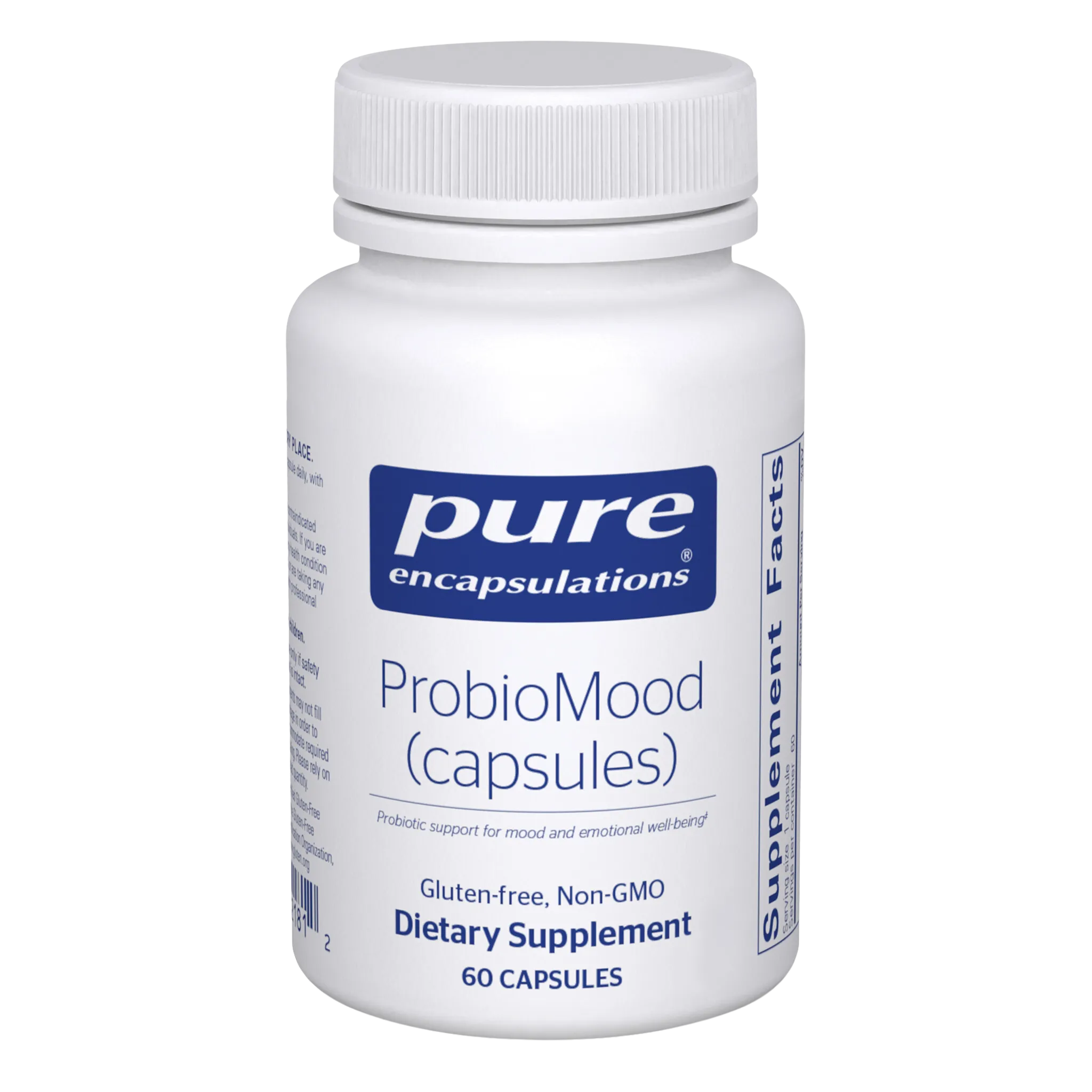
When the delicate balance of the gut microbiome is disrupted by viral infections, chronic inflammation, or prolonged stress, it can trigger a cascade of systemic issues that perpetuate the cycle of chronic illness. This is where targeted, clinically researched probiotic interventions come into play. ProbioMood 3 Billion is a specialized psychobiotic formulation designed to support emotional well-being, promote relaxation, and maintain a healthy cytokine balance. By utilizing a patented microencapsulation process to deliver specific, highly researched probiotic strains directly to the intestines, ProbioMood offers a fascinating, science-backed approach to supporting the gut-brain axis. In this comprehensive guide, we will explore the intricate biochemistry of how these specific strains work, their relevance to post-viral syndromes, and how they may help manage the complex symptoms of chronic illness.
TL;DR
The gut-brain axis links gastrointestinal health to emotional and cognitive symptoms in complex chronic illnesses.
ProbioMood 3 Billion uses targeted, microencapsulated psychobiotics to support mood, relaxation, and gut integrity.
Research suggests specific probiotic strains may help manage stress, anxiety, and systemic inflammation.
Consult your healthcare provider before adding psychobiotics to your holistic chronic illness management plan.
What is ProbioMood 3 Billion?
The Emergence of Psychobiotics and the Gut-Brain Axis
To understand how a probiotic can influence mood and emotional well-being, we must first explore the concept of the microbiota-gut-brain axis. This axis is a complex, bidirectional communication network that links the enteric nervous system (often referred to as the body's "second brain," which governs the gastrointestinal tract) with the central nervous system (the brain and spinal cord). This communication occurs through multiple interconnected pathways, including the vagus nerve, the endocrine system (via hormones like cortisol), the immune system (via inflammatory cytokines), and the metabolic pathway (via the production of neurotransmitters and short-chain fatty acids). In a healthy body, a diverse and balanced gut microbiome continuously sends regulatory signals to the brain, helping to maintain emotional stability, cognitive clarity, and a balanced stress response.
In recent years, scientists have identified specific strains of beneficial bacteria that, when ingested in adequate amounts, confer targeted mental health benefits through their interaction with this axis. These specialized probiotics are known as psychobiotics. Unlike broad-spectrum probiotics designed primarily for general digestive support, psychobiotics are selected for their proven ability to synthesize neuroactive compounds, modulate the body's stress response, and reduce systemic neuroinflammation. They act as microscopic biochemical factories within the gut, producing and regulating the very molecules that dictate our mood, sleep, and resilience to stress. ProbioMood 3 Billion is built upon one of the most extensively researched psychobiotic formulations in the world, specifically targeting these neurological and emotional pathways.
The Specific Strains: L. helveticus Rosell-52 and B. longum Rosell-175
At the core of ProbioMood 3 Billion is a proprietary, clinically researched blend of two specific probiotic strains: Lactobacillus helveticus Rosell-52 and Bifidobacterium longum Rosell-175. Commercially recognized in the scientific literature under the trademark Cerebiome® (and formerly known as Probio'Stick), this exact combination has been the subject of rigorous clinical trials for over 15 years. Lactobacillus helveticus is a species of lactic acid-producing bacteria that is naturally found in the human gut and certain fermented foods. It is particularly renowned for its ability to produce bioactive peptides that can positively influence the nervous system and immune function. In the context of the gut-brain axis, L. helveticus Rosell-52 has been shown to play a crucial role in modulating the host's immune response and reducing the secretion of pro-inflammatory cytokines that can cross the blood-brain barrier.
Bifidobacterium longum Rosell-175, the second component of this powerful blend, is a strain of one of the most significant and early-colonizing bacterial species in the human gastrointestinal tract. Bifidobacteria are essential for breaking down complex carbohydrates and producing short-chain fatty acids (SCFAs) like butyrate, which are vital for maintaining the integrity of the gut lining and reducing systemic inflammation. Together, these two strains work synergistically. While L. helveticus helps to calm the immune-inflammatory response, B. longum works to repair the physical barrier of the gut and produce neurotransmitter precursors. Research suggests that this specific combination is uniquely capable of communicating with the brain via the vagus nerve, effectively translating gut-level healing into systemic emotional and cognitive benefits.
The Crucial Role of Microencapsulation Technology
One of the most significant challenges in probiotic supplementation is ensuring that the live, fragile bacteria actually survive the treacherous journey through the human digestive system. The stomach is an incredibly harsh, highly acidic environment designed to break down food and destroy invading pathogens. Unfortunately, this gastric acid cannot distinguish between harmful bacteria and beneficial probiotic strains, meaning that a large percentage of standard, unprotected probiotics are destroyed in the stomach long before they reach their intended destination in the lower intestines. If the bacteria do not survive to colonize the gut, they cannot exert their beneficial psychobiotic effects.
To overcome this biological hurdle, ProbioMood 3 Billion utilizes an innovative, patented microencapsulation (ME) process. This advanced technology involves coating the delicate L. helveticus and B. longum strains in a protective, lipid-based matrix. This microencapsulation acts as a microscopic shield, protecting the probiotics from the severe gastric acidity of the stomach and the degrading effects of bile salts in the upper digestive tract. Once the microencapsulated bacteria safely reach the more neutral, hospitable environment of the intestines, the protective coating dissolves, releasing the live, viable strains exactly where they are needed. This ensures optimal delivery, allowing the probiotics to successfully adhere to the intestinal wall, multiply, and begin their vital work of modulating the gut-brain axis.
How Long COVID and ME/CFS Impact the Gut-Brain Axis
Viral-Induced Dysbiosis and the Loss of Microbial Diversity
To understand why a psychobiotic is so relevant for patients with complex chronic conditions, we must examine how these illnesses fundamentally alter the gastrointestinal landscape. Conditions like Long COVID and ME/CFS are frequently triggered by severe or lingering viral infections, such as SARS-CoV-2 or the Epstein-Barr virus (EBV). During the acute phase of these infections, the body mounts a massive immune response. While necessary to fight the virus, this aggressive immune activity, combined with the direct viral infection of the gut tissue, wreaks havoc on the delicate ecosystem of the gut microbiome. This disruption is known as dysbiosis, a state where the balance of beneficial and harmful microbes is severely skewed.
Recent microbiome profiling studies have consistently shown that patients with Long COVID and ME/CFS suffer from a profound loss of microbial diversity. Specifically, there is a marked depletion of beneficial, anti-inflammatory bacteria, particularly Bifidobacterium species and other microbes responsible for producing short-chain fatty acids (SCFAs) like butyrate. Simultaneously, this loss of "good" bacteria creates an ecological vacuum, allowing opportunistic, pro-inflammatory pathogens (such as certain Streptococcus and Actinomyces species) to overgrow. This viral-induced dysbiosis is not merely a secondary side effect of the illness; it becomes a primary driver of ongoing symptoms, as the gut loses its ability to regulate the immune system, digest nutrients properly, and produce the neurotransmitters necessary for healthy brain function.
Intestinal Permeability and the "Leaky Gut" Phenomenon
One of the most devastating consequences of this dysbiosis is the breakdown of the intestinal epithelial barrier, a condition commonly referred to as intestinal permeability or "leaky gut." In a healthy state, the cells lining the intestines are held tightly together by complex protein structures known as tight junctions (including proteins like zonulin and occludin). These tight junctions act as highly selective security gates, allowing essential nutrients and water to pass into the bloodstream while keeping harmful bacteria, toxins, and undigested food particles safely contained within the digestive tract. However, when beneficial SCFA-producing bacteria are depleted, the cells lining the gut lose their primary energy source and begin to degrade.
Furthermore, the overgrowth of pathogenic bacteria and the resulting localized inflammation directly damage these tight junctions, causing the "security gates" to become stuck open. When the intestinal barrier becomes overly permeable, structural components of the harmful bacteria—most notably lipopolysaccharides (LPS), also known as endotoxins—leak out of the gut and directly into the systemic bloodstream. The immune system immediately recognizes these circulating endotoxins as a severe threat and launches a widespread, systemic inflammatory response. This constant leakage of endotoxins creates a vicious cycle of chronic immune activation, which is a hallmark feature of both Long COVID and ME/CFS, driving profound fatigue, muscle aches, and general malaise.
Systemic Inflammation, Neuroinflammation, and the HPA Axis
The consequences of a leaky gut and systemic inflammation do not remain confined to the body; they profoundly impact the brain. The inflammatory cytokines (such as Interleukin-6 and Tumor Necrosis Factor-alpha) produced in response to circulating endotoxins can cross the blood-brain barrier. Once inside the brain, these inflammatory messengers activate microglial cells, the brain's resident immune cells. When microglia become chronically activated, they induce a state of neuroinflammation. Research indicates that patients with Long COVID and ME/CFS also exhibit elevated oxidative stress and aberrations in reactive oxygen species (ROS) clearance pathways, which, alongside neuroinflammation, may contribute to the severe cognitive dysfunction, brain fog, memory impairments, and mood disorders (like anxiety and depression) that so frequently plague these individuals. The brain is quite literally inflamed and under oxidative stress, struggling to process information and regulate emotions efficiently.
Simultaneously, this chronic inflammatory state places immense, unrelenting stress on the Hypothalamic-Pituitary-Adrenal (HPA) axis, the body's central stress response system. The HPA axis controls the release of cortisol, the primary stress hormone. In a healthy stress response, cortisol levels rise to deal with an acute threat and then return to baseline. However, the constant physiological stress of dysbiosis, systemic inflammation, and neuroinflammation keeps the HPA axis locked in a state of chronic hyperactivation. Over time, this leads to profound cortisol dysregulation—either chronically elevated levels that drive anxiety and sleep disturbances, or eventual HPA axis exhaustion, resulting in the blunted cortisol curves and severe, unrefreshing fatigue characteristic of ME/CFS. This intricate web of gut dysfunction, inflammation, and neuroendocrine stress highlights exactly why targeting the gut-brain axis is paramount for recovery.
ProbioMood: Supporting Emotional Well-Being and Gut Integrity
Modulating the HPA Axis and Blunting the Cortisol Response
ProbioMood 3 Billion intervenes in this vicious cycle by directly targeting the mechanisms of stress and inflammation at their source in the gut. One of the most well-documented physiological benefits of the L. helveticus Rosell-52 and B. longum Rosell-175 combination is its ability to modulate the Hypothalamic-Pituitary-Adrenal (HPA) axis. When the body is under chronic physiological or psychological stress, the HPA axis signals the adrenal glands to pump out high levels of cortisol. While essential in short bursts, chronic cortisol elevation damages tissues, suppresses healthy immune function, and exacerbates anxiety.
Clinical trials have demonstrated that supplementation with this specific probiotic blend can significantly reduce 24-hour urinary free cortisol levels in human subjects. By interacting with the enteric nervous system and sending calming signals up the vagus nerve to the hypothalamus, these psychobiotics help to downregulate the hyperactive stress response. This blunting of the cortisol cascade helps to pull the body out of a constant state of "fight or flight," promoting a deep sense of physiological relaxation and lessening the physical toll of occasional stress. For patients with dysautonomia or ME/CFS, whose nervous systems are often stuck in sympathetic overdrive, this HPA axis modulation is a critical step toward stabilizing autonomic function and improving sleep architecture.
Neurotransmitter Synthesis: Serotonin, GABA, and the Kynurenine Pathway
Beyond stress hormones, ProbioMood actively influences the synthesis and availability of crucial neurotransmitters. The gut is responsible for producing a vast majority of the body's serotonin, a neurotransmitter essential for mood regulation, sleep, and gastrointestinal motility. The production of serotonin relies on an amino acid called tryptophan. However, in a state of chronic inflammation (such as in Long COVID or ME/CFS), inflammatory cytokines hijack tryptophan metabolism. Instead of converting tryptophan into serotonin, the inflamed body diverts it down a different biochemical route known as the kynurenine pathway. This pathway produces neurotoxic metabolites that actively drive depression, brain fog, and neurodegeneration, while simultaneously starving the brain of the serotonin it desperately needs.
The probiotic strains in ProbioMood help to correct this biochemical hijacking. By reducing systemic inflammation, L. helveticus and B. longum help to shut down the inflammatory kynurenine pathway, allowing tryptophan to once again be synthesized into mood-boosting serotonin. Studies on patients with depression have shown that this specific probiotic combination significantly decreases the kynurenine/tryptophan ratio in the blood, providing objective biological proof of this mechanism. Furthermore, these strains are known to promote the production of GABA (gamma-aminobutyric acid) in the gut. GABA is the central nervous system's primary inhibitory neurotransmitter, responsible for calming excessive neural activity, reducing anxiety, and promoting relaxation. By boosting the availability of both serotonin and GABA, ProbioMood provides profound, targeted support for emotional well-being.
Boosting Brain-Derived Neurotrophic Factor (BDNF)
Another remarkable mechanism by which ProbioMood supports the brain is through the upregulation of Brain-Derived Neurotrophic Factor (BDNF). BDNF is a crucial protein that acts like fertilizer for the brain. It is essential for neurogenesis (the creation of new neurons), neuroplasticity (the brain's ability to form new neural connections and adapt to stress), and the survival of existing neurons, particularly in the hippocampus, the brain's center for learning and memory. In patients suffering from chronic stress, depression, or post-viral neuroinflammation, systemic BDNF levels are typically found to be severely depleted, contributing to the persistent brain fog and cognitive decline seen in Long COVID and ME/CFS.
Remarkably, clinical research has revealed that supplementation with L. helveticus Rosell-52 and B. longum Rosell-175 can significantly increase serum levels of BDNF. By reducing neuroinflammation and promoting a healthier gut environment, these psychobiotics signal the brain to ramp up its production of this vital neurotrophin. This increase in BDNF facilitates the repair of neural pathways damaged by chronic illness, enhances cognitive function, and provides a robust biological foundation for improved mood and mental clarity. It is a powerful example of how healing the gut can directly stimulate the repair and regeneration of the brain.
Restoring the Intestinal Barrier and Cytokine Balance
Finally, ProbioMood addresses the physical root of systemic inflammation by working to restore intestinal integrity. Bifidobacterium longum is particularly adept at adhering to the intestinal mucosa and promoting the repair of the epithelial tight junctions. By tightening these cellular "security gates," the probiotic helps to halt the leakage of lipopolysaccharides (LPS) and other endotoxins into the bloodstream. This direct repair of the "leaky gut" cuts off the primary fuel source for systemic inflammation, preventing the continuous triggering of the immune system that drives so many chronic illness symptoms.
As the intestinal barrier heals, the probiotic strains simultaneously work to maintain a healthy cytokine balance. They actively downregulate the production of pro-inflammatory cytokines (such as IL-1β and IL-6) by immune cells in the gut, while upregulating the production of anti-inflammatory cytokines (such as IL-10). This shift from a pro-inflammatory to an anti-inflammatory state is critical for patients with immune-mediated conditions like mast cell activation syndrome (MCAS) or Long COVID. By calming the localized immune response in the gut, ProbioMood helps to lower the overall inflammatory burden on the body, alleviating the systemic symptoms of immune hyperactivation and providing a more stable foundation for long-term recovery.

Symptoms ProbioMood May Help Manage
Targeting the Neurological and Emotional Manifestations
Because ProbioMood 3 Billion acts directly on the gut-brain axis, it is uniquely positioned to help manage the complex neurological and emotional symptoms that frequently accompany chronic conditions like Long COVID, ME/CFS, and dysautonomia. By modulating neurotransmitters, lowering cortisol, and reducing neuroinflammation, this psychobiotic blend may help alleviate:
Anxiety and Nervous System Overdrive: By promoting the production of calming GABA and lowering systemic cortisol levels, ProbioMood helps to blunt the hyperactive sympathetic nervous system response, reducing feelings of generalized anxiety, panic, and the "wired but tired" sensation common in dysautonomia.
Depressive Symptoms and Low Mood: By redirecting tryptophan metabolism away from the neurotoxic kynurenine pathway and toward the synthesis of serotonin, the probiotic formulation provides essential biochemical support for positive mood and emotional resilience, as demonstrated in multiple clinical trials on patients with mood disorders.
Brain Fog and Cognitive Dysfunction: By significantly increasing serum levels of Brain-Derived Neurotrophic Factor (BDNF) and reducing the inflammatory cytokines that cloud neural processing, ProbioMood supports neuroplasticity, potentially improving memory, focus, and overall cognitive clarity.
Poor Stress Resilience: By normalizing the HPA axis and preventing the extreme spikes and crashes of cortisol, the supplement helps the body and mind respond more adaptively to daily stressors, reducing the likelihood of stress-induced symptom flares or post-exertional crashes.
Addressing the Physical and Gastrointestinal Toll
The benefits of ProbioMood extend beyond the brain, offering significant relief for the physical and gastrointestinal symptoms that are driven by dysbiosis, leaky gut, and chronic stress. By repairing the intestinal barrier and calming localized inflammation, the supplement may help manage:
Stress-Induced Gastrointestinal Distress: Clinical trials have shown that this specific probiotic combination can reduce stress-induced GI symptoms—such as nausea, abdominal pain, cramping, and unpredictable bowel habits—by nearly 50%, making it highly beneficial for patients whose gut symptoms flare during periods of physical or emotional stress.
Systemic Inflammation and Aches: By tightening the intestinal tight junctions and halting the leakage of endotoxins (LPS) into the bloodstream, ProbioMood helps to lower the overall systemic inflammatory burden, which may translate to a reduction in generalized muscle aches, joint pain, and inflammatory fatigue.
Immune Hyper-Reactivity: By promoting a healthy balance of cytokines (increasing anti-inflammatory IL-10 while decreasing pro-inflammatory IL-6), the probiotic helps to stabilize the gut's immune response, which is particularly relevant for patients managing concurrent issues like food sensitivities or MCAS.
Unrefreshing Sleep: Because the gut microbiome heavily influences circadian rhythms and the production of sleep-regulating neurotransmitters (like serotonin, the precursor to melatonin), stabilizing the gut-brain axis and lowering evening cortisol levels can contribute to more restorative, deeper sleep cycles.
Practical Considerations: Forms, Dosing, and Absorption
The Science of Microencapsulation and Bioavailability
When considering probiotic supplementation, the sheer number of colony-forming units (CFUs) listed on a bottle is often less important than the survivability and bioavailability of the strains. As discussed earlier, the harsh, highly acidic environment of the stomach is designed to destroy bacteria. If a probiotic supplement consists of raw, unprotected strains, a massive percentage of those CFUs will die before they ever reach the intestines, rendering the supplement largely ineffective. This is a common pitfall in the management of gut health for chronic illness, where patients may take high doses of standard probiotics without seeing clinical improvement.
ProbioMood 3 Billion circumvents this issue through its use of patented microencapsulation (ME) technology. The "ME" designation next to the Lactobacillus helveticus Rosell-52 and Bifidobacterium longum Rosell-175 strains indicates that each bacterial cell is coated in a protective lipid matrix. This microencapsulation ensures that the probiotics survive the gastric acidity and bile salts, providing targeted, optimal delivery directly to the intestinal tract where they can adhere, colonize, and exert their psychobiotic effects. Because of this high survivability rate, a seemingly lower dose of 3 billion CFUs of microencapsulated bacteria can be significantly more effective and bioavailable than a 50 billion CFU dose of unprotected, standard probiotics.
Optimal Dosing Strategies and Timing
The suggested use for ProbioMood 3 Billion is straightforward: take 1 capsule daily, with or between meals. Because the microencapsulation protects the bacteria from stomach acid, the strict timing often required for standard probiotics (such as taking them solely on an empty stomach) is less critical here. However, many patients find it helpful to take the supplement at a consistent time each day to establish a routine. If you are taking antibiotics for any reason, it is generally recommended to space your probiotic dose at least two to three hours apart from your antibiotic dose to prevent the medication from destroying the beneficial strains.
When starting a psychobiotic, it is important to manage expectations regarding the timeline for efficacy. Unlike a fast-acting pharmaceutical anxiolytic or painkiller, probiotics work by fundamentally altering the ecology of the gut microbiome, repairing tissue, and gradually shifting neurotransmitter and hormone levels. Clinical trials evaluating this specific formulation typically measure significant improvements in mood, anxiety, and cortisol levels after 3 to 8 weeks of consistent daily use. Consistency is key; the gut-brain axis requires time to heal, and the beneficial bacteria need time to establish a stable colony and begin producing neuroactive compounds.
Safety Profile, Allergens, and Contraindications
The L. helveticus Rosell-52 and B. longum Rosell-175 combination has an exceptionally strong safety profile, having been rigorously tested in numerous human clinical trials over the past two decades. It is generally very well tolerated, even by individuals with sensitive digestive systems. However, it is crucial to note the allergen warnings: ProbioMood contains milk and soy. These ingredients are often used in the fermentation or culturing process of the specific Rosell strains. Individuals with severe dairy allergies (IgE-mediated anaphylaxis) or soy allergies should avoid this product. Those with simple lactose intolerance may often tolerate it, but should proceed with caution and consult their provider.
While probiotics are generally safe, individuals with severely compromised immune systems (such as those undergoing active chemotherapy or those with advanced HIV/AIDS), patients with central venous catheters, or those at high risk for bacteremia should consult their healthcare provider before initiating any live bacterial supplementation. Additionally, while ProbioMood is designed to support emotional well-being, it is not a replacement for prescribed psychiatric medications. Patients currently taking antidepressants or anti-anxiety medications should discuss the addition of psychobiotics with their prescribing physician to ensure comprehensive, coordinated care.

Follow the Science
Benchmark Trials on Everyday Stress and Cortisol
The combination of Lactobacillus helveticus Rosell-52 and Bifidobacterium longum Rosell-175 is one of the most extensively documented psychobiotic formulations in scientific literature. The foundational evidence for its efficacy comes from a landmark 2010/2011 randomized, double-blind, placebo-controlled trial conducted by Messaoudi et al. In this study, 55 healthy volunteers consumed 3 billion CFUs of the probiotic blend or a placebo daily for 30 days. The results were striking: the probiotic group demonstrated a statistically significant reduction in 24-hour urinary free cortisol levels, objectively proving a decrease in physiological stress. Furthermore, participants showed significant improvements on validated psychological scales, reporting profound decreases in somatization, depression, anxiety, and anger-hostility compared to the placebo group.
Another pivotal study, conducted by Diop et al. in 2008, focused specifically on the physical manifestations of stress. In this 3-week double-blind, placebo-controlled trial, 75 volunteers suffering from everyday stress were evaluated. The researchers found that daily administration of the psychobiotic blend reduced stress-induced gastrointestinal symptoms—such as nausea, vomiting, and abdominal pain—by an impressive 49%. This study provided crucial evidence that the gut-brain axis communication is truly bidirectional; just as stress can damage the gut, healing the gut can actively mitigate the physical symptoms of stress.
Clinical Evidence in Depression and Mood Disorders
Moving beyond everyday stress, researchers have investigated the formulation's potential as an adjunct therapy for clinical mood disorders. A gold-standard 2019 double-blind, randomized, placebo-controlled trial by Kazemi et al. involved 110 adults diagnosed with mild to moderate Major Depressive Disorder (MDD). After 8 weeks of supplementation, the probiotic group experienced a significant reduction in their Beck's Depression Inventory (BDI) scores, dropping from an average baseline of 18 down to 9 (a score bordering on minimal depression). A subsequent post-hoc analysis of this trial revealed the mechanism behind this improvement: the probiotic significantly increased serum levels of Brain-Derived Neurotrophic Factor (BDNF) and decreased the inflammatory kynurenine/tryptophan ratio.
Further supporting these findings, a 2021 open-label pilot study conducted by Wallace and Milev at Queen's University explored the efficacy of the psychobiotic in treatment-naïve patients with depressive symptoms. Over the 8-week trial, participants consuming 3 billion CFUs daily showed significant improvements in clinical symptoms of depression, anxiety, and anhedonia (the inability to feel pleasure) by week 4, with these improvements sustained through the end of the study. The researchers noted that the formulation was highly tolerable, reinforcing its potential as a safe, effective intervention for mood support.
Emerging Research in Post-Viral Syndromes
While the specific Rosell strains have long been studied for mood, the broader scientific community is now urgently applying microbiome research to post-viral conditions like Long COVID and ME/CFS. Recent studies have confirmed that the profound dysbiosis, loss of Bifidobacteria, and resulting leaky gut seen in these patients are primary drivers of their neurocognitive and fatigue symptoms. Large-scale trials, such as the SIM01 synbiotic study on Long COVID patients, have demonstrated that targeted microbiome modulation can significantly alleviate fatigue, memory loss, and gastrointestinal upset. As our understanding of the gut-brain connection in chronic illness deepens, psychobiotics like ProbioMood are increasingly recognized not just as mood enhancers, but as essential tools for addressing the root neuroinflammatory and immune dysregulation inherent in these complex syndromes.
The Path Forward
Validating the Complex Chronic Illness Experience
Living with Long COVID, ME/CFS, or dysautonomia is an incredibly heavy burden, made even heavier when the profound cognitive and emotional symptoms—the severe brain fog, the sudden anxiety, the crushing low moods—are misunderstood or dismissed by others. It is vital to understand that these symptoms are not "all in your head"; they are rooted in complex, measurable physiological disruptions, particularly within the gut-brain axis. The profound dysbiosis, systemic inflammation, and HPA axis dysregulation that accompany these conditions create a perfect storm for neurological distress. Validating the biological reality of these symptoms is the first, crucial step toward finding effective, targeted management strategies.
Integrating Probiotics into a Holistic Management Plan
While the science behind psychobiotics is highly promising, it is important to remember that ProbioMood 3 Billion is not a standalone cure for complex chronic illnesses. Rather, it is a powerful, science-backed tool designed to be integrated into a comprehensive, holistic management plan. Healing the gut-brain axis requires a multi-faceted approach. Supplementation should be combined with rigorous pacing to manage post-exertional malaise (PEM), dietary modifications to support a healthy microbiome (such as identifying and removing trigger foods), nervous system regulation techniques, and careful symptom tracking. By addressing the illness from multiple angles—calming the immune system, repairing the gut barrier, and supporting neurotransmitter production—patients can slowly build a foundation for improved resilience and quality of life.
Next Steps and Medical Guidance
If you are struggling with the emotional, cognitive, or gastrointestinal manifestations of chronic illness, targeted psychobiotic support may be a valuable addition to your protocol. The clinically researched strains in ProbioMood offer a unique, specialized approach to modulating the stress response and supporting neuroinflammation at its source. As always, because chronic conditions are highly individualized, we strongly recommend consulting with your healthcare provider before introducing any new supplement to ensure it aligns with your specific medical history, current medications, and overall treatment goals.