Can Prenatal DHA Support Brain Fog and Neuroinflammation in Long COVID and Dysautonomia?
March 6, 2026
Prenatal DHALong COVIDDysautonomia
Share:
Disclaimer: The information provided here is for educational purposes only and is not intended as medical advice. It should not be used to diagnose, treat, cure, or prevent any medical condition. Instead, use it as a starting point for discussion with your healthcare provider. Always consult with a qualified healthcare provider before starting any new medication, supplement, device, or making changes to your health regimen.
Months or even years after a viral infection, many individuals find themselves battling a complex web of debilitating symptoms—crushing fatigue, severe brain fog, racing heart rates, and unpredictable allergic reactions. For patients navigating Long COVID, myalgic encephalomyelitis/chronic fatigue syndrome (ME/CFS), dysautonomia, and mast cell activation syndrome (MCAS), the search for answers can be profoundly frustrating. While pregnancy is a well-known time of immense physiological demand, the biological mechanisms that support fetal brain development and maternal immune tolerance are remarkably similar to the pathways needed to heal a nervous system under chronic post-viral siege.
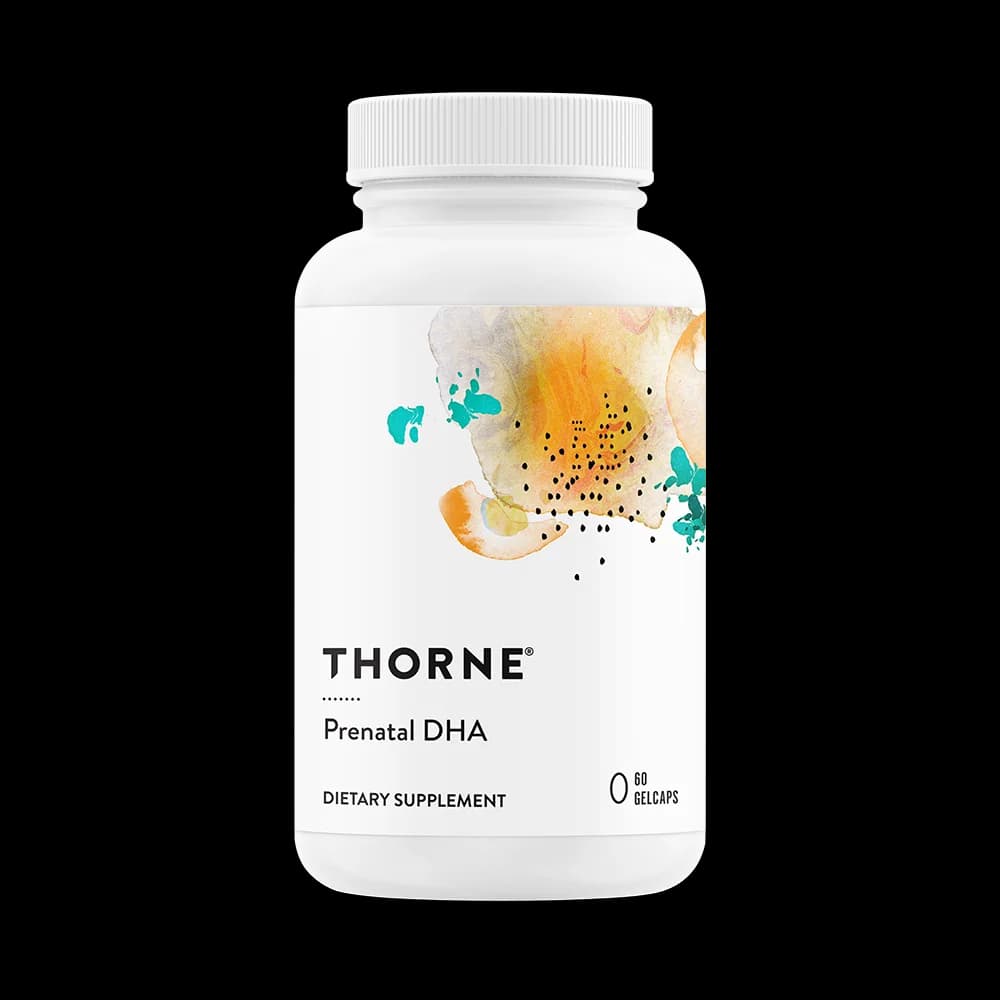
Enter docosahexaenoic acid (DHA), a potent omega-3 fatty acid that serves as the fundamental architectural building block of the human brain and central nervous system. While Thorne’s Prenatal DHA is meticulously formulated to support a healthy pregnancy and fetal neurodevelopment, its highly concentrated, pure, and stabilized lipid profile offers profound therapeutic potential for anyone battling chronic neuroinflammation. By understanding how DHA actively resolves inflammation at the cellular level, stabilizes hyperactive mast cells, and supports autonomic regulation, we can uncover why this specific nutrient is a vital tool in the management of complex chronic conditions.
TL;DR
DHA is a crucial omega-3 fatty acid that supports brain health, autonomic regulation, and mast cell stability.
Supplementation may help manage symptoms of Long COVID, ME/CFS, POTS, and MCAS by supporting cellular repair.
High-quality DHA formulations use antioxidants to reduce rancidity, ensuring better absorption and tolerability.
Always consult a healthcare provider to integrate DHA safely into a comprehensive chronic illness management plan.
What is Prenatal DHA?
The Essential Building Blocks of the Brain
DHA is a long-chain polyunsaturated fatty acid (PUFA) that is absolutely critical for the structural integrity and function of the human central nervous system. In a healthy body, approximately 60 percent of the brain is composed of fat, and DHA accounts for more than 90 percent of the polyunsaturated fatty acids in the brain and retina. It is heavily concentrated in the gray matter, specifically within the frontal and prefrontal lobes, which are the regions responsible for executive function, learning, problem-solving, and maintaining a positive mood. Without adequate DHA, the very physical structure of our neurons begins to compromise, leading to cognitive decline, altered neurotransmission, and a heightened vulnerability to neurodegenerative processes.
Despite its critical importance, the human body is notoriously inefficient at synthesizing DHA from shorter-chain omega-3s like alpha-linolenic acid (ALA). The conversion rate in the liver is exceptionally low, often yielding less than 1 to 5 percent of the required DHA. Consequently, DHA must be acquired directly through the diet, primarily from cold-water fatty fish. Because the standard Western diet is severely deficient in these marine sources, high-quality supplementation becomes necessary to maintain the cellular reservoirs required for optimal neurological health and to help support cognitive function over time.
The Molecular Architecture of Omega-3s
At the molecular level, DHA is unique due to its highly unsaturated structure, consisting of a 22-carbon chain with six double bonds. This specific biochemical shape allows DHA to integrate directly into the phospholipid bilayer of cellular membranes, particularly in neurons and immune cells. By embedding itself into the membrane, DHA dramatically increases membrane fluidity, permeability, and flexibility. This structural modulation is not merely physical; it fundamentally alters how the cell interacts with its environment, enhancing the function of transmembrane receptors, ion channels, and the synaptic release of vital neurotransmitters.
Furthermore, this increased membrane fluidity facilitates the formation and function of "lipid rafts"—specialized microdomains on the cell surface that organize receptor signaling complexes. By regulating these lipid rafts, DHA influences signal transduction pathways that dictate cell survival, neurogenesis, and synaptic plasticity. For instance, DHA stimulates the production of neuronal phosphatidylserine, which in turn activates vital survival kinases.
Enzymatic Conversion and Specialized Pro-Resolving Mediators (SPMs)
Beyond its structural role, DHA acts as a vital precursor to a class of powerful, bioactive lipid signaling molecules known as Specialized Pro-Resolving Mediators (SPMs). Historically, the medical community believed that inflammation simply "faded away" once a threat was neutralized. However, modern immunology reveals that the resolution of inflammation is an active, highly orchestrated biochemical process driven largely by these DHA-derived SPMs, which include D-series Resolvins, Protectins (such as Neuroprotectin D1), and Maresins.
When the body encounters tissue damage or infection, enzymes like lipoxygenase (LOX) and cyclooxygenase (COX) convert stored DHA into these resolving molecules. SPMs act as the immune system's "cleanup crew." They actively halt the infiltration of inflammatory white blood cells, suppress the production of pro-inflammatory cytokines like IL-6 and TNF-alpha, and stimulate macrophages to clear away cellular debris and dead tissue. In the context of the brain, Neuroprotectin D1 (NPD1) is particularly vital, as it may help protect against oxidative stress, may help protect against neuronal cell death, and actively supports the resolution of neuroinflammation that drives cognitive impairment.
How Complex Chronic Illness Impacts Lipid Metabolism and Inflammation
The "Broken Resolution" Pathway in Long COVID and ME/CFS
In complex post-viral conditions like Long COVID and ME/CFS, the immune system becomes trapped in a vicious cycle of chronic, low-grade inflammation. This state is often driven by the persistent activation of the NLRP3 inflammasome, a cellular sensor that triggers the release of inflammatory cytokines long after the initial viral threat has passed. In a healthy scenario, DHA would be converted into SPMs to shut down this inflammasome. However, in these chronic illnesses, the enzymatic pathways responsible for converting raw omega-3s into healing SPMs often become dysfunctional or overwhelmed, leading to a "broken resolution" pathway where the fire of neuroinflammation continues to burn unchecked.
This persistent neuroinflammation directly impacts the brain's glymphatic system, the waste clearance pathway responsible for removing metabolic byproducts and toxins from the central nervous system. When inflammation impairs glymphatic flow, toxic proteins and inflammatory mediators accumulate in the brain tissue. This accumulation is a primary driver of the debilitating "brain fog," severe cognitive fatigue, and post-exertional malaise (PEM) that define ME/CFS and Long COVID. The brain is essentially suffocating under its own inflammatory exhaust, unable to utilize its lipid reserves to initiate the healing process. Learn more about how gut-brain reset strategies can help manage these overlapping symptoms.
Autonomic Nervous System Strain and Dysautonomia
The autonomic nervous system (ANS), which controls involuntary functions like heart rate, blood pressure, and digestion, is highly vulnerable to systemic inflammation and oxidative stress. In conditions like postural orthostatic tachycardia syndrome (POTS) and general dysautonomia, the ANS loses its ability to maintain homeostasis. Patients experience exaggerated sympathetic nervous system responses—a constant "fight-or-flight" state—characterized by elevated norepinephrine levels, rapid heart rates upon standing, and severe blood pooling in the lower extremities. This constant strain leaves patients feeling perpetually exhausted and physically unstable.
This autonomic dysfunction is intimately linked to lipid metabolism and endothelial health. The endothelium, the inner lining of blood vessels, relies on healthy fatty acids to produce nitric oxide and regulate vascular tone. When systemic inflammation depletes DHA and EPA levels, endothelial cells become dysfunctional, leading to the impaired vasoconstriction seen in POTS. Furthermore, neuroinflammation directly irritates the autonomic nerve fibers, specifically the vagus nerve, preventing the parasympathetic "rest and digest" system from engaging and leaving the patient trapped in a state of chronic physiological panic.
Mast Cell Hyperactivation and Membrane Instability
Mast cell activation syndrome (MCAS) is a frequent comorbidity in this patient population, characterized by mast cells that inappropriately degranulate and release a storm of inflammatory mediators, including histamine, tryptase, and leukotrienes. The stability of a mast cell is heavily dependent on the composition of its outer lipid membrane. When the body is deficient in omega-3s and overloaded with pro-inflammatory omega-6 fatty acids (like arachidonic acid), the mast cell membrane becomes highly volatile and hyper-reactive to even minor triggers, such as temperature changes, stress, or benign foods.
This membrane instability is exacerbated by the clustering of high-affinity IgE receptors (FcεRI) in rigid lipid rafts on the mast cell surface. When these receptors cluster too easily, the intracellular signaling cascades that trigger degranulation fire uncontrollably. The resulting flood of histamine not only causes systemic allergic symptoms but also crosses the blood-brain barrier, further fueling neuroinflammation and autonomic dysregulation. This creates a devastating feedback loop where MCAS worsens dysautonomia, which in turn exacerbates Long COVID and ME/CFS symptoms. Read more about managing MCAS with targeted therapies like Ketotifen.
Prenatal DHA: Supporting Neuroinflammation, Autonomic Function, and Maternal Health
Resolving Neuroinflammation and Supporting the Glymphatic System
Supplementing with a high-quality, concentrated source of DHA provides the central nervous system with the raw materials needed to rebuild damaged neuronal membranes and combat neuroinflammation. By flooding the system with DHA, the body can begin to bypass the broken resolution pathways and force the production of SPMs. These molecules actively cross the blood-brain barrier, where they inhibit the activation of microglial cells—the brain's resident immune cells that, when chronically activated, secrete neurotoxic cytokines and perpetuate the cycle of cognitive fatigue.
Furthermore, DHA supplementation supports the restoration of the brain's glymphatic clearance system. By reducing the overall inflammatory burden and improving the structural integrity of the blood-brain barrier, DHA allows the glymphatic system to efficiently flush out the accumulated metabolic waste and inflammatory debris that cause severe brain fog. This neuroprotective mechanism is essential for patients with Long COVID and ME/CFS, as it directly addresses the biological root of cognitive impairment and helps restore the brain's ability to produce and utilize energy efficiently.
Stabilizing Mast Cells at the Receptor Level
For patients battling MCAS, DHA acts as a profound, natural mast cell stabilizer through direct physical and biochemical mechanisms. When DHA incorporates into the mast cell membrane, it significantly increases membrane fluidity. This physical change actively disrupts the formation of lipid rafts, preventing the high-affinity IgE receptors (FcεRI) from clustering and receiving the signals that trigger degranulation. By short-circuiting this receptor localization, DHA effectively raises the threshold required for the mast cell to react to environmental triggers, providing a much-needed buffer against unpredictable flares.
Inside the mast cell, DHA and its metabolites work to inhibit critical intracellular kinase signaling pathways, specifically the Lyn, Syk, and LAT kinases. Without the activation of these kinases, the chemical cascade that leads to the dumping of histamine and cytokines is halted. Additionally, DHA suppresses the generation of reactive oxygen species (ROS) within the mast cell, helping to suppress the genetic transcription of pro-inflammatory Th2-associated cytokines like IL-4 and IL-5. This comprehensive stabilization helps calm the systemic allergic storms that plague MCAS patients and reduces the overall histamine burden on the autonomic nervous system.
Modulating Heart Rate in POTS and Dysautonomia
The cardiovascular benefits of DHA and EPA extend far beyond general heart health; they offer targeted support for the autonomic dysfunction seen in POTS. By improving endothelial function and supporting the production of nitric oxide, DHA helps regulate vascular tone, allowing blood vessels to constrict properly upon standing and helping to reduce the severe blood pooling that triggers orthostatic tachycardia and debilitating lightheadedness.
Moreover, DHA's ability to dampen systemic inflammation directly soothes the irritated autonomic nerve fibers. By reducing the levels of circulating pro-inflammatory cytokines like TNF-alpha and IL-6, DHA helps lower sympathetic nervous system overdrive. This reduction in the "fight-or-flight" response allows the parasympathetic nervous system to re-engage, promoting a state of physiological calm, stabilizing heart rate variability, and reducing the severity of palpitations and adrenaline surges commonly experienced by POTS patients. Patients looking to further support their cellular energy during these autonomic flares may also explore CoQ10 supplementation.
Supporting Maternal Metabolism and Fetal Development
While highly relevant for chronic illness, Thorne's Prenatal DHA is fundamentally designed to support the immense physiological demands of pregnancy. During the second and third trimesters, a mother's body naturally enters a state of progressive insulin resistance to ensure adequate glucose reaches the growing fetus. However, if this metabolic shift becomes excessive, it can lead to gestational diabetes and severe systemic inflammation.
For the developing baby, this maternal supply of DHA is non-negotiable. Because the fetus cannot synthesize adequate DHA autonomously, it relies entirely on placental transfer. The 650 mg of DHA provided in this supplement ensures that the fetal brain and retina have the structural building blocks required for optimal development during the critical third-trimester growth spurt. This robust supply supports the formation of the frontal lobes, laying the foundation for future cognitive function, problem-solving abilities, and emotional regulation, while simultaneously protecting the mother from postpartum mood depletion.

Symptoms Prenatal DHA May Help Manage
Severe Brain Fog and Cognitive Impairment: By supporting glymphatic clearance and providing the structural lipids needed for healthy neuronal membranes, DHA helps restore focus, memory, and executive function.
Orthostatic Tachycardia and Palpitations: DHA improves endothelial function and modulates autonomic nerve signaling, helping to reduce the exaggerated heart rate spikes upon standing seen in POTS.
Unpredictable Allergic Reactions: By disrupting lipid rafts and inhibiting intracellular kinase signaling, DHA acts as a natural mast cell stabilizer, reducing the frequency of histamine dumps in MCAS.
Post-Exertional Malaise (PEM) and Fatigue: By resolving chronic neuroinflammation and supporting cellular membrane integrity, DHA helps lower the systemic inflammatory burden that drains cellular energy reserves.
Pregnancy-Related Nausea and Gastric Distress: The inclusion of mint and the reduction of lipid peroxidation ensure the supplement is gentle on the stomach, reducing nausea and eliminating fish burps.
Mood Instability and Postpartum Depression: High doses of DHA support the synthesis of vital neurotransmitters and neurotrophic factors (like BDNF), promoting a positive mood and helping to protect against maternal nutrient depletion.
Insulin Resistance and Metabolic Strain: DHA actively improves lipid metabolism and insulin sensitivity, helping to maintain a balanced metabolic state during the physiological stress of pregnancy or chronic illness.
Practical Considerations: Forms, Dosing, and Absorption
The Threat of Lipid Peroxidation
When selecting an omega-3 supplement, the chemical stability of the oil is just as critical as the dosage. Polyunsaturated fatty acids like DHA and EPA contain multiple double carbon bonds, making them highly unstable and susceptible to degradation when exposed to oxygen, light, or heat. This degradation process, known as lipid peroxidation, creates free radicals and hydroperoxides that cause the oil to go rancid, resulting in foul odors and the dreaded "fishy" aftertaste that deters many patients from consistent supplementation.
Consuming oxidized, rancid fish oil is actively harmful, particularly for patients already battling systemic oxidative stress and neuroinflammation. Oxidized lipids cannot be properly absorbed or utilized by the body; instead, they exacerbate cellular damage and trigger further immune activation. Therefore, a high-quality DHA supplement must employ advanced preservation techniques to protect the molecular integrity of the fragile fatty acids from the moment of extraction to the point of digestion, ensuring that the therapeutic benefits are not lost before the capsule is even swallowed.
The Synergistic Protection of Rosemary and Mixed Tocopherols
To combat lipid peroxidation, Thorne’s Prenatal DHA utilizes a highly engineered, scientifically backed antioxidant blend. While many lower-tier supplements use only synthetic alpha-tocopherol, this formulation uses mixed tocopherols (including gamma and delta forms), which deliver vastly superior free-radical scavenging capabilities. Rosemary extract contains highly active phenolic compounds like carnosic acid and rosmarinic acid, which act as potent natural preservatives to inhibit autoxidation in marine oils.
Research demonstrates that rosemary extract and mixed tocopherols work synergistically—meaning their combined protective effect against oxidation is significantly greater than the sum of their individual effects. This synergy ensures that the DHA and EPA molecules remain structurally intact and highly bioavailable. By preventing rancidity, this formulation also eliminates the gastric distress and "fish burps" commonly associated with omega-3s, which is further aided by the soothing addition of mint flavor, making it highly tolerable for pregnant women and patients with severe gastrointestinal sensitivities.
Dosing, Tolerability, and the Histamine Paradox
For patients with MCAS, obtaining adequate omega-3s presents a unique dietary challenge known as the histamine paradox. While standard diets recommend consuming oily fish to boost DHA levels, aged or leftover fish accumulates high levels of histamine, which can trigger severe MCAS flares. Consequently, patients on strict low-histamine diets are frequently deficient in these essential fatty acids. High-quality, highly purified fish oil supplements like Thorne's provide a safe, histamine-free mechanism to achieve therapeutic DHA levels without triggering dietary reactions, ensuring that patients can support their cellular membranes safely.
The dosing provided in Thorne Prenatal DHA—650 mg of DHA and 200 mg of EPA per serving—is clinically significant. This high DHA-to-EPA ratio is specifically optimized for neurological support and brain tissue accumulation. For optimal absorption, these fat-soluble gelcaps should always be taken with a meal that contains healthy fats, which stimulates the release of bile acids and pancreatic enzymes necessary for lipid digestion. As always, patients with complex chronic conditions or those who are pregnant should consult their healthcare provider to determine the precise dosage that aligns with their individualized treatment protocols.

Follow the Science
Clinical Trials in Post-Viral Fatigue and Long COVID
The scientific investigation into omega-3s for post-viral syndromes is robust and evolving. A recent double-blind, randomized-controlled trial published in Cureus evaluated the efficacy of EPA and DHA supplementation over 12 weeks in healthcare workers suffering from Long COVID. While the study found that the supplement successfully decreased blood inflammatory markers and improved the arachidonic acid to EPA ratio, it noted that standard supplementation alone did not yield statistically significant improvements in clinical symptoms like fatigue or brain fog for all participants. This highlights the complexity of the "broken resolution" pathway, suggesting that while DHA is essential, it must be part of a broader strategy to fix cellular metabolism.
Conversely, research into the specific immune dysfunctions of ME/CFS and Long COVID reveals promising targets for lipid therapies. A 2024 study in Brain, Behavior, & Immunity - Health identified pronounced CD8 T-cell dysfunction in both patient populations, noting that these cells produced markedly less IFN-γ and TNF-α after stimulation. The study suggests that addressing the underlying chronic inflammation and oxidative stress—processes heavily regulated by DHA-derived SPMs—is critical for restoring proper T-cell function and reducing the overall symptom severity in these overlapping neuroimmune conditions.
Evidence for Autonomic Regulation in POTS
The cardiovascular and autonomic benefits of omega-3s are well-documented in clinical literature. A targeted study investigating the effects of omega-3 fatty acid supplementation on adolescents suffering from dysautonomia (specifically POTS and Inappropriate Sinus Tachycardia) post-COVID-19 yielded striking results. The researchers found that omega-3 supplementation significantly reduced abnormal heart rate spikes. During active standing tests, the postural heart rate increase in POTS patients dropped dramatically from an average spike of 44.0 bpm to just 25.6 bpm after supplementation, proving DHA's efficacy as a natural modulator of autonomic cardiac rhythm.
Furthermore, broader genetic and pathway analyses support the role of lipid mediators in managing the systemic immune dysfunction seen in these conditions. A systematic review of genetic studies covering both COVID-19 and ME/CFS identified shared biological abnormalities, including cytokine/chemokine-mediated inflammation and T-cell activation. By actively inhibiting the NF-κB transcription factor and suppressing the production of these exact inflammatory cytokines, DHA directly targets the genetic and immunological pathways identified as the root drivers of autonomic and post-viral dysfunction.
Research on Maternal Metabolism and Insulin Response
In the context of maternal health, the clinical evidence supporting high-dose DHA is unequivocal. A randomized, double-blind, placebo-controlled clinical trial involving pregnant women demonstrated that supplementing with omega-3 fatty acids for 6 weeks resulted in a significant improvement in serum insulin levels and a marked reduction in the Homeostatic Model Assessment of Insulin Resistance (HOMA-IR). This proves that DHA actively helps the maternal body manage the natural, yet taxing, metabolic shifts required to support fetal growth without succumbing to excessive systemic inflammation.
Additionally, research confirms that omega-3 supplementation actively improves lipid metabolism during pregnancy. The pooled data showed that supplementation successfully decreased circulating triglycerides and VLDL cholesterol while significantly increasing HDL ("good") cholesterol. Furthermore, the analysis confirmed that omega-3s lowered fasting plasma glucose levels, providing robust scientific backing for Thorne's claim that their Prenatal DHA supports a healthy insulin response and overall metabolic stability.
The Path Forward
Integrating DHA into a Comprehensive Management Plan
Navigating the complexities of Long COVID, ME/CFS, dysautonomia, MCAS, or the immense physiological demands of pregnancy requires a multifaceted approach. While Thorne Prenatal DHA provides a critical, high-quality source of the structural lipids necessary to rebuild neuronal membranes, stabilize mast cells, and resolve neuroinflammation, it is not a standalone solution. True healing and symptom management require integrating targeted nutritional support with comprehensive lifestyle strategies, including rigorous pacing, heart rate monitoring, dietary modifications, and nervous system regulation techniques.
For patients dealing with severe gastrointestinal sensitivities, nausea, or histamine intolerance, finding a tolerable source of omega-3s is often a significant hurdle. The meticulous formulation of this supplement—utilizing synergistic antioxidants to prevent rancidity and mint to soothe the stomach—offers a highly bioavailable and gentle solution. By consistently supplying the brain and immune system with these essential building blocks, patients can slowly begin to repair the cellular damage inflicted by chronic illness and support their body's innate ability to resolve systemic inflammation.
A Validating Approach to Healing
Living with invisible, unpredictable symptoms can be an incredibly isolating and frustrating experience. It is vital to recognize that the severe brain fog, racing heart rates, and crushing fatigue are not in your head; they are the result of measurable, physiological disruptions in cellular metabolism, lipid signaling, and autonomic nerve function. Validating these biological realities is the first step toward reclaiming your quality of life and finding management strategies that honor your body's unique needs.
As you explore therapeutic options to support your neuroimmune health, always work closely with a dysautonomia-literate or ME/CFS-literate healthcare provider to ensure that any new supplement aligns safely with your current medications and individual health profile. By combining compassionate medical guidance with science-backed nutritional tools, you can build a resilient foundation for long-term recovery and improved daily function.