Can Phyto UltraComfort Manage Joint Pain and Inflammation in Long COVID and ME/CFS?
March 6, 2026
Phyto UltraComfortLong COVIDME/CFS
Share:
Disclaimer: The information provided here is for educational purposes only and is not intended as medical advice. It should not be used to diagnose, treat, cure, or prevent any medical condition. Instead, use it as a starting point for discussion with your healthcare provider. Always consult with a qualified healthcare provider before starting any new medication, supplement, device, or making changes to your health regimen.
For many individuals living with complex chronic conditions, the morning does not bring a sense of rested renewal. Instead, waking up often means confronting a profound, heavy ache in the joints, a deep musculoskeletal stiffness, and a pervasive sense of flu-like exhaustion. This phenomenon, frequently described by patients as feeling "poisoned" or weighed down by lead, is a hallmark of the systemic inflammation seen in Long COVID, myalgic encephalomyelitis/chronic fatigue syndrome (ME/CFS), and mast cell activation syndrome (MCAS). When your immune system is locked in a perpetual state of hyper-vigilance, the resulting biochemical cascade doesn't just cause fatigue—it generates tangible, debilitating physical pain that makes even basic daily tasks feel like monumental hurdles.
Navigating this relentless musculoskeletal discomfort can be incredibly frustrating, especially when standard over-the-counter pain relievers either fail to make a dent in the symptoms or cause severe gastrointestinal distress with long-term use. The medical reality of these invisible illnesses is that the pain is not simply a byproduct of "deconditioning" or stress; it is driven by highly specific, targetable inflammatory pathways at the cellular level. When the body’s natural inflammatory response fails to resolve, it creates a vicious cycle of tissue irritation, nerve sensitization, and immune dysregulation.
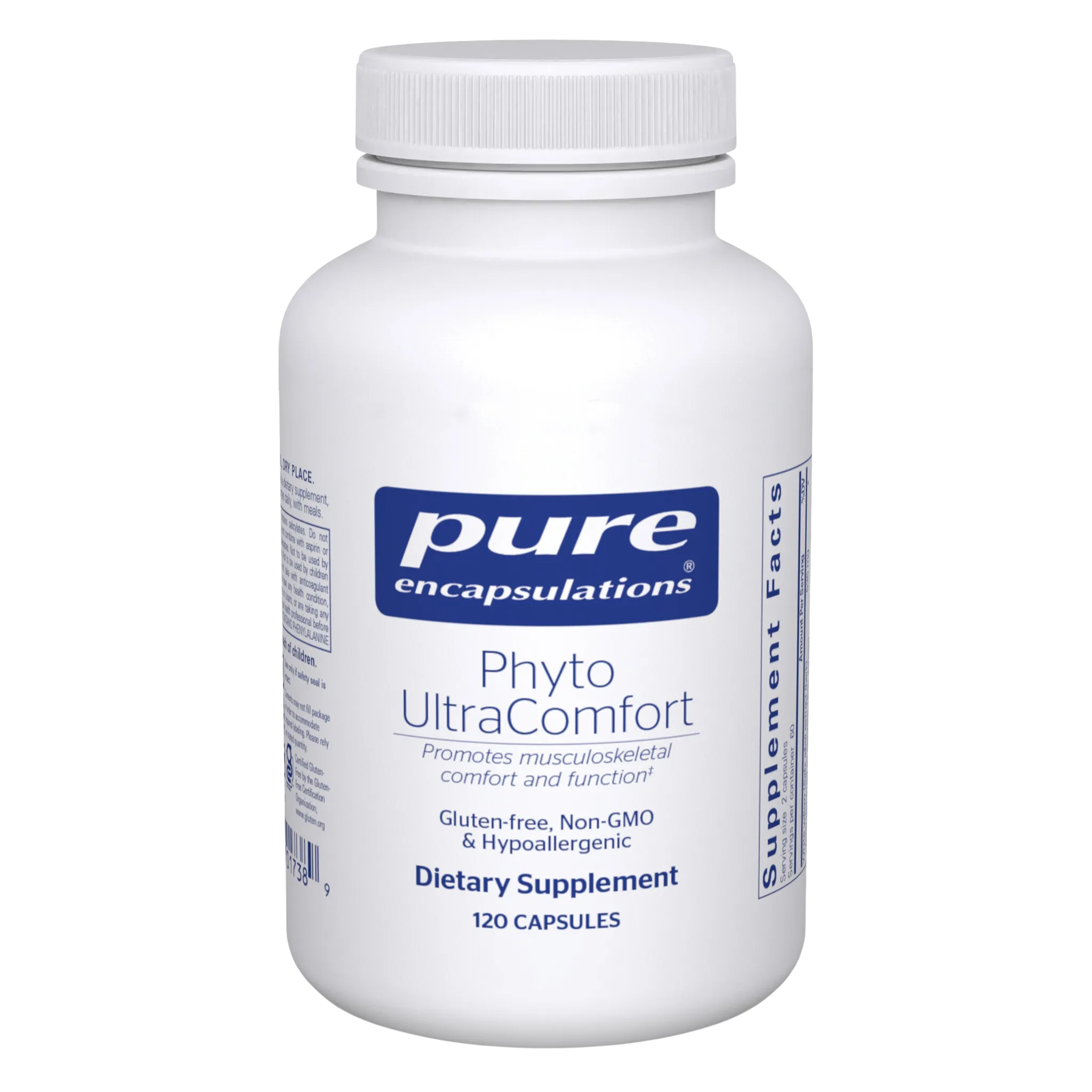
This is where targeted botanical interventions can play a crucial role in a comprehensive management strategy. Phyto UltraComfort by Pure Encapsulations is a specialized nutraceutical designed to address these exact pathways. By combining standardized extracts of white willow bark, Boswellia serrata, curcumin, and devil's claw with the amino acid DL-phenylalanine, this formulation offers a multi-faceted approach to modulating the body's inflammatory enzymes. In this comprehensive guide, we will explore the deep cellular mechanisms behind these ingredients, how chronic illness hijacks your musculoskeletal system, and how this unique botanical blend may help restore comfort and improve your quality of life.
What is Phyto UltraComfort?
The Synergy of Botanical Anti-Inflammatories
To understand how a supplement like Phyto UltraComfort functions within a healthy body, we must first look at the natural mechanisms of inflammation and pain signaling. In a balanced physiological state, inflammation is not inherently bad; it is a vital, temporary immune response designed to heal injuries and clear infections. When tissue is damaged, the body initiates a highly orchestrated biochemical cascade to increase blood flow, recruit immune cells, and sensitize local nerves to prevent further injury. However, this process relies on a delicate balance of pro-inflammatory and anti-inflammatory mediators. Phyto UltraComfort is formulated to provide the body with specific plant-based compounds—known as phytochemicals—that naturally interact with and modulate these mediator pathways, ensuring that the inflammatory response remains controlled and resolves appropriately.
The formulation brings together five distinct ingredients: white willow extract, Indian frankincense (Boswellia serrata), turmeric extract (curcumin), devil's claw, and DL-phenylalanine. In a healthy system, these compounds do not artificially suppress the immune system like powerful immunosuppressive drugs. Instead, they act as biological modulators. They interact with specific cellular receptors and enzymes to gently downregulate the overproduction of inflammatory chemicals while simultaneously supporting the body's natural pain-relieving networks. This synergistic approach means that multiple inflammatory pathways are addressed simultaneously, providing a broader spectrum of musculoskeletal support than a single ingredient could achieve alone.
Targeting the Arachidonic Acid Cascade
At the core of musculoskeletal comfort is the regulation of the arachidonic acid cascade. Arachidonic acid is a polyunsaturated fatty acid present in the phospholipids of your cell membranes. When a cell experiences stress or injury, an enzyme called phospholipase A2 cleaves arachidonic acid from the membrane, releasing it into the cell. Once free, arachidonic acid becomes the primary raw material for two major inflammatory pathways: the cyclooxygenase (COX) pathway and the lipoxygenase (LOX) pathway. The COX enzymes (specifically COX-1 and COX-2) convert arachidonic acid into prostaglandins and thromboxanes, which drive pain, fever, and swelling. Meanwhile, the 5-LOX enzyme converts it into leukotrienes, which are potent chemoattractants that summon white blood cells to the area, further fueling tissue inflammation.
In a healthy, resilient body, the COX and LOX pathways are tightly regulated by endogenous feedback loops. Once the injury is addressed, the body switches from producing pro-inflammatory prostaglandins to producing specialized pro-resolving mediators (SPMs) that signal the immune system to stand down and begin tissue repair. The botanical extracts in Phyto UltraComfort, particularly curcumin, boswellia, and white willow bark, contain active constituents that naturally inhibit the hyperactivity of the COX-2 and 5-LOX enzymes. By gently throttling these enzymatic pathways, the supplement helps prevent the excessive accumulation of prostaglandins and leukotrienes, thereby maintaining healthy joint function, preserving cartilage integrity, and supporting normal, pain-free mobility.
The Role of Endogenous Pain Relief
Beyond modulating inflammation, the body has a built-in mechanism for managing pain perception, known as the endogenous analgesia system. When you experience physical stress or pain, your central nervous system releases natural opioid peptides called endorphins and enkephalins. These molecules bind to specific receptors in the brain and spinal cord, effectively blocking pain signals from reaching your conscious awareness. This is the same system responsible for the famous "runner's high." In a healthy individual, these natural painkillers provide crucial relief during acute stress, allowing the body to function despite minor injuries or exertion.
However, to maintain physiological homeostasis, the body cannot leave these painkillers active indefinitely. It produces specific enzymes, known as enkephalinases, which rapidly degrade and destroy endorphins and enkephalins shortly after they are released. The inclusion of DL-phenylalanine in Phyto UltraComfort targets this exact mechanism. By acting as a natural inhibitor of enkephalinase enzymes, it protects your endogenous painkillers from rapid breakdown. This allows your natural endorphins to circulate longer and in higher concentrations, extending their pain-relieving effects and promoting a sustained sense of musculoskeletal comfort without the need for exogenous, habit-forming chemicals.
How Chronic Illness Impacts Musculoskeletal and Immune Function
The Cytokine Storm and Persistent Hyperinflammation in Long COVID
When an individual develops a complex chronic illness like Long COVID, the finely tuned inflammatory pathways described above fall into a state of profound dysregulation. In Long COVID, research suggests that the initial SARS-CoV-2 infection triggers a hyperactive immune response that fails to turn off even after the acute virus has been cleared. This persistent immune activation leads to a continuous, low-grade "cytokine storm." Pro-inflammatory cytokines, such as Interleukin-6 (IL-6) and Tumor Necrosis Factor-alpha (TNF-α), flood the systemic circulation. These cytokines act as constant alarm signals, relentlessly stimulating the COX-2 and 5-LOX enzymes in tissues throughout the body, particularly in the joints and muscles.
This systemic hyperinflammation is further complicated by endothelial dysfunction—damage to the inner lining of the blood vessels. As explored in our discussion on Autoimmunity and Immune Dysregulation in Long COVID, this vascular damage can lead to the formation of microscopic blood clots (microclots) that impair oxygen delivery to muscle tissues. When muscles are starved of oxygen (hypoxia), they generate excessive lactic acid and free radicals, triggering even more localized inflammation and deep, aching pain. The continuous activation of the arachidonic acid cascade in this oxygen-deprived environment creates a vicious cycle of musculoskeletal discomfort that cannot be resolved by rest alone.
Prostaglandins, Neuroinflammation, and the "Sickness Behavior" of ME/CFS
In myalgic encephalomyelitis/chronic fatigue syndrome (ME/CFS), the impact on the musculoskeletal system is deeply intertwined with the central nervous system. A hallmark of ME/CFS is unremitting fatigue and a phenomenon known as "sickness behavior"—the evolutionary response that makes you feel lethargic, achy, and withdrawn when you have the flu. This behavior is largely driven by the overproduction of Prostaglandin E2 (PGE2), a direct byproduct of the COX-2 enzyme pathway. In ME/CFS patients, chronic oxidative stress and mitochondrial dysfunction keep COX-2 continuously active, churning out high levels of PGE2.
Crucially, PGE2 has the ability to cross the blood-brain barrier. Once inside the central nervous system, it triggers neuroinflammation, activating microglial cells (the brain's immune cells) and altering pain perception. This central sensitization means that the brain begins to interpret normal sensory input from the muscles and joints as painful. Consequently, the severe body aches and post-exertional malaise (PEM) experienced by ME/CFS patients are not just local muscle issues; they are the result of a brain bathed in pro-inflammatory prostaglandins. Disrupting this COX-2/PGE2 axis is essential for breaking the cycle of neuroinflammation and alleviating the crushing physical fatigue associated with the condition.
Mast Cell Activation and Leukotriene Overload
Many patients with Long COVID and ME/CFS also suffer from comorbid mast cell activation syndrome (MCAS). Mast cells are the immune system's first responders, packed with granules containing histamine, cytokines, and other inflammatory mediators. In MCAS, these cells become hyper-reactive, degranulating inappropriately in response to minor triggers like food, temperature changes, or physical exertion. As detailed in our guide on Ketotifen for MCAS and Long COVID, this constant degranulation wreaks havoc on the body's tissues.
One of the most destructive components released during mast cell activation is newly synthesized leukotrienes, specifically Leukotriene B4 (LTB4), which is generated by the 5-LOX enzyme. LTB4 is a massive driver of joint and muscle pain. It acts as a powerful beacon, recruiting aggressive white blood cells (neutrophils) into the synovial fluid of the joints and the fascial tissue of the muscles. Once there, these immune cells release destructive enzymes called matrix metalloproteinases (MMPs) that physically degrade cartilage and connective tissue. This leukotriene overload explains why many MCAS patients experience sudden, severe joint pain and stiffness during a flare-up, highlighting the critical need for targeted 5-LOX inhibition.
Phyto UltraComfort: Supporting Joint Health and Inflammatory Balance
White Willow Bark and Reversible COX Inhibition
The first pillar of Phyto UltraComfort is white willow bark extract, standardized to contain 15% salicin. White willow (Salix alba) has been utilized for centuries as a natural analgesic, and its active compound, salicin, is the natural precursor to synthetic aspirin. However, its mechanism of action in the body is distinctly different and significantly gentler. When consumed, pure salicin acts as a prodrug. It passes through the stomach intact and is metabolized by gut bacteria into saligenin, which is then absorbed and oxidized by the liver into salicylic acid. Because of this multi-step conversion, white willow bark provides a sustained, long-lasting anti-inflammatory effect without causing the severe gastric irritation associated with synthetic NSAIDs.
Once converted, salicylic acid acts as a reversible, competitive inhibitor of the COX-1 and COX-2 enzymes. Unlike synthetic aspirin, which permanently acetylates and destroys these enzymes (leading to profound blood-thinning effects and ulcer risks), clinical studies show that salicylic acid temporarily binds to the enzymes, gently downregulating the production of pro-inflammatory prostaglandins. Furthermore, white willow bark contains a complex matrix of polyphenols and flavonoids that synergistically inhibit the nuclear translocation of NF-κB, a master genetic switch for inflammation. This broad-spectrum downregulation helps soothe the systemic aches and joint stiffness prevalent in Long COVID and ME/CFS.
Boswellia Extract (AKBA) and the 5-LOX Pathway
To address the leukotriene side of the inflammatory cascade, Phyto UltraComfort includes two forms of Indian frankincense (Boswellia serrata), including 5-LOXIN®, which is highly standardized to contain 30% AKBA (3-acetyl-11-keto-beta-boswellic acid). AKBA is the most biologically potent of the boswellic acids and possesses a highly unique mechanism of action. Pharmacological research demonstrates that AKBA is an allosteric, non-redox inhibitor of the 5-LOX enzyme. Instead of competing for the enzyme's active site, AKBA wedges itself into a specific structural pocket on the enzyme, physically altering its shape and shutting down its ability to produce pro-inflammatory Leukotriene B4 (LTB4).
By robustly blocking LTB4 production, AKBA halts the recruitment of destructive white blood cells into the joints and muscles. This is particularly crucial for patients dealing with MCAS-driven joint pain. Furthermore, recent in vivo studies have shown that by inhibiting 5-LOX, AKBA directly downregulates the expression of matrix metalloproteinases (MMPs)—the enzymes responsible for degrading cartilage. This means that Boswellia not only provides significant pain relief by reducing tissue swelling, but it also actively protects the structural integrity of the joints from chronic inflammatory damage.
Curcumin's Broad-Spectrum Inflammasome Suppression
Curcumin, the primary bioactive curcuminoid derived from turmeric (Curcuma longa), serves as the formulation's broad-spectrum inflammatory modulator. Curcumin is renowned for its ability to simultaneously target multiple pathways within the arachidonic acid cascade. It directly inhibits the expression of COX-2, severely limiting the production of the PGE2 prostaglandins that drive the "sickness behavior" and severe fatigue seen in ME/CFS. In fact, a pivotal 2018 clinical trial by van Campen et al. demonstrated that ME/CFS patients supplementing with highly bioavailable curcumin experienced significant reductions in generalized pain, fatigue, and CDC symptom scores over an eight-week period.
Beyond COX-2, curcumin is a potent inhibitor of the NLRP3 inflammasome, a multi-protein intracellular complex that triggers the release of highly inflammatory cytokines like IL-1β. In the context of Long COVID, where the immune system remains locked in a hyper-reactive state, suppressing the NLRP3 inflammasome is vital for cooling down systemic inflammation. Additionally, curcumin has been shown to cross the blood-brain barrier, where it neutralizes reactive oxygen species (ROS) and mitigates the neuroinflammation that contributes to the debilitating brain fog and cognitive dysfunction frequently reported by patients.
Devil's Claw, Genetic Transcription, and the Endocannabinoid System
Devil's claw (Harpagophytum procumbens) is a desert plant whose root extract is rich in iridoid glycosides, specifically harpagoside. While white willow and boswellia interact directly with inflammatory enzymes in the bloodstream, molecular research indicates that devil's claw works further upstream at the genetic level. Harpagoside inhibits the activation of AP-1 (Activator Protein-1), a transcription factor that signals the cell's DNA to manufacture COX-2 and 5-LOX enzymes. By blocking AP-1, devil's claw effectively stops joint cells from producing these inflammatory enzymes in the first place, drastically reducing both prostaglandin and leukotriene levels.
Fascinatingly, modern research has uncovered a secondary mechanism for devil's claw that is highly relevant to chronic pain patients. A 2022 study published in Nutrients revealed that Harpagophytum root extract mediates anti-inflammatory effects by upregulating and activating Cannabinoid Receptor type 2 (CB2) in the synovial cells of the joints. By engaging the body's endocannabinoid system, devil's claw provides a novel nociceptive (pain-blocking) pathway that works synergistically with its genetic anti-inflammatory effects to promote profound musculoskeletal comfort and improved joint mobility.
DL-Phenylalanine and Enkephalinase Inhibition
The final component of Phyto UltraComfort is DL-phenylalanine (DLPA), a 50/50 mixture of the essential amino acid L-phenylalanine and its synthetic mirror image, D-phenylalanine. While the L-form supports the production of vital neurotransmitters like dopamine and norepinephrine (which can help combat chronic fatigue), the D-form is the true star for pain management. As established by pioneering pharmacological research, D-phenylalanine acts as a potent enkephalinase inhibitor.
By blocking the enkephalinase enzymes that normally destroy the body's endogenous opioids, DLPA allows natural endorphins and enkephalins to accumulate in the central nervous system. This accumulation creates a sustained, natural analgesic effect that is particularly effective for intractable, chronic pain conditions like fibromyalgia, rheumatoid arthritis, and the widespread myalgia seen in Long COVID. Because it relies on the body's own pain-relieving chemicals, DLPA does not cause the tolerance, dependency, or cognitive dulling associated with prescription opiate medications, making it an ideal long-term supportive therapy.

Symptoms Phyto UltraComfort May Help Manage
Deep Joint and Musculoskeletal Pain: By simultaneously inhibiting the COX-2 and 5-LOX pathways, the combination of curcumin, boswellia, and white willow bark drastically reduces the production of prostaglandins and leukotrienes, alleviating the deep, aching joint pain and localized swelling common in chronic inflammatory conditions.
"Sickness Behavior" and Unremitting Fatigue: Curcumin and devil's claw actively suppress the production of Prostaglandin E2 (PGE2). By lowering systemic PGE2 levels, these botanicals help mitigate the flu-like lethargy, heavy limbs, and generalized "sickness behavior" that plagues patients with ME/CFS and Long COVID.
Post-Exertional Malaise (PEM) Muscle Aches: During a PEM crash, oxygen-deprived muscles generate excessive free radicals and lactic acid, triggering severe inflammation. The potent antioxidant properties of curcumin and the enkephalinase-inhibiting power of DL-phenylalanine work together to neutralize oxidative stress and elevate natural endorphins, helping to soothe post-exertional muscle aches.
Mast Cell-Driven Tissue Irritation: For patients with comorbid MCAS, the highly standardized AKBA from Boswellia serrata specifically targets the 5-LOX enzyme, halting the production of Leukotriene B4. This prevents aggressive white blood cells from infiltrating tissues and causing sudden, severe inflammatory flares.
Brain Fog and Neuroinflammation: Because bioavailable curcumin can cross the blood-brain barrier and suppress the NLRP3 inflammasome, it helps cool down the microglial activation and central neuroinflammation that contribute to cognitive dysfunction, memory issues, and sensory overload.
Practical Considerations: Forms, Dosing, and Absorption
Understanding Extract Standardization
When utilizing botanical supplements for complex chronic illnesses, the quality and potency of the raw materials are paramount. Raw, unstandardized herbal powders often contain highly variable amounts of active compounds, leading to unpredictable clinical results. Phyto UltraComfort utilizes strictly standardized extracts to ensure therapeutic efficacy. For example, the white willow bark is standardized to contain 15% salicin, ensuring a consistent, reliable dose of the COX-inhibiting prodrug. Similarly, the inclusion of 5-LOXIN® provides a Boswellia extract standardized to an exceptionally high 30% AKBA. This is critical because market data shows that conventional Boswellia extracts often contain only 1-3% AKBA, which is insufficient to achieve the necessary allosteric inhibition of the 5-LOX enzyme required for meaningful joint relief.
The devil's claw extract is standardized to contain 5% harpagosides, ensuring that the critical iridoid glycosides needed to block AP-1 genetic transcription are present in therapeutic quantities. By relying on these highly purified, standardized extracts, patients can trust that they are receiving the precise biochemical triggers necessary to modulate their hyperactive inflammatory pathways, rather than just consuming inactive plant fiber.
Bioavailability Challenges and Lipid Pairing
One of the most significant challenges in botanical medicine is bioavailability—the amount of the active compound that actually survives digestion and enters the systemic circulation. Curcumin, in particular, is notoriously difficult for the body to absorb due to its poor water solubility and rapid metabolization by the liver. To maximize the absorption of the curcuminoids and boswellic acids in Phyto UltraComfort, it is highly recommended to take the capsules alongside a meal that contains healthy dietary fats.
Taking the supplement with fats (such as olive oil, avocado, or omega-3 fish oils) helps emulsify the lipophilic (fat-loving) compounds, allowing them to be absorbed more efficiently through the intestinal wall and into the lymphatic system. This lipid pairing is essential for ensuring that the curcumin and AKBA reach therapeutic concentrations in the blood, allowing them to cross the blood-brain barrier and penetrate deep into the synovial fluid of the joints. For patients dealing with severe neuroinflammation, combining this protocol with a highly bioavailable vitamin C, such as 1 Gram of Ascorbic Acid, can further enhance systemic antioxidant defenses.
Safety, Contraindications, and Salicylate Sensitivity
While botanical anti-inflammatories are generally much gentler on the gastrointestinal tract than synthetic NSAIDs, they still carry specific safety considerations and contraindications. Because white willow bark contains salicin (a natural salicylate), this product must be strictly avoided by anyone with an allergy to aspirin or other salicylate-containing medications. Additionally, patients with severe histamine or salicylate intolerance—a common issue in severe MCAS—should introduce this supplement cautiously under the guidance of a healthcare provider.
Furthermore, because these botanicals gently modulate blood flow and platelet aggregation, Phyto UltraComfort should not be taken in conjunction with prescription anticoagulant or antiplatelet drugs (blood thinners) without strict medical supervision. Finally, due to the inclusion of DL-phenylalanine, this supplement is contraindicated for individuals with the rare genetic disorder Phenylketonuria (PKU), as they cannot safely metabolize phenylalanine. Patients taking Levodopa for Parkinson's disease or MAO inhibitor antidepressants should also avoid DLPA due to potential neurotransmitter interactions. Always consult your healthcare provider before adding a multi-pathway botanical to your regimen.

Follow the Science
Clinical Evidence for Curcumin in ME/CFS and Long COVID
The scientific foundation for utilizing these botanicals in post-viral and chronic fatigue syndromes is robust and growing. A landmark open-label clinical trial published by van Campen et al. in 2018 specifically investigated the impact of bioavailable curcumin on patients diagnosed with ME/CFS. In this study, patients were administered a highly absorbed curcumin complex twice daily for eight weeks. The results were striking: participants experienced a statistically significant reduction in their CDC Chronic Fatigue Syndrome symptom scores, alongside marked decreases in generalized musculoskeletal pain and physical fatigue. The researchers concluded that curcumin's ability to neutralize oxidative free radicals and suppress COX-2 driven neuroinflammation was directly responsible for the clinical improvements.
In the context of Long COVID, a comprehensive systematic review analyzing the effects of curcumin supplementation in COVID-19 recovery found that the botanical significantly restored immune balance. Patients receiving curcumin exhibited a profound decrease in pro-inflammatory cytokines (IL-1β, IL-6, and TNF-α) and a corresponding increase in anti-inflammatory cytokines (IL-10 and TGF-α). This data strongly supports the use of curcumin as a targeted intervention to quiet the persistent "cytokine storm" that drives Long COVID symptomatology.
Boswellia and Cartilage Protection Trials
The efficacy of Boswellia serrata, particularly the AKBA fraction, is well-documented in rheumatological research. A 2022 in vivo study published in the International Journal of Molecular Sciences utilized 5-LOXIN® (the exact standardized extract found in Phyto UltraComfort) on a model of severe osteoarthritis. The researchers found that oral administration profoundly suppressed 5-LOX and COX-2 activity, drastically reducing LTB4 and PGE2 levels. More importantly, histological analysis revealed that the AKBA physically reversed the deterioration of the articular extracellular matrix, proving that it not only masks pain but actively protects cartilage from inflammatory degradation.
Human clinical trials mirror these findings. Data frequently demonstrates that highly standardized extracts containing 30% AKBA yield statistically significant improvements in joint comfort, stiffness, and mobility in human subjects in as few as 5 to 7 days, making it one of the fastest-acting botanical anti-inflammatories available in the nutraceutical space.
Devil's Claw and White Willow in Osteoarthritis Research
Both devil's claw and white willow bark have been subjected to rigorous, double-blind, placebo-controlled trials for chronic pain management. A benchmark multi-center trial compared devil's claw extract to diacerhein (a slow-acting pharmaceutical osteoarthritis drug) in 122 patients with knee and hip osteoarthritis over four months. The patients taking devil's claw reported equivalent pain relief and improved joint mobility compared to the pharmaceutical group, but with significantly fewer gastrointestinal side effects and a reduced need for rescue pain medications.
Similarly, clinical evaluations of white willow bark have shown that standardized extracts delivering 120 mg to 240 mg of salicin per day are highly effective for exacerbations of chronic lower back pain and knee osteoarthritis. In a 12-week randomized controlled trial involving 120 patients with stage II-III knee osteoarthritis, patients receiving standardized willow extract experienced a significant decrease in their visual analogue scale (VAS) pain scores (dropping from 7.4 to 3.1), demonstrating efficacy comparable to high doses of synthetic ibuprofen, but with a vastly superior safety profile.
The Path Forward
Integrating Botanical Support into Your Protocol
Living with the relentless musculoskeletal pain and profound fatigue of Long COVID, ME/CFS, or MCAS can feel like an uphill battle against your own body. It is completely valid to feel frustrated when standard pain management strategies fall short or cause intolerable side effects. Understanding that your pain is rooted in specific, measurable biochemical pathways—like the overactive COX-2 and 5-LOX enzymes—can be incredibly empowering. It shifts the narrative from "unexplained pain" to a targetable physiological process.
While no single supplement is a cure for complex chronic illness, integrating a multi-pathway botanical like Phyto UltraComfort can be a powerful piece of a broader management puzzle. By gently modulating genetic transcription, suppressing inflammatory cytokines, and protecting your body's natural endorphins, this formulation offers a sophisticated approach to restoring musculoskeletal comfort. When combined with rigorous pacing, symptom tracking, and a comprehensive medical protocol—perhaps including foundational support like Balanced Immune—you can begin to reclaim your mobility and improve your daily quality of life.
Sources
Memorial Sloan Kettering Cancer Center - Willow Bark: Mechanism of Action & Clinical Summary
Natural anti-inflammatory agents for pain relief (PMC3011108)
From bench to bedside, boswellic acids in anti-inflammatory therapy (Frontiers in Pharmacology)
Boswellia serrata Extract, 5-Loxin®, Prevents Joint Pain and Cartilage Degeneration (MDPI)
The Effect of Curcumin in Patients with Chronic Fatigue Syndrome (van Campen et al., 2018)
Exploring the Potential of Dietary Supplements to Alleviate Pain Due to Long COVID (PMC10705462)
Curcumin Confers Anti-Inflammatory Effects in Adults Who Recovered from COVID-19 (PMC10058252)
Molecular mechanisms of neuroinflammation in ME/CFS and long COVID (Frontiers in Neurology)
Harpagophytum procumbens Increases CB2 Receptor Expression in Osteoarthritis (PMC9032731)
DL-phenylalanine markedly potentiates opiate analgesia (Medical Hypotheses)
Nutraceutical Business Review: Boswellia extract delivers next-level joint comfort